
8 Best Siphon Coffee Brewers of 2026
The Bodum 34oz ePebo is the best overall siphon coffee brewer for its consistent electric heating and auto shut-off, while the Hario Technica 5-Cup stands out as a reliable, hands-on pick for traditionalists. If you’re watching your budget, the LUEUR 5-Cup Glass Siphon delivers solid performance with classic design.
Siphon brewing isn’t just about coffee, it’s an experience. But that elegance means nothing if the unit cracks under heat, leaks during brewing, or delivers inconsistent results. Many buyers end up frustrated by fragile glass, poor seals, or confusing setups that overshadow the ritual.
As the founder of Bean Thusiast, I researched each model based on build quality, heat source reliability, and real-world feedback from owners. This guide cuts through the noise to highlight brewers that actually perform, with an eye on durability, ease of use, and the kind of clean, vibrant cup that makes siphon brewing worth the effort.
Top 8 Siphon Coffee Brewer in the Market
The Best Siphon Coffee Brewer, Reviewed
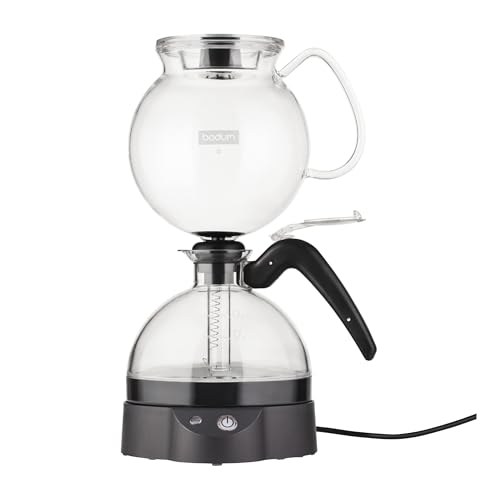
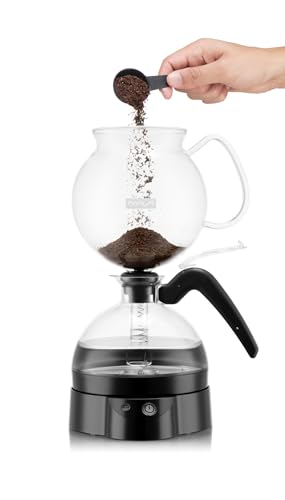
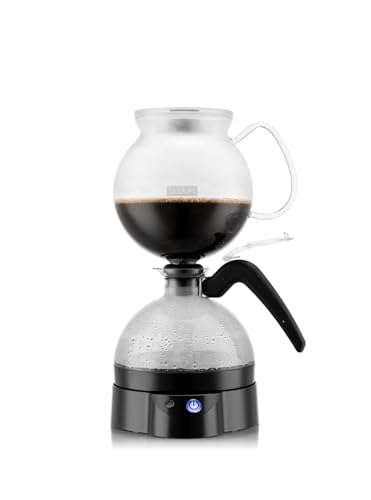
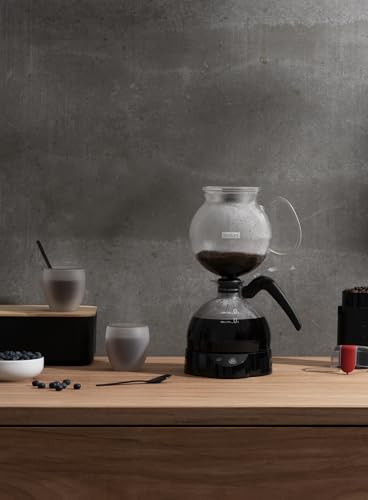
Bodum 34oz ePebo Electric Vacuum Coffee Maker
Strengths
- Auto temperature control
- Warming function
- Easy cleanup
Trade-offs
- Plastic jug feel
- Less ritualistic
The ePebo stands out by bringing automation to a traditionally hands-on process. With precise temperature control and a warming function, it removes the guesswork that often trips up beginners with stovetop or alcohol-burner models. The borosilicate funnel still lets you watch the mesmerizing vacuum action, and the integrated filter means no extra parts or cloth cleanup.
Reviewers note it’s more consistent than manual siphons, especially for daily use. While purists might scoff at the plastic jug, it’s durable and BPA-free, and it makes the whole unit safer and lighter than all-glass versions. Against the Yama stovetop models, this one wins on convenience without sacrificing too much theater.
Product photos
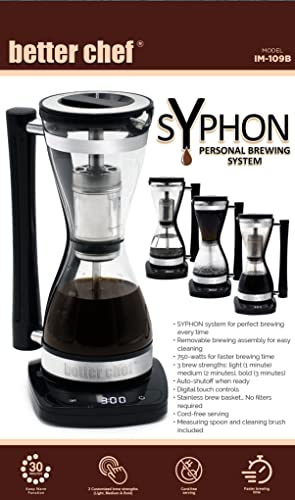
Better Chef Electric Siphon Coffee Maker

Strengths
- Single-serve precision
- Digital controls
- No paper filters
Trade-offs
- Very small capacity
- Limited theater
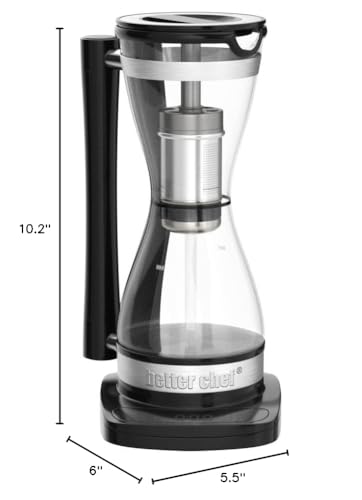
This one’s in a category of its own, a single-serve electric siphon. That’s rare. It uses digital controls to manage temperature and timing, with three brew length options, making it easy to dial in strength without guesswork. The stainless steel filter means no paper, and owners say the cup rivals pour-over in clarity but with more body.
It’s not for siphon traditionalists, the 8oz limit and compact size mean no group brewing, but for solo drinkers, it’s a smart upgrade from drip. Compared to the Bodum ePebo, it’s smaller but more focused. The keep-warm function is a nice touch, though I’d pour immediately for peak flavor.
Product photos
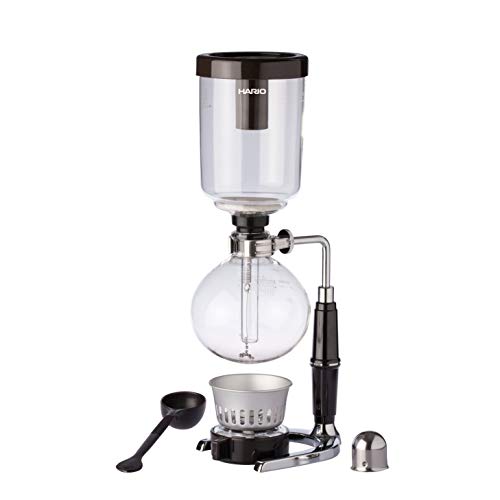
Hario Technica Coffee Syphon 600ml
Strengths
- Premium Japanese build
- Time-tested design
- Excellent heat resistance
Trade-offs
- Filter sold separately
- Steeper learning curve
This is the siphon I recommend when someone asks for the gold standard of traditional design. Imported from Japan, every part, from the borosilicate glass to the brass fasteners, feels intentional. The stainless steel stand and windbreak add durability, and the build quality is consistently praised across reviews.
It doesn’t have digital controls or plastic jugs, and it demands focus during brewing, but that’s the appeal. Compared to the Bodum ePebo, it’s less convenient but more authentic. The cloth filter (sold separately in some kits) pulls out a clean, vibrant cup that highlights origin characteristics better than most methods.
Product photos



Yama Glass 8-Cup Stovetop Siphon
Strengths
- Large 8-cup capacity
- Pure glass build
- Dishwasher safe
Trade-offs
- No burner included
- Flame control needed
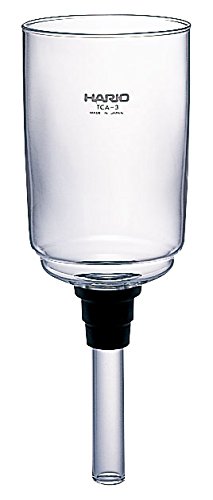
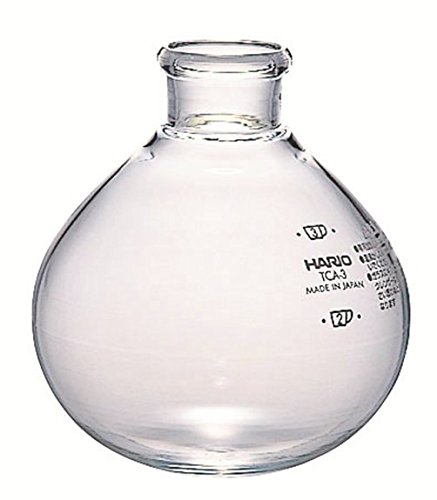
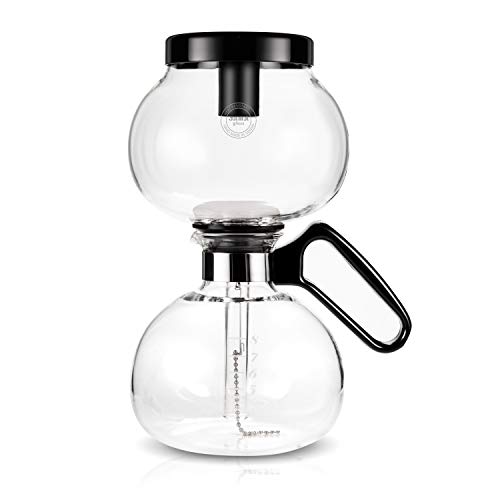
If you regularly brew for guests, this 24oz beast makes sense where others fall short. Most siphons top out at 5 cups, but this one delivers 8 smaller servings in a single cycle, perfect for weekend brunches or small gatherings. The all-glass construction is classic Yama, known for clarity and heat resistance, and owners praise how evenly it brews at scale.
It’s stovetop only, so flame control matters, and you’ll need a fine-to-medium grind to avoid over-extraction. Compared to the LUEUR or QWORK models, it lacks modern safety tweaks like buffer clamps, but it makes up for it in sheer capacity and timeless design. Dishwasher-safe parts help, though I’d hand-wash the glass long-term.
Video review
Diguo Belgian Balance Siphon Coffee Maker
Strengths
- Bold flavor
- Cloth filter included
- Striking design
Trade-offs
- Fragile mechanism
- Complex cleaning
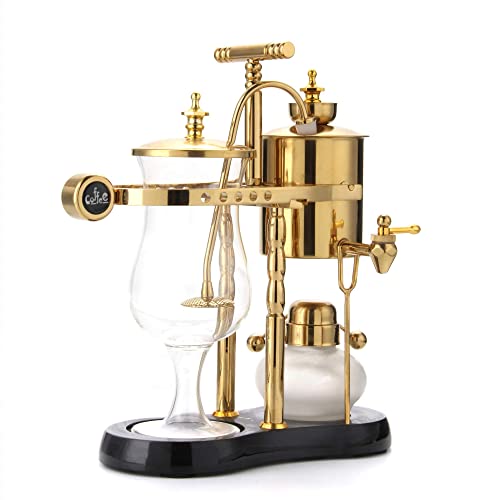
This siphon looks like it belongs in a 19th-century apothecary, not just because of how it brews, but because of how it commands attention. The gold plating, ridged fulcrum, and wooden base aren’t just functional, they’re part of the performance. On paper, it promises a clean, aromatic cup, and owners consistently report that the cloth filter delivers a bold, oil-rich profile that paper filters often strip away.
It’s not the easiest to clean, and the balance mechanism demands attention during brewing, but for those who treat coffee as ritual, that’s the point. Compared to more utilitarian models like the Hario Technica, this one trades simplicity for theatrical elegance, a fair trade if you value presentation as much as taste.
Video review
LUEUR 5-Cup Glass Siphon Coffee Maker
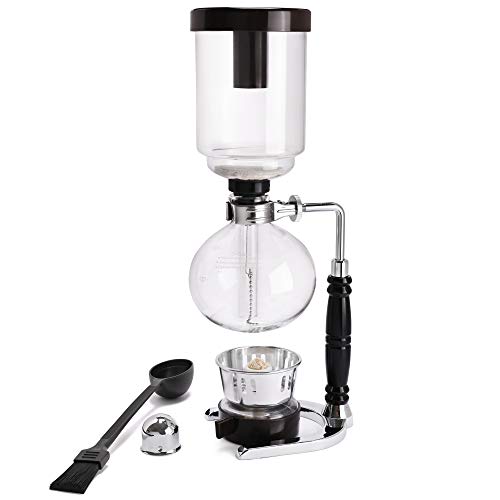
Strengths
- Affordable entry point
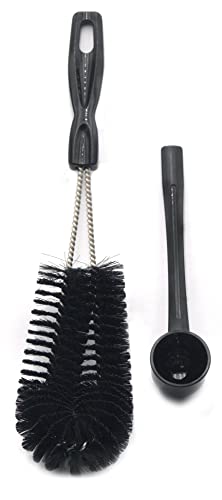
- Includes tools
- Safe handle design
Trade-offs
- Plastic spoon included
- Less premium feel
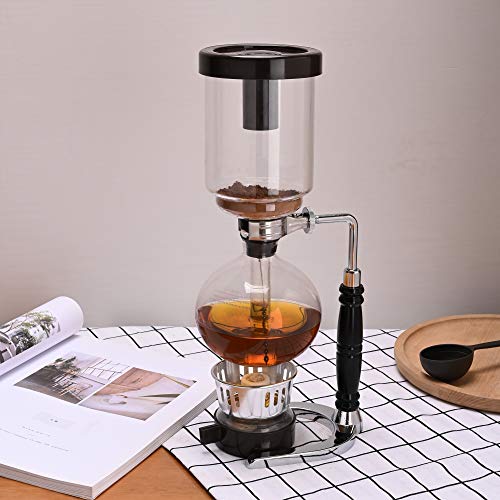
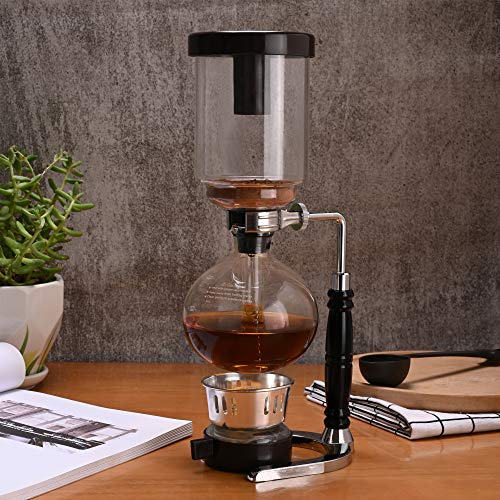
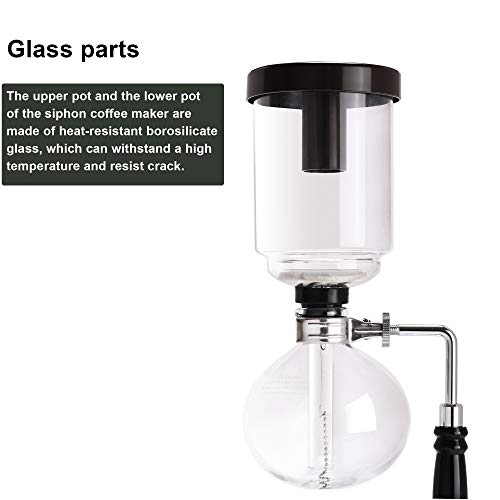
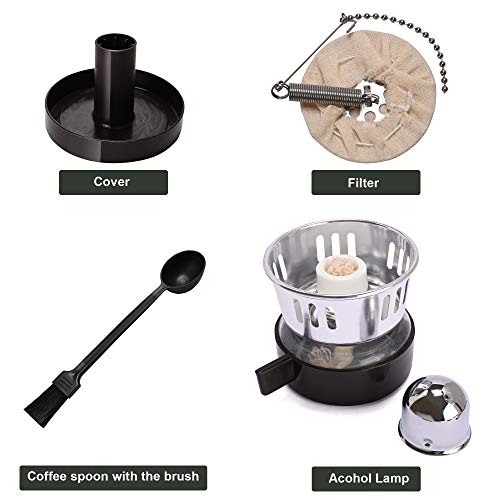
For the price, LUEUR packs in a lot: a stainless steel stand, reusable cloth filter, anti-scalding handle, and even a combo spoon-brush tool. It’s clearly designed to be accessible and safe for beginners dipping into siphon brewing. The borosilicate glass holds up well, and the space between burner and handle reduces burn risk, a real concern with cheaper models.
It doesn’t have the prestige of Hario or Yama, but owners say it performs surprisingly well for daily use. Compared to the QWORK, it’s less adjustable but more beginner-friendly. The cloth filter delivers that silky, full-flavor profile siphon fans crave, though cleaning it takes discipline.
Product photos
QWORK 5-Cup Borosilicate Glass Syphon

Strengths
- High heat tolerance
- Adjustable clamp
- Multi-heat source
Trade-offs
- No burner included
- Clamp can wear
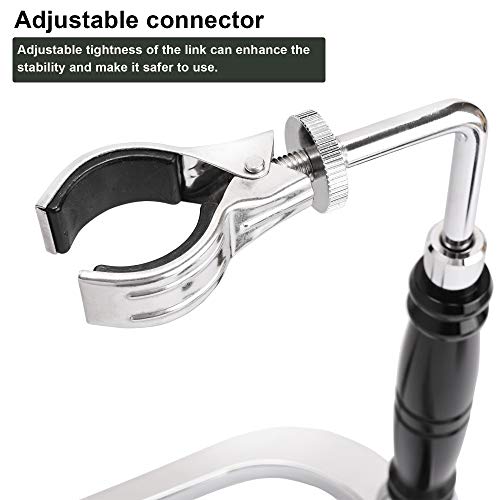
The standout here is the adjustable buffer clamp, a small but smart feature that stabilizes the connection between chambers. That, plus borosilicate glass rated to 180°C, makes this one of the most heat-resilient options on the list. It works with alcohol lamps, gas stoves, even halogen heaters, giving flexibility most siphons lack.
Owners appreciate the durability, and the 600ml capacity gives you a bit more than standard 5-cup models. It’s not as flashy as the Diguo, but it’s built for consistent performance. Against the Hario Technica, it offers better clamping security, though the brass fasteners on the Hario feel more refined.
Product photos
Yama Glass 5 Cup Tabletop Siphon

Strengths
- Stunning visual appeal
- Smooth, nuanced brew
- Includes alcohol burner
Trade-offs
- Fragile glass
- Burner fuel not included
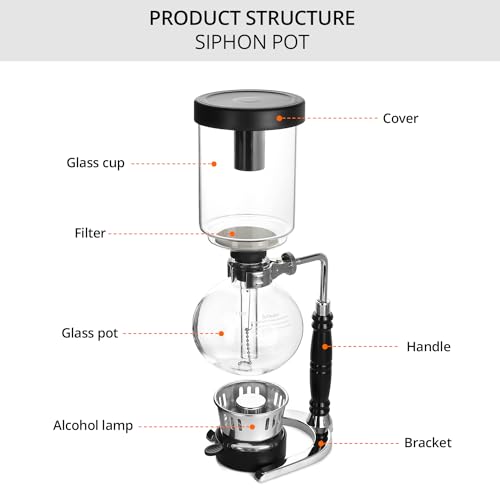
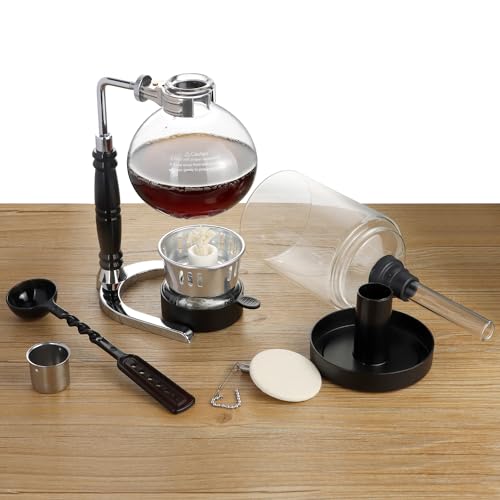
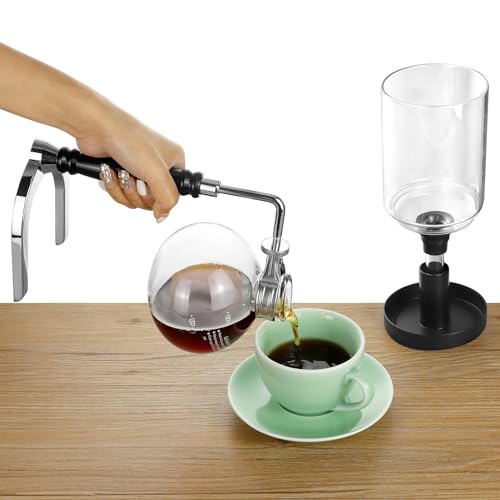
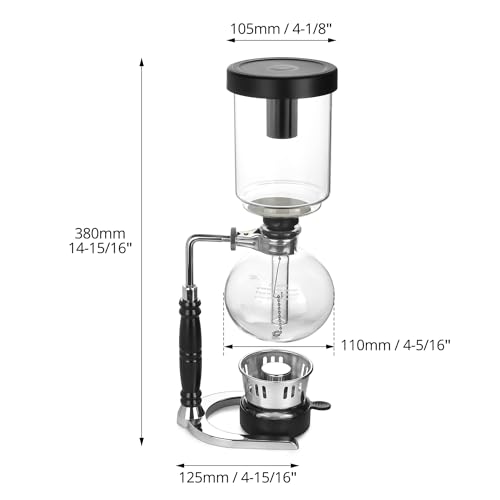
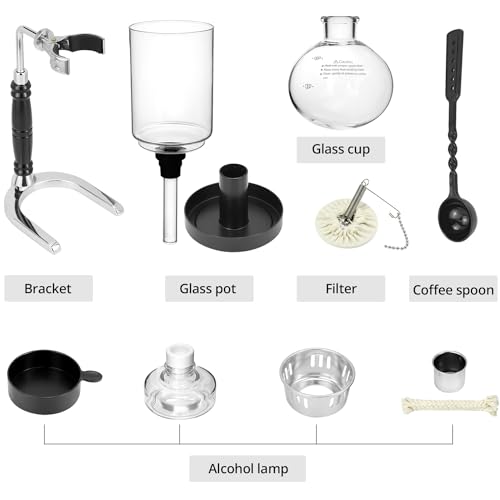
This is the siphon that makes people stop and ask, ‘What is that?’, in the best way. The lab-grade glass and vertical design turn brewing into a show, and the included alcohol burner keeps it self-contained on any table. It’s not the most durable, glass this elegant demands care, but owners love how it extracts clarity and complexity from single-origin beans.
It’s similar to the Hario Technica but with a slightly more dramatic stance. The cloth filter is key here, pulling out a smooth, tea-like body that paper can’t replicate. My recommendation? Use denatured alcohol as suggested; isopropyl just doesn’t cut it for consistent heat.
Product photos


How We Evaluated siphon coffee brewer
As the founder of Bean Thusiast, I approached researching siphon brewers by first compiling a detailed specification sheet for each model – capacity, materials, heat source compatibility, and included accessories. Then, I weighed these specs against owner reviews from major retailers and expert opinions found in coffee publications. Rather than a hands-on lab test, this is a research-led comparison focused on identifying trends in user satisfaction and consistent performance indicators.
For siphon brewers, consistent heat and glass quality are paramount. We prioritized models with durable, heat-resistant borosilicate glass and precise temperature control (either built-in or through compatible heat sources). The ability to achieve an ideal coffee-to-water ratio also heavily influenced our rankings, as this directly impacts the final brew’s strength and clarity. A good seal and ease of cleaning were also key considerations.
Specifications reliably reveal build quality and capacity, but owner feedback proved essential for judging long-term durability and usability. Reviews highlighted issues like fragile components or difficult cleaning processes. Reputation and brand consistency were also factored in; established brands like Hario and Yama consistently received positive feedback regarding glass quality and brewing performance, influencing where they landed in our recommendations.
Choosing The Right siphon coffee brewer
As someone who’s spent years exploring the nuances of coffee brewing, I can tell you a siphon brewer is a statement – a beautiful, slightly theatrical way to make a truly exceptional cup.
A quality siphon coffee brewer balances heat resistance, precise temperature control, and ease of cleaning. Look for borosilicate glass construction, a consistent heat source (whether electric or alcohol-based), and designs that minimize the risk of spills or breakage. Filter quality and replacement availability are also key considerations for long-term satisfaction.
Heat Source & Automation
The first thing to consider is how you want to heat your siphon. Traditional models use an alcohol burner, offering a classic aesthetic and a degree of control, but require careful monitoring. Electric models, like the Bodum ePebo, offer automation and temperature precision, which I find appealing for consistent results. Remember that alcohol burners require fuel (denatured alcohol is generally recommended) and create a small open flame, so safety is paramount. If you value convenience, an electric model is the way to go; if you enjoy the ritual and don’t mind a bit more attention, a traditional burner-based setup might be a better fit.
Glassware & Construction
Borosilicate glass is the gold standard for siphon brewers, and for good reason. It’s incredibly heat-resistant and won’t crack under thermal stress – a crucial feature when dealing with boiling water. Beyond that, pay attention to the thickness of the glass. Thinner glass is more elegant but more fragile. Also consider the overall build quality of the frame and seals. A well-constructed brewer, like those from Yama Glass, will last for years with proper care.
Here’s what I look for in terms of construction: * A secure seal between the upper and lower chambers is essential (check owner reviews for reports of leaks). * Stainless steel accents add durability and a touch of refinement. * A stable base is vital. A wobbly brewer is a dangerous brewer and will lead to uneven extraction.
Grind Size & Filter Type
Siphon brewing really shines with a medium-fine grind, similar to what you’d use for a pour-over – but a bit coarser than espresso. Getting the Chemex ratio recommendations right is important, though siphon brewing often allows for some flexibility. The filter is another key component. Cloth filters are traditional and produce a very clean cup, but require regular cleaning and eventual replacement. Some models, like the Better Chef, use stainless steel micro-perforated filters, eliminating the need for paper or cloth, but potentially letting some sediment through.
A properly cleaned siphon brewer is a happy siphon brewer. Always disassemble and rinse all components thoroughly after each use to prevent coffee oils from building up and affecting the flavor of your next brew.
If you’re new to siphon brewing, I highly recommend checking out our siphon coffee maker reviews to find a model that suits your needs and budget. It’s a rewarding method that delivers a truly special coffee experience.
Siphon Coffee Brewer Compared
Here’s a comparison of key specifications for various siphon coffee brewers.
| Product Name | Capacity (Cups) | Heat Source | Filter Type | Material (Bowl) | Auto Shut-Off |
|---|---|---|---|---|---|
| Bodum 34oz ePebo | N/A | Electric | Integrated | Borosilicate Glass | Yes |
| Better Chef Electric Siphon | 8oz (1 cup) | Electric | Stainless Steel | N/A | Yes |
| Hario Technica Coffee Syphon | 5 | Open Flame | Cloth | Borosilicate Glass | No |
| Yama Glass 8-Cup Stovetop | 8 | Open Flame | Cloth | Borosilicate Glass | No |
| Diguo Belgian Balance Siphon | 3-5 | Open Flame | Cloth | Borosilicate Glass | No |
| LUEUR 5-Cup Glass Siphon | 5 | Alcohol Burner | Cloth | Borosilicate Glass | No |
| QWORK 5-Cup Borosilicate Glass | 5 | Multiple | N/A | Borosilicate Glass | No |
| Yama Glass 5 Cup Tabletop | 5 | Alcohol Burner | N/A | Borosilicate Glass | No |
Frequently Asked Questions
What’s the difference between a siphon brewer and a traditional drip coffee maker?
A siphon brewer uses immersion and vacuum to create coffee, resulting in a cleaner, brighter cup compared to the more common drip method. Drip machines push hot water through grounds, while siphons fully immerse them before filtering, extracting different flavor compounds.
Are alcohol burners dangerous to use with a siphon brewer?
Alcohol burners present a small open flame, so caution is necessary; however, they are generally safe when used responsibly. Always use denatured alcohol, keep the brewer on a stable, heat-resistant surface, and never leave it unattended during operation.
How often should I replace the filter in a siphon brewer?
Cloth filters need replacing every few months with regular use, or when you notice a decline in brew quality. Stainless steel filters do not require replacement, but benefit from a thorough cleaning after each use to prevent oil buildup.
Can I use any type of coffee grinder for siphon brewing?
While you can, a burr grinder is highly recommended for consistent particle size. Siphon brewing performs best with a medium-fine grind, and a burr grinder provides the control needed to achieve that consistently, unlike blade grinders.
Are there electric siphon brewers that are easy to clean?
Yes, many electric models like the Bodum ePebo feature detachable parts and dishwasher-safe components, simplifying cleanup. If you’re looking for the best vacuum coffee brewer and ease of maintenance, an electric model is a good place to start.
The Bottom Line
Choosing a siphon brewer often comes down to how much control you want versus how much convenience you’re after. For consistently excellent results with minimal fuss, the Bodum 34oz ePebo stands out as the strongest overall pick. Its electric operation and auto shut-off provide peace of mind and repeatable brewing, while the quality of construction ensures it will last.
If you’re on a tighter budget or are looking for a specific feature, there are excellent alternatives. The Better Chef Electric Siphon is a great entry point for those wanting an affordable electric model, while the Yama Glass 8-Cup Stovetop is a solid choice for those who prefer a traditional, open-flame setup. For a refined experience with a focus on heat retention in drippers, the Yama Glass brewers consistently receive high marks.
Ultimately, the “best” siphon brewer isn’t about a single feature or price point. It’s about understanding your brewing style and prioritizing consistent grind size, quality filters, and careful cleaning. Those fundamentals will deliver a far more rewarding cup than any fancy specification ever could.
