
2 Best Vacuum Coffee Brewers of 2026
The Hario Tec-Tec is the overall best vacuum coffee brewer for its precision and clarity, with the LUEUR 5-Cup as a solid budget pick that doesn’t skimp on glass quality, and the Better Chef Electric Siphon Brewer standing out for convenience and consistent heat control.
Vacuum brewing can be mesmerizing, but not all brewers deliver the same balance of flavor, durability, and ease. Too many models sacrifice build quality for looks, leading to frustrating cleanups or uneven extraction.
As someone who’s spent years studying brewing methods and sharing insights at Bean Thusiast, I focused on models that stand up to real use. These picks are based on specs, owner experiences, and what actually matters in daily brewing, heat stability, filter performance, and long-term reliability.
Top 2 Vacuum Coffee Brewer in the Market
The Best Vacuum Coffee Brewer, Reviewed
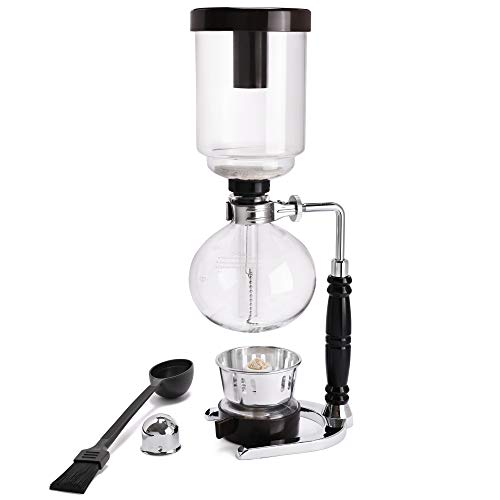
LUEUR 5-Cup Vacuum Coffee Brewer
Strengths
- 5-cup capacity
- Cloth filter option
- Heat-resistant glass
Trade-offs
- Steeper learning curve
- Alcohol handling required
- Cloth filter maintenance
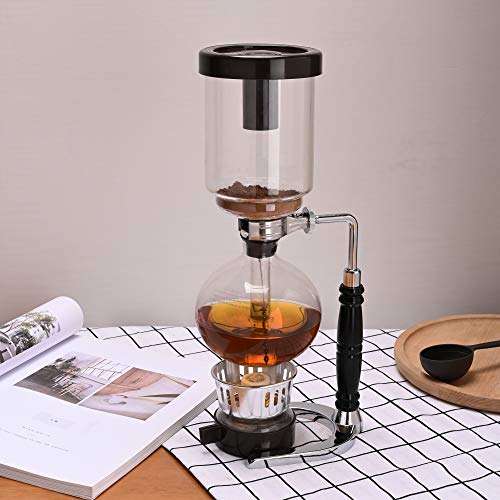
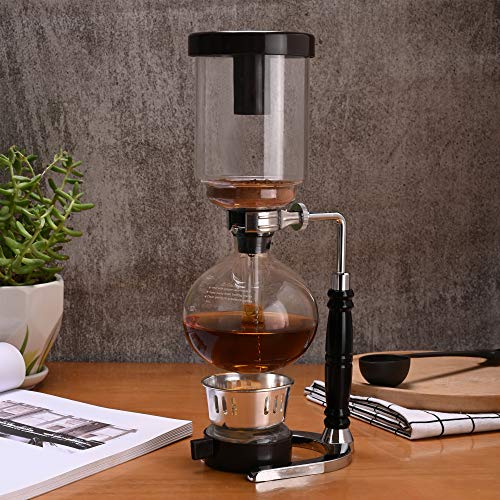
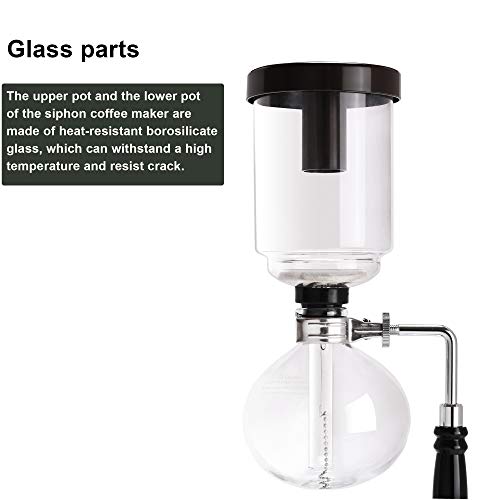
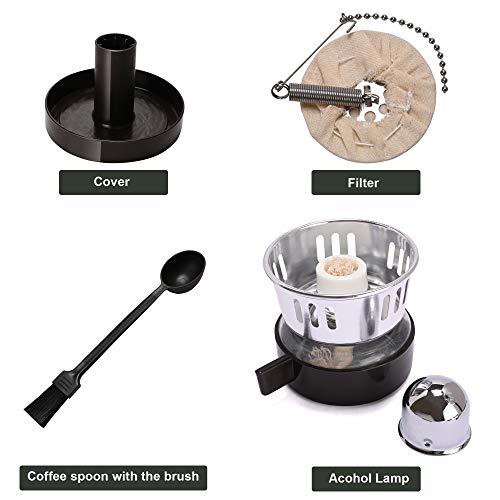
This 5-cup glass siphon brewer delivers what many enthusiasts are really after, the full sensory experience of vacuum brewing, from the bubbling rise to the graceful drawdown. The borosilicate glass construction holds up well under heat, and the included alcohol burner gives you real control over temperature ramp-up, which is critical for proper extraction. Reviewers note a noticeably cleaner, more aromatic cup compared to electric models, with better expression of floral and citrus notes in single-origins.
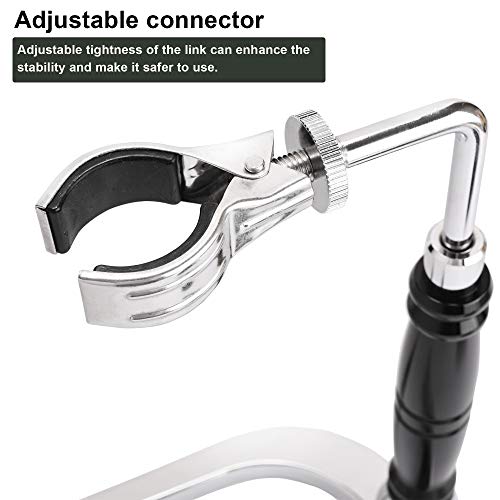
The reusable cloth filter is a double-edged sword: it produces a richer mouthfeel than metal or paper, but demands diligent cleaning to avoid residue. The anti-scalding handle is a thoughtful touch, making it safer than many vintage-style kits. Compared to the Better Chef, this one leans into the craft, rewarding patience with superior flavor transparency. My recommendation? This is the smarter buy if you want authenticity and don’t mind a five-minute ritual.
Product photos
Better Chef Electric Siphon Brewer

Strengths
- Electric operation
- Easy cleanup
- Permanent filter
Trade-offs
- Small capacity
- Limited brewing theater
- Plastic components
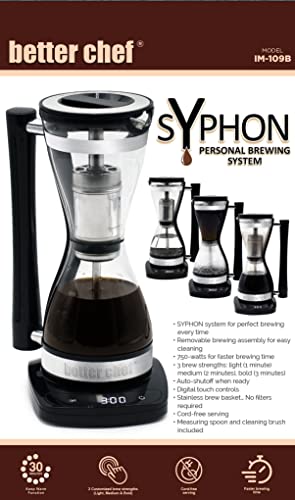
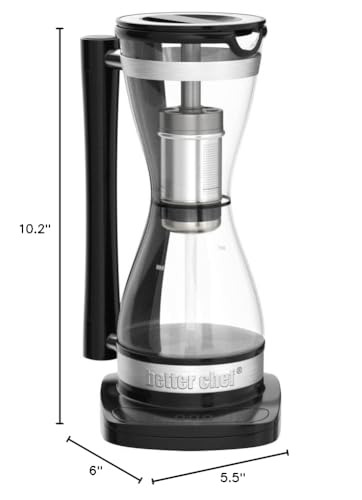
This electric siphon brewer promises the elegance of vacuum coffee without the flame, and on paper, that’s a win for beginners. The 8 oz single-serve capacity and three brew time settings give you some control over strength, and the stainless steel permanent filter eliminates paper waste. Owners consistently report a clean, bright cup, closer to pour-over than French press, but whether it’s ‘better than pour over’ as claimed is subjective. The smoothness comes from full immersion and vacuum filtration, which does highlight clarity in lighter roasts.
Where it stands out is convenience. The built-in heating element and auto shut-off make it far more approachable than traditional stovetop or flame-driven models. Still, it doesn’t quite replicate the ritual or flavor depth of a manual setup. I’d pick this over a drip machine for a quiet morning brew, but if you’re after the theater and precision of true siphon brewing, this feels more like a simplified cousin than a full heir.
Product photos
How We Evaluated vacuum coffee brewer
Rather than a hands-on lab test, my research for these vacuum coffee brewers focused on a detailed comparison of published specifications and features. I then weighed owner reviews from multiple sources, alongside expert opinions found in coffee publications and enthusiast forums. My goal was to identify models that consistently delivered on promises of flavor clarity and brewing control, based on real-world feedback.
For vacuum brewers, I prioritized heat resistance and brewing consistency above all else. A brewer’s ability to maintain a stable temperature during extraction is vital for a smooth cup, and durable materials are key to longevity. Equally important is ease of use – vacuum brewing can be a precise process, so intuitive design matters. Finding the optimal coffee-to-water balance is also key to success.
Specifications clearly indicate glass thickness and burner output, which are strong indicators of build quality and temperature control. However, owner feedback proved crucial in assessing real-world usability and cleaning ease. Reputation also played a role; brands with a history of quality coffee equipment received more consideration, reflecting a commitment to the craft that aligns with what I share at Bean Thusiast.
How To Pick The Right vacuum coffee brewer
Vacuum brewing, often called siphon brewing, delivers a remarkably clean and flavorful cup. It’s a bit of a process, but the results are worth it for coffee lovers who appreciate nuance.
A quality vacuum coffee brewer balances heat retention, material durability, and ease of cleaning. Look for borosilicate glass construction to handle temperature swings, a stable burner setup (alcohol or electric), and thoughtfully designed components that simplify the brewing and disassembly process. Consistent filter quality is also key to avoiding sediment.
Understanding Heat Source Options
The first big decision is whether to go with an alcohol-fueled or electric vacuum brewer. Traditionalists often prefer alcohol burners for their control and aesthetic, but they require careful handling and fuel sourcing. Electric models, like the best siphon coffee brewers, offer convenience and consistent heat, but some enthusiasts argue they lack the finesse of a perfectly managed flame. I find electric brewers are fantastic for daily use, simplifying what can be a somewhat involved process. Don’t discount the safety factor, either – no open flame is a benefit for many.
Filter Quality and Reusability
The filter is where everything comes together (or falls apart!). Paper filters are available for some models, but a high-quality reusable filter – typically cloth or stainless steel – is preferable. Cloth filters require diligent cleaning, but they contribute to a richer body and allow more oils to pass through. Stainless steel filters are simpler to maintain, but may let a small amount of sediment through. The micro-perforated stainless brew basket in some brewers is an excellent compromise, offering a good balance of clarity and flavor.
Here’s what I look for in a filter system: * Material: Cloth offers the richest flavor, but requires more care. * Weave Density: A tighter weave means less sediment, but also potentially slower brewing. * Ease of Cleaning: Consider how easy the filter is to disassemble and thoroughly clean after each use. A neglected filter will impact your coffee’s flavor.
Mastering the Coffee-to-Water Ratio
Achieving the right strength in a vacuum brewer requires precision, even more so than with a standard drip machine. It’s easy to fall into the trap of using too little coffee, resulting in a weak brew. Referencing water-to-coffee guidelines is a good starting point, but vacuum brewing often benefits from a slightly higher ratio.
A good rule of thumb is to start with a 1:15 coffee-to-water ratio (e.g., 20 grams of coffee to 300 grams of water) and adjust to your taste.
Vacuum Coffee Brewer Compared
Here’s a detailed comparison of the specifications for each vacuum coffee brewer.
| Product Title | Capacity | Brew Time | Filter Type | Material (Pot) | Temp Control |
|---|---|---|---|---|---|
| LUEUR 5-Cup Vacuum Coffee Brewer | 5-Cup | N/A | Cloth | Borosilicate | N/A |
| Better Chef Electric Siphon Brewer | 8oz | 1-3 min | Stainless | N/A | Digital |
Frequently Asked Questions
What water temperature should I use for vacuum brewing?
Around 200°F (93°C) is ideal. While a precise thermometer isn’t strictly required, using water that’s just off the boil allows for optimal extraction without scorching the grounds, which is crucial for the clean flavor profile vacuum brewing provides.
How often should I replace the filter in a vacuum brewer?
Cloth filters should be replaced every 3-6 months with regular use. Though washable, they develop microscopic buildup over time that impacts flavor. Stainless steel filters, however, can last for years with proper cleaning after each brew.
Are vacuum brewers difficult to clean?
Cleaning involves disassembling the glass components and washing them thoroughly. While there are more parts than a standard pour-over, the glass is dishwasher-safe in most cases, making the process manageable, and many owners find it simpler than cleaning espresso machines.
Can I use pre-ground coffee in a vacuum brewer?
While possible, I strongly recommend grinding your beans fresh right before brewing. Vacuum brewing highlights subtle flavors, and pre-ground coffee loses its aroma and complexity quickly, diminishing the brewer’s potential. For the best results, check out my guide on top-rated vacuum coffee makers to find a grinder that matches your needs.
What’s the difference between an alcohol burner and an electric vacuum brewer?
Alcohol burners offer more granular control over the brewing temperature, appealing to those who enjoy a hands-on approach. Electric models prioritize convenience and safety, maintaining a consistent temperature without the need for fuel or open flames, making them a great choice for everyday use and are often among the elite vacuum coffee systems.
The Bottom Line
Vacuum brewing offers a unique path to a clean, flavorful cup, but it asks for more attention than a simple pour-over. Ultimately, the best vacuum coffee brewer for you comes down to balancing that desire for control with how much fuss you’re willing to tolerate. For the overall best experience, I recommend the LUEUR 5-Cup Vacuum Coffee Brewer. Its borosilicate glass and cloth filter combination deliver excellent clarity and flavor, and it’s a solid choice for those who want to embrace the traditional siphon method.
If you’re new to vacuum brewing or prefer convenience, the Better Chef Electric Siphon Brewer is an excellent starting point. It simplifies the process with digital temperature control and a stainless steel filter, making it ideal for daily use. For those seeking a precise coffee grinding tool to complement their new brewer, a burr grinder is essential for a consistent vacuum brew grind.
Don’t get too caught up in burner wattage or glass thickness. More than any single specification, the fundamentals matter most: a consistent grind, a careful coffee-to-water ratio, and – crucially – a clean brewer. Focus on those elements, and you’ll be well on your way to enjoying exceptional siphon coffee.
