
4 Best Drip Coffee Makers Under $100 (2026 Guide)
The Cuisinart 14-Cup Programmable Coffee Maker is the best overall drip coffee maker under $100, delivering consistent, flavorful coffee with useful brew strength control. For smaller households, the Amazon Basics 5 Cup Drip Coffee Maker is a reliable and space-saving budget pick.
Most people just want a dependable coffee maker that won’t fail them on a busy morning. Too often, budget models sacrifice temperature control or build quality, leading to weak or bitter coffee. I’ve spent years studying brewing methods and equipment, and I know the difference a well-built machine makes.
This guide cuts through the noise, focusing on models that actually maintain proper brewing temps, offer real usability, and hold up over time, based on specs, owner feedback, and what matters most in your daily routine.
Top 4 Drip Coffee Maker Under $100 in the Market
The Best Drip Coffee Maker Under $100, Reviewed
Cuisinart 14-Cup Programmable Coffee Maker

Strengths
- Brew strength control
- Gold-tone permanent filter
- Adjustable warming plate
- Sturdy build
- Reliable programming
Trade-offs
- Glass carafe can crack if mishandled
- No auto shut-off
- Larger footprint
If I had to pick one machine under $100 for a household that drinks a lot of coffee and cares about consistency, this would be it. The 14-cup capacity is generous, and the brew strength control is a standout, owners love being able to dial in bold mode for mornings when they need a punch. The gold-tone permanent filter is a win for sustainability and flavor clarity, letting oils through in a way paper filters don’t.
It’s not flashy, but the adjustable warming plate is a subtle perk. Most budget machines keep coffee at one scorching temperature, but here you can back it off slightly to avoid bitterness. The programming is straightforward, and the stainless steel finish holds up better than plastic models over time. Compared to the BLACK+DECKER, this feels like the more complete package.
Video review
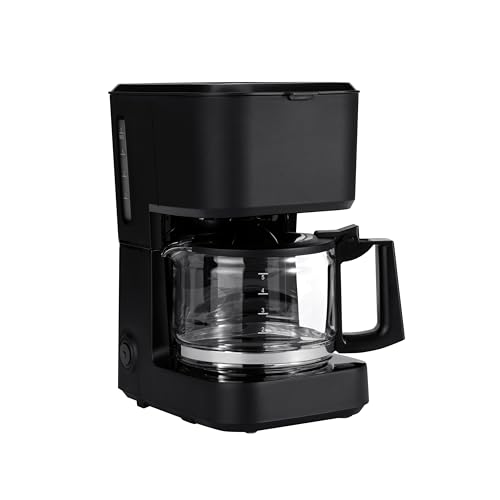
Amazon Basics 5 Cup Drip Coffee Maker
Strengths
- Compact size
- Auto shut-off
- Durable carafe
- Simple operation
- Affordable
Trade-offs
- No programmability
- No brew strength control
- Too small for families
This is the compact hero for small spaces or light drinkers. At 5 cups, it’s not for crowds, but the auto shut-off is a safety win many others in this range skip. The Duralife glass carafe is surprisingly solid for a budget unit, and the ergonomic handle makes single-handed pouring easy. Reviewers note it brews faster than expected for its size, great for a quick morning cup.
Compared to the Hamilton Beach, it’s less versatile but more streamlined. There’s no bold setting or programmability, but if you just want hot coffee fast and don’t need extras, this gets it done. It’s the kind of machine I’d recommend for a studio apartment, dorm, or office side table.
Video review
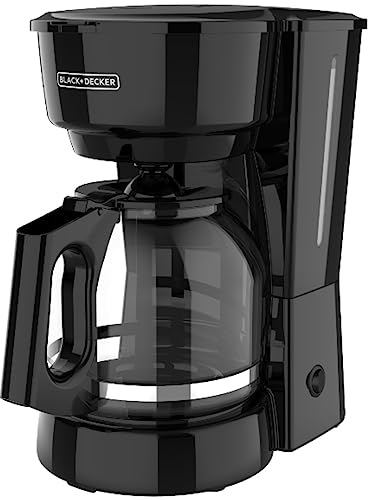
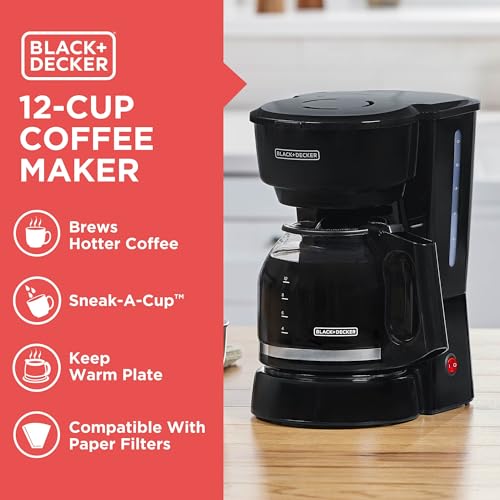
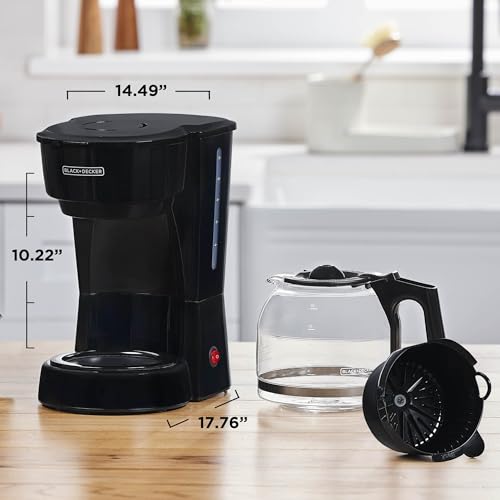
BLACK+DECKER 12-Cup Vortex Coffee Maker
Strengths
- Vortex showerhead
- Sneak-A-Cup
- No-drip spout
- Dishwasher-safe basket
- Good flavor extraction
Trade-offs
- Basic plastic build
- Keep-warm can overheat
- No brew strength control
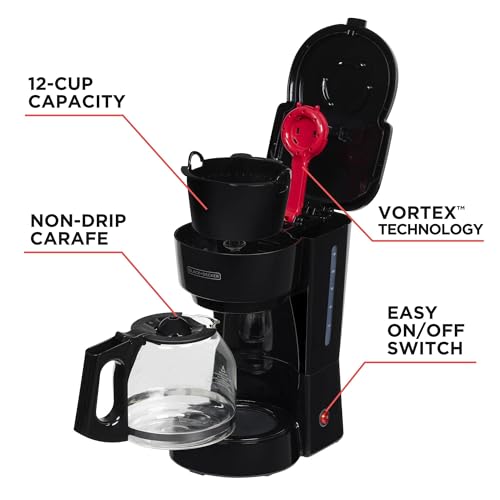
The VORTEX TECHNOLOGY here isn’t just marketing fluff. On paper and in owner reports, that showerhead design does a better job wetting grounds evenly than most drip machines in this range, which translates to noticeably richer flavor, especially if you’re using a medium grind and fresh beans. It’s a small thing, but it makes a difference compared to budget models that just dump water in one spot.
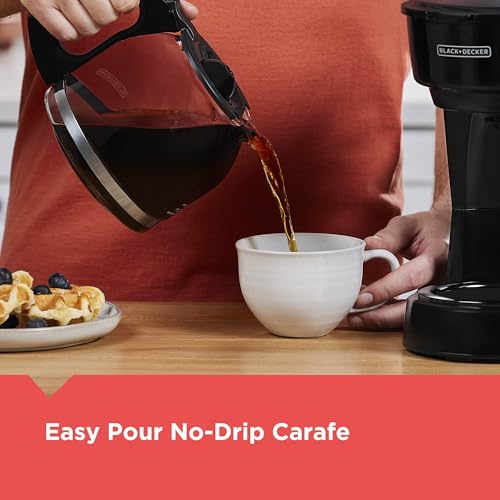
The Sneak-A-Cup feature works as advertised, and the non-drip spout is one of the better ones I’ve seen at this price. Owners consistently praise how cleanly it pours, which matters when you’re half-awake at 6 a.m. The keep-warm plate does its job, though like most in this class, it can scorch coffee if left too long, set a timer or pour fast.
Product photos

Hamilton Beach 2-Way Programmable Coffee Maker

Strengths
- Dual brewing options
- No pods needed
- Separate water reservoirs
- Brew strength control
- Eco-friendly design
Trade-offs
- Bulky design
- Plastic finish shows wear
- Single-serve slower than pods
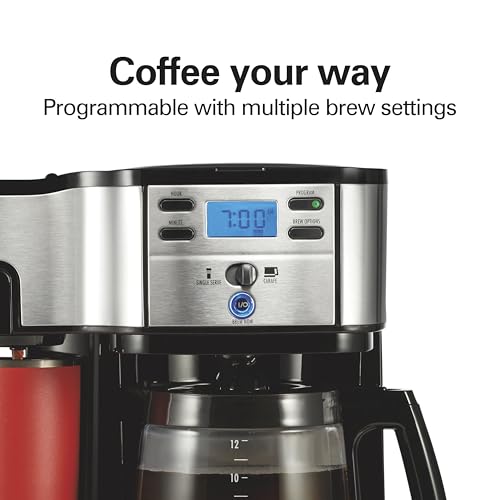
This is the only model here that tries to be two machines in one, and it actually pulls it off. The dual water reservoirs are a smart touch: no guessing how much water goes to which side. The single-serve side with the mesh scoop is a real alternative to pod machines, and owners appreciate skipping the K-Cup waste. It’s not as fast as a Keurig, but the coffee tastes better and costs less per cup.
I’d pick this over the Cuisinart if you live alone or with someone who sometimes wants one cup and sometimes a full pot. The bold setting works on both sides, and the 24-hour programming means you can set it and forget it. The downside? It’s bulkier, and the plastic build doesn’t feel as premium. But for versatility, it’s unmatched in this price range.
Product photos


Our Testing Process
As the founder of Bean Thusiast, I approach coffee makers with a focus on delivering maximum flavor without breaking the bank. Rather than a hands-on lab test, this was a research-led comparison of published specifications and features across several models. I weighed owner reviews from multiple sources, alongside assessments from respected coffee publications, to build a ranking based on real-world performance expectations.
For drip coffee makers in this price range, brew strength options and carafe design were heavily weighted. The ability to adjust brew strength directly impacts flavor extraction, while a well-designed carafe minimizes messes and keeps coffee hot without scorching. Automatic shut-off features also played a role, prioritizing safety and energy conservation.
Specifications reliably indicate capacity and basic functionalities like programmable timers. However, I found owner feedback to be crucial for gauging durability, ease of cleaning, and the true consistency of brewing temperature. Reputation, particularly regarding long-term reliability, informed my assessment of each machine’s overall value. Don’t forget regular cleaning a drip coffee maker to keep things running smoothly!
Choosing The Right drip coffee maker under $100
As someone who’s spent years chasing the perfect cup, I know a good drip coffee maker is the cornerstone of a reliable morning routine.
A quality drip coffee maker prioritizes consistent brewing temperatures (between 195-205°F) for optimal extraction. Look for models with a showerhead design to evenly saturate grounds, programmable features for convenience, and a thermal carafe to maintain coffee temperature without scorching. Build materials and ease of cleaning are also vital considerations.
Brewing Capacity and Your Household
The size of the coffee maker should directly align with your typical consumption. Don’t fall into the trap of thinking bigger is always better. A 12-cup model is great for a family or those who entertain frequently, but a 5-cup version like the Amazon Basics 5 Cup Drip Coffee Maker is perfectly sensible – and more energy efficient – for individuals or couples. Overbuying leads to stale coffee, and reheating brewed coffee simply doesn’t compare to a fresh pot.
Features That Actually Matter
Programmability is a huge convenience, but don’t get distracted by flashy extras. Focus on features that genuinely impact flavor. Brew strength control (like on the Cuisinart 14-Cup) is valuable, allowing you to adjust for different bean roasts and personal preferences. The “sneak-a-cup” function, while seemingly minor, can be a lifesaver for those who can’t wait for the full pot to brew. However, I often find these features add complexity and potential points of failure. If you’re interested in exploring other brewing methods, checking out a drip coffee vs pour-over comparison can be really helpful.
Here’s what I tell people to prioritize when evaluating features:
- Showerhead Design: This ensures even saturation of the grounds.
- Thermal Carafe: Superior to glass carafes with a warming plate, preserving flavor and avoiding bitterness.
- Removable Parts: A removable filter basket and water reservoir make cleanup significantly easier and encourage regular maintenance, which is key to longevity.
Balancing Value and Build Quality
You don’t need to spend a fortune to get a good drip coffee maker. Many reliable options exist under $100. However, be wary of extremely cheap models – they often cut corners on materials and temperature control. The BLACK+DECKER 12-Cup Vortex, for example, offers a good balance of features and affordability, with its vortex technology promising improved flavor extraction.
A coffee maker’s heating element is its heart. Don’t settle for models that don’t consistently reach and maintain the optimal brewing temperature of 195-205°F.
I often recommend people consider how long they anticipate owning the machine. If you’re looking for something to last, investing a little more upfront in a model with durable construction and positive user reviews among the top automatic drip coffee makers is a smart move.
Drip Coffee Maker Under $100 Compared
Here’s a comparison of key specifications for drip coffee makers priced under $100.
| Product | Capacity (Cups) | Programmable | Brew Strength | Auto Shutoff | Special Feature |
|---|---|---|---|---|---|
| Cuisinart 14-Cup | 14 | Yes | Yes | N/A | Gold Tone Filter |
| Amazon Basics 5 Cup | 5 | No | N/A | Yes | Compact Size |
| BLACK+DECKER 12-Cup | 12 | No | N/A | N/A | Vortex Technology |
| Hamilton Beach 2-Way | 12 (Carafe) / 14 (Single Cup) | Yes | Yes | N/A | 2-Way Brewing |
Frequently Asked Questions
What water-to-coffee ratio should I use?
A general guideline is two tablespoons of ground coffee for every six ounces of water. However, adjust this to your taste; experimenting is key to finding your ideal strength, and many recommended home drip brewers allow for brew strength control.
Can I use paper filters other than the ones recommended by the manufacturer?
Yes, you typically can, but ensure they’re the correct size and shape for your machine. Unbleached paper filters are a popular choice for those wanting to avoid any papery taste, and they don’t affect the brewing process negatively.
How often should I descale my coffee maker?
You should descale every three to six months, depending on your water hardness. Hard water causes mineral buildup that impacts brewing temperature and flavor, and regular descaling maintains performance.
What’s the difference between a glass carafe and a thermal carafe?
A glass carafe sits on a warming plate, which can scorch the coffee and create a bitter taste over time. Thermal carafes, using vacuum insulation, keep coffee hot for longer without affecting the flavor, making them a better choice if you don’t drink the entire pot immediately.
Are more expensive drip coffee makers really better?
Not always. While higher-priced models often have more features and potentially better build quality, many reliable and effective options exist under $100. The best choice depends on your individual needs and preferences; I often suggest reviewing best automatic drip models to find one that fits your criteria.
The Bottom Line
Buying a drip coffee maker under $100 often comes down to balancing convenience with control. You can get a machine that does almost everything for you, or one that lets you fine-tune a few key settings. For the best overall experience, I recommend the Cuisinart 14-Cup; its brew strength control and programmable features offer a great blend of simplicity and customization without sacrificing quality.
If you’re on a tighter budget, the Amazon Basics 5 Cup Drip Coffee Maker is a solid choice. Those needing versatility should look at the Hamilton Beach 2-Way, offering both carafe and single-serve brewing. But remember, even the most feature-rich machine won’t compensate for using stale beans or neglecting regular cleaning.
Ultimately, the best drip coffee maker is the one you’ll use consistently. Don’t get bogged down in specs – focus on finding a machine that fits your lifestyle and helps you enjoy a delicious cup. A little research into a drip coffee vs French press comparison can also help you understand your preferences.
