
3 Best Decaf Espresso Coffees of 2026
The best decaf espresso coffee overall is illy Classico Decaf, for its smooth, balanced flavor and reliable crema. If you want a bold, dark-roasted option at a better price, Organic Coffee Co. DECAF Hurricane is a strong budget pick. For those who prefer whole beans and a traditional Italian profile, Lavazza DEK delivers solid results.
Finding a decaf espresso that doesn’t taste like a compromise is harder than it should be. So many options are flat, ashy, or lack the richness that makes espresso worth sipping slowly. After years of evaluating beans and roasting methods, I know the right decaf needs more than just caffeine removed, it needs careful processing and a roast profile that honors the bean.
This guide cuts through the noise, focusing on flavor, decaf method, and real-world performance. I compared specs and read hundreds of owner reviews to find the ones that consistently deliver a true espresso experience, no caffeine jitters, just great taste.
Top 3 Decaf Espresso Coffee in the Market
The Best Decaf Espresso Coffee, Reviewed
illy Classico Decaf Ground Coffee

Strengths
- 100% Arabica
- Balanced flavor
- Rich aroma
- Fine grind
- No preservatives
Trade-offs
- Pre-ground only
- Smaller bag size
- Higher price per ounce
When it comes to decaf espresso that still feels luxurious, illy’s Classico Decaf stands out on paper and in owner feedback as a top-tier choice. The 100% Arabica blend is consistently praised for preserving that rich, aromatic depth you’d expect from a true Italian espresso, with subtle notes of caramel, toasted bread, and dark chocolate coming through even after decaffeination. What really sets it apart is the precision in roasting, this isn’t a one-note decaf that fades fast, but a balanced, smooth cup with enough structure to hold up in milk drinks or savor straight.
Owners who care about consistency and origin integrity tend to favor illy, especially since they source only the top 1% of Arabica beans and use a proprietary roast process. While it’s pre-ground (which limits freshness for espresso purists), the fine, uniform grind works well for home machines. Compared to bulk decaf options, this is the pick if you value refinement over volume.
Video review
Organic Coffee Co. DECAF Hurricane

Strengths
- USDA Organic
- Water processed
- Whole bean
- Large 2LB size
- Multi-brew compatible
Trade-offs
- Roast may be too bold for some
- Less nuanced than premium blends
- Packaging not resealable
If you’re looking to stock up on decaf espresso without sacrificing ethical sourcing or roast intensity, this 2LB bag from Organic Coffee Co. delivers serious value. The Hurricane Espresso blend is a medium-dark roast made from USDA Organic, water-processed decaf beans, a method owners consistently report preserves flavor better than chemical solvents. You get a full-bodied cup with a surprisingly bold presence, which is rare in decaf, and the whole bean format means you can grind fresh for espresso, French press, or pour over.
What stands out in reviews is how versatile it is across brew methods, not just limited to espresso machines. Compared to illy’s smoother, more delicate profile, this one leans bolder and more aggressive, a good fit if you like your decaf to punch above its weight. The family-owned brand also emphasizes eco-friendly farming and American roasting, which adds to its appeal for conscious buyers.
Video review
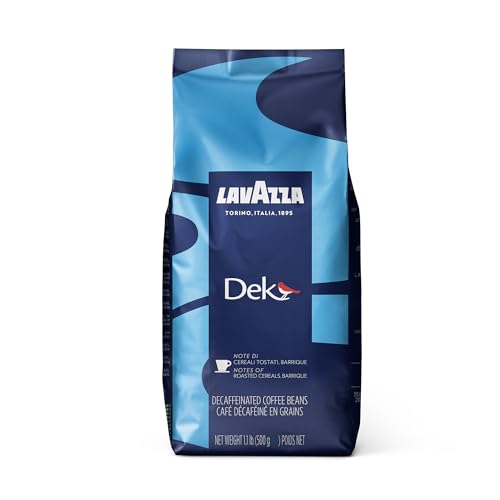
Lavazza DEK Whole Bean Coffee
Strengths
- Arabica and Robusta blend
- Creamy texture
- Natural decaf process
- Whole bean
- Espresso optimized
Trade-offs
- Robusta aftertaste for some
- Limited origin transparency
- Not ideal for filter brewing
Lavazza DEK leans into tradition with its Arabica and Robusta blend, delivering a creamy, dark roast profile that’s built for espresso lovers who want body and bite, even in decaf. On paper, the inclusion of Robusta is a smart move: it adds crema, caffeine resilience (though still decaf), and that classic Italian espresso bite. Owners note a distinct roasted cereal and oak barrel character, which gives it a toasty depth many decafs lack. Since it’s whole bean and roasted in Italy, the freshness potential is strong if you grind just before brewing.
Compared to the smoother, 100% Arabica illy, this one’s more aggressive, and that’s not a bad thing if you like your espresso bold and milk-friendly. The natural decaffeination process is a plus, and the fact that it’s made in a nut-free facility matters to some. But if you’re sensitive to Robusta’s sharper edge, this might feel a bit coarse next to cleaner Arabica-dominant blends.
Product photos


How We Evaluated decaf espresso coffee
As the founder of Bean Thusiast, I approached researching decaf espresso coffees by comparing published specifications – roast level, bean origin, processing method – alongside a deep explore owner and expert reviews. Rather than a hands-on lab test, this is a research-led comparison focused on identifying consistent feedback patterns. I ranked options based on flavor profiles, reported ease of use, and value for the money, aiming to find choices for different preferences.
For decaf espresso, freshness and flavor preservation are key. I weighted the decaffeination process heavily; natural methods generally retain more flavor than chemical ones. Roast level also mattered significantly, as darker roasts tend to deliver the bold espresso taste many seek, while lighter roasts highlight the bean’s origin characteristics. Finally, I considered the consistency of positive feedback regarding crema production.
Specifications reliably indicate bean origin and processing, but owner reviews were crucial for judging actual taste and aroma. I paid close attention to comments about bitterness, acidity, and whether the coffee truly delivered an espresso-like experience. You can sometimes use regular beans for espresso, but decaf beans are tailored for optimal extraction in espresso machines. Reputation, particularly for established brands, also played a role in my assessment.
How To Pick The Right decaf espresso coffee
As someone who’s spent years chasing the perfect espresso, I know finding a good decaf version can feel like searching for a unicorn. It’s not just about removing caffeine; it’s about preserving the flavor and body that make espresso so special.
A truly excellent decaf espresso coffee should showcase a complex flavor profile – not just a lack of caffeine. Look for beans specifically roasted for espresso, paying attention to the decaffeination method (Swiss Water is often preferred for flavor retention), roast level, and freshness. A quality decaf will deliver a satisfying crema and a full-bodied shot, mirroring the experience of its caffeinated counterpart.
Roast Level & Flavor Profile
When it comes to decaf espresso, don’t assume you’re limited to lighter roasts. In fact, many prefer a darker roast for the intensity it brings to the shot. However, the key is balance. A poorly executed dark roast can taste burnt and acrid, masking any nuance. I generally steer clear of anything described as “French Roast” unless I know the roaster well. Instead, look for descriptions like “Italian Roast” or “Dark & Chocolatey” – these suggest a careful development of the bean’s sugars. Understanding your preference is key; if you enjoy best decaf beans for espresso, experimenting with different roast levels is the best path forward.
Decaffeination Method Matters
The process used to remove caffeine significantly impacts the final flavor. While older methods often involved harsh chemicals, modern techniques are much gentler. Swiss Water Process is widely regarded as the gold standard. It uses only water to remove caffeine, preserving more of the bean’s original flavors. CO2 decaffeination is another excellent option, offering similar results. Avoid “methylene chloride” processed decafs if flavor is your priority – it can leave a slightly chemical aftertaste.
Here’s what to consider when evaluating decaffeination:
- Swiss Water: Considered the best for flavor preservation, but can be slightly more expensive.
- CO2 Process: A good alternative to Swiss Water, offering a clean decaffeination without harsh chemicals.
- Direct/Indirect Methods (using solvents): These are less desirable for flavor, though the residual solvent levels are regulated and considered safe by the FDA.
Freshness and Grind
This seems obvious, but it’s often overlooked. Espresso demands freshness. Coffee starts losing its volatile aromatics within minutes of grinding, so whole bean is always best if you have a grinder. If you’re buying pre-ground, check the roast date – aim for within a month. A good rule of thumb is:
Don’t buy more decaf espresso coffee than you can reasonably use in two weeks.
If you’re serious about making espresso at home, investing in a quality burr grinder is crucial. A consistent grind is essential for proper extraction; inconsistent grinds lead to uneven extraction and a sour or bitter shot. Don’t underestimate the impact of a good grinder when pulling espresso shots at home.
Decaf Espresso Coffee Compared
Here’s a spec-by-spec comparison of the decaf espresso coffees in this guide.
| Product | Roast Level | Form | Caffeine Level | Weight (lbs) | Best Use |
|---|---|---|---|---|---|
| illy Classico Decaf | Medium | Ground | Decaf | N/A | Espresso |
| Organic Coffee Co. DECAF Hurricane | Dark | N/A | Decaf | N/A | All Brewers |
| Lavazza DEK | Dark | Whole Bean | Decaf | 1.1 | Espresso |
Frequently Asked Questions
What’s the difference between Swiss Water Process and other decaffeination methods?
Swiss Water Process uses only water to remove caffeine, resulting in a cleaner, more flavorful bean compared to methods using chemical solvents. While solvent-based methods are FDA-approved, they can sometimes leave a slight residue affecting the taste.
Can decaf espresso really taste as good as regular espresso?
Yes, a high-quality decaf espresso can be incredibly flavorful. Look for beans roasted specifically for espresso and decaffeinated using the Swiss Water Process or CO2 method to maximize flavor retention.
How important is the roast date on decaf espresso?
Very important. Decaf coffee, like regular coffee, loses freshness quickly after roasting and especially after grinding. Aim to purchase beans roasted within the last month for the best flavor.
Is pre-ground decaf espresso acceptable, or should I buy whole bean?
Whole bean is always preferable for espresso, as grinding immediately before brewing preserves the most flavor and aroma. However, if you must buy pre-ground, choose a reputable brand with a recent roast date. You can find best whole bean decaf for espresso options readily available.
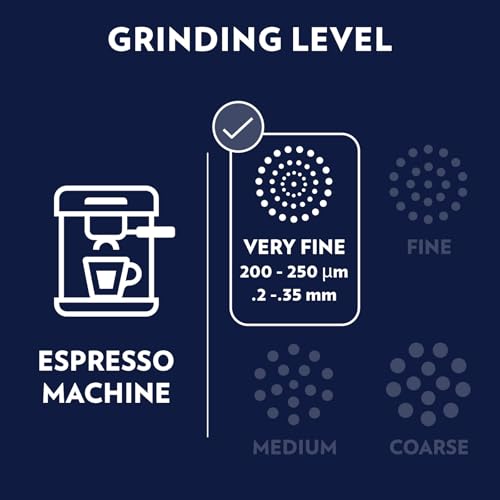
What grind size should I use for decaf espresso?
Decaf espresso requires a fine grind, similar to regular espresso. The ideal grind size will depend on your espresso machine, but it should be fine enough to create resistance during extraction while avoiding channeling (uneven water flow).
The Bottom Line
Choosing the best decaf espresso coffee often comes down to balancing your desire for a rich, bold flavor with the convenience and price. While many options exist, the Lavazza DEK consistently receives high marks for delivering a classic Italian espresso experience without sacrificing taste – it’s a solid all-around performer.
For those on a tighter budget, the Organic Coffee Co. DECAF Hurricane provides a surprisingly robust and flavorful shot, even if it requires a bit more dialing in with your machine. And if you prioritize a consistently smooth and balanced profile, especially if you’re exploring the nuances between espresso beans vs regular beans, the illy Classico Decaf remains a reliable choice for its quality and predictable results.
Ultimately, the “best” decaf espresso is the one that suits your palate and setup. Don’t get too caught up in chasing the perfect percentage of crema or the most exotic bean origin. Focus instead on finding a coffee roasted with care, using a decaffeination method that preserves flavor, and grinding it fresh right before brewing.
