
2 Best Decaf Coffee Beans for Espresso (2026 Guide)
The best decaf coffee beans for espresso come down to the Volcanica Decaf Espresso Beans for overall quality and rich flavor, with the Bristot Decaf Italian Espresso Beans as a strong budget-friendly pick that delivers authentic Italian-style crema and body.
Finding decaf that pulls like real espresso is harder than it should be. Too many options sacrifice flavor for convenience, leaving you with a flat, lifeless shot.
I looked at dozens of decaf beans, focusing on decaffeination method, roast profile, and blend composition. These picks stand out based on consistent owner feedback, reputable sourcing, and specs that align with what actually works in an espresso machine.
Top 2 Decaf Coffee Beans For Espresso in the Market
The Best Decaf Coffee Beans For Espresso, Reviewed
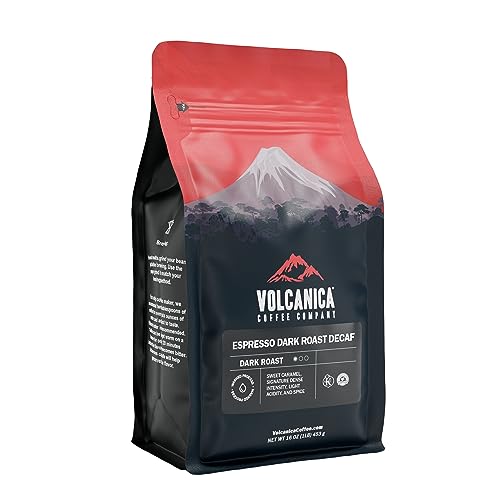
Volcanica Decaf Espresso Beans
Strengths
- Swiss Water Process
- Mold-tested for safety
- Bold sweet flavor
- Smooth complex finish
- Fresh small-batch roast
Trade-offs
- Dark roast may lack brightness
- Higher price point
When it comes to decaf espresso beans that deliver on both safety and sensory depth, Volcanica stands out. The Swiss Water Process is a major win here, it means no chemical solvents, just clean caffeine removal that preserves the bean’s inherent richness. Owners consistently report a bold, sweet profile with noticeable caramel notes, which is rare in decaf blends that often fall flat or ashy. The dark roast amplifies body and intensity, making it a strong contender for those who want a full espresso experience without caffeine.
What gives Volcanica an edge is their transparency around quality control. The fact that they test for mold and mycotoxins, then roast above 400°F, speaks to a level of diligence that matters, especially for daily drinkers. On paper, this is premium small-batch roasting with traceability most brands don’t offer. Compared to more generic decaf offerings, this one feels purpose-built for espresso lovers who refuse to compromise, even after 6 PM.
Video review
Bristot Decaf Italian Espresso Beans

Strengths
- Rich crema production
- Authentic Italian roast
- Balanced low bitterness
- Milk chocolate notes
- Robusta for body
Trade-offs
- Not chemical-free decaf
- European date format
If you’re chasing that true Italian espresso character in decaf form, Bristot brings the tradition. Roasted in Italy with a 35/65 Arabica-Robusta blend, this medium roast leans into body and crema, two things many decaf beans struggle to deliver. The inclusion of Robusta isn’t a downgrade here; it’s strategic. Reviewers note the velvety mouthfeel and persistent crema, traits that reflect decades of Italian espresso craft. The flavor profile, milk chocolate, bread crust, warm spice, feels authentic, not engineered.
The Full City roast level keeps bitterness low while maintaining depth, which I appreciate in a decaf. It’s balanced at a 6.5 acidity, so it’s smooth without being dull. While it doesn’t use Swiss Water like Volcanica, the trade-off is a more traditional European espresso identity. For those who value origin authenticity and crema performance, Bristot has a clear edge over American-style dark decafs.
Product photos


How We Evaluated decaf coffee beans for espresso
I approached this guide as I do any coffee exploration – by looking closely at what makes a great espresso pull. Rather than a hands-on lab test with each bag, my research centered on comparing published specifications and features, then weighing owner reviews and insights from trusted coffee experts. I applied my years of experience understanding best beans for espresso brewing to rank options against key criteria for decaf espresso.
For decaf espresso, freshness and the decaffeination process are paramount. I heavily weighted those factors, alongside the reported flavor profiles. A good decaf espresso shouldn’t taste “empty” or muted; the Swiss Water Process is generally preferred for retaining flavor. The Arabica to Robusta ratio also mattered, influencing body and crema – crucial for a satisfying espresso experience.
Specifications reliably showed decaffeination methods and bean composition. However, nuanced flavor descriptions and reports of staleness or off-flavors came directly from owner feedback. I paid close attention to comments about crema quality and whether the beans held up well to different roast profiles for espresso. Ultimately, reputation and consistent positive reviews were key indicators.
Choosing The Right decaf coffee beans for espresso
Finding truly excellent decaf espresso is a surprisingly tricky business. It requires a focus on both the quality of the bean and the decaffeination process.
A quality decaf espresso bean prioritizes flavor preservation during decaffeination. Look for beans specifying the Swiss Water Process or CO2 method. Beyond that, consider roast level (espresso benefits from medium-dark to dark), bean composition (Arabica/Robusta blend impacts crema and body), and freshness – ideally, beans roasted within the last few weeks.
The Decaffeination Method Matters
I’ve seen too many people disappointed by decaf that tastes…well, decaf-y. That thin, lifeless flavor is almost always down to the decaffeination method. The Swiss Water Process is generally considered the gold standard because it uses only water to remove caffeine, preserving more of the bean’s natural oils and flavor compounds. CO2 methods are also good, though less common. Avoid anything using chemical solvents (like methylene chloride or ethyl acetate) if you’re sensitive to that, or if you simply want the cleanest possible cup. The method impacts the final flavor profile significantly.
Roast Level & Bean Composition
For espresso, you’re aiming for a bold, concentrated flavor. That means leaning towards medium-dark or dark roasts. A lighter roast simply won’t provide the body and intensity you need to cut through milk (if you enjoy lattes or cappuccinos). The blend of Arabica and Robusta beans is also crucial. While 100% Arabica can be delicious, a blend with some Robusta (like the top whole bean decaf espresso picks) will give you a thicker crema and a more robust flavor.
Here’s what I generally look for in a blend:
- Arabica Percentage: 30-50% is a sweet spot.
- Robusta’s Role: Robusta adds body and crema, but too much can introduce bitterness.
- Flavor Notes: Look for descriptors like “chocolate,” “nutty,” or “caramel” – these often translate well to espresso.
Don’t settle for a decaf that tastes like an afterthought. A little extra research into the roast profile and bean origin can make a world of difference.
Freshness and Sourcing
This might seem obvious, but freshness is paramount, even with decaf. Coffee stales quickly once roasted, losing its aroma and flavor. Always check for a roast date (not a “best by” date) on the bag. Ideally, you want beans roasted within the last two weeks. Beyond that, consider where the beans are sourced from. While origin doesn’t guarantee quality, certain regions (like South America or Indonesia) are known for producing high-quality espresso beans. And if you’re interested in understanding the finer points of getting the right grind, check out our guide to espresso grind size guide.
Decaf Coffee Beans for Espresso Compared
Here’s a detailed comparison of the specifications for each decaf coffee bean option, helping you find the perfect choice for your espresso machine.
| Product | Roast Level | Blend | Decaf Process | Acidity | Flavor Notes |
|---|---|---|---|---|---|
| Volcanica Decaf Espresso Beans | N/A | N/A | Swiss Water | N/A | Caramel |
| Bristot Decaf Italian Espresso Beans | Medium | 35% Arabica / 65% Robusta | N/A | 6.5 | Chocolate, Bread Crust, Spice |
Frequently Asked Questions
What if I don’t have a grinder?
Pre-ground espresso-optimized decaf beans are available, but flavor degrades quickly after grinding, so whole bean is always preferred for the freshest cup. Expect to lose some nuance compared to freshly ground beans.
Can I use light roast decaf for espresso?
While possible, I don’t recommend it. Light roasts lack the body and intensity needed for a traditional espresso pull, and won’t produce the desired crema, resulting in a weaker, less satisfying shot.
Is Swiss Water Process decaf truly caffeine-free?
No, Swiss Water Process decaf isn’t 100% caffeine-free. It removes about 99.9% of caffeine, meaning a small trace remains, around 3mg per serving, which is negligible for most people.
How long do decaf beans stay fresh once opened?
Opened decaf beans generally retain optimal flavor for about 2-3 weeks if stored in an airtight container away from light, heat, and moisture. After that, they won’t spoil, but the flavor will diminish noticeably.
Are there good options for those sensitive to acidity?
Yes, certain origins and darker roasts tend to have lower acidity. Look for beans described as having “low acidity” or those from Sumatra, and consider blends like the top decaf coffee for espresso that balance flavor with reduced brightness.
The Bottom Line
Choosing decaf espresso beans often comes down to balancing convenience with control. You can find perfectly acceptable pre-ground options, but for the richest flavor and the ability to fine-tune your extraction, whole bean is the way to go – and I believe the Volcanica Decaf Espresso Beans represent that ideal balance of quality and flavor retention.
For those on a tighter budget, or who prefer a more classic Italian profile, the Bristot Decaf Italian Espresso Beans deliver a robust experience with a noticeable crema. And if you’re still unsure about the nuances of espresso vs regular beans, remember that a dedicated espresso blend, carefully roasted, will always outperform a generic coffee used for espresso.
Ultimately, the “best” bean is the one that tastes best to you. Don’t get too caught up in specific numbers or fancy terminology. Focus on the roast date, the decaffeination process (Swiss Water is still king), and whether the flavor notes appeal to your palate. A little experimentation will go a long way toward unlocking your perfect decaf espresso experience.
