
8 Best Italian Coffees of 2026
The best Italian coffee for most people is Lavazza Espresso Barista Gran Crema, a balanced dark roast blend that delivers rich crema and classic espresso depth. For a budget-friendly option, Lavazza Classico Ground Coffee offers solid flavor and wide availability. If you’re after something more intense, Kimbo Espresso Crema Intensa brings a bolder, spicier profile that stands out in a crowded field.
Most people don’t realize how much variation exists within Italian coffee, it’s not just about dark roasts, but about balance, crema, and how the beans perform under pressure. Too many end up with bitter, flat espresso because they grab the wrong blend or overlook roast freshness.
This guide cuts through the noise. I compared top options based on roast level, blend composition, and real user feedback, focusing on what actually matters for home brewing. You’ll find picks tailored to different machines and tastes, all rooted in the traditions that make Italian coffee iconic.
Top 8 Italian Coffee in the Market
The Best Italian Coffee, Reviewed
Lavazza Italian Roast Extra Dark

Strengths
- Bold flavor
- Smooth finish
- 100% Arabica
Trade-offs
- Not quite authentic espresso profile
- Limited complexity
Lavazza’s Italian Roast is built for those who want boldness without venturing into burnt or ashy territory. On paper, the 5/5 intensity rating signals a serious punch, and owners consistently report a deep, slightly smoky profile with that hint of cocoa the brand advertises. It’s not subtle, but it’s balanced for a dark roast, delivering body and heat without tipping into char.
That said, it’s made from 100% Arabica beans sourced from Central and South America, which is impressive at this roast level. Still, if you’re chasing authentic Italian espresso depth, this leans more toward American dark roast expectations. I’d pick the Classico or Espresso blends first for a truer Italian experience.
Video review
Italian Coffee Nespresso Pods

Strengths
- Strong crema
- Authentic espresso punch
- Made in Italy
Trade-offs
- Not for Vertuo users
- Less complexity than fresh beans
These Nespresso-compatible pods promise “authentic taste of Italian Espresso” and for pod drinkers, they deliver more than most. Reviewers note a surprisingly rich crema and a clean, sharp shot with the kind of quick bitterness and aromatic lift that mirrors what you’d get in a small Italian bar. The Ristretto style means a concentrated pull, which helps mimic the intensity of fresh-ground espresso.
They’re made in Italy, which adds legitimacy, and the convenience factor is undeniable. But let’s be clear, pods will never match the depth of freshly ground beans. Still, for travelers, office use, or anyone with a Nespresso Original who wants a no-fuss Italian-style shot, these are among the better non-branded options.
Video review
Lavazza Classico Ground Coffee

Strengths
- Great value
- Balanced flavor
- Versatile brew method
Trade-offs
- Packaging not resealable
- Milder than espresso-focused blends
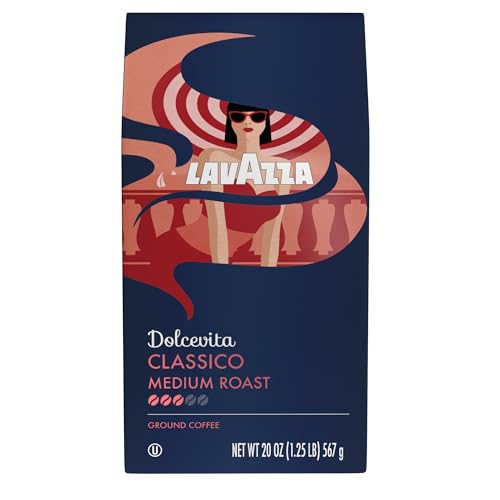
At 20 ounces, the Lavazza Classico is the go-to for buyers who want an everyday Italian coffee that doesn’t drain the wallet. It’s a medium roast with a full body and subtle notes of dried fruit, owners praise its smoothness and how well it performs in both drip machines and French presses. The fact that it’s blended and roasted in Italy adds to its credibility as a daily driver.
Compared to the Italian Roast, this one trades aggression for balance. It won’t knock you over with intensity, but it’s more nuanced. For those easing into Italian coffee without the espresso pressure, Classico is the smarter buy. It’s not flashy, but it’s reliable.
Product photos


Lavazza Espresso Whole Bean Coffee

Strengths
- 100% Arabica
- Floral and fruity notes
- Multi-method use
Trade-offs
- Lower intensity
- Requires precise grind
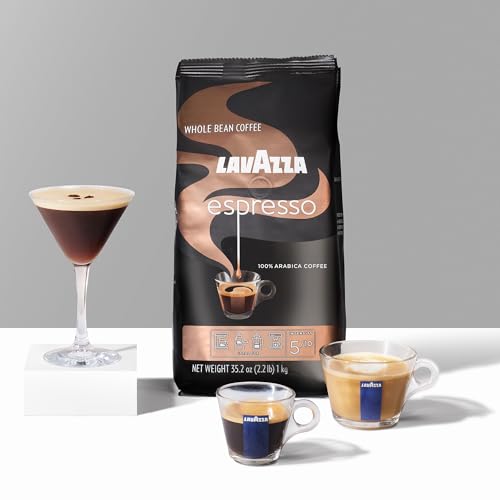
This 2.2 lb bag of 100% Arabica whole bean from Lavazza stands out in a sea of Arabica-Robusta blends. With a 5/10 intensity, it’s on the lighter side of espresso roasts, but owners love its aromatic complexity, florals and fruit come through clearly, especially when ground fresh and pulled as a morning shot. It’s not the boldest, but it’s one of the most refined options here.
The fact that it works across multiple methods, espresso, moka pot, drip, makes it incredibly flexible. I’d recommend this over the Gran Crema for anyone who values nuance over brute strength. If your goal is a more modern, aromatic espresso with Italian roots, this is where I’d start.
Product photos


Illy Classico Ground Drip Coffee

Strengths
- Premium flavor
- Smooth and sweet
- 100% Arabica
Trade-offs
- Smaller bag size
- Higher price point
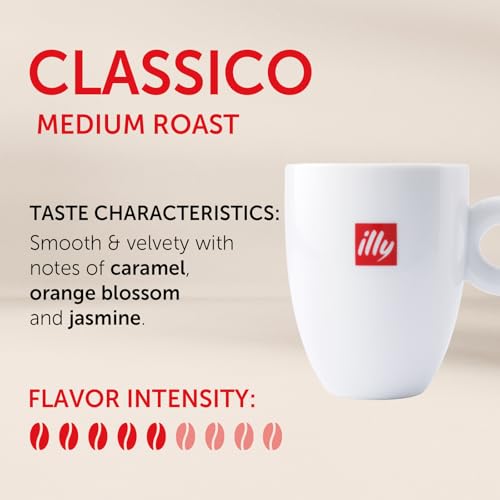
Illy has spent decades building a reputation as the premium name in Italian coffee, and the Classico blend lives up to it. Owners consistently highlight its lingering sweetness and delicate notes of caramel and jasmine, this isn’t a coffee that hits hard, but one that lingers gracefully. Being 100% Arabica and made from the top 1% of beans gives it serious pedigree.
It’s more expensive than Lavazza, but if taste is your priority, it shows. The medium roast is ideal for drip, and it avoids the bitterness that plagues many dark Italian roasts. For those who want elegance over intensity, Illy is hard to beat. I’d pick this over Lavazza’s Italian Roast any day for a refined morning cup.
Product photos

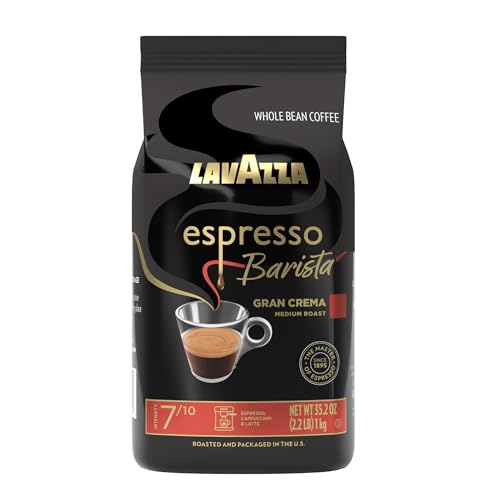
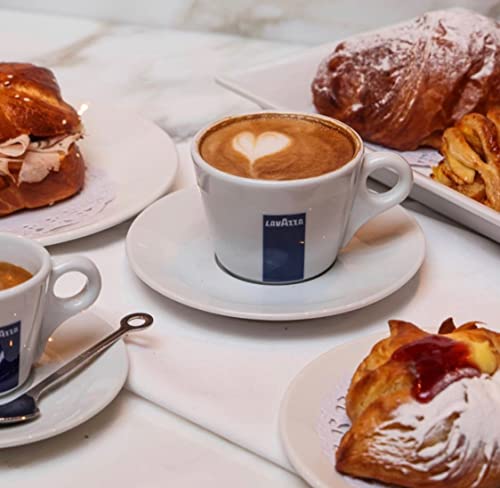
Lavazza Espresso Barista Gran Crema
Strengths
- Rich crema
- Full-bodied taste
- Large bag size
Trade-offs
- Contains Robusta
- Bit oily for some grinders
If you’re looking for the best all-around Italian coffee that balances tradition and performance, Gran Crema is tough to pass up. At 2.2 lbs, it’s built for regular use, and the 7/10 intensity delivers the full-bodied punch most espresso lovers want. The honey and roasted coffee notes come through clearly, especially when pulled as a shot with good crema.
It’s a blend of Arabica and Robusta, which gives it that classic Italian resilience and body, owners report excellent results in both home espresso machines and moka pots. Compared to the 100% Arabica Espresso blend, this one is bolder and more forgiving. For most buyers, this is the easy pick as a daily espresso staple.
Product photos

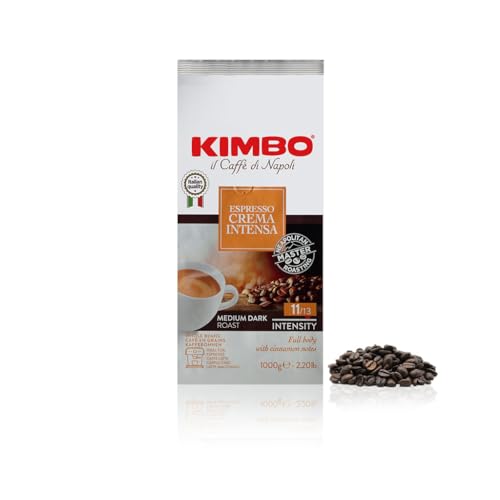
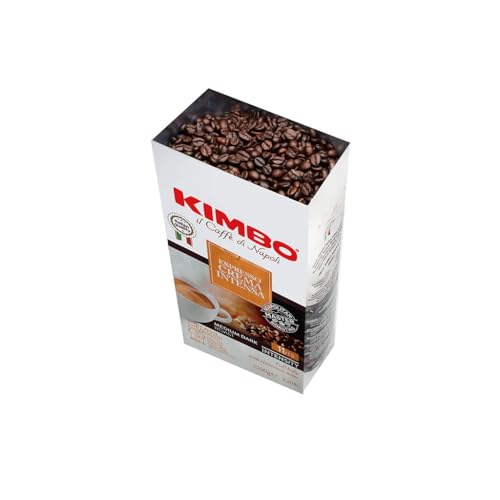
Kimbo Espresso Crema Intensa
Strengths
- Authentic Neapolitan roast
- 100% Arabica
- High intensity
Trade-offs
- Very strong for beginners
- May overwhelm light roasters
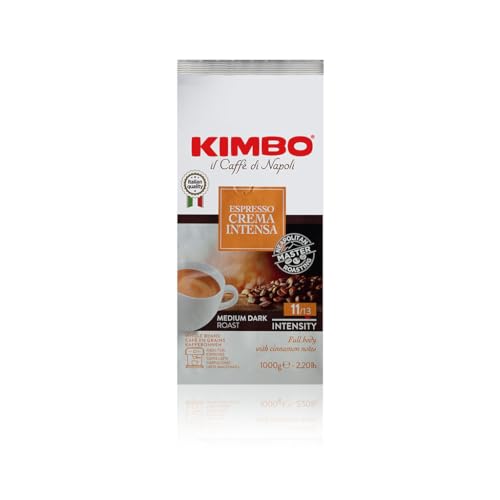
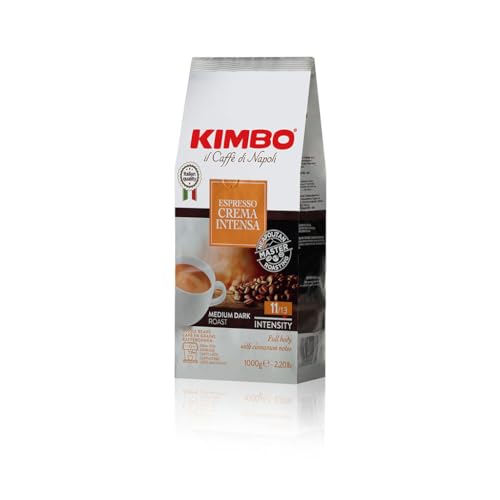
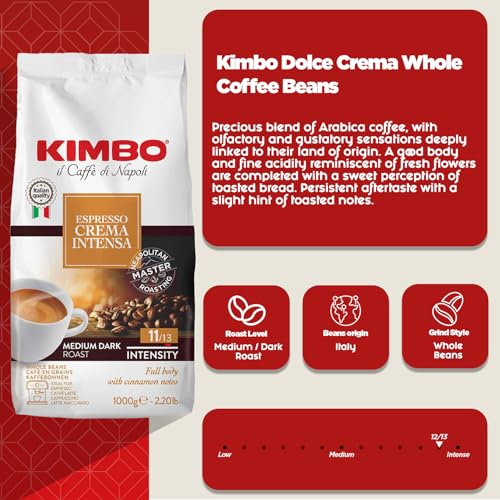
Kimbo’s Espresso Crema Intensa is made for espresso purists who want that bold, slightly spicy Neapolitan character. With an intensity of 11/13, it’s one of the strongest blends here, and owners praise its smooth yet powerful profile, toasted, full-bodied, and deeply aromatic. Being roasted and blended in Naples adds authenticity that few brands can match.
It’s 100% Arabica, which is rare at this intensity level, and it holds up beautifully in milk drinks. Compared to Lavazza’s Gran Crema, it’s more aggressive but also more traditional. If you want your espresso to taste like it came from a sidewalk café in Naples, this is the closest you’ll get at home.
Product photos
Kimbo Napoli Medium Dark Roast
Strengths
- Classic Italian profile
- Convenient tin
- Low acidity
Trade-offs
- Small quantity
- Not ideal for espresso machines
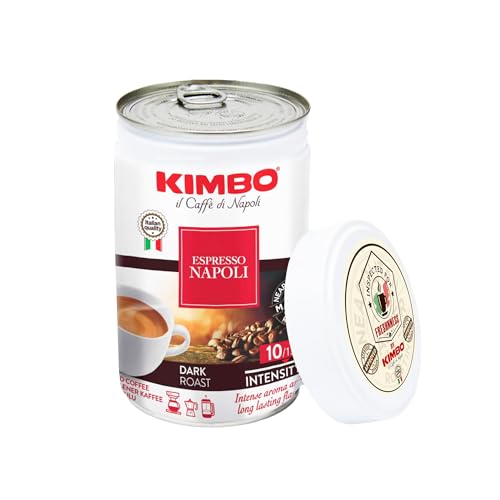
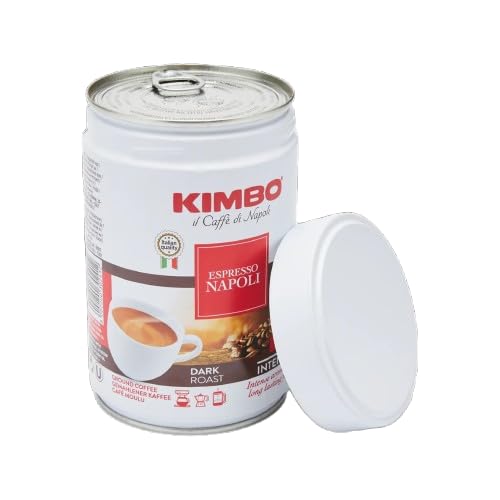
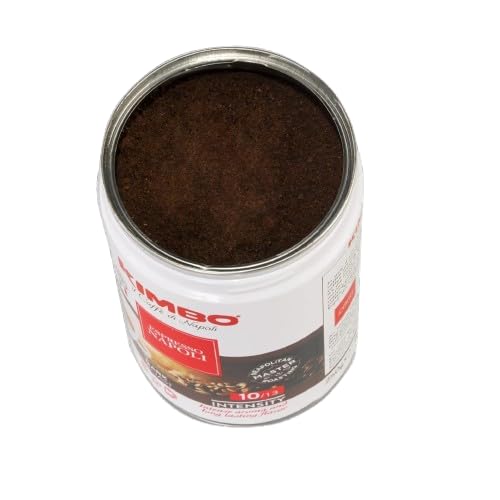
That vintage white tin isn’t just nostalgia, it houses a genuinely traditional Italian roast with deep roots in Neapolitan coffee culture. This ground coffee is bold and low in acidity, with a heavy body that shines in moka pots and French presses. Owners love the convenience of the sealed tin and the fact that it’s made in Italy using time-honored techniques.
The 8.8 oz size means it’s not for high-volume use, but it’s perfect for short rotations and gift giving. Compared to Lavazza’s ground options, it feels more authentic and less commercial. If you want a taste of old-school Italy with every brew, this tin delivers.
Product photos


How We Evaluated italian coffee
As the founder of Bean Thusiast, I approached researching Italian coffee with a focus on what truly defines the experience – the balance of tradition, aroma, and intensity. Rather than a hands-on lab test, this is a research-led comparison of published specifications and a careful weighing of owner reviews and expert opinions. I looked at roast levels, bean origins, and descriptions of flavor profiles across a wide range of options, aiming to understand what makes Italian coffee stand apart.
For Italian coffee specifically, I weighted roast level and blend composition most heavily. A darker roast is almost synonymous with the Italian espresso experience, delivering that bold, rich flavor many seek. Equally important is whether a coffee is a single-origin Italian roast or relies on carefully constructed Italian coffee blends, as this impacts complexity and consistency.
Specifications reliably indicate roast level and bean type (Arabica vs. Robusta). However, descriptions of aroma and flavor – terms like “chocolatey” or “floral” – are much more subjective. Here, I leaned heavily on owner feedback to gauge if the coffee delivered on its promised profile, and on the reputation of the brand within the specialty coffee community. Understanding the difference between blended espresso beans and single-origin options was key to interpreting these details.
How To Choose The italian coffee
As someone who’s spent years chasing the perfect espresso, I know that “Italian coffee” means a lot of different things. It’s a style, a tradition, and thankfully, a whole range of delicious options. But finding the right one for you requires a little understanding of what sets these coffees apart.
Italian coffee generally emphasizes a darker roast to produce a bold, full-bodied flavor profile. Key characteristics include careful bean blending – often combining Arabica and Robusta – and a focus on creating coffee suitable for espresso preparation. Look for roasters with a strong Italian heritage and those who prioritize a consistent, balanced taste.
Understanding Roast Level & Intensity
The roast level is perhaps the single biggest factor in determining the character of your Italian coffee. Many Americans are accustomed to lighter roasts, but traditional Italian coffee leans darker. Don’t be afraid of that darkness! It doesn’t automatically mean burnt or bitter. A well-executed dark roast delivers chocolatey notes, a satisfying body, and lower acidity. Intensity ratings (often found on packaging) can be helpful, but don’t treat them as gospel. They vary between brands. I’ve found that a rating of 8/10 or higher generally indicates a robust, traditional Italian profile.
Bean Blend & Origin
While 100% Arabica coffees exist (and can be excellent, like the Lavazza Espresso Whole Bean Coffee), many classic Italian blends incorporate Robusta beans. Robusta adds crema – that beautiful, golden layer on top of espresso – and a bolder flavor. It also contributes to a more pronounced caffeine kick. If you’re seeking a truly authentic experience, don’t dismiss blends containing Robusta. As for origins, South and Central American beans are common, but some roasters, like Kimbo, also source from Asia to achieve a specific flavor profile.
Here’s what to consider when evaluating the blend:
- Arabica Percentage: Lower is okay, especially if you love a strong espresso.
- Origin Diversity: A blend from multiple regions often offers a more complex flavor.
- Roaster Transparency: Brands that clearly state bean origins are generally more committed to quality.
Brewing Method & Grind
Italian coffee is designed with espresso in mind. If you’re using a moka pot, drip machine, or French press, you’ll need to adjust your grind accordingly. Pre-ground coffee is convenient, but whole bean offers the freshest flavor and allows you to dial in the grind size for your specific brewer. Remember that achieving the ideal coffee ratio is crucial, no matter your method. If you’re investing in whole beans, consider a burr grinder for a consistent grind size – it’s a step up from blade grinders. For the truly dedicated, exploring authentic Italian espresso roasts can elevate your at-home brewing.
A good rule of thumb: if you prefer a lighter, brighter cup, lean toward 100% Arabica beans and a medium roast. If you want a bold, chocolatey espresso, embrace the dark roast and a blend containing Robusta.
Italian Coffee Compared
Here’s a comparison of key specifications for various Italian coffee options.
| Product Title | Roast | Intensity | Blend | Best Use | Size (oz/lb) | Notes |
|---|---|---|---|---|---|---|
| Lavazza Espresso Barista Gran Crema | Dark | 7/10 | Arabica/Robusta | Espresso Machine | 2.2 lb | Honey, Roasted Coffee |
| Illy Classico Ground Drip Coffee | Medium | N/A | N/A | Drip Coffee | N/A | Caramel, Orange Blossom |
| Lavazza Espresso Whole Bean Coffee | Medium | 5/10 | 100% Arabica | Espresso, Drip | 2.2 lb | Floral, Fruit |
| Kimbo Espresso Crema Intensa | Medium-Dark | 11/13 | South America/Asia | Espresso | N/A | Spicy Aroma |
| Kimbo Napoli Medium Dark Roast | Dark | 6/6 | N/A | Moka, French Press | N/A | Low Acidity |
| Lavazza Classico Ground Coffee | Medium | N/A | N/A | Drip, French Press | 20 | Dried Fruit |
| Italian Coffee Nespresso Pods | N/A | N/A | N/A | Nespresso Original | N/A | Pods |
| Lavazza Italian Roast Extra Dark | Extra Dark | 5/5 | 100% Arabica | Drip | 12 | Cocoa |
Frequently Asked Questions
What grind size should I use for a moka pot?
A fine grind, finer than for drip coffee but not as fine as espresso, works best for a moka pot. This ensures proper extraction without clogging the filter basket and delivers a strong, concentrated brew.
Is Robusta coffee actually inferior to Arabica?
Not necessarily. While Arabica is often considered higher quality due to its flavor complexity, Robusta contributes a desirable crema and boldness to many Italian blends, making it ideal for espresso.
Can I use pre-ground coffee if I don’t have a grinder?
Yes, pre-ground coffee is convenient, but it loses freshness quickly. If you opt for pre-ground, select a smaller package and store it in an airtight container to maintain flavor.
What’s the difference between a dark and extra dark Italian roast?
Both deliver intense flavor, but an extra dark roast goes further in developing chocolatey and sometimes slightly smoky notes. It typically has even lower acidity than a standard dark roast, resulting in a very bold cup.
Where can I find more information on authentic Italian coffee blends ?
I’ve dedicated a lot of time to researching the nuances of Italian coffee, and my guide to the best Italian-style coffee beans offers a deeper look into specific blends, roasters, and flavor profiles that capture the true essence of Italian coffee culture.
The Bottom Line
Choosing the “best” Italian coffee always comes down to balancing intensity with convenience, and personal preference with tradition. For an all-around excellent experience that delivers on the classic Italian profile, I recommend the Lavazza Espresso Barista Gran Crema. It offers a fantastic balance of flavor, crema, and accessibility for most home espresso setups.
If you’re on a tighter budget, the Kimbo Napoli Medium Dark Roast provides exceptional value, performing admirably in a moka pot or French press. For those prioritizing versatility – wanting a coffee that works well in both espresso and drip – the Lavazza Espresso Whole Bean Coffee is a solid choice, though it’s a bit milder than some traditional preparations. And if you’re curious about experimenting with different beans in your espresso machine, be sure to read up on best beans for Italian espresso.
Ultimately, remember that roast level and blend composition are more telling than any single rating. Don’t be afraid to explore darker roasts and blends containing Robusta; they’re cornerstones of the Italian coffee experience for a reason. Finding your perfect cup is about understanding what you enjoy, and that’s a journey worth taking.
