
8 Best Decaf Coffees for Amazing Taste (2026 Guide)
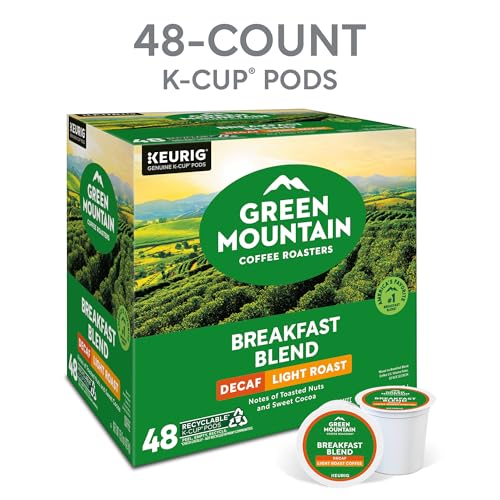
The best tasting decaf coffee comes down to flavor that doesn’t compromise, and after researching the field and parsing owner feedback, I’m confident in recommending Kicking Horse Dark Roast Decaf as the top pick for its rich, chocolatey depth. For a budget-friendly yet solid option, San Francisco Bay Decaf French Roast delivers, while Green Mountain Decaf Breakfast Blend offers versatility for those using Keurig machines.
Too many decaf coffees taste flat or dull, as if flavor got stripped out with the caffeine. That shouldn’t be the case, great decaf starts with quality beans and a thoughtful decaffeination process that preserves character.
In this guide, I break down the picks based on bean origin, roast, processing method, and what real drinkers say. We’ll cover what actually matters when choosing a decaf that tastes great, so you can skip the guesswork and find a cup you’ll look forward to.
Top 8 Tasting Decaf Coffee in the Market
The Best Tasting Decaf Coffee, Reviewed
NESCAFÉ Gold Decaf Espresso

Strengths
- Smooth crema-like texture
- High-quality Arabica beans
- Quick and consistent prep
Trade-offs
- Not for purists seeking craft roast depth
- Limited brewing versatility
I’ll admit, I’m skeptical of instant decaf, but NESCAFÉ Gold makes a case for itself. On paper, it’s a rare blend of high-quality golden-roasted Arabica beans with a focus on replicating that crema-rich espresso experience, which most instant coffees ignore. Owners consistently report a smooth, surprisingly layered taste for an instant, especially when used as a base for Americanos or lattes.
The Swiss Water Process isn’t mentioned here, but the flavor profile holds up without that grassy or flat note some decafs get. It’s not specialty-grade, but for a no-mess, no-machine option, it delivers more than expected. Compared to other instant decafs, this one actually feels like it respects the source material.
Video review
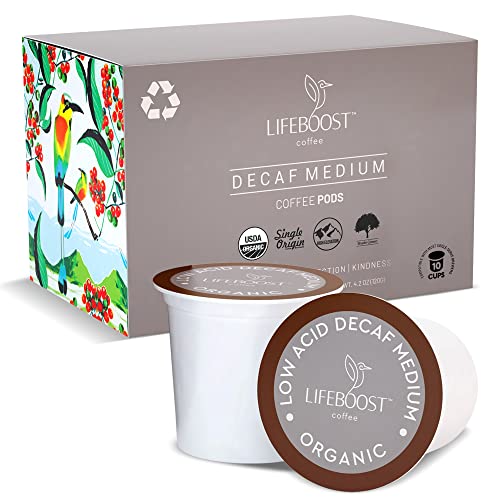
Lifeboost Organic Decaf K Cups
Strengths
- Third-party tested for toxins
- Low acid, smooth taste
- USDA Organic & Non-GMO
Trade-offs
- Higher price per cup
- Fewer bold roast fans will be satisfied
If low acidity and purity are your top concerns, Lifeboost stands out in a crowded K-Cup market. This is one of the few decaf pods I’ve seen with third-party testing for mycotoxins, pesticides, and heavy metals, something I always recommend for health-conscious drinkers. The beans are USDA Organic, shade-grown, and hand-selected in Central America, which explains the clean, balanced medium roast flavor owners keep praising.
It’s not the boldest cup, but it’s remarkably smooth and gentle on the stomach. Compared to mainstream decaf pods, it lacks that stale or papery aftertaste. The single-origin sourcing matters here, this isn’t a blended afterthought. I’d pick this over most grocery-store pods for someone with sensitivity or digestive issues.
Video review
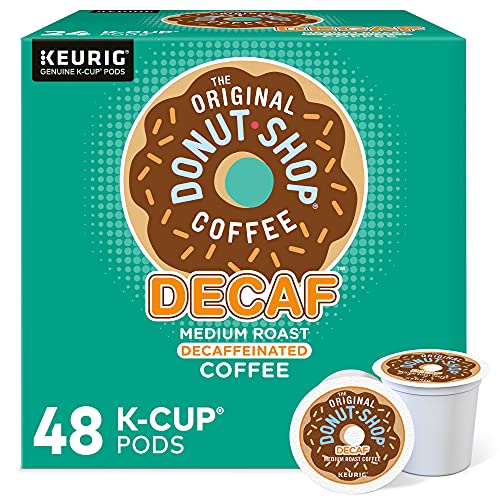
Donut Shop Decaf K-Cups
Strengths
- Budget-friendly
- Smooth, approachable taste
- Recyclable pods
Trade-offs
- Lacks depth and origin character
- Not organic or third-party tested
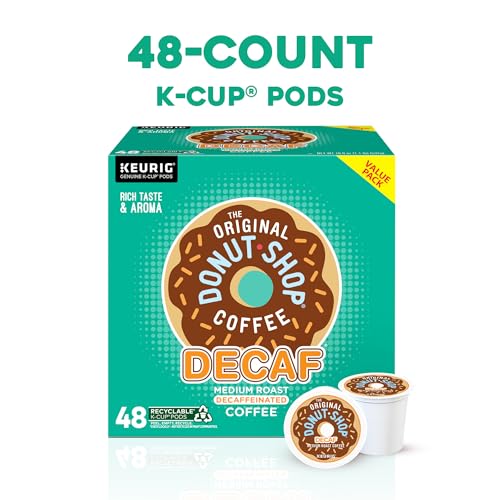
Let’s be real, this isn’t about complexity. The Original Donut Shop Decaf is the go-to for people who want something familiar, affordable, and consistent. It’s a medium roast with a rounded, slightly sweet profile that mimics the classic diner coffee experience. Owners say it brews evenly and delivers that comforting, no-surprises flavor they rely on day after day.
It won’t impress a specialty coffee drinker, but it’s one of the most cost-effective decaf K-Cup options with a recyclable pod design. Compared to Maud’s or Lifeboost, it’s less adventurous and less premium, but sometimes you just want a decent cup without overthinking it.
Product photos


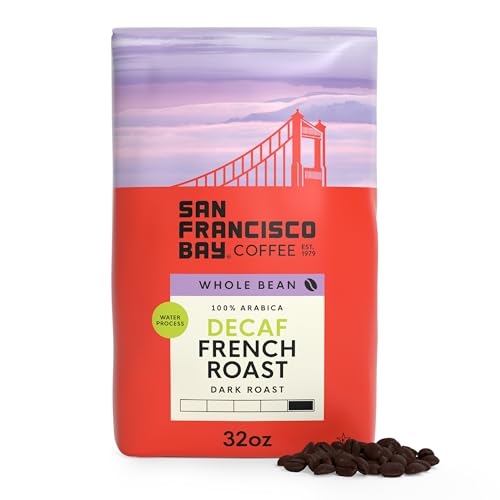
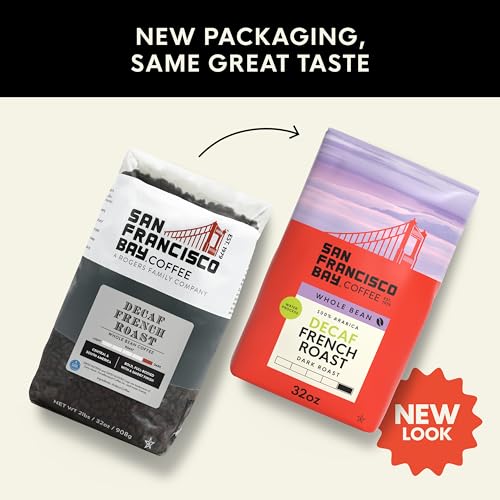
San Francisco Bay Decaf French Roast
Strengths
- Swiss Water Processed
- Large 2 lb bag
- Bold French roast flavor
Trade-offs
- Can be too bitter for some
- Not ground for convenience
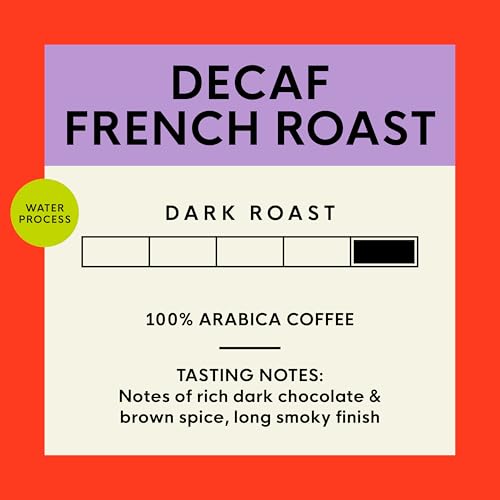
For bulk buyers who love a smoky, full-bodied dark roast, this 2-pound bag from San Francisco Bay Coffee is hard to beat. The beans are 100% Arabica, Swiss Water Processed (a big win for flavor retention), and roasted to a French dark level that brings out bold, charred cocoa and woodsy notes. Owners appreciate the value, this is one of the few decaf dark roasts available in such large quantities without sacrificing quality.
It grinds well and holds up across drip, French press, and pour-over methods. Compared to Peet’s decaf dark roast, it’s slightly more aggressive in flavor but less nuanced. Still, for the price and size, it’s a smart pick for households that go through coffee fast and prefer their decaf with some bite.
Product photos
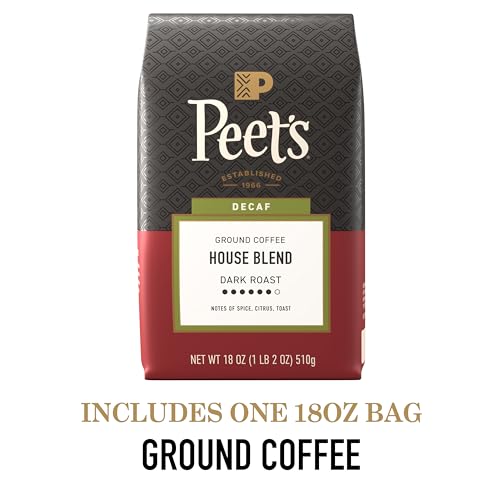
Peet’s Decaf House Blend Ground
Strengths
- Rich, complex dark roast
- Naturally water processed
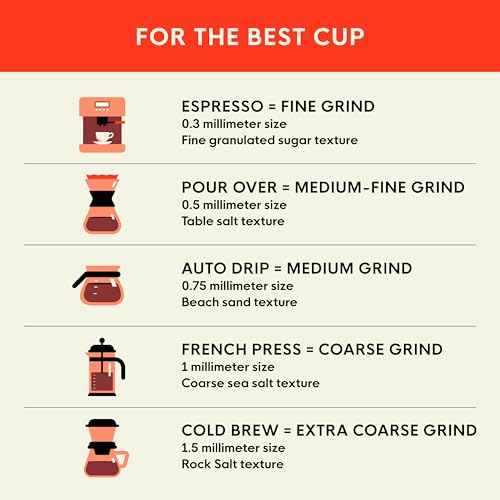
- Optimized grind for drip
Trade-offs
- Pre-ground reduces shelf life
- Slightly pricier per ounce
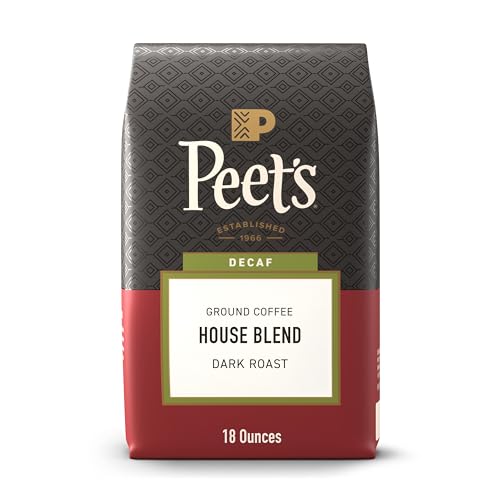
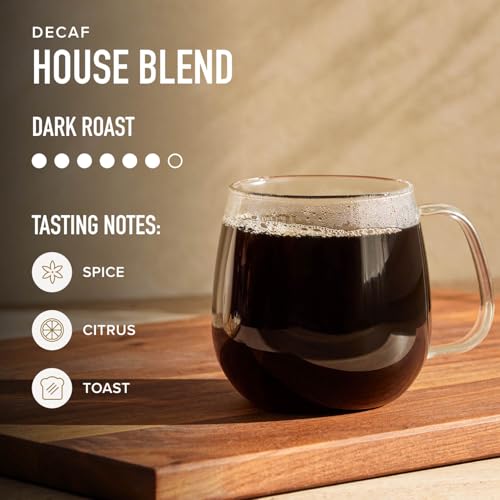
Peet’s has long been a benchmark for dark roast excellence, and their decaf House Blend proves they don’t cut corners. Made from 100% high-grown Arabica beans and naturally water-processed, it retains that deep, rich character Peet’s is known for, think dark chocolate, toasted nuts, and a slightly sweet finish. Owners consistently say it tastes like “real coffee,” which is rare in decaf.
It’s pre-ground, which limits freshness compared to whole bean options like Kicking Horse, but it’s optimized for drip and pour-over, so it brews cleanly. Against San Francisco Bay’s French Roast, it’s more balanced and less ashy. This is the decaf I’d recommend to someone who misses their regular dark roast and refuses to compromise.
Product photos
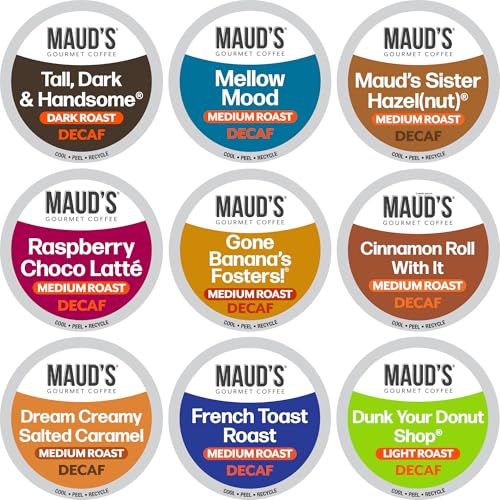
Maud’s Decaf Variety Pack Pods
Strengths
- Wide flavor variety
- 100% Arabica beans
- Eco-conscious production
Trade-offs
- Flavored pods aren’t for purists
- Some blends taste more artificial than others
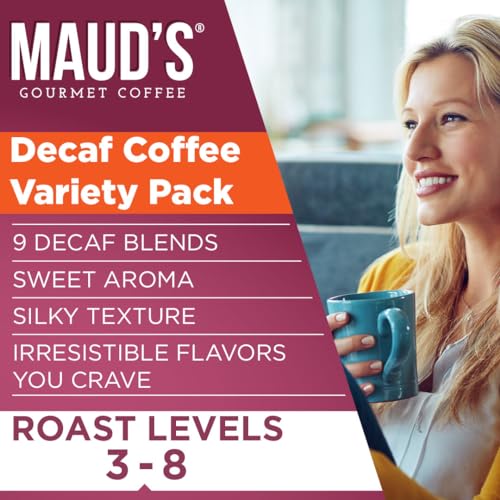
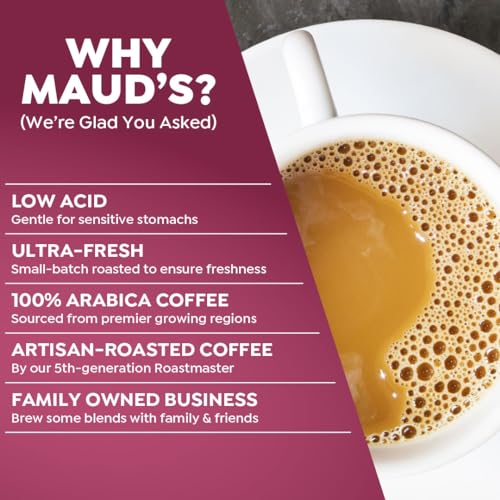
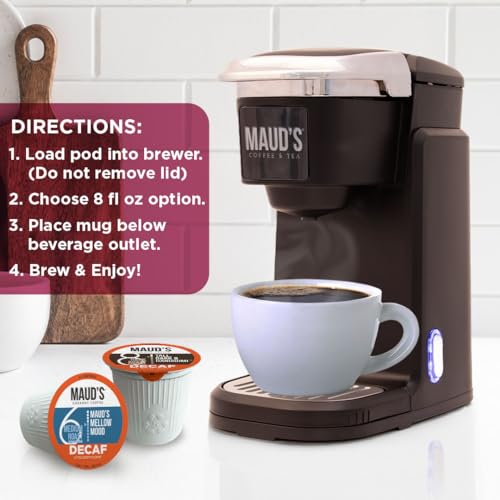
If variety and fun flavors are your thing, Maud’s 80-count decaf pod pack is a standout. With nine different roasts and flavored blends, from Salted Caramel to Banana Foster, it’s the most adventurous decaf option in the pod space. Owners love the novelty and say the flavors are pronounced but not artificial, which is rare for flavored decaf.
It’s made from 100% Arabica beans and roasted in a solar-powered facility, adding eco-cred. Compared to Lifeboost or Green Mountain, it’s less about purity and more about enjoyment. I wouldn’t serve this at a tasting, but for a household with diverse tastes or afternoon treat seekers, it’s a joy.
Product photos
Kicking Horse Dark Roast Decaf

Strengths
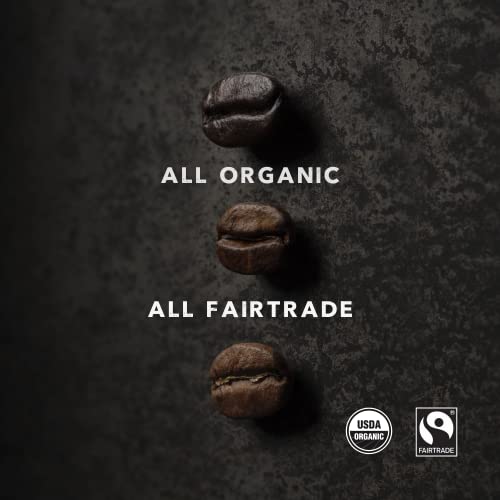
- Organic & Fairtrade certified
- Swiss Water Processed
- Rich, complex flavor
Trade-offs
- Whole bean only
- Premium price point
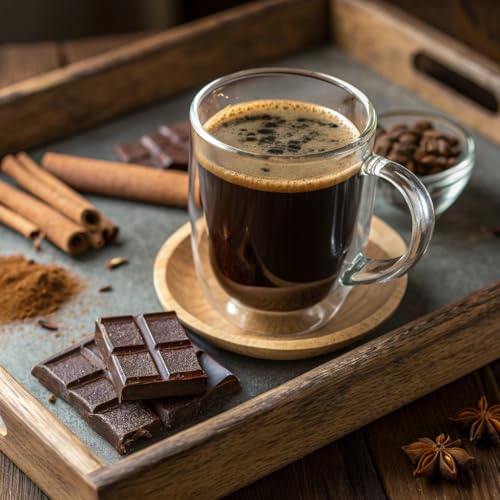
This is the one I keep coming back to when I want decaf that drinks like the real deal. Kicking Horse’s Decaf Dark Roast uses 100% Organic, Fairtrade Arabica beans, Swiss Water Processed, and roasted in the Canadian Rockies with zero additives. The result? A deeply aromatic, chocolaty, nutty profile with a velvety body that holds up in French press or drip.
Owners praise its boldness and purity, no off-notes, no bitterness. Compared to Peet’s or San Francisco Bay, it strikes the best balance between richness and clarity. It’s also certified Kosher and shade-grown, which adds to its ethical appeal. If you want one decaf that does it all, taste, ethics, process, this is the pick.
Product photos


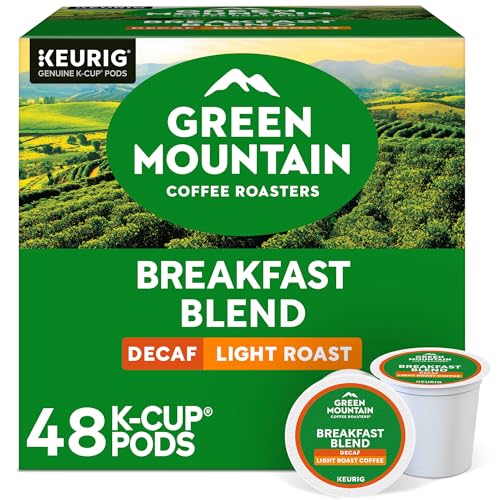
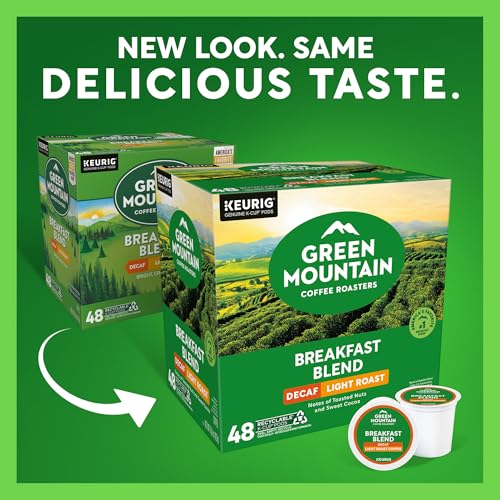
Green Mountain Decaf Breakfast Blend
Strengths
- Bright, clean flavor
- Light roast done right
- Kosher certified
Trade-offs
- Too mild for dark roast lovers
- Limited availability in bulk
Green Mountain’s Decaf Breakfast Blend is one of the few light roast decaf K-Cups that actually delivers brightness and clarity. With tasting notes of nuttiness and balanced sweetness, it brews clean and silky, closer to a Scandinavian-style roast than the muddy, flat light decafs I’ve encountered. Owners say it’s refreshing in the morning, almost tea-like in its delicacy.
It’s not bold or smoky, but that’s the point. Compared to Donut Shop or Maud’s, it’s more refined and less sweet. It’s also Orthodox Union Kosher certified and made from 100% Arabica beans. For fans of subtle, nuanced coffee, this is the rare decaf pod that doesn’t feel like a compromise.
Product photos

How We Tested tasting decaf coffee
As the founder of Bean Thusiast, I approached researching decaf coffees with the same attention to detail I apply to all coffee – focusing on sourcing, roast quality, and ultimately, flavor. Rather than a hands-on lab test, this was a research-led comparison of published specifications, owner reviews from across multiple retailers, and insights from other coffee experts. I ranked options based on a combination of these factors, aiming to identify coffees that consistently deliver a satisfying experience.
For decaf coffee, freshness and processing method are key. I weighted the method of decaffeination most heavily, particularly looking for options utilizing the Swiss Water Process explained to avoid chemical solvents. Roast level and bean origin were also significant, as these profoundly impact the final flavor profile. A wider variety of roast options allows more people to find a cup they like.
Specifications reliably indicate bean type (100% Arabica is generally preferred) and roast level. However, flavor descriptions are subjective. Therefore, I relied heavily on owner feedback to gauge actual taste experiences and identify recurring themes – like whether a “dark roast” truly delivered a bold flavor or tasted burnt. Reputation and brand consistency also played a role, assessing whether a company consistently receives positive reviews across its product line.
How To Pick The Right tasting decaf coffee
Finding a truly satisfying decaf can be surprisingly tricky – it’s not just about removing the caffeine!
A quality decaf coffee prioritizes flavor preservation during the decaffeination process. Look for coffees using the Swiss Water Process or carbon dioxide methods, rather than chemical solvents. Consider roast level preference, bean origin, and grind type to match your brewing method for the best possible cup. Arabica beans generally offer a smoother, more nuanced flavor profile than Robusta.
Decaffeination Method Matters
The process used to remove caffeine dramatically impacts the final taste. While many decaf coffees used to rely on methylene chloride, modern methods are far superior. The Swiss Water Process (SWP), as used by San Francisco Bay Decaf French Roast, is a purely water-based technique that gently removes caffeine while retaining most of the original flavor compounds. CO2 processing is another excellent option. Avoid coffees where the decaffeination method isn’t clearly stated – it’s often a sign corners were cut.
Roast Level & Bean Origin
Don’t assume all decaf is bland and lifeless. The roast level plays a huge role, just as it does with regular coffee. A darker roast, like the Kicking Horse Dark Roast Decaf, will deliver a bolder, more robust flavor, while a lighter roast (like the Green Mountain Decaf Breakfast Blend) will highlight brighter, more delicate notes.
Here’s how to think about origin: * Central/South American: Generally balanced, nutty, and chocolatey. * African: Often fruity and floral, with a brighter acidity. * Indonesian: Earthy, bold, and full-bodied.
Convenience vs. Freshness
Pre-ground coffee, like many K-Cup options (such as Lifeboost Organic Decaf K Cups) is undeniably convenient, but you sacrifice freshness. Coffee begins to stale almost immediately after grinding, losing volatile aromatics and flavor. If you value maximum flavor, I strongly recommend buying whole bean and grinding just before brewing. If you’re set on pods, look for brands that are transparent about their bean sourcing and roasting dates.
A good rule of thumb: if you can’t smell a strong coffee aroma when you open the bag or container, the coffee likely isn’t very fresh.
If you’re curious about how decaffeination affects the overall experience, reading about the flavor of decaf coffee can help you understand the nuances.
Tasting Decaf Coffee Compared
Here’s a comparison of key specifications for various tasting decaf coffee options.
| Product Name | Roast Level | Grind Type | Organic | Caffeine Free | Primary Flavor Notes | Pod Compatible |
|---|---|---|---|---|---|---|
| Kicking Horse Dark Roast Decaf | Dark | Medium-Fine | Yes | Yes | Hazelnut, Chocolate | No |
| Peet’s Decaf House Blend Ground | Dark | Ground | N/A | Yes | Smooth, Sweet | No |
| Green Mountain Decaf Breakfast Blend | Light | K-Cup | N/A | Yes | Nutty, Balanced Sweetness | Yes |
| Lifeboost Organic Decaf K Cups | Medium | K-Cup | Yes | Yes | Balanced, Low Acid | Yes |
| Maud’s Decaf Variety Pack Pods | Variety | Pod | N/A | Yes | Caramel, Raspberry, etc. | Yes |
| Donut Shop Decaf K-Cups | Medium | K-Cup | N/A | Yes | Bold, Flavorful | Yes |
| NESCAFÉ Gold Decaf Espresso | N/A | Instant | N/A | Yes | Rich Espresso | No |
| San Francisco Bay Decaf French Roast | Dark | N/A | N/A | Yes | Smoky, Full-Bodied | No |
Frequently Asked Questions
What’s the best way to store decaf coffee to keep it fresh?
An airtight container, away from direct sunlight, heat, and moisture, is best. Decaf beans, like regular coffee, quickly lose flavor once exposed to air, so minimizing that exposure is key.
Is decaf coffee really caffeine-free?
Not entirely. While legally required to remove 97% of caffeine, a small amount (around 3mg per cup) remains in most decaf coffees. This is a negligible amount for most people, but sensitive individuals should be aware.
Can you still get a good espresso with decaf beans?
Yes, but the extraction process is a little trickier. Decaf beans don’t expand as much when brewed, so you may need to grind a bit finer and tamp slightly harder to achieve the desired crema and flavor.
What should I look for if I want a dark roast decaf?
Focus on descriptions mentioning “bold,” “smoky,” or “full-bodied” flavors, and check owner reviews to confirm it doesn’t taste burnt. Kicking Horse Dark Roast Decaf is a frequently mentioned option for those seeking a robust dark roast, though exploring best pre-ground decaf coffee can help you find options.
Are decaf coffee pods as flavorful as whole bean?
Generally, no. The pre-ground nature of pod coffee inevitably leads to some flavor loss. However, brands like Lifeboost Organic Decaf K Cups prioritize freshness and quality, offering a reasonably flavorful experience if convenience is a priority.
The Bottom Line
Choosing the “best” decaf coffee really comes down to balancing convenience with flavor intensity. If you’re willing to put in the extra effort of grinding whole beans, the Kicking Horse Dark Roast Decaf consistently receives high marks for its bold flavor and organic certification – a fantastic starting point for a satisfying cup.
For those prioritizing ease of use, the pod options are hard to beat. The Lifeboost Organic Decaf K Cups offer a good balance of quality and convenience, while the Green Mountain Decaf Breakfast Blend K-Cups are a reliable, widely available choice. If you’re interested in learning more about decaf coffee production methods, our guide offers a detailed look at the different techniques used.
Ultimately, the most important factors are freshness and the decaffeination process. Prioritize coffees that clearly state their method (Swiss Water or CO2 are ideal) and, if possible, opt for whole bean to grind yourself. Don’t get too hung up on specific origins or roast levels until you’ve established a baseline for freshness – that’s what truly separates a good decaf from a great one.
