
8 Best Non Toxic Coffee Makers of 2026
The SimplyGoodCoffee THE BREWER stands out as the best overall non toxic coffee maker, thanks to its all stainless steel build and zero plastic contact. For a budget-friendly and versatile option, the Ziruma Non-Toxic French Press delivers great flavor and safety in a double-walled stainless design.
Most people don’t realize their coffee maker could be leaching chemicals into their morning brew. Plastic components, low-grade metals, and questionable seals are common, even in high-end machines. After years of researching brewing gear and studying material safety, I focused on models that eliminate these risks without compromising on taste.
This guide cuts through the marketing, highlighting coffee makers that use proven materials like 304 stainless steel and borosilicate glass. I researched each pick based on verified specs, owner experiences, and how well they balance health, performance, and value.
Top 8 Non Toxic Coffee Maker in the Market
The Best Non Toxic Coffee Maker, Reviewed
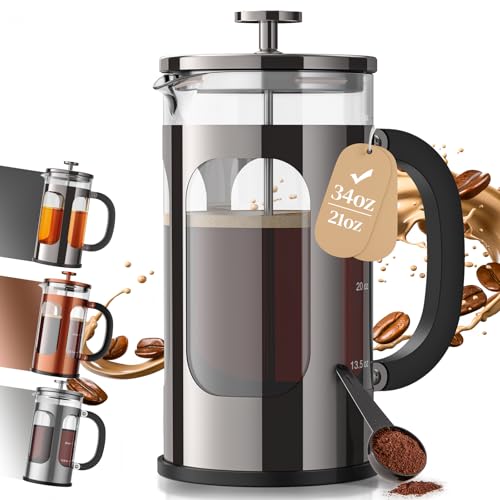
Veken 34oz French Press
Strengths
- Plastic-free build
- Excellent filtration
- Dishwasher-safe parts
Trade-offs
- Glass exterior not insulated
- No travel lid included
This French press stands out by keeping plastic completely out of the brewing path, a real win for anyone concerned about leaching or off-flavors. The use of 304 stainless steel and food-grade silicone means every sip is pure, and owners consistently report a clean, rich taste that rivals more expensive models. The thickened borosilicate glass holds up well to thermal stress, though I’d still be cautious with sudden temperature swings.
The 4-level filtration system genuinely delivers smoother coffee with minimal sludge, a common pain point with cheaper presses. And while it’s not insulated, the straightforward design makes it a solid daily driver for home or travel. Compared to single-wall glass models, this one feels sturdier, and the included scoop helps take the guesswork out of brewing.
Video review
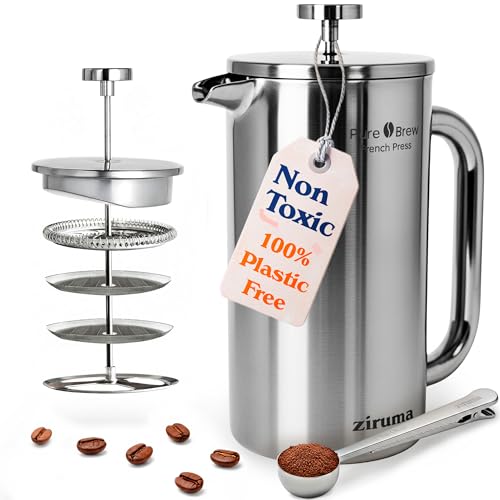
Ziruma Non-Toxic French Press
Strengths
- 316 surgical steel
- Double-wall insulation
- True zero-plastic contact
Trade-offs
- Higher price point
- Heavier than glass models
If health safety is your top priority, this is the press to consider. The 316 surgical-grade stainless steel is a step above the more common 304, offering superior corrosion resistance and peace of mind for long-term use. Owners praise how it eliminates any metallic aftertaste while standing up to daily brewing. The double-wall design is where it really pulls ahead, keeping the exterior cool while maintaining heat inside, which the Veken model can’t match.
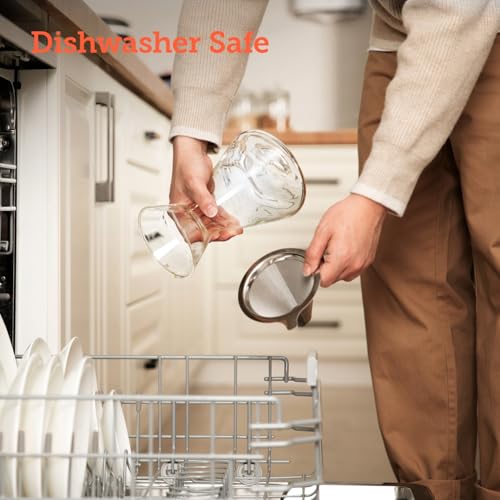
The 4-layer filter performs on par with the Veken, delivering grit-free coffee, and the build quality feels more premium overall. It’s also fully dishwasher safe, a convenience not all metal presses offer. While it costs more, the materials and insulation justify the bump for health-focused buyers.
Video review
Cosori 8-Cup Pour Over

Strengths
- Stainless steel filter
- Heat-resistant carafe
- Lightweight and portable
Trade-offs
- No thermal insulation
- Wooden sleeve not dishwasher safe
This is a no-frills pour over setup that gets the essentials right. The double-layer 304 stainless steel filter extracts oils beautifully, giving a fuller body than paper-filtered methods, reviewers often compare it to a hybrid between Chemex and French press. The borosilicate carafe is heat-resistant enough to go on low stovetop heat, which is rare and useful for camping.
It’s compact, easy to clean, and the wooden sleeve adds a nice touch without compromising function. But it’s not insulated, so coffee cools faster than with thermal carafes. Compared to the Bodum, it lacks the elegance but matches it in performance at a lower cost. For outdoor use, this one shines.
Product photos


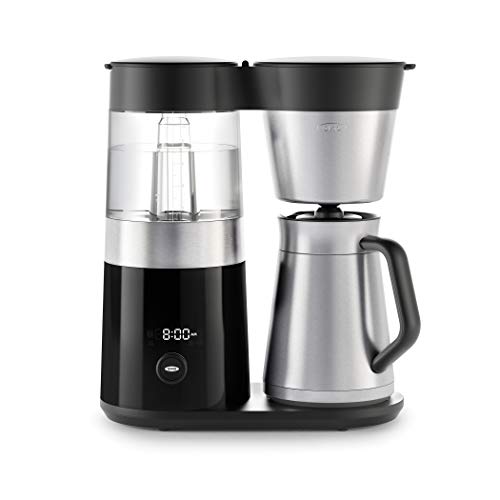
OXO Brew 9-Cup Coffee Maker
Strengths
- SCA certified brewing
- Thermal carafe
- Even extraction
Trade-offs
- Some plastic in lid
- Not fully plastic-free
This machine earns its SCA certification with precision temperature control and even water dispersion via the rainmaker shower head. It brews a balanced, aromatic pot every time, and the double-wall thermal carafe keeps coffee hot for hours, no hot plate needed. The pause-and-serve feature is a small but meaningful touch that many owners use daily.
It’s one of the few programmable models that avoids plastic in the water path, though the carafe lid does have some. Still, the build quality and consistency are top-tier. Compared to the SimplyGoodCoffee Brewer, it uses a thermal carafe instead of a glass one with a hot plate, which I prefer for flavor preservation.
Product photos


Bodum 34oz Pour Over

Strengths
- Superior flavor clarity
- Cork grip comfort
- Simple, elegant design
Trade-offs
- No thermal protection
- Cork may wear over time
There’s a reason this design has endured, the Bodum pour over delivers a bright, nuanced cup that highlights the subtle notes in single-origin beans. The stainless steel filter lets more oils through than paper, and the cork grip isn’t just stylish; it actually insulates your hand. It’s simple, elegant, and made in Portugal with consistent quality.
But it’s a manual process, so it’s not for anyone who wants push-button convenience. The single-wall glass means your coffee cools faster, and while it’s dishwasher safe, the cork band can degrade over time with frequent washing. Still, for the pour over purist, this is hard to beat.
Product photos


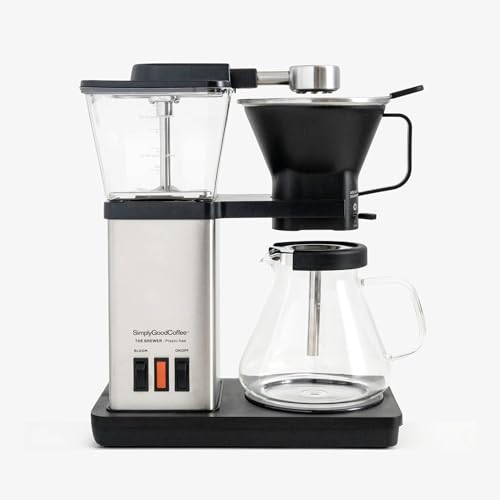
SimplyGoodCoffee THE BREWER
Strengths
- Fully plastic-free water path
- Bloom cycle option
- Compact footprint
Trade-offs
- Hot plate can overheat coffee
- No thermal carafe
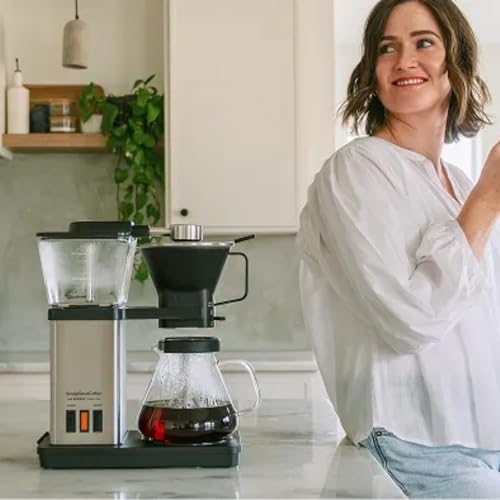
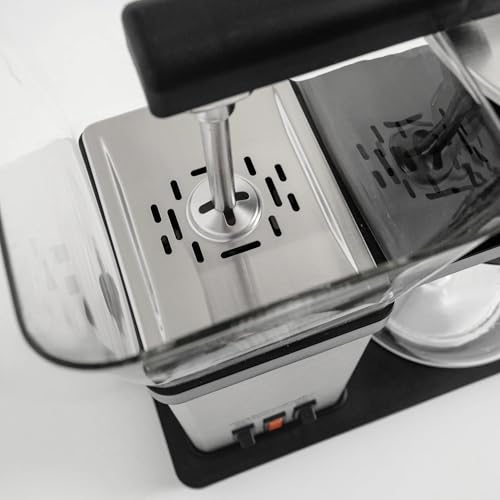
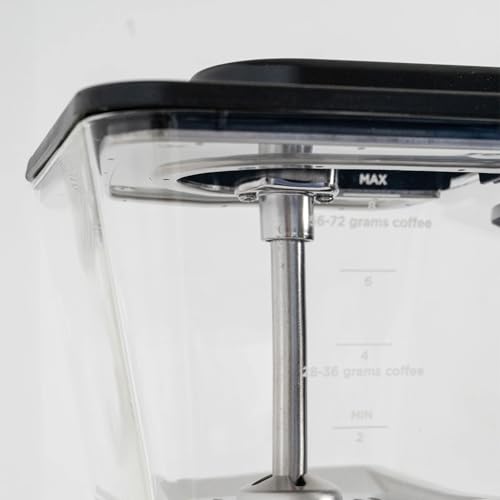
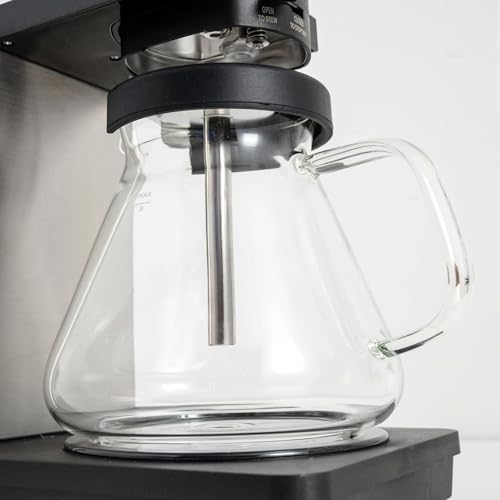
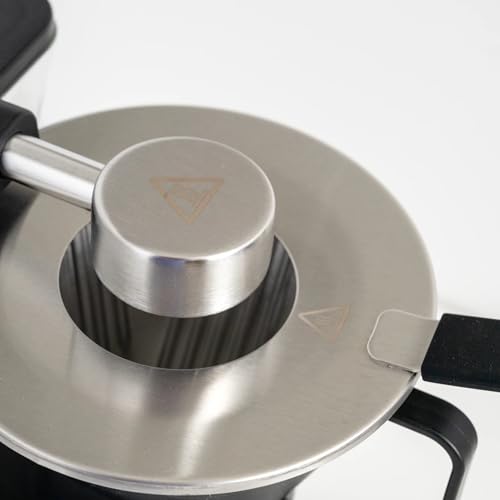
This is the most compelling all-around pick for those who want automatic brewing without any plastic touching their coffee or water. The entire path, from reservoir to carafe, is metal or glass, and the 195–205°F brewing range hits the gold standard for extraction. Owners report rich, balanced coffee with no bitterness, and the optional bloom cycle adds a pour-over-like depth.
It’s compact, has a 40-minute hot plate, and the removable parts make cleanup easy. Compared to the OXO, it’s more fully committed to being plastic-free, though it lacks a thermal carafe. For most people, this is the best balance of safety, flavor, and convenience.
Product photos
KIDISLE 10-Cup Electric Percolator
Strengths
- Fast brewing
- Visible percolation
- Stainless steel filter
Trade-offs
- Can over-extract coffee
- Bulky design
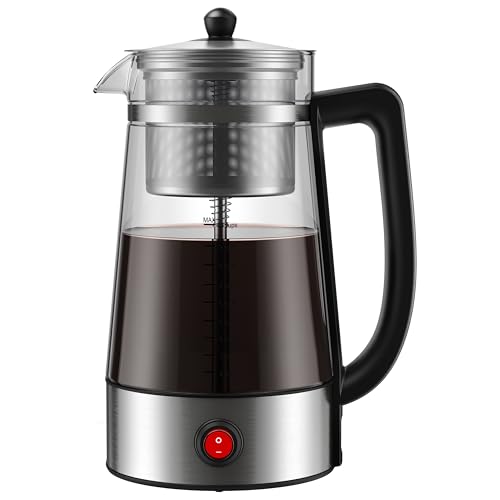
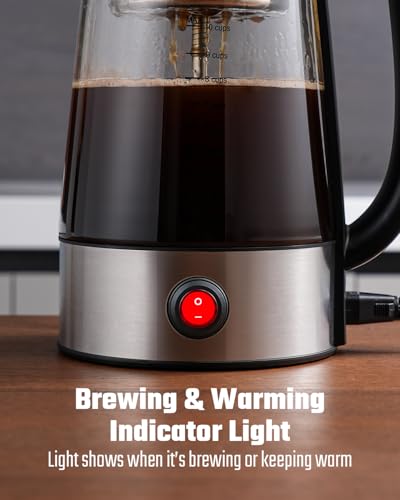
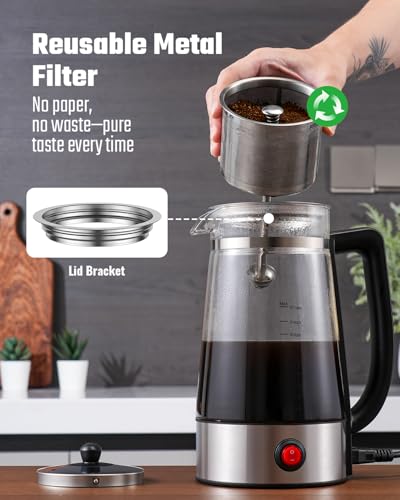
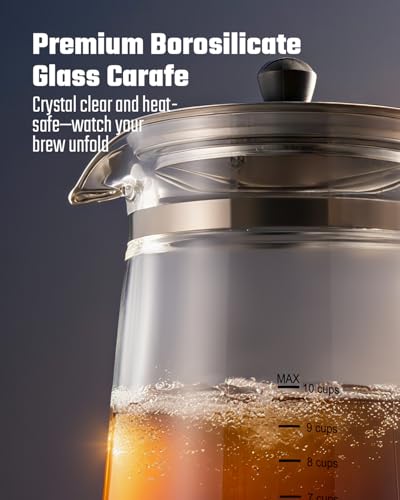
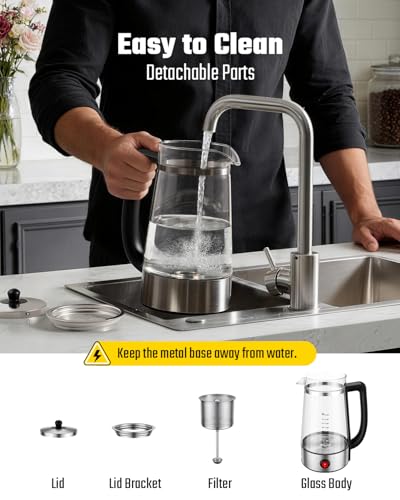
Percolators aren’t for everyone, but if you love bold, nostalgic coffee with a slightly heavier body, this electric model delivers. The 1000W heating system cycles coffee through the stainless steel filter quickly, ready in about 10 minutes, and the glass knob lets you watch the brew strength in real time. The auto-reheat function is a nice perk for lingering mornings.
But percolated coffee can taste over-extracted if left too long, and the flavor profile is less nuanced than drip or pour over. That said, it’s durable, affordable, and plastic-free in the brewing chamber. For campers or grandparents who swear by their old percolator, this is a modern, safe upgrade.
Product photos
Ninja Specialty Coffee Maker

Strengths
- Multiple brew styles
- Built-in frother
- Large capacity options
Trade-offs
- Contains plastic in water path
- Complex maintenance
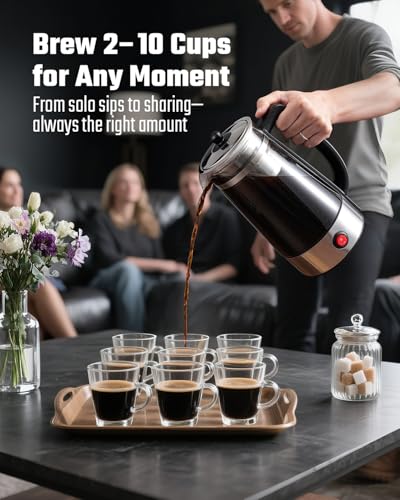
This machine is built for variety, not purity. It offers six brew sizes and four styles, including over-ice and specialty concentrate, making it a powerhouse for households with mixed preferences. The fold-away frother is a standout, no need for a separate milk steamer. But it’s not plastic-free; the water reservoir and many internal parts are plastic, which disqualifies it for the strictest non-toxic seekers.
Still, for families who want lattes, travel mugs, and full pots from one machine, it’s hard to beat. Compared to the OXO, it’s more versatile but less focused on brewing excellence. Owners love the flexibility, even if the coffee isn’t quite SCA-level refined.
Product photos


How We Picked These non toxic coffee maker
As the founder of Bean Thusiast, I approach coffee equipment with a focus on flavor and health. Rather than a hands-on lab test, this research-led comparison evaluated published specifications, owner reviews, and independent expert opinions to rank these non-toxic coffee makers. My goal was to identify models minimizing potential chemical leaching and maximizing brewing quality, based on what’s realistically important to home coffee drinkers.
For non-toxic coffee makers, material safety, brewing performance, and ease of cleaning were the biggest deciding factors. The absence of plastic touching the water is paramount, as is the quality of the materials used as replacements (like stainless steel). Beyond that, consistent brewing temperature and the ability to produce a flavorful cup heavily influenced my rankings.
Specifications reliably reveal material composition – stainless steel grades, glass types, and silicone certifications. However, owner feedback provided crucial insight into real-world durability and potential off-flavors. Reputation, particularly from sources focused on health-conscious living, also played a role. I also looked at whether a coffee maker’s design encourages the use of safe coffee filter materials to further minimize exposure to potentially harmful substances.
What To Look For In non toxic coffee maker
Finding a coffee maker that truly prioritizes health and safety without sacrificing a great cup is a surprisingly complex task.
A truly non-toxic coffee maker minimizes contact between water and plastics, especially those containing BPA or phthalates. Look for models utilizing surgical-grade stainless steel, borosilicate glass, and silicone, and prioritize those with certifications verifying material safety. Consider brewing method – French press and pour-over generally offer more material control than automatic drip machines.
Material Composition is Key
I’ve seen too many coffee lovers overlook the materials their coffee actually touches. Beyond the exterior finish, you need to investigate what’s inside the machine and in contact with the water. Stainless steel is great, but not all stainless steel is created equal. Look for 304 or, even better, 316 surgical-grade stainless steel for maximum corrosion resistance and purity. Avoid aluminum, as it can leach into your coffee. Borosilicate glass is another excellent choice, being both heat-resistant and inert. The Ziruma French Press, for example, makes a strong case for surgical-grade steel.
Brewing Method & Extraction Quality
The brewing method itself impacts both flavor and potential toxin exposure. Automatic drip machines, while convenient, often rely on plastic components within the heating chamber and water pathways. French presses and pour-over methods, like those offered by Cosori, give you more control, allowing you to select all-glass or stainless steel options. However, even with these methods, filter material matters. Avoid bleached paper filters; opt for reusable stainless steel filters or unbleached paper filters. If you’re interested in a more automated, but still safe, option, check out our guide to the non-toxic drip coffee maker for better options.
Balancing Features & Value
It’s easy to get caught up in bells and whistles, but focusing on core functionality is crucial. Do you really need a built-in grinder or a complicated programming system? Often, simpler models, like the SimplyGoodCoffee THE BREWER, offer excellent build quality and a focused brewing experience at a lower price point.
Here’s what I generally look for when comparing value:
- Durability: A coffee maker that will last several years is worth a slightly higher upfront investment.
- Ease of Cleaning: Complex machines with lots of parts can be a nightmare to clean.
- Material Quality: Paying a bit more for truly non-toxic materials is an investment in your health, and a good machine will require less frequent replacement, ultimately saving you money.
Don’t forget regular maintenance. A consistent vinegar cleaning method will extend the life of your brewer and keep your coffee tasting its best.
A coffee maker is only as good as its upkeep. Regular cleaning, using a solution like vinegar, prevents mineral buildup and ensures optimal performance.
Non Toxic Coffee Makers Compared
Here’s a comparison of specifications for various non-toxic coffee makers to help you make an informed decision.
| Product Name | Capacity (Cups) | Material (Carafe) | Filter Type | Plastic Contact | Special Features |
|---|---|---|---|---|---|
| SimplyGoodCoffee THE BREWER | 8 | Stainless Steel | N/A | None | Auto Timer, Bloom Feature |
| Ziruma Non-Toxic French Press | 34oz | Stainless Steel | 4-Layer Stainless | None | Double-Wall Insulated |
| KIDISLE 10-Cup Percolator | 10 | Borosilicate Glass | Permanent Steel | Some | Auto-Reheat |
| Bodum 34oz Pour Over | 8 (4oz each) | Borosilicate Glass | Stainless Steel | Some | Cork Band |
| Cosori 8-Cup Pour Over | 8 (4oz each) | Borosilicate Glass | Dual Stainless | None | Heat-Resistant Glass |
| OXO Brew 9-Cup Coffee Maker | 9 | Thermal Stainless | N/A | Some | Programmable, SCA Certified |
| Veken 34oz French Press | 34oz | Borosilicate Glass | 4-Layer Stainless | Silicone Seal | Exterior Markings |
| Ninja Specialty Coffee Maker | 10 | Glass | Permanent | Some | 4 Brew Styles, Frother |
Frequently Asked Questions
What’s the deal with stainless steel grades in coffee makers?
316 surgical-grade stainless steel is superior to 304 because of its molybdenum content, enhancing corrosion resistance and making it even more inert. While 304 is generally safe, 316 offers an extra layer of protection against leaching, particularly with prolonged use and exposure to acidic coffee.
Are silicone seals in coffee makers a concern for toxicity?
Food-grade silicone is considered safe, but it’s not entirely inert. Look for platinum-cured silicone, as it undergoes a more thorough curing process, minimizing residual volatile compounds. However, minimizing silicone contact is ideal, and some models, like the SimplyGoodCoffee THE BREWER, avoid it altogether.
Can I really avoid all plastic in a coffee maker?
Completely eliminating plastic is difficult, but you can minimize it significantly. French presses and pour-over systems offer the most control, allowing you to choose all-stainless steel or glass components. If you’re seeking a more automated option, explore a non-toxic single-serve coffee maker which often uses less plastic.
How important is the filter when choosing a non-toxic coffee maker?
The filter is very important. Avoid bleached paper filters, as the bleaching process can leave behind residual chemicals. Reusable stainless steel filters are a great alternative, but they can sometimes let fine sediment through. Unbleached paper filters are a good compromise if you prefer the convenience of disposable filters.
What about cleaning a non-toxic coffee maker – are there special considerations?
Regular cleaning is essential, but harsh chemicals should be avoided. A vinegar and water solution is effective for descaling and won’t compromise the materials. For stainless steel, mild dish soap and a soft cloth are best; avoid abrasive cleaners that could scratch the surface.
The Bottom Line
Choosing a non-toxic coffee maker often comes down to balancing convenience with control. While automatic machines offer ease of use, they frequently incorporate plastic components. For the purest brewing experience, I recommend the SimplyGoodCoffee THE BREWER; its all-stainless steel internal pathways and thoughtful features strike a fantastic balance between health and usability.
If budget is a primary concern, the Veken 34oz French Press delivers excellent value without compromising on material safety. Those prioritizing a versatile pour-over experience will appreciate the Cosori 8-Cup Pour Over, which offers both stainless steel filter options and a durable glass carafe.
Ultimately, the most crucial factor isn’t a single feature or certification, but a mindful approach to materials and consistent upkeep. A regular clean coffee maker naturally will extend the life of any brewer and ensure you’re enjoying the purest possible flavor, free from unwanted residue.
