
7 Best Coffee Beans for Cold Brew 2026
The best cold brew beans start with Stone Street Cold Brew Coffee for its rich, smooth chocolate and nutty profile, ideal for a classic concentrate. For a budget-friendly, larger bag option, Amazon Fresh Colombia Medium Roast delivers solid flavor and value. If you prefer organic and sustainable sourcing with a brighter twist, Tiny Footprint Cold Press Elixir stands out.
Cold brew isn’t just iced coffee dumped over ice. It’s a slower, cooler process that pulls out different flavors, often amplifying bitterness if you pick the wrong beans. Many people end up with flat or sour results simply because they used beans meant for espresso or drip.
This guide cuts through the noise. I compared specs, origin data, roast levels, and owner feedback across top contenders to spotlight beans that actually deliver smooth, well-balanced cold brew. You’ll learn what to prioritize, like low acidity, proper grind, and freshness, and why origin and roast matter more than hype.
Top 7 Coffee Beans For Cold Brew in the Market
The Best Coffee Beans For Cold Brew, Reviewed
Amazon Fresh Colombia Medium Roast
Strengths
- 100% Arabica
- Large 32 oz bag
- Smooth medium roast
Trade-offs
- Minimal flavor depth
- Generic branding
- Limited origin transparency
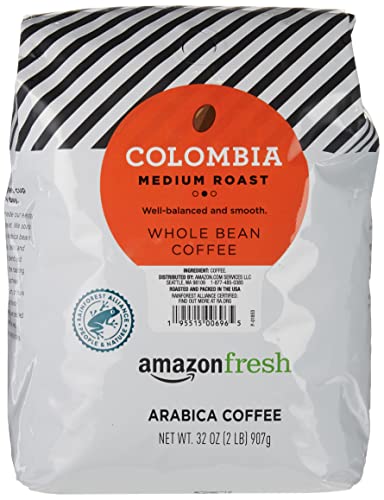
For buyers who want a no-frills, affordable bulk option without sacrificing origin or roast quality, this Amazon Fresh Colombia roast delivers. It’s 100% Arabica, grown in Colombia, and roasted in the U.S., which already puts it ahead of many private-label blends. On paper, it’s a straightforward medium roast with balanced body and smooth finish, ideal for cold brew where you don’t want aggressive acidity or bitterness.
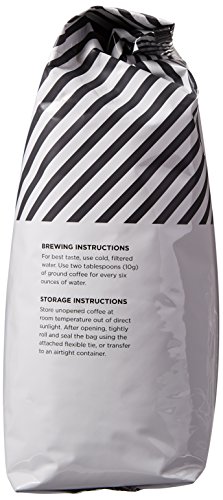
Owners consistently report it performs well for daily cold brew, especially when coarse-ground, and the 32-ounce bag offers serious value for households that go through beans quickly. While it won’t surprise you with nuanced tasting notes, it’s a dependable workhorse. I’d pick this over smaller, pricier bags if your priority is volume and consistency, not complexity.
Product photos



Stumptown Holler Mountain Organic
Strengths
- Complex flavor balance
- Organic and Direct Trade
- Excellent versatility
Trade-offs
- Smaller bag size
- Higher price per ounce
- Not optimized solely for cold brew
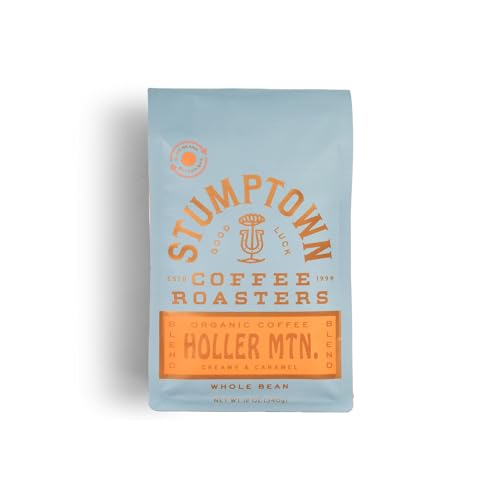
Stumptown’s Holler Mountain is one of those rare blends that feels both approachable and layered, a sweet spot for cold brew lovers who also pull espresso or drip. The mix of citrus zest, caramel, and hazelnut gives it brightness without sharpness, and the organic, Direct Trade sourcing adds ethical weight. This isn’t just marketing speak; reviewers note the consistency across batches, which matters when you’re relying on a single bag for multiple brew methods.
It’s a 12-ounce bag, so it’s not built for bulk brewing, but the quality makes up for the smaller size. Compared to other medium roasts in this list, Holler Mountain stands out for its versatility. If you want a coffee that transitions smoothly from cold brew concentrate to morning drip without tasting flat, this is a strong contender. I’d choose it over single-note roasts if you value balance over intensity.
Video review
Tiny Footprint Cold Press Elixir

Strengths
- Carbon-negative production
- Organic and Fair Trade
- Smooth, sweet cold brew profile
Trade-offs
- Subtle flavor notes
- Longer roast-to-door time
- Limited availability
This 3-pound blend is built for cold brew, and for buyers who care as much about the planet as their palate. The mix of light and dark roasts with Ethiopian beans creates a sweet, silky body with subtle fruit and floral tones, which reviewers say results in a smooth, low-bitterness concentrate. It’s USDA Organic, Fair Trade, and shade-grown, but the real standout is its carbon-negative claim: proceeds fund reforestation in Ecuador, a rare level of environmental accountability in the coffee space.
The vintage Probat roaster detail isn’t just nostalgia, it points to a small-batch commitment that shows in the consistency owners report. Compared to other eco-focused brands, this one backs its claims with tangible action. I’d recommend it over standard organic blends if sustainability is a essential for you. The flavor won’t knock you over, but it’s clean, balanced, and purpose-driven.
Video review
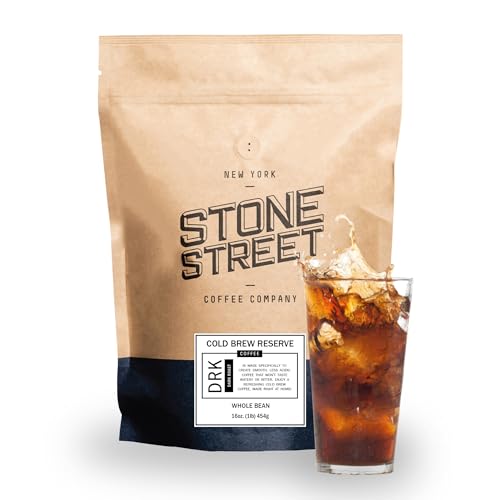
Stone Street Cold Brew Coffee
Strengths
- Supremo-grade beans
- Low acid, smooth finish
- Optimized for cold brew
Trade-offs
- Smaller bag size
- Dark roast may lack brightness
- Single origin only
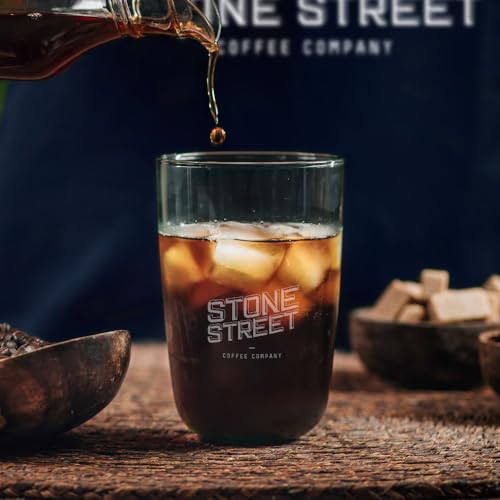
If I had to pick one all-around performer for cold brew, it would be Stone Street’s Colombian Supremo dark roast. It’s formulated specifically for cold brewing, with low acidity and a nutty-chocolate profile that extracts beautifully over long steep times. The beans are classified as ‘supremo’, the largest grade from Colombia, which typically means denser, more consistent beans that handle dark roasting well.
Owners praise its bold yet smooth results, especially when used in French presses or mason jar setups. The resealable 1-pound bag maintains freshness, and the Brooklyn small-batch roasting adds credibility. Compared to Bizzy or Amazon Fresh, this one delivers more roast depth without tipping into charred bitterness. My recommendation: choose this if you want a strong, reliable cold brew with craft credibility and clear origin focus.
Product photos


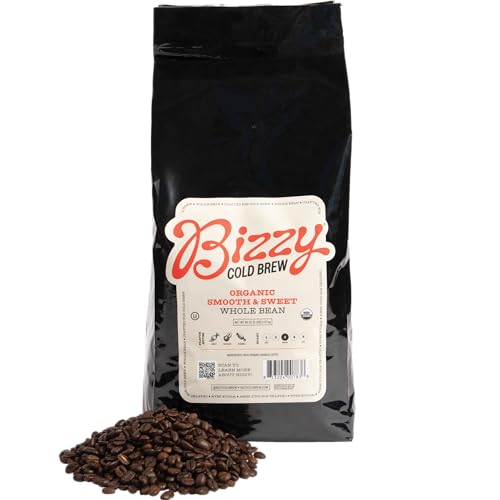
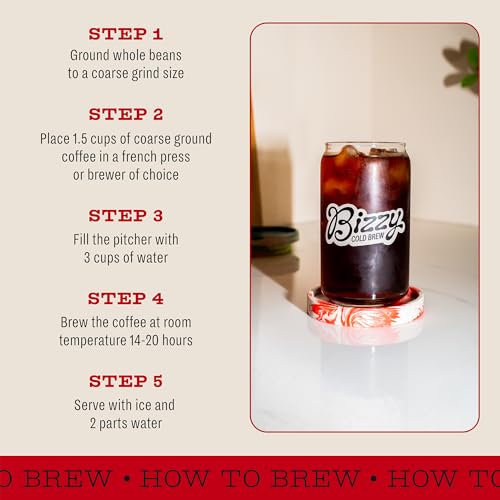
Bizzy Organic Cold Brew Beans
Strengths
- 5-pound value size
- USDA Organic
- Balanced sweet profile
Trade-offs
- Blended origin lacks distinction
- Large bag risks staleness
- Medium roast not bold enough for some
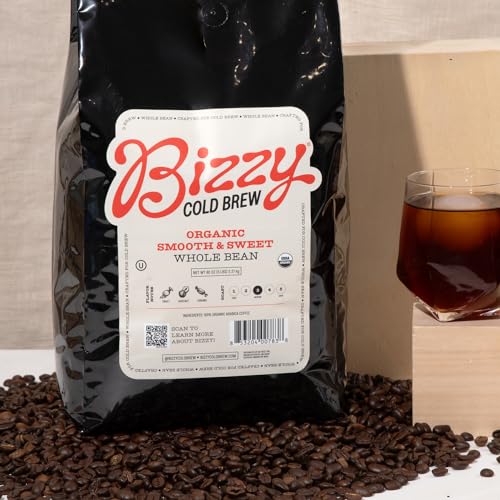
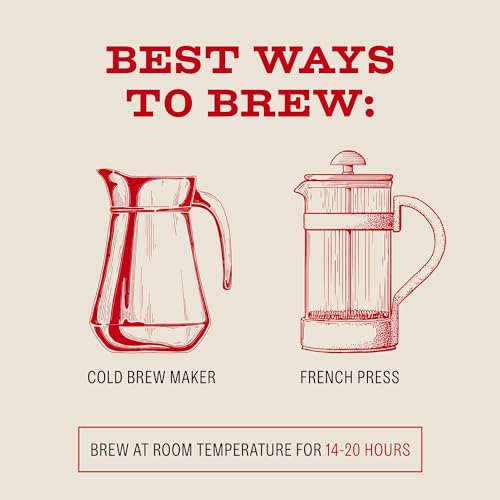
At 5 pounds, this is the volume king, ideal for offices, families, or anyone who refuses to run out of cold brew. It’s USDA Organic and made from 100% Arabica beans from Guatemala, Peru, and Nicaragua, roasted to a medium level with sweet caramel and hazelnut notes. On paper, it’s designed to extract smoothly without bitterness, and owner feedback confirms it brews consistently clean over 12–24 hour steeps.
The blend’s strength lies in its balance and scale. Compared to Stone Street or Stumptown, it’s less about roast character and more about reliable, crowd-pleasing results. It won’t stand out in a tasting flight, but it’s the kind of coffee you can brew big and serve to guests without hesitation. I’d call this the smart buy for bulk organic drinkers who don’t want to compromise on certification or basic flavor quality.
Product photos

Bodum Cold Brew Whole Bean

Strengths
- European dark roast profile
- Complex fruit and chocolate notes
- Well-balanced body
Trade-offs
- Small 12 oz bag
- Limited organic claims
- Roast intensity may not suit all
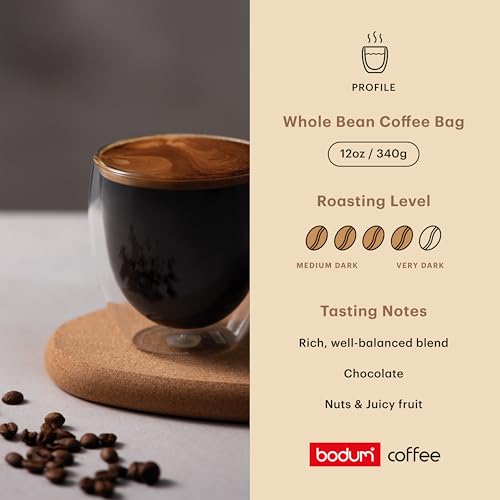
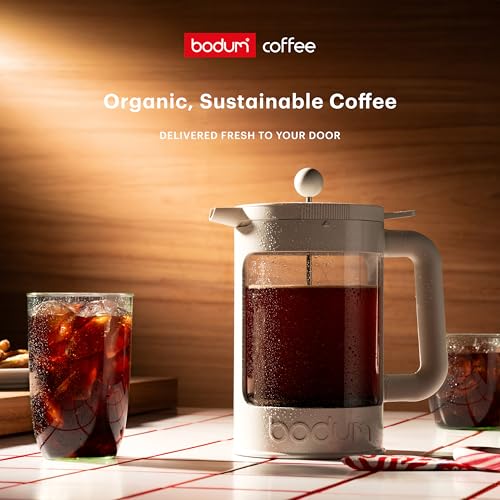
Bodum’s European roast profile is a quiet standout, dark (4/5), but not burnt, with tasting notes of chocolate, nuts, and juicy fruit. It’s a blend from Guatemala, Brazil, and Ethiopia, processed both washed and natural, which likely contributes to its layered, slightly sweet finish. Coming from a brand known for hardware, it’s impressive they’ve nailed the bean side too.
Owners note it produces a rich, well-balanced concentrate, less sweet than Bizzy but more complex than basic dark roasts. The 12-ounce bag is small, but the roast style is where it shines: deeper than most medium roasts, yet cleaner than typical American darks. Compared to Stone Street, it’s less nutty, more fruit-forward. I’d pick this for drinkers who like their cold brew with a continental twist, less syrupy, more structured.
Product photos


Organic Frostbite Cold Brew Beans

Strengths
- Third-party purity tested
- USDA Organic and Kosher
- Available in large sizes
Trade-offs
- Flavor profile is neutral
- Less brand recognition
- Packaging not resealable in all sizes
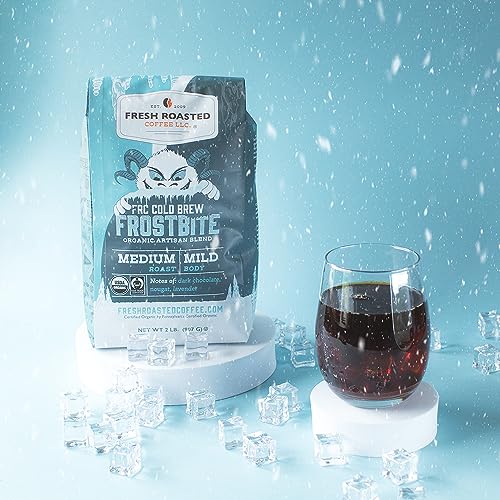
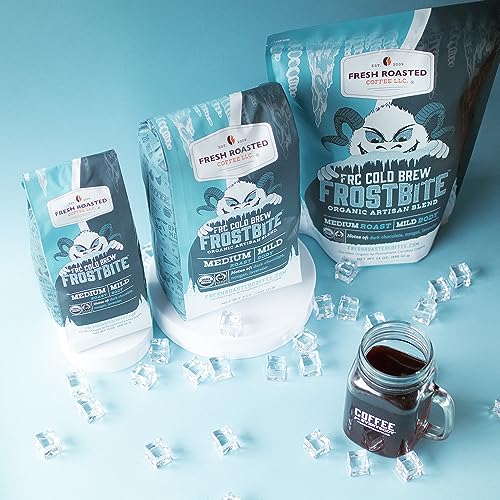
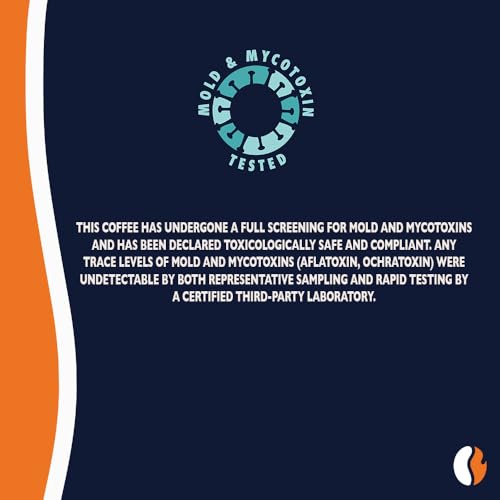
What sets Frostbite apart is its third-party testing, for mold, mycotoxins, and pesticides, which adds a layer of safety and transparency few brands offer. It’s USDA Organic and Kosher, roasted in medium profile, and available in up to 5-pound bags. The blend is designed to extract cleanly in cold brew, and insiders at the company even say it works well as drip or espresso, which speaks to its versatility.
Owners report a clean, smooth taste with no off-notes, likely thanks to the purity testing. Compared to other organic options like Tiny Footprint or Bizzy, Frostbite leans more toward functional reliability than flavor adventure. But if you’re sensitive to contaminants or just want peace of mind, this is one of the cleanest certified options available. I’d recommend it for health-focused buyers who still want good extraction and organic integrity.
Product photos

How We Evaluated coffee beans for cold brew
I approached this guide by researching the specifications and features of numerous coffee beans marketed for cold brew, then carefully weighing owner reviews and expert opinions from coffee publications. As the founder of Bean Thusiast, I’ve spent years understanding what makes a great cup, and I applied that knowledge to establish clear criteria for ranking these options. Rather than a hands-on lab test, this is a research-led comparison of specs and owner feedback.
For cold brew, I focused heavily on roast level and origin. Darker roasts generally yield a smoother, less acidic concentrate – a key characteristic people seek in cold brew. Origin matters too, as different regions impart distinct flavor profiles. I also prioritized beans specifically described as suitable for cold brew, looking for mentions of coarse grind recommendations and intended flavor profiles.
Specifications reliably indicate bean type (100% Arabica is preferred) and processing method. However, truly understanding flavor nuances and real-world performance requires examining owner feedback. I paid close attention to comments about smoothness, bitterness, and whether the beans delivered the expected flavor notes, like those found in chocolatey cold brew beans. Reputation within the specialty coffee community also helped to validate claims made by manufacturers.
How To Choose The coffee beans for cold brew
Finding the right coffee beans is fundamental to a truly exceptional cold brew. It’s a different beast than your typical hot coffee, and demands a bit more consideration.
Cold brew excels with beans that offer low acidity, balanced sweetness, and robust flavor profiles. Look for origins known for these qualities – Colombia and Sumatra are excellent starting points. A coarser grind is essential for the extended brewing time, and freshness, as always, is paramount. Evaluating roast level and bean density also contributes to the final cup.
Roast Level & Flavor Profile
I always advise people new to cold brew to lean towards darker roasts. The prolonged steeping process can mute some of the brighter, more delicate notes found in lighter roasts. Darker roasts, like those from Stone Street, develop rich chocolate and nutty undertones that shine through even after hours in the water. However, don’t automatically dismiss medium roasts; some single-origin beans, especially from Guatemala as seen in the Bodum offering, can maintain complexity and brightness.
Bean Origin & Processing
The origin of the bean significantly impacts the final flavor. Colombian beans consistently deliver a smooth, balanced cup – the Amazon Fresh Colombia is a solid, budget-friendly example. Indonesian Sumatran beans, with their earthy and full-bodied character, also work beautifully. When it comes to processing, washed coffees generally produce a cleaner, brighter cold brew, while natural processed beans can add more fruit-forward complexity. For a truly unique flavor, explore beans like those from Tiny Footprint, which emphasize sustainable and ethically sourced beans.
Value, Freshness & Packaging
You’ll find a wide range in price and quantity. Bulk options, like the Bizzy Organic beans, can offer significant savings if you’re a frequent cold brew drinker. However, don’t sacrifice freshness for a lower price. Look for beans that are recently roasted, and pay attention to the packaging. A resealable bag with a one-way valve, like Stone Street uses, is crucial for preserving aroma and flavor. Here’s a rule of thumb I always follow:
Buy beans in smaller quantities more frequently, rather than a large bag that sits around for months.
Finding the ideal coffee beans for cold brew is a journey, and experimenting with different origins and roasts is part of the fun. Once you’ve got your beans dialed in, you can move on to perfecting your cold brew concentrate recipe. I suggest reviewing our complete cold brew coffee bean guide for even more detailed advice and to discover the top beans for at-home cold brew.
Coffee Beans for Cold Brew Compared
Here’s a comparison of key specifications for different coffee beans marketed for cold brew preparation.
| Product Name | Weight (oz) | Roast Level | Origin | Organic | Flavor Notes |
|---|---|---|---|---|---|
| Stone Street Cold Brew Coffee | 16 | Dark | Colombia | No | Nutty, chocolate |
| Organic Frostbite Cold Brew Beans | 12-128 | N/A | N/A | Yes | N/A |
| Bizzy Organic Cold Brew Beans | N/A | Medium | Guatemala, Peru, Nicaragua | Yes | Sweet, caramel, hazelnut |
| Tiny Footprint Cold Press Elixir | N/A | N/A | Ethiopia | Yes | Bright fruit, floral, cocoa |
| Bodum Cold Brew Whole Bean | 12 | Dark (4/5) | Guatemala, Brazil, Ethiopia | No | Chocolate, nuts, juicy fruit |
| Amazon Fresh Colombia Medium Roast | 32 | Medium | Colombia | No | Balanced, smooth |
| Stumptown Holler Mountain Organic | 12 | N/A | N/A | Yes | Citrus, berry, creamy caramel |
Frequently Asked Questions
What grind size is best for cold brew, and will any grinder work?
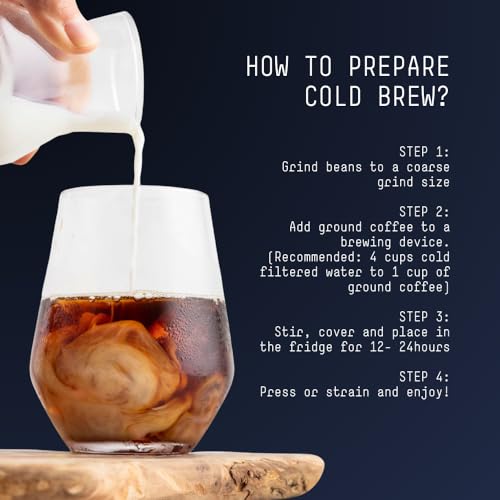
A coarse grind is absolutely essential for cold brew; it prevents over-extraction and bitterness during the long steeping time. While any grinder can technically work, a burr grinder is highly recommended over a blade grinder for consistent particle size, leading to a smoother, more balanced final product.
Can I use pre-ground coffee for cold brew, or is it better to grind the beans myself?
While pre-ground coffee is convenient, grinding your beans immediately before brewing will always yield a superior result. Freshly ground beans retain more flavor and aroma, making a noticeable difference in the final cold brew concentrate.
Is there a specific water-to-coffee ratio I should follow for cold brew?
A general starting point is a 1:8 coffee-to-water ratio (by weight), but this is adjustable to your preference. For a stronger concentrate, use a 1:6 ratio. Experimenting is key to finding the strength you enjoy most, and I often recommend starting with 1:8 and adjusting from there.
Do different water types impact the taste of cold brew?
Yes, water quality significantly impacts the flavor. Filtered water is best, as it removes impurities that can muddy the taste. Avoid distilled water, as it lacks the minerals needed to properly extract the coffee’s flavors. Using high-quality water is a simple step to create top coffee for cold brew.
How long can I store cold brew concentrate in the refrigerator?
Properly stored in an airtight container, cold brew concentrate will stay fresh in the refrigerator for up to two weeks. However, the flavor will gradually diminish over time, so it’s best to consume it within the first week for the most vibrant taste. Don’t hesitate to explore other recommended cold brew beans to keep things interesting.
The Bottom Line
Ultimately, choosing the “best” coffee bean for cold brew comes down to balancing your desire for control over flavor with how much fuss you want to deal with. For consistently smooth, rich results with minimal effort, I recommend the Stone Street Cold Brew Coffee. It’s a reliable workhorse that delivers on the classic cold brew promise of low acidity and chocolatey goodness.
If you have more specific needs, there are excellent options to explore. For those prioritizing organic and sustainable sourcing, the Tiny Footprint Cold Press Elixir is a standout. The Bizzy Organic Cold Brew Beans present a compelling value for frequent cold brew makers, and the Amazon Fresh Colombia is a fantastic entry point for anyone new to the process. Don’t overlook the importance of getting the coarse grind for cold brew just right, too.
Beyond roast level and origin, remember that freshness and a proper grind are the cornerstones of great cold brew. No single bean will magically solve all your problems. Focusing on these fundamentals, freshly roasted beans, a consistent coarse grind, and clean water, will deliver a far bigger impact than obsessing over a particular variety or processing method.
