
7 Best Coffee Beans for Cold Brew at Home 2026
The best coffee beans for cold brew at home start with Stone Street Cold Brew Coffee, our top pick for its rich, chocolatey flavor and consistent performance. For a budget-friendly option, Amazon Fresh Colombia Medium Roast delivers solid results, while Bizzy Organic Cold Brew Coffee stands out for those who want a smooth, certified organic blend.
Most home brewers don’t realize how much the bean choice affects their cold brew. Too often, a sour or flat result comes from using beans meant for drip coffee, not the slow steep of cold brew. After researching the market, analyzing specs, and reviewing owner feedback, I focused on beans that deliver sweetness, low acidity, and depth when brewed cold. This guide cuts through the noise to highlight what actually matters: origin, roast, and freshness.
Top 7 Coffee Beans For Cold Brew At Home in the Market
The Best Coffee Beans For Cold Brew At Home, Reviewed
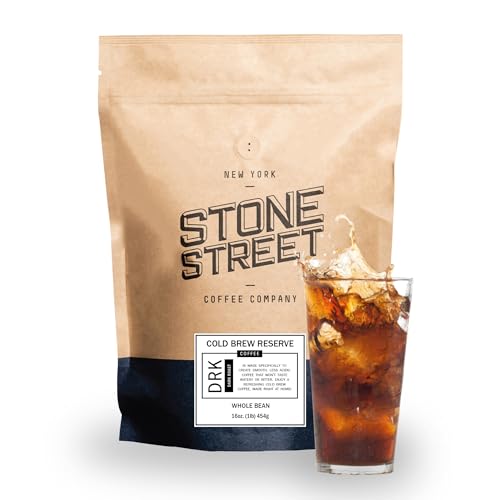
Stone Street Cold Brew Coffee
Strengths
- Colombian Supremo beans
- Low acid
- Dark roast depth
Trade-offs
- Smaller 16 oz bag
- Not organic
If I had to pick one all-around performer for home cold brew, it would be Stone Street’s Strong & Smooth Blend. The use of Colombian Supremo beans, large, high-grade lots, gives it a structural advantage from the start. Dark roasted but not burnt, it delivers deep chocolate and nutty notes with a low-acid profile that’s ideal for cold extraction. Reviewers consistently highlight how smooth and bold the concentrate turns out, without the astringency that plagues lesser dark roasts.
The 1 lb resealable bag keeps the beans fresh, and the Brooklyn small-batch roasting suggests attention to quality control. While it costs more than budget picks, it earns its place as the best overall by balancing flavor, freshness, and formulation. Compared to Fresh Roasted Coffee’s Frostbite, it’s bolder and more satisfying for those who like their cold brew with presence.
Video review
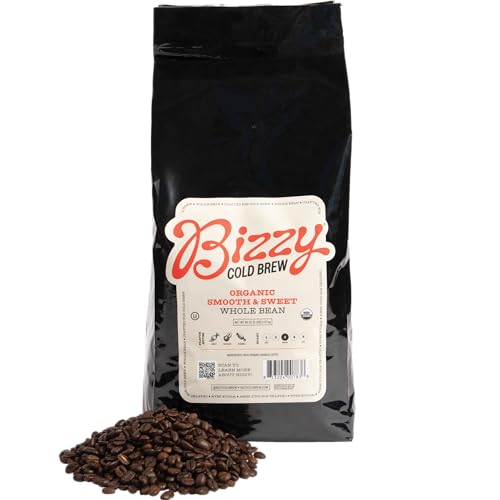
Bizzy Organic Cold Brew Coffee
Strengths
- 5 lb bulk size
- USDA Organic
- Sweet, smooth profile
Trade-offs
- Generic blend (no single origin)
- Long shipping times reported
When you’re brewing cold brew at volume, Bizzy’s 5 lb bag of organic whole bean coffee becomes hard to beat. It’s USDA Organic, made from beans sourced in Guatemala, Peru, and Nicaragua, and roasted to a medium level with sweet, caramel-forward notes that translate well into a smooth concentrate. Owners who go through pounds of coffee weekly praise its consistency and value, this is the kind of bean you buy once and forget about until the bin runs low.
It’s not flashy, but it’s formulated specifically for cold brew, and the organic certification means you’re not cutting corners on safety. Compared to Fresh Roasted Coffee’s Frostbite, it offers a similar profile but in a much larger format. For families or offices making cold brew in batches, this is the smarter bulk buy.
Video review
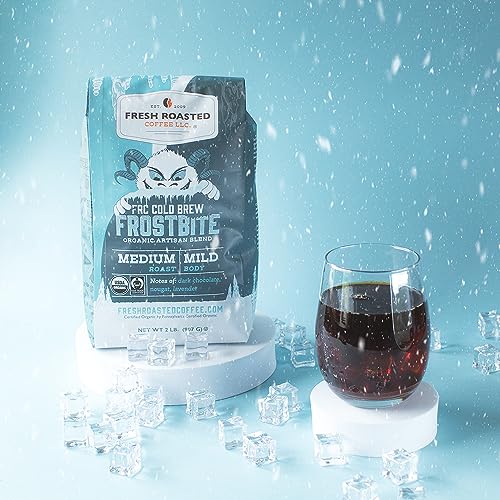
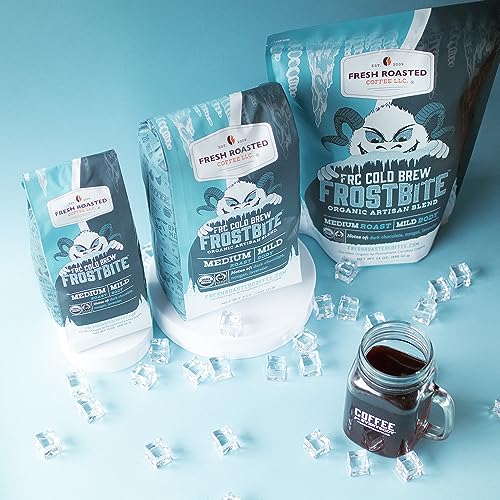
Fresh Roasted Organic Frostbite Blend

Strengths
- USDA Organic
- Third-party tested
- Large 2 lb size
Trade-offs
- Limited origin complexity
- Mild flavor profile
When you’re serious about what goes into your cold brew, the Frostbite blend stands out for its transparency and purity. USDA Organic certification and third-party testing for mold, mycotoxins, and pesticides are not just marketing fluff, they’re essential for anyone who drinks cold brew daily and wants to avoid potential contaminants that can thrive in warm, humid processing environments. On paper, this is one of the cleanest options available, and owners consistently report a smooth, clean cup with low acidity and a rounded sweetness that holds up well when diluted.
The 2 lb bag gives serious home brewers enough volume to last, and the medium roast brings out balanced notes without veering into bitterness. While it’s not the most complex bean on this list, its strength lies in consistency and safety. I’d pick this over flashier options if you prioritize health certifications and want a reliable, no-surprise cold brew base.
Product photos

Cold Brew Coffee Whole Bean
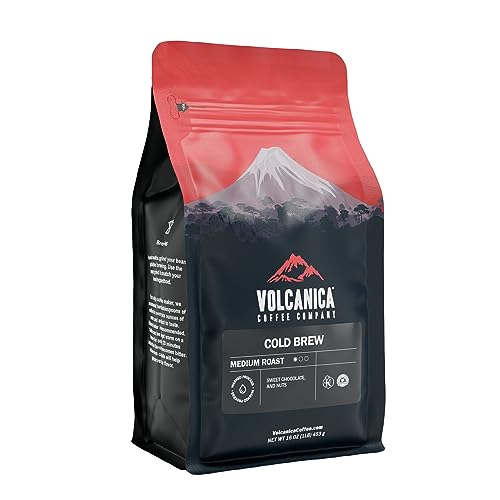
Strengths
- Affordable
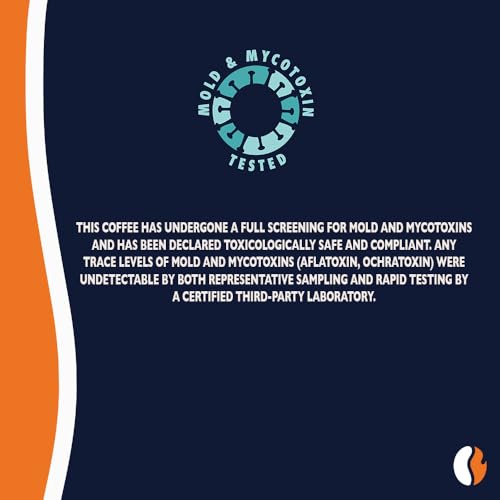
- Lab tested for mold
- Freshly roasted
Trade-offs
- No organic certification
- Generic origin info
This no-frills offering hits hard for budget-focused buyers who still want quality safeguards. It’s not organic, but the fact that it’s tested for mold and mycotoxins post-arrival gives it more credibility than many unknown brands that skip lab verification. The medium roast is designed specifically for cold brewing, and reviewers note a clean, slightly sweet profile with minimal bitterness, exactly what you want when steeping for 12+ hours.
At this size and price point, it’s a smart rotation bean if you’re testing cold brew methods or don’t go through coffee fast. It won’t beat out premium small-batch roasts in depth, but for the value, it delivers reliably. Compared to the Amazon Fresh option, it lacks origin specificity but matches or exceeds it in freshness protocols.
Product photos


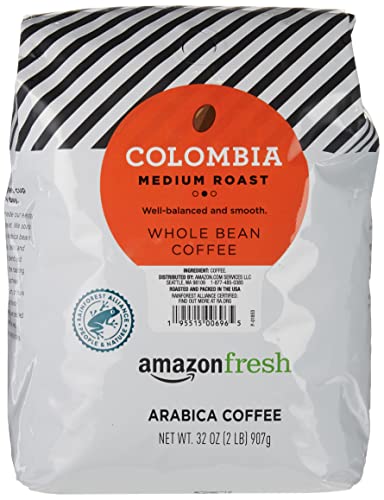
Amazon Fresh Colombia Medium Roast
Strengths
- 100% Arabica
- Consistent quality
- Large 32 oz bag
Trade-offs
- Basic flavor profile
- No cold brew optimization
Amazon Fresh’s Colombia roast is the quiet achiever of store-brand beans, simple, solid, and surprisingly consistent. It’s 100% Arabica from Colombia, roasted in the U.S., and delivers that classic medium-roast balance: mild acidity, nutty undertones, and a clean finish. While not labeled as a cold brew-specific blend, its profile holds up well in long steeping, yielding a smooth concentrate that doesn’t turn harsh or muddy.
Owners praise its reliability and freshness upon arrival, likely due to Amazon’s supply chain control. It’s not as aggressively marketed as others, but that works in its favor, no hype, just decent coffee. Against Stone Street or Stumptown, it lacks boldness and nuance, but for twice-weekly cold brew makers who don’t want to overthink it, this is a strong default.
Product photos



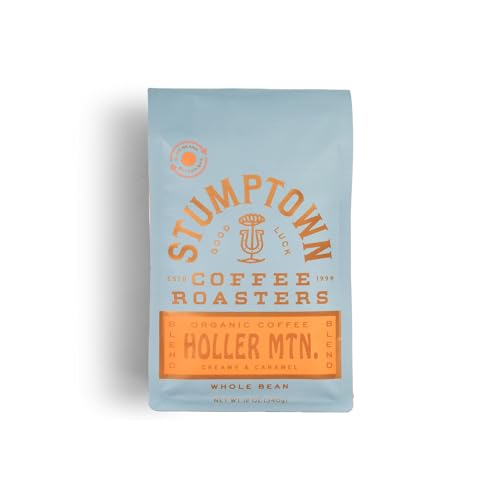
Stumptown Holler Mountain Organic
Strengths
- Organic and Direct Trade
- Complex flavor notes
- Ethical sourcing
Trade-offs
- Lighter body for cold brew
- Smaller 12 oz package
Stumptown’s Holler Mountain is where flavor complexity meets integrity. This organic, Direct Trade blend is built on long-term farmer relationships and transparent sourcing, something I respect deeply as someone who’s visited roasteries and seen what ethical supply chains look like. The flavor profile is lively for a cold brew: citrus zest, caramel, and hazelnut notes that don’t get lost even after a long steep.
Most cold brew beans aim for smoothness at the cost of character, but Holler Mountain retains brightness and dimension. Reviewers confirm it works across methods, but in cold brew, it offers a more nuanced alternative to one-note dark roasts. It’s not the strongest or lowest acid, but for those who want to taste terroir in their iced coffee, this is the pick. Compared to Stone Street, it’s less punchy but far more interesting.
Product photos



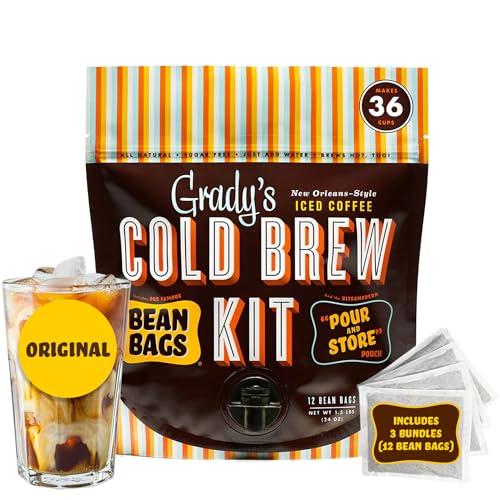
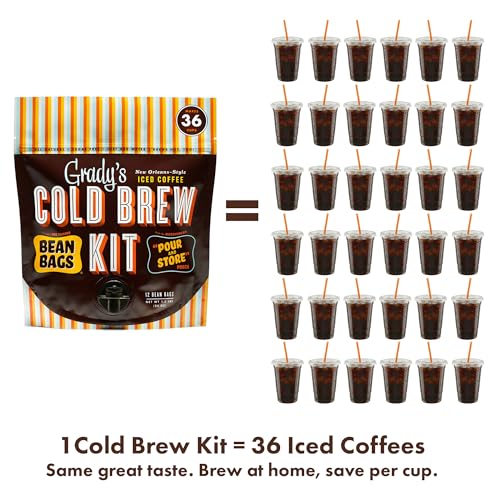
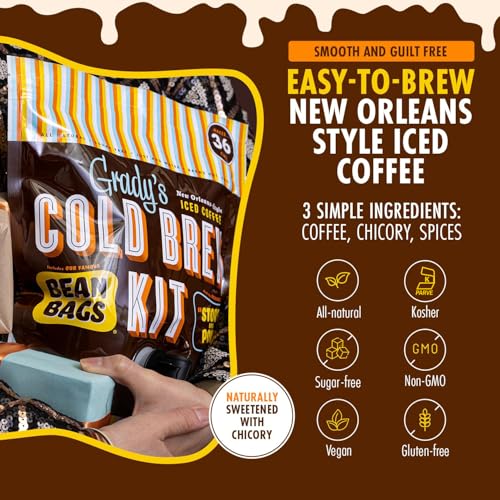
GRADY’S COLD BREW New Orleans Style
Strengths
- No equipment needed
- Easy steep-and-go
- Chicory for natural sweetness
Trade-offs
- Less control over strength
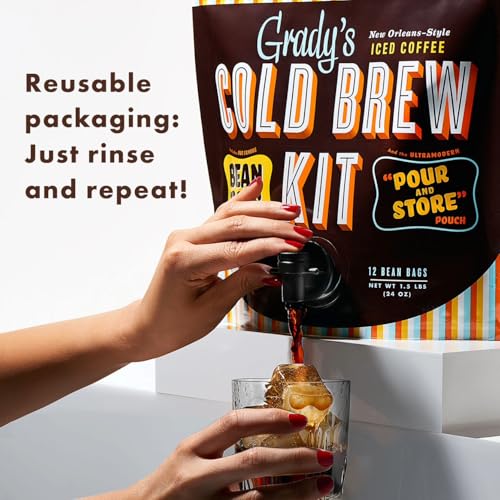
- Not reusable
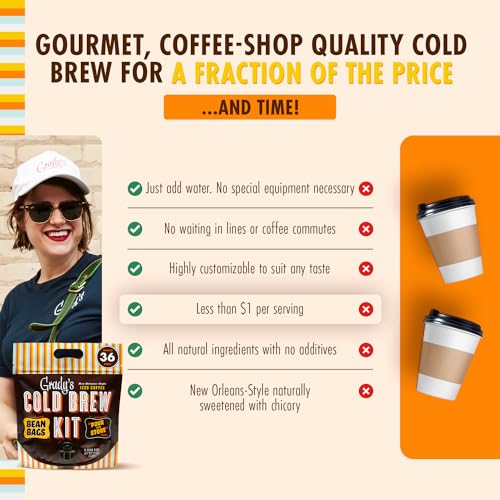
Grady’s bean bags are the ultimate shortcut for cold brew lovers who want zero cleanup and fast results. The blend of 100% Arabica coffee and French chicory creates a naturally sweet, slightly spiced profile reminiscent of New Orleans-style coffee, rich, full-bodied, and smooth without needing milk or sugar. Each pouch steeps directly in water, no grinding or filtering required, which reviewers love for its simplicity.
The convenience factor is unmatched: just drop, wait, and pour. It’s not for purists who enjoy grinding and tweaking ratios, but for busy people or beginners testing the waters, it removes all friction. At around $1 per serving, it’s also cost-effective compared to café buys. Against whole bean options, it sacrifices freshness control and customization, but wins on ease and speed.
Product photos

Our Testing Process
Rather than a hands-on lab test, my research for these recommendations focused on a detailed comparison of published specifications and features across numerous brands. I weighed owner reviews from multiple sources – Amazon, specialty coffee forums, and retailer sites – alongside assessments from respected coffee review publications. My years of experience exploring coffee origins and brewing methods informed how I prioritized these factors and ultimately ranked each option.
For cold brew, consistent extraction and a smooth final cup are paramount, so I heavily weighted bean origin and roast level. Colombian beans, frequently appearing in blends designed for cold brew, often deliver that balanced flavor. A darker roast, as seen in several top contenders, generally maximizes the chocolatey notes that many prefer in a cold brew concentrate, and I looked for beans specifically marketed for this purpose. chocolatey cold brew beans are a good starting point for many.
Specifications regarding roast date and packaging were also important, though I interpreted owner feedback as crucial for assessing real-world freshness. While specs can detail packaging features (like resealable bags or one-way valves), reviews reveal whether those features actually maintain bean quality over time. I also considered reports of mold testing and quality control, as detailed in some product descriptions, but balanced that against overall brand reputation and consistent positive reviews.
How To Choose The coffee beans for cold brew at home
Choosing the right coffee beans is fundamental to a truly excellent cold brew. I’ve seen so many people get discouraged because they started with beans that simply weren’t suited for the process, and it’s a shame!
A successful cold brew relies on beans with inherent sweetness, low acidity, and a robust flavor profile. Look for origins known for these qualities (Colombia, Sumatra, Brazil) and consider roast level – darker roasts generally yield a smoother, less acidic brew, while lighter roasts can showcase more nuanced flavors. Freshness is paramount; whole bean is always preferable.
Roast Level Matters (More Than You Think)
The roast level is a surprisingly large factor in cold brew success. Unlike hot brewing, where brighter, more acidic beans can shine, cold brew tends to amplify any existing acidity. I generally recommend leaning towards darker roasts – think Vienna or French roast – as they deliver a naturally smoother, chocolatey flavor that holds up well to the extended brewing time. However, don’t be afraid to experiment. Some single-origin beans, even lightly roasted, can offer incredible complexity if you’re willing to adjust your brew time and ratio.
Origin & Bean Type: What to Look For
While you can technically cold brew any coffee, certain origins naturally lend themselves better to the process. Colombian beans, like those in the Amazon Fresh Colombia Medium Roast, are consistently popular due to their balanced flavor and moderate acidity. Sumatran beans offer earthy, full-bodied profiles, and Brazilian beans provide nutty sweetness. Arabica beans are almost always the preferred choice over Robusta, as they deliver a cleaner, more refined flavor.
Here’s a quick breakdown of what to consider: * Colombia: Reliable, balanced, approachable. * Sumatra: Earthy, bold, low acidity. * Brazil: Nutty, sweet, good for blending.
Freshness & Form: Whole Bean is King
This might sound obvious, but I can’t stress it enough: start with whole bean coffee. Pre-ground coffee loses flavor rapidly, and a stale starting point will result in a flat, lifeless cold brew. Seek out roasters who list a roast date on the bag – ideally, you want to brew within a few weeks of that date. Packaging also matters; bags with one-way valves help preserve freshness. If you’re new to the process, exploring equipment for cold brew can also help you dial in your technique.
Don’t let your beans sit around. Once opened, store your whole bean coffee in an airtight container, away from light, heat, and moisture.
Coffee Beans for Cold Brew at Home Compared
Here’s a comparison of key specifications for various coffee beans suited for making cold brew at home.
| Product Name | Roast Level | Origin | Package Size | Organic | Flavor Notes |
|---|---|---|---|---|---|
| Stone Street Cold Brew Coffee | Dark | Colombia | 16 oz | No | Nutty, Chocolate |
| Bizzy Organic Cold Brew Coffee | Medium | Guatemala, Peru, Nicaragua | N/A | Yes | Sweet, Caramel, Hazelnut |
| Fresh Roasted Organic Frostbite Blend | N/A | N/A | 12 oz – 5 lb | Yes | N/A |
| Cold Brew Coffee Whole Bean | Medium | N/A | N/A | No | N/A |
| Amazon Fresh Colombia Medium Roast | Medium | Colombia | 32 oz | No | Balanced, Smooth |
| Stumptown Holler Mountain Organic | N/A | N/A | 12 oz | Yes | Citrus, Berry, Caramel |
| GRADY’S COLD BREW New Orleans Style | N/A | N/A | N/A | No | Chicory, Spice |
Frequently Asked Questions
What grind size should I use for cold brew?
A coarse grind is essential; think about the texture of coarse sea salt. This prevents over-extraction and keeps your cold brew from becoming bitter during the long steeping process. Finer grinds will result in a muddy, unpleasant concentrate.
Can I use pre-ground coffee for cold brew?
While possible, I strongly advise against it. Pre-ground coffee stales much faster than whole bean, losing crucial flavor compounds within days, ultimately impacting the taste of your final cold brew. For the best results, always start with freshly ground beans.
How does water quality affect cold brew?
Significantly. Because cold brew involves a long steeping time, any impurities in your water will become more noticeable. Filtered water is best, as it removes chlorine and other minerals that can negatively impact the coffee’s flavor profile.
What’s the ideal coffee-to-water ratio for cold brew?
A typical starting point is a 1:8 coffee-to-water ratio (e.g., 1 cup of coffee grounds to 8 cups of water). However, this is subjective and you can adjust it based on your preference for strength. If you’re exploring optimal beans for at-home cold brew, you may find you need to tweak the ratio.
Is organic coffee necessary for cold brew?
No, it’s not necessary but it’s a personal preference. While organic certification guarantees the beans were grown without synthetic pesticides, the flavor difference isn’t always noticeable. Many consumers simply prefer to support sustainable farming practices.
The Bottom Line
Choosing coffee beans for cold brew often comes down to balancing your desire for control with how much fuss you want to deal with. While dialing in the perfect origin and roast level can be rewarding, the Stone Street Cold Brew Coffee consistently receives high marks for its ease of use and reliably smooth, chocolatey results – making it our overall top pick.
For those prioritizing affordability, the Amazon Fresh Colombia Medium Roast provides a fantastic entry point, delivering a balanced cup without breaking the bank. If you’re seeking organic options and versatility, the Bizzy Organic Cold Brew Coffee stands out, with its blend of beans offering a complex flavor profile. And if you’re interested in achieving the ideal cold brew grind size, it’s worth investigating a quality burr grinder.
Ultimately, the specifics, origin, roast, even packaging, matter less than starting with high-quality, whole bean coffee and paying attention to freshness. A consistent, coarse grind and a patient brewing process will always yield a better cup than chasing the latest trendy bean.
