
7 Best Coffee Replacements of 2026
The best coffee replacement overall is Teeccino Miraculous Mushrooms, thanks to its rich flavor and high-quality adaptogenic blend. For a budget-friendly option, nuKAF Instant Chicory Coffee delivers solid taste without the price tag. If you want something versatile with a focus on gut health and prebiotics, DelighTeas Organic Coffee Alternative stands out.
Many people turn to coffee replacements not just to cut caffeine, but to avoid jitters, acidity, or digestive discomfort, while still enjoying a warm, ritualistic drink that feels satisfying. The challenge is finding one that doesn’t taste like a compromise.
After comparing the field and analyzing ingredient quality, flavor profiles, and user feedback, I focused on blends that offer real depth and functional benefits. This guide breaks down what actually matters, beyond the marketing, so you can choose a replacement that fits your taste and lifestyle.
Top 7 Coffee Replacement in the Market
The Best Coffee Replacement, Reviewed
DANDY BLEND Instant Herbal Beverage

Strengths
- Smooth flavor
- No acidity
- Allergen-free
Trade-offs
- Low functional benefits
- Not for energy seekers
DANDY BLEND has been around for decades and still holds a loyal following among those ditching coffee for digestive comfort. On paper, it’s a simple mix of roasted dandelion, chicory, rye, barley, and beetroot, but the formula delivers a surprisingly full-bodied, earthy depth that mimics coffee better than most herbal blends. Owners consistently report it being gentle on the stomach while still offering that warm, familiar ritual.
What stands out is how it manages to avoid the medicinal aftertaste some coffee alternatives develop. The lack of caffeine, sugar, and common allergens makes it a safe bet for sensitive systems. It won’t give you energy or focus boosts like mushroom blends, but that’s not the goal here. For people seeking a no-frills, no-jitters replacement that brews quickly and tastes decent, this is a time-tested option.
Video review
nuKAF Instant Chicory Coffee Alternative

Strengths
- Pure chicory root
- Rich prebiotic content
- Smooth, nutty taste
Trade-offs
- Subtle flavor
- Limited functional boost
nuKAF leans hard into tradition, and it shows. This is 100% French-grown chicory root, roasted and ground with care, and the result is a clean, slightly sweet, nutty brew that captures the essence of old-world coffee substitutes. Reviewers note its smoothness and how well it holds up when mixed with milk, making it ideal for lattes without the bitterness real coffee can bring.
The inulin content is a real gut-health perk, and since it’s pure chicory, there’s no filler or added flavors muddying the profile. Compared to more complex mushroom blends, nuKAF is minimalist, but that’s its strength. It’s not trying to be a superfood cocktail. It’s trying to be a trustworthy, daily caffeine-free stand-in, and in that role, it excels. I’d pick this over blends with artificial enhancements any day.
Video review
Everyday Dose Premium Adaptogenic Mushroom Coffee

Strengths
- Clean energy
- L-Theanine + collagen
- Low acidity
Trade-offs
- Earthy aftertaste
- Not caffeine-free
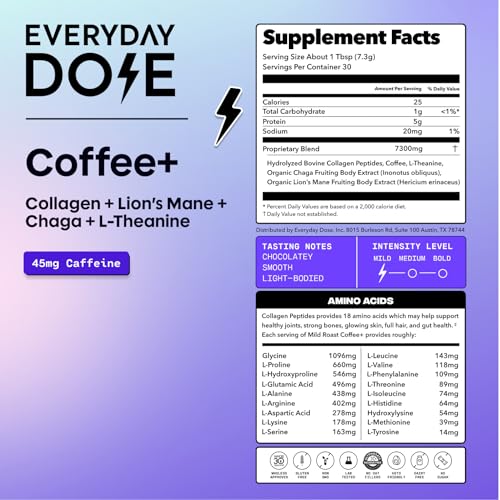
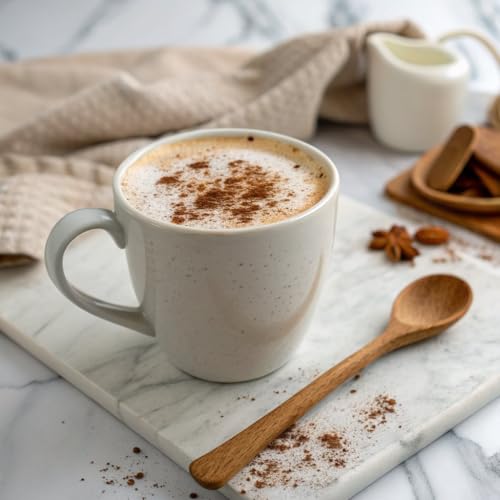
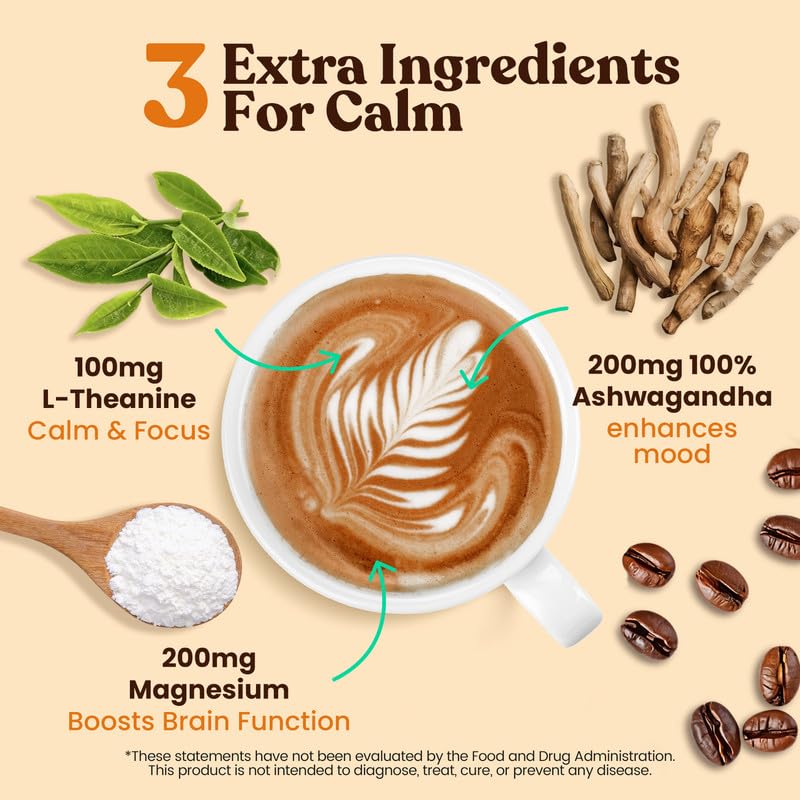
This blend hits a sweet spot between coffee and wellness tonic. With 80% less caffeine and low acidity, it’s designed for people who love coffee’s ritual but hate the jitters. The inclusion of fruiting-body Lions Mane and Chaga, backed by double extraction, means you’re getting real adaptogenic potency, not just powdered husks. Owners report clearer focus and fewer crashes, which lines up with what we know about these mushrooms’ cognitive effects.
The addition of grass-fed collagen and L-theanine is smart. Collagen supports skin and joints, while L-theanine smooths the edge off caffeine, promoting calm alertness. It’s not a full coffee replacement in flavor, there’s a mild earthiness, but it brews well and mixes cleanly. Compared to plain chicory or dandelion options, this is a step up for anyone wanting both performance and health benefits.
Product photos



Teeccino Miraculous Mushrooms Adapt & Protect
Strengths
- Caffeine-free
- High mushroom potency
- Prebiotic + antioxidant rich
Trade-offs
- Slightly sweet profile
- Cacao may bother some
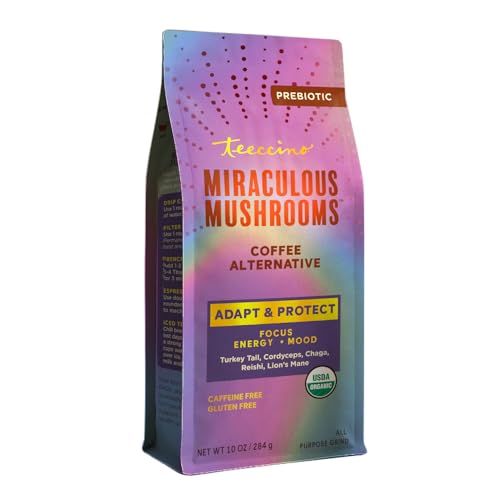
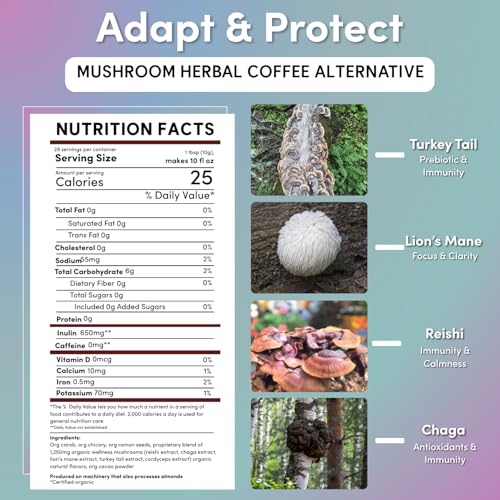
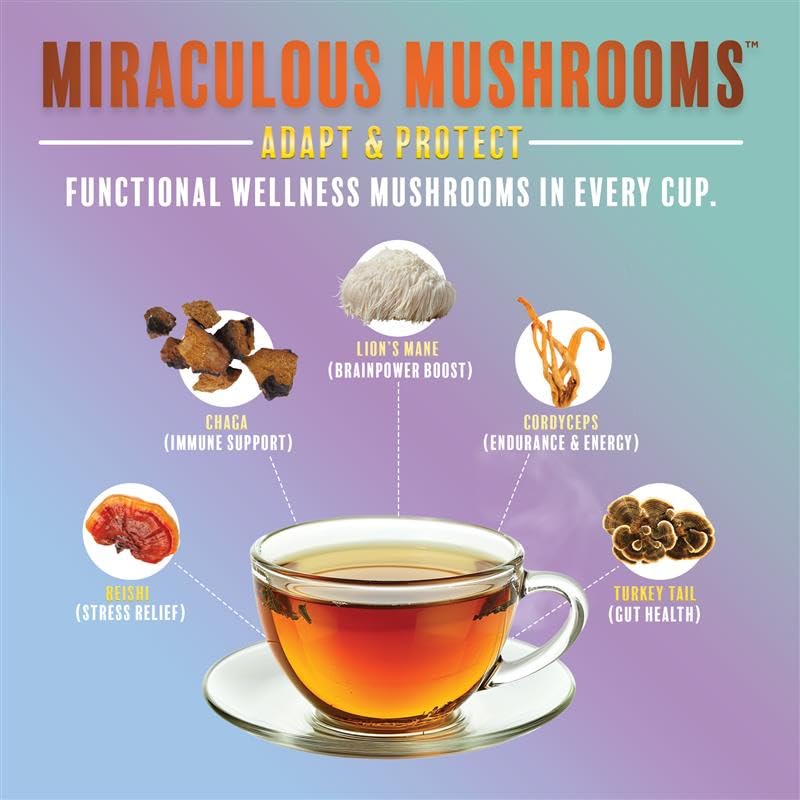
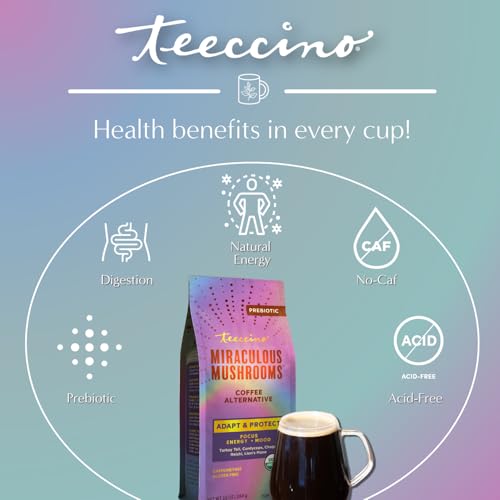
Teeccino’s Miraculous Mushrooms blend is the most complete caffeine-free alternative on this list. With five organic, extracted mushrooms, including Reishi, Cordyceps, and Turkey Tail, and a base of chicory and cacao, it delivers a rich, mocha-like flavor that actually tastes indulgent. The 1,250mg of mushroom extract per cup is impressive, especially since it uses true extracts, not just ground-up powder.
Reviewers consistently praise how easy it is to swap into a coffee routine. It brews in any machine, froths well, and lacks that medicinal mushroom taste. The prebiotic inulin from chicory supports digestion, and the acid-free profile makes it stomach-friendly. Compared to other mushroom blends, this one strikes the best balance of taste, function, and ease of use. My recommendation for most people looking to quit coffee entirely? Start here.
Product photos


Worldwide Botanicals French Chicory Root
Strengths
- 100% pure chicory
- Long shelf life
- Versatile grind
Trade-offs
- Earthy, acquired taste
- No added functional ingredients
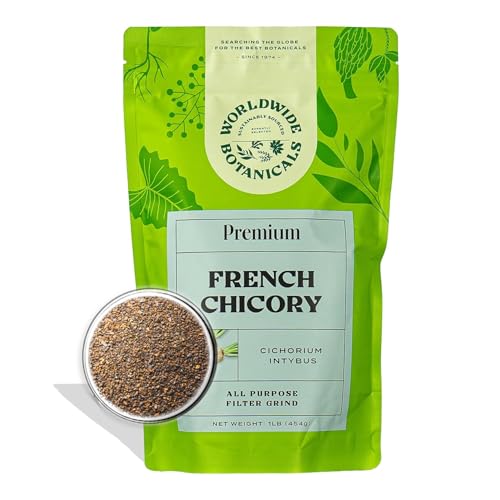
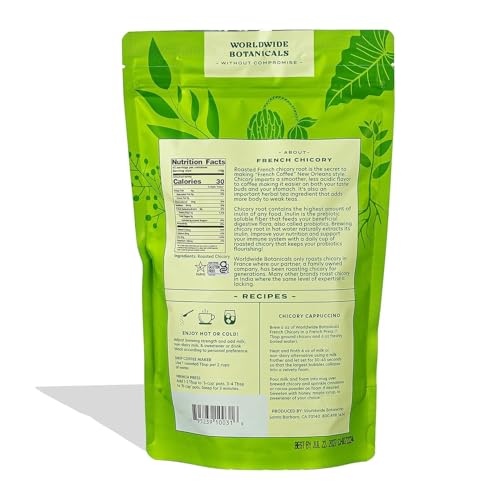
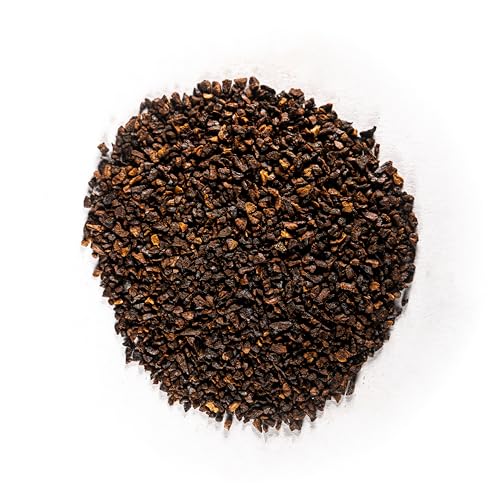
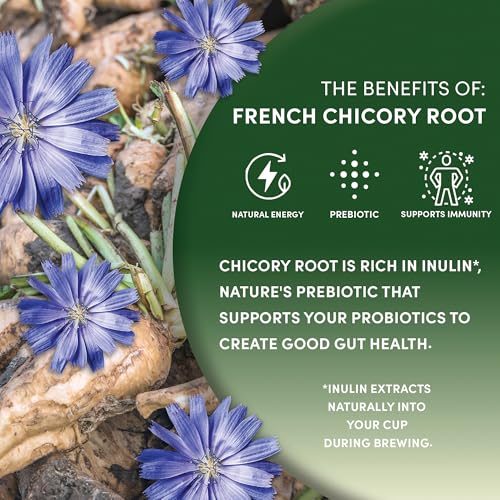
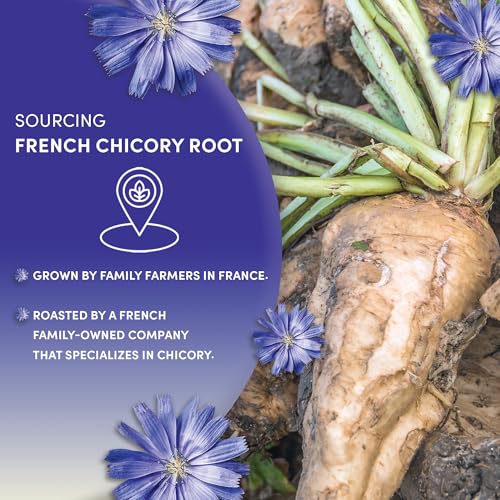
If you want the purest form of chicory root without any blending or added flavors, this 1-pound bag from Worldwide Botanicals is hard to beat. It’s sustainably sourced from Northern France and roasted by a family business with deep roots in the craft. The all-purpose grind works in drip machines, French presses, and even espresso makers, which gives serious flexibility.
Owners love how it extends real coffee, mixing it 50/50 reduces caffeine and acidity while adding body and prebiotic fiber. Brewed alone, it’s earthy and slightly woody, not as sweet as nuKAF, but more robust. The 3-year shelf life is a bonus, and unlike coffee, it doesn’t degrade over time. For purists or DIY mixers, this is the gold standard. I’d choose this over pre-mixed blends if I wanted full control over my brew.
Product photos

Venture Pal Mushroom Coffee
Strengths
- 12-mushroom blend
- Probiotics included
- Focus and immunity support
Trade-offs
- Contains caffeine
- May taste medicinal to some
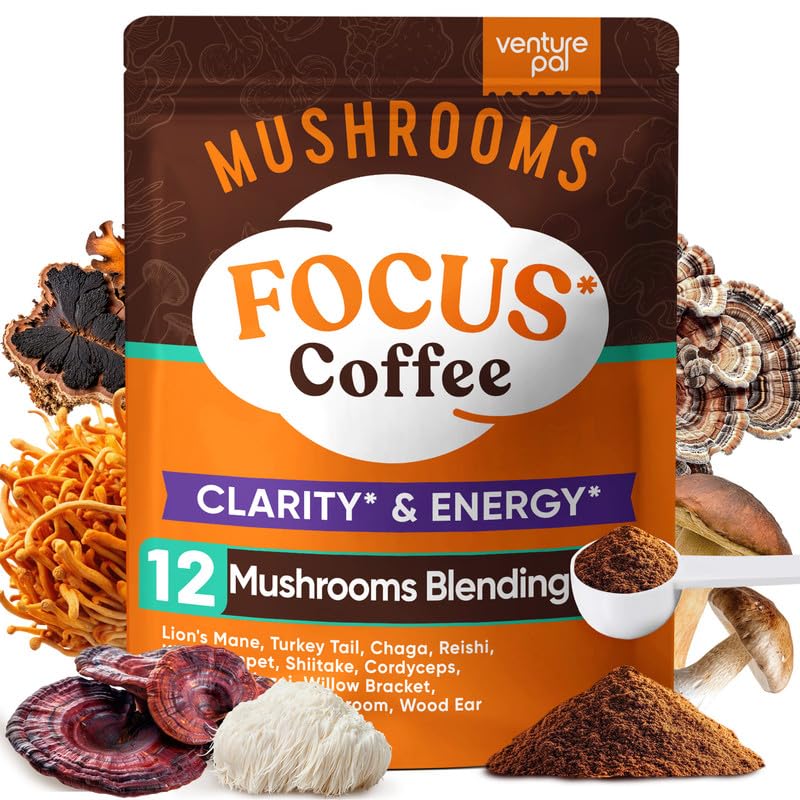
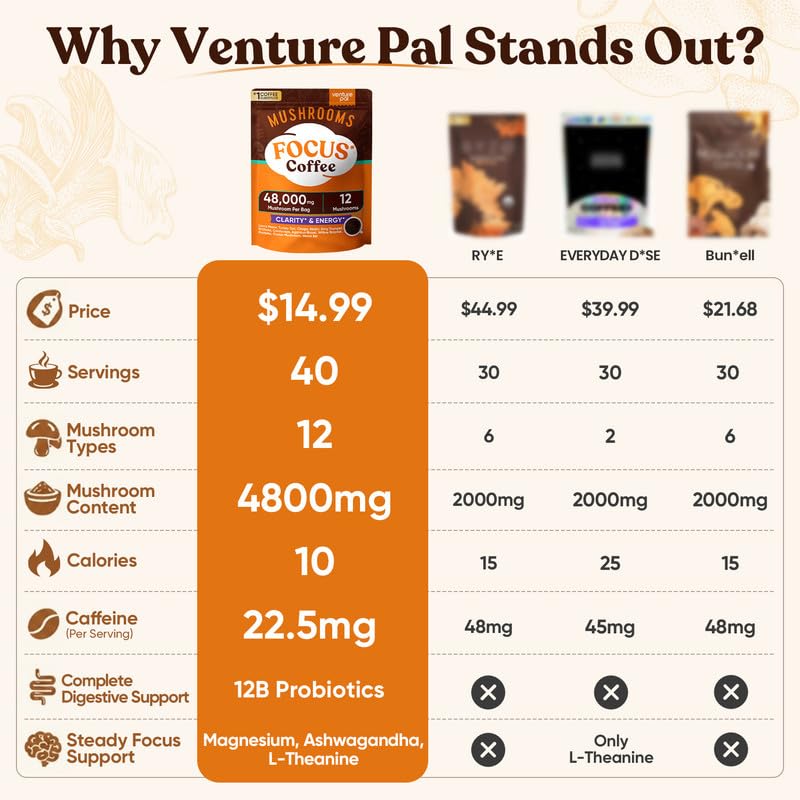
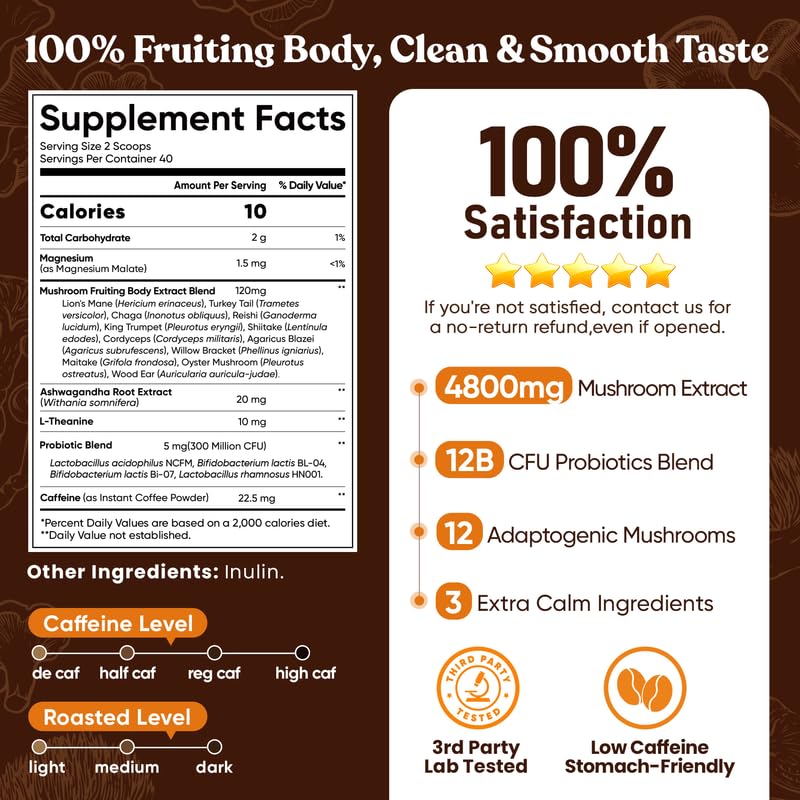
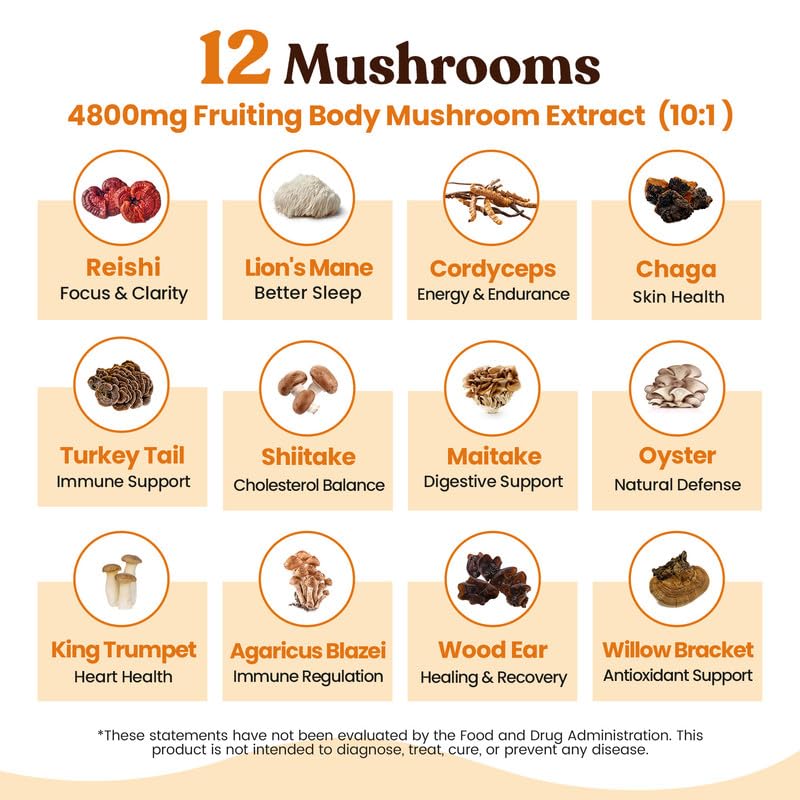
Venture Pal goes all-in with 12 functional mushrooms, which is more than most blends even attempt. The mix includes not just the usual Lions Mane and Reishi but rarer types like Willow Bracket and King Trumpet, which may offer unique immune and cognitive support. Paired with Ashwagandha and L-theanine, this is clearly engineered for peak mental performance and stress resilience.
The Arabica base gives it a real coffee punch, so it’s not caffeine-free, but it’s meant to upgrade your cup, not replace it entirely. Reviewers note improved focus and fewer midday crashes. The added probiotics are a nice touch for gut health, though the efficacy depends on storage and handling. Compared to Everyday Dose, this one feels more clinical, less lifestyle. If you want a brain-boosting coffee with serious functional depth, this is a strong contender.
Product photos
DelighTeas Organic Coffee Alternative

Strengths
- USDA Organic
- Carob adds sweetness
- Lab-tested purity
Trade-offs
- Light body
- No adaptogens
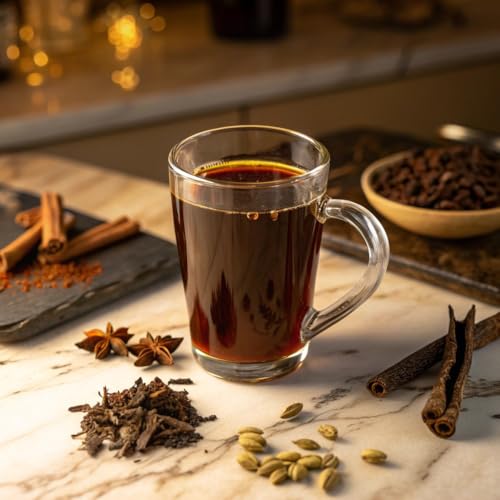
DelighTeas stands out by leaning into Ayurvedic tradition with an organic blend of chicory, dandelion, carob, and cardamom. The carob brings a subtle sweetness that makes this one of the more palatable caffeine-free options, especially for those used to flavored coffee. It’s USDA Organic, lab-tested for contaminants, and made in the USA, strong points for clean-label advocates.
The earthy, nutty profile works well with milk or plant creamers, and it brews cleanly in most coffee makers. Owners appreciate the absence of bitterness and the gentle digestive support from dandelion and chicory. While it doesn’t have mushrooms or collagen, its purity and organic certification make it a standout among blends. If you value clean sourcing and a touch of natural sweetness, this is my top pick in the organic category.
Product photos




How We Chose These coffee replacement
As the founder of Bean Thusiast, I approach coffee alternatives with a keen eye for flavor, functionality, and overall wellness. Rather than a hands-on lab test, this selection is a research-led comparison of published specifications, ingredient lists, and, most importantly, extensive owner and expert reviews. I weighed the features of each product against established criteria for this category, focusing on taste profiles, intended benefits (like focus or gut health), and ingredient quality.
For coffee replacements, three factors stood out as most impactful: the quality and variety of ingredients beyond chicory root, the presence of beneficial compounds like prebiotics or adaptogens, and reported digestibility. A smooth flavor and lack of bitterness are vital, as many seek these drinks to avoid coffee’s harsher qualities. Ultimately, a product’s ability to genuinely mimic the coffee experience – or offer a compelling alternative – determined its ranking.
Specifications reliably indicate ingredient lists and caffeine content, but owner feedback proved critical for assessing taste and digestive effects. Reputation, particularly for brands with a long history in the chicory or herbal beverage space, also heavily influenced my assessment. I considered whether brands delivered on promises of enhanced focus or gut support, as reported by a significant number of users, and whether they offered a satisfying experience compared to traditional coffee – or, as some explore, natural energy from tea or coffee.
How To Choose The coffee replacement
Finding a satisfying stand-in for your daily coffee doesn’t have to mean sacrificing flavor or routine. It’s about understanding what makes a good coffee replacement – a balanced flavor profile that mimics coffee’s richness, a texture that feels familiar, and ingredients that deliver a desired effect, whether it’s sustained energy, digestive support, or a calming ritual.
A truly effective coffee replacement prioritizes flavor complexity over simply being caffeine-free. Look for blends that combine roasted roots (chicory, dandelion) with complementary ingredients like cacao, carob, or adaptogenic mushrooms. Bioavailability of functional ingredients is key; extracted mushroom powders are superior to simple powdered forms. Consider grind size relative to your brewing method for optimal results.
Flavor & Blend Composition
The biggest hurdle with coffee replacements is often the taste. Many early attempts tasted… medicinal. Today’s options are far more sophisticated. Don’t settle for something that feels like a compromise. Focus on blends that use multiple ingredients to build depth. Chicory is a common base, but the additions matter immensely. Carob provides a chocolatey sweetness, dandelion adds an earthy bitterness, and spices like cardamom can elevate the entire experience. If you’re after something truly coffee-like, blends mimicking mocha or espresso are smart choices, and you might find exploring best coffee alternative options helpful.
Mushroom & Adaptogen Quality
The addition of mushrooms and adaptogens is a trend for a reason, offering potential health benefits alongside a familiar beverage experience. However, quality varies drastically. Simply seeing “mushroom coffee” on a label isn’t enough. You want to prioritize products using extracted mushroom fruiting bodies. This process concentrates the beneficial compounds, making them more bioavailable to your body. Avoid products relying on powdered, full-spectrum mushrooms, as they often contain more filler and less of the active ingredients. Look for specific mushrooms like Lion’s Mane (for focus) and Reishi (for relaxation), and be aware of the total mushroom extract dosage per serving.
- A small dosage (under 500mg) likely won’t deliver noticeable effects.
- A moderate dosage (500-1500mg) is a good starting point for experiencing potential benefits, depending on the mushroom type.
- A higher dosage (over 1500mg) might be beneficial for those seeking significant effects, but it’s always wise to start low and gradually increase to assess tolerance and sensitivity.
Brewing Method & Grind
One of the great things about coffee replacements is their versatility. Many can be brewed just like coffee, but some perform better with specific methods. A fine grind is ideal for espresso machines, while a coarser grind suits French presses. Instant options offer convenience, but they often sacrifice some flavor complexity. If you enjoy the ritual of brewing, consider how the grind size will affect the final cup. Also, if you’re sensitive to caffeine and looking for a smoother energy curve, consider that stimulation differences tea vs coffee can be significant, and switching to tea might be a good alternative.
Don’t be afraid to experiment with blending your coffee replacement with actual coffee! Starting with a 75/25 coffee-to-replacement ratio and gradually increasing the replacement percentage is a great way to transition without a jarring change.
Coffee Replacement Compared
Here’s a comparison of key specifications for popular coffee replacement options.
| Product Name | Caffeine | Mushroom Blend | Organic Blend | Prebiotic Fiber | Best Use |
|---|---|---|---|---|---|
| Teeccino Miraculous Mushrooms | None | 5 Varieties | Yes | Yes | Overall |
| nuKAF Instant Chicory Coffee | None | None | No | Yes | Budget Friendly |
| DelighTeas Organic Coffee Alternative | None | None | Yes | N/A | Organic Blend |
| Venture Pal Mushroom Coffee | Low | 12 Varieties | No | Yes | Focus & Immunity |
| Worldwide Botanicals French Chicory | None | None | No | Yes | Pure Chicory |
| DANDY BLEND Instant Herbal Beverage | None | None | No | N/A | Sensitive Stomach |
| Everyday Dose Premium Adaptogenic | Low | 2 Varieties | No | N/A | Collagen & L-Theanine |
Frequently Asked Questions
What’s the biggest difference between these replacements and just drinking tea?
While both offer alternatives to coffee, coffee replacements aim to mimic the flavor and body of coffee itself, often using roasted roots like chicory and dandelion. Tea provides its own unique flavor profile and benefits, but isn’t trying to be a coffee stand-in.
Do any of these replacements actually provide a noticeable energy boost?
Venture Pal and Everyday Dose contain small amounts of caffeine or adaptogens like Lion’s Mane, which some users report providing a smoother, more focused energy than coffee. However, the effect is generally milder and less jittery than traditional caffeine.
Are these drinks safe for people with sensitive stomachs?
DANDY BLEND is specifically formulated for those with digestive issues, being caffeine-free and made from roasted dandelion root, chicory, and barley. However, even with other options, individual sensitivities vary, so starting with a small amount is always a good idea.
I see some include prebiotics – what do those do?
Prebiotic fiber, found in nuKAF and Teeccino, supports gut health by feeding the beneficial bacteria in your microbiome. This can improve digestion and overall wellness, and is a bonus for those seeking a healthy coffee alternative.
Where can I find more options if none of these quite fit my needs?
If you’re still searching, exploring best coffee substitute options will open up a wider range of flavors and ingredients to find your perfect match.
The Bottom Line
Choosing a coffee replacement often comes down to balancing control over ingredients with convenience. While many options exist, I believe Teeccino Miraculous Mushrooms strikes the best overall balance – a carefully crafted blend of roasted roots, a diverse mushroom profile, and added prebiotic fiber. It’s a fantastic starting point for anyone seeking a flavorful and potentially health-boosting alternative to coffee.
For readers prioritizing affordability, nuKAF Instant Chicory Coffee delivers a simple, budget-friendly experience. If certified organic ingredients are your top concern, DelighTeas Organic Coffee Alternative provides a clean and wholesome option. And for those specifically seeking a focus and immunity boost, Venture Pal Mushroom Coffee’s extensive mushroom blend is worth exploring, though it does contain a small amount of caffeine.
Ultimately, the “best” coffee replacement isn’t about a single ingredient or specification; it’s about finding a beverage that fits your taste preferences and supports your wellness goals. Prioritize a well-rounded flavor profile, look for extracted mushroom fruiting bodies if opting for adaptogens, and remember that a satisfying morning ritual is often more important than chasing the precise effects of any single compound – or, if you’re looking for calm energy from green tea, explore that path as well.
