
The Truth: Is Coffee Really a Natural Laxative? Science Says
Coffee is a natural laxative for a specific subset of people, roughly 29% of the population, primarily due to its stimulation of the gastrocolic reflex and the hormone gastrin, not just its caffeine content. The physiological response can begin within 4 minutes of ingestion and last over 30 minutes.
Most people assume the morning rush is universal, a guaranteed side effect of their brew. It isn’t. The belief that coffee is a surefire digestive kickstarter is one of the most persistent myths in the kitchen. It leads to confusion when a new bean or brewing method doesn’t produce the expected result.
This guide walks through the precise mechanics, the clinical numbers that prove it, and the exact reasons why your experience might be completely different from your friend’s. We’ll separate the chemical truth from the anecdotal legend.
Key Takeaways
- The laxative effect is not universal. A 1990 study found only 29% of healthy young adults reported coffee inducing a desire to defecate.
- The primary trigger is gastrin hormone release, stimulated by acids in coffee like chlorogenic acid. This happens with both regular and decaf.
- Measurable colon contractions can start incredibly fast. Manometry readings showed a motility increase within 4 minutes of drinking coffee.
- Strength might not matter much. A 2025 study using precise Total Dissolved Solids (TDS) concentrations (0.90%, 1.60%, 2.10%) found no statistically significant difference in bowel motility response between weak, strong, and extra-strong coffee.
- Additives like dairy or artificial sweeteners are often the real culprit behind coffee-induced diarrhea, not the coffee itself.
The Science of Coffee’s Laxative Effect
Forget caffeine as the sole villain or hero. The process is more specific. Coffee triggers a chain reaction that begins in your stomach and echoes down to your colon.
The key hormone is gastrin. Coffee, particularly its chlorogenic acid content, stimulates the stomach lining to release it. Gastrin’s job is to increase gastric acid secretion and get your stomach muscles contracting. This wave of contraction is the gastrocolic reflex. It doesn’t stop at the stomach. The signal propagates, waking up the entire digestive tract, including the distant colon. This is why the sensation isn’t always immediate local cramping. It’s a systemic wake-up call.
Coffee consumption acutely modulates intestinal motility, with increases observed in both gastric (0–10 minutes) and intestinal (20–40 minutes) phases after ingestion. The effect is measurable via bowel-sound analysis and is not solely dependent on caffeine.
Decaffeinated coffee performs the same trick. Multiple studies, including the 1990 manometry research, show decaf stimulates gastrin release and colon motility just as effectively, sometimes more. This proves the effect is baked into coffee’s chemical composition, not its stimulant profile. Other components, like polyphenols and melanoidins, fibrous compounds formed during roasting, also play a role. These melanoidins, found in coffee silverskin, can act as a prebiotic fiber, influencing gut bacteria and potentially accelerating transit.
TL;DR: Coffee’s acids trigger gastrin release, starting stomach contractions that travel to your colon. Decaf works too, proving it’s not just about caffeine.
Why Coffee Doesn’t Work for Everyone
If the mechanism seems foolproof, the reality is messy. Human digestive systems are not identical machines. The research reveals a clear split between responders and non-responders.
The 1990 study is blunt. Only 29% of the 99 volunteers claimed coffee gave them the urge to go. Even more telling, when researchers measured internal pressure with manometry catheters, only the subset of those “responders” showed a sharp increase in rectosigmoid motility. The non-responders’ colons were unfazed. This individual variability is the rule, not the exception. Your genetics, your gut microbiome composition, and even your daily routine can gatekeep this response.
Common mistake: Blaming a new coffee for digestive trouble when you’ve added a new creamer, the lactose in dairy or sugar alcohols in syrups are potent laxatives for many, masking the true cause.
Age and sex appear to be factors. The 1990 study noted 63% of the responders were women. More recent population studies suggest higher coffee consumption is linked to a lower risk of chronic constipation in young women. The 2025 motility study, however, was conducted only on young men, highlighting a research gap for other demographics. Your personal sensitivity is the ultimate deciding factor. For a deeper look at how other dietary additions play a role, explore the health benefits of cinnamon or the effects of coconut oil in coffee.
| Factor | Impact on Laxative Effect | Evidence / Note |
|---|---|---|
| Caffeine | Secondary trigger | Decaf works, so caffeine is not the primary driver. |
| Chlorogenic Acid | Primary trigger | Stimulates gastrin release, triggering the gastrocolic reflex. |
| Individual Status | Most critical factor | Only ~29% of people are “responders” with measured motility increases. |
| Coffee Temperature | Minor contributor | Warm liquid can stimulate digestion, but effect is small compared to chemical triggers. |
| Additives (Dairy, Sweeteners) | Often the real cause | Lactose intolerance or sugar alcohol sensitivity is frequently mistaken for coffee sensitivity. |
Timeline and Strength: What the Numbers Actually Say
Anecdotes promise a rush “minutes after the first sip.” Science provides a tighter schedule. The 1990 manometry study recorded the exact moment.
The rectosigmoid motility index increased within 4 minutes of ingestion. This effect persisted for at least 30 minutes. This aligns with the two-phase response noted in the 2025 BSSRP study: a gastric phase (0-10 minutes) and a later intestinal phase (20-40 minutes). The early phase is likely a rapid neural or hormonal reflex. The body doesn’t even have time to absorb caffeine into the bloodstream fully in that window, which is a strong clue that the initial urge is a local gut reaction.
| Time After Drinking | Physiological Phase | What’s Happening |
|---|---|---|
| 0 – 4 minutes | Immediate Neural/Hormonal Response | Gastrin release triggers initial gastrocolic reflex. Measurable colon motility begins. |
| 5 – 20 minutes | Gastric Phase | Stomach contractions increase, mixing contents. Early sensation of urge may occur. |
| 20 – 40 minutes | Intestinal Phase | Reflex propagates to lower intestines and colon. This is the peak window for bowel movement urge in responders. |
| 40+ minutes | Systemic Phase | Any caffeine effect is now active, but the primary laxative window has likely passed. |
What about a stronger brew? Intuition says a double espresso should have double the effect. The 2025 study tested this directly using standardized instant coffee at three Total Dissolved Solids (TDS) concentrations: 0.90% (weak), 1.60% (strong), and 2.10% (extra strong). The data suggested a trend, weak coffee might stimulate motility slightly more, but the pairwise comparisons were not statistically significant. In plain terms, under controlled conditions, cup strength did not definitively change the bowel motility outcome. The chemical signal to release gastrin may hit a saturation point quickly.
Not a Laxative? Other Reasons Coffee Affects Your Gut
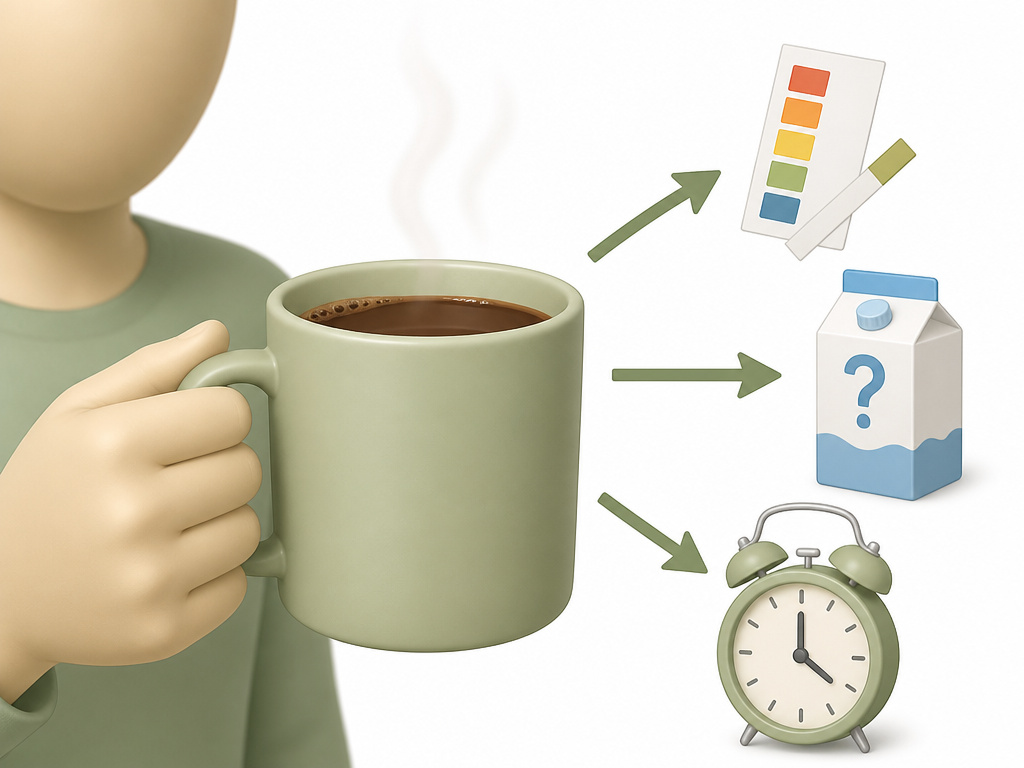
If you’re among the majority who don’t get the laxative signal, coffee can still influence your digestion in other ways. The experience is often a blend of multiple factors.
Acidity is a major one. Coffee’s low pH can irritate the stomach lining, leading to acid reflux or general discomfort that feels like digestive urgency. This is a matter of coffee acidity levels and personal tolerance. For those looking to mitigate this, a pinch of salt in coffee can neutralize bitter compounds and reduce perceived acidity.
Then there’s the additive effect. This is the most common confounder. You might blame the coffee when the real trigger is the splash of milk. Lactose intolerance is widespread. Similarly, sugar-free syrups and sweeteners often contain sorbitol or mannitol, which are osmotic laxatives. Your “coffee problem” might be a dairy or sweetener problem. Experimenting with alternatives like almond milk in coffee or natural sweeteners like brown sugar sweetener can provide clarity.
Finally, consider the ritual. The morning cup is often paired with waking up, moving around, and maybe having a cigarette. These activities themselves stimulate digestion. It’s easy to credit the coffee for a bowel movement that was about to happen anyway due to the circadian rhythm and physical activity. This PMC full-text coffee GI effects article details how complex these interactions are.
TL;DR: Gut irritation from acidity, laxative additives like dairy, and the context of your morning routine are often mistaken for a direct coffee laxative effect.
How to Test if You’re a “Coffee Responder”
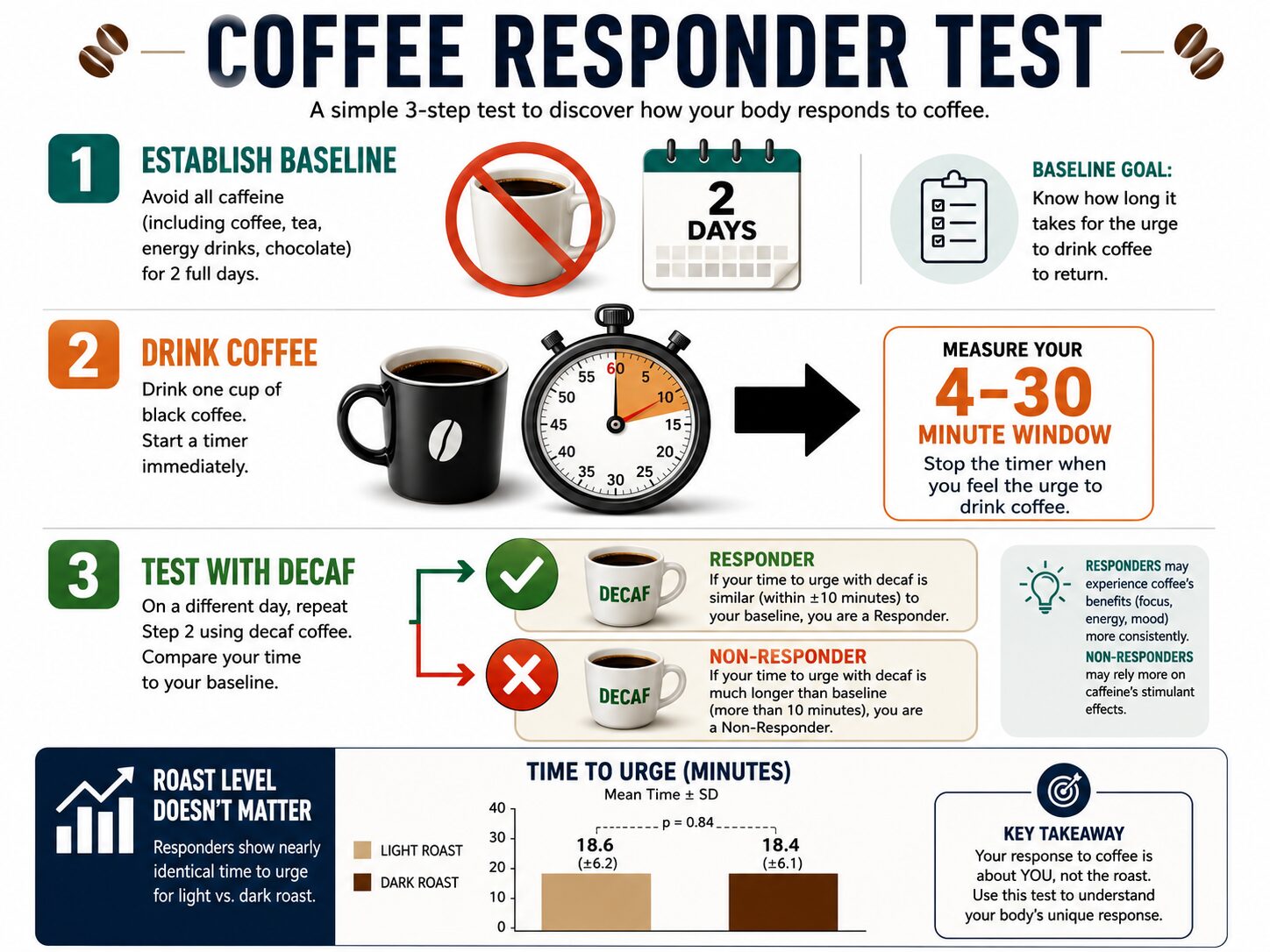
You don’t need a lab. A simple, controlled self-experiment can tell you where you fall on the spectrum.
First, establish a baseline. For two days, skip your morning coffee but keep your breakfast and other routines normal. Note your natural bowel movement timing. This removes the placebo effect of expectation.
On the third morning, drink your standard cup of black coffee on an empty stomach. No cream, no sugar. Start a timer. Pay close attention to any lower abdominal sensation, gurgling (borborygmi), or sudden urge. Record the time when you first feel it. If it’s within that 4 to 30-minute window, you’ve observed the chemical reflex. Repeat this test on another day with black decaf. If you get the same result, you confirm the non-caffeine mechanism is active for you.
If you feel nothing distinctive on either day, you are a non-responder. Your gut simply doesn’t react to coffee’s chemical signals in that way. Any digestive effects you experience are likely from other causes, like the calories in coffee additions or general acidity. Understanding this can free you from chasing a specific digestive outcome with different roasts or MCT oil coffee blends.
I spent years thinking a darker roast was “stronger” for digestion. I tracked it. The urge came at 22 minutes with a light Ethiopian pour-over and at 25 minutes with a French press dark roast. The difference was noise. The constant was the 20-40 minute window, proving the process was reliably chemical, not roast-dependent.
Frequently Asked Questions
Does decaf coffee make you poop?
Yes, it can, and sometimes more than regular coffee. Since the laxative effect is primarily driven by acids like chlorogenic acid stimulating gastrin, not caffeine, decaffeinated coffee contains those same acids. Studies show decaf triggers colon motility in responders just as effectively.
How long after drinking coffee do you poop?
For physiological responders, the timeline is specific. Measurable colon contractions can begin within 4 minutes. The peak urge to have a bowel movement typically occurs in the 20 to 40-minute window after ingestion, corresponding to the intestinal phase of the gastrocolic reflex.
Why does coffee make me poop but not energy drinks?
Energy drinks, while often high in caffeine, lack the specific cocktail of organic acids (like chlorogenic acid) found in coffee. These acids are the key triggers for gastrin release and the gastrocolic reflex. Your body is reacting to coffee’s unique chemical profile, not just its caffeine content.
Can you become dependent on coffee to poop?
This is more about ritual than chemical dependency. Your body can become accustomed to the daily cue, the warmth, the taste, the gastrin release, to initiate a bowel movement at a predictable time. If you stop suddenly, you might experience temporary irregularity as your body readjusts to its own natural rhythm, but it is not an addiction in the pharmacological sense.
Is coffee a good laxative for constipation?
It can be for responders, but it’s unreliable and not a recommended treatment. Chronic constipation has complex causes. While coffee may offer temporary relief for some, it does not address underlying issues like fiber intake, hydration, or motility disorders. Relying on it can also irritate the stomach lining over time.
Before You Go
Coffee’s reputation as a universal laxative is overstated, grounded in a real biological effect that only applies to a minority. The process is precise: acids trigger gastrin, which sparks a reflex that can start in under four minutes. Strength, surprisingly, may not change the outcome much, as the 2025 TDS concentration study hints.
Your personal experience is the final authority. If you feel the rush, you’re in the ~29% responder group, and decaf will likely do the same. If you don’t, your gut is indifferent to coffee’s chemical signals, any issues are probably from additives, acidity, or routine. This distinction matters. It moves the conversation from myth to mechanism, from guesswork to the specific numbers and timelines that actually govern your morning cup. For a comprehensive look at the broader gastrointestinal tract effects of coffee, the primary research lays it all out.
{
“@context”: “https://schema.org”,
“@type”: “HowTo”,
“name”: “How to Understand if Coffee Acts as a Natural Laxative for You”,
“totalTime”: “PT10M”,
“tool”: [
{
“@type”: “HowToTool”,
“name”: “A cup of coffee (regular or decaf)”
},
{
“@type”: “HowToTool”,
“name”: “Notebook or notes app to track timing”
},
{
“@type”: “HowToTool”,
“name”: “Understanding of personal digestive patterns”
}
],
“step”: [
{
“@type”: “HowToStep”,
“name”: “Note your baseline”,
“text”: “Observe your typical morning routine for a few days without coffee to establish your normal bowel movement pattern and timing.”
},
{
“@type”: “HowToStep”,
“name”: “Test with a controlled cup”,
“text”: “Drink a standard cup of your usual coffee on an empty stomach. Note the exact time.”
},
{
“@type”: “HowToStep”,
“name”: “Monitor the physical response”,
“text”: “Pay attention to any urge to defecate, stomach contractions, or gurgling sounds. Record the time elapsed from first sip to first sensation.”
},
{
“@type”: “HowToStep”,
“name”: “Repeat with decaf”,
“text”: “On a separate day, repeat the process with a cup of decaffeinated coffee to see if the effect is replicated, indicating non-caffeine components are at work.”
},
{
“@type”: “HowToStep”,
“name”: “Analyze your responder status”,
“text”: “If you feel a distinct urge within 4 to 30 minutes on either test, you are likely a ‘responder.’ If you feel nothing, you are among the majority for whom coffee is not a direct laxative.”
}
]
}
{
“@context”: “https://schema.org”,
“@type”: “FAQPage”,
“mainEntity”: [
{
“@type”: “Question”,
“name”: “Does decaf coffee make you poop?”,
“acceptedAnswer”: {
“@type”: “Answer”,
“text”: “Yes, it can, and sometimes more than regular coffee. Since the laxative effect is primarily driven by acids like chlorogenic acid stimulating gastrin, not caffeine, decaffeinated coffee contains those same acids. Studies show decaf triggers colon motility in responders just as effectively.”
}
},
{
“@type”: “Question”,
“name”: “How long after drinking coffee do you poop?”,
“acceptedAnswer”: {
“@type”: “Answer”,
“text”: “For physiological responders, the timeline is specific. Measurable colon contractions can begin within 4 minutes. The peak urge to have a bowel movement typically occurs in the 20 to 40-minute window after ingestion, corresponding to the intestinal phase of the gastrocolic reflex.”
}
},
{
“@type”: “Question”,
“name”: “Why does coffee make me poop but not energy drinks?”,
“acceptedAnswer”: {
“@type”: “Answer”,
“text”: “Energy drinks, while often high in caffeine, lack the specific cocktail of organic acids (like chlorogenic acid) found in coffee. These acids are the key triggers for gastrin release and the gastrocolic reflex. Your body is reacting to coffee’s unique chemical profile, not just its caffeine content.”
}
},
{
“@type”: “Question”,
“name”: “Can you become dependent on coffee to poop?”,
“acceptedAnswer”: {
“@type”: “Answer”,
“text”: “This is more about ritual than chemical dependency. Your body can become accustomed to the daily cue, the warmth, the taste, the gastrin release, to initiate a bowel movement at a predictable time. If you stop suddenly, you might experience temporary irregularity as your body readjusts to its own natural rhythm, but it is not an addiction in the pharmacological sense.”
}
},
{
“@type”: “Question”,
“name”: “Is coffee a good laxative for constipation?”,
“acceptedAnswer”: {
“@type”: “Answer”,
“text”: “It can be for responders, but it’s unreliable and not a recommended treatment. Chronic constipation has complex causes. While coffee may offer temporary relief for some, it does not address underlying issues like fiber intake, hydration, or motility disorders. Relying on it can also irritate the stomach lining over time.”
}
}
]
}
