
How to Get Rid of Coffee Jitters | The 5-Hour Half-Life Fix
To get rid of coffee jitters, you stop the clock. Caffeine’s average half-life is five hours, meaning your body needs time to clear it. The fastest relief comes from hydration with electrolytes, a 100-200 mg dose of L-theanine to blunt the anxiety, gentle movement, and a warm shower. Do not drink more coffee.
Most people reach for more water or try to eat something sugary. That helps a little, but it misses the mechanism. Jitters aren’t just dehydration or low blood sugar, they’re your nervous system screaming because caffeine has locked onto adenosine receptors and your fight-or-flight response is wide open. Treat the cause, not just the symptoms.
This guide covers the physiology behind the shake, the immediate steps to calm it, and how to adjust your habits so it doesn’t happen again.
Key Takeaways
- Caffeine jitters are caused by its antagonism of adenosine receptors, not just dehydration. The average half-life is five hours, but genetics can stretch that to over nine.
- L-theanine, an amino acid found in tea, directly counteracts caffeine-induced anxiety at a 100-200 mg dose. It’s the most targeted biochemical fix.
- Oral contraceptives can double caffeine’s half-life. If you’re on the pill and suddenly get jittery, that’s why.
- Drinking coffee on an empty stomach accelerates absorption and intensifies jitters. A small, protein-rich snack first slows it down.
- Cold brew has up to 66% less acid and a smoother caffeine release than hot coffee, which can prevent jitters for sensitive drinkers.
The Atomic Answer: What Actually Stops Jitters
Coffee jitters are a chemical traffic jam. Caffeine molecules are shaped almost identically to adenosine, the neurotransmitter that tells your brain to slow down. They dock in the same receptors but don’t activate the sleep signal, they block it. Your natural adenosine piles up with nowhere to go, and your nervous system stays in high gear. The shaking hands, racing heart, and anxiety are the downstream effects.
Caffeine exerts its stimulant effects primarily by antagonizing adenosine A1 and A2A receptors in the central nervous system. This blockade increases neuronal firing and the release of other neurotransmitters like dopamine and norepinephrine, leading to heightened alertness and, at higher doses, the physical symptoms of jitteriness and anxiety.
The fix isn’t one thing. It’s a sequence that addresses the biochemistry, the physiology, and the timeline.
Step 1: Cut the Supply Immediately
Your first move is the simplest: stop drinking caffeine. Do not have another sip of coffee, tea, soda, or energy drink. The half-life clock starts the moment you stop intake. More caffeine just resets it.
This includes hidden sources. Check that chocolate bar, headache pill, or pre-workout supplement. A single Excedrin Migraine tablet has 65 mg of caffeine, half a cup of coffee.
TL;DR: Stop all caffeine consumption. The clock on the five-hour half-life starts now.
Step 2: Hydrate, But Add Salt
Caffeine is a diuretic. It makes you lose water and electrolytes, primarily sodium. Dehydration worsens the feeling of jitters and can cause lightheadedness.
Drink a large glass of water. Then add a pinch of salt to the next one. The sodium helps your body retain the fluid and can stabilize blood sugar, which often dips after a caffeine spike.
Common mistake: Chugging plain water without electrolytes, you’ll just pass it through faster, missing the chance to rehydrate cells and calm the nervous system.
Step 3: The L-Theanine Lifeline
If the jitters come with a side of panic or severe anxiety, this is your biochemical off-ramp. L-theanine is an amino acid found naturally in tea. It promotes relaxation without sedation by increasing alpha brain waves and modulating GABA and serotonin levels.
Studies show 100-200 mg of L-theanine effectively counteracts the anxiety-inducing effects of typical caffeine doses. It takes the edge off without wiping out the focus. You can find it as a standalone supplement, or you can brew a strong cup of green tea, which naturally contains both.
| Symptom Severity | Recommended Action | Time to Feel Effect |
|---|---|---|
| Mild jitters, restlessness | Hydrate, walk, wait it out | 30-60 minutes |
| Moderate anxiety, racing heart | 100 mg L-theanine + hydration | 20-30 minutes |
| Severe panic, palpitations | 200 mg L-theanine, consider medical advice if persistent | 15-25 minutes |
TL;DR: For chemical-level relief, take 100-200 mg of L-theanine. It’s the antidote to caffeine-induced anxiety.
Step 4: Move Gently, Then Shower
Intense exercise will spike your heart rate further. Gentle movement is the goal. A 10-15 minute walk outside serves two purposes. First, light exercise helps metabolize circulating caffeine. Second, sunlight exposure helps regulate your circadian rhythm and cortisol levels, which caffeine disrupts.
After the walk, take a warm, not hot, shower. The warmth dilates blood vessels, which can help lower blood pressure and heart rate. The sensory focus also pulls your mind away from the internal feedback loop of anxiety.
The 5-Hour Half-Life Clock (And What Throws It Off)
The average half-life of caffeine in a healthy adult is about five hours. That means if you drink a coffee with 200 mg of caffeine at 8 a.m., you’ll still have 100 mg in your system at 1 p.m., and 50 mg at 6 p.m. The jitters peak when blood concentration is highest, usually 30-90 minutes after consumption, but the tail is long.
Two things drastically alter this timeline: your genes and your medications.
The CYP1A2 enzyme in your liver does almost all the work of breaking down caffeine. Some people have a genetic variant that makes this enzyme slow. For them, the half-life can stretch to 9.5 hours. If you’re a “slow metabolizer,” a morning coffee can still be affecting you at bedtime, and you’re far more prone to jitters.
I learned this the hard way after a month on a common antibiotic. My usual two cups left me vibrating. The doctor didn’t mention it, but that medication inhibits the CYP1A2 enzyme. My caffeine half-life likely doubled overnight.
Medications are the other wild card. Oral contraceptives are notorious for inhibiting caffeine metabolism, effectively doubling its half-life. Fluoroquinolone antibiotics, some antidepressants, and heartburn drugs like cimetidine do the same. If your caffeine tolerance suddenly vanishes, check your prescription.
How to Drink Coffee Without the Shakes Next Time
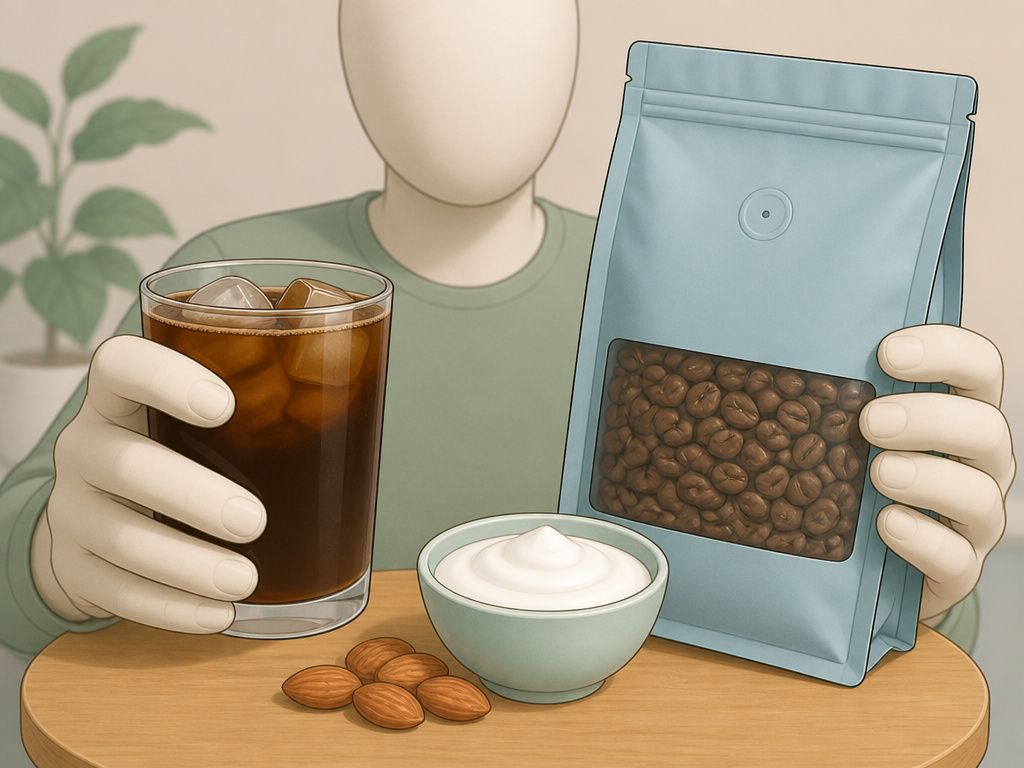
Prevention is easier than the cure. It comes down to three switches: what you drink, when you drink it, and what you pair it with.
Switch Your Brew Method
Not all coffee delivers caffeine the same way. The temperature and time of extraction change the chemical profile.
Cold brew is your best bet for a smooth ride. The cold, slow extraction pulls less chlorogenic acid and other organic acids from the beans, up to 66% less than hot coffee. This results in a less acidic, smoother cup that many find gentler on their stomachs and nerves. The caffeine is still there, but its release seems less jarring to the system.
Decaf has come a long way. The Swiss Water Process uses only water and osmosis to remove caffeine, leaving behind 99.9% of the flavor compounds. If you love the ritual but not the buzz, a high-quality Swiss Water decaf is indistinguishable from its caffeinated counterpart in a blind taste test. It lets you enjoy the benefits of cinnamon coffee or adding coconut oil without the side effects.
Time Your Dose Strategically
Your cortisol, the hormone that makes you alert, naturally peaks between 8 a.m. and 9 a.m. Drinking coffee right when you wake up, while cortisol is already high, provides a diminished return and can push you into jittery territory. It also trains your body to rely on the caffeine spike.
Wait 90 minutes after waking. Let your natural cortisol wave do its job, then use coffee to extend the plateau. This simple delay can cut perceived jitters in half because you’re not stacking stimulants on top of a stimulant.
TL;DR: Drink your first coffee 90 minutes after you wake up. You’ll use less caffeine for the same alertness.
Never Drink It Black on an Empty Stomach
This is the single biggest amplifier of jitters. Coffee on an empty stomach hits your bloodstream faster and harder. The acid also irritates your gut lining, which can trigger a stress response.
Eat first. A small, protein-rich snack like a handful of almonds, a Greek yogurt, or an egg slows the absorption of caffeine and buffers the acid. The espresso caffeine content in a shot is more concentrated, making this rule even more critical for espresso drinkers.
If you must drink coffee first thing, add a fat source to blunt the spike. A tablespoon of MCT oil benefits here is two-fold: it provides sustained energy and slows caffeine absorption.
When Jitters Signal Something Else
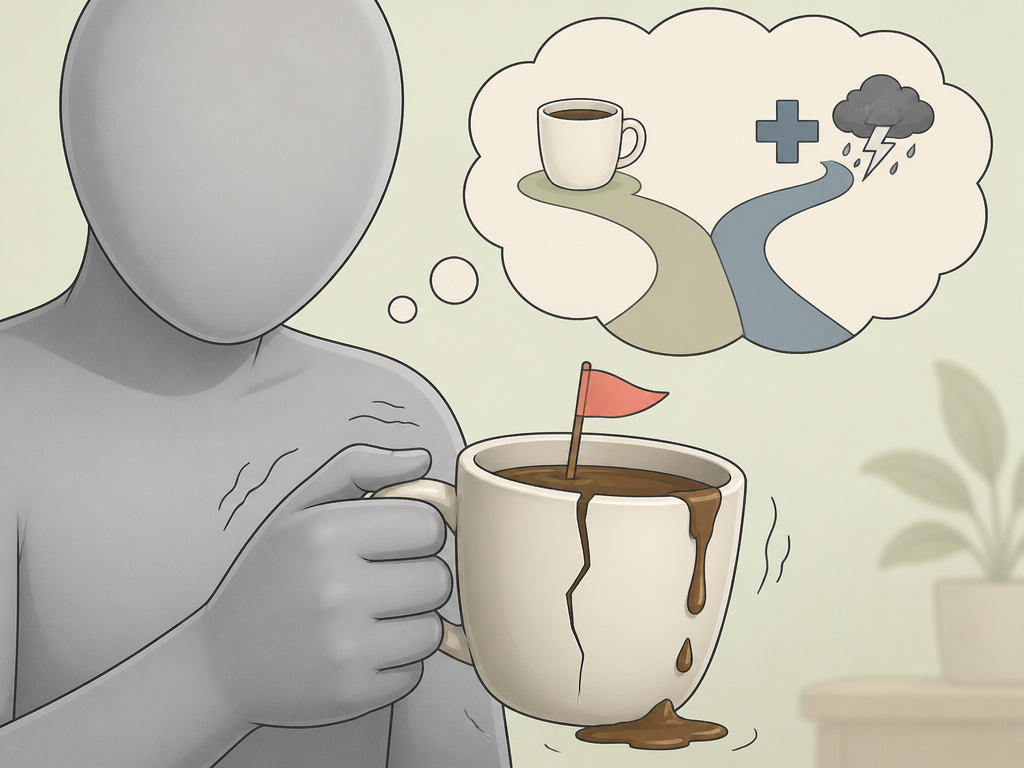
Sometimes, the shakes aren’t just about caffeine. They’re a flag.
If you’re consuming a normal amount, say, one or two cups, and experiencing severe jitters, heart palpitations, or panic, it’s worth investigating other causes. Underlying anxiety disorders can be amplified by even small amounts of caffeine. The stimulant effect can push a manageable baseline anxiety into a full-blown attack.
Chronic jitters can also be a sign of caffeine dependency or withdrawal. If you need coffee to function and then feel awful when you have it, you’re in a cycle. Your receptors are so saturated with caffeine that your body’s own adenosine system is offline. Taking a break for a week resets your tolerance, but the first three days will involve headaches and fatigue.
Consider a gentler stimulant. The L-theanine in tea provides a smoother, calmer alertness. For a more substantial switch, the green tea benefits of EGCG antioxidants and lower caffeine might be a better fit for your system.
Frequently Asked Questions
How long do coffee jitters last?
Peak jitters hit 30-90 minutes after your last sip and can last 2-4 hours. The residual anxiety and restlessness can linger for the duration of caffeine’s half-life, which is five hours on average. For slow metabolizers or those on certain medications, feeling off can last most of the day.
Can food really stop jitters?
Food won’t stop active jitters, but it can prevent them. Eating before you drink coffee, especially something with protein or fat, slows caffeine absorption into your bloodstream. This prevents the sharp spike that causes the shakes. A pinch of salt in your coffee can also mellow the bitterness and slightly buffer the effect.
Is decaf a guaranteed fix?
For preventing jitters, yes, if it’s properly decaffeinated. Look for “Swiss Water Process” on the bag, which removes 99.9% of caffeine. Some decaf methods leave trace amounts, which can still affect highly sensitive individuals. For curing active jitters, switching to decaf stops new caffeine from entering your system, letting the half-life clock run down.
Why do I get jitters from tea but not coffee?
This is often about quantity and combination. A strong black tea can have as much caffeine as a cup of coffee. More importantly, you might be drinking it faster or on an emptier stomach. Also, while tea has L-theanine, the ratio varies. A poorly balanced tea might not have enough L-theanine to counteract its own caffeine load, leading to jitters similar to coffee.
When should I see a doctor about coffee jitters?
If you experience severe heart palpitations, chest pain, shortness of breath, or debilitating anxiety after a normal amount of caffeine, consult a doctor. This could indicate an underlying heart condition, an anxiety disorder, or a significant medication interaction. It’s also wise to discuss your caffeine intake if you have concerns about coffee and heart health or persistent coffee and digestion issues.
Before You Go
Coffee jitters are a fixable problem. They’re a signal from your body about timing, quantity, or chemistry. The immediate solution is a mix of hydration, targeted supplements like L-theanine, and gentle activity. The long-term fix is in your routine: wait 90 minutes after waking, always eat first, and consider switching to a smoother brew like cold brew or a high-quality decaf.
Listen to the shake. It’s telling you how your unique system handles caffeine. Adjust one variable, the when, the what, or the how much, and you can keep the focus without the frenzy.
{
“@context”: “https://schema.org”,
“@type”: “HowTo”,
“name”: “How to Get Rid of Coffee Jitters”,
“totalTime”: “PT30M”,
“tool”: [
{
“@type”: “HowToTool”,
“name”: “Water with a pinch of salt”
},
{
“@type”: “HowToTool”,
“name”: “L-theanine supplement (100-200 mg)”
},
{
“@type”: “HowToTool”,
“name”: “Decaffeinated coffee or Swiss Water Process beans”
}
],
“step”: [
{
“@type”: “HowToStep”,
“name”: “Stop further caffeine intake”,
“text”: “Immediately switch to water or a decaffeinated beverage. More caffeine extends the problem.”
},
{
“@type”: “HowToStep”,
“name”: “Hydrate with electrolytes”,
“text”: “Drink a large glass of water with a pinch of salt to counter the diuretic effect and stabilize blood sugar.”
},
{
“@type”: “HowToStep”,
“name”: “Consider L-theanine”,
“text”: “Take 100-200 mg of L-theanine if the jitters are severe. This amino acid counteracts caffeine’s anxiety effects.”
},
{
“@type”: “HowToStep”,
“name”: “Move and get sunlight”,
“text”: “Take a 10-15 minute walk outside. Gentle exercise and sunlight help metabolize caffeine and reset your nervous system.”
},
{
“@type”: “HowToStep”,
“name”: “Take a warm shower”,
“text”: “A warm shower dilates blood vessels and can help lower heart rate and muscle tension.”
}
]
}
{
“@context”: “https://schema.org”,
“@type”: “FAQPage”,
“mainEntity”: [
{
“@type”: “Question”,
“name”: “How long do coffee jitters last?”,
“acceptedAnswer”: {
“@type”: “Answer”,
“text”: “Peak jitters hit 30-90 minutes after your last sip and can last 2-4 hours. The residual anxiety and restlessness can linger for the duration of caffeine’s half-life, which is five hours on average. For slow metabolizers or those on certain medications, feeling off can last most of the day.”
}
},
{
“@type”: “Question”,
“name”: “Can food really stop jitters?”,
“acceptedAnswer”: {
“@type”: “Answer”,
“text”: “Food won’t stop active jitters, but it can prevent them. Eating before you drink coffee, especially something with protein or fat, slows caffeine absorption into your bloodstream. This prevents the sharp spike that causes the shakes. A pinch of salt in your coffee can also mellow the bitterness and slightly buffer the effect.”
}
},
{
“@type”: “Question”,
“name”: “Is decaf a guaranteed fix?”,
“acceptedAnswer”: {
“@type”: “Answer”,
“text”: “For preventing jitters, yes, if it’s properly decaffeinated. Look for \”Swiss Water Process\” on the bag, which removes 99.9% of caffeine. Some decaf methods leave trace amounts, which can still affect highly sensitive individuals. For curing active jitters, switching to decaf stops new caffeine from entering your system, letting the half-life clock run down.”
}
},
{
“@type”: “Question”,
“name”: “Why do I get jitters from tea but not coffee?”,
“acceptedAnswer”: {
“@type”: “Answer”,
“text”: “This is often about quantity and combination. A strong black tea can have as much caffeine as a cup of coffee. More importantly, you might be drinking it faster or on an emptier stomach. Also, while tea has L-theanine, the ratio varies. A poorly balanced tea might not have enough L-theanine to counteract its own caffeine load, leading to jitters similar to coffee.”
}
},
{
“@type”: “Question”,
“name”: “When should I see a doctor about coffee jitters?”,
“acceptedAnswer”: {
“@type”: “Answer”,
“text”: “If you experience severe heart palpitations, chest pain, shortness of breath, or debilitating anxiety after a normal amount of caffeine, consult a doctor. This could indicate an underlying heart condition, an anxiety disorder, or a significant medication interaction. It’s also wise to discuss your caffeine intake if you have concerns about coffee and heart health or persistent coffee and digestion issues.”
}
}
]
}
