
How to Use Heavy Whipping Cream in Coffee Without Curdling
To use heavy whipping cream in coffee, you need a cream with at least 36% fat, and you must temper it by mixing a splash of hot coffee into the cream first. This prevents the milk proteins from curdling when they hit the high heat and acidity of your cup. The result is a luxuriously thick, rich texture without added sugar.
Most people dump cold cream straight into a scalding cup. The proteins panic. They seize into little grainy clumps that float to the top, and your luxurious treat turns into a failed science experiment. It happens in about three seconds.
This guide walks through the legal definitions of cream, the chemistry of why curdling happens, and the precise steps to avoid it. We will also cover how it fits into diets like keto, how it compares to other additives, and a couple of recipes that go beyond a simple splash.
Key Takeaways
- Heavy whipping cream must contain at least 36% milkfat by U.S. federal standard. Light whipping cream can be as low as 30%.
- Curdling occurs when hot, acidic coffee causes the proteins in cream to denature and clump. Tempering the cream first prevents this.
- For keto and bulletproof-style coffee, heavy cream is a primary fat source. It pairs well with additions like MCT oil in coffee or coconut oil in coffee.
- Ultra-pasteurized cream has a longer shelf life but is more susceptible to curdling in coffee than regularly pasteurized cream.
- Beyond a rich texture, heavy cream alters the extraction perception of your coffee, muting bitterness more effectively than milk.
What Exactly Is Heavy Whipping Cream?
The terms get thrown around loosely. In the dairy case, you will see “heavy cream,” “heavy whipping cream,” and “whipping cream.” They are not all the same.
The U.S. Food and Drug Administration defines them by fat content. This is not a marketing suggestion. It is a legal standard published in the Code of Federal Regulations entry. Heavy cream and heavy whipping cream are synonymous, requiring a minimum of 36% milkfat. Light whipping cream can range from 30% to just under 36%.
Common mistake: Assuming all “whipping cream” is the same, using a light whipping cream (closer to 30% fat) in very hot coffee increases the chance of a thin, potentially curdled result because the lower fat content provides less protection for the proteins.
That fat percentage is the key to its behavior. The fat globules are suspended in a water-based serum that contains the proteins (caseins and whey) and lactose. When you add it to coffee, you are creating an emulsion. The higher the fat content, the more stable that emulsion tends to be against the assault of heat and acid.
Here is how it stacks up against other common coffee lighteners:
| Dairy Product | Minimum Fat % | Best For Coffee When… | Risk If Used Wrong |
|---|---|---|---|
| Heavy Whipping Cream | 36% | You want maximum richness, keto macros, or to whip for topping. | Curdles if added directly to very hot/acidic coffee. |
| Light Whipping Cream | 30% | You want a lighter richness than heavy cream. | More prone to curdling and separation than heavy cream. |
| Half-and-Half | 10.5% | You want a middle-ground texture with fewer calories. | Can still curdle, adds noticeable wateriness. |
| Whole Milk | 3.25% | You prefer a classic coffee lightener. | Will not whip, provides minimal richness. |
TL;DR: Reach for the carton labeled “Heavy Whipping Cream” or “Heavy Cream” for the highest fat content and most stable results in your cup.
The Science Behind the Curdle
Coffee is a hostile environment for dairy. It is hot, often above 70°C (158°F). It is acidic, with a pH typically between 4.5 and 5.5. Heavy cream is a delicate balance of fat, protein, and water.
When cold cream hits hot coffee, two things happen rapidly. The heat causes the whey proteins to denature, their structures unravel. The acidity of the coffee lowers the pH around the casein proteins, bringing them closer to their isoelectric point, where they are least soluble. The denatured whey proteins and the destabilized caseins find each other. They form a network that traps water and fat, creating visible curds.
Pasteurized heavy whipping cream added directly to coffee at 85°C (185°F) will show protein clumping within 5–10 seconds if the coffee’s pH is below 5.0. The curds are safe to consume but texturally unpleasant.
The fat is your ally here. Fat globules can physically interfere with the protein network formation. This is why 36% heavy cream is more resilient than 30% light cream. The extra fat globules get in the way of the proteins linking up.
A whipping cream molecular composition study details how processing affects this structure. Ultra-pasteurized cream, heated to a higher temperature during production, has already undergone more protein denaturation. Its proteins are primed to clump again when they meet your coffee. If you have a choice, pasteurized (not ultra-pasteurized) heavy cream is the better bet for hot drinks.
How to Mix It Without Curdling
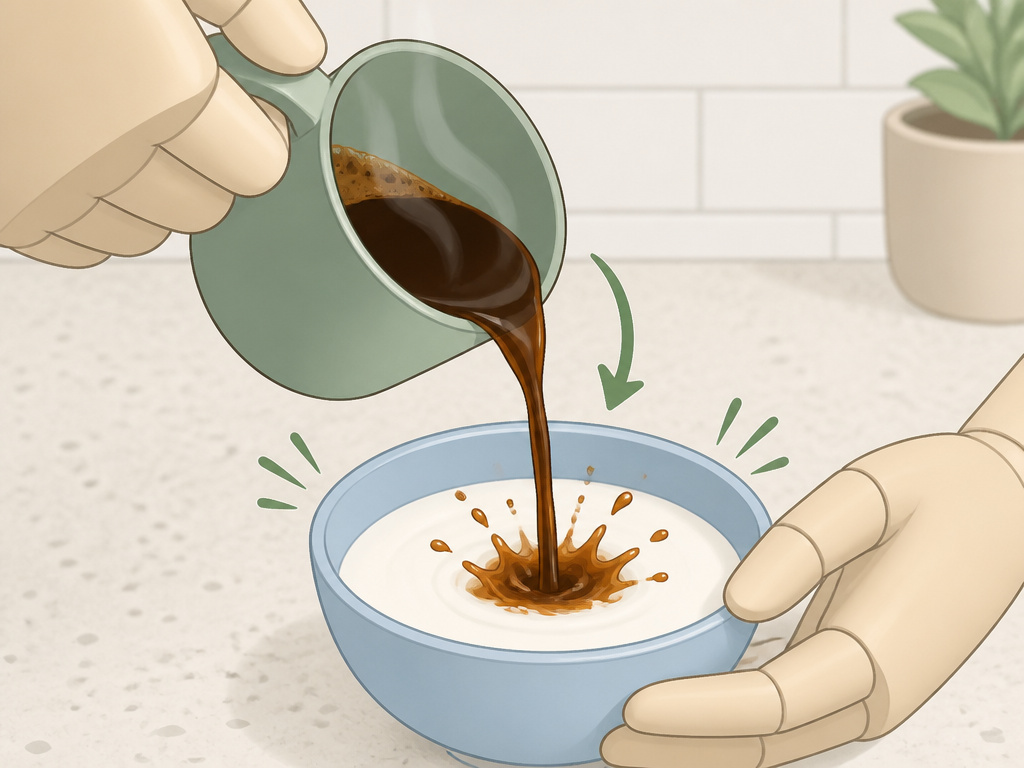
The goal is to gently raise the temperature of the cream before it faces the full fury of your coffee. This is called tempering.
- Pour your cream first. Measure out the amount you want, usually 1 to 2 tablespoons per cup, into your mug or a small bowl.
- Add a splash of hot coffee. Take a small amount (about a tablespoon) of your freshly brewed coffee and pour it into the cream. Stir it vigorously with a spoon until it’s fully combined and warm to the touch.
- Combine with the main cup. Now, pour this tempered cream mixture into your full cup of coffee. Stir as you pour.
This method works because the incremental temperature rise allows the proteins to denature more gradually without forming large clumps. The initial dilution with a small amount of coffee also slightly lowers the acidity shock.
For iced coffee or cold brew, you can skip tempering. The cold temperature means no heat shock. Just add the cream and stir or shake.
Common mistake: Using ultra-pasteurized cream and skipping the temper step, this combination guarantees a grainy texture in hot coffee, especially with light roast, high-acidity beans.
What If It Curdles Anyway?
Sometimes it still happens. Your coffee might be extremely hot or acidic, or the cream might be older. If you see small curds, you can often save it. – Blend it. Pour the whole cup into a blender and give it a quick pulse. This will break up the curds and re-emulsify the fats. – Strain it. Pour the coffee through a fine mesh sieve into another cup. You will lose a bit of the cream, but the texture will be smooth. – Embrace it. The curds are just coagulated protein and fat. They are not harmful. Some people do not mind the texture.
TL;DR: Always temper heavy cream with a splash of hot coffee before adding it to your full cup. It takes an extra 15 seconds and prevents 100% of curdling issues.
Heavy Cream for Keto and Bulletproof Coffee
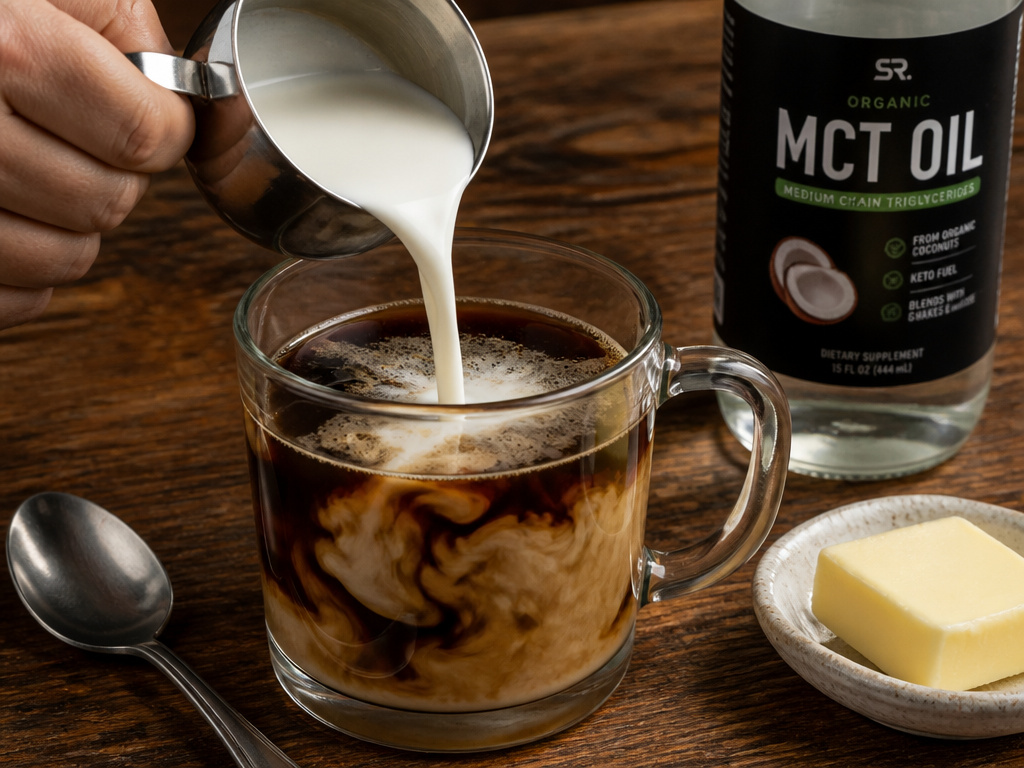
Heavy whipping cream is a staple in ketogenic diets because it is high in fat and contains almost no carbohydrates. A tablespoon has about 5 grams of fat and less than half a gram of carbs.
This makes it a perfect base for “fatty coffee” designed to provide sustained energy. The classic Bulletproof Coffee recipe uses coffee, grass-fed butter, and MCT oil in coffee. Swapping or adding heavy cream is a common variation.
I used to make my keto coffee with just butter and MCT oil. After a month, I missed the creamy mouthfeel. Adding a tablespoon of heavy cream made the drink palatable again and helped it stay emulsified in the blender. Without it, the butter would sometimes separate into a greasy film on top.
The process is simple: 1. Brew your coffee. 2. Add 1-2 tbsp heavy whipping cream, 1 tbsp MCT oil or coconut oil in coffee, and optionally a pat of butter. 3. Blend on high for 20-30 seconds until frothy and fully combined.
The blending step is non-negotiable. It creates a stable emulsion that will not separate as you drink it, delivering all the fats in a uniform, creamy texture.
Flavor and Coffee Pairings

Heavy cream does more than add texture. It coats your palate. This mouth-coating effect can round out sharp, acidic notes and mute excessive bitterness more effectively than milk or almond milk in coffee. It is a tool for balance.
- With Dark Roasts: The cream’s fat tames the smoky, bitter notes, allowing more of the underlying chocolate or nutty flavors to come forward. A touch of brown sugar sweetener can enhance this dessert-like quality.
- With Light Roasts: Proceed with caution. The high acidity of light roasts is the biggest curdling risk. Ensure your cream is well-tempered. The cream will soften the bright, fruity acids, which you may or may not want. Try it first without cream to appreciate the bean’s profile.
- With Flavored Coffees: Heavy cream works wonderfully with flavored coffees like hazelnut, vanilla, or pumpkin spice. It adds a luxurious dimension that feels indulgent.
- For Bitterness Control: If your coffee is over-extracted and bitter, heavy cream is a great fix. For a more advanced technique, a pinch of salt can also mitigate bitterness without adding dairy.
Consider your coffee’s origin and roast level like you would when choosing coffee beans. A bold, chocolatey blend might welcome the cream. A delicate, fruity single-origin might be overshadowed by it.
Two Recipes Beyond the Splash
1. Shaken Italian Coffee Cream
This viral method from the YouTube transcript turns cream and espresso into a thick, mousse-like topping.
- Brew 2 ounces of espresso and let it cool completely. (Hot espresso in a sealed bottle = explosion risk).
- Add the cold espresso and 1 tablespoon of powdered sugar to a clean, empty plastic water bottle.
- Fill the bottle halfway with heavy whipping cream.
- Screw the cap on tightly and shake vigorously for 3-5 minutes. You will feel the contents thicken.
- Pour over iced coffee or enjoy it as a sweet, creamy dollop on top of hot coffee.
2. Whipped Coffee Topping
For an iced coffee or dessert drink.
- Chill a metal bowl and your beaters or whisk.
- Combine 1 cup of heavy whipping cream, 2 tablespoons of powdered sugar, and 1 teaspoon of vanilla extract in the bowl.
- Whip on medium speed until soft peaks form.
- Spoon or pipe the whipped cream onto your iced coffee, hot cocoa, or espresso-based drinks like a latte.
- For a flavor twist, add a teaspoon of cinnamon in coffee or cocoa powder to the cream before whipping.
Nutritional Profile and Comparisons
Heavy whipping cream is energy-dense. One tablespoon (15ml) contains roughly: – Calories: 50-60 – Fat: 5-6g (with about 3.5g saturated fat) – Carbohydrates: <0.5g – Protein: <0.5g
When compared to other common coffee additives, the difference in calorie content of milk is stark. The same volume of whole milk has about 9 calories and 1g of fat. Half-and-half falls in the middle with about 20 calories and 2g of fat per tablespoon.
This makes heavy cream a conscious choice. For those on keto or seeking satiety, the high fat is a benefit. For those watching overall calorie intake, it is a significant addition. It also lacks the protein and calcium found in milk.
Before you start: If you have lactose intolerance, note that heavy cream is very low in lactose, but not zero. Dairy allergies are a different issue, avoid cream entirely. The high saturated fat content may also be a concern for individuals with specific cardiovascular health conditions; consult your doctor.
Frequently Asked Questions
Does heavy whipping cream curdle in coffee?
It can, especially if added directly to very hot, acidic coffee. The combination of heat and low pH causes the milk proteins to denature and clump. Tempering the cream first by mixing it with a small amount of hot coffee prevents this.
Is heavy cream or half-and-half better for coffee?
Heavy cream is better if you want maximum richness, a velvety texture, and you are following a low-carb or keto diet. Half-and-half is better if you want a lighter texture and are mindful of calories and saturated fat intake.
Can you use heavy whipping cream in iced coffee?
Yes, and it is easier. Since there is no heat shock, you can add cold heavy cream directly to cold brew or iced coffee. Stir or shake well to combine.
How much heavy whipping cream should I put in my coffee?
Start with 1 tablespoon per 8-ounce cup. You can adjust to taste. For a keto fat-fast drink or a very rich cup, 2 tablespoons is common. More than that can make your coffee taste more like cream soup than coffee.
Does heavy whipping cream need to be refrigerated?
Yes, always. Once opened, it should be used within 5-7 days. Check the smell; if it smells sour or cheesy, it has gone bad.
The Bottom Line
Heavy whipping cream transforms coffee into a decadent, filling experience. Its success hinges on two rules: use a high-fat (36%) pasteurized cream, and always temper it with a splash of hot coffee before the full pour. This defeats the curdle.
It is a powerful tool for customizing your cup, whether you are building a keto breakfast, seeking to soften a bitter brew, or just craving a texture that feels like a treat. Understand that it changes the flavor profiles of coffee and carries a distinct nutritional footprint.
Skip the guesswork and the clumps. Warm the cream first. Your coffee will be smoother for it.
