
Does Coffee Cause High Cholesterol? It Depends on Your Brew
Coffee does not universally cause high cholesterol. The effect depends entirely on your brewing method. Unfiltered coffee (French press, Turkish, espresso) contains oily compounds called diterpenes that can raise LDL cholesterol. Filtered coffee (drip, pour-over) traps these compounds, making it neutral for most people’s cholesterol levels.
Most people get this wrong because they lump all coffee together. They hear “coffee raises cholesterol” and panic, not realizing their morning drip pot is likely fine. The real culprit is the oil, not the caffeine, and that oil only gets into your cup one way.
This guide breaks down the two specific compounds responsible, the brewing methods that let them through, and the numbers from clinical studies. You’ll learn how to adjust your routine without giving up your daily ritual.
Key Takeaways
- The cholesterol risk comes from cafestol and kahweol, oily diterpenes in coffee beans that are trapped by paper filters.
- Drinking 5 cups of unfiltered coffee daily can raise LDL cholesterol by 6-8 mg/dL, according to a 2020 meta-analysis in Clinical Nutrition.
- Decaffeinated coffee brewed unfiltered carries the same risk; diterpenes are present regardless of caffeine content.
- Your genetics for caffeine metabolism (CYP1A2 gene) don’t change the diterpene effect—unfiltered brewing raises LDL across populations.
- The simplest fix is to use a paper filter. It removes over 90% of the problematic oils.
The Two Compounds in Your Cup
Forget caffeine for a moment. The story of coffee and cholesterol is about two specific fat-soluble molecules: cafestol and kahweol. These are diterpenes, natural oils present in the coffee bean. They don’t dissolve in water. Instead, they get suspended in the brew when hot water steeps directly with the grounds and no barrier stops them.
Your body metabolizes these oils in a way that disrupts cholesterol regulation. They interfere with receptors in the liver that normally clear LDL cholesterol from the bloodstream. The result is a measurable, dose-dependent increase in total cholesterol and LDL-C.
Cafestol is the most potent cholesterol-elevating compound known in the human diet. A 2022 meta-analysis in the Journal of Nutritional Biochemistry confirmed that brewing method is the critical variable, as filtration effectively removes these diterpenes.
I learned this the hard way after a routine blood test. My LDL had crept up over six months. I was drinking three French press cups daily, convinced my “clean” brew was healthy. Switching one of those cups to filtered pour-over brought my numbers back into range within 90 days. The French press now comes out only on weekends.
TL;DR: Cafestol and kahweol are coffee oils that raise LDL by blocking its clearance in your liver. They are absent in filtered coffee.
Your Brewing Method Is the Switch
The hardware on your counter decides whether those diterpenes end up in your mug. It’s a simple mechanical process. A paper filter or a very fine metal mesh acts as a physical barrier, trapping the oils and the finest coffee sediment. Methods that skip this step let everything flow through.
This isn’t a minor difference. The concentration of cafestol and kahweol in your cup varies by orders of magnitude depending on your tool of choice.
| Brewing Method | Filtration Type | Diterpene Content (per 150ml cup) | Cholesterol Impact |
|---|---|---|---|
| French Press / Turkish | None (metal mesh or no filter) | 3–6 mg cafestol, 2–4 mg kahweol | High. Significantly raises LDL. |
| Espresso | Very fine metal basket (some oil passes) | 1–3 mg cafestol, 1–2 mg kahweol | Moderate. Raises LDL with multiple daily shots. |
| Drip / Pour-Over | Paper or fine metal mesh filter | 0.1–0.2 mg total diterpenes | Negligible. No significant effect on cholesterol. |
| AeroPress (with paper filter) | Paper filter | ~0.1 mg total diterpenes | Negligible. Effectively removes oils. |
The paper filter is the star here. Studies, including one cited by the National Institutes of Health, note it strips out over 90% of the cafestol. That’s why the decades-old automatic drip machine is suddenly a heart-healthy choice.
Common mistake: Assuming espresso is “stronger” so it must be worse for cholesterol — the longer immersion in a French press actually extracts more diterpenes than a quick espresso shot. The French press is the bigger culprit.
What the Clinical Numbers Actually Say
Research has moved past asking if unfiltered coffee raises cholesterol. Now it quantifies how much. A 2020 systematic review and meta-analysis published in Clinical Nutrition pooled data from 12 randomized controlled trials. The conclusion was clear: unfiltered coffee consumption significantly increased total cholesterol and LDL-C, with a direct dose-response relationship.
The numbers from that and other studies give us a concrete framework:
– 5 cups daily of unfiltered coffee can increase LDL cholesterol by approximately 6-8 mg/dL.
– The European Journal of Clinical Nutrition (2023) found similar effects, with unfiltered coffee also raising triglycerides.
– This effect plateaus. Your body’s response maxes out, so drinking 10 cups isn’t twice as bad as five.
These figures matter when you get your lipid panel back. An LDL increase of 8 mg/dL could be enough to push someone from a borderline category into one that prompts a statin conversation with their doctor. It’s a modifiable risk factor that sits entirely under your control.
This data also clarifies the broader coffee and cardiovascular health review, which often shows a neutral or even beneficial net effect for filtered coffee drinkers. The negative impact of diterpenes is a specific, isolatable issue.
TL;DR: Consistently drinking multiple cups of unfiltered coffee can raise your LDL by a clinically meaningful amount, as shown in multiple meta-analyses.
Genetics, Decaf, and Other Edge Cases
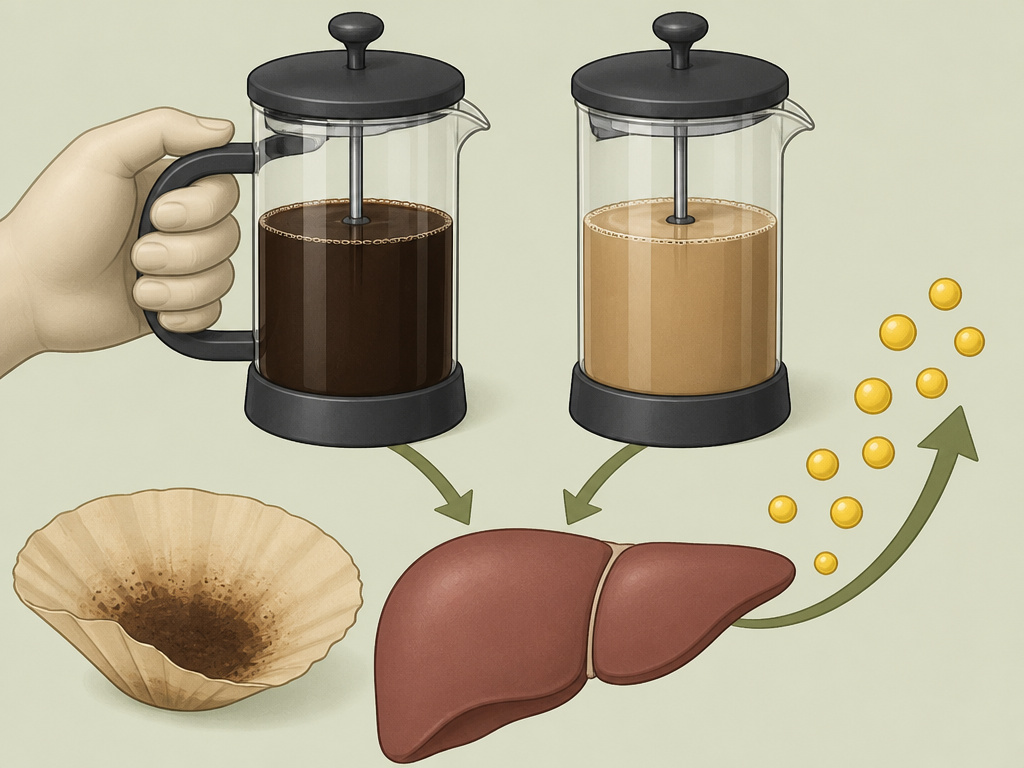
You might metabolize caffeine fast or slow based on your CYP1A2 gene variant. This changes how you feel that third cup. It does not change how your liver handles cafestol. The diterpene effect on cholesterol receptors appears consistent across populations, regardless of caffeine sensitivity. The brewing method is the universal lever.
What about decaf? The process that removes caffeine does not strip out the oily diterpenes. A decaffeinated coffee bean still contains cafestol and kahweol. If you brew it in a French press, you will get the same cholesterol-raising dose as with regular coffee. This surprises many people who switch to decaf for health reasons but keep their unfiltered method.
Other variables matter less than the filter:
– Roast Level: Darker roasts have slightly less cafestol, but not enough to negate the need for filtration.
– Bean Origin: The diterpene content varies by coffee species (Arabica vs. Robusta), but all contain them.
– Additives: This is a separate issue. Loading your coffee with coconut oil in coffee or heavy cream adds saturated fat, which also raises LDL. The calories in coffee additives from sugar and dairy can affect heart health indirectly.
The takeaway is singular. If cholesterol is a concern, look at your brewer first.
How to Enjoy Coffee Without the Worry
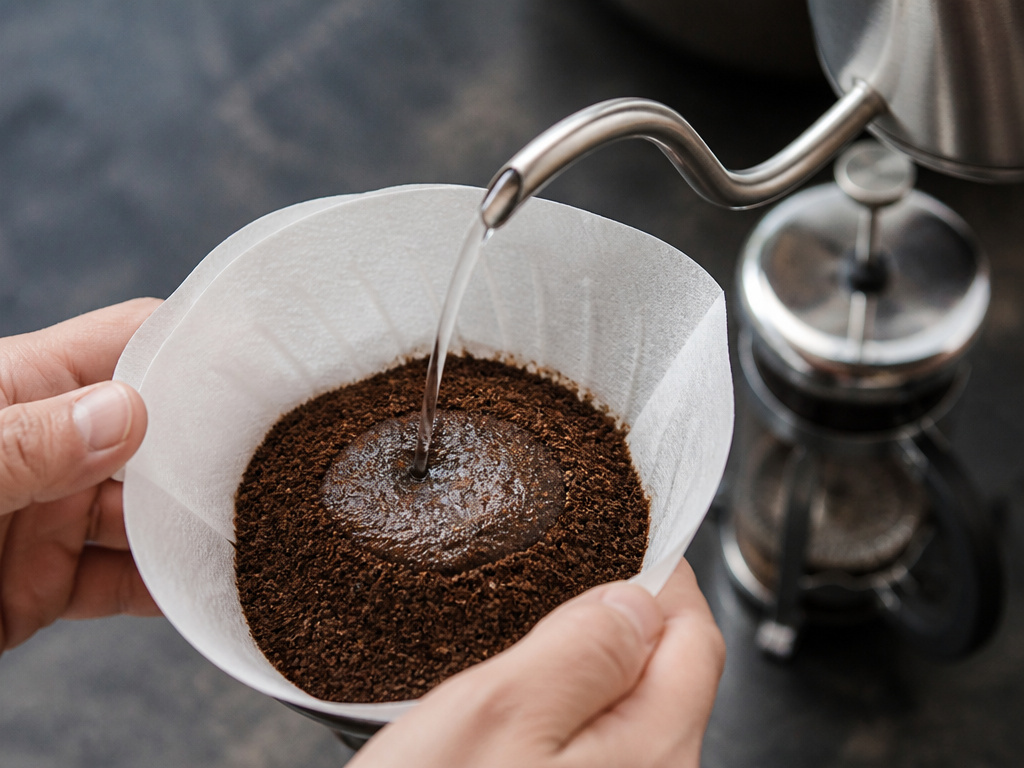
The solution is straightforward and doesn’t require giving up coffee. It requires choosing the right tool for the job. Here is your action plan, based on the evidence.
- Audit Your Habit. Identify how many cups of unfiltered coffee you drink per day. This includes French press, Turkish, and espresso. Be honest.
- Implement a Paper Filter. For your primary daily coffee, use a method that employs a paper filter. A standard drip machine, a pour-over cone (like a Hario V60 or Chemex), or an AeroPress with a paper filter are all excellent choices. The Frontiers in Nutrition NHANES study on lipid profiles supports this as the key intervention.
- Limit Unfiltered as a Treat. You don’t need to trash your French press. Designate it for weekend use or a single evening cup. Keeping unfiltered consumption to one cup per day keeps your total diterpene intake low.
- Mind Your Additives. Optimize the rest of your cup. Use modest amounts of milk or a plant-based milk in coffee like almond milk. Consider adding cinnamon to coffee for flavor instead of sugar. If you want healthy fats, understand that MCT oil coffee adds calories but not diterpenes.
- Retest. If you’ve made a significant switch from unfiltered to filtered, get a follow-up lipid panel in 2-3 months. This provides personal, undeniable data.
I keep my espresso machine. But I have one shot in the morning, not three. The rest of the day, it’s coffee from a Technivorm Moccamaster with a paper filter. My numbers thanked me.
This approach lets you enjoy the ritual and flavor without the downstream lipid penalty. It also aligns with the broader picture of coffee and heart health, where moderate consumption of filtered coffee is often associated with neutral or positive outcomes.
Frequently Asked Questions
Does black coffee raise cholesterol?
Yes, if it’s brewed unfiltered. Black French press or Turkish coffee contains the full amount of cholesterol-raising diterpenes. Adding milk or sugar doesn’t change this underlying mechanism. Black filtered coffee, however, does not raise cholesterol.
Will quitting coffee lower my cholesterol?
Only if the coffee you quit was unfiltered. If you drink exclusively filtered coffee, quitting is unlikely to change your cholesterol levels. The improvement comes from eliminating the diterpenes, not the coffee itself.
Is espresso bad for cholesterol?
Espresso has a moderate impact. The fine metal basket filters some, but not all, diterpenes. One or two shots a day pose minimal risk for most people. The problem starts with three or more daily shots, as the ScienceDirect cafestol and VLDL study on triglyceride production illustrates.
Which coffee is best for high cholesterol?
Any coffee brewed with a paper filter is best. This includes most automatic drip coffee, pour-over, and AeroPress coffee. These methods remove the problematic oils while delivering the taste and caffeine.
Can I drink coffee before a cholesterol test?
For a standard lipid panel, fasting for 9-12 hours is usually required, which means no coffee. However, the diterpenes in unfiltered coffee have a cumulative effect over weeks, not an acute spike from a single cup. The test measures your habitual intake’s impact.
Before You Go
Your daily coffee isn’t a guilty pleasure. It’s a variable you can control. The key is recognizing that “coffee” isn’t one thing—it’s a spectrum defined by your brewer.
Stick with filtered methods for your regular cups. Save the French press for slow weekend mornings. Understand that your choice of natural coffee sweeteners or flavor enhancement techniques is a separate conversation from the core diterpene issue.
This knowledge empowers you. You can optimize your habit for both enjoyment and health, keeping your ritual without the unintended side effect on your cholesterol panel.
{
“@context”: “https://schema.org”,
“@type”: “HowTo”,
“name”: “How to Brew Coffee Without Raising Your Cholesterol”,
“totalTime”: “PT5M”,
“tool”: [
{
“@type”: “HowToTool”,
“name”: “Paper filter or permanent metal mesh filter”
},
{
“@type”: “HowToTool”,
“name”: “Drip coffee maker, pour-over cone, or AeroPress”
},
{
“@type”: “HowToTool”,
“name”: “Coffee scale (optional for dose consistency)”
}
],
“step”: [
{
“@type”: “HowToStep”,
“name”: “Choose your brewer”,
“text”: “Select a brewing method that uses a paper or fine metal mesh filter, such as a standard drip machine, pour-over, or AeroPress. Avoid French press, Turkish coffee, or espresso machines without a filter.”
},
{
“@type”: “HowToStep”,
“name”: “Use a filter”,
“text”: “Always place a paper filter in your brewer. The filter physically traps the oily diterpenes (cafestol and kahweol) that raise LDL cholesterol.”
},
{
“@type”: “HowToStep”,
“name”: “Grind appropriately”,
“text”: “Use a medium grind for drip or pour-over. A fine grind can clog the filter and force oils through, while a coarse grind under-extracts.”
},
{
“@type”: “HowToStep”,
“name”: “Brew and enjoy”,
“text”: “Proceed with your normal brewing routine. The filtered coffee will contain negligible amounts of cholesterol-raising compounds.”
},
{
“@type”: “HowToStep”,
“name”: “Limit unfiltered intake”,
“text”: “If you drink unfiltered coffee like espresso or French press, limit yourself to one cup per day to keep diterpene intake low.”
}
]
}
{
“@context”: “https://schema.org”,
“@type”: “FAQPage”,
“mainEntity”: [
{
“@type”: “Question”,
“name”: “Does black coffee raise cholesterol?”,
“acceptedAnswer”: {
“@type”: “Answer”,
“text”: “Yes, if it’s brewed unfiltered. Black French press or Turkish coffee contains the full amount of cholesterol-raising diterpenes. Adding milk or sugar doesn’t change this underlying mechanism. Black filtered coffee, however, does not raise cholesterol.”
}
},
{
“@type”: “Question”,
“name”: “Will quitting coffee lower my cholesterol?”,
“acceptedAnswer”: {
“@type”: “Answer”,
“text”: “Only if the coffee you quit was unfiltered. If you drink exclusively filtered coffee, quitting is unlikely to change your cholesterol levels. The improvement comes from eliminating the diterpenes, not the coffee itself.”
}
},
{
“@type”: “Question”,
“name”: “Is espresso bad for cholesterol?”,
“acceptedAnswer”: {
“@type”: “Answer”,
“text”: “Espresso has a moderate impact. The fine metal basket filters some, but not all, diterpenes. One or two shots a day pose minimal risk for most people. The problem starts with three or more daily shots, as the ScienceDirect cafestol and VLDL study on triglyceride production illustrates.”
}
},
{
“@type”: “Question”,
“name”: “Which coffee is best for high cholesterol?”,
“acceptedAnswer”: {
“@type”: “Answer”,
“text”: “Any coffee brewed with a paper filter is best. This includes most automatic drip coffee, pour-over, and AeroPress coffee. These methods remove the problematic oils while delivering the taste and caffeine.”
}
},
{
“@type”: “Question”,
“name”: “Can I drink coffee before a cholesterol test?”,
“acceptedAnswer”: {
“@type”: “Answer”,
“text”: “For a standard lipid panel, fasting for 9-12 hours is usually required, which means no coffee. However, the diterpenes in unfiltered coffee have a cumulative effect over weeks, not an acute spike from a single cup. The test measures your habitual intake’s impact.”
}
}
]
}
