
What Happens If You Drink Too Much Coffee: Risks & Safe Intake
For most healthy adults, the FDA defines “too much” as exceeding 400 milligrams of caffeine per day, roughly the amount in four to five 8-ounce cups of brewed coffee. Consuming this much or more can trigger anxiety, insomnia, digestive upset, and a rapid heartbeat. A true overdose, ingesting around 1,200 mg rapidly, can cause vomiting, confusion, and seizures.
Most people think a caffeine crash is the worst outcome. They miss the point where a stimulant becomes a toxin.
This guide walks through the sourced numbers, the FDA’s 400mg line, the half-life in your liver, the teaspoon of powder that equals 200 cups. You’ll learn to spot the difference between a bad morning and a medical emergency, and how to step back from the edge if you’ve gone too far.
Key Takeaways
- The FDA’s 400mg daily limit is based on average metabolism; liver issues or certain medications can cut your personal tolerance in half.
- Caffeine powder is the real danger, one teaspoon equals about 28 cups of coffee, and a minor measuring mistake can be fatal.
- Symptoms follow a predictable timeline: jitters and anxiety hit within 20-40 minutes; severe signs like vomiting and confusion mean you need an ER, not more water.
- Withdrawal is real, but cutting cold turkey guarantees a headache. Taper by mixing regular with decaf over a week.
- Energy drinks and supplements cause most overdoses, not coffee, because their concentrated caffeine hits faster and pairs with other stimulants.
The 400mg Threshold: When Safe Becomes Unsafe
That 400-milligram figure isn’t a suggestion. It’s the FDA caffeine consumption guidelines line drawn from toxicology reviews. Cross it regularly, and you’re signing up for side effects as a lifestyle.
The problem is cup math. An 8-ounce cup of brewed coffee holds 40 to 150 milligrams of caffeine. A Starbucks tall (12oz) can push 260mg. Two of those before noon puts you over the limit without a third cup in sight.
Common mistake: Counting cups instead of milligrams, a “cup” of light roast from a specialty cafe can deliver 150mg, while a diner’s dark roast might be 80mg. Assuming four cups is safe has landed more than one person in the jittery, anxious zone by 10 a.m.
Your liver decides your real limit. Caffeine’s half-life, the time it takes for your body to clear half the dose, ranges from 3 to 10 hours in healthy adults. If you have liver dysfunction, that half-life stretches by about 72%. Someone with a compromised liver drinking a late-afternoon coffee will still have a quarter of that dose circulating at midnight. That directly impacts your personal caffeine content threshold.
TL;DR: The FDA’s 400mg limit is an average. Your genetics, liver health, and medication use set your real ceiling, which can be significantly lower.
From Jitters to Seizures: The Symptoms Timeline
Caffeine hits your bloodstream in minutes. Peak plasma concentration arrives in 20 to 40 minutes. That’s when the early warnings show up.
First, you feel it in your hands and your chest. The jitters aren’t just nervous energy; they’re small muscle tremors from overstimulated nerves. Your heart rate climbs, and you might feel a flutter or a hard thump against your ribs, palpitations. Anxiety creeps in because caffeine blocks adenosine, the brain chemical that promotes calm and sleep, while simultaneously prompting a flood of stress hormones.
Ignore those signs and push further, and the system moves from stressed to distressed.
| Symptom Stage | Typical Onset | What’s Happening | Action Required |
|---|---|---|---|
| Mild Overdose | 20-40 minutes after consumption | Anxiety, restlessness, insomnia, upset stomach, fast heartbeat | Stop all caffeine. Drink water. Wait it out. |
| Moderate Overdose | 1-2 hours after consumption | Nausea, vomiting, chest pain, intense headache, ringing in the ears | Medical advice recommended. Monitor closely. |
| Severe Overdose | Within hours of a large single dose | Confusion, hallucinations, severe chest pain, irregular heartbeat, seizures | This is a medical emergency. Call for help immediately. |
Severe overdose doesn’t look like too much coffee. It looks like a poisoning. The NCBI StatPearls on caffeine toxicity notes that lethal blood concentrations result from ingesting approximately 10 grams or more of caffeine. That’s the equivalent of 70 to 100 cups of coffee drunk in a very short window, a volume that makes vomiting likely long before you reach the lethal dose.
The real risk isn’t coffee. It’s pure powder or pills.
The Teaspoon That Equals 200 Cups: Caffeine Powder Dangers
Brewed coffee gives you a volume warning. You’d vomit before you drank 70 cups. Powdered caffeine offers no such guardrails.
The Mayo Clinic caffeine health guide states one teaspoon of pure caffeine powder is roughly equal to 28 cups of coffee. A slightly heaped scoop, a mistake in a dark kitchen, or a misread scale can deliver a fatal dose. In 2019, a man died after accidentally mixing a drink with powder equivalent to 200 cups of coffee. His heart raced uncontrollably, he began foaming at the mouth, and then his system failed.
This is why the FDA has warned against bulk caffeine powder sales. The margin for error is microscopic. A 200-milligram dose, about the amount in two strong cups of coffee, is a mere 1/50th of a teaspoon. Kitchen scales aren’t precise enough to measure that safely.
I bought caffeine powder once, years ago, thinking I’d make my own pre-workout. The bag came with a tiny, precise milligram scoop. I used it twice, then spent the rest of the day with my heart pounding against my sternum after a dose that felt minuscule. I threw the bag out. The potential for a decimal-point error wasn’t worth the buzz.
Energy drinks and supplements are the more common culprits in emergency rooms. They concentrate caffeine into a small, quickly consumed package, often combined with other stimulants like guarana or taurine that amplify the effects. This combination is why most caffeine overdose risks are linked to these products, not to coffee itself.
TL;DR: Brewed coffee is a slow boat; caffeine powder and energy drinks are speedboats with no brakes. A tiny error with powder can be fatal.
Who’s at Greater Risk? It’s Not Just Sensitivity
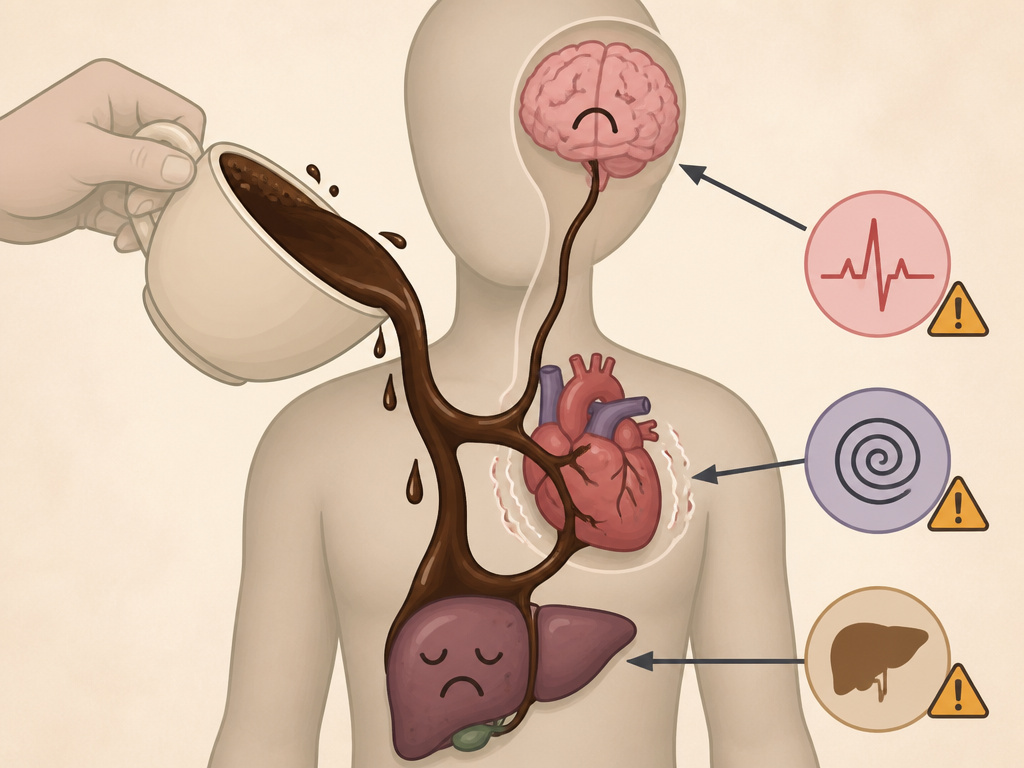
We all metabolize caffeine differently. But some groups aren’t just sensitive, their bodies lack the tools to process it safely.
- Children and Teens: Their nervous systems are still developing. The FDA doesn’t set a safe limit for them because negative effects like increased heart rate, high blood pressure, anxiety, and sleep disruption can happen at much lower doses.
- Pregnant and Breastfeeding Individuals: Caffeine crosses the placenta and enters breast milk. Metabolism slows during pregnancy, prolonging effects. Experts often recommend limiting intake to under 200mg per day. For specific guidance, understanding caffeine while breastfeeding is crucial.
- People with Heart Conditions: Caffeine can cause blood pressure spikes and trigger arrhythmias in those with underlying issues. What feels like a strong cup to one person can be a cardiac event trigger for another.
- Those with Anxiety or Panic Disorders: Caffeine mimics and exacerbates the physical symptoms of an anxiety attack, racing heart, sweating, trembling. It can turn a manageable day into a spiral.
- People on Certain Medications: Some antibiotics, antidepressants, and asthma medications interfere with the liver enzymes that break down caffeine. This can double or triple the effective dose of your morning cup.
The rule is simple. If you fall into one of these groups, the 400mg guideline does not apply to you. Your limit is lower, and the consequences of ignoring it are higher.
How to Cut Back Without the Withdrawal Headache
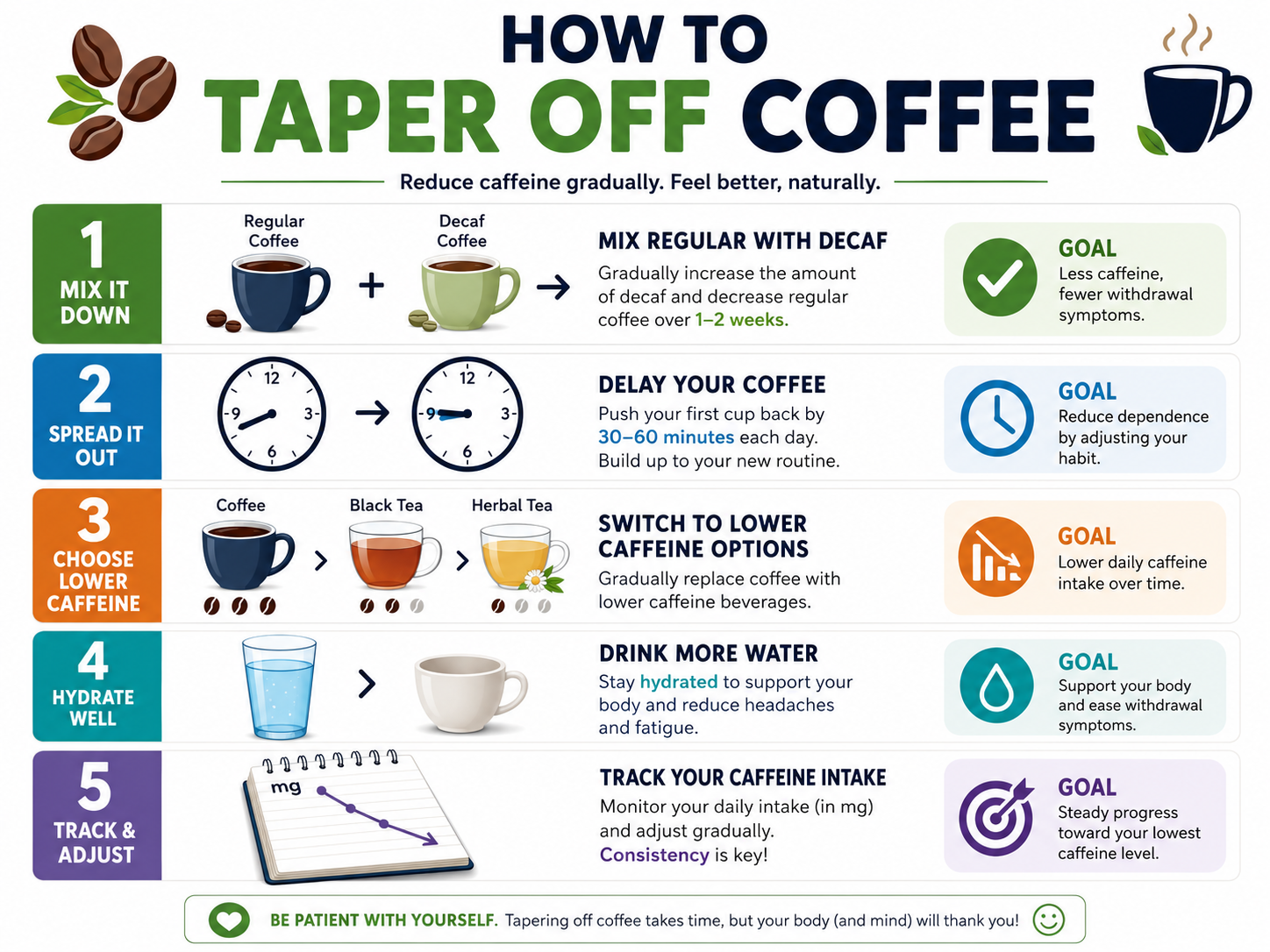
Quitting cold turkey is a guarantee of pain. Caffeine withdrawal is a recognized medical diagnosis, with headache being the most common symptom. It starts 12 to 24 hours after your last dose and can last up to nine days.
A taper works. It’s boring, but it works.
- Mix your brew. Start by blending your regular coffee with decaf. A 3:1 ratio (regular to decaf) for two days, then 1:1 for two days, then 1:3. Decaffeinated coffee still has 2 to 15 milligrams per cup, which takes the edge off.
- Delay your first cup. Push your morning coffee back by an hour each day. Your body adjusts to the new schedule gradually.
- Switch to a lower caffeine alternative. Black tea has about half the caffeine of coffee, green tea has less, and herbal tea has none. The ritual remains, but the stimulant load drops.
- Hydrate first. Drink a full glass of water before you touch coffee. Sometimes thirst masquerades as fatigue.
- Track your milligrams. Use an app or a notepad for three days. You’ll likely find one specific drink or time of day accounts for most of your intake. That’s your leverage point.
The goal isn’t zero caffeine for most people. It’s getting back below your personal threshold where coffee is a tool, not a crutch or a crisis.
When It’s an Emergency: Recognizing Severe Overdose
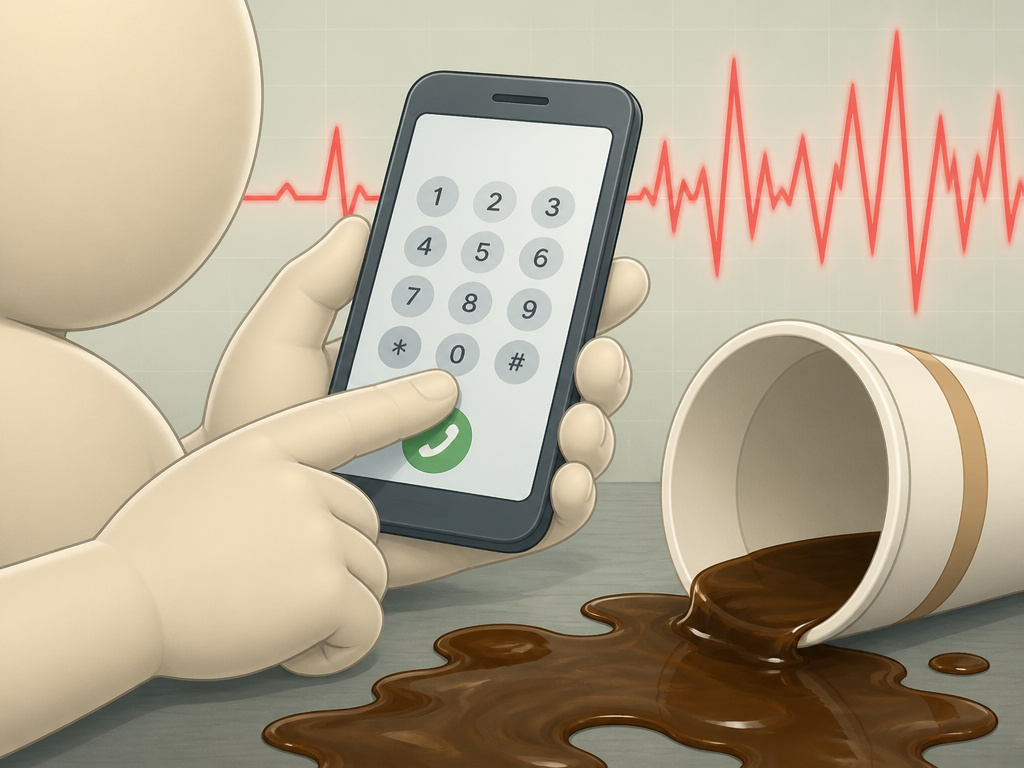
You need to know when home care stops and the ER trip starts. The line is clear.
If you or someone else experiences confusion, vomiting that won’t stop, chest pain, an irregular or racing heartbeat that feels scary, or especially muscle twitching progressing to seizures, call emergency services immediately. Do not wait. Do not “sleep it off.”
Before you start: If you suspect a caffeine overdose, tell the medical team everything, what was consumed, how much, and when. Caffeine’s low protein binding and small molecular size mean it can be removed by dialysis in extreme cases, but that’s a last-resort hospital treatment. Time is critical.
In the hospital, treatment focuses on stabilizing the heart and managing symptoms. They might use activated charcoal if the ingestion was very recent, or medications to control seizures and heart arrhythmias. The clinical caffeine toxicity review notes dialysis can be discontinued once serum caffeine concentration falls below 15 mg/L.
Frequently Asked Questions
What does a caffeine overdose feel like?
It starts like an extreme coffee buzz, jitters, anxiety, a pounding heart. As it worsens, you’ll feel nauseous, develop a throbbing headache, and might vomit. In severe cases, it escalates to chest pain, confusion, and muscle tremors that can lead to seizures. It feels like your body’s alarm system is screaming with no off switch.
Can you die from drinking too much coffee?
Technically yes, but it’s extremely rare with brewed coffee alone. The lethal dose is about 10 grams of caffeine, equivalent to 70-100 cups consumed rapidly, a nearly impossible volume. Deaths are almost always linked to accidental ingestion of concentrated caffeine powder or pills, where a tiny measurement error equals a fatal dose.
How long does caffeine stay in your system?
Caffeine’s half-life is 3 to 10 hours for a healthy adult. This means if you drink a 200mg coffee at 8 a.m., you’ll still have about 100mg in your system at 2 p.m., and 50mg at 8 p.m. For people with liver issues or on certain medications, this clearance time can be significantly longer, stretching the effects out over a day or more.
Is caffeine addiction real?
Yes, but it’s more accurately called “caffeine use disorder” or physical dependence. Your brain adapts to the constant presence of caffeine by creating more adenosine receptors. When you stop, all those extra receptors are suddenly empty, leading to the classic withdrawal symptoms: headache, fatigue, irritability, and difficulty concentrating.
What has more caffeine: coffee or energy drinks?
It depends on the serving. A standard 8-ounce cup of coffee (80-100mg) typically has more caffeine than an 8-ounce energy drink (70-80mg). However, energy drinks are often consumed in larger 16-ounce cans (140-300mg) and contain additional stimulants like guarana, which can amplify the effects and associated health impacts of energy drinks.
The Bottom Line
The 400-milligram daily limit is a boundary, not a target. Your personal limit is lower if you’re sensitive, pregnant, or on certain medications. The real danger isn’t your fourth cup of coffee, it’s the concentrated forms like powder, pills, and energy drinks where the dose is invisible and the margin for error is zero.
Listen to the early warnings. The jitters, the racing heart, the sour stomach, that’s your body’s check-engine light. Ignoring it doesn’t make you tough; it just pushes you closer to a system that can’t compensate. Step back, switch to water, and let your liver catch up. Tomorrow’s cup will taste better when you’re not trying to outrun its consequences.
{
“@context”: “https://schema.org”,
“@type”: “HowTo”,
“name”: “How to Recognize and Respond to Caffeine Overdose”,
“totalTime”: “PT10M”,
“step”: [
{
“@type”: “HowToStep”,
“name”: “Identify the early symptoms”,
“text”: “Recognize initial signs like a racing heart, jitters, and anxiety within 20-40 minutes of consuming a large amount of caffeine.”
},
{
“@type”: “HowToStep”,
“name”: “Stop all caffeine intake immediately”,
“text”: “Do not consume more coffee, tea, soda, or energy drinks. Switch to water.”
},
{
“@type”: “HowToStep”,
“name”: “Monitor for severe symptoms”,
“text”: “Watch for confusion, vomiting, chest pain, or irregular heartbeat. These indicate a medical emergency.”
},
{
“@type”: “HowToStep”,
“name”: “Seek emergency medical care”,
“text”: “If severe symptoms appear, call emergency services or go to the nearest ER. Inform them about caffeine consumption.”
},
{
“@type”: “HowToStep”,
“name”: “Manage mild overdose at home”,
“text”: “For milder symptoms, stay hydrated, rest, and wait for the caffeine to clear your system, which can take 3-10 hours.”
}
]
}
{
“@context”: “https://schema.org”,
“@type”: “FAQPage”,
“mainEntity”: [
{
“@type”: “Question”,
“name”: “What does a caffeine overdose feel like?”,
“acceptedAnswer”: {
“@type”: “Answer”,
“text”: “It starts like an extreme coffee buzz, jitters, anxiety, a pounding heart. As it worsens, you’ll feel nauseous, develop a throbbing headache, and might vomit. In severe cases, it escalates to chest pain, confusion, and muscle tremors that can lead to seizures. It feels like your body’s alarm system is screaming with no off switch.”
}
},
{
“@type”: “Question”,
“name”: “Can you die from drinking too much coffee?”,
“acceptedAnswer”: {
“@type”: “Answer”,
“text”: “Technically yes, but it’s extremely rare with brewed coffee alone. The lethal dose is about 10 grams of caffeine, equivalent to 70-100 cups consumed rapidly, a nearly impossible volume. Deaths are almost always linked to accidental ingestion of concentrated caffeine powder or pills, where a tiny measurement error equals a fatal dose.”
}
},
{
“@type”: “Question”,
“name”: “How long does caffeine stay in your system?”,
“acceptedAnswer”: {
“@type”: “Answer”,
“text”: “Caffeine’s half-life is 3 to 10 hours for a healthy adult. This means if you drink a 200mg coffee at 8 a.m., you’ll still have about 100mg in your system at 2 p.m., and 50mg at 8 p.m. For people with liver issues or on certain medications, this clearance time can be significantly longer, stretching the effects out over a day or more.”
}
},
{
“@type”: “Question”,
“name”: “Is caffeine addiction real?”,
“acceptedAnswer”: {
“@type”: “Answer”,
“text”: “Yes, but it’s more accurately called “caffeine use disorder” or physical dependence. Your brain adapts to the constant presence of caffeine by creating more adenosine receptors. When you stop, all those extra receptors are suddenly empty, leading to the classic withdrawal symptoms: headache, fatigue, irritability, and difficulty concentrating.”
}
},
{
“@type”: “Question”,
“name”: “What has more caffeine: coffee or energy drinks?”,
“acceptedAnswer”: {
“@type”: “Answer”,
“text”: “It depends on the serving. A standard 8-ounce cup of coffee (80-100mg) typically has more caffeine than an 8-ounce energy drink (70-80mg). However, energy drinks are often consumed in larger 16-ounce cans (140-300mg) and contain additional stimulants like guarana, which can amplify the effects and associated health impacts of energy drinks.”
}
}
]
}
