
What Alcohol Goes With Coffee | The Pairings That Keep
The best alcohols for coffee are Irish whiskey, Kahlúa, Baileys, Amaretto, and spiced rum. Their inherent sugars, vanilla, or spice profiles complement coffee’s bitterness. Bourbon and vodka act as neutral, high-proof bases. Avoid over-extracted coffee, rancid spirit oils, or excessive sweetness to ensure a balanced, flavorful pairing.
Irish whiskey, Kahlúa, Bailey’s Irish Cream, Amaretto, and spiced rum are the best alcohols for coffee. They work because their inherent sugars, vanilla notes, or spice profiles either mirror or balance coffee’s natural bitterness and roasted flavors. Bourbon and vodka serve as neutral, high-proof bases for more complex builds. The pairing fails when the coffee is over-extracted, the spirit’s oils turn rancid, or the balance tilts too sweet.
Most people reach for whatever bottle is open and end up with a drink that tastes like burnt alcohol or cloying syrup. They miss the chemical handshake happening in the glass, the way a spirit’s fat content can coat your palate against bitterness, or how its sugars can caramelize against coffee’s heat.
This guide maps the pairings that work, explains why they work down to the lipid molecules, and shows you how to build a coffee cocktail that holds together for more than one sip.
Key Takeaways
- Irish whiskey and coffee liqueurs like Kahlúa are top-tier because their vanilla and caramel notes are chemically similar to coffee’s own roasted compounds.
- Bourbon and vodka are utility players: bourbon adds oak and sweetness without fighting, vodka disappears and lets the coffee shine.
- Homemade coffee infusions go rancid within two weeks unless you freeze and strain them to remove the solidified coffee oils.
- Brew your coffee to SCA cupping standards (93°C water, medium roast, coarse grind) to avoid amplifying bitterness when alcohol hits it.
- Always add the spirit to the hot coffee first, then stir, then layer cream. Reversing the order curdles the cream every time.
The 7 Best Spirits for Coffee (and Why They Work)
The right spirit doesn’t just sit in coffee. It either mirrors the coffee’s flavor profile or strategically contrasts it. A mismatch amplifies the wrong notes, bitterness, acidity, a metallic finish.
Common mistake: Using a high-proof, unaged spirit like white rum or silver tequila in hot coffee, the heat volatilizes the alcohol and you get a harsh, solvent-like aroma that overpowers the coffee’s subtler notes. The drink becomes undrinkable after three sips.
Here are the seven that pass the chemical and sensory test.
1. Irish Whiskey
Jameson, Tullamore D.E.W., or any triple-distilled Irish whiskey works because the process leaves it smooth and slightly sweet. The lack of heavy peat or smoke means it won’t battle the coffee’s roasted character. Its vanilla and honey notes are cousins to the caramelization in a medium-roast bean.
Why it works: Triple distillation strips fusel oils and congeners that turn harsh when heated. What’s left are light esters and a touch of sweetness that meld with, rather than dominate, the coffee.
2. Coffee Liqueurs (Kahlúa, Mr. Black)
This is the obvious pick, but for a right reason. Kahlúa and its craft cousin Mr. Black are built with coffee, vanilla, and sugar. They’re pre-harmonized. Kahlúa’s higher sugar content (20g per serving) acts as a buffer against coffee acidity. Mr. Black uses cold-brew concentrate, which is less acidic than hot-brewed, for a drier, more coffee-forward result.
Why it works: The sugar and vanilla compounds are nearly identical to those created during coffee roasting. Adding them back via liqueur reinforces the coffee’s existing flavor instead of introducing a foreign one.
3. Bailey’s Irish Cream & Other Cream Liqueurs
Bailey’s isn’t just whiskey and cream. It’s an emulsion of dairy fat, spirits, and sugar. That fat is the key. It coats your tongue, physically blocking some of the bitter receptors from firing as aggressively when the coffee hits. It’s a textural trick as much as a flavor one.
| Liqueur | Best For | Risk If Skipped |
|---|---|---|
| Bailey’s Irish Cream | Beginners, dessert-like drinks | Separates in very hot coffee; always temper by adding coffee to the liqueur slowly. |
| RumChata | Cinnamon-forward coffees | Can make the drink overly sweet; reduce any added sugar. |
| Amarula | African single-origin coffees | The marula fruit flavor can clash with very dark roasts. |
Why it works: Dairy fat binds with bitter-tasting compounds like chlorogenic acid lactones. You physically taste less bitterness, so the sweet, vanilla notes of the liqueur come forward.
4. Amaretto
Disaronno and other almond liqueurs bring a marzipan, almost cherry-pit note. That bitter-almond flavor (benzaldehyde) is a fantastic bridge for coffee’s own roasted, sometimes nutty notes. It works especially well with Central American coffees that have inherent almond or chocolate hints.
Why it works: Benzaldehyde, the primary aroma compound in bitter almonds, is also produced during coffee roasting. Adding amaretto amplifies a note that’s already present in the bean’s chemistry.
5. Spiced or Dark Rum
Captain Morgan, Kraken, or any rum aged in charred barrels. The vanilla and spice from the barrel, plus the molasses base of the rum, pair with coffee like they’ve known each other for years. It’s the backbone of a Caribbean Coffee.
Why it works: The Maillard reaction products in barrel-aged rum (vanillin, furans) are chemically similar to those developed when coffee beans are roasted. They speak the same language.
6. Bourbon
Buffalo Trace, Maker’s Mark, or any wheated bourbon. Bourbon brings caramel, vanilla, and oak. Unlike Irish whiskey, it has a bigger, sweeter personality that can stand up to a dark roast. It’s for when you want the spirit to be a co-star, not a supporting actor.
Why it works: The charred American oak barrels impart lactones and vanillin. These compounds round out coffee’s sharper acidic edges, creating a smoother, more integrated sip.
7. Vodka
This seems counterintuitive, but a high-quality, neutral vodka like Belvedere or Tito’s has a purpose. It adds alcohol heat and weight without any flavor of its own. This is your blank canvas for coffee-infused spirits where you want the coffee to be the sole flavor star. It’s also the base for an Espresso Martini when you want the coffee to shine through.
Why it works: Vodka’s neutrality prevents flavor competition. It amplifies the coffee’s aroma by adding ethanol, which carries volatile compounds to your nose more efficiently than water alone.
TL;DR: Match sweet, aged, or fat-containing spirits with coffee. They buffer bitterness and share chemical flavor compounds. Avoid clear, unaged high-proof spirits, they turn harsh and solvent-like when heated.
The Spirits That Clash With Coffee (and the Science Behind It)
Not every bottle on your shelf belongs in a mug. Some spirits have chemical profiles that, when heated or mixed, create flavors that range from unpleasant to frankly undrinkable.
Gin & Herbal Liqueurs
The juniper and botanicals in gin (think Tanqueray, Hendrick’s) are fantastic cold. Heat them, and the delicate pine and floral notes warp into a medicinal, turpentine-like aroma. It overpowers any coffee character. The same goes for herbal liqueurs like Jägermeister or Chartreuse, their complex botanical blends turn muddled and bitter when hot.
The mechanism: Heat increases the volatility of monoterpenes like pinene and limonene found in juniper and citrus peels. What was a bright, fresh note becomes a loud, abrasive one that clashes with coffee’s own volatile organic compounds.
Silver/Blanco Tequila & Mezcal
Unaged tequila brings sharp, vegetal agave notes. Mezcal adds smoke. In a hot coffee, the alcohol heat accentuates the tequila’s peppery bite, and the smoke from mezcal fights the coffee’s roast instead of complementing it. The result is a disjointed, hot, confusing drink.
The timeline: You’ll know within the first sip. The agave notes turn sour against the coffee’s acidity, and the drink doesn’t integrate. It tastes like two separate liquids in one glass.
Overproof Rums & Cask-Strength Whiskies
Wray & Nephew Overproof Rum or Booker’s Bourbon bottle at 60% ABV or higher. That alcohol percentage is a problem. When you add it to hot coffee, the heat causes rapid evaporation of ethanol right under your nose. All you smell is sharp alcohol vapor, which numbs your palate before you even taste the coffee.
I tried a coffee cocktail with a 126-proof cask-strength Scotch once. The aroma blasted my sinuses, and by the time the heat died down, the coffee tasted like flat, bitter water. The spirit didn’t complement, it obliterated.
The fix: If you must use a high-proof spirit, stir it into cold brew concentrate first, then add that mixture to hot water. The dilution step tames the alcohol volatility before heat is introduced.
TL;DR: Gin turns medicinal, silver tequila goes vegetal and sour, and overproof spirits vaporize into an alcohol nose-numb. Heat is the enemy for these categories.
How to Build a Coffee Cocktail That Doesn’t Fall Apart
A good coffee drink is an emulsion of hot coffee, alcohol, and sometimes dairy. Get the order wrong, and it separates in the glass. Use the wrong coffee, and it tastes bitter. Ignore the oils, and your homemade bottle turns rancid on the shelf.
Start With the Right Coffee
Your coffee choice matters more than the spirit. A sour, under-extracted light roast will make any spirit taste thin and acidic. A burnt, over-extracted dark roast will add ashy bitterness.
Brew to the Specialty Coffee Association’s cupping standard: water at 93 ± 3°C, a medium roast (Agtron Gourmet scale 63), ground coarser than for drip (passes a 20 US mesh sieve). This protocol exists to evaluate coffee fairly, without extreme bitterness or acidity. It’s your baseline for a balanced cocktail.
If you’re using a blonde roast coffee for a milder base, you can push the extraction slightly longer to get more body without as much roast-derived bitterness.
The Layering Order Is Non-Negotiable
- Spirit first. Pour your chosen alcohol into the warm, empty glass.
- Hot coffee second. Add the coffee directly onto the spirit.
- Stir thoroughly. Integrate the two liquids completely.
- Sweeten if desired. Add sugar, simple syrup, or a flavored syrup now.
- Layer cream last. Gently pour cold, lightly whipped heavy cream over the back of a spoon held at the surface.
Common mistake: Adding cream before stirring the spirit and coffee, the cold cream hits the hot alcohol and curdles instantly, creating grainy flecks throughout the drink. The texture is ruined.
Skipping step three is how you get a shot of hot whiskey floating on a sea of lukewarm coffee. The first sip is pure fire.
Make Shelf-Stable Coffee Infusions
Infusing vodka or neutral grain spirit with coffee beans is simple. The problem is shelf life. Coffee beans are 15-17% lipids by weight. Those oils dissolve into the alcohol, then oxidize. After about two weeks at room temperature, your infusion starts to smell like wet cardboard and tastes metallic.
The fix is in your freezer. After infusing, strain the spirit into a clean bottle and freeze it for 24–48 hours. The coffee oils and microscopic solids solidify. Then, strain it again through a coffee filter. What’s left is a clear, stable infusion that won’t go rancid. For absolute safety, use a modern freeze-dried soluble coffee. It’s already had its oils removed or stabilized.
This process is similar to clarifying a fat-washed spirit, and it’s the only way to keep a homemade coffee liqueur from spoiling. Think of it like the diligence required for a good cinnamon coffee, the right technique prevents a muddy, separated mess.
Balance Sweetness and Strength
A coffee cocktail should be a drink, not a dessert soup. Use the spirit’s inherent sweetness as part of your calculation.
| Element | Too Little | Too Much | Sweet Spot |
|---|---|---|---|
| Spirit | Drink tastes weak, watery | Alcohol overpowers, tastes “hot” | 1.5 oz (45ml) for a standard mug |
| Coffee | Tastes like spiked water | Bitter, overwhelms other flavors | 6 oz (180ml) hot, strong brew |
| Sweetener | Drink is harsh, unbalanced | Cloying, masks coffee & spirit | 0.5 oz (15ml) simple syrup, or rely on liqueur’s sugar |
| Cream | Thin, unsatisfying mouthfeel | Heavy, coats palate, dulls flavor | 1 oz (30ml) lightly whipped heavy cream |
If you’re using a sweet liqueur like Kahlúa, skip added sugar. If you’re using whiskey, a teaspoon of brown sugar in coffee can bridge the gap. For a lighter touch, consider the subtle sweetness from almond milk coffee instead of cream.
TL;DR: Brew SCA-standard coffee, add spirit first, stir, then layer cream. Freeze homemade infusions to remove oils. Use the spirit’s sweetness to gauge added sugar.
3 Classic Coffee Cocktail Recipes (And Why They’re Classics)
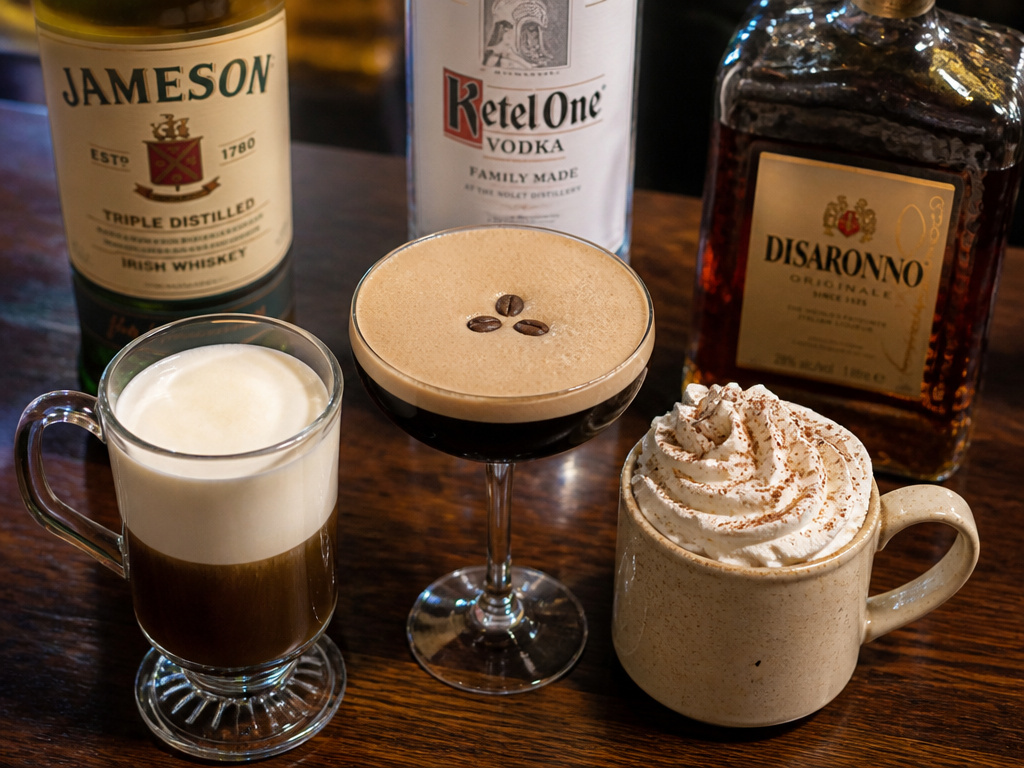
These aren’t just recipes. They’re balanced formulas where each ingredient has a job.
Irish Coffee
The template. It works because each component has a clear role.
* 2 oz Irish whiskey – The smooth, sweet base.
* 1 tsp brown sugar – Bridges whiskey and coffee.
* 6 oz hot, strong coffee – Brewed to SCA standard.
* Heavy cream, lightly whipped – Floated on top.
The build: Dissolve the sugar in the hot coffee. Add the whiskey. Stir. Float the cold cream over the back of a spoon. The cream chills the top layer, so you sip hot coffee through cold cream. The sugar is non-negotiable, it integrates the two alcohols (whiskey and coffee’s own alcohols) into a single flavor.
Espresso Martini
A cold, caffeinated stir. The vodka’s job is to be invisible.
* 2 oz vodka – High-quality, neutral.
* 1 oz coffee liqueur (Mr. Black preferred) – Provides coffee flavor and sweetness.
* 1 oz fresh espresso – Chilled.
* 0.5 oz simple syrup – Only if using a less-sweet liqueur.
The build: Shake all ingredients with ice until frost forms on the tin. Double-strain into a chilled coupe. The vigorous shaking creates the signature frothy “head” of tiny bubbles. Using fresh, chilled espresso is critical, stale espresso tastes bitter and flat.
Café Amore
A nutty, dessert-like warm drink. The amaretto is the star.
* 0.5 oz brandy (Hennessy) – Adds depth and oak.
* 0.5 oz coffee liqueur – Sweet coffee base.
* 0.75 oz amaretto – The dominant almond flavor.
* 6 oz hot coffee – Medium roast.
* Whipped cream for topping
The build: Combine brandy, coffee liqueur, and amaretto in a warm mug. Add hot coffee and stir. Top with whipped cream. The brandy isn’t there to be tasted; it’s there to add a bass note of complexity that keeps the amaretto from being one-dimensionally sweet. It’s a lesson in using a strong spirit as a background player.
Frequently Asked Questions
Can you put bourbon in coffee?
Yes, bourbon is one of the better pairings. Its vanilla and caramel notes from charred oak barrels complement coffee’s own roasted flavors. Wheated bourbons like Maker’s Mark are slightly sweeter and even more compatible. Avoid high-rye or cask-strength bourbons, as the alcohol heat can overwhelm the drink.
What is the best alcohol to mix with cold brew?
Vodka and coffee liqueur are the best choices for cold brew. Vodka adds potency without flavor competition, making it ideal for Espresso Martinis or simple spiked cold brew. Coffee liqueurs like Mr. Black are designed for cold applications and won’t separate. The lower acidity of cold brew also makes it more forgiving with aged rums and whiskeys.
Does Baileys curdle in coffee?
It can if you add it incorrectly. Bailey’s is an emulsion of cream and spirits. Pouring cold Bailey’s directly into very hot coffee can shock the emulsion, causing the dairy fats to separate and curdle. To prevent this, warm your mug first, add the Bailey’s, then slowly pour in the hot coffee while stirring. Pre-mixing stabilizes the temperature.
How long does homemade coffee liqueur last?
properly filtered homemade coffee liqueur lasts about one month in the refrigerator. The limiting factor is the dissolved coffee oils, which will oxidize and turn rancid. For longer shelf life, freeze the infused spirit after straining to solidify the oils, then filter it a second time through a coffee filter. This removes the fats that cause spoilage. Using a soluble coffee product, where oils are already removed, can extend shelf life significantly.
What’s the difference between Kahlúa and Mr. Black?
Kahlúa is sweeter (20g sugar per serving), uses a neutral spirit base, and has a pronounced vanilla flavor. Mr. Black is a cold-brew coffee liqueur; it’s less sweet, more coffee-forward, and uses a vodka base. Use Kahlúa when you want a sweet, dessert-like drink. Use Mr. Black when you want the coffee flavor to be the star, as in a more refined espresso caffeine content cocktail.
The Bottom Line
The best alcohol for coffee brings its own sugar, fat, or complementary roasted notes to the party. Irish whiskey, coffee liqueurs, amaretto, and spiced rum work because they share chemistry with the coffee bean. Bourbon and vodka work as neutral platforms. Everything else, gin, silver tequila, overproof spirits, fights the heat and turns the drink into a chore.
Start with coffee brewed to SCA cupping standards. Add your spirit first, stir, then layer your cream. If you’re infusing your own, freeze it and filter it twice. And remember the calories in coffee additions: a splash of cream or a shot of liqueur adds up, but it’s the price of a balanced, integrated drink that tastes like one thing, not two things at war in a mug.
{
“@context”: “https://schema.org”,
“@type”: “HowTo”,
“name”: “How to Pair Alcohol With Coffee for Balanced Cocktails”,
“totalTime”: “PT10M”,
“tool”: [
{
“@type”: “HowToTool”,
“name”: “Footed glass mug or heatproof rocks glass”
},
{
“@type”: “HowToTool”,
“name”: “Bar spoon for layering cream”
},
{
“@type”: “HowToTool”,
“name”: “Fine mesh strainer or coffee filter”
}
],
“step”: [
{
“@type”: “HowToStep”,
“name”: “Select a spirit with complementary sugar or fat content”,
“text”: “Choose a spirit like Irish whiskey or coffee liqueur that already contains sugars or oils, which buffer against coffee’s acidity and bitterness.”
},
{
“@type”: “HowToStep”,
“name”: “Brew coffee to SCA cupping standard”,
“text”: “Use water at 93°C and a medium roast ground coarser than for drip to avoid over-extracting bitter compounds that clash with alcohol.”
},
{
“@type”: “HowToStep”,
“name”: “Pre-mix hot coffee and spirit”,
“text”: “Combine the spirit and hot coffee in the serving glass first, then stir to integrate before adding any cream or sweeteners on top.”
},
{
“@type”: “HowToStep”,
“name”: “Float heavy cream for texture”,
“text”: “Pour gently whipped, cold heavy cream over the back of a bar spoon held just above the drink’s surface to create a distinct layer.”
},
{
“@type”: “HowToStep”,
“name”: “Strain homemade infusions before serving”,
“text”: “If you infused spirits with coffee beans, freeze the mixture for 24 hours after infusion, then strain through a coffee filter to remove solidified oils.”
}
]
}
{
“@context”: “https://schema.org”,
“@type”: “FAQPage”,
“mainEntity”: [
{
“@type”: “Question”,
“name”: “Can you put bourbon in coffee?”,
“acceptedAnswer”: {
“@type”: “Answer”,
“text”: “Yes, bourbon is one of the better pairings. Its vanilla and caramel notes from charred oak barrels complement coffee’s own roasted flavors. Wheated bourbons like Maker’s Mark are slightly sweeter and even more compatible. Avoid high-rye or cask-strength bourbons, as the alcohol heat can overwhelm the drink.”
}
},
{
“@type”: “Question”,
“name”: “What is the best alcohol to mix with cold brew?”,
“acceptedAnswer”: {
“@type”: “Answer”,
“text”: “Vodka and coffee liqueur are the best choices for cold brew. Vodka adds potency without flavor competition, making it ideal for Espresso Martinis or simple spiked cold brew. Coffee liqueurs like Mr. Black are designed for cold applications and won’t separate. The lower acidity of cold brew also makes it more forgiving with aged rums and whiskeys.”
}
},
{
“@type”: “Question”,
“name”: “Does Baileys curdle in coffee?”,
“acceptedAnswer”: {
“@type”: “Answer”,
“text”: “It can if you add it incorrectly. Bailey’s is an emulsion of cream and spirits. Pouring cold Bailey’s directly into very hot coffee can shock the emulsion, causing the dairy fats to separate and curdle. To prevent this, warm your mug first, add the Bailey’s, then slowly pour in the hot coffee while stirring. Pre-mixing stabilizes the temperature.”
}
},
{
“@type”: “Question”,
“name”: “How long does homemade coffee liqueur last?”,
“acceptedAnswer”: {
“@type”: “Answer”,
“text”: “properly filtered homemade coffee liqueur lasts about one month in the refrigerator. The limiting factor is the dissolved coffee oils, which will oxidize and turn rancid. For longer shelf life, freeze the infused spirit after straining to solidify the oils, then filter it a second time through a coffee filter. This removes the fats that cause spoilage. Using a soluble coffee product, where oils are already removed, can extend shelf life significantly.”
}
},
{
“@type”: “Question”,
“name”: “What’s the difference between Kahlúa and Mr. Black?”,
“acceptedAnswer”: {
“@type”: “Answer”,
“text”: “Kahlúa is sweeter (20g sugar per serving), uses a neutral spirit base, and has a pronounced vanilla flavor. Mr. Black is a cold-brew coffee liqueur; it’s less sweet, more coffee-forward, and uses a vodka base. Use Kahlúa when you want a sweet, dessert-like drink. Use Mr. Black when you want the coffee flavor to be the star, as in a more refined espresso caffeine content cocktail.”
}
}
]
}
