
Is Matcha Tea or Coffee Better? An Alkaline Buzz Comparison
Matcha tea is better than coffee for a sustained, alkaline energy boost. A 2g serving delivers 70mg of caffeine synchronized with 90mg of L-theanine, creating focused alertness without the acidic jolt or crash of coffee, which has 95mg of caffeine but zero L-theanine and a pH of 5.0.
Matcha is a powdered green tea made from shade-grown leaves that are steamed, dried, and stone-ground, while coffee is a brewed beverage made from roasted and ground coffee beans. The real difference is in the chemical payload: a 2g serving of matcha delivers about 70mg of caffeine alongside 90mg of L-theanine and 120mg of EGCG, creating an alkaline, focused energy. A 200ml cup of drip coffee delivers 95mg of caffeine, zero L-theanine, and hits your system with an acidic pH of 5.0.
Most comparisons stop at “matcha is calmer than coffee.” That misses the point. The mismatch isn’t about calm versus jittery. It’s about a synchronized, alkaline delivery system versus a solo, acidic stimulant rush. People who hate the coffee crash or the stomach burn are the ones who notice the shift first.
This guide breaks down the plant science, the ISO standard definitions, the exact chemical ratios, and the lived experience of switching. We’ll cover the preparation that makes or breaks the flavor, the grades that matter, and why your body might process one completely differently than the other.
Key Takeaways
- Matcha’s caffeine (70mg per serving) is paired with L-theanine, an amino acid that promotes alpha brain waves for a state of “calm alertness” without the jitters or crash common with coffee.
- The ISO/TR 21380:2022 standard defines true matcha by its cultivation and processing; flavored or blended powders sold as matcha do not meet this specification.
- Matcha is alkaline (pH ~9.0) while coffee is acidic (pH ~5.0), making matcha a gentler choice for those with acid reflux or sensitive stomachs.
- You consume the entire tea leaf with matcha, getting a concentrated dose of antioxidants like EGCG, whereas brewing coffee or regular tea extracts only water-soluble compounds.
- Preparation is non-negotiable: using water hotter than 80°C (176°F) scorches the powder, creating a harsh, bitter cup that turns first-timers away for good.
The Plant and The Powder: It’s Not Just Green Coffee
Coffee starts as a cherry. Matcha starts as a leaf. That foundational difference dictates everything that follows, from farming to the final sip. Coffee beans are the roasted seeds of Coffea fruits, prized for their oils and soluble compounds that hot water pulls out. Matcha is the entire leaf of the Camellia sinensis plant, specifically a shade-grown variety called tencha, which is steamed, dried, and ground into a fine powder.
The ISO/TR 21380:2022 standard for matcha tea defines it by its specific cultivation, manufacture, and sensory characteristics, explicitly excluding flavored, blended, or decaffeinated versions.
This isn’t semantics. The ISO standard matters because the market is flooded with “matcha-flavored” green tea powder. The real thing, as defined internationally, must come from shade-grown tea plants. The last 3-4 weeks before harvest, farmers cover the plants with bamboo or cloth. Deprived of direct sun, the leaves fight for light. They produce more chlorophyll, turning a deeper, vibrant green. They also ramp up production of L-theanine, the amino acid responsible for matcha’s signature effect.
The Chinese National Standard GB/T 34778-2017 further codifies requirements for terminology, testing, and labeling. When you buy ceremonial-grade matcha, you’re buying a product that meets these specific agricultural and processing benchmarks. Culinary-grade matcha, often used in lattes and baking, comes from later harvests or less regulated processing.
TL;DR: Real matcha is a defined agricultural product (shade-grown, steamed, stone-ground), not just any green tea powder. The shade-growing step is what boosts chlorophyll and L-theanine.
The Caffeine Difference: Jitters vs. Calm Alertness
A 2-gram serving of whisked matcha contains about 68mg of caffeine. A standard 200ml cup of drip coffee has about 95mg. On paper, coffee wins the caffeine race. But the experience is inverted. Coffee’s caffeine hits fast, often within 10-20 minutes, and can feel sharp and anxious. Matcha’s caffeine takes 20-40 minutes to peak, and it arrives with a chaperone.
That chaperone is L-theanine. The same 2g serving of matcha packs roughly 90mg of it. L-theanine crosses the blood-brain barrier and promotes alpha brain wave activity, the state associated with wakeful relaxation. It modulates the caffeine, smoothing its entry and extending its stay. The result isn’t drowsiness. It’s focused alertness without the edginess.
I switched after two decades of black coffee. The first week felt like a betrayal. Where was the familiar, urgent kick? By day ten, I noticed the 3 PM crash was gone. The background hum of anxiety I’d attributed to modern life had quieted. My hands stopped shaking when I was deep in work. This wasn’t placebo. It was the L-theanine doing its job, a effect noted in studies on stress and cognitive function in elderly populations.
| Beverage (Serving) | Caffeine | L-theanine | EGCG (Antioxidant) | Onset / Duration | pH |
|---|---|---|---|---|---|
| Matcha (2g, whisked) | ~68 mg | ~90 mg | ~120 mg | 20–40 min / 4–6 hr | ~9.0 |
| Brewed Green Tea (200ml) | ~28 mg | ~8 mg | ~30 mg | 15–30 min / 2–3 hr | ~7.0–8.0 |
| Drip Coffee (200ml) | ~95 mg | 0 mg | 0 mg | 10–20 min / 3–4 hr | ~5.0 |
The table shows the chemical conversation. Coffee is a monologue. Matcha is a dialogue. This is why the caffeine content in tea behaves so differently from the caffeine in black tea and coffee. The other players in the cup change the entire experience.
Common mistake: Assuming matcha is “weaker” because it has less caffeine, the L-theanine changes the pharmacokinetics, leading to a longer, smoother stimulation that many describe as more productive.
If your goal is a blunt instrument to shock your system awake, coffee is your tool. If you need sustained, clear-headed focus for a deep work session, the matcha vs coffee math starts to favor the powder. For a deeper dive on how brewing alters these compounds, our guide on caffeine in tea vs coffee breaks down steeping time and temperature.
TL;DR: Matcha has less caffeine than coffee but pairs it with L-theanine, creating a longer, smoother, and jitter-free alertness. It’s a different kind of energy.
Acidity and Your Stomach: pH 9.0 vs. pH 5.0
Coffee is acidic. Its pH sits around 5.0, which is why it can trigger heartburn or gastritis in sensitive people. Matcha is alkaline, with a pH around 9.0. This isn’t a minor detail, it’s the reason many former coffee drinkers report their stomach issues vanishing after the switch.
The acidity of tea and coffee is a major factor in daily tolerability. Coffee’s acids (like chlorogenic acid) are part of its flavor profile but are also gastrointestinal irritants. Matcha’s alkalinity comes from its high chlorophyll and mineral content. It’s gentler. You don’t need to drink it with food as a buffer.
I learned this the hard way. Years of black coffee on an empty stomach left a constant, low-grade burn. I assumed it was stress. Switching to matcha eliminated it within days. The absence of that background discomfort was more noticeable than any change in energy. For anyone comparing the health benefits of tea and coffee, digestive comfort is a non-trivial part of the equation.
This gentleness extends to dental health. Coffee is notorious for staining enamel. Matcha’s vibrant green pigment can stain too, but its alkalinity means it’s less likely to contribute to the erosion that makes staining worse. It’s a subtle, long-term benefit that doesn’t get enough airtime.
Antioxidant Firepower: Drinking the Whole Leaf
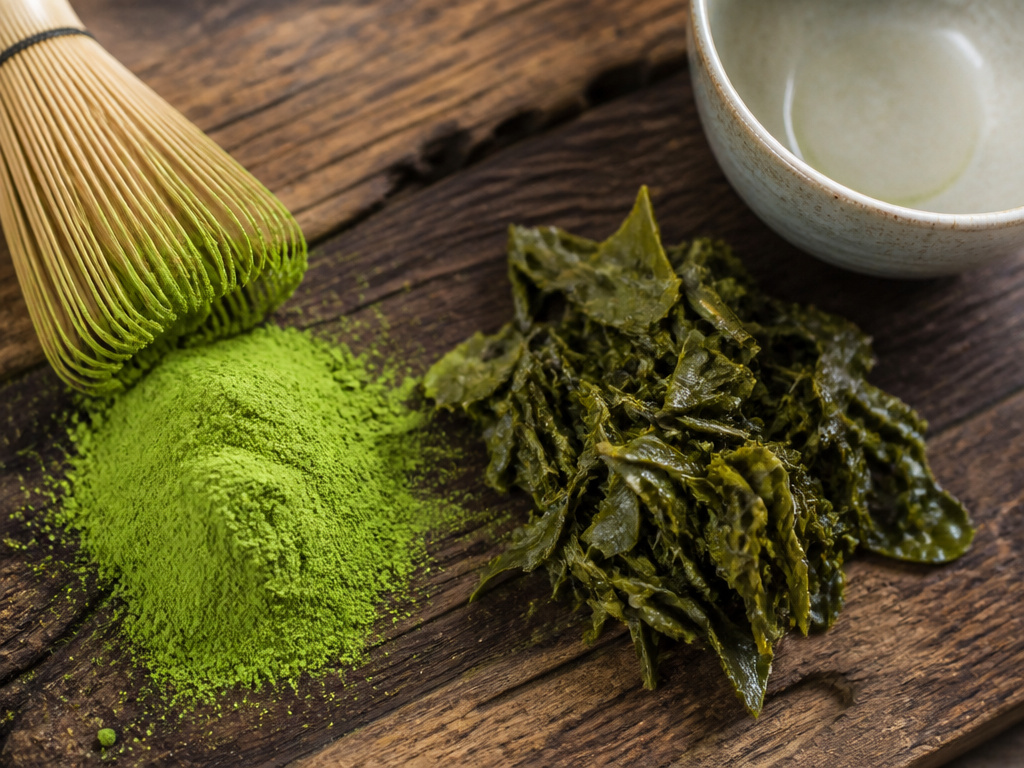
When you brew coffee or steep regular green tea, you’re extracting water-soluble compounds. You get some antioxidants, but you throw the rest away. When you drink matcha, you’re consuming the entire leaf in powdered form. This is the core of its nutritional claim.
The primary antioxidant in green tea is epigallocatechin gallate (EGCG). A 2g serving of matcha contains about 120mg of EGCG. To get that from brewed green tea, you’d need to drink at least four 200ml cups. You are, in effect, drinking a green tea vs coffee super-concentrate. Research into antioxidants like EGCG points to potential benefits for heart health and cellular function, though it’s crucial to view these as part of a diet, not a magic bullet.
I prefer ceremonial-grade matcha for straight drinking, the vegetal, umami flavor is clean and complex. For lattes or baking, a cheaper culinary grade works fine. The price difference is in the harvest timing and leaf selection, not just marketing.
This “whole leaf” consumption also means you ingest the fiber and chlorophyll. That’s what gives matcha its thicker, almost creamy mouthfeel compared to the thin, watery texture of brewed tea. It’s also why low-quality or old matcha can taste gritty or muddy, you’re literally chewing on stem and vein particles that weren’t sifted out.
TL;DR: You ingest the entire tea leaf with matcha, getting a concentrated dose of antioxidants, chlorophyll, and fiber that brewed tea leaves behind.
How to Drink Matcha (and Not Hate It)
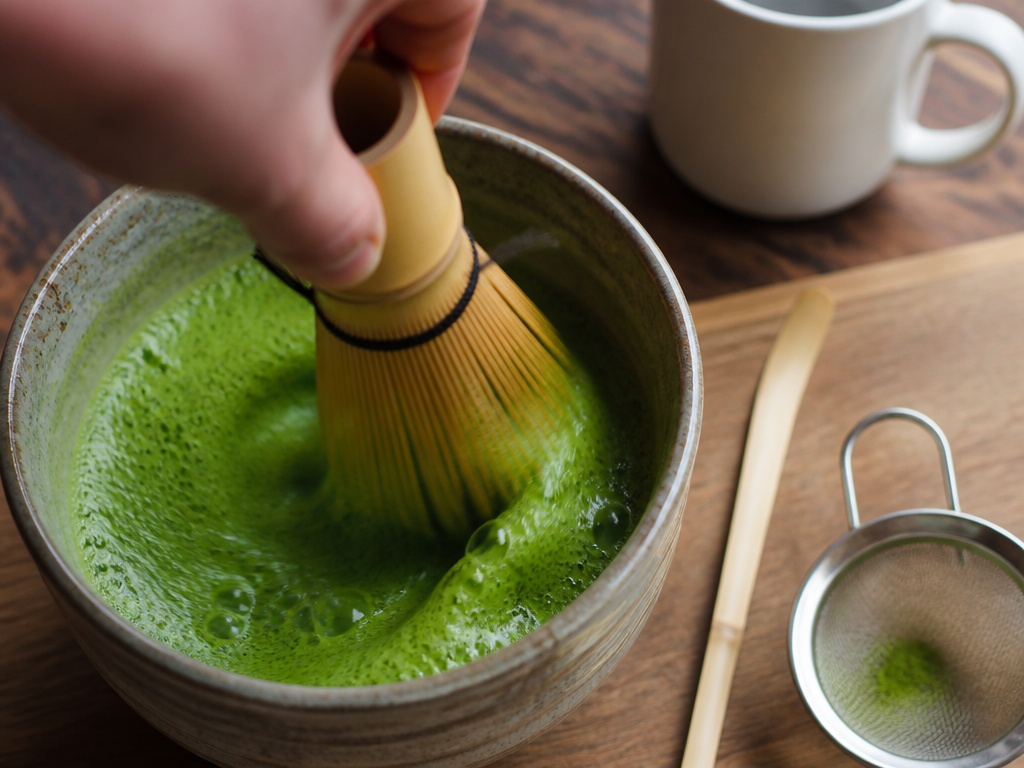
Most bad matcha experiences come from bad preparation. This isn’t like dumping instant coffee into hot water. The ritual matters because the chemistry demands it.
You need four things: a bowl (chawan), a bamboo whisk (chasen), a bamboo scoop (chashaku), and a fine sifter. The sifter is non-negotiable. Clumpy matcha powder will never whisk smooth. It will leave bitter, undissolved lumps at the bottom of your cup. Sift 1 to 2 grams (about 1-2 scoops) into your bowl.
The water temperature is the second make-or-break factor. Never use boiling water. The ideal range is 70–80°C (158–176°F). Boiling water scorches the delicate tea, releasing excessive tannins and making it unpleasantly bitter. Heat your water, then let it sit off the boil for a minute.
Add about 60ml (2 oz) of hot water to the bowl. Now whisk. Don’t stir. Use the chasen to whisk vigorously in a rapid “M” or “W” motion for 15-20 seconds. You’re not just mixing; you’re aerating to create a micro-foam on top. This froth is the sign of a good whisk and drastically improves the texture.
Common mistake: Using boiling water, it scorches the matcha, creating a harsh, bitter cup that first-timers mistake for the tea’s natural flavor. Let the kettle sit for 60 seconds after boiling.
Drink it immediately. The suspended particles will start to settle within a minute. If you want a latte, whisk the matcha with a small amount of hot water first to form a paste, then add steamed milk. Sweetening is personal, but try it straight first to taste the actual flavor profile, grassy, umami, with a sweet finish.
Grades and Costs: Ceremonial vs. Culinary

Not all matcha is created equal, and the price reflects that. The highest grades, used in Japanese tea ceremonies, can cost hundreds of dollars for 30 grams. The tea versus coffee price comparison falls apart here, daily coffee is cheap, daily ceremonial matcha is a luxury.
| Grade | Source Leaves | Flavor Profile | Best For | Price Point |
|---|---|---|---|---|
| Ceremonial | First harvest, youngest leaves, de-veined | Sweet, umami, smooth, no bitterness | Drinking straight (usucha) | High |
| Premium Culinary | First or second harvest, some stems | Balanced, slightly more astringent | Lattes, smoothies | Medium |
| Ingredient / Cafe | Later harvests, includes stems & veins | Robust, bitter, strong | Baking, cooking, sweetened drinks | Low |
Ceremonial grade comes from the very first spring harvest. The leaves are the youngest and most tender, manually de-veined and de-stemmed before stone-grinding. It tastes subtly sweet and complex, with no need for sweetener. Premium culinary grade is often from the same harvest but may include some stems, giving it a slightly more astringent edge that stands up to milk and sugar. The cheap “ingredient” grade you find in big bags is for baking, where subtlety is lost.
For daily drinking, a good premium culinary grade is the sweet spot. It has most of the benefits without the ceremonial price tag. The bright green color is your first quality check, dull, yellowish powder is old or low-grade.
When Matcha Isn’t the Answer
Matcha is not a coffee replacement for every scenario. It’s slower. The focused alertness it provides is useless if you need a five-minute kickstart to drag yourself out of bed. That’s coffee’s job. The caffeine release rates are fundamentally different.
It’s also more involved. You can’t just push a button. The sifting, whisking, and cleaning add five minutes to your routine. If your morning is a chaotic sprint, matcha will feel like a chore. Furthermore, the effects of green tea and matcha are subtle. If you’re chasing a strong, euphoric buzz, you’ll be disappointed.
People with certain health conditions should be cautious. Matcha is high in vitamin K, which can interfere with blood-thinning medications like warfarin. Its caffeine, while moderated, is still present and can affect heart rate or anxiety disorders. Always talk to a doctor before making a major dietary shift, especially if you’re managing a condition.
Finally, quality matters immensely. A bad, stale, or low-grade matcha tastes like bitter grass clippings. It will turn you off the entire category. Don’t judge it by the free sample packet that’s been sitting on a shelf for a year.
Frequently Asked Questions
Is matcha stronger than coffee?
In terms of caffeine content, no. A serving of matcha has less caffeine than a cup of coffee. But “strength” is subjective. Matcha provides a more sustained, focused energy due to the L-theanine, which many people find more functionally powerful for concentration than coffee’s sharper, shorter spike.
Can I drink matcha if I have anxiety?
Many people with anxiety report better tolerance for matcha than coffee. The L-theanine promotes relaxation without sedation, which can take the edge off caffeine-induced jitters. However, matcha still contains caffeine, so start with a small amount (1/2 tsp) to see how you react.
Why is matcha so expensive?
The labor-intensive process drives the cost. Shade-growing requires extra infrastructure. Only the youngest, most tender leaves are hand-picked for top grades. They are then steamed, dried, de-veined, and slowly stone-ground into an ultra-fine powder, it can take an hour to grind 30 grams. This isn’t mass-produced like ground coffee.
Does matcha stain teeth like coffee?
It can, but differently. Coffee’s tannins stain enamel directly. Matcha’s vibrant green pigment can leave a slight tint, but its alkaline nature means it’s less erosive. Good oral hygiene, rinsing with water after drinking, mitigates staining from any beverage.
Before You Go
The choice between matcha and coffee isn’t about which is objectively better. It’s about what your body and routine need. Coffee is a fast, potent stimulant, perfect for instant wakefulness. Matcha is a slower, synergistic experience, built for sustained focus and gentle on the stomach. The differences between tea and coffee are profound once you move past the basic caffeine comparison.
Try a small tin of good ceremonial-grade matcha. Use the right tools and water under 80°C. Give it two weeks. Pay attention not just to your energy, but to the absence of the crash, the stomach burn, or the shaky hands. That’s the real test. For some, it’s a life-changing switch. For others, coffee remains the irreplaceable morning ritual. At least you’ll know.
{
“@context”: “https://schema.org”,
“@type”: “HowTo”,
“name”: “How to Prepare Matcha Tea for a Calm Caffeine Boost”,
“totalTime”: “PT5M”,
“tool”: [
{
“@type”: “HowToTool”,
“name”: “Chawan (matcha bowl) or wide mug”
},
{
“@type”: “HowToTool”,
“name”: “Chasen (bamboo whisk)”
},
{
“@type”: “HowToTool”,
“name”: “Chashaku (bamboo scoop) or 1/2 teaspoon”
},
{
“@type”: “HowToTool”,
“name”: “Fine mesh sifter”
}
],
“step”: [
{
“@type”: “HowToStep”,
“name”: “Sift the matcha”,
“text”: “Sift 1-2 grams (about 1-2 scoops) of ceremonial-grade matcha powder into your bowl to break up clumps and ensure a smooth drink.”
},
{
“@type”: “HowToStep”,
“name”: “Heat the water”,
“text”: “Heat fresh water to 70-80°C (158-176°F). Do not use boiling water, as it will scorch the delicate matcha and create a bitter taste.”
},
{
“@type”: “HowToStep”,
“name”: “Add water and whisk”,
“text”: “Pour about 60ml (2 oz) of the hot water into the bowl. Use the bamboo whisk to whisk vigorously in a rapid ‘M’ or ‘W’ motion for 15-20 seconds until a fine froth forms on the surface.”
},
{
“@type”: “HowToStep”,
“name”: “Drink immediately”,
“text”: “Enjoy your matcha immediately after whisking. The suspended particles will settle within a minute, altering the texture.”
}
]
}
{
“@context”: “https://schema.org”,
“@type”: “FAQPage”,
“mainEntity”: [
{
“@type”: “Question”,
“name”: “Is matcha stronger than coffee?”,
“acceptedAnswer”: {
“@type”: “Answer”,
“text”: “In terms of caffeine content, no. A serving of matcha has less caffeine than a cup of coffee. But \”strength\” is subjective. Matcha provides a more sustained, focused energy due to the L-theanine, which many people find more functionally powerful for concentration than coffee’s sharper, shorter spike.”
}
},
{
“@type”: “Question”,
“name”: “Can I drink matcha if I have anxiety?”,
“acceptedAnswer”: {
“@type”: “Answer”,
“text”: “Many people with anxiety report better tolerance for matcha than coffee. The L-theanine promotes relaxation without sedation, which can take the edge off caffeine-induced jitters. However, matcha still contains caffeine, so start with a small amount (1/2 tsp) to see how you react.”
}
},
{
“@type”: “Question”,
“name”: “Why is matcha so expensive?”,
“acceptedAnswer”: {
“@type”: “Answer”,
“text”: “The labor-intensive process drives the cost. Shade-growing requires extra infrastructure. Only the youngest, most tender leaves are hand-picked for top grades. They are then steamed, dried, de-veined, and slowly stone-ground into an ultra-fine powder, it can take an hour to grind 30 grams. This isn’t mass-produced like ground coffee.”
}
},
{
“@type”: “Question”,
“name”: “Does matcha stain teeth like coffee?”,
“acceptedAnswer”: {
“@type”: “Answer”,
“text”: “It can, but differently. Coffee’s tannins stain enamel directly. Matcha’s vibrant green pigment can leave a slight tint, but its alkaline nature means it’s less erosive. Good oral hygiene, rinsing with water after drinking, mitigates staining from any beverage.”
}
}
]
}
