
How to Like Black Coffee – Practical Steps for Better Taste
To like black coffee, gradually reduce additives over a month and serve it between 60°C and 70°C (140–160°F). This hotter temperature suppresses bitterness, as shown in a scientific study, making the transition easier. Focus on tasting the coffee’s natural acidity and subtle flavors instead of masking them.
To like black coffee, you need to desensitize your palate to bitterness and retrain it to appreciate acidity and subtle flavors. The process hinges on two things: gradually reducing additives over a month and serving the coffee hotter than you think, between 60°C and 70°C (140–160°F). The hotter temperature suppresses bitter perception, a finding supported by a scientific study on coffee temperature, making the transition far less jarring.
Most people try to go cold turkey from a double-double to straight black espresso. That’s like jumping into a freezing lake. The shock triggers a gag reflex, and you swear off black coffee forever. The real path is a slow, deliberate rewiring.
This guide walks through the sneaky reduction method that actually worked, the exact bean profiles that bridge the gap, and the brewing tweaks that make black coffee taste good, not just tolerable.
Key Takeaways
- Start by cutting sugar in half for a week, then switch to a weaker creamer. This dismantles the sweetness-and-fat crutch one leg at a time.
- Serve your coffee between 60°C and 70°C (140–160°F). Hotter liquid significantly reduces perceived bitterness.
- Find your “narrow window”, a specific bean and brew method you can tolerate black. Washed-process Guatemalan or Ethiopian light roasts, brewed slightly weak, are the most common gateways.
- Commit to drinking only that black coffee for two full weeks. Your palate recalibrates around day ten.
- If black coffee still tastes overwhelmingly bitter after temperature and bean adjustments, add a tiny pinch of salt to the grounds before brewing. It neutralizes bitterness at a molecular level.
The Two-Step Desensitization Method
Forget going straight to black. Your palate is hooked on sugar and fat. You need to wean it off.
First, attack the sugar. Reduce the amount you add by half. Do this for a solid week. If you normally use two teaspoons, use one. Your brain will notice the missing sweetness, but the cream will still provide a familiar, fatty mouthfeel. This step breaks the immediate sugar-craving cycle.
Next, swap the cream. If you use heavy cream or whole milk, switch to half-and-half or a light oat milk. The goal is to reduce the fat layer that masks coffee’s true flavor. Do this for another week. You’re now drinking a slightly sweet, lightly creamy coffee. The character of the bean is starting to peek through.
I used this exact method on my wife for almost a year. I’d make her morning coffee and just… put less sugar in it. Then less cream. She’d take a sip, sometimes add more, but eventually her palate adjusted without her even setting a goal. By the end, she preferred it black more often than not. Patience beats willpower every time.
TL;DR: Halve your sugar for a week, then switch to a lighter creamer the next week. It’s a slow detox that works.
Why Temperature Is Your Secret Weapon
You can do everything right with beans and brew and still hate black coffee if it’s lukewarm. Bitterness receptors on your tongue are most sensitive at lower temperatures. A study on consumer black coffee preferences found a strong correlation between serving temperature and liking, hotter coffee was consistently rated as less bitter and more enjoyable.
Aim for 60–70°C (140–160°F). That’s hotter than most coffee shops serve takeaway cups. If you don’t have a thermometer, here’s a test: the coffee should be almost too hot to sip comfortably, but not so hot it scalds. You’ll take smaller, slower sips. This does two things. It gives the aromatics a chance to volatilize properly, and it physically suppresses the bitter taste.
| Temperature Range | Perceived Bitterness | Best For |
|---|---|---|
| 50–55°C (122–131°F) | Highest | Iced coffee (bitterness is muted by cold) |
| 60–70°C (140–160°F) | Lowest | Transitioning to black coffee |
| 75°C+ (167°F+) | Medium | Espresso (quick sip, crema layer) |
Common mistake: Letting black coffee cool to room temperature before trying it, the bitterness amplifies as it drops below 60°C, and you’ll associate black coffee with that harsh, unpleasant finish.
The mechanism is straightforward. Heat increases the volatility of aromatic compounds, sending more positive scent signals to your brain as you sip. It also temporarily overwhelms the bitter-sensitive taste buds. Serve it hot.
Your First Black Coffee: The Narrow Window
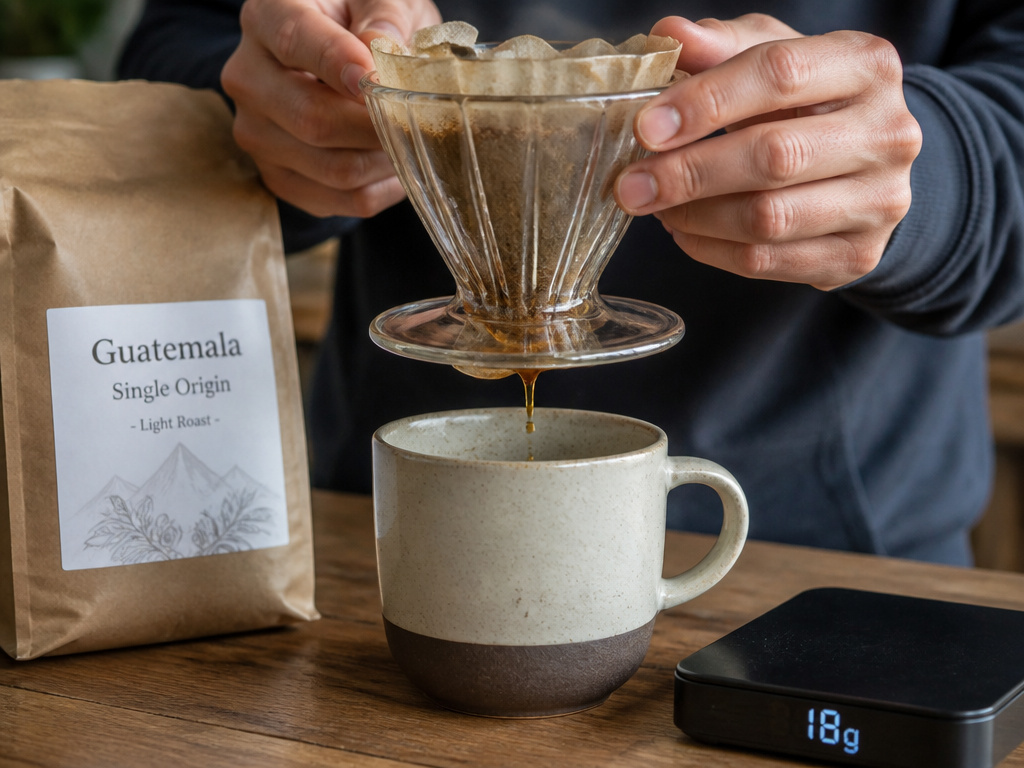
Not all black coffee is created equal. The stuff from a gas station or an old office drip machine is often over-extracted and burnt. Starting with that is setting yourself up for failure.
You need to find your “narrow window”, the one type of black coffee you can actually tolerate. For most people, that window is a washed-process, single-origin coffee from Guatemala or Ethiopia, roasted light to medium, and brewed slightly weaker than the standard recipe.
Why these parameters?
* Washed Process: This processing method produces a cleaner, brighter cup with more pronounced acidity and less earthy funk than natural or honey-processed beans.
* Guatemalan / Ethiopian: These origins are famous for floral, tea-like, or citrusy notes (think jasmine, bergamot, lemon) rather than the heavy, smoky flavors of some dark roasts.
* Light to Medium Roast: Lighter roasts retain the bean’s origin characteristics and have higher acidity. That acidity reads as “brightness” or “tang,” which is far more pleasant to a new black-coffee drinker than the flat, carbon bitterness of a dark roast.
* Brewed Weaker: Use a 1:18 coffee-to-water ratio instead of the standard 1:15 or 1:16. This lowers the overall extraction strength, making the cup milder and more approachable.
Here’s how to brew your test cup:
1. Grind 18g of a light roast Guatemalan coffee slightly coarser than for drip.
2. Heat water to 92°C (198°F).
3. Pour 320g of water over the grounds for a pour-over, or use a French press with a 4-minute steep.
4. Let it cool just enough to not burn your tongue, then sip.
This isn’t about finding your ultimate favorite coffee. It’s about finding a black coffee you don’t actively dislike. That’s the window.
The Gear That Actually Matters
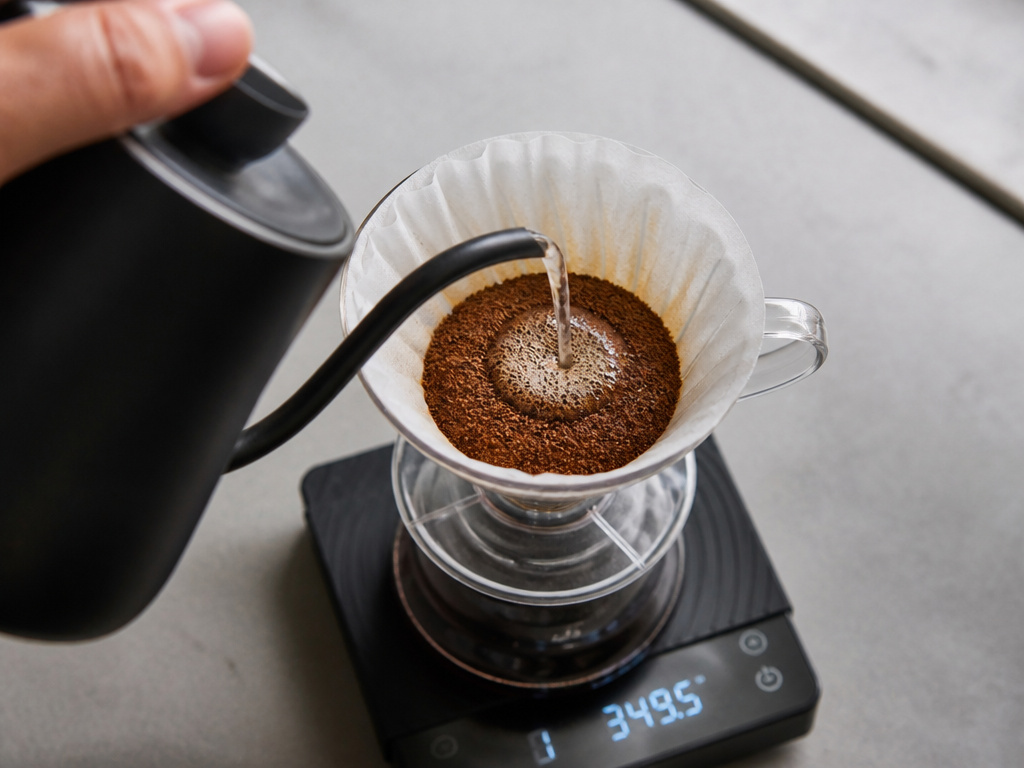
You don’t need a $500 setup, but you do need control over two variables: grind size and water temperature. A blade grinder won’t cut it.
A consistent grind is non-negotiable. Inconsistent grounds cause uneven extraction, some over-extract (bitter), some under-extract (sour). A burr coffee grinder solves this by crushing beans between two surfaces to a uniform size. The Baratza Encore is the baseline entry point. Skipping this and using pre-ground coffee means your “narrow window” becomes a tiny, moving target you’ll never hit.
Water temperature is the other lever. A standard kettle works, but a gooseneck kettle with a built-in thermometer (like the Bonavita 1.0L Variable Temperature) removes the guesswork. You need that 92°C for light roasts. Too cool, and you under-extract, getting sour, grassy notes. Too hot, and you scorch the beans, pulling out ashy bitterness.
The short list:
* Grinder: Baratza Encore burr grinder (or equivalent).
* Brewer: Hario V60 pour-over (for clarity) or a French press (for body and simplicity).
* Kettle: Gooseneck with temperature control.
* Scale: A simple 0.1g resolution scale to measure coffee and water.
I trained my palate on coffee from a terrible office machine. It took years. Buying a simple scale and a French press cut that time to months. The gear isn’t about being fancy; it’s about removing variables so you can taste the coffee, not the process.
When Black Coffee Still Tastes Bitter
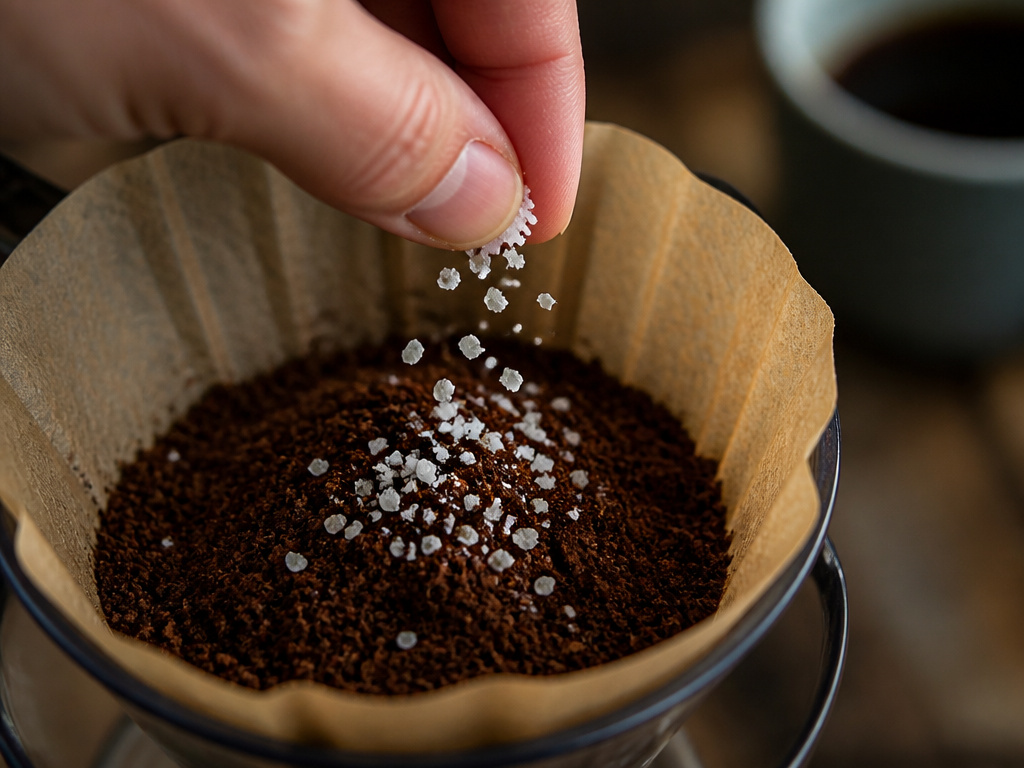
You’ve found your bean, you’re brewing it hot, and it still makes you wince. Before you give up, try this: add a tiny pinch of kosher salt to your coffee grounds before you brew.
This isn’t an old wives’ tale. Salt sodium ions interfere with your tongue’s ability to bind to the bitter compounds (like chlorogenic acid) in coffee. It doesn’t make the coffee salty; it neutralizes the bitter edge. We’re talking about 2-3 grains of salt per cup, literally a pinch. For more on this counterintuitive fix, our guide on reducing coffee bitterness walks through the science and the exact ratio.
Other culprits and fixes:
* Over-extraction (Bitterness): Your grind is too fine, your water is too hot, or your brew time is too long. Grind coarser.
* Under-extraction (Sourness): Your grind is too coarse, your water is too cool, or your brew time is too short. Grind finer.
* Stale Beans: Coffee beans peak 7-14 days after roasting and fall off a cliff after 4 weeks. Old coffee tastes flat and papery.
* Dirty Equipment: Oils from previous brews go rancid. Clean your grinder and brewer weekly with a dedicated cleaner like Cafiza.
| Symptom | Likely Cause | Immediate Fix |
|---|---|---|
| Sharp, vinegar-like sourness | Under-extraction | Grind finer, increase water temperature |
| Harsh, lingering bitterness | Over-extraction | Grind coarser, decrease brew time |
| Flat, papery, bland taste | Stale beans | Buy fresher beans, roast date within 3 weeks |
| Muddy, oily mouthfeel | Dirty equipment | Clean grinder burrs and brewer with Cafiza |
If bitterness persists, explore flavor profiles of black coffee from different origins. You might simply prefer the malty, rounded body of a Sumatran over the bright acidity of a Kenyan.
Making It a Habit (The 14-Day Rule)
Finding one black coffee you can tolerate is a victory. Making it your default drink requires a short, strict habit loop.
Commit to drinking only your “narrow window” black coffee for the next two weeks. No sugar. No cream. No alternative drinks during your usual coffee time. This isn’t about enjoyment yet; it’s about recalibration.
Your taste buds adapt. The bitterness receptors that fire like alarm bells on day one become less sensitive by day ten. The bright, acidic, and fruity notes that were buried before start to become the dominant signals. This is neuroplasticity in your mouth.
Set up your environment for success:
1. Morning Routine: Prep your equipment the night before. Measure beans into the grinder. Fill the kettle.
2. Eliminate Temptation: Don’t buy cream or sugar for these two weeks. Out of sight, out of mind.
3. Pair It: Drink your black coffee with a small piece of dark chocolate or a buttery croissant. The fat and slight sweetness complement the coffee and make the experience pleasurable, not punitive.
After two weeks, try a sip of your old, creamy, sugary coffee. It will likely taste cloying and one-dimensional. Your palate has shifted.
Exploring the World of Black Coffee
Once black coffee is no longer a chore, it becomes a hobby. Now you can explore.
The single-origin versus blend debate matters here. A single-origin coffee from a specific farm in Ethiopia will have distinct, traceable flavors, blueberry, jasmine, lemon. A blend is engineered for consistency and balance, often with a chocolatey, nutty base. Start with single-origins to train your palate to identify specific notes.
Experiment with brew methods. Each highlights different aspects:
* Pour-Over (V60, Kalita Wave): Highlights clarity, acidity, and delicate floral notes. Best for light roasts.
* French Press: Emphasizes body, oils, and deeper chocolatey notes. Forgiving and consistent.
* Aeropress: Versatile. Can mimic the clean cup of a pour-over or the richness of an espresso concentrate.
You can also play with additives that don’t mask flavor but enhance the experience. A dash of cinnamon in coffee adds a sweet, woody spice that complements without sweetening. For a richer, fattier mouthfeel that provides sustained energy, consider a teaspoon of coconut oil in coffee.
Frequently Asked Questions
Can I learn to like black coffee if I hate bitterness?
Yes, because bitterness is often a product of brewing, not the coffee itself. Start with a high-quality, light roast blonde roast coffee, brew it with water at 92°C (198°F), and drink it above 60°C (140°F). The hotter temperature physically suppresses bitter perception. If it’s still bitter, a tiny pinch of salt in the grounds neutralizes it.
How long does it take to get used to black coffee?
consistent two-week period of drinking only black coffee is enough for most palates to adapt. The first 3-4 days are the hardest. By day ten, the sharp bitterness fades, and other flavor notes become more prominent.
Is black coffee healthier than coffee with cream and sugar?
Black coffee has virtually no calories, sugar, or saturated fat. Adding cream and sugar introduces those elements. For pure antioxidant intake and caffeine without caloric load, black coffee is the clear choice. For a deeper dive, compare the health benefits of black coffee to other beverages.
What if I only like coffee with milk or creamer?
That’s fine. The goal isn’t purity; it’s enjoyment. If you want to reduce dairy, try switching to a dairy-free coffee creamer like oat or almond milk. They add creaminess without the same masking effect as heavy dairy. You can also experiment with coffee sweeteners like brown sugar or maple syrup, which add flavor complexity beyond simple sweetness.
Why does my black coffee taste sour?
Sourness usually means under-extraction. Your grind is too coarse, your water wasn’t hot enough, or your brew time was too short. For a light roast coffee beans, you need a finer grind and hotter water (92–94°C) to pull out the sugars fully.
Before You Go
Liking black coffee isn’t an innate talent. It’s a trained preference. The path is mechanical: halve your sugar, lighten your cream, serve it scalding hot, and find one bean you can stand. Drink that exclusively for fourteen days. Your brain will do the rest.
The reward is access to a wider world of flavor, the citrus pop of an Ethiopian, the chocolate depth of a Brazilian, the tea-like finish of a washed Guatemalan. You stop drinking a vehicle for cream and sugar and start drinking coffee.
