
Does Mushroom Coffee Work? What the Science Actually Says
Mushroom coffee works to provide a smoother, jitter-free energy lift from caffeine and general wellness support from adaptogens like lion’s mane and chaga. It is not a pharmaceutical treatment. Human trials on specific blends are limited, but evidence for individual mushroom extracts is promising.
Most people get this wrong because they expect a dramatic, overnight transformation from a single cup. They conflate the promising in vitro research on isolated mushroom compounds with the guaranteed, immediate effect of a caffeine pill. The reality is subtler.
This guide breaks down the science behind Lion’s Mane, Chaga, Cordyceps, and Reishi, explains why extraction method is everything, and gives you a realistic framework to test if mushroom coffee works for you.
Key Takeaways
- Human clinical evidence for mushroom coffee is minimal, but studies on the individual mushrooms show promise for immune modulation, cognitive support, and stress adaptation.
- The product’s quality is decided by two things: using mushroom fruiting body extracts (not just mycelium) and a dual-extraction process to capture both water-soluble and alcohol-soluble compounds.
- Expect subjective, cumulative effects over weeks, like slightly better focus or less afternoon crash, not a sudden “magic bullet” change after one serving.
- Mushroom coffee typically contains about half the caffeine of a standard cup, which is a primary benefit for those sensitive to jitters.
- You are paying a significant premium for the mushroom extracts; a quality 30-serving bag often costs 3-4 times more than premium instant coffee.
How Mushroom Coffee Is Made (And Why It Matters)
Mushroom coffee is not brewed from mushroom-flavored beans. It is almost always a blend of instant coffee and powdered mushroom extracts. The type of mushroom, the part used, and how it’s processed determine whether you’re buying a functional supplement or expensive, flavored dust.
The commercial process starts with harvesting the fungal fruiting body, the actual mushroom you’d recognize. For Lion’s Mane, that’s the white, cascading structure. For Chaga, it’s the hard, black growth on birch trees. These are dried, ground, and then subjected to extraction.
A standard dual-extraction process uses hot water to pull out beneficial polysaccharides like beta-glucans, followed by an alcohol soak to extract triterpenes and other compounds. This yields a full-spectrum extract. Single-extraction methods miss key bioactives.
TL;DR: True mushroom coffee uses dual-extracted fruiting body powder, not just ground-up mycelium. The extraction method is the difference between a potent supplement and a placebo.
Fruiting Body vs. Mycelium: The $50 Difference
This is the most critical distinction for your wallet. The fruiting body is the mature reproductive structure of the fungus, where most of the studied bioactive compounds are concentrated. Mycelium is the root-like network that grows in substrate, often grain.
Many cheaper products use “myceliated biomass”, mycelium grown on and harvested with its grain substrate. This dilutes the active mushroom content with starch. A product label that says “mushroom” but lists “organic myceliated oats” or “mycelium on brown rice” as the first ingredient is primarily selling you grain powder. Always look for products that explicitly state “fruiting body extract.”
| Component | What It Is | Potency & Cost | What to Look For on a Label |
|---|---|---|---|
| Fruiting Body Extract | Powder from the actual mushroom structure. | High potency, higher cost. Contains the full profile of studied compounds. | “Lion’s Mane (Hericium erinaceus) fruiting body extract (1:1)” |
| Myceliated Biomass | Mycelium grown on and blended with grain (rice, oats). | Lower potency, much cheaper. Diluted with starch filler. | “Lion’s Mane mycelium*” with an asterisk to “grown on organic brown rice.” |
The Role of the Coffee
The coffee in mushroom coffee isn’t just a flavor carrier. The caffeine and other compounds in coffee create a synergistic effect. The lower caffeine content, around 50mg per serving in brands like Four Sigmatic versus 95mg in a standard cup, provides a gentler stimulant base. This allows the purported adaptogenic effects of the mushrooms, which work on regulating the body’s stress response, to be felt without being overpowered by a jittery caffeine rush. Some enthusiasts also add other functional ingredients like MCT oil in coffee for a sustained energy blend.
The Evidence for Popular Mushrooms
Let’s move from process to proof. Here’s what the research says about the mushrooms commonly featured in your cup.
Lion’s Mane (Hericium erinaceus) – The Nootropic
Lion’s Mane is famous for its potential cognitive benefits. It contains hericenones and erinacines, compounds that may stimulate the production of Nerve Growth Factor (NGF). A 2023 review in the International Journal of Medicinal Mushrooms noted that several human trials have shown modest improvements in cognitive function in older adults with mild impairment.
Common mistake: Expecting Lion’s Mane to work like a stimulant, you won’t feel a “kick.” Its effects are subtle and noticed over time, often as slightly improved recall or mental clarity during long tasks.
The mechanism is neurotrophic, not stimulative. Think of it as potential support for brain maintenance, not a chemical push. In mushroom coffee, a typical serving might contain 250mg of extract. Whether that’s a clinically meaningful dose in this format is still being studied. For a different kind of mental boost, some people explore the slow-release caffeine found in tea.
Chaga (Inonotus obliquus) – The Antioxidant Powerhouse
Chaga is packed with antioxidants, particularly melanin and superoxide dismutase (SOD). The UCLA Health mushroom coffee article points out that while Chaga shows strong antioxidant activity in the lab, robust human trials are lacking. Its traditional use revolves around immune support.
The hot water extraction is crucial for Chaga to pull out its beta-glucans, which are studied for immune-modulating effects. You are essentially drinking a very mild, coffee-flavored fungal tea with antioxidant properties. It’s a wellness addition, not a cure-all.
Cordyceps & Reishi – The Adaptogens
- Cordyceps is associated with energy and endurance, with studies (like the 2014 PLoS ONE meta-analysis) suggesting potential benefits for kidney function and exercise tolerance. It’s thought to improve cellular oxygen utilization.
- Reishi (Ganoderma lucidum) is the “queen of mushrooms,” revered for promoting calm and supporting the immune system. Its triterpenes are believed to contribute to its adaptogenic, stress-buffering qualities.
Both are classic adaptogens, meaning they may help the body resist stressors. In coffee, they aim to take the edge off the caffeine’s stimulant effect, promoting a more balanced energy. This is similar to the goal of adding healthy fats in coffee for sustained release.
What Mushroom Coffee Can and Cannot Do
Setting realistic expectations is the key to deciding if this product is for you. Based on the current evidence, here’s a pragmatic breakdown.
Realistic Potential Benefits
- Smoother, Lower-Caffeine Energy: This is the most universally reported benefit. With about half the caffeine, many experience focus without the jitters, anxiety, or severe crash. It’s a great option for afternoon coffee.
- Subtle Cognitive Support: Regular users of Lion’s Mane blends often report a mild, cumulative improvement in mental clarity and focus over weeks of use. It’s not a smart drug, but it might help you stay on task.
- General Wellness Support: Incorporating antioxidant and adaptogenic compounds into your daily routine can be a proactive wellness habit, similar to taking a vitamin or drinking green tea. The Illinois Extension mushroom coffee blog frames it well as a functional food, not a medicine.
- Digestive Ease: Some find mushroom coffee gentler on their stomach than acidic black coffee, though this varies by individual.
What It Almost Certainly Won’t Do
- Cause Dramatic Weight Loss: Any product claiming mushroom coffee melts fat is selling fantasy. While balanced energy might support better habits, the coffee itself is not a weight-loss solution.
- Cure or Treat Medical Conditions: It is not a proven treatment for anxiety, depression, Alzheimer’s, or cancer. It is a dietary supplement, not a pharmaceutical.
- Produce Immediate, Noticeable Effects: Unlike caffeine, the mushroom effects are adaptogenic. You notice their absence over time (e.g., “I stopped for a week and felt more scattered”), not their presence immediately after drinking.
- Taste Like Mushrooms: If processed well, it tastes like slightly earthy, smooth coffee. The mushroom flavor is muted, which is a pro for most drinkers.
How to Choose a Quality Product
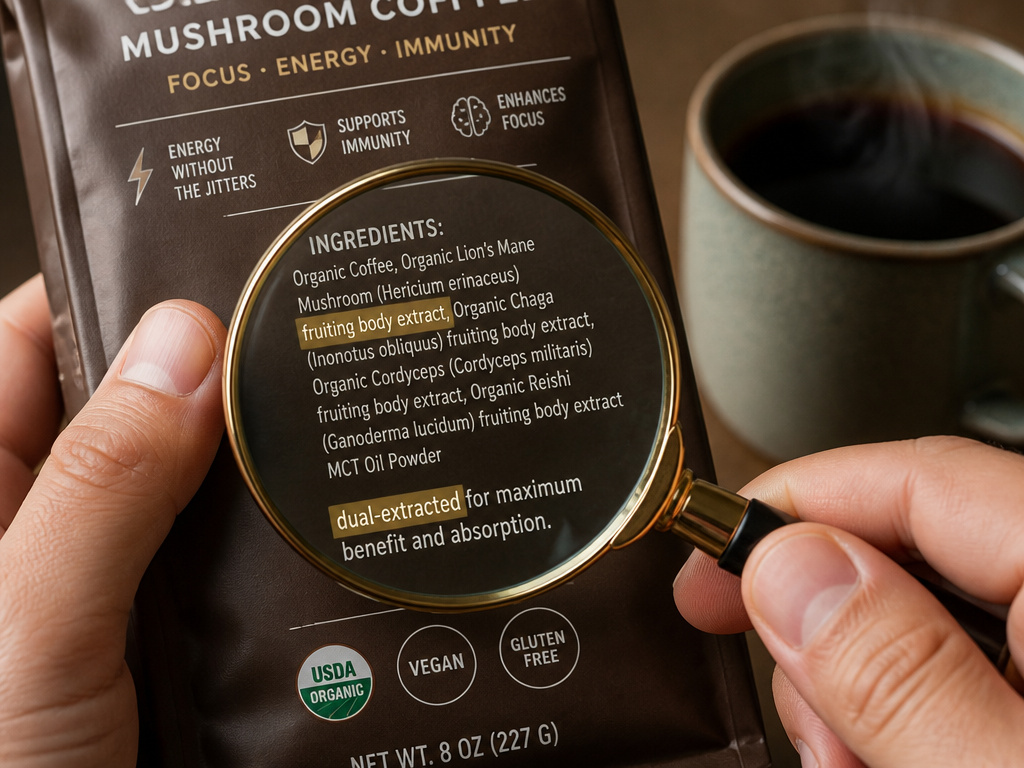 Don’t just grab the first bag you see. Use this checklist to avoid wasting money on filler.
- Fruiting Body on the Label: The ingredient should read “Mushroom Name (e.g., Cordyceps militaris) fruiting body extract.” Avoid “mycelium” or “myceliated biomass” as the primary source.
- Extraction Method Listed: Look for “dual-extracted” or specifics like “hot water and alcohol extraction.” This is a mark of a quality manufacturer.
- Transparent Dosage: The label should state the amount of each mushroom extract per serving (e.g., “250mg Lion’s Mane extract (1:1)”). Vague terms like “proprietary blend” without weights are a red flag.
- Third-Party Testing: Reputable brands will have their products tested for heavy metals, pesticides, and potency by independent labs. Certificates of Analysis (CoAs) should be available on request.
- Caffeine Content Clear: Know how much caffeine you’re getting. Most blends range from 35-60mg per serving.
I tried a popular budget brand that listed only “organic mushroom complex” for three months. Felt nothing but a lighter wallet. Switched to a dual-extracted, fruiting-body-specific brand (Four Sigmatic’s Lion’s Mane & Chaga), and the difference in the smoothness of the energy lift was apparent within the first week. The cost was higher, but the product actually delivered on its premise.
The PMC bioactive mushroom coffee study emphasizes that the concentration of bioactive substances is directly tied to the mushroom material and preparation method. Your buying criteria should mirror that scientific reality.
A Realistic Timeline for Testing Effects
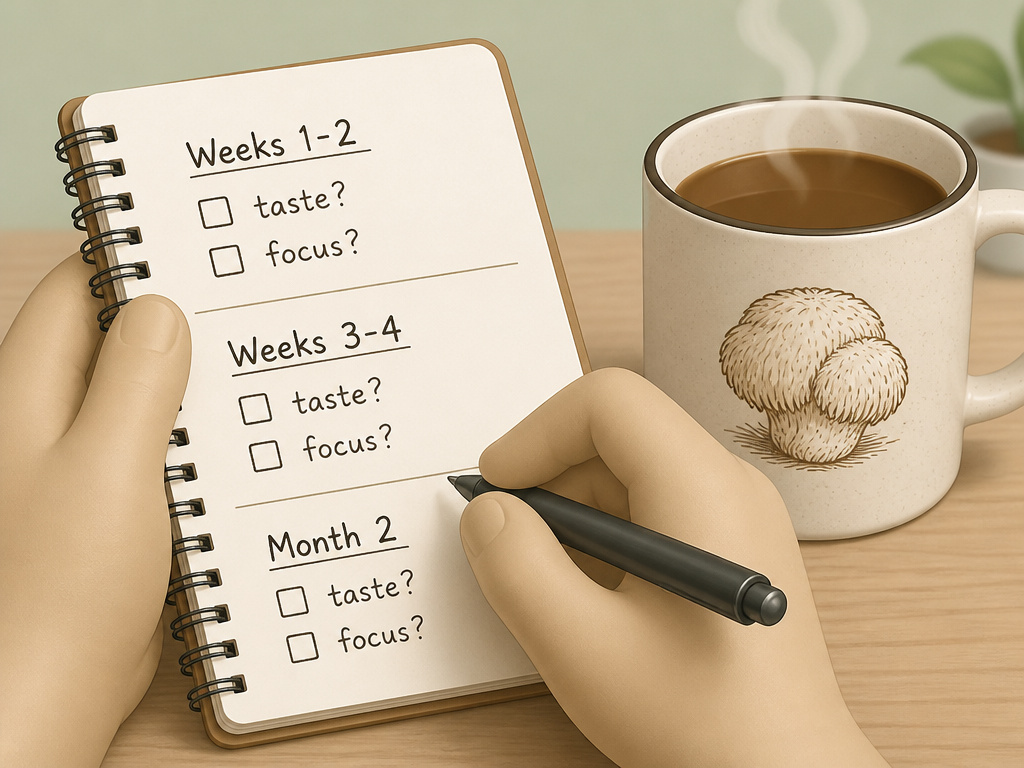 If you decide to try it, give it a fair shot. This isn’t like evaluating a new light roast.
- Weeks 1-2: Acclimation. Your focus should be on the sensory experience, do you like the taste? How does the lower caffeine feel? Notice any stomach sensitivity.
- Weeks 3-4: Subtle shift. This is where you might start to notice a pattern. Do your afternoons feel more even-keeled? Is your mind slightly less foggy during long work sessions? Keep simple notes.
- Month 2: Evaluation. After consistent use, decide if the perceived benefits, whether it’s steadier energy, better focus, or simply enjoying the ritual, justify the ongoing cost. If you notice zero difference, it’s probably not for you.
Compare this to how you’d evaluate other additions. The effects of adding cinnamon to coffee for flavor are immediate, while the potential antioxidant benefit is long-term. Mushroom coffee sits in the middle.
Frequently Asked Questions
Does mushroom coffee taste like mushrooms?
well-made product should not have a strong, off-putting mushroom flavor. The extracts are relatively neutral, and the instant coffee dominates. It often tastes like a smooth, slightly earthy, or nutty cup of coffee. If it tastes overwhelmingly fungal, the product quality might be low.
Is mushroom coffee a good caffeine alternative?
Yes, if your goal is to reduce caffeine intake while maintaining a coffee ritual. With about half the caffeine, it can help those sensitive to jitters or looking to cut back. For a more complete replacement, you could explore the stimulant effects comparison between coffee and tea.
How much does quality mushroom coffee cost?
It is a premium product. A 30-serving bag of a reputable, dual-extracted fruiting body brand typically costs between $30 and $45. This is significantly more than standard instant coffee but in line with other high-end dietary supplements. My advice is to budget for a one-month trial of a quality brand rather than buying a cheap product that may not work.
Can I make mushroom coffee at home?
You can, but with caveats. You can brew regular coffee and add a high-quality, pure mushroom extract powder (like from Om Mushrooms or Real Mushrooms). This gives you control over dosage and coffee quality. Simply trying to powder dried mushrooms yourself will not work, you won’t break down the chitin cell walls, making the bioactives unavailable to your body. The extraction process is non-negotiable.
Are there any side effects or risks?
Mushroom coffee is generally safe for most people. However, those with mushroom allergies should obviously avoid it. Since mushrooms can modulate the immune system, individuals with autoimmune conditions should consult a doctor. The caffeine content, though lower, is still a consideration for those avoiding stimulants. As with any supplement, start slow to assess tolerance.
The Bottom Line
Mushroom coffee works as a functional beverage for specific, subjective goals. It provides a smoother, lower-caffeine energy lift and a way to incorporate studied adaptogenic and nootropic compounds into your daily routine. It does not work as a miracle cure, a rapid cognitive enhancer, or a substitute for a healthy lifestyle.
The value is entirely dependent on product quality and your personal response. Invest in a dual-extracted, fruiting-body product from a transparent brand. Commit to a one-month trial, track how you feel, and then decide if the subtle benefits are worth the premium over your regular cup, or over other wellness additions like natural coffee flavor enhancers or plant-based milk in coffee. For the caffeine-sensitive or those seeking a gentler ritual, it’s a compelling option. For everyone else, it remains an interesting, evidence-backed experiment in the world of functional coffee.
