
Appetite Control: Does Coffee Suppress Hunger and Cravings?
Coffee suppresses appetite primarily through its caffeine content, which alters key hunger hormones like ghrelin and peptide YY (PYY). The effect is acute, strongest 30-60 minutes after drinking, and more significant in caffeinated coffee versus decaf. It is not a weight-loss solution on its own.
Most people get this wrong because they treat coffee as a meal replacement. They drink three cups, skip breakfast, and wonder why they’re ravenous and crashing by lunch. The science shows a short-term hormonal nudge, not a magic off-switch for hunger.
Here’s what the peer-reviewed data actually says about the mechanism, the critical timing window, and why your genetics and coffee habits change everything.
Key Takeaways
- Caffeine is the key actor. Decaffeinated coffee shows a much weaker effect on appetite hormones and subsequent calorie intake.
- The appetite suppression window is 30 to 60 minutes. A 2022 meta-analysis in Advances in Nutrition confirmed timing is crucial for observing a measurable reduction in meal intake.
- Individual genetics matter. Your CYP1A2 enzyme activity determines if you’re a fast or slow caffeine metabolizer, which changes how strongly you feel coffee’s effects.
- Never swap coffee for food. Skipping breakfast to “enhance” suppression backfires, leading to greater calorie intake and poor energy later in the day.
- Tolerance builds. Habitual high-caffeine consumers may experience a blunted appetite response over time.
How Coffee Suppresses Appetite: The Hormone Mechanism
The process isn’t abstract. It’s a direct chemical conversation between caffeine and your gut-brain axis. Two hormones take center stage: ghrelin and peptide YY.
Ghrelin is the “hunger hormone.” Its levels rise before meals, sending signals to your brain that it’s time to eat. Caffeine interferes with this. Studies note that caffeine ingestion can decrease circulating ghrelin. Your stomach might still be empty, but the signal to feel hungry gets quieter.
Caffeine stimulates the sympathetic nervous system and appears to decrease ghrelin secretion while increasing the release of satiety hormones like peptide YY (PYY), creating a temporary double effect that reduces hunger perception.
Peptide YY is the “satiety hormone.” Released by your intestines after eating, it tells your brain you’re full. Research, including a 2022 review in Nutrition Reviews, indicates coffee consumption can increase PYY levels. Your body gets a “I’m satisfied” signal even before food arrives.
This is why the type of coffee matters. A landmark 2022 meta-analysis in the journal Appetite found the significant reduction in energy intake and appetite ratings was tied to caffeinated coffee. The effect for decaf was less pronounced or non-significant. The mechanism needs the primary stimulant.
TL;DR: Caffeine lowers ghrelin (hunger) and can raise peptide YY (fullness) for a short period. Decaf coffee doesn’t do this as effectively.
The 30-60 Minute Timing Rule (And the Dosage That Works)
When you drink is as important as what you drink. The appetite-suppressing effect is a short-acting pharmacological event, not an all-day state.
The consensus from controlled trials points to a 30 to 60 minute window for peak effect. This aligns with caffeine’s pharmacokinetics—it reaches peak blood concentration roughly 30 to 60 minutes after ingestion. That’s when the hormone modulation is strongest. Drink your coffee an hour before lunch, and you might naturally take a slightly smaller portion. Drink it with your meal, and the effect is likely negligible.
The effective dose in research settings is often calculated by body weight. A common dose used to observe acute metabolic and appetite effects is 6 mg of caffeine per kilogram of body weight. For a 70 kg (154 lb) person, that’s about 420 mg of caffeine.
| Beverage | Approximate Caffeine | Dose for 70 kg Person |
|---|---|---|
| Home-brewed coffee (8 oz) | 95 mg | ~4.4 cups |
| Starbucks Blonde Roast (8 oz) | 180 mg | ~2.3 cups |
| Double espresso (2 oz) | 150 mg | ~2.8 shots |
| Decaf coffee (8 oz) | 2-5 mg | Not an effective dose |
This table isn’t a prescription. It illustrates the gap between a study dose and a typical morning cup. Most people aren’t drinking 420 mg in one sitting before a meal. Your real-world “dose” is probably lower, which means a milder, shorter effect.
Common mistake: Drinking coffee with breakfast to curb appetite — the timing is off. For the hormonal effect to influence your meal, the caffeine needs a 30-minute head start.
When Coffee Fails as an Appetite Suppressant
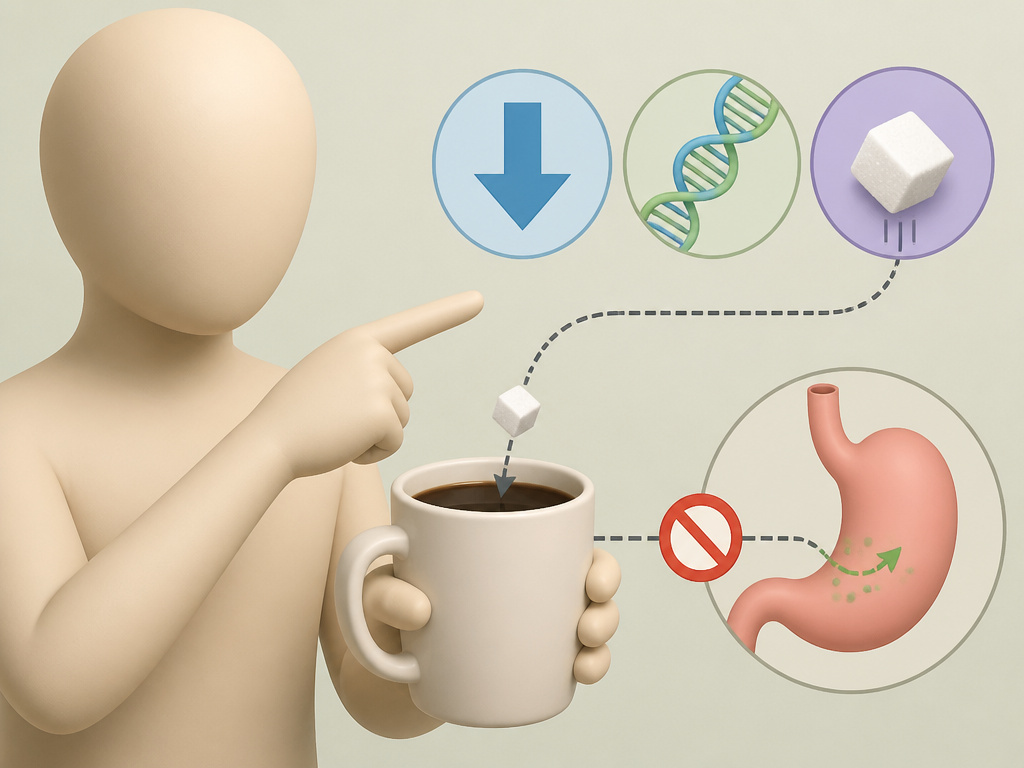
It doesn’t work for everyone. If you’re a lifelong three-cup-a-day drinker and feel no difference in hunger, you’re not broken. You’re normal. Three major factors blunt the effect.
First, habitual consumption builds tolerance. Your nervous system and hormone receptors adapt to chronic caffeine exposure. The jolt you felt from your first college coffee is gone; so is the sharp appetite suppression. The body aims for homeostasis.
Second, your genetics are in charge. The CYP1A2 enzyme in your liver metabolizes caffeine. Some people have a high-activity variant (fast metabolizers), others a low-activity one (slow metabolizers). Slow metabolizers process caffeine more slowly, leading to longer-lasting, sometimes more pronounced effects—including potential side effects like anxiety that can overshadow any hunger cues. A fast metabolizer might clear the caffeine and its appetite effects more quickly.
Third, what’s in your cup can cancel the signal. Loading coffee with sugar, flavored syrups, or high-calorie creamers introduces a blood sugar spike and crash that directly stimulates hunger. The 150 calories from milk and sugar in a latte trigger an insulin response that can make you hungrier than if you had drunk black coffee. If you’re managing coffee calories, black is the most reliable path.
| Scenario | Why Appetite Suppression Fails | Typical Outcome |
|---|---|---|
| High habitual intake | Hormonal tolerance has developed | No perceived change in hunger |
| Slow caffeine metabolizer (CYP1A2) | Side effects (anxiety, jitters) dominate | Discomfort overrides hunger signals |
| Coffee loaded with sugar | Insulin spike causes reactive hunger | Increased cravings 60-90 mins later |
| Drinking decaf | Missing the primary active compound (caffeine) | Minimal to no effect on hunger hormones |
The Breakfast Problem: Why Skipping Meals Backfires

This is the most critical practical point. Using coffee as a tool to skip a meal is a losing strategy.
The University of Buffalo study highlighted in a popular YouTube nutrition segment found something telling. People who drank a caffeinated beverage in the morning ate about 10% less at their first meal. But they compensated by eating more later in the day. The net calorie difference was negligible. Your body’s drive for energy balance is powerful.
I used to try the “coffee for breakfast” routine when I was rushing out the door. By 11 AM, my focus was shot and I’d be so hungry I’d grab anything—usually a sugary pastry. The caffeine crash plus the hunger made me less productive, not more. Now, I drink my coffee 45 minutes before a small, protein-heavy breakfast. The coffee takes the edge off, and the food gives me steady energy. The difference is stark.
Skipping breakfast for coffee ignores the metabolic and cognitive benefits of a morning meal. Protein and fiber at breakfast promote sustained satiety and stable blood sugar. A bowl of oatmeal, for instance, can reduce lunch intake by 30-50% due to its fiber content—a longer-lasting effect than caffeine’s short pulse.
Coffee should be an adjunct, not a replacement. Think of it as a way to gently ease into a meal, not avoid it. For a blood-sugar-friendly addition that enhances satiety, consider cinnamon coffee, which adds antioxidants without calories.
Caffeinated vs. Decaf: A Clear Difference
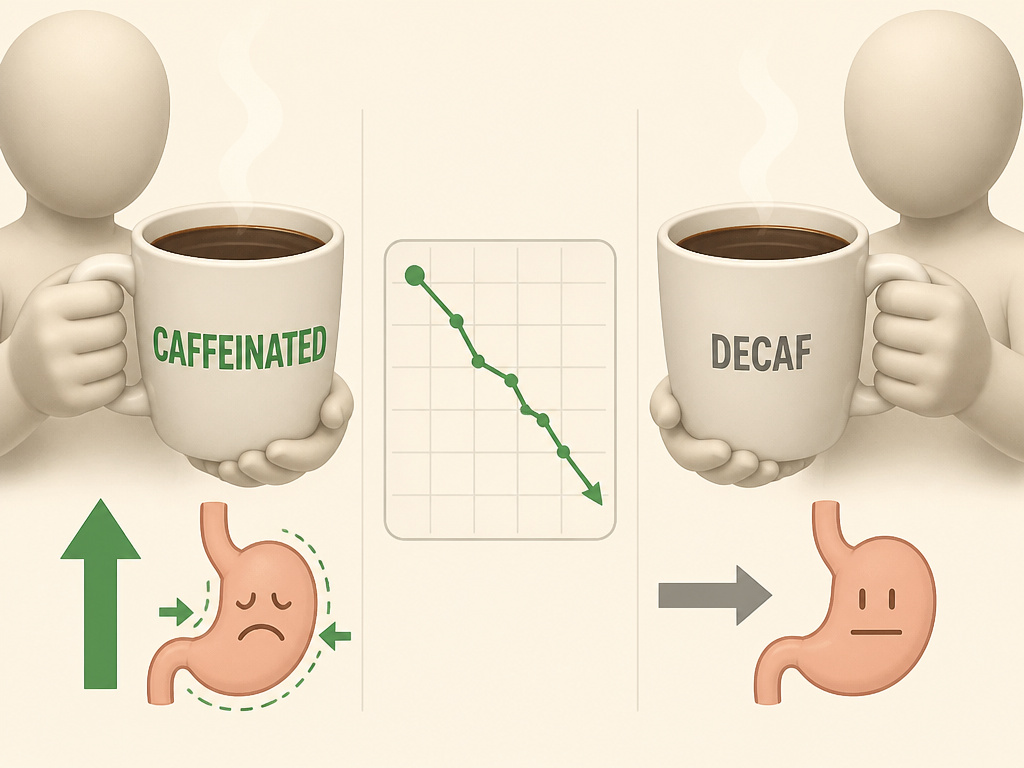
If your goal is acute appetite control, your choice is simple. Go with caffeinated coffee.
The scientific literature draws a clear line. The Appetite journal meta-analysis is explicit: the significant reductions in energy intake and appetite ratings were linked to caffeinated coffee. The data for decaffeinated coffee did not show the same consistent, significant effect. This makes sense when you trace the mechanism back to caffeine’s action on the nervous system and gut hormones.
Decaf isn’t inert. It contains other bioactive compounds like chlorogenic acids, which may have longer-term metabolic benefits. Some research, like the one noted in the PMC article on coffee mannooligosaccharides, points to specific coffee compounds affecting body composition. And even decaf can stimulate the release of peptide YY to some degree. But for the direct, “I feel less hungry right now” effect, caffeine is the undisputed driver.
This has a practical corollary. If you’re sensitive to caffeine or drink coffee late in the day, don’t expect the appetite benefit from decaf. You might explore other satiety-promoting additions like MCT oil coffee for a fat-based feeling of fullness.
A Practical Guide to Using Coffee for Appetite Control
Forget shortcuts. This is a timing and context protocol.
- Schedule it. Drink your black coffee or espresso 30 to 45 minutes before your main meal. Set a timer if you have to. This aligns the peak caffeine effect with the start of your meal.
- Keep it simple. Drink it black, or with a minimal, low-calorie addition. A pinch of salt in coffee can cut bitterness without calories. Avoid sugary creamers and syrups that spike insulin.
- Listen to your body. Are you a nervous, jittery coffee drinker? You might be a slow metabolizer. The appetite effect might be overshadowed by anxiety. In that case, this tool isn’t for you.
- Never let it replace food. Follow the coffee with a balanced meal containing protein and fiber. The coffee helps moderate initial portion size; the food provides lasting energy and nutrients.
- Cycle if needed. If you’re a heavy daily user and feel no effect, consider a caffeine reset. Reduce intake for a week to lower tolerance. The appetite effects may become more noticeable upon returning.
The goal is subtle moderation, not elimination. You’re using a biochemical nudge to support better eating habits, not fighting your body’s fundamental need for fuel.
Frequently Asked Questions
Does black coffee suppress appetite more than coffee with milk?
Yes, significantly. Black coffee has negligible calories and allows the caffeine to work without interference. Adding milk, especially sweetened milk or cream, introduces calories and sugars that trigger an insulin response. Insulin can promote hunger, potentially counteracting caffeine’s mild suppressive effect. For the strongest effect, drink it black.
How long does coffee suppress your appetite?
The acute effect lasts roughly 30 to 90 minutes, with the peak around 30-60 minutes post-consumption. This is based on caffeine’s blood concentration curve and the timing used in clinical studies that measured reduced meal intake. It is not an all-morning effect.
Will coffee suppress my appetite if I drink it every day?
Probably less so over time. Regular caffeine consumption leads to tolerance, where your nervous system and hormone receptors adapt. The noticeable “hunger-blunting” feeling is often strongest in occasional drinkers. Habitual drinkers may still get a minor metabolic effect, but the subjective feeling of reduced appetite diminishes.
Does decaf coffee help with appetite at all?
The evidence is weak for acute suppression. Decaf lacks the primary actor (caffeine), so its effect on hunger hormones like ghrelin is minimal. Some studies show it can increase peptide YY (a satiety hormone), but not as consistently or powerfully as caffeinated coffee. Don’t rely on decaf for appetite control.
Can coffee help with weight loss?
Not directly. While it may slightly reduce calorie intake at a single meal and offers a minor metabolic boost, these effects are small. Weight loss requires a sustained calorie deficit. Coffee is not a magic bullet. In fact, using it to skip meals often backfires, leading to poorer food choices and overeating later. It’s a minor tool in a much larger kit.
The Bottom Line
Coffee suppresses appetite, but only under specific conditions: it must be caffeinated, timed about 30 minutes before a meal, and consumed without sugar. The effect is a short-term hormonal tweak, not a license to skip meals. Your individual genetics and coffee habits dictate how strongly you’ll feel it.
Relying on coffee to replace breakfast is a fast track to an energy crash and rebound hunger. Use it as a brief assist for portion control, not as a substitute for nutrition. For lasting satiety, pair that timed cup with a real meal. That’s how you harness the science without fighting your biology.
{
“@context”: “https://schema.org”,
“@type”: “HowTo”,
“name”: “How to Use Coffee for Appetite Suppression”,
“totalTime”: “PT5M”,
“tool”: [
{
“@type”: “HowToTool”,
“name”: “Black coffee or espresso”
},
{
“@type”: “HowToTool”,
“name”: “Timer or clock”
}
],
“step”: [
{
“@type”: “HowToStep”,
“name”: “Time your consumption”,
“text”: “Drink your coffee 30 to 60 minutes before your planned meal for the strongest appetite-suppressing effect.”
},
{
“@type”: “HowToStep”,
“name”: “Choose caffeinated coffee”,
“text”: “Opt for regular coffee over decaf. The caffeine is the primary driver of the acute appetite reduction.”
},
{
“@type”: “HowToStep”,
“name”: “Monitor your individual response”,
“text”: “Pay attention to your own hunger cues. Habitual drinkers and slow caffeine metabolizers may experience a blunted effect.”
},
{
“@type”: “HowToStep”,
“name”: “Pair with a balanced meal”,
“text”: “Never replace a meal with coffee. Use the suppression window to help control portion size, not skip nutrition.”
}
]
}
{
“@context”: “https://schema.org”,
“@type”: “FAQPage”,
“mainEntity”: [
{
“@type”: “Question”,
“name”: “Does black coffee suppress appetite more than coffee with milk?”,
“acceptedAnswer”: {
“@type”: “Answer”,
“text”: “Yes, significantly. Black coffee has negligible calories and allows the caffeine to work without interference. Adding milk, especially sweetened milk or cream, introduces calories and sugars that trigger an insulin response. Insulin can promote hunger, potentially counteracting caffeine’s mild suppressive effect. For the strongest effect, drink it black.”
}
},
{
“@type”: “Question”,
“name”: “How long does coffee suppress your appetite?”,
“acceptedAnswer”: {
“@type”: “Answer”,
“text”: “The acute effect lasts roughly 30 to 90 minutes, with the peak around 30-60 minutes post-consumption. This is based on caffeine’s blood concentration curve and the timing used in clinical studies that measured reduced meal intake. It is not an all-morning effect.”
}
},
{
“@type”: “Question”,
“name”: “Will coffee suppress my appetite if I drink it every day?”,
“acceptedAnswer”: {
“@type”: “Answer”,
“text”: “Probably less so over time. Regular caffeine consumption leads to tolerance, where your nervous system and hormone receptors adapt. The noticeable \”hunger-blunting\” feeling is often strongest in occasional drinkers. Habitual drinkers may still get a minor metabolic effect, but the subjective feeling of reduced appetite diminishes.”
}
},
{
“@type”: “Question”,
“name”: “Does decaf coffee help with appetite at all?”,
“acceptedAnswer”: {
“@type”: “Answer”,
“text”: “The evidence is weak for acute suppression. Decaf lacks the primary actor (caffeine), so its effect on hunger hormones like ghrelin is minimal. Some studies show it can increase peptide YY (a satiety hormone), but not as consistently or powerfully as caffeinated coffee. Don’t rely on decaf for appetite control.”
}
},
{
“@type”: “Question”,
“name”: “Can coffee help with weight loss?”,
“acceptedAnswer”: {
“@type”: “Answer”,
“text”: “Not directly. While it may slightly reduce calorie intake at a single meal and offers a minor metabolic boost, these effects are small. Weight loss requires a sustained calorie deficit. Coffee is not a magic bullet. In fact, using it to skip meals often backfires, leading to poorer food choices and overeating later. It’s a minor tool in a much larger kit.”
}
}
]
}
