
Does Coffee Raise Blood Pressure? What the Science Now Says
Coffee can cause a temporary, acute increase in blood pressure, typically a 5-10 mmHg spike in systolic pressure, especially in people who don’t drink it regularly. For habitual drinkers, the body develops tolerance, and long-term epidemiological studies show no consistent link between regular coffee consumption and the development of chronic high blood pressure in most people.
The confusion starts because both things are true. A single cup can lift your numbers for a few hours. A lifetime of cups doesn’t seem to condemn you to hypertension. Most articles pick one of these facts and run with it, leaving you with a half-answer.
This guide breaks down the mechanics of the acute spike, the science behind long-term tolerance, and exactly who needs to pay closer attention. We’ll look at the numbers from major health authorities and what a real 10-year study actually found.
Key Takeaways
- A single dose of caffeine can raise systolic blood pressure by 3-15 mmHg and diastolic by 4-10 mmHg, with the peak effect hitting 30-60 minutes after consumption.
- Habitual coffee drinkers develop a significant tolerance to this pressor effect; the acute spike is most pronounced in people who rarely consume caffeine.
- Large, long-term population studies, including a 10-year Italian study, have found neutral effects, meaning regular coffee consumption is not a major risk factor for developing hypertension for the average person.
- Genetic sensitivity matters. Some people, particularly those with existing hypertension or older adults, may experience a stronger and more sustained blood pressure response.
- For an accurate reading, avoid coffee and other caffeinated beverages for at least 30 minutes before checking your blood pressure.
The Acute Spike vs. Long-Term Reality
Headline studies often clash because they measure two different things. Short-term clinical trials capture the immediate pharmacological effect. Long-term epidemiological studies track disease development over years. You need to understand both.
The caffeine in coffee is a central nervous system stimulant. It blocks adenosine receptors, which leads to increased neuronal firing. Your pituitary gland gets the signal and releases hormones that tell your adrenal glands to pump out more adrenaline. That’s the “alert” feeling. Adrenaline also causes your blood vessels to constrict and your heart to beat slightly faster and more forcefully. The result is a temporary increase in blood pressure.
Caffeine intake can cause an acute increase in blood pressure (systolic blood pressure [SBP] by 3–15 mm Hg and diastolic blood pressure [DBP] by 4–10 mm Hg) in both normotensive and hypertensive individuals. This effect is usually transient, lasting 3-4 hours.
This quote from the American Heart Association’s scientific statement gives you the hard numbers. The range is wide because individual response varies wildly. The spike typically peaks 30 to 60 minutes after drinking your coffee and can linger for up to three hours.
Now, flip the calendar. When researchers follow thousands of people for a decade, the story changes. The landmark study often cited is a 10-year prospective study from Italy, published in the NIH’s PMC library. It followed nearly 1,200 people, separating them into non-drinkers, moderate drinkers (1-2 cups/day), and heavier drinkers (3-4 cups/day). After adjusting for age, weight, diet, and smoking, they found little to no difference in blood pressure measurements or new hypertension diagnoses between the groups over the long term. The authors concluded habitual consumption has a “neutral” effect.
The body adapts. Chronic caffeine exposure leads to upregulation of adenosine receptors, blunting the stimulant effect. The vascular system also adjusts. For most daily drinkers, the morning cup provides a mental focus with a negligible cardiovascular price.
TL;DR: Your morning cup causes a short-term bump, but your daily habit likely isn’t driving long-term high blood pressure.
How Your Body Builds a Tolerance
Tolerance isn’t just about feeling less jittery. It’s a measurable physiological adaptation that directly dampens the blood pressure response. If you start drinking coffee tomorrow, your first-week readings will tell a different story than your readings six months from now.
The initial spike is robust. For a non-habitual consumer, that 5-10 mmHg systolic increase is common. Drink that same cup every day for a week, and the spike begins to shrink. Within two to four weeks of consistent consumption, the pressor effect can be reduced by over half. This is why the European Society of Cardiology guidelines explicitly note the effect is “attenuated in habitual consumers.”
The mechanism involves receptor adaptation. By continuously blocking adenosine receptors, your body creates more of them. It takes more caffeine to achieve the same level of blockade, which mutes the downstream cascade of adrenaline and vascular constriction. Think of it like turning up the radio to hear it over noise-canceling headphones, you need more volume for the same perceived sound.
This table shows how the typical response shifts:
| Consumption Pattern | Typical Systolic BP Increase | Duration of Effect | Key Mechanistic Reason |
|---|---|---|---|
| Non-habitual / First-time | 8–12 mmHg | 3–4 hours | Strong adenosine blockade, significant adrenaline release. |
| Habitual (Daily, >2 weeks) | 1–4 mmHg | 1–2 hours | Adenosine receptor upregulation, blunted neurohormonal response. |
| High-dose / Excessive | 10–15+ mmHg (plateaus) | 4+ hours | Receptor saturation; systemic stimulant effect dominates. |
Common mistake: Assuming your response is static, your body’s reaction to caffeine in month six of daily drinking is not the same as its reaction on day one. Testing once and applying that result forever misses the adaptive story.
The practical takeaway is that cross-sectional studies or one-off checks can be misleading. If a doctor takes your blood pressure 45 minutes after your only coffee of the week, it will be higher than your true baseline. This is why pre-appointment instructions always say to avoid caffeine.
Who Should Be More Cautious?
The “average person” data is comforting for the majority. But medicine deals with individuals, and several groups sit outside that average. For them, the neutral long-term data is less relevant than the potent acute effect.
The first group is people with existing, diagnosed hypertension. The AHA statement notes they may experience a “more pronounced acute pressor response.” If your blood pressure is already riding high, adding a consistent 10 mmHg spike several times a day adds strain. It can push you from controlled to uncontrolled more easily. Many cardiologists advise their hypertensive patients to limit caffeine, not because it causes the disease, but because it can interfere with its management.
The second high-risk group is the caffeine-naive. This includes people who rarely drink coffee, tea, or soda, or who are intentionally abstaining. The older you are, the more pronounced this effect tends to be. A 65-year-old who decides to start drinking coffee for the first time will likely see a bigger spike than a 25-year-old doing the same. Age-related vascular stiffness plays a role.
Then there’s genetic sensitivity. Pharmacogenetics shows us that people metabolize caffeine at wildly different speeds due to variations in the CYP1A2 enzyme gene. “Slow metabolizers” break caffeine down inefficiently, so it circulates longer and at higher concentrations. These individuals experience stronger and longer-lasting blood pressure elevations. You can’t know your genotype without a test, but if you feel overwhelmingly jittery or anxious from small amounts of caffeine, you might be a slow metabolizer.
- People with hypertension: The spike matters more for daily control.
- Older adults & the caffeine-naive: Expect a stronger initial reaction.
- Suspected slow metabolizers: If a small coffee affects you like a double espresso, your cardiovascular response is likely amplified.
- Individuals before a BP check: For a true baseline, skip caffeine for at least 30 minutes, ideally 2-3 hours.
If you fall into one of these categories, personal experimentation is key. Track your own numbers with a home monitor. The data you generate is more valuable than any population average.
Coffee vs. Other Caffeine Sources
A milligram of caffeine is not created equal across different beverages. The overall impact on your blood pressure is influenced by more than just the stimulant, it’s about the delivery system. This is where understanding caffeine concentration and accompanying compounds matters.
A standard 8-ounce cup of brewed coffee contains about 95 mg of caffeine. A single 1-ounce shot of espresso has about 64 mg. While the espresso is more concentrated by volume, you typically consume less of it. The total dose is what primarily drives the acute blood pressure response. However, the speed of absorption can vary. Drinking a large coffee quickly might flood your system faster than sipping an espresso, potentially sharpening the spike.
Contrast this with tea. An 8-ounce cup of black tea has about 47 mg of caffeine, roughly half that of coffee. It also contains L-theanine, an amino acid that promotes relaxation without drowsiness. Some research suggests L-theanine can soften the cardiovascular stimulating effects of caffeine. This is a key point in the health benefits comparison between the two beverages. For someone sensitive to caffeine’s pressor effects, switching to tea might offer a gentler experience.
Then there’s the world of energy drink comparison. A 16-ounce can of a popular energy drink can deliver 160 mg of caffeine or more, plus a hefty load of sugar and other stimulants like taurine and guarana. The sugar causes an insulin spike and subsequent vasoconstriction, and the blend of stimulants can potentiate caffeine’s effects. The blood pressure response to a sugar-loaded energy drink is often more pronounced and erratic than to black coffee. The caffeine and additives in these drinks create a different physiological stress profile.
| Beverage (Typical Serving) | Approx. Caffeine | Key Other Components | BP Impact Consideration |
|---|---|---|---|
| Brewed Coffee (8 oz) | 95 mg | Antioxidants (chlorogenic acid) | Standard reference; dose-dependent spike. |
| Espresso (1 oz shot) | 64 mg | High antioxidant concentration | Faster absorption, but lower total per serving. |
| Black Tea (8 oz) | 47 mg | L-theanine, flavonoids | Milder, potentially blunted pressor effect. |
| Green Tea (8 oz) | 28 mg | High L-theanine, EGCG | Very mild stimulant effect. |
| Energy Drink (16 oz can) | 160+ mg | Sugar, taurine, guarana | Potentiated, prolonged spike; added metabolic stress. |
This comparison shows why swapping your afternoon coffee for a lower caffeine alternative like green tea could be a smart move if you’re monitoring your numbers. It also highlights why the question isn’t just “does caffeine affect blood pressure,” but “how is this particular caffeine vehicle affecting my blood pressure?”
How to Check Your Own Response
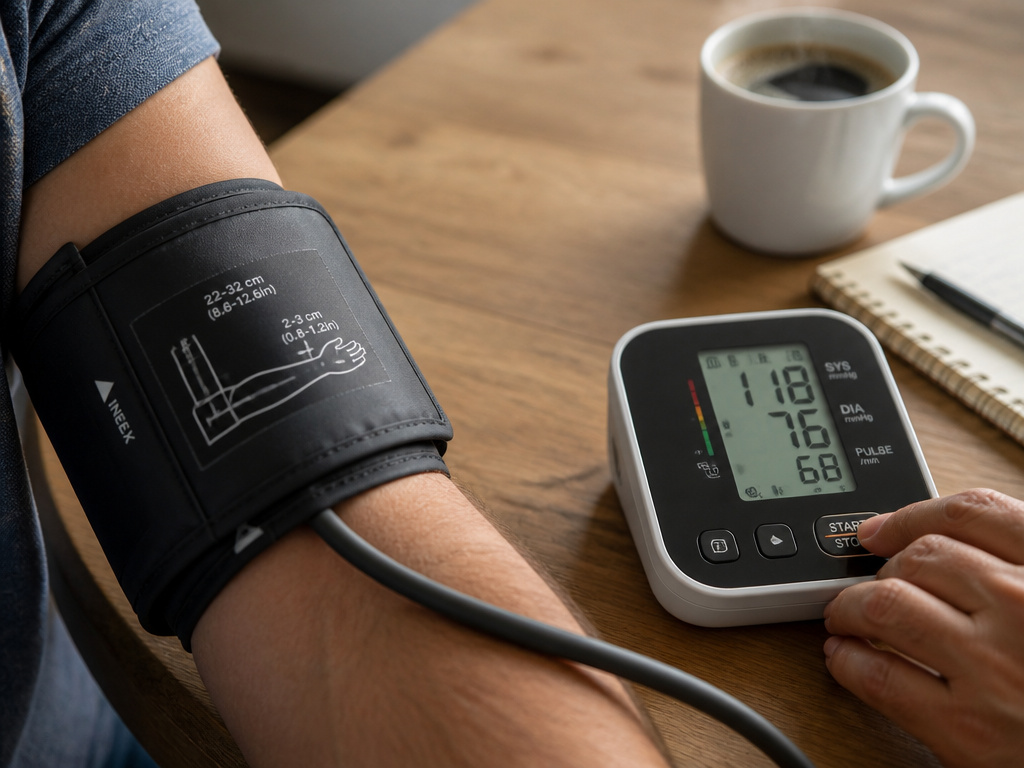
You don’t need to guess. With a reliable home blood pressure monitor and a simple protocol, you can map your personal caffeine response curve. This is the most non-commodity advice you can get, data specific to your physiology.
First, invest in a validated upper-arm cuff monitor. Wrist models are less reliable. Take it for a test drive by following the Mayo Clinic expert answer on proper technique: sit quietly for five minutes, back supported, feet flat, cuff at heart level.
Here is your 4-step self-assessment protocol:
- Find Your True Baseline. For three consecutive mornings, take your blood pressure immediately after waking up, before any coffee, tea, or food. Record the average. This is your caffeine-free baseline.
- Test the Acute Spike. On a different morning, take your pre-caffeine reading. Then, drink your standard cup of coffee at your normal pace. Set a timer for 30 minutes. Sit quietly again, then take a second reading. Note the difference. Repeat this at the 60-minute and 90-minute marks if you want to see the duration.
- Assess Habitual Impact. Over the next two weeks, take your reading each morning before your coffee. Do not skip your daily habit. At the end of two weeks, average these “pre-coffee” readings. Compare this to your original caffeine-free baseline. A close match suggests you’ve developed full tolerance. A sustained elevation suggests your body isn’t fully adapting.
- Experiment with Variables. Try the same acute test with half your usual dose, or with a cup of black tea instead. Compare the spikes.
I tracked this myself when I was dialing back for a health check. My first test after a week off coffee showed a 14-point systolic spike. After two weeks back on my two-cup-a-day habit, the morning spike was just 3 points. My pre-coffee baseline readings were identical. That’s tolerance in action.
This data is powerful for two reasons. It tells you if you’re a strong responder. More importantly, it shows you if your daily habit is creating a persistent elevation or if your body truly acclimates. Bring this log to your doctor. It moves the conversation from generalities to your specific numbers.
Frequently Asked Questions
Does decaf coffee affect blood pressure?
Decaffeinated coffee contains trace amounts of caffeine, usually 2-5 mg per cup. This is unlikely to cause a measurable pressor effect. However, coffee contains hundreds of other bioactive compounds. Some studies suggest these compounds, like chlorogenic acid, may have a mild, beneficial influence on vascular function. The primary blood pressure mover in regular coffee is the caffeine.
How long should I wait to check my BP after coffee?
For the most accurate “resting” reading that reflects your baseline, wait at least 30 minutes after consuming a caffeinated beverage. A full hour is better, as it allows the acute spike to pass its peak. If you’re checking your blood pressure for medical management, the standard guidance is to avoid caffeine for at least 2-3 hours beforehand.
Can coffee cause long-term heart damage?
This separates the acute effect from chronic disease. The current weight of evidence, including large meta-analyses, does not support the idea that moderate coffee consumption causes long-term heart damage. In fact, some robust studies associate habitual coffee drinking with a slightly reduced risk of certain cardiovascular issues. The cardiovascular effects of coffee are complex and often positive, though individual extremes (very high intake) or pre-existing conditions change the calculus.
Is tea better for blood pressure than coffee?
Often, yes, due to lower caffeine content and the presence of L-theanine. Black tea has about half the caffeine of coffee, and green tea has about a quarter. The L-theanine in tea promotes relaxation, which can counteract the stimulating effects of caffeine. For someone primarily concerned about caffeine’s pressor effect, switching to tea is a sensible strategy. The caffeine in tea is also released more slowly due to other compounds, leading to a gentler rise.
Should I quit coffee if I have high blood pressure?
Not necessarily, but you should manage it strategically. Discuss it with your doctor. Many hypertensive patients can drink coffee if their condition is well-controlled. The key is consistency (don’t skip days and restart) and timing (don’t drink it right before taking your medication or checking your pressure). Your doctor may advise limiting intake to 1-2 cups, preferably earlier in the day. Monitoring your personal response is crucial.
The Bottom Line
Coffee’s relationship with blood pressure is a short-term fling, not a long-term marriage. The caffeine causes a temporary increase, a fact confirmed by the Harvard Health coffee guide and every major cardiology society. For the daily drinker, tolerance blunts this effect significantly.
The larger, more reassuring picture comes from studies that follow people for years, like the 10-year coffee consumption study. They consistently find that a habitual coffee drinker is not at a higher risk of developing hypertension than a non-drinker. Your daily ritual is likely neutral on your long-term numbers.
Pay attention if you have existing hypertension, are new to caffeine, or feel unusually sensitive to it. For everyone else, enjoy your cup. Just give yourself a buffer before you put on the cuff.
{
“@context”: “https://schema.org”,
“@type”: “HowTo”,
“name”: “How to Understand Coffee’s Effect on Your Blood Pressure”,
“totalTime”: “PT10M”,
“tool”: [
{
“@type”: “HowToTool”,
“name”: “Home blood pressure monitor”
},
{
“@type”: “HowToTool”,
“name”: “Notebook for tracking readings”
}
],
“step”: [
{
“@type”: “HowToStep”,
“name”: “Establish your baseline”,
“text”: “Take your blood pressure in the morning before consuming any caffeine, after sitting quietly for five minutes. Record this number for three consecutive days.”
},
{
“@type”: “HowToStep”,
“name”: “Test the acute response”,
“text”: “On a separate morning, take your pre-caffeine reading, then drink your normal cup of coffee. Retake your blood pressure 30-60 minutes later and note the difference.”
},
{
“@type”: “HowToStep”,
“name”: “Observe long-term patterns”,
“text”: “Continue monitoring your morning readings over several weeks of habitual consumption. Look for a pattern of tolerance or persistent elevation.”
},
{
“@type”: “HowToStep”,
“name”: “Consult with a professional”,
“text”: “Share your tracked data with your doctor, especially if you are hypertensive, newly consuming caffeine, or noticing large spikes.”
}
]
}
{
“@context”: “https://schema.org”,
“@type”: “FAQPage”,
“mainEntity”: [
{
“@type”: “Question”,
“name”: “Does decaf coffee affect blood pressure?”,
“acceptedAnswer”: {
“@type”: “Answer”,
“text”: “Decaffeinated coffee contains trace amounts of caffeine, usually 2-5 mg per cup. This is unlikely to cause a measurable pressor effect. However, coffee contains hundreds of other bioactive compounds. Some studies suggest these compounds, like chlorogenic acid, may have a mild, beneficial influence on vascular function. The primary blood pressure mover in regular coffee is the caffeine.”
}
},
{
“@type”: “Question”,
“name”: “How long should I wait to check my BP after coffee?”,
“acceptedAnswer”: {
“@type”: “Answer”,
“text”: “For the most accurate \”resting\” reading that reflects your baseline, wait at least 30 minutes after consuming a caffeinated beverage. A full hour is better, as it allows the acute spike to pass its peak. If you’re checking your blood pressure for medical management, the standard guidance is to avoid caffeine for at least 2-3 hours beforehand.”
}
},
{
“@type”: “Question”,
“name”: “Can coffee cause long-term heart damage?”,
“acceptedAnswer”: {
“@type”: “Answer”,
“text”: “This separates the acute effect from chronic disease. The current weight of evidence, including large meta-analyses, does not support the idea that moderate coffee consumption causes long-term heart damage. In fact, some robust studies associate habitual coffee drinking with a slightly reduced risk of certain cardiovascular issues. The cardiovascular effects of coffee are complex and often positive, though individual extremes (very high intake) or pre-existing conditions change the calculus.”
}
},
{
“@type”: “Question”,
“name”: “Is tea better for blood pressure than coffee?”,
“acceptedAnswer”: {
“@type”: “Answer”,
“text”: “Often, yes, due to lower caffeine content and the presence of L-theanine. Black tea has about half the caffeine of coffee, and green tea has about a quarter. The L-theanine in tea promotes relaxation, which can counteract the stimulating effects of caffeine. For someone primarily concerned about caffeine’s pressor effect, switching to tea is a sensible strategy. The caffeine in tea is also released more slowly due to other compounds, leading to a gentler rise.”
}
},
{
“@type”: “Question”,
“name”: “Should I quit coffee if I have high blood pressure?”,
“acceptedAnswer”: {
“@type”: “Answer”,
“text”: “Not necessarily, but you should manage it strategically. Discuss it with your doctor. Many hypertensive patients can drink coffee if their condition is well-controlled. The key is consistency (don’t skip days and restart) and timing (don’t drink it right before taking your medication or checking your pressure). Your doctor may advise limiting intake to 1-2 cups, preferably earlier in the day. Monitoring your personal response is crucial.”
}
}
]
}
