
Does Coffee Help a Hangover or Make It Worse? The Science
Coffee can provide temporary, symptomatic relief from hangover fatigue and some headaches by blocking adenosine and constricting blood vessels, but it does not cure a hangover or speed up alcohol metabolism. It is a masking agent, not a treatment, and its diuretic effect can worsen core dehydration if you don’t hydrate first.
The universal mistake is reaching for the coffee pot before the water glass. You treat the surface-level grogginess while ignoring the underlying crisis of dehydration, electrolyte imbalance, and toxic byproducts. Coffee feels like a solution, but it’s often just a distraction.
This guide breaks down the precise biological interaction between caffeine and a hangover, explains when a cup might help versus hurt, and ranks what you should actually do first.
Key Takeaways
- Coffee blocks adenosine receptors, temporarily cutting through fatigue and some headache pain, but this effect wears off as caffeine metabolizes.
- Caffeine is a mild diuretic. Drinking it on an already-dehydrated body can pull more water from your system, deepening the core hangover problem.
- The liver uses the same enzyme (CYP1A2) to process both caffeine and alcohol’s primary toxin, acetaldehyde. This creates a metabolic traffic jam.
- For every standard drink, your body expels about 800 ml of water. Replacing that fluid and its electrolytes is the non-negotiable first step.
- The most evidence-supported hangover remedies are aggressive hydration with electrolytes, blood sugar stabilization with bland food, and rest.
How Caffeine Affects Hangover Symptoms
Caffeine works by antagonizing adenosine receptors in your brain. Adenosine is a neurotransmitter that promotes sleep and relaxation; it accumulates as you’re awake and is one reason you feel tired. A hangover floods your system with adenosine-related fatigue. A cup of coffee blocks those receptors, providing a clear, if artificial, signal of alertness.
The stimulant effect also causes vasoconstriction, the narrowing of blood vessels. For some tension-type hangover headaches, this reduced blood flow can lessen the throbbing sensation. It’s a pharmacological band-aid.
Caffeine may mask the subjective effects of alcohol intoxication, leading individuals to believe they are less impaired than they actually are. This masking effect is crucial when considering perceived hangover relief versus actual physiological recovery.
But the relief is strictly symptomatic and temporary. A 2008 study in Psychopharmacology found that caffeine did not significantly attenuate alcohol-induced memory impairment. Your brain might feel switched on, but its higher functions are still lagging. The caffeine buzz lasts 4-6 hours. When it fades, the adenosine floodgates reopen, often resulting in a crashing fatigue worse than the original hangover lethargy.
TL;DR: Coffee masks fatigue and some headaches by blocking adenosine and constricting blood vessels, but it doesn’t repair the cognitive or metabolic damage done by alcohol.
The Physiology of a Hangover: Why Coffee Isn’t a Cure
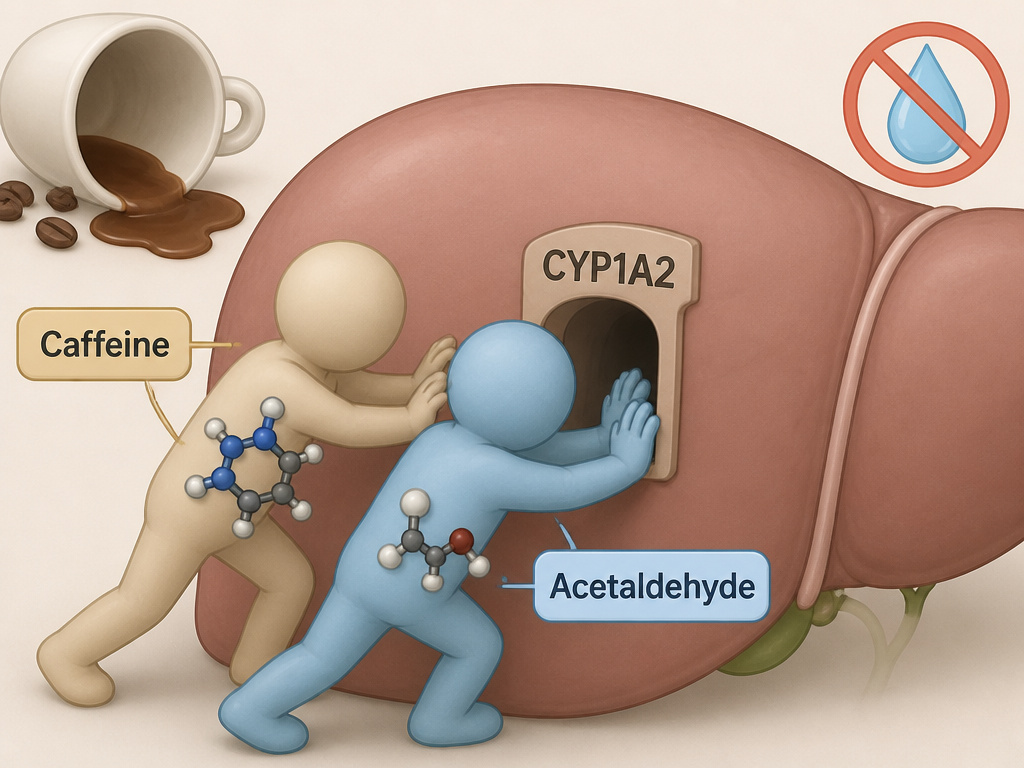 A hangover is a multi-system failure. Alcohol is a diuretic, causing the pituitary gland to suppress vasopressin, a hormone that tells your kidneys to retain water. The result is rapid dehydration. Ethanol is also metabolized in your liver into acetaldehyde, a toxic compound that causes inflammation, nausea, and sweating.
Coffee does nothing to rehydrate you. It does not process acetaldehyde. In fact, it can interfere. Both caffeine and acetaldehyde are metabolized by the same liver enzyme, cytochrome P450 1A2 (CYP1A2). When both are present, they compete for this enzyme’s attention.
| Substance | Primary Hangover Effect | Does Coffee Help? |
|---|---|---|
| Dehydration | Headache, dizziness, dry mouth | No – caffeine is a mild diuretic and can worsen it. |
| Acetaldehyde Buildup | Nausea, vomiting, rapid heartbeat | No – may slow its clearance due to enzyme competition. |
| Electrolyte Imbalance | Fatigue, muscle weakness | No – coffee contains minimal electrolytes. |
| Adenosine Fatigue | Grogginess, low energy | Yes – temporarily blocks receptors. |
| Vasodilation Headache | Throbbing head pain | Potentially – via vasoconstriction. |
This metabolic traffic jam means acetaldehyde, the primary villain, might linger in your system longer if you dose heavily with caffeine. The temporary alertness comes at a potential cost of prolonged toxicity.
Common mistake: Drinking black coffee on an empty, dehydrated stomach, the caffeine and acidity can spike nausea and anxiety within 20 minutes, turning a manageable hangover into a miserable one.
Your body’s priority is clearing the poison and restoring fluid balance. Coffee doesn’t assist with either task. It sends a false “all clear” signal while the real repair work is backlogged.
The Critical Hydration Equation You’re Ignoring
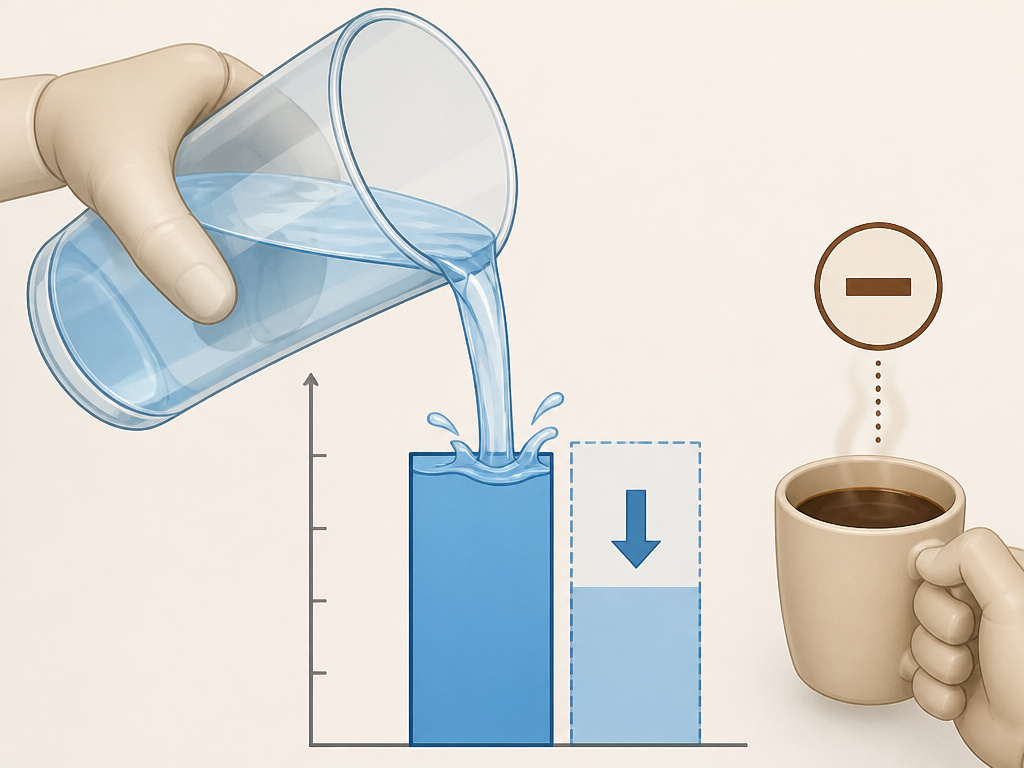 Alcohol’s diuretic effect is profound. For every standard drink (14 grams of pure alcohol), your body can expel up to 800 ml of water, nearly four cups. That fluid loss carries away essential electrolytes: sodium, potassium, and magnesium.
A standard 12-ounce mug of black coffee contains about 2-4% of your daily potassium and almost no sodium. It cannot replace what was lost. Furthermore, the caffeine in that mug will cause your kidneys to excrete more water and sodium.
The math is simple and unforgiving. If you had four drinks, you’re facing a fluid deficit of up to 3.2 liters. Drinking two cups of coffee might add 500 ml of fluid but also prompt the loss of 300 ml. You’re still 3 liters in the hole.
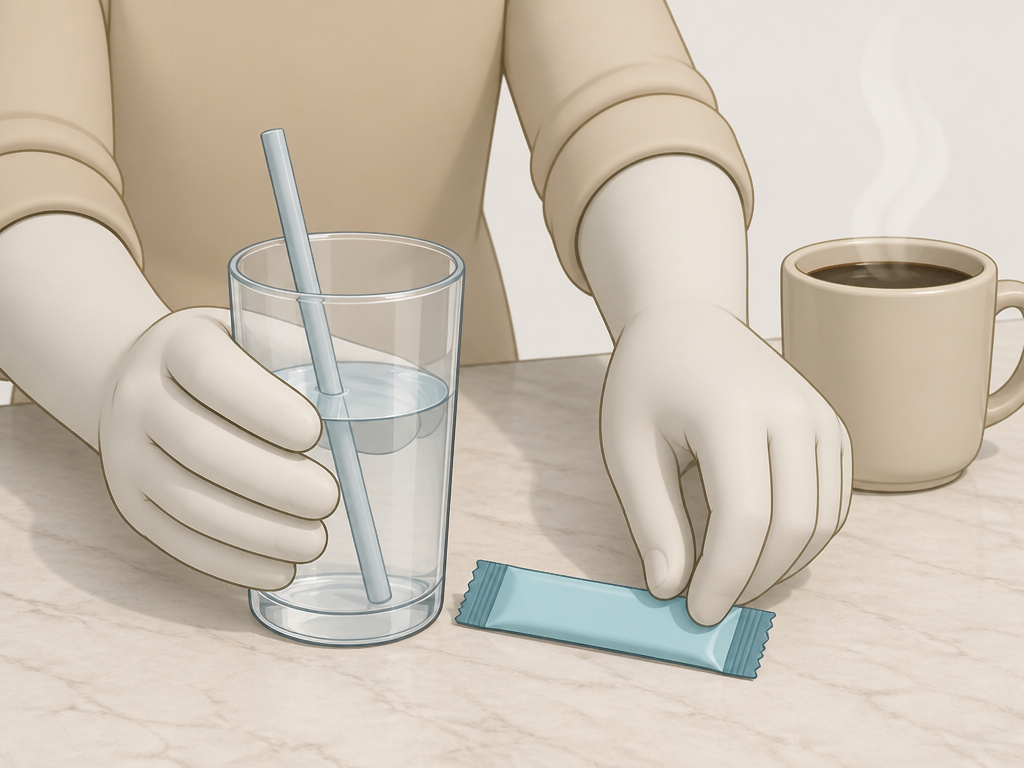
Hydrate first. Caffeinate second, if at all. Your first action should be drinking 16-20 ounces of water with an electrolyte mix or a sports drink. Wait 30 minutes. If you still feel you need the cognitive lift, then have a single cup of coffee alongside another full glass of water.
A Step-by-Step Ranking of What Actually Works
 Forget the folklore. This list is ordered by mechanistic evidence and physiological impact.
- Aggressive Electrolyte Rehydration. This is non-negotiable. Mix an electrolyte powder into a large bottle of water and sip it steadily. The sodium helps your intestines reabsorb water efficiently, and potassium/magnesium support cellular function and nerve signaling. Do this before anything else.
- Eat a Bland, Complex Carbohydrate. Toast, bananas, or oatmeal. Alcohol metabolism can cause hypoglycemia (low blood sugar), contributing to weakness and dizziness. Food stabilizes blood glucose and provides B vitamins, which are depleted during alcohol processing.
- Prioritize Sleep. Your body does its deepest repair during sleep. The quality of rest after heavy drinking is poor, but any additional sleep you can get helps. This is more valuable than caffeine’s artificial alertness.
- Consider a Pain Reliever. Carefully. If you have a pounding headache, a single dose of ibuprofen with food is generally safer for your stomach than acetaminophen, which is processed by the liver and can be toxic when mixed with residual alcohol.
- Use Coffee Strategically. Only after steps 1-3, and only if you need to be functional. Have one cup, drink it slowly with more water, and accept it as a temporary mask, not a cure.
I keep a packet of LMNT or Liquid IV in my pantry for this exact reason. The morning after a wedding or a big dinner, I mix it into 32 ounces of water and finish it before I even look at my espresso machine. It cuts the recovery time in half every single time.
The hair-of-the-dog method, drinking more alcohol, is disastrous advice. It delays the inevitable and increases the total toxic load on your liver. Deliberate cold exposure, like a cold shower, can increase adrenaline and provide a shock of alertness, but it is dangerous if you are still inebriated and does not address the metabolic root cause.
Coffee’s Long-Term Relationship with Your Liver
Here’s a twist. While coffee is a poor acute hangover remedy, regular, moderate coffee consumption is associated with better long-term liver health. The 2004 study in the Journal of Hepatology found that regular coffee consumption was associated with a lower risk of liver fibrosis in patients with chronic liver diseases.
The antioxidants in coffee, like chlorogenic acid, may have anti-inflammatory effects on liver tissue. This is about chronic, habitual intake, not about slamming a pot of coffee the morning after a bender. Think of it as a lifelong investment in liver resilience, not a withdrawal you can make in a crisis.
| Scenario | Coffee’s Role | Better Alternative |
|---|---|---|
| Morning-after fatigue | Temporary alertness | A 20-minute nap after hydrating. |
| Dehydration headache | Vasoconstriction may help, diuresis hurts. | Electrolyte solution + water. |
| Nausea from toxins | Acidity can worsen it. | Ginger tea or crackers. |
| Long-term liver health | Associated with protective benefits. | Consistent, moderate consumption. |
If you are a regular coffee drinker, skipping your morning cup during a hangover can trigger a caffeine-withdrawal headache on top of your hangover headache. In that specific case, having your normal amount may be necessary to avoid compounding pain. Just be sure to pair every sip with a sip of water.
Frequently Asked Questions
Does coffee make a hangover worse?
It can, primarily by deepening dehydration. If you drink coffee instead of water, the caffeine will pull more fluid from your already-depleted system. The acidity can also irritate an alcohol-sensitive stomach, worsening nausea.
How long after drinking alcohol can I have coffee?
Wait until you are actively rehydrating. A good rule is to drink at least 16 ounces of water with electrolytes first, then wait 30-60 minutes. If you then have coffee, drink it slowly alongside another full glass of water.
Is espresso better than drip coffee for a hangover?
No. The caffeine concentration is higher per ounce, but the total fluid volume is lower. You get a sharper stimulant hit with even less hydration benefit. The espresso caffeine content is potent, but the mechanism of action is the same.
Why does coffee sometimes cure my hangover headache?
If your headache is primarily due to caffeine withdrawal (because you’re a daily drinker) or is a tension-type headache exacerbated by dilated blood vessels, the caffeine can relieve it. It’s treating a symptom that overlaps with the hangover, not the hangover itself.
What’s the best thing to drink for a hangover?
An electrolyte-replenishment solution is the most effective first drink. Follow that with steady water intake. If you need alertness, green tea might be a gentler option than coffee due to its lower caffeine level and the presence of L-theanine, which can take the edge off the caffeine jitters. The caffeine release rates differ between the two beverages.
The Bottom Line
Coffee is a pharmacological tool, not a hangover remedy. It can blunt the edge of fatigue and dull a specific type of headache, providing a window of functional clarity. But that window slams shut when the caffeine wears off, often revealing a deeper state of dehydration and toxicity.
The process your body needs, fluid and electrolyte restoration, toxin clearance, and metabolic recovery, is not accelerated by caffeine. In some cases, it’s delayed. Your recovery protocol should start with a large glass of water with electrolytes, not a dark roast. Use coffee as you would a pain reliever: sparingly, with an understanding of its limits, and never as a substitute for the actual work of rehydration.
Understand the health implications of caffeine from all sources, and recognize that the digestive impact of coffee is heightened when your system is already stressed. The science from a PMC paper on coffee storage effects shows that coffee’s chemical properties are complex, and its interaction with a body processing alcohol is more about competition than cure. For a deeper look at coffee’s compounds, the NIH research on spent coffee grounds is revealing. When comparing stimulants, remember that the effects of high-caffeine drinks like energy drinks add sugar and other compounds to an already volatile situation. Your best bet is always the simplest: water, electrolytes, food, and time.
