
Drinking Coffee While Fasting: What You Need to Know
Drinking coffee while fasting is acceptable for weight loss if it’s black, as it has negligible calories and won’t spike insulin. For goals like autophagy, stricter fasts may require avoiding it. The key is your fasting purpose: pure calorie restriction allows it, but deep cellular cleansing often does not.
The universal mistake is treating all fasts the same. A 16:8 intermittent fast for dropping pounds operates under different rules than a 72-hour water fast aimed at cellular cleanup. Pouring the wrong thing into your cup, even if it’s “just a splash,” can quietly shift you from a fasted state to a fed one without you realizing it.
This guide breaks down the three metabolic gates your coffee must pass. We’ll look at what the peer-reviewed data actually says about caffeine and glucose, why some experts call even black coffee a fast-breaker, and give you clear, binary rules for what to add and what to skip.
Key Takeaways
- Black coffee is generally safe for weight-loss fasting but may impact stricter fasts for autophagy due to its xenobiotic nature, requiring liver processing.
- Adding any dairy, sugar, or flavored syrup will almost certainly break your fast by spiking insulin and adding calories.
- Pure fats like a teaspoon of MCT oil or a pat of butter might be permissible for weight loss if kept under 50 calories, but they disrupt autophagy.
- Individual caffeine sensitivity varies wildly; for some, coffee can increase hunger and jitters, undermining the fast’s sustainability.
- Decaffeinated coffee is the safest bet for minimizing metabolic disruption during any fast, but check the processing method.
The Three Mechanisms That Decide
Your fast isn’t broken by food alone. It’s broken when your body shifts out of the fasted metabolic state. Coffee interacts with three specific pathways to determine if that shift happens.
The Technical Snippet: For a fast to remain intact, the body must maintain low insulin levels, sustain elevated autophagy, and avoid significant caloric intake. Black coffee contains ~5 calories per cup, induces a negligible insulin response in most individuals, but may transiently inhibit autophagy due to caffeine’s action as a xenobiotic requiring hepatic metabolism. The addition of milk, sugar, or cream introduces carbohydrates and fats that directly stimulate insulin secretion and provide measurable calories.
First is the calorie gate. The old bodybuilding rule was “if it has calories, it breaks a fast.” That’s simplistic but directionally correct. The threshold is debated, but a common working limit is 50 calories. A cup of black coffee sits at about 5 calories. It passes.
The insulin gate is more critical. Insulin is the storage hormone. When it’s elevated, fat burning (lipolysis) stops. A 2014 meta-analysis in Diabetes Care concluded that coffee consumption has a neutral to beneficial effect on insulin sensitivity in the long term, but acute effects vary. Black coffee causes a negligible insulin spike for most people. Add one teaspoon of sugar, 16 calories and 4 grams of carbs, and insulin rises, potentially halting fat burning.
The third gate is the least discussed: the xenobiotic pathway. A xenobiotic is a foreign chemical your body must process. Caffeine is one. As highlighted in the YouTube transcript debates, anything that isn’t water, including coffee, tea, or supplements, must be metabolized, primarily by the liver. This processing creates metabolic activity. For fasts targeting deep cellular autophagy or “giving the liver a rest,” this activity is a deviation from pure rest. This is why some purists argue only water qualifies.
TL;DR: Black coffee passes the calorie and insulin gates easily but trips the xenobiotic gate, making it acceptable for weight loss but questionable for strict therapeutic or spiritual fasts.
What Absolutely Breaks a Fast (And How Fast)
Let’s move from theory to your cupboard. Some additives are instant fast-killers.
Common mistake: Adding a “splash” of cream to coffee, the fat and protein calories will trigger an insulin response within 20 minutes, moving your body out of a fasted state even if you don’t feel different.
The following table shows common coffee additions and their likely impact across different fasting goals.
| Addition | Calories (Typical) | Breaks Weight Loss Fast? | Breaks Autophagy Fast? | Why It Breaks It |
|---|---|---|---|---|
| Sugar (1 tsp) | 16 | Yes | Yes | Spikes insulin; provides carbs. |
| Milk (2 tbsp whole) | 20 | Likely | Yes | Lactose (sugar) and protein trigger insulin. |
| Flavored Creamer (1 tbsp) | 35 | Yes | Yes | High in sugar and/or oil; significant insulin response. |
| Black Coffee | ~5 | No | Debated | Negligible insulin effect; xenobiotic metabolism may pause autophagy. |
| Decaf Coffee | ~5 | No | Maybe | Lower xenobiotic load; negligible insulin. |
| MCT Oil (1 tsp) | ~40 | Maybe | Yes | Pure fat, minimal insulin spike; but calories and liver processing occur. |
The timeline matters. Your body isn’t waiting 24 hours to make a decision. An insulin spike from sugar or milk happens in minutes. The metabolic machinery shifts from fat-burning to storage mode rapidly. For a weight loss fast, that’s a hard stop.
The autophagy question is trickier. Since autophagy is measured in cellular processes, not blood sugar, the impact of black coffee is less clear. Animal studies suggest caffeine may promote autophagy, while the xenobiotic argument suggests it inhibits it by activating liver detox pathways. The safe assumption for a pure autophagy fast is to avoid it.
The Gray Area: Fats, Buffers, and “Zero-Calorie” Sweeteners
This is where most guides get vague. You need lines, not shades of gray.
Fats in Coffee: The Bulletproof Exception
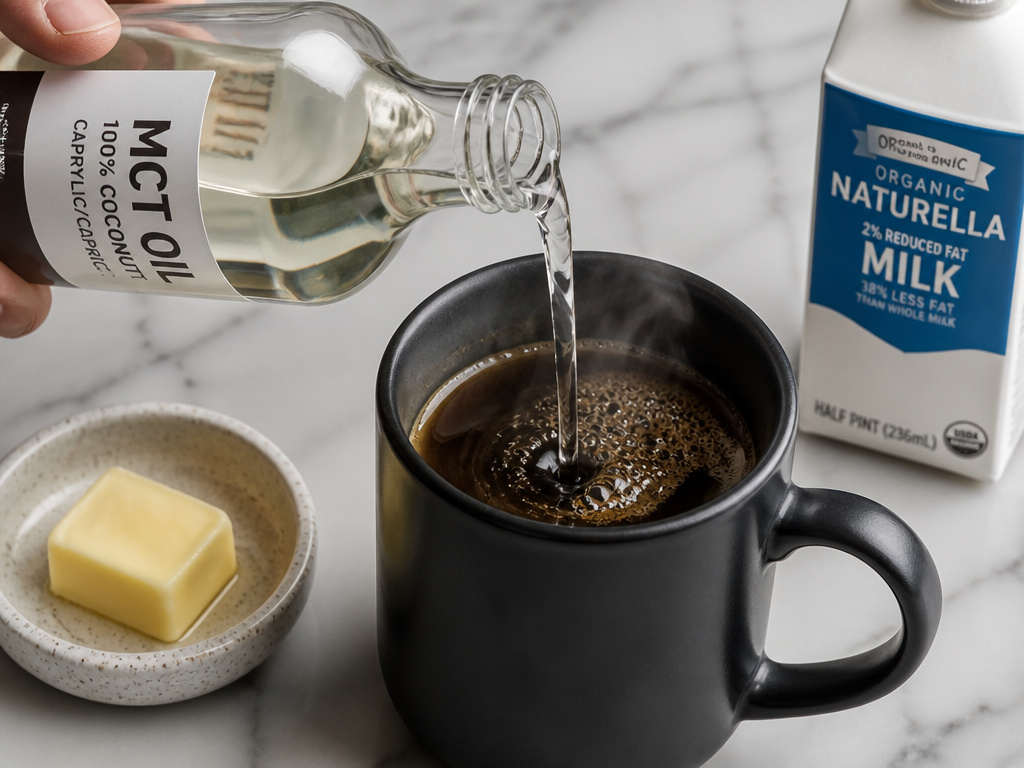
Adding pure fat like butter or MCT oil in coffee is the core of the “Bulletproof” style. Pure fat has a minimal effect on insulin. From a strict “fat-burning” perspective, a teaspoon of MCT oil (about 40 calories) might not stop ketosis. But it absolutely provides calories and requires digestion. It breaks a fast in the literal sense, you are consuming food energy. For weight loss, it’s a gray area you might accept for satiety. For autophagy or a “gut rest” fast, it’s a clear break.
Dairy and Plant Milks
A splash of milk in your coffee seems innocent. It’s not. Even a small amount contains lactose (a sugar) and protein. Both stimulate insulin. The 2020 review in Nutrition & Metabolism on caffeine’s effects still underscores that any macronutrient ingestion can shift metabolism. If your fast’s goal is metabolic flexibility or insulin sensitivity, adding milk to coffee is counterproductive.
“Zero-Calorie” Sweeteners
This is a minefield. Artificial sweeteners like sucralose or aspartame may not have calories, but some studies suggest they can trigger an insulin response via cephalic phase insulin release, your brain tastes sweet and prepares for sugar. Furthermore, they alter gut microbiota. For a fasting purist, they fail. If you must have sweetness, a minuscule amount of a natural sweetener like stevia might be the least bad option, but it’s not risk-free.
My rule: If you need sweetener to get through the fast, your fasting window might be too long. Shorten it sustainably rather than cheating the mechanism.
Individual Biology: Why Your Friend’s Coffee Rules Aren’t Yours
The peer-reviewed data has a consistent footnote: individual variation is significant. The 2019 systematic review in the Journal of Human Hypertension explicitly notes the variable effect of caffeine on glucose metabolism person-to-person.
- Caffeine Sensitivity: One person drinks a double espresso and feels focused and satiated. Another gets jittery, anxious, and ravenously hungry an hour later. That hunger spike is a cortisol and blood sugar rollercoaster that can sabotage your fast.
- Acidity and Gut Response: Black coffee is acidic. On an empty stomach, it can cause discomfort or acid reflux for some, creating stress that impacts fasting hormones.
- Medications and Conditions: Certain medications, along with conditions like adrenal fatigue or insulin resistance, can change how you metabolize caffeine.
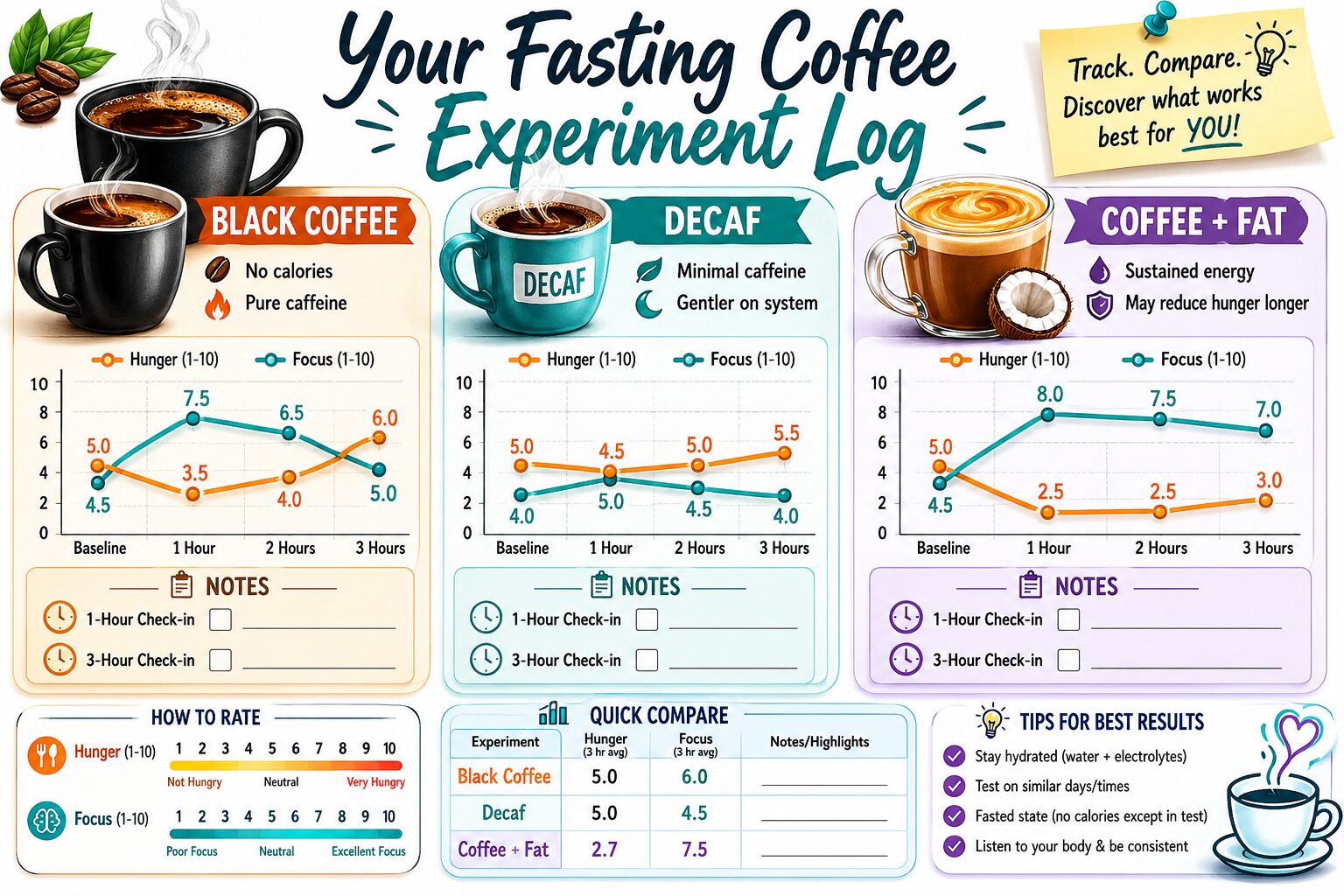
You have to self-experiment. Keep a log for a week:
* Day 1: Black coffee fasted. Note hunger, energy, and focus at 1-hour and 3-hour marks.
* Day 2: Decaf coffee fasted. Compare.
* Day 3: Coffee with coconut oil or another fat. Compare.
The data point that matters is yours. I’ve had phases where black coffee made fasts effortless, and others where it made me so hungry by 11 AM that I caved. I switched to decaf for those periods.
How to Drink Coffee While Fasting: A Practical Protocol
Let’s build a decision tree you can use tomorrow morning.
-
Identify Your Primary Fasting Goal.
- Weight Loss / Metabolic Flexibility: Black coffee is fine. A tiny splash of milk (<30 calories) or a tsp of MCT oil (<50 calories) is probably okay, but it’s a trade-off. This is the most forgiving protocol.
- Autophagy / Cellular Repair: Stricter. Black coffee is debated; decaf is better. Avoid all additives, including fats and sweeteners. When in doubt, choose water.
- Spiritual / Religious Fast: This is defined by doctrine, not biology. Refer to your specific tradition’s guidelines. Many permit non-caloric liquids, some do not.
-
Brew Your Coffee Plain. Use your normal method, pour-over, French press, espresso. The key is the next step.
-
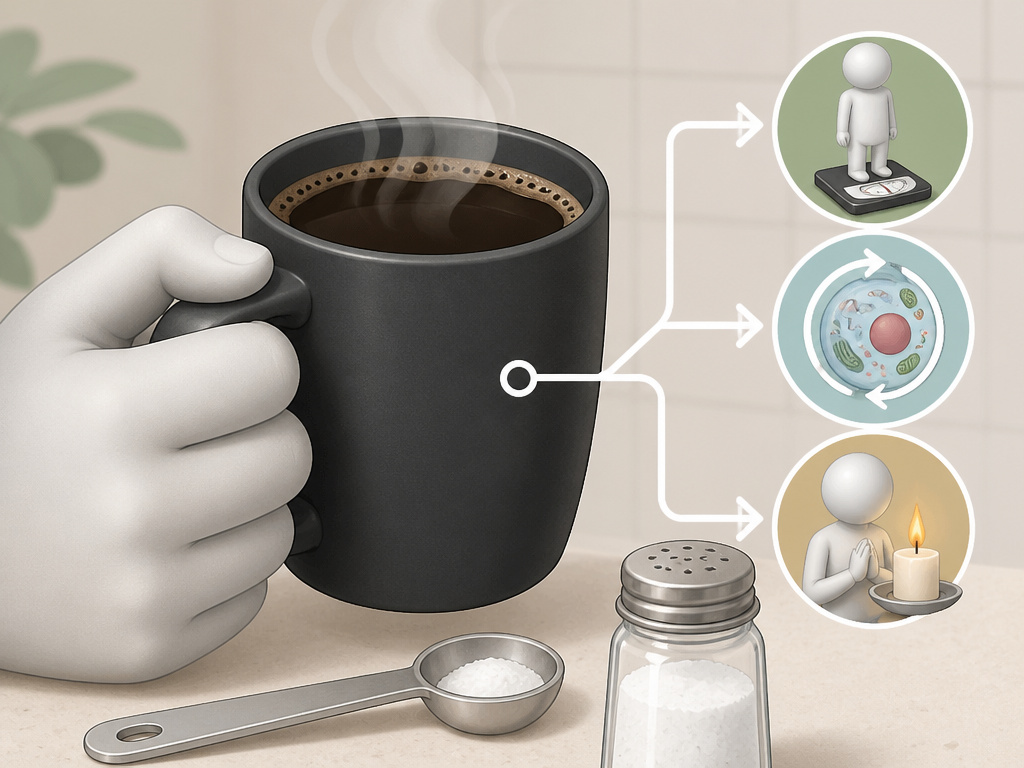
Add Nothing. Seriously. Drink it black. If the bitterness is an issue, try a pinch of salt in coffee to reduce perceived bitterness without calories or sweeteners. Or, buy higher-quality, lighter roast beans that are naturally less bitter.
-
If You Must Add Something, Measure It. Eyeballing leads to excess. Use a measuring spoon for MCT oil or a tablespoon for milk. Know the calorie content of milk or oil you’re adding. Crossing the 50-calorie threshold moves the needle.
-
Consider Timing. For longer fasts (>24 hours), some proponents suggest consuming coffee early in the fasting window to minimize any potential autophagy disruption later. For 16:8, timing is less critical.
-
Have an Exit Strategy. If black coffee makes you feel awful, have a plan. Switch to decaf. Shorten your fasting window by an hour. Or, break the fast properly with a balanced meal instead of pushing through with additives that defeat the purpose.
Frequently Asked Questions
Does decaf coffee break a fast?
Decaf coffee is the safer choice for any fast. It contains negligible calories and, more importantly, removes most of the caffeine, the primary xenobiotic that requires liver processing. It’s the best option for autophagy-focused or “liver rest” fasts where even black coffee is questionable.
Can I have butter or coconut oil in my coffee while fasting?
For weight loss fasting, a small amount (like a teaspoon of coconut oil coffee) providing under 50 calories is a common practice and unlikely to significantly impact insulin or kick you out of ketosis. However, it does provide calories and requires digestion, so it technically breaks a fast. For any fast aimed at autophagy, digestive rest, or spiritual purity, it breaks the fast.
Will a splash of milk ruin my intermittent fast?
Yes, for all intents and purposes. Even a small splash (2 tablespoons) of whole milk has about 20 calories from lactose (sugar) and protein. This will trigger an insulin response, which halts fat burning. If your fast is for metabolic health or insulin sensitivity, it’s counterproductive. For a rough estimate of the impact, you can check the calories in coffee with various additions.
What about artificial sweeteners?
Avoid them. While they may be zero-calorie, research suggests they can still provoke an insulin response in some people and affect gut bacteria. They keep your brain hooked on sweetness, which can increase cravings. If you’re fasting to reduce dependency on sweet tastes, they undermine the goal.
Does caffeine from coffee affect fasting differently than caffeine from tea?
The caffeine molecule is the same. However, tea vs coffee caffeine delivery differs due to other compounds like L-theanine in tea, which can smooth the stimulant effect. The overall caffeine content is also lower in tea. For fasting purposes, the caffeine itself is the xenobiotic of concern, so a strong black tea would pose a similar question as coffee. A caffeine in black coffee comparison shows a typical cup has more caffeine than tea, thus a larger xenobiotic load.
Before You Go
The question isn’t just “can you,” but “should you, for your goal?” For straightforward weight loss, black coffee is a powerful ally, it suppresses appetite and boosts metabolism. The moment you add milk, sugar, or even a zero-calorie sweetener, you’re negotiating with the metabolic machinery you’re trying to harness.
If your aim is deeper, autophagy, metabolic reset, or a disciplined cleanse, the rules tighten. Here, even black coffee becomes a compromise. Decaf or water are the purist’s tools. Listen to your body’s response more than any rigid rule. A sustainable fast with black coffee is better than an unsustainable “perfect” one you can’t maintain. Start with black, be precise with anything you add, and let your specific results, not generic advice, guide you.
