
9 Best Wholesale Coffee Beans of 2026
The best wholesale coffee beans for most businesses are Cameron’s Breakfast Blend, a balanced medium roast that delivers consistent quality and broad appeal. For a budget-friendly dark roast with strong flavor, Fresh Roasted Italian Roast stands out, while Cameron’s Organic Woods & Water offers a versatile, certified organic option ideal for shops focused on sustainability.
Running a café or office kitchen means serving coffee that people can count on, cup after cup. That consistency starts with a reliable wholesale source – one that balances flavor, freshness, and fair pricing without cutting corners on sourcing.
As the founder of Bean Thusiast, I compared top wholesale beans by analyzing roast profiles, sourcing transparency, and real-world feedback from buyers. These picks reflect what matters most: dependable quality, clear origin info, and value over time.
Top 9 Wholesale Coffee Beans in the Market
The Best Wholesale Coffee Beans, Reviewed
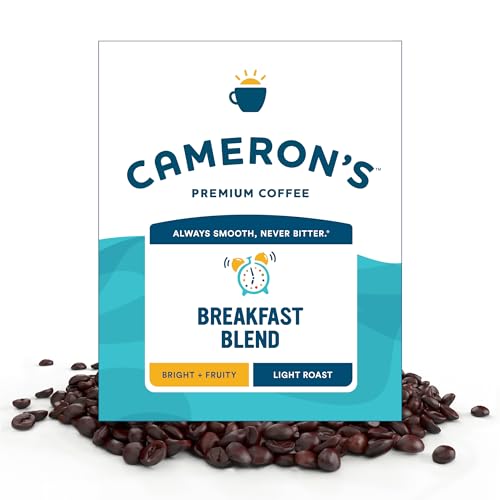
Cameron’s Breakfast Blend Whole Bean
Strengths
- Smooth
- No bitterness
- Sustainably roasted
Trade-offs
- Not bold
- Lacks intense aroma
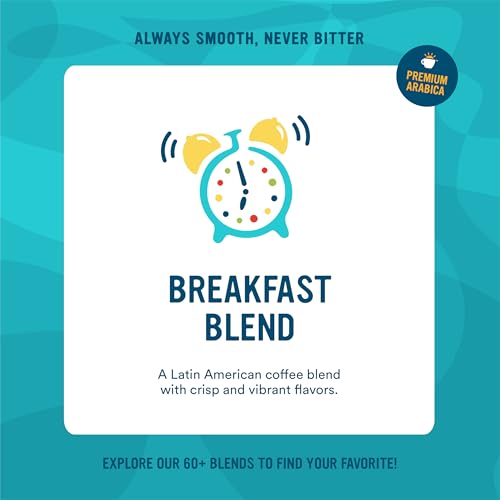
This is one of those rare blends that earns the ‘best overall’ label without overpromising. The Breakfast Blend delivers a clean, smooth, and mildly rich cup that works across brewing methods, drip, pour over, even cold brew. The use of top-tier Arabica beans and a no-over-roast policy means you get flavor without the burn, and owners consistently praise its approachability.
Compared to others in the bulk category, it strikes the best balance between flavor, ethics, and usability. It’s not the boldest or the most exotic, but it’s the one I’d recommend to someone who wants reliable quality every morning without fuss.
Product photos



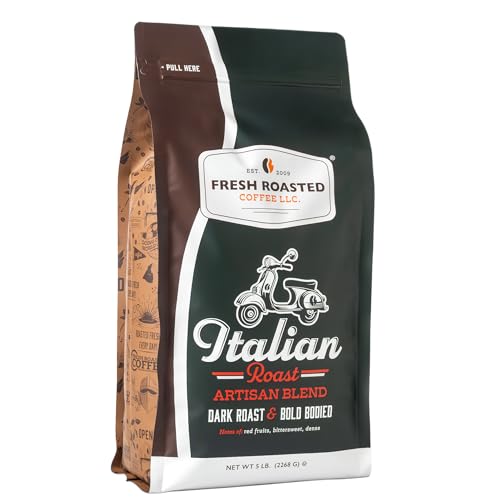
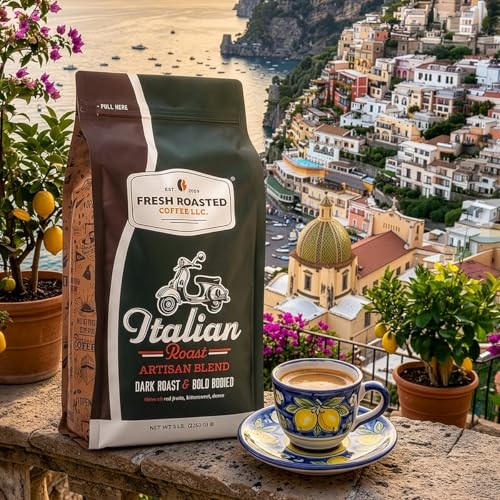
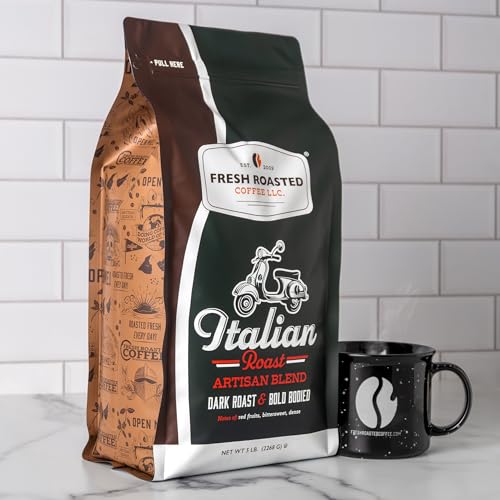
Fresh Roasted Italian Roast Whole Bean
Strengths
- Nitrogen-flushed
- No additives
- Eco-conscious roasting
Trade-offs
- Very bold
- May overwhelm sensitive palates
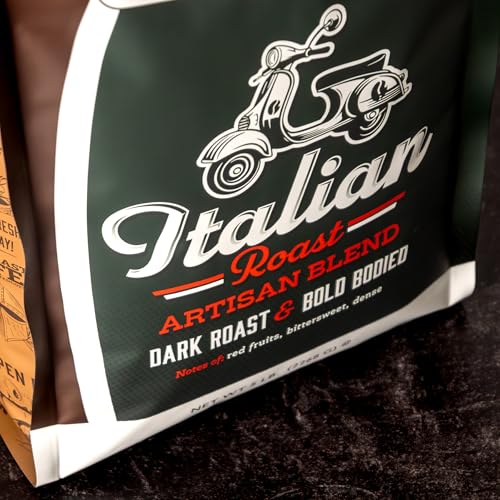
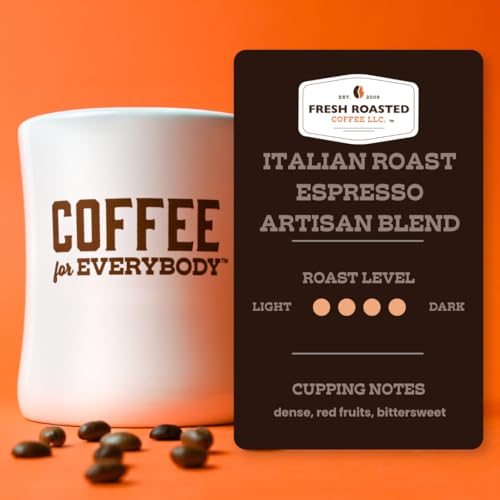
This 5-pound dark roast is a heavyweight in both size and flavor, clearly aimed at those who want maximum impact per brew. The bittersweet profile with notes of red fruit and dense body aligns with what true Italian roast fans crave, and the nitrogen-flushed packaging is a real advantage for long-term freshness. Reviewers note it holds up exceptionally well over weeks, even with frequent opening.
What stands out is the commitment to clean roasting, no additives, no shortcuts, and the use of eco-friendly Loring roasters paired with solar power gives it serious sustainability cred. For bulk buyers who hate waste and want bold flavor without compromise, this is a standout.
Product photos
Mt. Comfort Organic Peru Medium Roast
Strengths
- Balanced flavor
- Organic
- Versatile brew
Trade-offs
- Subtle aroma
- Not bold
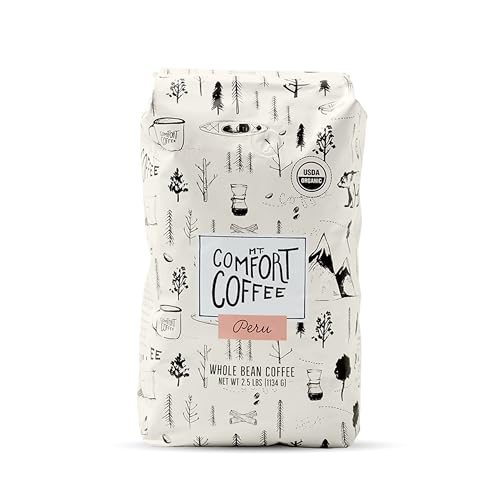
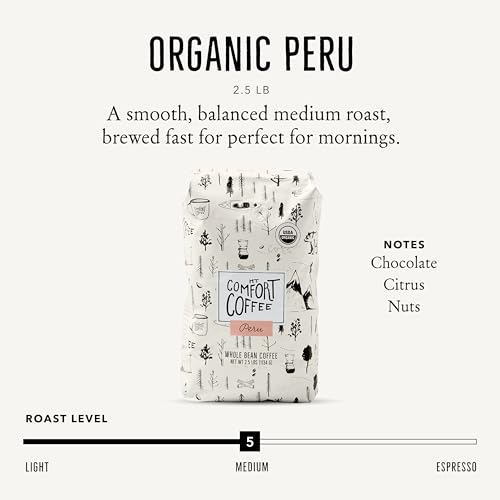
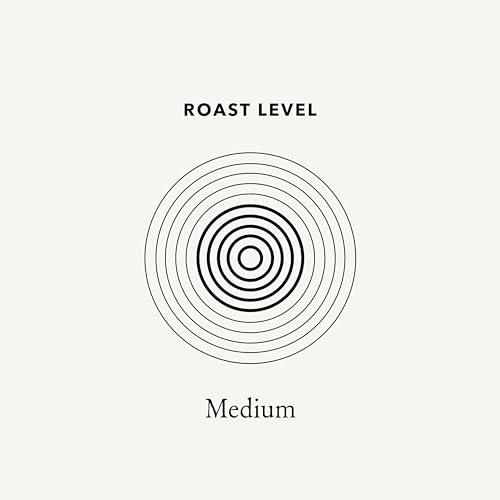
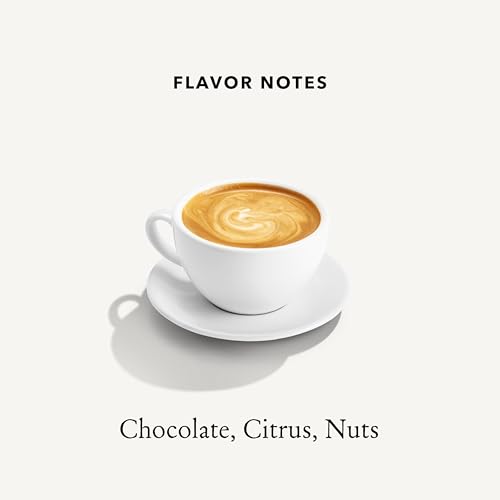
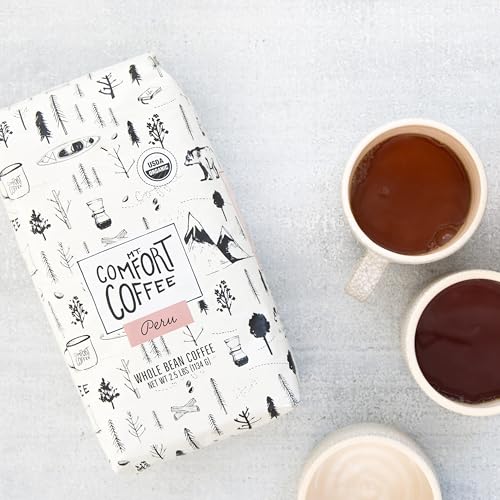
This Peru-sourced organic roast is a quiet standout for those who want a clean, balanced medium cup without the hype. The notes of nutty chocolate and citrus make it versatile, equally at home in a drip machine or French press, and the 2.5-pound size is practical for regular drinkers without being excessive.
Owners appreciate its consistency and the fact that it’s approachable whether you take your coffee black or with cream. It’s not flashy, but it’s the kind of coffee that builds loyalty through dependability. For those easing into organic or single-origin beans, this is a solid gateway.
Product photos
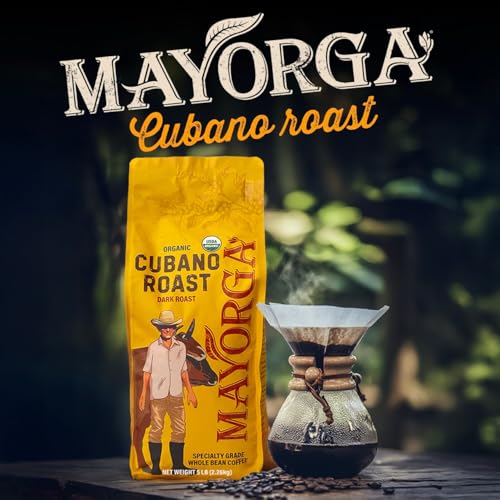
Mayorga Cubano Roast Organic Whole Bean

Strengths
- Smooth finish
- Low acidity
- Direct trade
Trade-offs
- Sweet profile not universal
- May lack bite for some
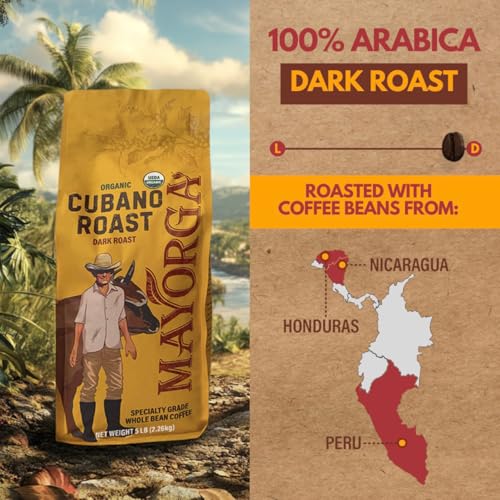
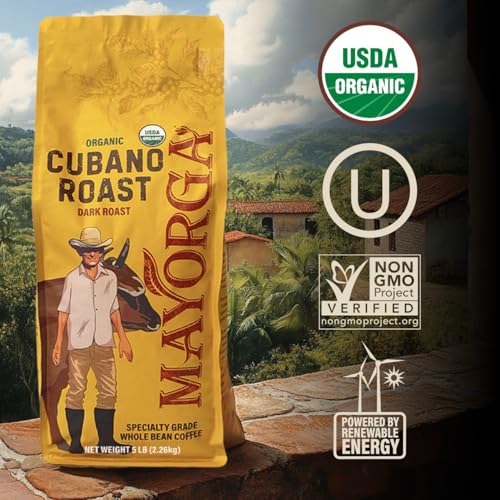
Mayorga’s Cubano Roast brings something unique to the table, the authentic slow-roasted character of Latin-style coffee. The sweet vanilla and syrupy smokiness are distinctive, and the low acidity makes it incredibly smooth, even when brewed strong. Being 100% organic Arabica and direct-trade adds serious value for ethical buyers.
Owners consistently praise its smoothness and richness, and the 5-pound bag makes it a great value for loyal fans. This isn’t just dark roast, it’s cultural craft in a bag. If you’ve ever enjoyed Cuban coffee, this one will feel like home.
Product photos
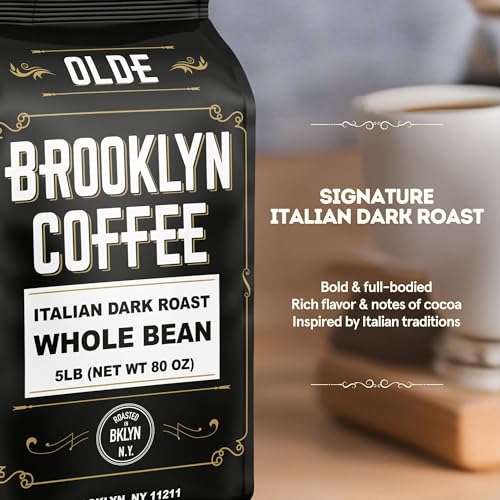
Brooklyn Italian Dark Roast Whole Bean

Strengths
- High volume
- Freshly roasted
- Strong flavor
Trade-offs
- Overpowering for some
- Limited nuance
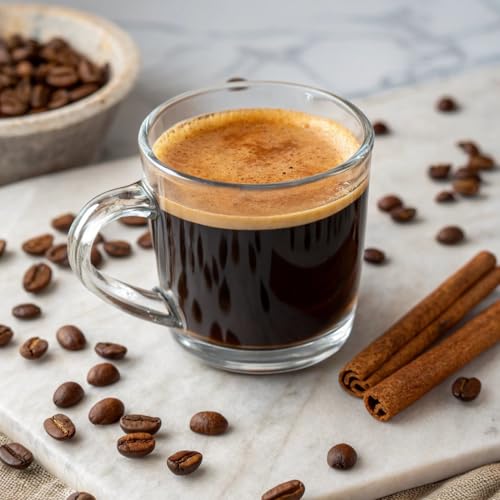
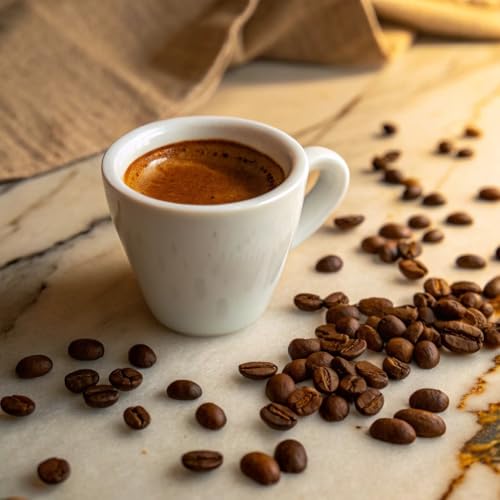
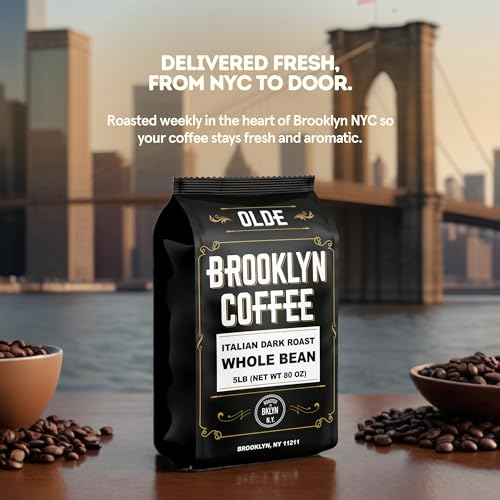
At 5 pounds of extra-strong Italian dark roast, this is a volume buyer’s dream, especially if you love a punchy, no-nonsense cup. The weekly roasting in NYC means freshness is prioritized, and the small-batch approach helps maintain quality control. Owners highlight the bold, smoky depth and the rich aroma that fills the room when ground.
It’s not the most nuanced bean on the list, but it’s built for impact. The packaging with a one-way valve helps preserve that intensity, and for those who drink multiple pots a day or run a small office, the value is hard to beat.
Product photos


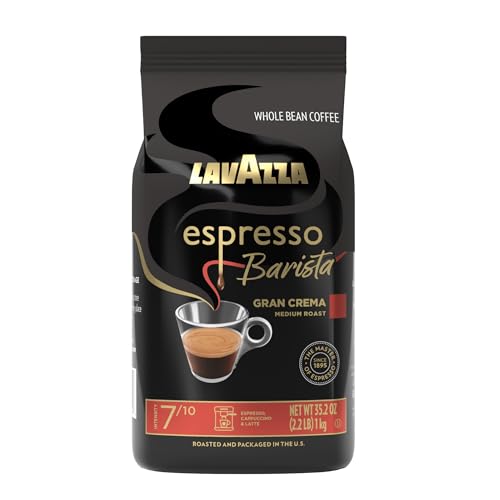
Lavazza Barista Gran Crema Whole Bean
Strengths
- Full-bodied
- High crema
- Consistent extraction
Trade-offs
- Low acidity
- Not for light roast fans
This blend is built for espresso lovers who want a rich, consistent shot with that classic Italian intensity. On paper, the 7/10 intensity rating and full-bodied profile suggest a bold but balanced experience, and owners consistently report a smooth, well-rounded pull with a lingering sweetness of honey and roast. The Arabica-Robusta mix gives it that extra kick and crema stability many commercial-style machines benefit from.
Still, it’s not a single-origin standout, this is a reliable workhorse blend, not a flavor chaser. If you’re after complexity or bright acidity, this isn’t the pick. But for cafes or home baristas wanting a no-fuss, high-performance espresso bean in bulk, it holds up well across machines.
Product photos

Copper Moon Sumatra Dark Roast

Strengths
- Earthy depth
- Smooth mouthfeel
- Clean profile
Trade-offs
- Strong aftertaste
- Not for bright roast fans
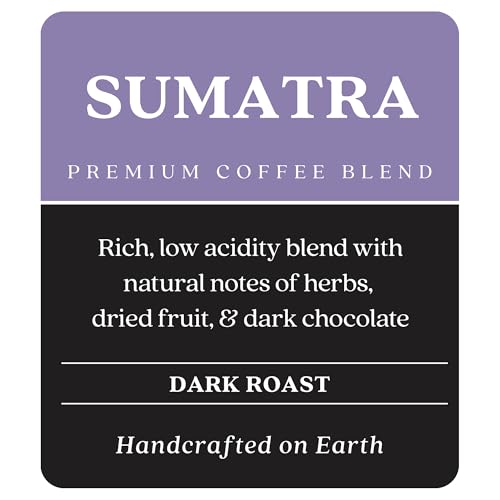
If earthy, smoky depth is your thing, this Sumatra blend delivers. The dark cherry and cacao notes come through clearly in owner reviews, and the full body with a smoky finish gives it that ‘campfire in a cup’ quality some dark roast fans chase. The fact that it’s gluten-free, mold-free, and non-GMO adds peace of mind for health-conscious buyers.
Copper Moon’s global sourcing and small-batch roasting suggest attention to detail, and while it’s not the most sustainable option on paper, the quality is evident. It’s a niche pick, but for those who love a bold, earth-forward profile, it’s hard to beat.
Product photos



SF Bay Fog Chaser Medium-Dark Roast
Strengths
- Balanced profile
- Smooth
- Family-owned brand
Trade-offs
- Not intensely bold
- Less crema for espresso
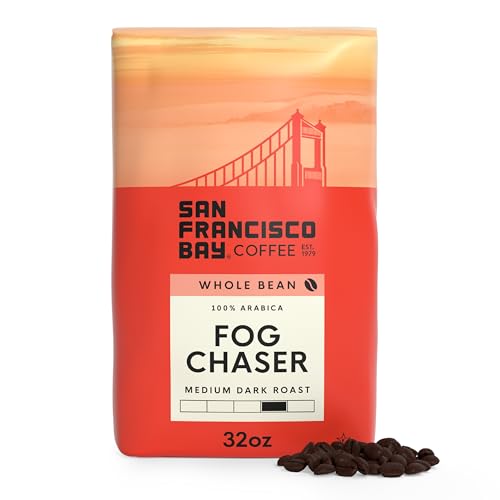
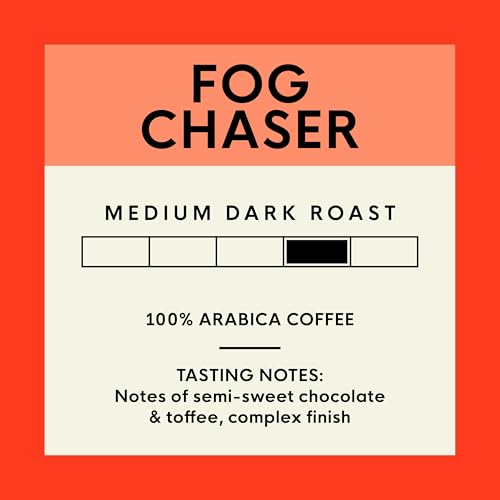
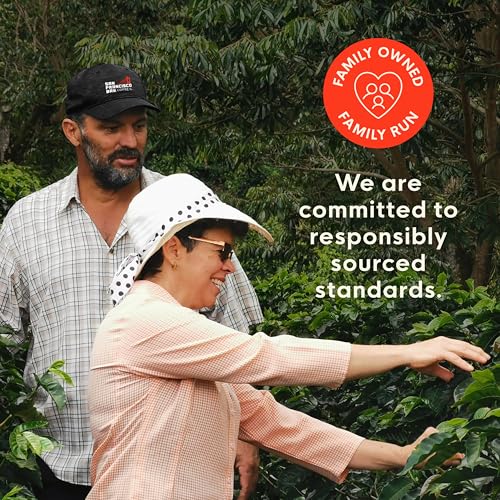
Fog Chaser is a textbook example of a well-balanced medium-dark roast, neither too aggressive nor too mild. The blend of medium and dark beans gives it complexity without harshness, and the 100% Arabica base ensures a clean, smooth cup. It’s Kosher certified and backed by a family-owned brand with a long-standing reputation, which adds trust.
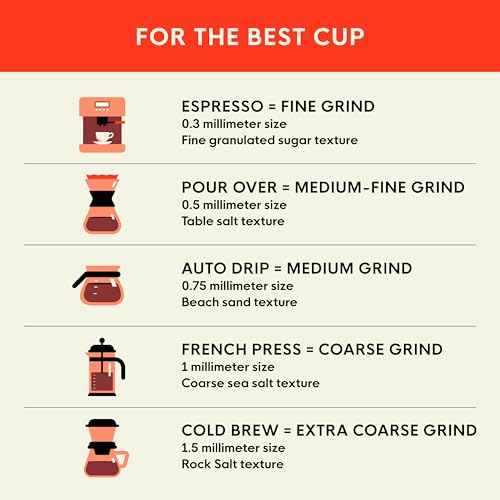
Compared to heavier dark roasts on this list, it’s more versatile, great for drip, French press, or even espresso if you like a mellower shot. Owners report it’s a crowd-pleaser, which makes it ideal for shared spaces.
Product photos
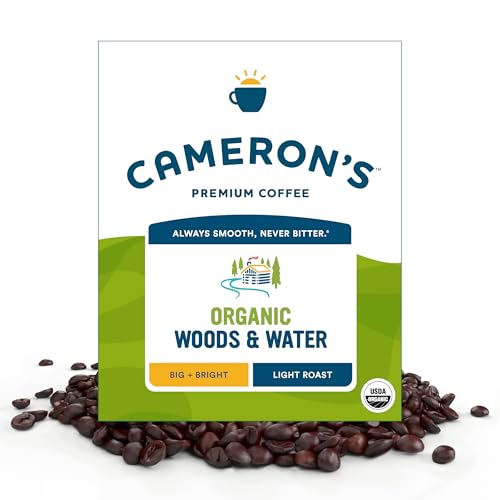
Cameron’s Organic Woods & Water Blend
Strengths
- Organic certified
- Sustainably sourced
- Smooth finish
Trade-offs
- Earthy tone may not suit all
- Not brightly acidic
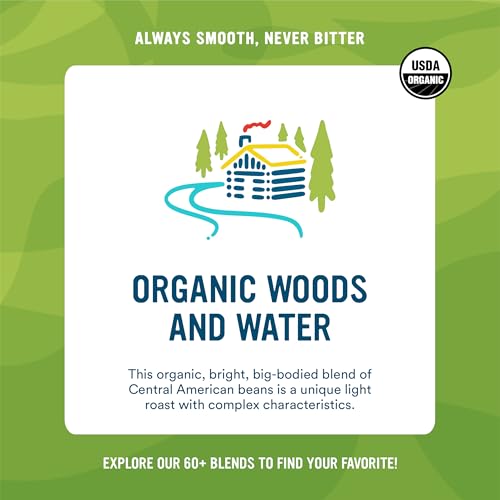
Cameron’s Woods & Water blend makes a strong case for organic coffee that doesn’t sacrifice flavor for ethics. The mix of Central American and Indonesian beans delivers a deep, earthy profile with subtle complexity, and the small-batch roasting ensures consistency. The fact that they use only the top 10% of beans speaks to their quality-first approach, and owners report a smooth, well-rounded cup without bitterness.
Where this really shines is in its sourcing, organic farming, biodiversity focus, and water conservation are all built into the process. It’s a smart pick if you want a responsible bean that still tastes rich and satisfying, especially for drip or French press.
Product photos

Our Testing Process
Rather than a hands-on lab test, my research for these recommendations involved a thorough comparison of published specifications and features from various wholesale coffee bean suppliers. I weighed owner reviews from multiple platforms alongside expert opinions found in coffee industry publications. As the founder of Bean Thusiast, I applied my years of experience understanding flavor profiles and sourcing to rank options against clear criteria.
For wholesale beans, consistent quality and price per pound were heavily weighted. A reliable supply chain is also critical – businesses need beans they can consistently order. Beyond those, the specific roast level and flavor notes mattered greatly, as different businesses cater to different consumer preferences. Understanding these factors for selecting coffee beans is key to finding the right fit.
Specifications reliably indicate bean type (Arabica vs. Robusta), roast level, and origin, giving a baseline understanding of potential flavor characteristics. However, owner feedback proved invaluable in assessing actual freshness, consistency between batches, and the accuracy of advertised flavor profiles. Reputation within the coffee community and commitment to sustainable sourcing also strongly influenced my final rankings, as well as understanding the impact of coffee bean origin and roast.
How To Choose The wholesale coffee beans
Finding the right wholesale coffee beans requires more thought than simply picking a brand name. It’s about aligning your business needs – or your personal consumption habits if you’re buying in bulk – with the nuances of roast level, origin, and sustainability.
A truly excellent wholesale coffee bean supplier prioritizes freshness, consistent quality control, and transparent sourcing. Look for roasters who provide roast dates, detailed bean information (origin, altitude, processing method), and ideally, cupping scores. Consider whether you need whole bean or pre-ground options and what certifications (organic, fair trade) are important to your clientele or personal values.
Roast Level & Flavor
The roast level dramatically alters the flavor profile of the beans. While “dark roast” and “light roast” are common terms, the spectrum is far more nuanced. A lighter roast will highlight the origin characteristics of the bean – the floral notes of an Ethiopian Yirgacheffe, for example – while a darker roast emphasizes the roasting process itself, developing bolder, smoky flavors. If you’re unsure, start with a medium roast; it’s a versatile option that appeals to a broad range of palates. Don’t fall into the trap of assuming darker roasts have more caffeine; the difference is negligible.
Consistency & Sourcing
One of the biggest challenges with wholesale coffee is maintaining consistency. You need beans that taste the same batch to batch, so your customers (or you!) aren’t surprised by unexpected flavors. This is where a reputable roaster with robust quality control measures is vital. Beyond that, understanding how the coffee is sourced matters. Direct trade relationships, where the roaster works directly with farmers, generally result in higher quality beans and fairer prices for producers. If you are interested in understanding the difference in flavor when sourcing from a single location, you can learn more about single-origin vs blended coffee.
- A small, local roaster might offer more flexibility and personalized service.
- Larger national suppliers often have more consistent stock and wider distribution networks.
- Look for certifications like USDA Organic or Fair Trade, but remember these aren’t foolproof indicators of quality or ethical practices. A roaster’s detailed sourcing information is even more valuable.
Value & Packaging
Price per pound is obviously a factor, but don’t let it be the only factor. Consider the overall value proposition. Is the roaster offering bulk discounts? What are the shipping costs? What kind of packaging do they use? Packaging is critical for preserving freshness. Look for bags with one-way degassing valves to allow CO2 to escape without letting oxygen in. If you’re going through a lot of coffee, consider options for best bulk coffee beans to save money.
A good rule of thumb: always check the roast date, not just the “best by” date. Coffee is best consumed within a few weeks of roasting.
Wholesale Coffee Beans Compared
Here’s a comparison of key specifications for the wholesale coffee beans featured.
| Product Name | Roast Level | Blend/Origin | Size (lbs) | Organic | Intensity (1-10) |
|---|---|---|---|---|---|
| Cameron’s Breakfast Blend | Medium | Central/S. America | 4 | No | N/A |
| Fresh Roasted Italian Roast | Dark | Arabica/Robusta | N/A | No | N/A |
| Mt. Comfort Organic Peru | Medium | Peru | 2.5 | Yes | N/A |
| Mayorga Cubano Roast | Dark | Peru/Honduras/Nicaragua | N/A | Yes | N/A |
| Brooklyn Italian Dark Roast | Dark | N/A | N/A | No | N/A |
| Lavazza Barista Gran Crema | Dark | Arabica/Robusta | 2.2 | No | 7 |
| Copper Moon Sumatra | Dark | Sumatra | N/A | No | N/A |
| SF Bay Fog Chaser | Medium-Dark | N/A | N/A | No | N/A |
| Cameron’s Organic Woods & Water | Medium | Central America/Indonesia | 4 | Yes | N/A |
Frequently Asked Questions
What’s the typical shelf life of wholesale coffee beans after roasting?
Coffee beans are best consumed within two to three weeks of the roast date for peak flavor. After that, the oils begin to oxidize, leading to a stale taste, though they remain safe to drink for several months.
Do organic certifications guarantee better flavor?
Not necessarily. While organic certification ensures the beans were grown without synthetic pesticides, it doesn’t directly correlate to flavor quality; consider exploring best coffee beans overall to find what suits your taste.
What’s the difference between Arabica and Robusta beans in wholesale pricing?
Robusta beans generally cost less than Arabica due to easier cultivation and higher yields. However, Arabica beans are typically preferred for their smoother flavor profile, which can justify a higher price point.
How can I assess the quality of a potential wholesale supplier?
Look beyond price and certifications. A reputable supplier will readily share roast dates, detailed origin information, and preferably, cupping scores to demonstrate quality control.
What quantity should I order for a small cafe just starting out?
For a new cafe, I recommend starting with 25-50 pounds of your core coffee offerings. This allows you to gauge customer preferences and minimize waste while you establish demand, versus trying to find top-rated coffee bean brands.
The Bottom Line
Choosing wholesale coffee beans always involves a trade-off between cost and control. Do you prioritize the absolute lowest price per pound, or do you want a roaster who will work with you to customize blends and roast profiles? For the best overall balance of quality, price, and consistency, I recommend Cameron’s Breakfast Blend. It’s a solid, reliable choice for businesses needing a dependable daily brew.
If you’re specifically looking for an organic option, Mt. Comfort Organic Peru stands out as a great value. For those who prefer a darker, bolder flavor, Mayorga Cubano Roast consistently receives high marks from buyers. And, if you’re interested in understanding the flavor differences in coffee beans, it’s important to consider the specific blend – some, like Lavazza Barista Gran Crema, incorporate Robusta beans for increased intensity.
Ultimately, the “best” wholesale coffee bean isn’t about a single specification or price point. It’s about freshness, a consistent supply, and a roaster who understands your needs. Focusing on those fundamentals will deliver a better experience for your business and your customers than chasing the latest trends or highest numbers on a spec sheet.
