
8 Best Whole Bean Decaf Coffees of 2026
The best whole bean decaf coffee overall is Mayorga Decaf Cubano Roast, thanks to its rich flavor and clean Swiss Water Process. For a budget-friendly option, 365 by Whole Foods Decaf delivers solid taste and organic quality. If you want versatility across brew methods, Kicking Horse Decaf Dark Roast brings boldness without bitterness.
Finding great decaf coffee shouldn’t mean settling for flat or chemical aftertastes. Too many brands use harsh decaffeination methods or stale beans, leaving you with a cup that lacks depth. After researching the field and analyzing owner feedback, I focused on flavor integrity, roast freshness, and ethical sourcing to find the ones that truly deliver.
This guide highlights whole bean decaf coffees that stand out for their taste, process, and value – all chosen based on specs, sourcing transparency, and real user experiences.
Top 8 Whole Bean Decaf Coffee in the Market
The Best Whole Bean Decaf Coffee, Reviewed
Kicking Horse Decaf Dark Roast

Strengths
- Swiss Water Process
- Organic and Fairtrade
- Rich chocolate notes
Trade-offs
- Smaller bag size
- Pricier per ounce
When you’re chasing depth and richness in a decaf dark roast, Kicking Horse delivers on paper and in owner feedback. The Swiss Water Process ensures no chemicals touch the beans, which matters for purists, and the tasting notes of roasted hazelnuts and chocolate are consistently echoed by reviewers who call it ‘surprisingly bold for decaf’. It’s not just marketing, this roast carries a velvety body that holds up well in French press and pour over, making it a strong contender for those who refuse to sacrifice flavor for sleep.
I’d pick this over many caffeinated dark roasts, let alone decafs. The fact that it’s certified organic, Fairtrade, and Kosher adds real value for buyers who care about sourcing. Some note the 10 oz bag feels small compared to bulk options, but the roast quality and clean profile justify it for daily ritual drinkers.
Video review
Mayorga Decaf Cubano Roast

Strengths
- Organic and Direct Trade
- Smooth, low acidity
- Vanilla and smokiness
Trade-offs
- Slight batch variance
- Not ultra-bold
- Limited availability
Mayorga’s Cubano Roast is one of the smoothest organic decafs on the market, and owners consistently highlight its low acidity and sweet, syrupy finish. The blend from Peru, Honduras, and Nicaragua is slow-roasted in small batches, which may explain the even development and subtle vanilla notes that come through. It’s 99.9% caffeine-free via Swiss Water Process, and the fact that it’s certified organic, non-GMO, and Direct Trade adds serious appeal for conscious buyers.
This isn’t just another dark roast, it’s a Latin-inspired profile with warmth and nuance. Compared to San Francisco Bay’s French Roast, it’s less aggressive and more approachable, making it a smarter pick for evening drinking. The 2 lb bag is a win, but some note the roast can vary slightly between batches.
Product photos



illy Decaf Classic Medium Roast

Strengths
- Excellent for espresso
- Consistent roast
- Balanced caramel notes
Trade-offs
- Small bag size
- Expensive per ounce
- Less bold for dark roast fans
illy has spent decades refining a single blend, and it shows in their decaf offering. This medium roast is built for espresso lovers, low acidity, balanced body, and notes of caramel, toasted bread, and chocolate come through clearly in owner feedback. The beans are consistently sized and roasted with precision, which matters when pulling a shot. You’re not just buying flavor, you’re buying predictability.
Compared to other decafs, illy stands out in crema and mouthfeel. It’s not as aggressively dark as Kicking Horse or San Francisco Bay’s French Roast, but that’s the point. This is elegance over power. The 8.8 oz size means it’s best for smaller households or espresso devotees who go through beans quickly.
Video review
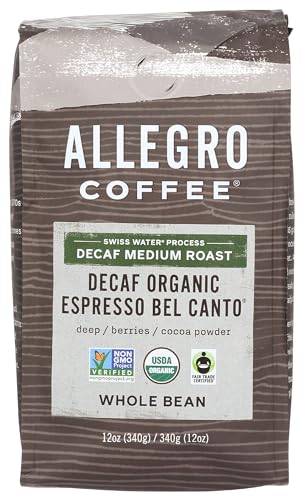
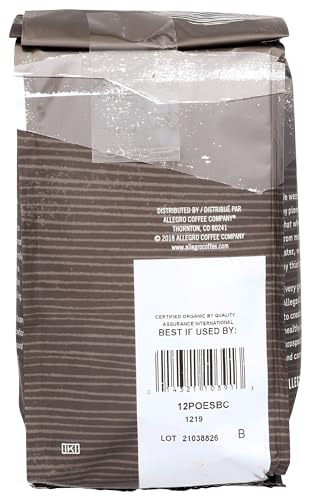
Allegro Decaf Bel Canto
Strengths
- Great for espresso
- Organic and balanced
- Berry and cocoa notes
Trade-offs
- Medium roast not bold enough for some
- Limited availability
- No large size option
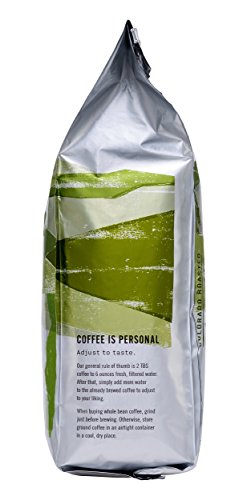
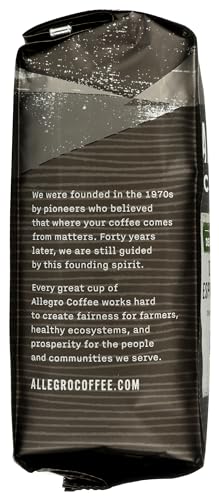
Allegro’s Bel Canto is built for espresso, and it shows in the blend’s deep, cocoa powder and berry notes, a rare combo that balances richness with brightness. It’s a medium roast, which helps preserve acidity, and owners using it in home machines praise its crema and smooth extraction. The organic certification and Swiss Water Process align with clean-caffeine values, and the 12 oz bag ensures freshness for regular espresso drinkers.
Compared to illy, it’s a bit more dynamic, less uniform, more lively. It’s not as polished, but some will prefer that character. If you want a decaf espresso that doesn’t taste flat, this is one of the better options. Just don’t expect the silky predictability of a big-name Italian brand.
Product photos
San Francisco Bay Decaf Bay Bridge
Strengths
- Balanced cocoa and berries
- 32 oz value size
- Swiss Water Process
Trade-offs
- Packaging may vary
- Mild for dark roast fans
- Less intense crema
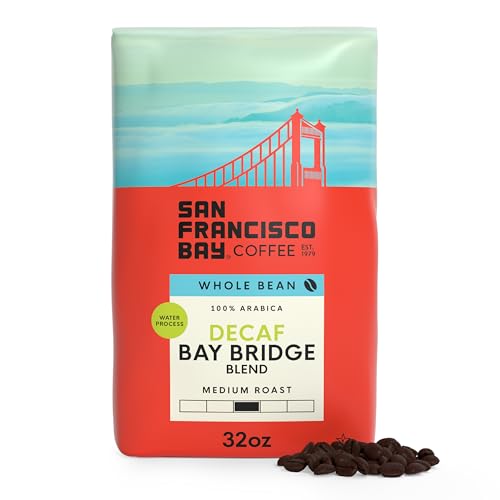
This medium roast stands out for its balance, owners describe a bright but smooth cup with clear notes of cocoa and berries, which is rare in decaf. The 32 oz bag is one of the largest here, making it ideal for households that want a go-to decaf without constant restocking. Like their other blends, it uses Swiss Water Process and 100% Arabica beans, so you’re not sacrificing purity for size.
Where it beats the French Roast version is versatility. It works in drip, pour over, and even cold brew, offering a fruitier, more rounded experience. If you’re tired of decafs that taste flat or one-dimensional, this blend brings real dimension. The family-owned brand’s satisfaction guarantee also adds peace of mind.
Product photos


San Francisco Bay Decaf French Roast
Strengths
- True French roast depth
- Swiss Water Process
- 2 lb bulk value
Trade-offs
- Very smoky flavor
- May be too bitter for some
- Packaging not resealable
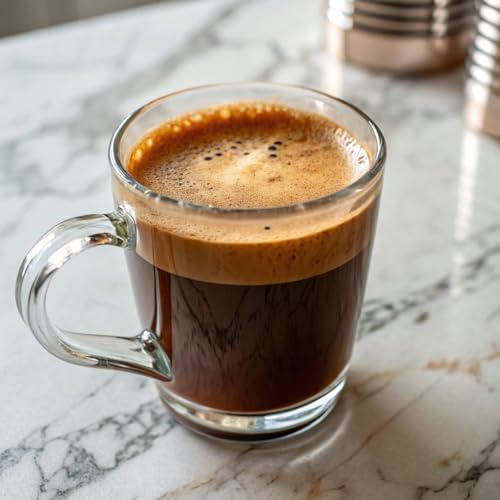
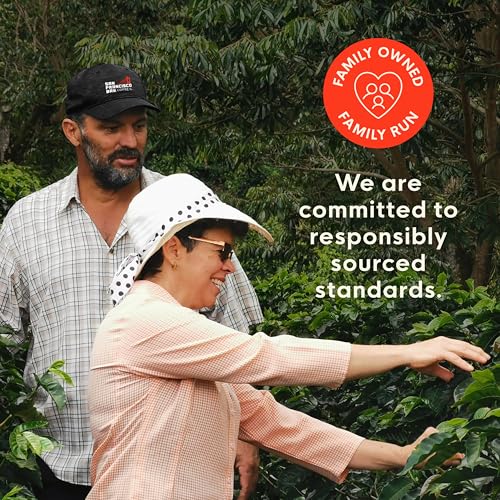
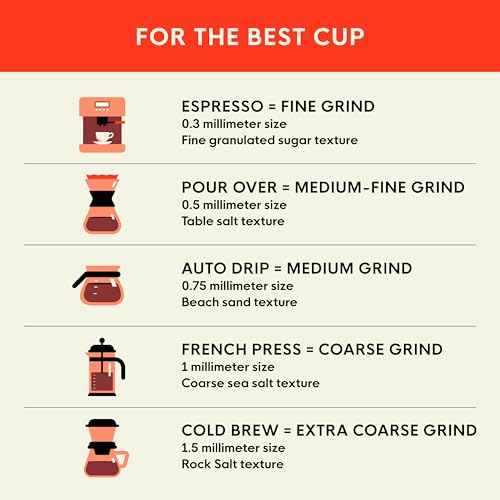
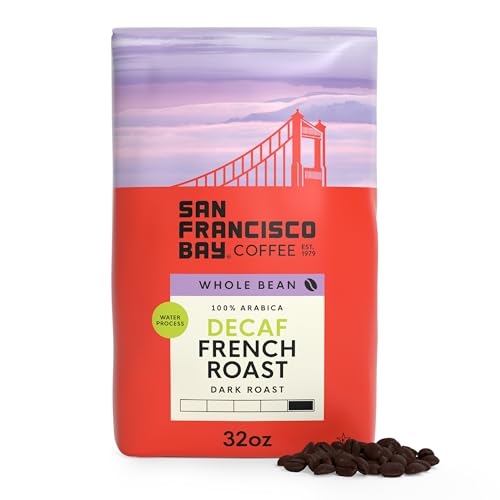
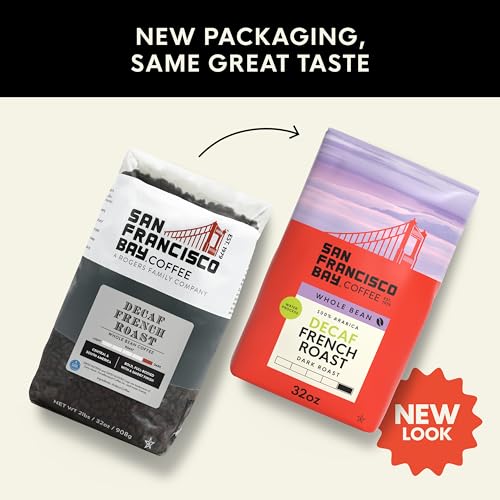
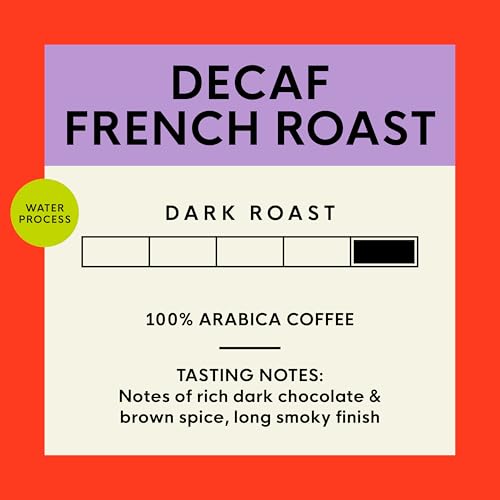
If you love a smoky, full-bodied dark roast and want it decaf, this 2 lb bag from San Francisco Bay Coffee is a no-brainer. The French Roast profile leans into boldness, charred cocoa, deep bitterness, and a lingering finish, exactly what fans of dark roasts crave. Owners praise its consistency and intensity, especially for drip and French press, and the Swiss Water Process keeps it chemical-free. For a brand that’s been around for decades, the family-owned story adds a layer of trust.
It’s not subtle. If you’re after brightness or acidity, look elsewhere. But if you want a decaf that still feels like a punchy dark roast, this outperforms many competitors in both flavor and value. The 2 lb size means fewer reorders, and the Kosher, 100% Arabica stamp keeps quality in check.
Product photos
365 by Whole Foods Decaf

Strengths
- Great value
- Large 24 oz bag
- Natural decaf process
Trade-offs
- Lacks depth in flavor
- Minimal tasting notes
- Generic branding
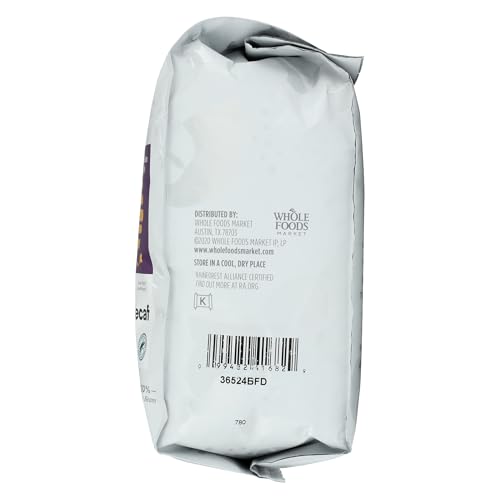
This is the decaf you grab when you want no-fuss, everyday drinkability without draining your wallet. It’s decaffeinated using a natural process, likely indirect water or CO2, and while the flavor profile isn’t detailed beyond ‘caffeine-free enjoyment’, owner reviews consistently describe it as mild, smooth, and perfectly serviceable for drip brewing. At 24 oz, the value is clear: it’s double or triple the volume of most specialty decafs at a fraction of the price.
Compared to pricier options like illy or Blue Bottle, it doesn’t aim for complexity. But for someone who drinks multiple cups a day and just wants a clean, neutral decaf that won’t disrupt their sleep or their budget, this is hard to beat. It’s not going to wow a coffee snob, but it’s not trying to.
Product photos
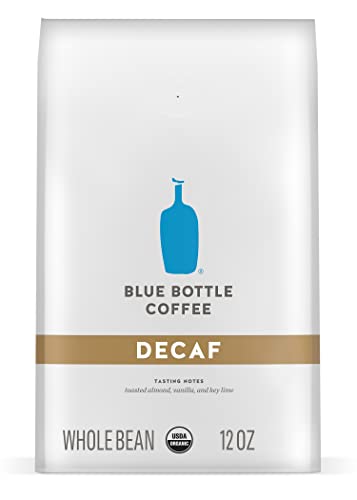
Blue Bottle Decaf Medium Roast
Strengths
- Clean, modern roast
- Organic certified
- Chemical-free decaf
Trade-offs
- Sparse flavor notes
- Higher price
- Limited batch info
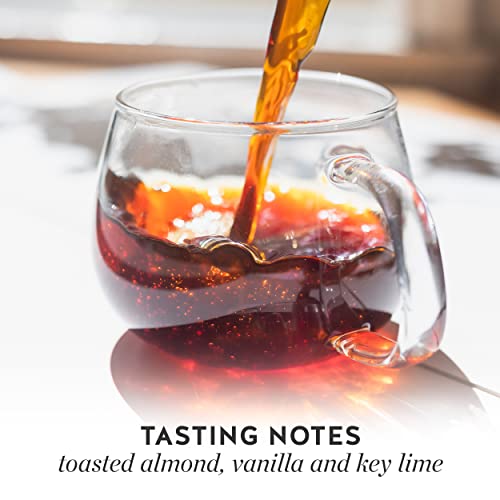
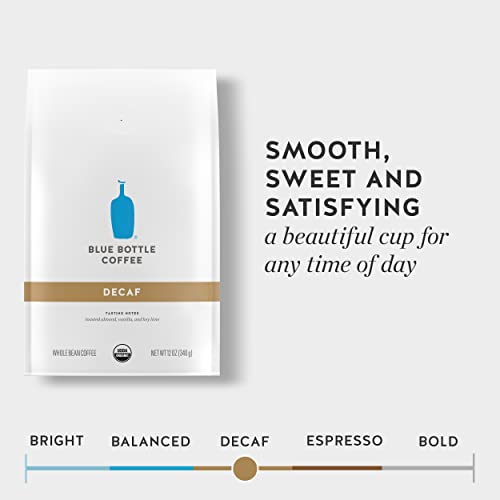
Blue Bottle has built a cult following on clean, modern roasting, and this decaf holds up to that standard. The medium-dark roast is processed using the Swiss Water method, and owners report a crisp, clean cup with minimal aftertaste, exactly what you’d expect from a brand focused on purity. It’s not loaded with tasting notes, but the ones that come through (mild chocolate, slight earthiness) are well-integrated and smooth.
Compared to others, it’s minimalist by design. No flashy claims, no bold smokiness, just a well-executed, organic decaf that lets the bean speak. It’s a great pick for those who hate the ‘processed’ taste some decafs have. The 12 oz bag is standard, but the price point reflects its specialty status.
Product photos


How We Picked These whole bean decaf coffee
As the founder of Bean Thusiast, I approach coffee selection with a deep understanding of the nuances within the bean – from origin to roast. Rather than a hands-on lab test, this was a research-led comparison of published specifications and owner feedback for a range of whole bean decaf coffees. I analyzed descriptions, certifications, and brewing recommendations, then weighed these against what actual customers are saying about taste and quality. My goal was to identify the coffees that consistently deliver on their promises.
For decaf coffee, consistent flavor and a truly effective decaffeination process are paramount. I heavily weighted the method used to remove caffeine, prioritizing options utilizing the Swiss Water Process explained as it avoids harsh chemicals. Roast level and origin also played a significant role, as these deeply impact the final cup profile – whether you prefer a bright, fruity blend or a bold, dark roast.
Published specifications reliably indicate origin and processing details, but owner feedback is crucial for assessing the actual taste experience. I paid close attention to comments regarding smoothness, acidity, and the presence of any off-flavors often associated with lower-quality decaffeination. Reputation, particularly regarding sustainable sourcing and roasting expertise, further informed my assessment of each coffee’s overall value.
How To Pick The Right whole bean decaf coffee
Finding a truly satisfying decaf can be tricky. Many brands treat it as an afterthought, but the best whole bean decaf coffee offers flavor and body comparable to its caffeinated counterparts.
A quality whole bean decaf starts with good beans – typically 100% Arabica – and uses a gentle decaffeination process like Swiss Water Process or CO2 method to preserve flavor. Roast date is crucial, as decaf beans stale faster. Look for beans roasted within the last few weeks, and consider your preferred roast level and brewing method.
Roast Level and Flavor Profile
For decaf, I always suggest thinking about why you enjoy coffee in the first place. Do you gravitate towards bright, acidic coffees or something richer and chocolatey? Decaf beans can sometimes lose some of their inherent brightness during decaffeination, so a lighter roast might not deliver the same vibrant cup you’re used to. Don’t be afraid to experiment with darker roasts; they often retain more body and boldness. If you’re looking for something specifically for pulling shots, you’ll want to investigate decaf whole bean coffee for espresso.
Decaffeination Method
The process used to remove caffeine significantly impacts the final flavor. The Swiss Water Process is widely considered the gold standard. It uses only water to extract caffeine, preserving more of the coffee’s original characteristics. CO2 decaffeination is another good option, offering similar benefits. Avoid coffees decaffeinated using chemical solvents (Methylene Chloride or Ethyl Acetate), though legally permitted trace amounts are allowed, and you’ll find some people aren’t bothered by them. It’s helpful to understand trace caffeine in decaf and the FDA’s regulations.
- Swiss Water Process: This is the most popular and widely respected method for preserving flavor.
- CO2 Decaffeination: A newer method gaining traction, offering a similar result to Swiss Water but using CO2 as the solvent.
- Direct Solvent Methods (Methylene Chloride/Ethyl Acetate): These are less expensive but can impart unwanted flavors; while legal limits are in place, they’re best avoided if flavor purity is your goal.
A fresh roast date is even more critical with decaf. Because the caffeine has been removed, the beans oxidize more quickly, losing their aroma and flavor.
Sourcing and Sustainability
As with all coffee, knowing where your beans come from matters. Look for brands that prioritize sustainable farming practices and fair trade certifications. Mayorga, for example, consistently emphasizes its commitment to supporting Latin American farmers. Beyond certifications, look for transparency – does the brand share information about its sourcing practices? This often indicates a commitment to quality and ethical sourcing. Many brands like 365 by Whole Foods also highlight their dedication to sourcing from environmentally conscious farms. Don’t assume all “organic” decaf is created equal; also check the decaffeination process if flavor is paramount. Understanding decaf coffee caffeine levels can also help you make an informed choice.
Whole Bean Decaf Coffee Compared
Here’s a comparison of key specifications for various whole bean decaf coffee options.
| Product Name | Roast Level | Origin | Decaf Method | Flavor Notes | Organic |
|---|---|---|---|---|---|
| Kicking Horse Decaf Dark Roast | Dark | N/A | N/A | Hazelnut, chocolate | Yes |
| Mayorga Decaf Cubano Roast | Dark | Latin America | Swiss Water | Vanilla, smoky | Yes |
| illy Decaf Classic Medium Roast | Medium | N/A | N/A | Caramel, chocolate | N/A |
| Allegro Decaf Bel Canto | Medium | N/A | N/A | Berries, cocoa powder | N/A |
| San Francisco Bay Decaf Bay Bridge | Medium | Central/S. America | Swiss Water | Cocoa, berries | N/A |
| San Francisco Bay Decaf French Roast | Dark | Central/S. America | Swiss Water | Smoky | N/A |
| 365 by Whole Foods Decaf | N/A | N/A | Natural | N/A | Yes |
| Blue Bottle Decaf Medium Roast | Medium-Dark | N/A | Swiss Water | N/A | Yes |
Frequently Asked Questions
What’s the best way to store whole bean decaf coffee to keep it fresh?
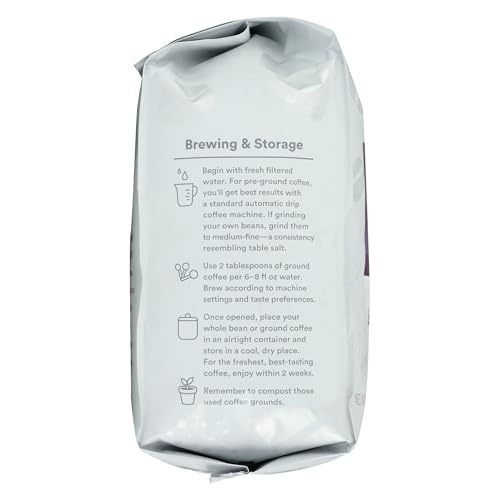
Decaf beans lose flavor faster than regular coffee, so an airtight container is crucial. Store it in a cool, dark, and dry place(avoiding the refrigerator or freezer) and consume within a few weeks of opening for the best taste.
Is decaf coffee really caffeine-free?
No, decaf coffee isn’t completely caffeine-free. The FDA allows up to 0.1% caffeine by weight in decaffeinated coffee, meaning a typical cup still contains a small amount(around 2-12mg). If you are highly sensitive, you may want to investigate best-tasting decaf coffee brands known for exceptionally low caffeine levels.
Why does decaf coffee sometimes taste different (or worse) than regular coffee?
The decaffeination process can remove some of the aromatic compounds that contribute to coffee’s flavor. Choosing a coffee that uses the Swiss Water Process or CO2 method minimizes flavor loss, and opting for a darker roast can help retain body and boldness.
Can you use decaf whole beans for espresso?
Yes, but you’ll need a coffee specifically roasted for espresso. Decaf beans for espresso often require a finer grind and may need slight adjustments to your machine’s settings. You can find some premium decaf coffee picks that are well-suited for pulling shots.
Are there health benefits to drinking decaf coffee?
Decaf coffee retains many of the antioxidants found in regular coffee, potentially offering similar health benefits without the stimulating effects of caffeine. Some people prefer decaf because it doesn’t interfere with sleep or cause anxiety, while still allowing them to enjoy a flavorful beverage – and exploring flavorful decaf whole bean coffee can be a great way to find a brew you love.
The Bottom Line
Choosing the best whole bean decaf coffee often comes down to balancing your desire for a rich, flavorful cup with the potential for subtle differences introduced by the decaffeination process. For an outstanding all-around experience, I believe Mayorga Decaf Cubano Roast hits the sweet spot, delivering a bold, complex flavor profile thanks to its Swiss Water decaffeination and focus on quality Latin American beans.
If you have specific needs, though, there are excellent alternatives. For those prioritizing affordability, 365 by Whole Foods Decaf offers a reliably organic option, while San Francisco Bay Decaf French Roast is a fantastic choice for dark roast lovers. Understanding decaffeination methods overview will let you choose a process that aligns with your flavor preferences.
Ultimately, the most important factors aren’t necessarily the specifics of a single bean or process, but rather freshness and your own palate. Seek out recently roasted beans, experiment with different roast levels, and trust your taste. A quality grinder and brewing method are just as crucial to unlocking the full potential of any whole bean coffee – decaf or otherwise.
