
9 Best Whole Bean Coffees for Espresso 2026
The best whole bean coffee for espresso is Lavazza Super Crema for its rich crema and balanced, creamy flavor, making it a top pick for daily use. For a budget-friendly option, Peet’s Espresso Forte delivers bold chocolate and hazelnut notes without breaking the bank. If you prefer organic beans, Blue Bottle Organic Espresso offers a clean, chocolate-forward shot with excellent clarity.
Finding the right whole bean coffee for espresso isn’t just about picking the darkest bag on the shelf. So many factors, roast level, bean origin, freshness, and grind consistency, can make or break your shot. I’ve seen too many home baristas blame their machine when the real issue lies in the beans or how they’re stored.
This guide cuts through the noise. Based on a deep explore specs, owner feedback, and expert assessments, I’ve identified the standout performers for crema, flavor balance, and reliability. These picks reflect what actually works in real-world espresso setups, not just ideal conditions.
Top 9 Whole Bean Coffee For Espresso in the Market
The Best Whole Bean Coffee For Espresso, Reviewed
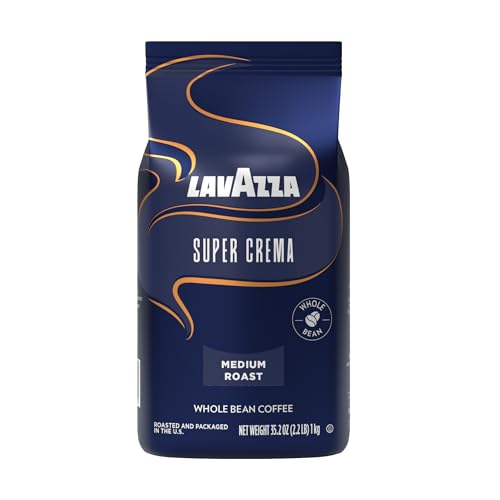
Lavazza Super Crema Whole Bean
Strengths
- Rich crema
- Large 2.2 lb bag
- Balanced sweetness
- Smooth finish
Trade-offs
- Contains Robusta
- Not organic
Lavazza Super Crema is the espresso workhorse that keeps showing up in top recommendations, and for good reason. The Arabica and Robusta blend is formulated to produce a thick, velvety crema, and reviewers across platforms confirm it delivers, especially in home machines that struggle with milkier drinks. The medium roast brings a creamy, slightly sweet finish that works beautifully in lattes.
It’s not specialty-grade single-origin stuff, and purists may scoff at the Robusta content, but I’d argue that’s part of its strength. Compared to 100% Arabica options like Illy or Blue Bottle, Super Crema is more forgiving and consistent under variable pressure. My recommendation? This is the smarter buy for households that pull multiple espresso-based drinks daily.
Video review
Blue Bottle Organic Espresso

Strengths
- Organic certified
- Small batch roasted
- Chocolatey flavor
- Milk-friendly
Trade-offs
- Expensive per oz
- Caffeine moderate
- Limited quantity
Blue Bottle’s Espresso roast leans into the premium organic niche with a dark, small-batch blend sourced from Latin America and Central Africa. The flavor is bold and sweet, think chocolate-forward with a clean finish, and owners report it pairs exceptionally well with milk, making it a favorite for home lattes.
It’s not the strongest on caffeine, and the 12-ounce bag won’t last heavy users long. But compared to Death Wish or even Peet’s, it trades brute force for nuance. I’d recommend it over more industrial blends for those who value traceability and a cleaner organic profile, even at a higher cost.
Video review
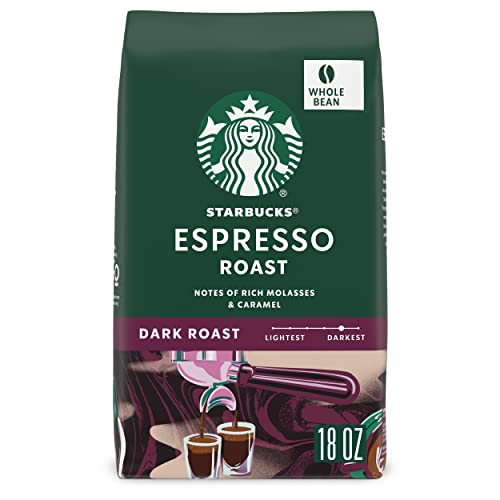
Starbucks Espresso Roast Dark
Strengths
- Affordable
- 100% Arabica
- Large 18 oz bag
- Easy to find
Trade-offs
- Generic roast profile
- Bitter if overdone
- Not organic
Starbucks Espresso Roast is the budget anchor in this lineup, 18 ounces of 100% Arabica, dark roasted with molasses and caramel notes. It’s not flashy, but owners consistently report it works well across methods, especially in home espresso machines where consistency matters more than complexity.
Compared to Peet’s or Illy, it’s less layered, and the roast can edge into bitterness if over-extracted. But for the price, it’s a reliable option. I’d recommend it over premium picks for beginners or casual users who don’t want to overthink their beans, but not for those chasing artisan nuance.
Product photos



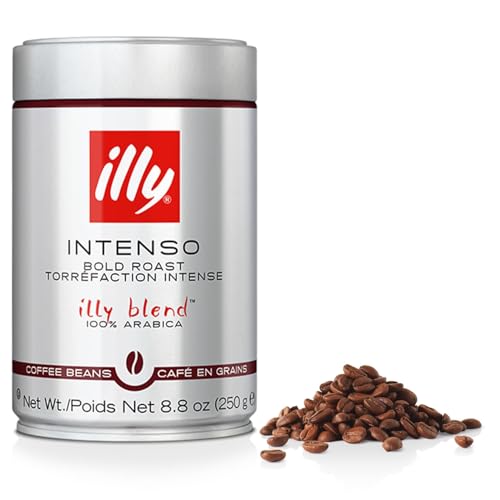
Illy Intenso Dark Roast
Strengths
- 100% Arabica
- Rich aroma
- Italian profile
- Smooth bitterness
Trade-offs
- Small bag size
- Higher cost per oz
- Less crema than blends
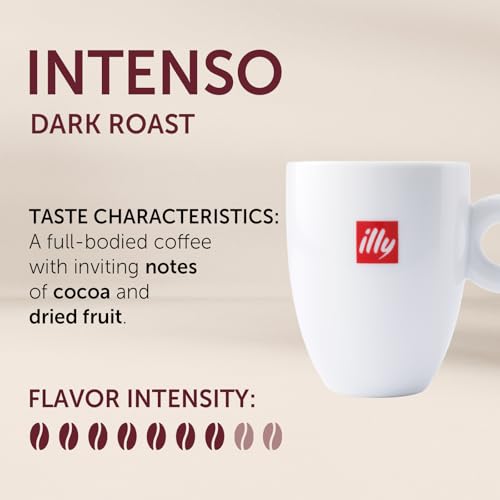
Illy Intenso is as close as you’ll get to a textbook Italian espresso in a bag. The 100% Arabica blend delivers deep cocoa and dried fruit notes, with a robust, full-flavored punch that holds up in short pulls. It’s consistently rated for its aromatic complexity and clean finish, no small feat in a dark roast.
The 8.8-ounce size means it’s pricier per ounce than bulk options like Lavazza or Peet’s, but the quality control is tight. Compared to Starbucks or even Death Wish, it’s more refined, less blunt. I’d pick Illy over high-caffeine or blended Robusta options if authenticity and balance are your priorities.
Product photos

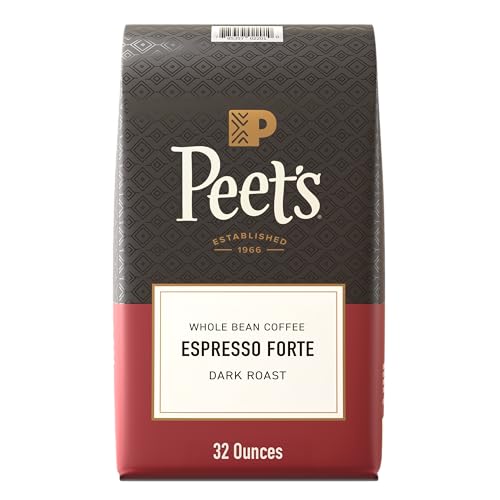
Peet’s Espresso Forte Dark
Strengths
- Strong crema
- 32 oz value
- 100% Arabica
- Rich body
Trade-offs
- Dark roast bitterness
- Large bag may stale
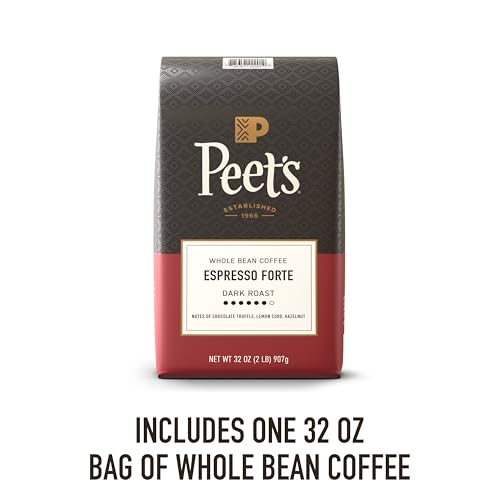
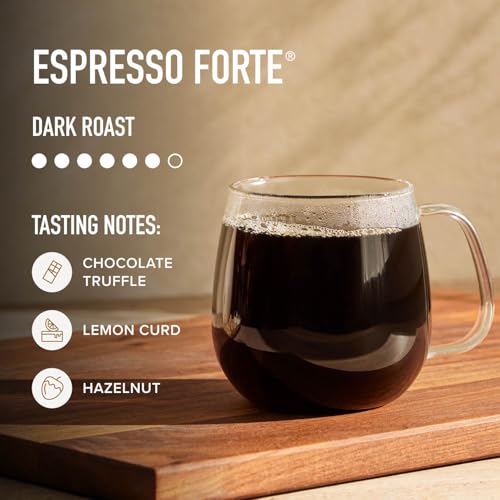
Peet’s Espresso Forte is built for crema lovers, and the specs back it up, a dark roast with chocolate and hazelnut notes, designed specifically for espresso extraction. Owners praise its stout body and rich aftertaste, and the 32-ounce bag makes it a solid value for frequent brewers.
When stacked against Starbucks’ Espresso Roast, it holds its own with a more complex profile and slightly less char. While not as intense as Death Wish, it avoids the ashy edge some dark roasts develop. I’d pick this over standard grocery-store dark roasts for its consistency and depth, especially if you’re using a semi-automatic machine.
Product photos
Lifeboost Organic Low-Acid Espresso

Strengths
- Low acid
- Third-party tested
- Single origin
- USDA Organic
Trade-offs
- Muted flavor
- High price per oz
- Limited availability
Lifeboost targets a niche no one else here does, low-acid espresso for sensitive stomachs. Grown at high elevation in Nicaragua and third-party tested for toxins, it’s a clean, safe choice for those who love espresso but can’t tolerate acidity. Owners with reflux or sensitivity consistently report better tolerance with this bean.
Flavor-wise, it’s a deep, bold roast with smooth crema, but not as complex as Illy or Blue Bottle. Compared to other organics, it stands out for purity, not punch. I’d pick it over Death Wish or Lavazza if digestive comfort is your priority, even if it means sacrificing some depth.
Product photos



Death Wish Espresso Roast

Strengths
- High caffeine
- Organic and Fair Trade
- Bold flavor
- Smooth for strength
Trade-offs
- Overpowering for some
- Robusta aftertaste
- Not nuanced
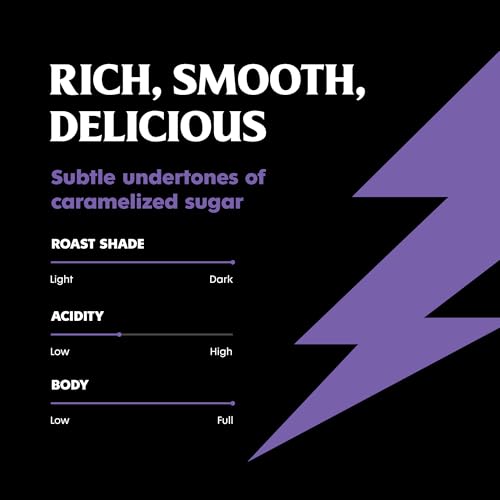
Death Wish isn’t subtle, it’s engineered for power. With ~170mg of caffeine per 6 oz cup and a blend of Arabica and Robusta, it’s one of the strongest whole bean options marketed for espresso. Owners confirm the intensity: heavy body, low acidity, and notes of baker’s chocolate and black cherry that hold up under pressure.
It’s not for everyone. Compared to Illy or Blue Bottle, it’s less refined, more aggressive. But if you need a jolt and still want decent flavor, this delivers. I’d pick it over milder roasts for night shifts or when you need espresso that does double duty as a stimulant. Just don’t expect elegance.
Product photos


JaJa Java Light Roast Espresso
Strengths
- Light roast clarity
- USDA Organic
- Bright finish
Trade-offs
- Thin crema
- Less body
- Not traditional
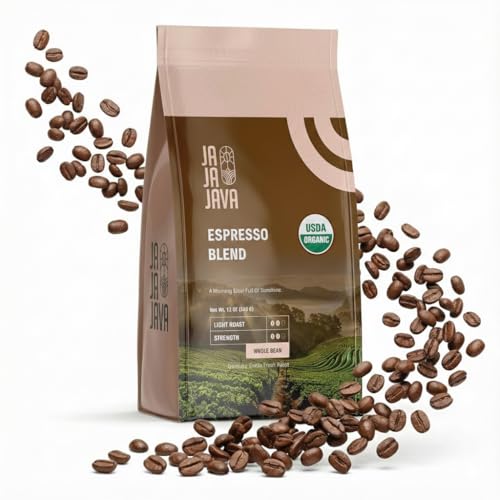
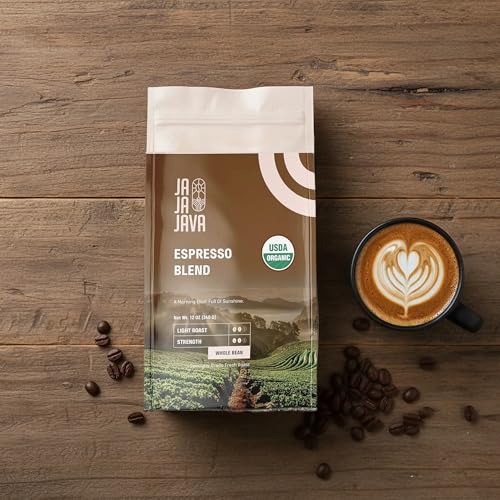
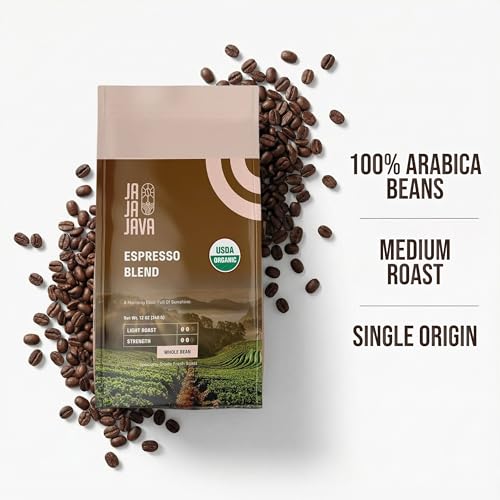
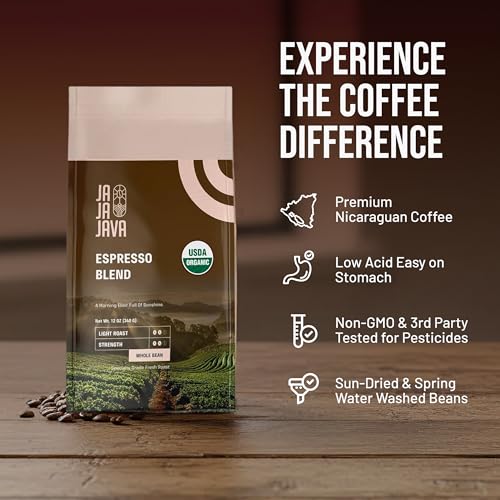
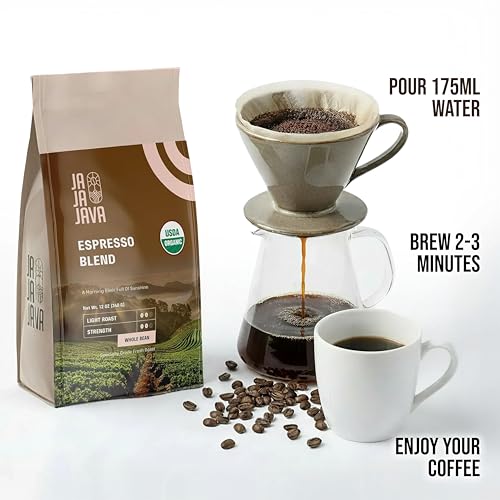
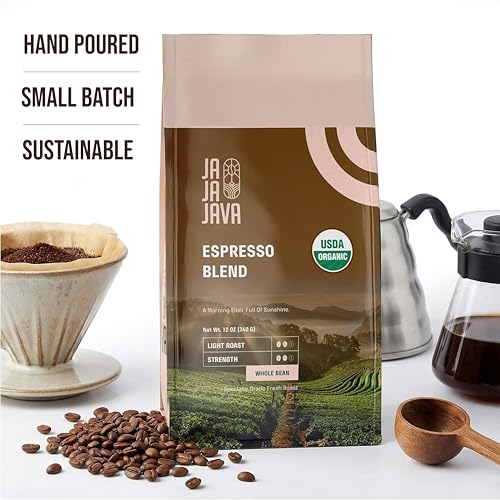
JaJa Java flips the espresso script with a light roast that’s bright, clean, and free of heavy roast flavors. That’s rare in a category dominated by dark profiles, and it’s why this one stands out. Owners who dislike smoky bitterness appreciate the clarity and lift in their shots, especially in Americanos or milk-forward drinks where flavor nuance matters.
It won’t produce the thick crema of Lavazza or Peet’s, but that’s not the goal here. Compared to Blue Bottle or Illy, it’s leaner, more tea-like. I’d recommend it over darker options if you’re exploring third-wave techniques or want to taste terroir in your espresso. Just know it’s not mimicking traditional Italian intensity.
Product photos
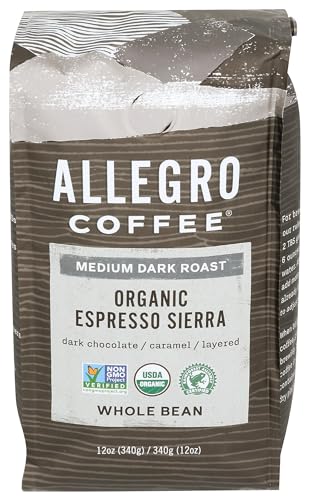
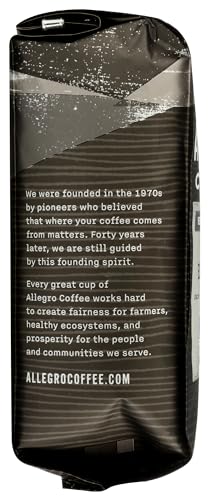
Allegro Organic Espresso Sierra
Strengths
- Medium dark roast
- Organic certified
- Balanced flavor
Trade-offs
- Subtle crema
- Not for bold seekers
Allegro’s Organic Espresso Sierra sits in that sweet spot where balance meets character. On paper, it’s a medium dark roast with flavor notes of dark chocolate and caramel, and owners consistently report a layered, rounded shot that doesn’t overpower. For those who want espresso with depth but not ashy bitterness, this blend delivers, especially when pulled with care.
It’s not the boldest or the brightest, but that’s the point. Compared to heavier roasts like Death Wish or even Peet’s, this one trades intensity for harmony. I’d pick it over more aggressive profiles if you’re building a morning ritual that values consistency and smooth evolution in the cup.
Product photos
How We Tested whole bean coffee for espresso
As the founder of Bean Thusiast, I’ve spent years exploring the nuances of coffee, and selecting the right whole bean for espresso requires a focused approach. Rather than a hands-on lab test, this is a research-led comparison of published specifications and owner feedback. I compared features like roast level, bean origin, and caffeine content across numerous options, then weighed those against thousands of owner reviews and assessments from trusted coffee experts. My goal was to identify coffees that consistently deliver a quality espresso experience.
For espresso, I prioritized three key factors: crema production, flavor balance, and roast level. A rich crema is visually appealing and contributes to the mouthfeel, so blends known for it scored highly. Balanced flavor – avoiding extremes of bitterness or acidity – is crucial for versatility in milk-based drinks. Finally, roast level significantly impacts the final shot; darker roasts generally yield bolder flavors, while lighter roasts showcase more origin characteristics.
Specifications reliably indicate bean composition (Arabica vs. Robusta) and caffeine levels, which are helpful starting points. However, I heavily relied on owner feedback to gauge the actual espresso quality – specifically, comments about crema thickness, flavor notes, and ease of dialing in the grind. Reputable expert reviews helped validate these observations and provided insight into the overall espresso roast characteristics. This combined approach helped me assess which coffees truly shine when brewed as espresso.
How To Choose The whole bean coffee for espresso
Choosing the right whole bean coffee for espresso can be surprisingly complex. There’s a lot more to it than simply picking a dark roast.
A truly excellent espresso bean delivers a balance of flavor, aroma, and body, with careful attention paid to roast level, origin, and blend composition. Key considerations include achieving proper extraction – avoiding both under-extraction (sourness) and over-extraction (bitterness) – and selecting beans appropriate for the user’s espresso machine and grinder. Consistent quality and freshness are paramount.
Roast Level & Its Impact
Most people assume darker roasts are always best for espresso, but that’s not universally true. While dark roasts develop those classic bold flavors often associated with espresso – think chocolate and molasses – they can also mask the bean’s origin characteristics. Lighter roasts, like those from JaJa Java, can offer a brighter, more nuanced espresso, especially if you prefer a less intense experience. Experimenting with different roast levels is key. Don’t be afraid to try a medium-dark roast to find a balance, and remember that a lighter roast will require a more precise grind to avoid under-extraction.
Blend vs. Single Origin
The age-old debate! Blends, like Lavazza Super Crema, are designed for consistency and often offer a fuller body and more complex flavor profile. Roasters carefully combine beans from various origins to achieve a specific taste. Single-origin coffees, on the other hand, highlight the unique characteristics of a specific farm or region. If you enjoy exploring subtle flavor nuances and appreciate the story behind your coffee, a single origin, like Blue Bottle Organic Espresso, might be a better fit. Many espresso enthusiasts actually prefer blends for their reliability and ability to produce a consistently good shot.
Freshness & Grind Quality
This is where many home baristas fall short. Whole bean coffee begins to lose flavor rapidly after roasting, and even faster once ground. Buying whole bean and grinding immediately before brewing is critical. Invest in a quality burr grinder; blade grinders produce an inconsistent grind which leads to uneven extraction. If you are looking for a more convenient option, you can explore pre-ground dark roast coffee but understand there will be a compromise in flavor.
- Roast Date: Prioritize beans with a clearly printed roast date, not just a “best by” date.
- Storage: Store your beans in an airtight, opaque container in a cool, dark place.
- Grind Size: Dialing in the perfect grind size for your specific machine and beans takes practice. It’s the single biggest factor in espresso quality, and you’ll want to find resources to help you understand espresso grind size.
A general rule of thumb: buy beans in smaller quantities more frequently to maximize freshness, especially if you don’t have a dedicated airtight storage solution.
Ultimately, the “best” whole bean coffee for espresso is the one you enjoy the most. Don’t be afraid to explore different options and find what suits your palate. For more recommendations, you can view our guide to the best whole bean coffee for espresso machines.
Whole Bean Coffee for Espresso Compared
Here’s a comparison of key specifications for various whole bean coffees marketed for espresso preparation.
| Product Name | Roast Level | Bean Type | Organic | Caffeine Level | Size (oz) | Flavor Profile |
|---|---|---|---|---|---|---|
| Lavazza Super Crema | Medium | Arabica/Robusta | No | N/A | 22 | Bold, Creamy |
| Blue Bottle Organic Espresso | Dark | Arabica | Yes | N/A | 12 | Chocolatey |
| Starbucks Espresso Roast Dark | Dark | Arabica | No | N/A | 18 | Molasses, Caramel |
| Illy Intenso Dark Roast | Dark | Arabica | No | N/A | N/A | Cocoa, Dried Fruit |
| Peet’s Espresso Forte Dark | Dark | Arabica | No | N/A | 32 | Chocolate, Hazelnut |
| Lifeboost Organic Low-Acid Espresso | Dark | Arabica | Yes | Low | N/A | Bold, Smooth |
| Death Wish Espresso Roast | Dark | Arabica/Robusta | Yes | High | 14 | Chocolate, Caramel |
| JaJa Java Light Roast Espresso | Light | Arabica | Yes | N/A | 12 | Bright |
| Allegro Organic Espresso Sierra | Medium Dark | Arabica | Yes | N/A | N/A | Dark Chocolate, Caramel |
Frequently Asked Questions
What grind size should I start with for whole bean espresso?
A grind size between 1 and 8 on most burr grinders is a good starting point, but begin with 5 and adjust finer if the espresso pulls too quickly (under-extracted) or coarser if it drips slowly (over-extracted). Dialing in the grind is very machine-dependent.
Are Robusta beans acceptable in an espresso blend?
Yes, Robusta beans are often included in espresso blends like Lavazza Super Crema to boost crema production and add a bolder, more bitter flavor. While some purists prefer 100% Arabica, the addition of Robusta isn’t inherently bad and can contribute to a classic espresso profile.
How long will whole bean coffee stay fresh after opening?
Opened whole bean coffee will generally remain at peak freshness for around 2-3 weeks if stored properly in an airtight, opaque container away from heat and light. After that, flavor will gradually diminish, even with careful storage.
What if I don’t have a burr grinder? Is pre-ground coffee okay?
While not ideal, pre-ground coffee is usable, but expect a noticeable reduction in flavor and crema. If you must use pre-ground, buy it in small quantities and store it in an airtight container. For the best espresso coffee beans selection, grinding fresh is always superior.
Do lighter roasts really work for espresso?
Yes, lighter roasts like JaJa Java Light Roast Espresso can produce surprisingly bright and nuanced espresso shots. They require more precise grinding and may not deliver the same bold crema as darker roasts, but they offer a different, often more complex flavor experience for those seeking top-rated beans for espresso shots.
The Bottom Line
Choosing the best whole bean coffee for espresso often comes down to balancing control with convenience. While dialing in the perfect shot takes practice and a willingness to experiment, starting with a high-quality bean significantly increases your chances of success. For the consistently excellent, all-around experience, I recommend Lavazza Super Crema; it’s a reliable blend that delivers a beautiful crema and a balanced flavor profile for both straight shots and milk drinks.
If you have specific needs, there are other excellent options. For those prioritizing organic and low acidity, Lifeboost Organic Low-Acid Espresso stands out. If you’re keen to explore the brighter side of espresso, JaJa Java Light Roast Espresso offers a unique and nuanced experience. And for those wanting a bolder, more intense shot, Death Wish Espresso Roast delivers a significant caffeine kick alongside rich chocolate notes.
Ultimately, the fundamentals are what truly matter. Freshness, a quality burr grinder, and a willingness to learn about espresso vs regular beans will have a far greater impact on your espresso than any single bean’s origin story or marketing claim. Focus on those core elements, and you’ll be well on your way to brewing exceptional espresso at home.
