
3 Best Waters for Making Coffee 2026
The best water for making coffee starts with the right mineral balance, and after reviewing specs and feedback from the specialty coffee community, COFFEE WATER (125 Gallons) stands out as the best overall pick. For those watching their budget, COFFEE WATER (25 Gallons) delivers the same quality at a lower upfront cost, while Third Wave Water Classic Light Roast is ideal if you’re chasing a bright, nuanced flavor profile.
Most home brewers overlook water, but it makes up over 98% of your cup and has a massive effect on taste. Poor mineral balance can leave even top-tier beans tasting flat or harsh, no matter how good your grinder or brewer is.
As the founder of Bean Thusiast, I focused on products that align with SCA standards, prioritize consistent mineral ratios, and have earned trust among coffee enthusiasts. These picks are based on composition, user experience, and real-world performance, not hype.
Top 3 Water For Making Coffee in the Market
The Best Water For Making Coffee, Reviewed
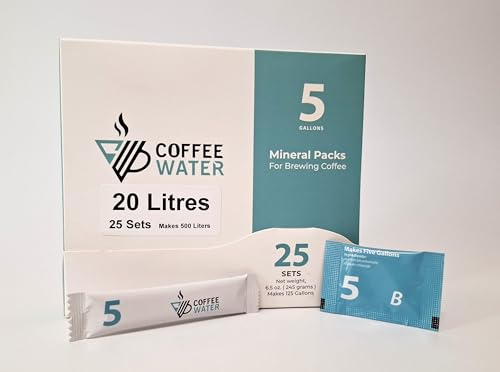
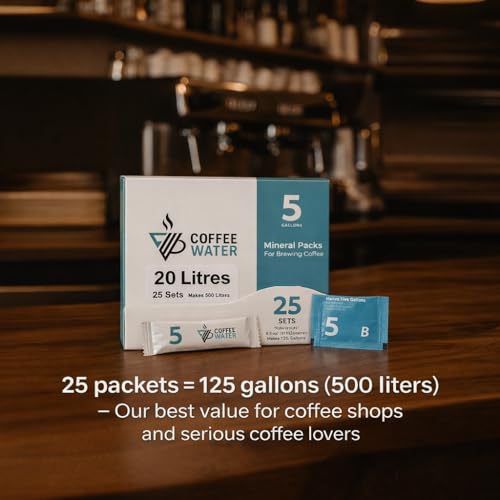
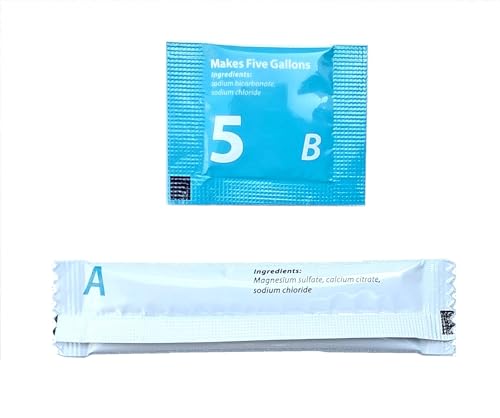
COFFEE WATER Mineral Packs (125 Gallons)
Strengths
- High yield
- SCA certified
- Consistent results
Trade-offs
- Bulk packaging
- Less precise for small batches
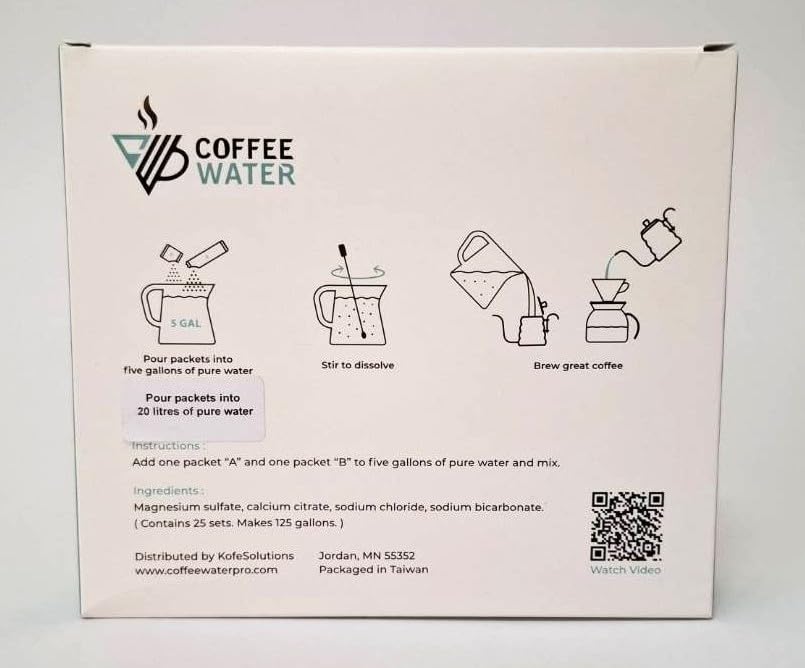
If you’re serious about consistency and brew volume, this 125-gallon kit is the smarter buy. Same formula as the smaller version, SCA-compliant, balanced for all brew methods, but now scaled for heavy use. Each set treats five gallons, making it ideal for households or offices that go through water fast. The ingredients are identical: magnesium sulfate, calcium citrate, sodium bicarbonate, and a touch of sodium chloride to stabilize pH. Owners report long-term reliability and zero scaling issues in machines, which is a big win.
I’d rank this as the best overall value. It beats Third Wave Water on price per gallon and offers more than enough flexibility for espresso, drip, or pour-over. While it doesn’t specialize in light roast brightness like Third Wave’s “Classic Light Roast” blend, it delivers a consistently clean, well-rounded cup across the board. For most buyers, this is the easy pick once they’re past the trial stage.
Product photos
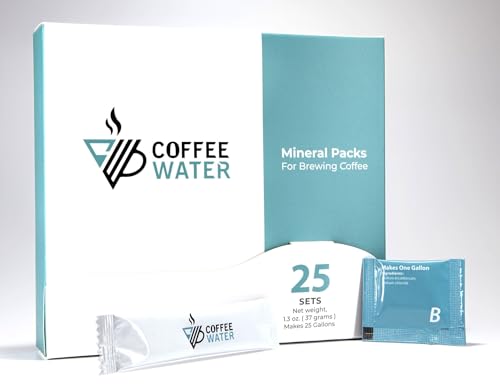
COFFEE WATER Mineral Packs (25 Gallons)
Strengths
- SCA compliant
- Easy to use
- Budget friendly
Trade-offs
- No roast-specific tuning
- Less brand recognition
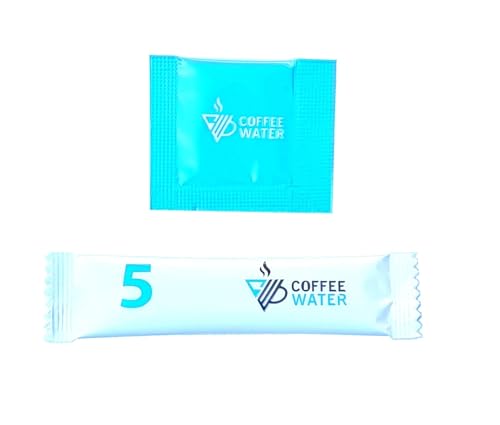
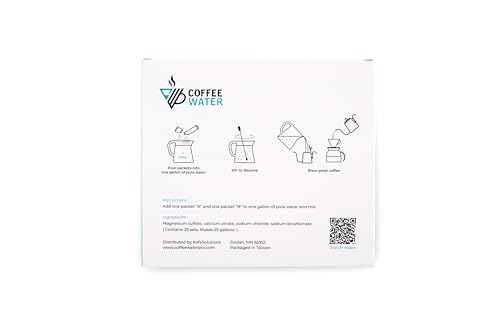
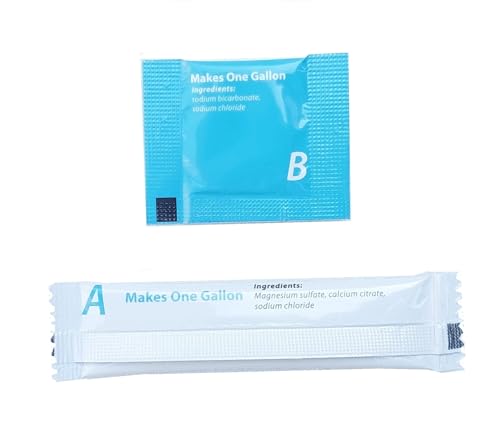
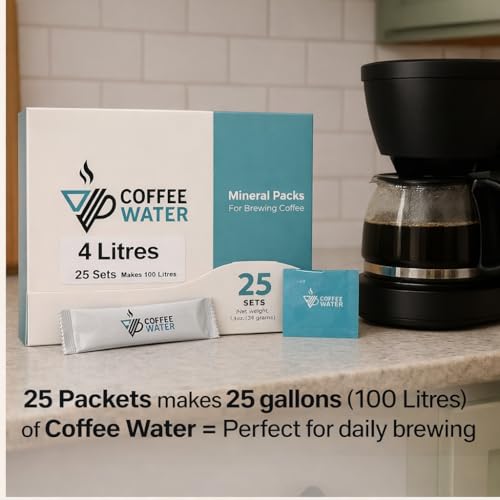
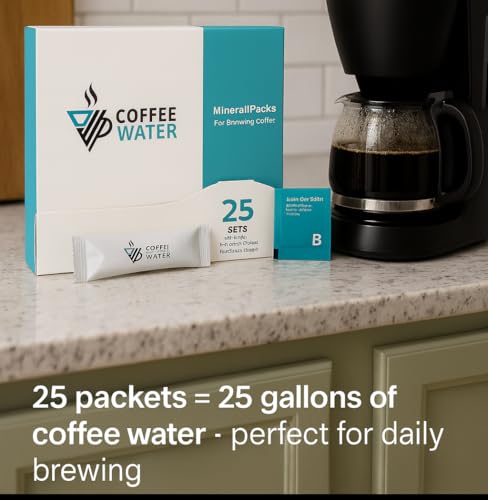
This 25-gallon pack from COFFEE WATER is a solid entry-level option for anyone dipping into water tuning without wanting to overcommit. It hits all the right notes on spec, meets SCA standards, uses a balanced ratio of magnesium sulfate, calcium citrate, and bicarbonate, and is dead simple to use. Just add one set per gallon of distilled or RO water. Reviewers note a noticeable improvement in clarity and balance, especially in pour-over and drip brewing where water quality directly impacts extraction.
Compared to Third Wave Water, this is more affordable and just as effective for daily use. The formula isn’t tailored to roast type, so it won’t highlight light roast acidity quite as sharply, but for most home setups, that’s a fair trade for cost savings. My recommendation for beginners or casual drinkers: start here before jumping to pricier or roast-specific blends.
Product photos
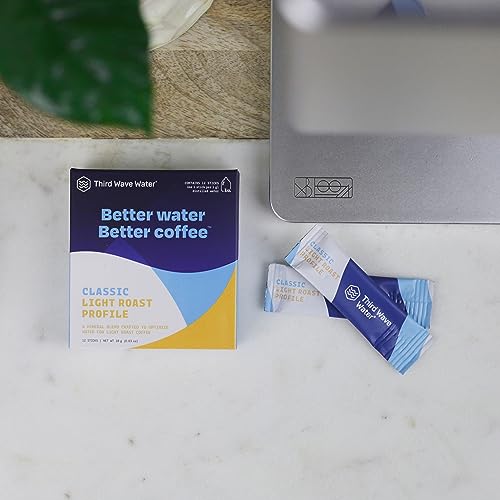
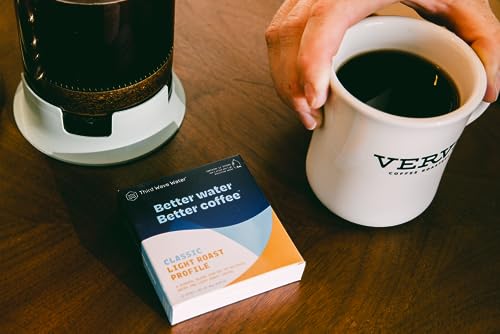
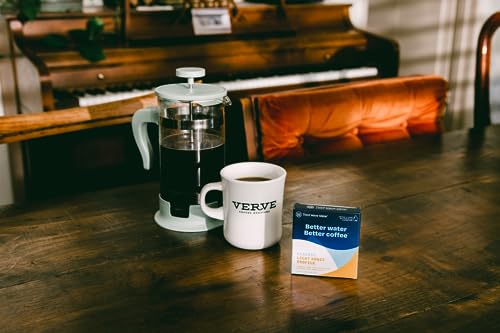
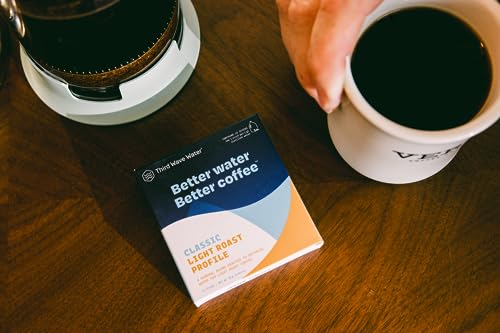
Third Wave Water Classic Light Roast

Strengths
- Enhances sweetness
- Balanced body
- Works with all brewers
Trade-offs
- Expensive per gallon
- Subtle effect on good tap water
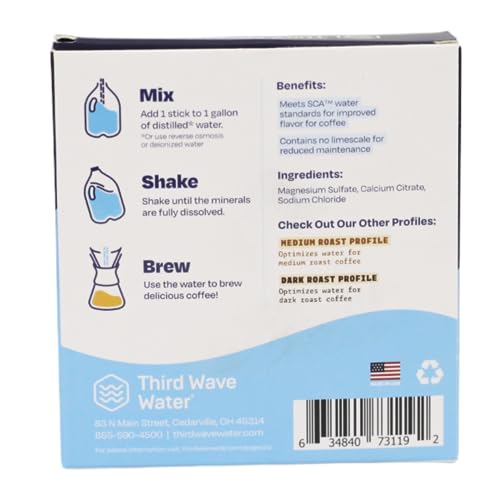
Third Wave Water entered the scene with a splash, especially after its Shark Tank moment, and it’s easy to see why. The idea here is simple but smart: take distilled or RO water and reintroduce specific minerals that enhance coffee extraction. The blend of magnesium and calcium is designed to bring out sweetness and body, and on paper, it aligns closely with SCA guidelines for ideal brewing water. Owners consistently report a cleaner, more expressive cup, especially when using soft or overly filtered water that lacks mineral balance.
That said, it’s not a magic wand. If you’re already on decent municipal water with balanced hardness, the difference might be subtle. And while the 12-gallon yield is fair, it’s on the pricier side per gallon compared to some newer competitors. But for light roasts that thrive on bright, nuanced acidity, this profile does deliver. I’d pick this over tap water in soft-water regions, but not necessarily over a well-tuned mineral mix at half the cost.
Product photos
How We Picked These water for making coffee
As the founder of Bean Thusiast, I know that water is just as crucial as the beans themselves. Rather than a hands-on lab test, my research focused on comparing the mineral compositions of these products, alongside a careful review of owner experiences and expert opinions within the specialty coffee community. I weighed features against the Specialty Coffee Association’s Water for Coffee standards to arrive at these recommendations.
For coffee water, I prioritized mineral balance and concentration most heavily. Achieving the right balance of magnesium, calcium, and alkalinity dramatically impacts flavor, influencing everything from sweetness to body. The ability to consistently replicate results – a key benefit of these mineral packs – also factored significantly into my decisions.
Specifications clearly show the mineral content of each product, but owner feedback helped me assess real-world impact on taste and ease of use. Reputation within the coffee world matters too; products endorsed by baristas and frequently discussed in online forums received extra consideration. Understanding how temperature affects coffee extraction is also vital, of course, and these products allow you to focus on that aspect.
How To Choose The water for making coffee
As someone deeply involved in the world of coffee, I can tell you that focusing on the water is one of the biggest improvements most home brewers can make. It’s easy to get caught up in grinders and espresso machines, but exceptional coffee starts with exceptional water.
Achieving truly great coffee requires water with a specific mineral content and balance. The ideal water isn’t just pure; it’s purposefully built. Look for products that address total dissolved solids (TDS), alkalinity, and the presence of key minerals like magnesium and calcium. Water hardness and pH also matter, and should ideally be within a range suited to coffee brewing.
Mineral Composition is Key
Forget the idea that distilled or reverse osmosis water is automatically best. While they remove impurities, they also strip essential minerals that extract flavor from the coffee grounds. You need to add those minerals back in, and thoughtfully. I’ve seen a lot of folks try to DIY this with Epsom salts and baking soda, but pre-mixed packets offer consistency and peace of mind. The best water composition for brewing will vary slightly depending on your bean and brewing method, but a good starting point is water that meets the Specialty Coffee Association’s standards.
Understanding Concentration and Volume
The concentration of minerals matters just as much as the minerals themselves. You’ll find products designed for different volumes – some for a gallon, others for 25 gallons. Consider how much coffee you brew and how often. Buying a larger pack is economical if you’ll actually use it before the minerals start to degrade (though these packets are generally pretty stable).
Here’s what I look for when comparing concentrations: * Small batches (1 gallon): Convenient for testing and smaller households. * Mid-size (5-10 gallons): A good balance of cost and usability for most regular coffee drinkers. * Large volume (25+ gallons): Best for serious coffee enthusiasts or those with larger families who consistently brew multiple pots daily, offering substantial savings per gallon.
Balancing Cost and Flavor Profile
While achieving the ideal water for coffee is important, it doesn’t have to break the bank. There are excellent budget-friendly options that still meet the SCA standards. However, some brands – like Third Wave Water – focus on crafting a specific flavor profile through their mineral blends. I’ve heard good things about their approach to highlighting acidity, and it’s a path worth exploring if you consistently use lighter roasted beans.
Don’t be afraid to experiment. Start with a reputable mineral pack, then make small adjustments to your pour-over coffee water ratio or brewing parameters to find what unlocks the most flavor in your favorite coffee.
Water For Making Coffee Compared
Here’s a spec comparison of the different water solutions for brewing coffee, focusing on key features for coffee quality.
| Product Name | Total Gallons | Magnesium | Calcium | Alkalinity | Best For |
|---|---|---|---|---|---|
| COFFEE WATER (125 Gallons) | 125 | Yes | Yes | N/A | Best Overall |
| COFFEE WATER (25 Gallons) | 25 | Yes | Yes | N/A | Best Budget Friendly |
| Third Wave Water Classic Light Roast | 12 | Yes | Yes | Low | Best Flavor Profile |
Frequently Asked Questions
What water hardness is ideal for coffee brewing?
Around 150 ppm (parts per million) is a good target for total hardness, as this allows for sufficient mineral extraction without scaling your equipment. Many coffee enthusiasts find that slightly harder water, up to 200 ppm, can enhance body and sweetness.
Does the source of my tap water matter if I’m using mineral packets?
Yes, your starting tap water absolutely matters. Avoid water with chlorine or strong off-flavors; reverse osmosis or filtered tap water are best as a base, as they provide a clean slate for the mineral additions.
Can I adjust the mineral content of these packets to suit my specific beans?
While most packets are formulated for a broad range of coffees, some users experiment with small adjustments. However, I recommend starting with the manufacturer’s suggested ratio and only making minor tweaks after understanding the how minerals affect coffee flavor.
What’s the difference between alkalinity and pH in coffee water?
Alkalinity is a measure of the water’s ability to neutralize acid, while pH directly measures acidity on a scale of 0-14. Alkalinity buffers against over-extraction and contributes to a smoother cup, and understanding water pH and coffee extraction is key to good brewing.
How long do these mineral packets stay fresh once opened?
Generally, they maintain their potency for around 6-12 months after opening, provided they’re stored in a cool, dry place and sealed tightly. Exposure to air and moisture degrades the mineral composition, diminishing their scientific impact of water on coffee.
The Bottom Line
Ultimately, improving your coffee water comes down to a trade-off between control and convenience. You can spend time and effort tinkering with mineral additions, or you can rely on a pre-formulated solution like COFFEE WATER (125 Gallons), which consistently delivers excellent results and is our overall pick. It provides a remarkable foundation for brewing, eliminating a variable that many overlook.
For those looking to get started without a big investment, or who brew smaller batches, COFFEE WATER (25 Gallons) is a fantastic choice. And if you’re passionate about highlighting the subtle nuances of lighter-roasted beans, I’ve heard consistently positive feedback about Third Wave Water Classic Light Roast and its ability to really showcase acidity.
At the end of the day, the specific product matters less than understanding the fundamentals. Focusing on a consistent mineral balance, a proper balanced coffee brewing ratio, and fresh, quality beans will always yield the most significant improvements to your daily cup.
