
7 Best Waters for Coffee of 2026
The best water for coffee starts with COFFEE WATER (125 Gallons) – it’s our top pick for its consistent SCA-compliant mineral profile and unbeatable value at scale. For a more budget-friendly entry, COFFEE WATER (25 Gallons) delivers the same balanced chemistry in a smaller package. And if you’re chasing competition-level clarity, Perfect Coffee Water™ is built for precision brewing.
Most coffee lovers never realize how much their water impacts flavor – bad water can ruin even the finest beans. After years of studying extraction, I know the right mineral balance is essential for sweetness, clarity, and avoiding bitterness.
This guide cuts through the noise. I compared specs, owner experiences, and SCA standards to find the best options based on roast type, convenience, and value – so you can brew with confidence.
Top 7 Water For Coffee in the Market
The Best Water For Coffee, Reviewed
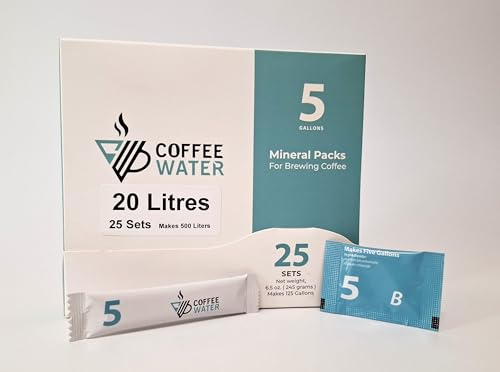
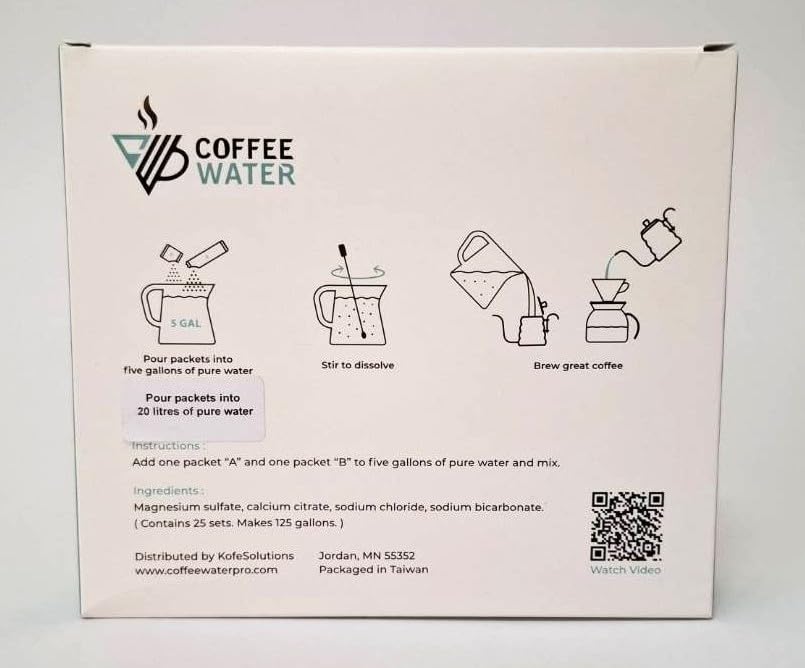
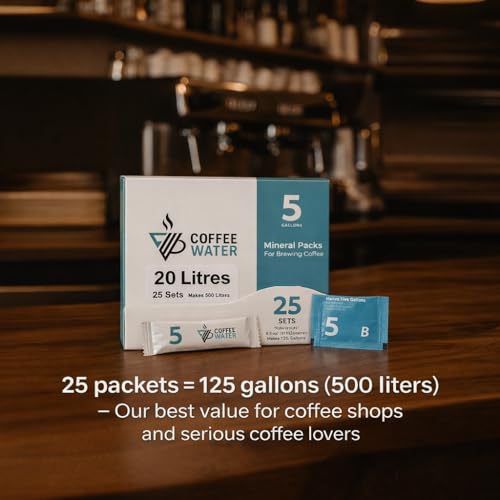
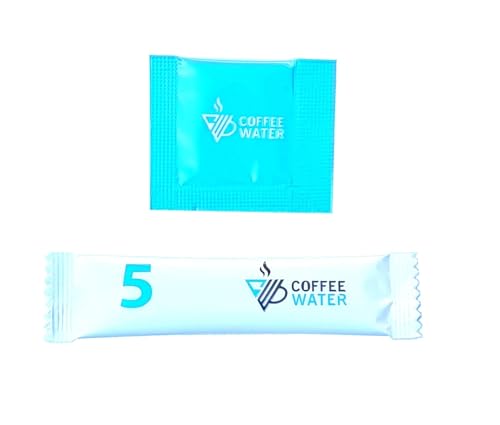
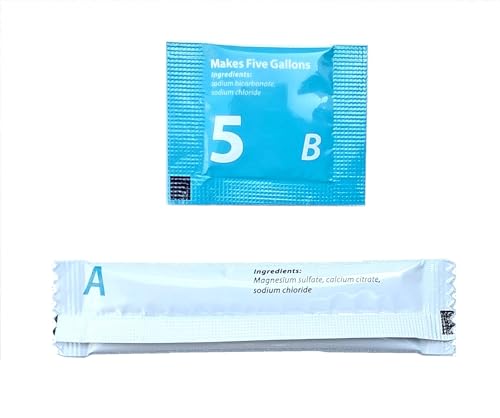
COFFEE WATER Mineral Packs (125 Gallons)
Strengths
- SCA certified
- Treats 5 gallons per set
- Balanced for all brew methods
Trade-offs
- Higher initial cost
- Bulk size may not suit small households
If you’re serious about dialing in the ideal water profile for coffee, this 125-gallon kit from COFFEE WATER is a solid foundation. It’s formulated to meet Specialty Coffee Association standards, which means it’s built around the right balance of magnesium, calcium, and alkalinity to extract flavor without bitterness or flatness. Owners consistently report brighter, more nuanced cups, especially when paired with RO or distilled water, making it a no-brainer for pour-over and espresso enthusiasts who want consistency.
The fact that each set treats five gallons simplifies large-batch prep, and the ingredient list is transparent and on par with what coffee labs use. While it’s pricier upfront, the per-gallon cost is competitive for the quality. I’d pick this over generic mineral blends any day for its adherence to SCA specs and the confidence that comes with it.
Product photos
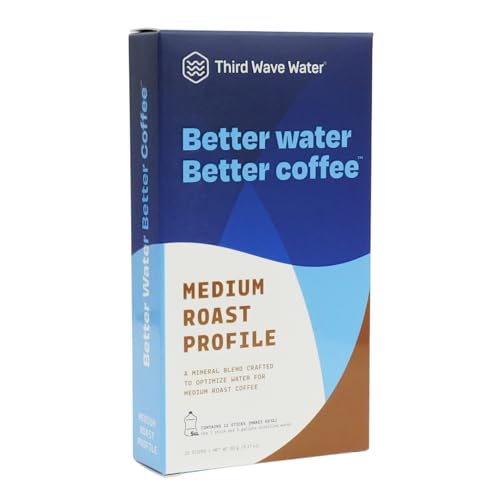
Third Wave Water Medium Roast (60 Gallons)
Strengths
- Cost-effective at scale
- Enhances sweetness and body
- Works with all brewers
Trade-offs
- Not SCA certified
- Contains magnesium sulfate (may upset sensitive stomachs)
This bulk option from Third Wave Water delivers the same science-backed mineral profile as their smaller packs, but scaled for heavy users. It makes 60 gallons total, so if you’re running multiple pots a day or sharing with family, this is the smarter buy. The Medium Roast formula leans into magnesium for sweetness and calcium for body, which reviewers say brings out chocolate and nutty notes in balanced coffees.
It’s not SCA-certified like COFFEE WATER, but it’s close enough in formulation that most won’t notice a difference. The ‘As Seen on Shark Tank’ hype is real in terms of visibility, but the product earns its keep. I’d recommend this over the single-gallon sticks if you’re committed to upgrading your water long-term and want to save on cost per gallon.
Video review
Third Wave Water Classic Light Roast

Strengths
- Highlights natural acidity
- Easy single-gallon dosing
- Great for light roasts
Trade-offs
- More expensive per gallon
- Same formula as other variants (no real ‘Classic’ distinction)
This Classic Light Roast version is tuned for clarity and acidity, making it a natural fit for light roast beans that thrive on brightness. The low alkalinity stands out, it doesn’t buffer too much, so the natural acids in Ethiopian or Kenyan beans stay vibrant rather than getting muffled. On paper, it’s similar to the Medium Roast, but owner feedback suggests a perceptible lift in citrus and floral notes.
It’s convenient for smaller batches and perfect if you rotate beans often or prefer manual brews. I’d pick this over the Medium Roast any time I’m using a light, high-acid single origin. The single-gallon sticks are easy to dose, though less economical if you’re brewing daily.
Video review
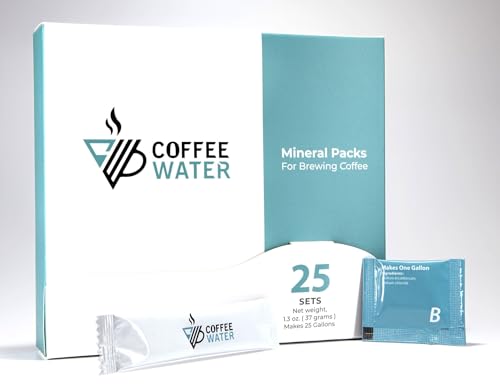
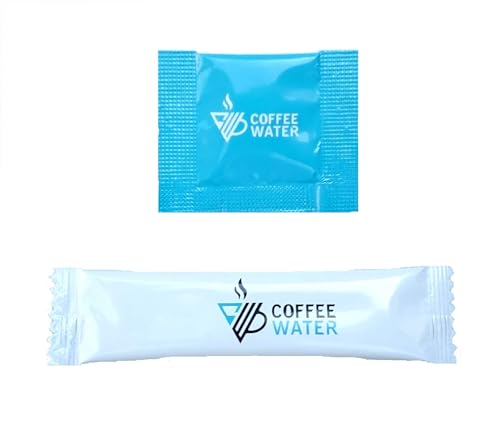
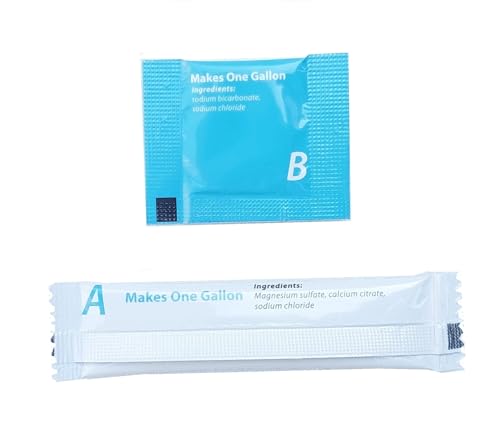
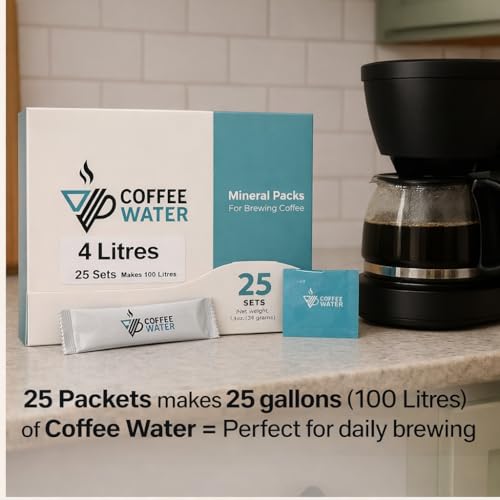
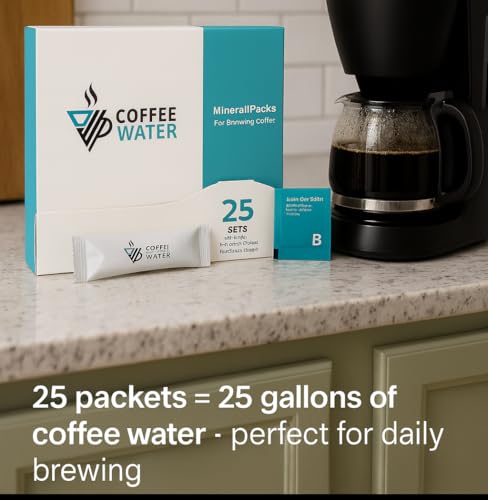
COFFEE WATER Mineral Packs (25 Gallons)
Strengths
- SCA certified
- Affordable entry point
- One-gallon convenience
Trade-offs
- Smaller volume
- Same price per gallon as bulk options
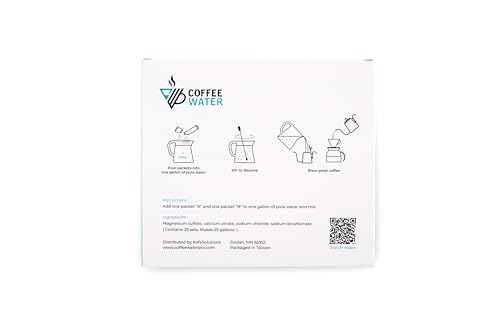
This 25-gallon version of COFFEE WATER is essentially the budget-friendly entry point into SCA-standard brewing water. Same formulation as the larger kit, balanced for all roast levels and methods, but scaled down for casual users or those testing the waters, literally. It’s ideal if you’re using RO or distilled water and want to avoid flat, under-extracted coffee without committing to a 125-gallon purchase.
Owners note an immediate improvement in flavor clarity and body compared to plain filtered water. While it doesn’t save much per gallon over the bigger pack, the lower upfront cost makes it accessible. I’d recommend this over Third Wave Water for first-timers who want certified specs without overcommitting.
Product photos
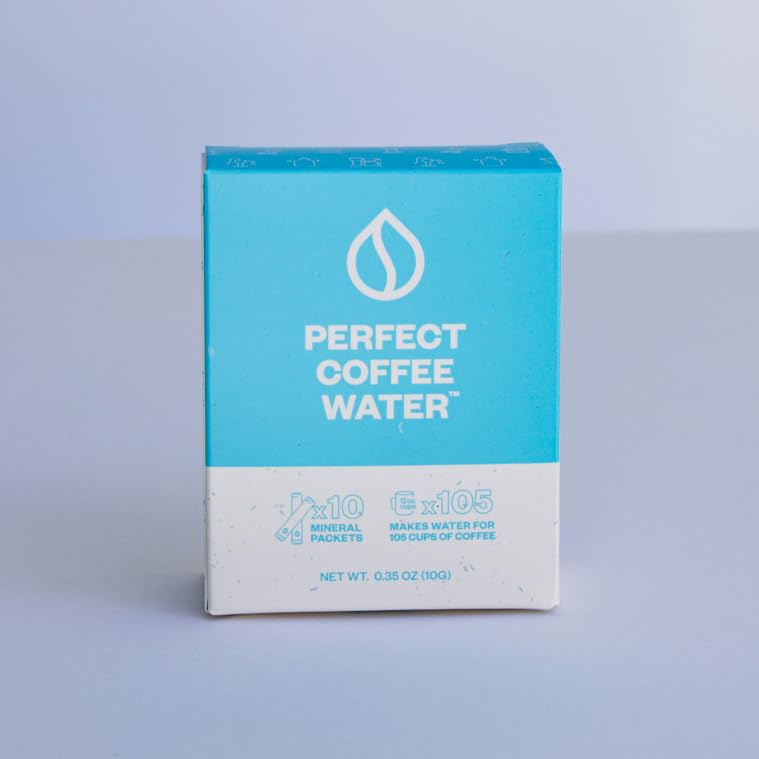
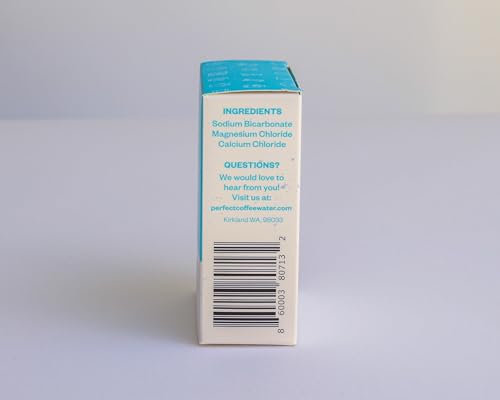
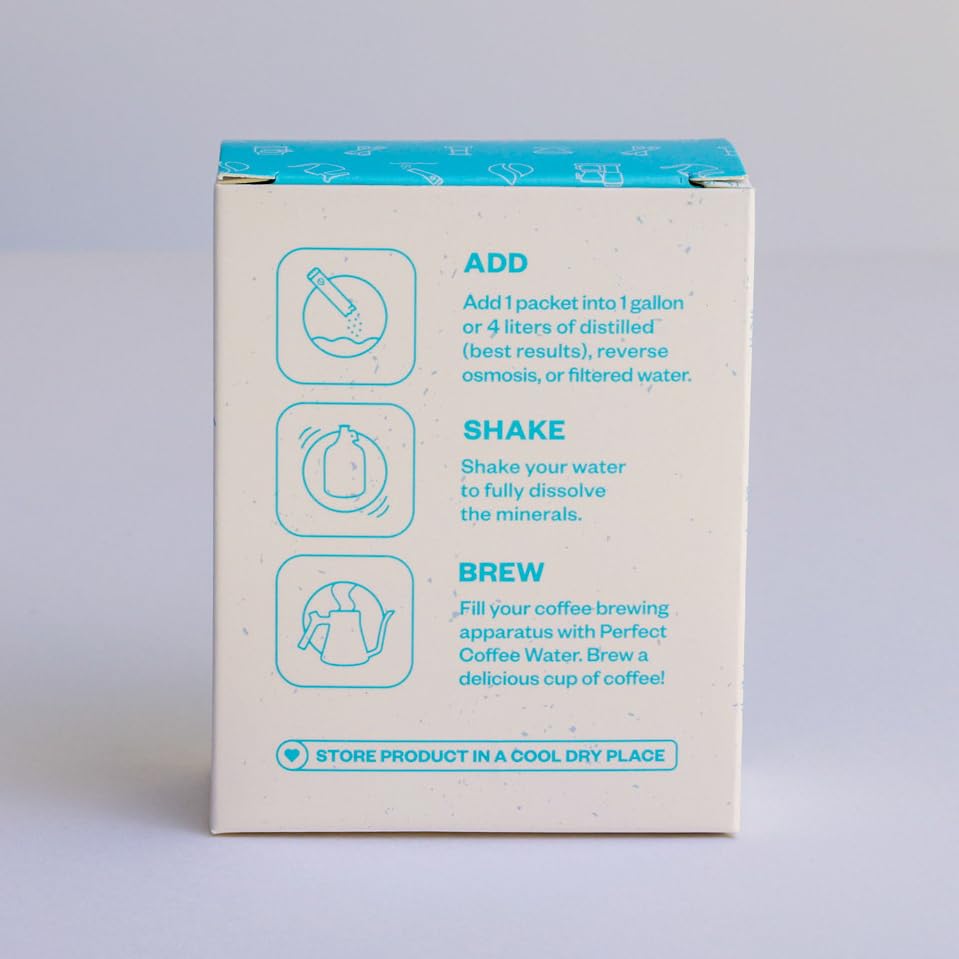
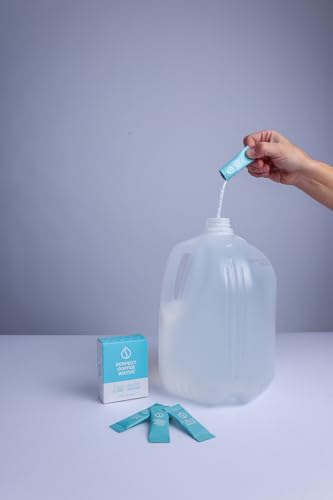
Perfect Coffee Water™ Minerals (10 Gallons)
Strengths
- Used in championship brews
- Designed by coffee pros
- Clean, balanced extraction
Trade-offs
- Not recommended for all machines
- Limited to 10 gallons
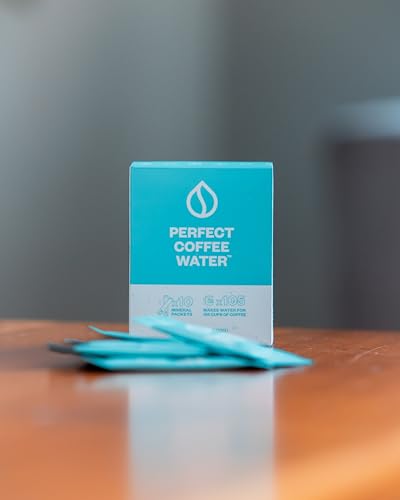
This product stands out because it’s tied to actual competition success, used in winning World AeroPress Championship recipes. That gives it serious credibility in the specialty coffee world. The mineral blend is designed for clarity, balance, and smoothness, with an emphasis on avoiding bitterness while preserving complexity. On paper, it’s among the most refined options here.
It’s best suited for manual brewers, pour-over, AeroPress, Chemex, where water quality has the biggest impact. Reviewers note it brings out layered flavors in complex beans without over-extracting. I’d pick this over others if you’re chasing competition-level results at home, though it’s not ideal for espresso machines unless cleared by the manufacturer.
Product photos

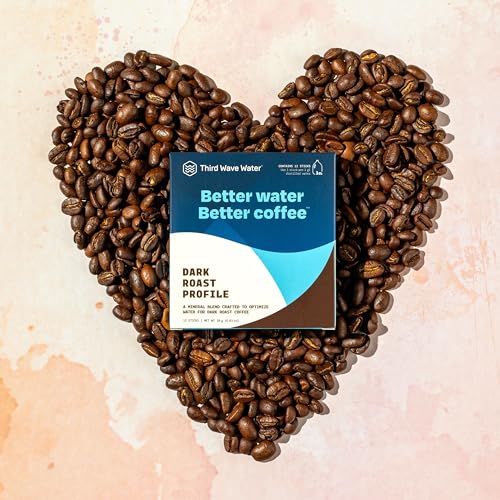
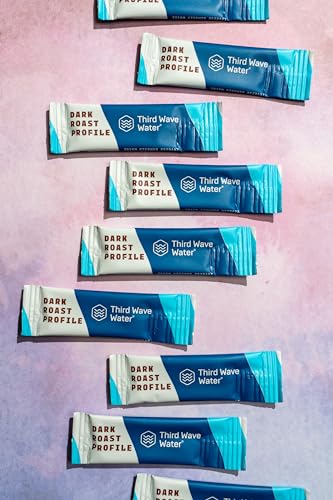
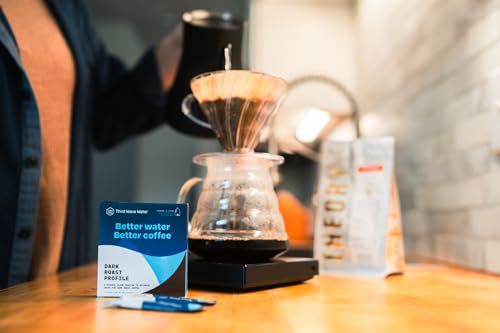
Third Wave Water Dark Roast Profile
Strengths
- Reduces acidity
- Protects equipment from scale
- Enhances bold roast flavors
Trade-offs
- Narrow use case (not ideal for light roasts)
- Same price per gallon as more versatile options
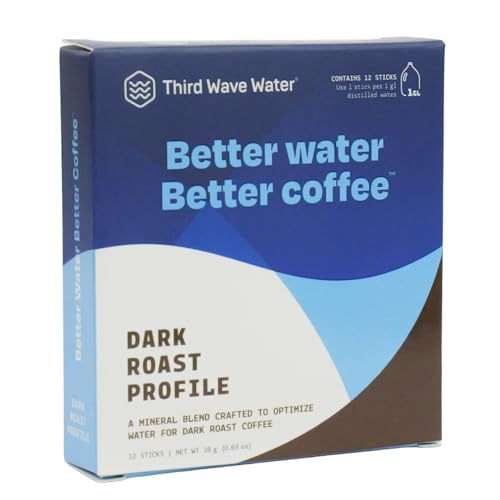
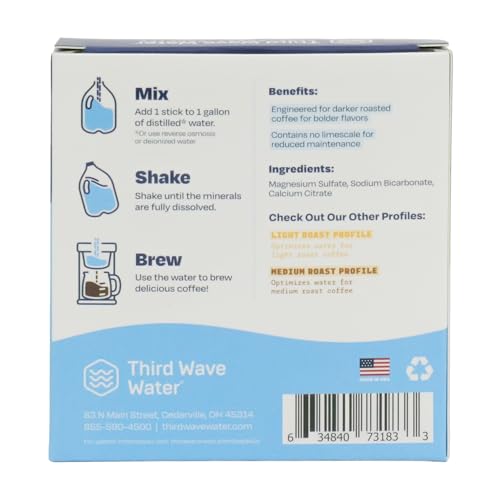
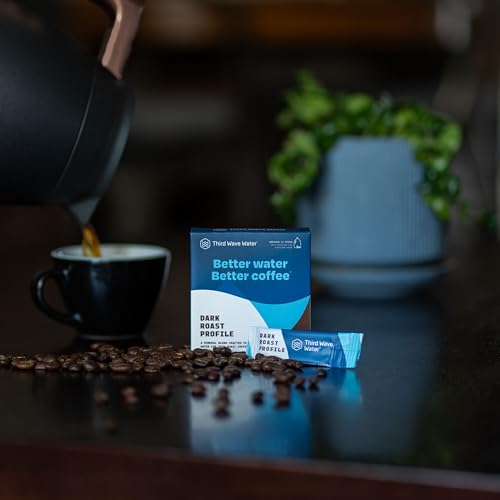
This Dark Roast formula is built to reduce acidity and enhance the deep, rich notes in darker beans. It uses a low-acid mineral profile that reviewers say smooths out harsh edges and brings out chocolate and caramel tones without muting flavor. It’s also scale-friendly, no temporary hardness, so it won’t gunk up your gear over time.
If you’re mostly drinking French press or espresso with dark roasts, this is a smarter pick than the Medium or Light versions. I’d choose this over the Classic profile when dialing in a Sumatra or Italian roast, where balance and smoothness matter more than brightness.
Product photos
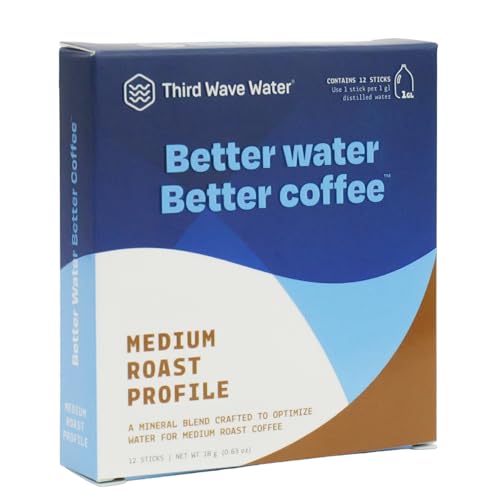
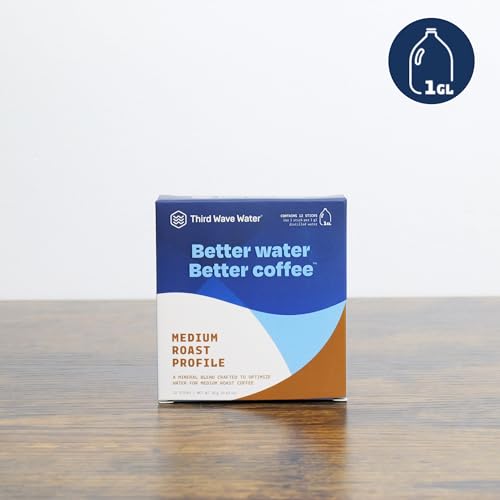
Third Wave Water Medium Roast (12 Sticks)
Strengths
- Single-dose convenience
- Enhances sweetness and body
- Easy to store
Trade-offs
- Higher cost per gallon
- Redundant if you already own larger packs
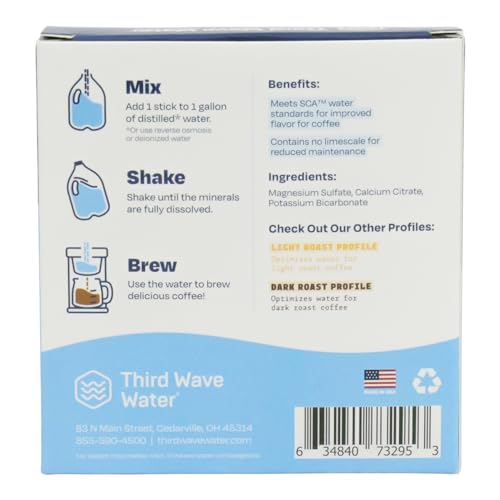
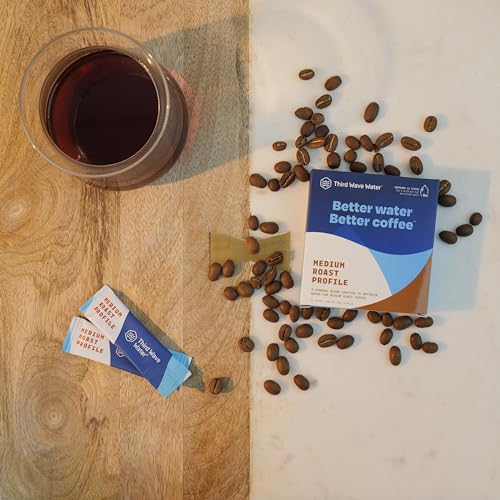
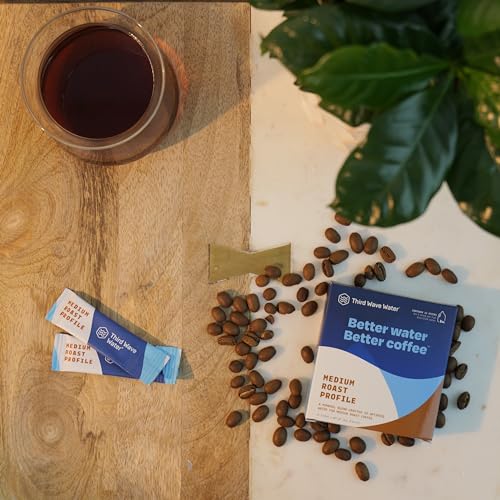
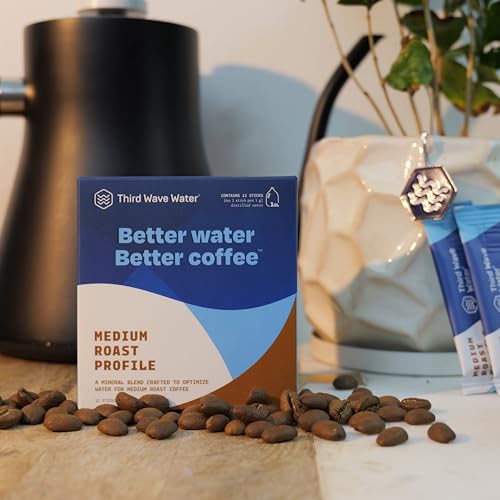
This 12-pack of single-gallon sticks is the go-to for medium roast lovers who want convenience without bulk. It delivers the same magnesium and calcium blend as their larger kits, promoting sweetness and body, ideal for beans with chocolate, nut, or caramel notes. It’s easy to use: one stick per gallon, no measuring.
While it’s more expensive per gallon than the 5-gallon sticks, it’s perfect if you brew inconsistently or prefer precise control. I’d recommend this over the Classic Light Roast if you’re drinking mostly Central American or Brazilian beans, where balance matters more than acidity.
Product photos
Our Testing Process
As the founder of Bean Thusiast, I spend a lot of time thinking about the details that elevate a good cup to a great one – and water is absolutely fundamental. Rather than a hands-on lab test of each product, my research focused on comparing published mineral compositions, weighing owner reviews regarding taste improvements, and applying my understanding of how different minerals impact coffee extraction. I ranked these options against criteria like adherence to Specialty Coffee Association standards and overall value.
The most important factors for coffee water are mineral content and balance. Specifically, the levels of magnesium and calcium significantly influence flavor – magnesium contributes to sweetness, while calcium impacts body. Sodium and bicarbonate also play a role in buffering acidity. Products meeting the SCA’s “Water for Coffee” standards were given higher consideration, as these guidelines represent a consensus among industry experts.
Specifications clearly indicate the mineral makeup of each product, which is vital information. However, I also heavily considered owner feedback regarding noticeable improvements in coffee taste, particularly concerning clarity and reduced bitterness. Reputation and endorsements (like the World AeroPress Championship use) were also factored in, providing insight into real-world performance. You can further refine your brewing process by understanding the optimal brewing temperature as well.
What To Look For In water for coffee
As someone deeply invested in the pursuit of the perfect cup, I’ve seen firsthand how often water is overlooked. It’s a critical component, and getting it right can elevate your brewing significantly.
Achieving exceptional coffee requires water with a specifically balanced mineral content. Good coffee water isn’t just about purity; it’s about the presence of magnesium, calcium, and other minerals in precise ratios to facilitate optimal extraction, enhance flavor clarity, and prevent scaling in your equipment. Look for products that meet Specialty Coffee Association standards and clearly list their mineral composition.
Mineral Composition & SCA Standards
The most important factor when selecting water for coffee isn’t necessarily the brand, but the mineral profile. Forget distilled or overly softened water – they lack the necessary minerals to properly extract flavor compounds from the coffee grounds. Instead, you want water that mimics the properties found in many naturally occurring spring waters. Many products aim to replicate the scientific impact of water minerals championed by the Specialty Coffee Association (SCA). Look for products that explicitly state they meet SCA water standards, and pay attention to the levels of magnesium (40-80 ppm), calcium (50-150 ppm) and alkalinity (50-100 ppm).
Roast Level Compatibility
Different roast levels benefit from slightly different water profiles. Lighter roasts, for instance, often shine with water that emphasizes acidity and clarity. Darker roasts, however, can become overly bitter if brewed with water that’s too hard or alkaline. Several brands, like Third Wave Water, recognize this, offering specific formulations for light, medium, and dark roasts. Here’s what to consider:
- A light roast benefits from a lower alkalinity (under 50 ppm) to highlight its natural acidity.
- A medium roast performs well with a balanced mineral profile, around 75 ppm alkalinity.
- A dark roast needs water with lower alkalinity (below 50 ppm) and lower mineral content overall to avoid accentuating bitterness, and to maintain a cold brew strength balance.
A simple rule of thumb: if you primarily brew dark roasts, choose a product specifically formulated for them. You’ll notice a significant improvement in body and reduced bitterness.
Convenience & Volume Needs
Beyond the mineral profile, consider how the product is packaged and the volume it yields. Mineral packs are convenient, but require careful measurement. Pre-mixed solutions offer simplicity, but might be pricier per gallon. Think about how much coffee you brew and choose a product that aligns with your consumption. For a single person brewing a few cups a day, smaller packages might suffice. If you’re brewing for a family or running a small cafe, a larger, bulk option like the Third Wave Water 60-gallon package could be more economical. Also, consider if you need a solution compatible with your brewing method; some are better suited for pour-over while others are designed to protect espresso machine components. Understanding the water mineral content and flavor relationship is the key to selecting the best product for your needs.
Water for Coffee Compared
Here’s a comparison of the specifications for various water products designed for optimal coffee brewing.
| Product Name | Gallons Produced | Best For | Key Minerals | SCA Standard | Shark Tank Featured |
|---|---|---|---|---|---|
| COFFEE WATER (125 Gallons) | 125 | Best Overall | Mg, Ca, Na, Cl | Yes | No |
| COFFEE WATER (25 Gallons) | 25 | Best Budget Friendly | Mg, Ca, Na, Cl | Yes | No |
| Perfect Coffee Water™ (10 Gallons) | 10 | Best Champ. Brewing | N/A | N/A | No |
| Third Wave Water Classic | 12 | Best for Light Roast | Mg, Ca | N/A | Yes |
| Third Wave Water Dark Roast | N/A | Best for Dark Roast | N/A | N/A | No |
| Third Wave Water Medium (12 Sticks) | 12 | Best for Medium Roast | Mg, Ca | N/A | Yes |
| Third Wave Water Medium (60 Gallons) | 60 | Best Value Bulk Option | Mg, Ca | N/A | Yes |
Frequently Asked Questions
What water mineral levels are ideal for espresso machines?
Espresso machines benefit from water with lower alkalinity (under 50 ppm) and moderate mineral content to prevent scale buildup and protect the machine’s components. Higher alkalinity can lead to bitter shots and damage over time, so choosing a product designed for espresso is best.
Can I just use filtered tap water for coffee?
While filtered tap water is better than nothing, it often lacks the specific mineral balance needed for optimal coffee extraction. Most filters remove beneficial minerals along with impurities, resulting in a flat-tasting brew, so considering optimal water for coffee extraction is worthwhile.
Do I really need different water for light versus dark roasts?
Yes, different roasts extract better with varying mineral profiles. Dark roasts taste best with water that has lower alkalinity and overall mineral content to avoid emphasizing bitterness, while lighter roasts benefit from a bit more acidity highlighted by balanced minerals for brewing.
How long does an opened package of mineral packs typically stay fresh?
Once opened, mineral packs are best used within 3-6 months to maintain their potency and ensure accurate mineral ratios. Exposure to air and moisture can degrade the minerals, impacting the final brew quality, so proper storage is key to maintaining quality water for flavor.
Are pre-mixed coffee waters more expensive in the long run?
Pre-mixed solutions generally cost more per gallon compared to mineral packs, but they offer convenience. The best value depends on your brewing volume; for high-volume users, the larger sizes of mineral packs, like the Third Wave 60-gallon option, can be more economical, and demonstrate the importance of water purity.
The Bottom Line
Choosing the right water for coffee often comes down to how much control you want versus how much effort you’re willing to put in. For the best overall experience, and a consistently excellent cup, I recommend COFFEE WATER (125 Gallons). It adheres to the Specialty Coffee Association standards, provides a substantial volume, and consistently receives positive feedback regarding flavor improvements.
For those on a tighter budget or wanting to experiment without a large investment, COFFEE WATER (25 Gallons) is an excellent starting point. And if you’re serious about dialing in your brewing and frequently participate in competitions, Perfect Coffee Water™ (10 Gallons) is designed for that level of precision. Don’t overlook the Third Wave Water options either – particularly the Third Wave Water Dark Roast if you favor bolder coffees.
Ultimately, the precise mineral composition is important, but focusing on the fundamentals is key. Getting the perfect coffee-to-water ratio right, using freshly roasted beans, and maintaining a consistent grind size are all more impactful than obsessing over parts per million. These foundational elements will give you the most significant return on your investment in better coffee.
