
7 Best Vanilla Powders for Coffee 2026
The best vanilla powder for coffee is ORGFUN Madagascar Vanilla Bean Powder, it delivers a rich, authentic flavor straight from Grade A beans with zero additives. For a budget-friendly option, Zorvita Madagascar Vanilla Bean Powder offers solid performance and mixes easily. If you value ethical sourcing, Native Vanilla Powder stands out with its support for micro-farmers in Papua New Guinea.
Most vanilla powders on the market don’t live up to the real thing, many are loaded with fillers or use low-grade beans that leave your coffee tasting flat. I’ve seen it time and again: a product looks good on paper but delivers a weak or artificial aftertaste.
This guide cuts through the noise. I compared specs and analyzed owner feedback to find powders that actually enhance your coffee with pure, potent vanilla flavor. You’ll learn what to look for, like single-origin beans, clean ingredient lists, and proper grading, and why those details make all the difference in your cup.
Top 7 Vanilla Powder For Coffee in the Market
The Best Vanilla Powder For Coffee, Reviewed
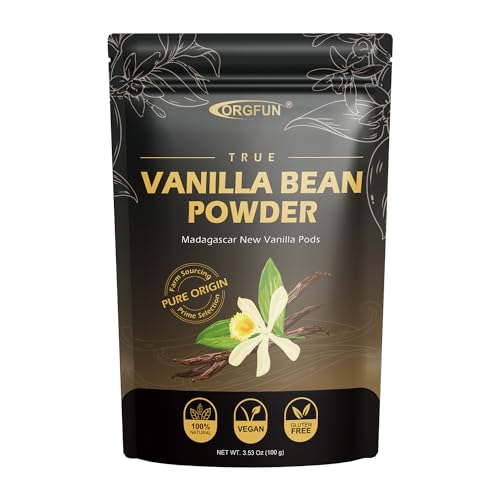
ORGFUN Madagascar Vanilla Bean Powder
Strengths
- No fillers
- Good grind consistency
- Tightly sealed packaging
Trade-offs
- Labeling lacks organic certification
- Slight moisture risk if not stored well
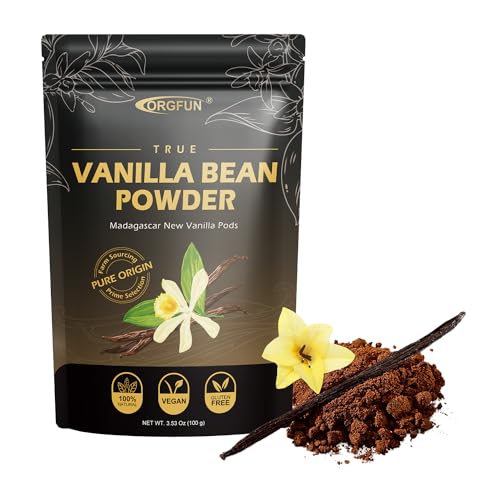
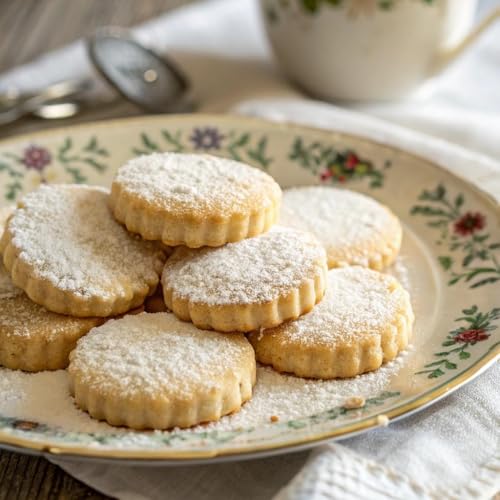
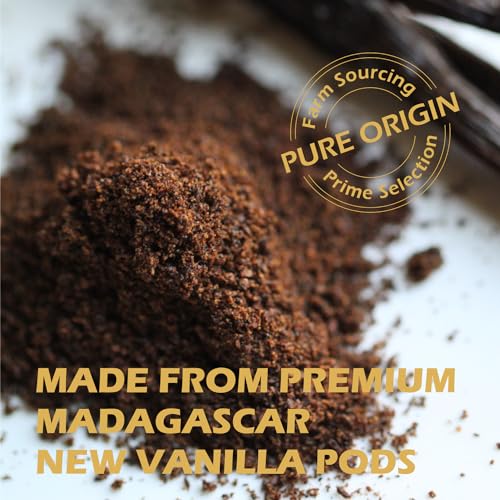
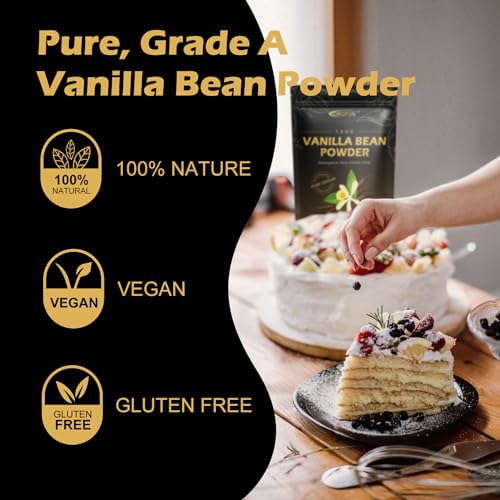
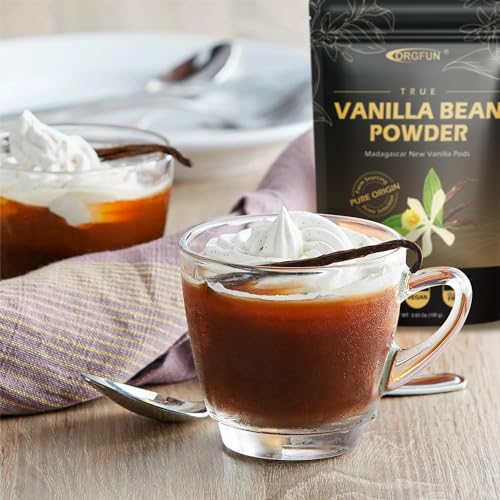
With a bold claim as ‘Best Overall,’ this powder has to deliver, and on most fronts, it does. At 3.53 oz, it strikes a balance between value and usability, and the low-temperature grinding process helps retain volatile oils that give vanilla its soul. Owners praise its rich, sweet depth in both coffee and baked goods, and it dissolves better than most in hot applications.
It’s made from hand-selected Grade A beans, and unlike some powders, it doesn’t rely on dextrose or maltodextrin to stretch the batch. That purity shows. Compared to others in this list, it’s one of the few that feels both premium and practical. My recommendation? This is the one to keep on your counter if you use vanilla daily.
Product photos
Beyond Good Madagascar Vanilla Powder

Strengths
- Certified organic
- Sun-dried beans
- Single-origin purity
Trade-offs
- Slightly coarser grind
- No resealable packaging
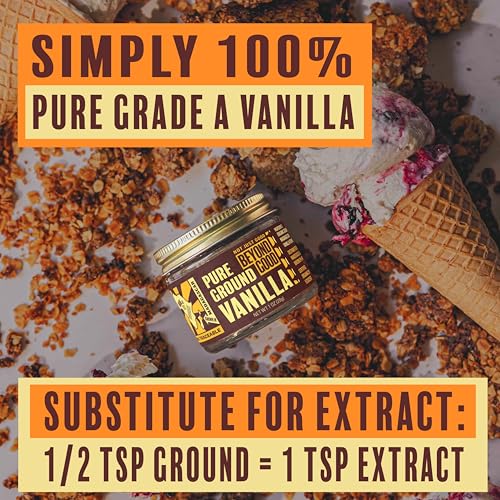
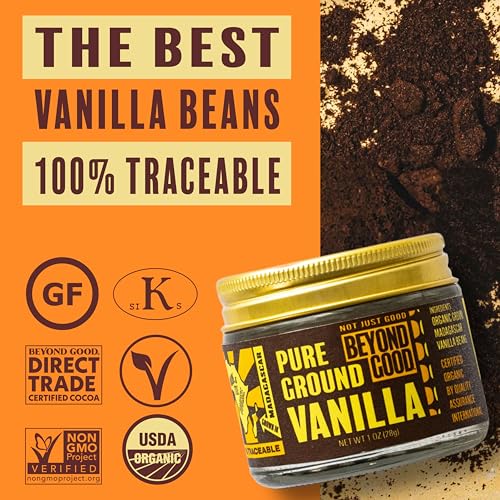
This one hits all the checkboxes for purists: single-origin, certified organic, and made entirely from sun-dried Madagascar beans. The emphasis on natural drying, as opposed to industrial dehydration, is key. Owners note a more rounded, complex aroma, likely because sun-drying preserves more of the bean’s natural compounds. For ice cream makers and pastry chefs, that depth matters.
It’s also impressively versatile. I’d use this in a dry spice rub just as readily as in a custard. Compared to powders with maltodextrin or starch, this dissolves slower but delivers cleaner flavor. It doesn’t cut corners, and that shows. If you bake often or care about ingredient integrity, this deserves strong consideration.
Product photos


Native Vanilla 1 oz Powder
Strengths
- Ethically sourced
- Raw and unsweetened
- Fair trade support
Trade-offs
- Very small size
- Noticeable sediment
- Higher cost per ounce
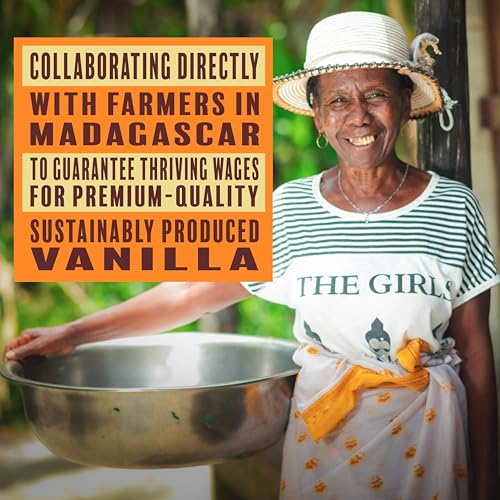
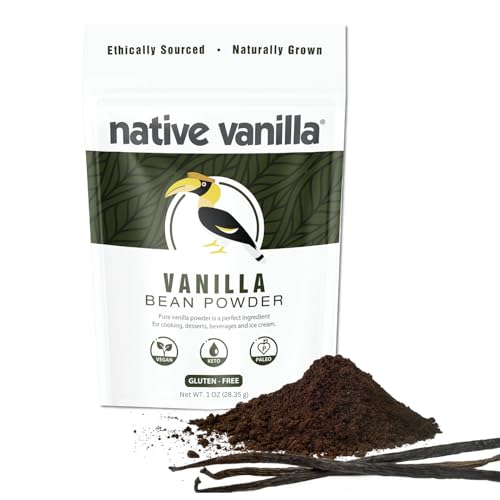
At just 1 ounce, this is clearly meant as a sampler or travel option, but what it lacks in volume it makes up for in ethical weight. Native Vanilla’s commitment to small farmers in Papua New Guinea gives it a story few competitors can match. The powder itself is raw and unsweetened, appealing to clean-label enthusiasts, and owners say it holds its own in bulletproof coffee and raw desserts where alcohol extracts would feel out of place.
Still, the small size means frequent repurchasing, and because it’s a full-bean grind, sediment is common. That’s expected, not a flaw. Compared to Madagascar-sourced options, the flavor is slightly more floral and less creamy, which may appeal to some. I’d recommend this primarily for those who value sourcing as much as flavor.
Product photos



Cook’s Organic Vanilla Powder
Strengths
- Organic certified
- Large resealable jar
- Trusted brand
Trade-offs
- Origin not specified
- Less aromatic intensity
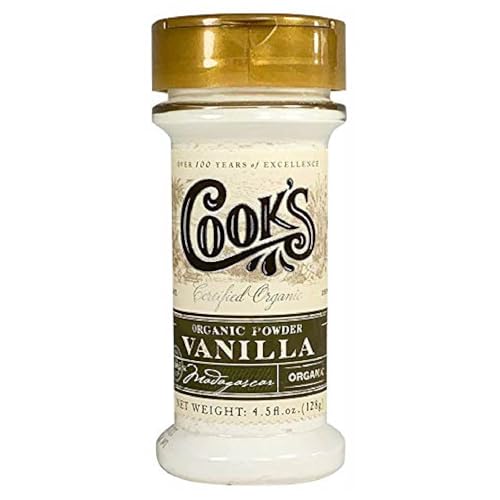
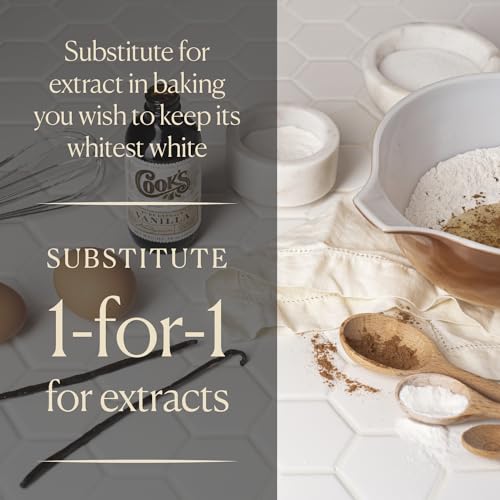
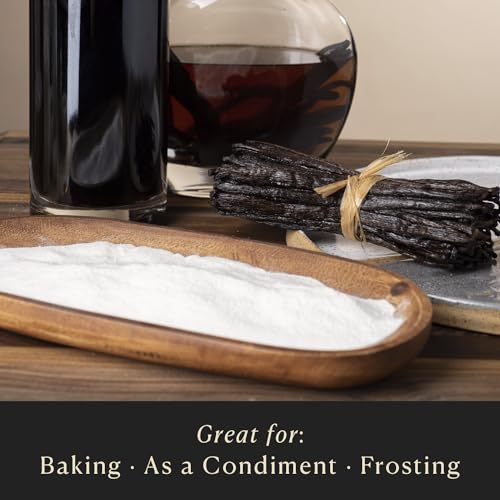
Cook’s has been a name in quality vanilla for decades, and this powder carries that legacy. In a market crowded with small brands, it stands out for consistency and availability. The 4.5 oz resealable jar is practical, and being CCOF-certified organic adds legitimacy. Reviewers often mention its reliable performance in cookies, cakes, and coffee, no off-notes, no fillers.
That said, the ingredient list doesn’t specify bean origin, which matters to connoisseurs. Compared to Madagascar-focused brands, this feels more generalized. It’s a safe, high-quality choice, but not the most expressive. I’d pick it for everyday use where consistency trumps terroir.
Product photos
GRELIM Madagascar Vanilla Bean Powder

Strengths
- Grade A beans
- No additives
- Resealable packaging
Trade-offs
- May not fully dissolve
- Smaller quantity
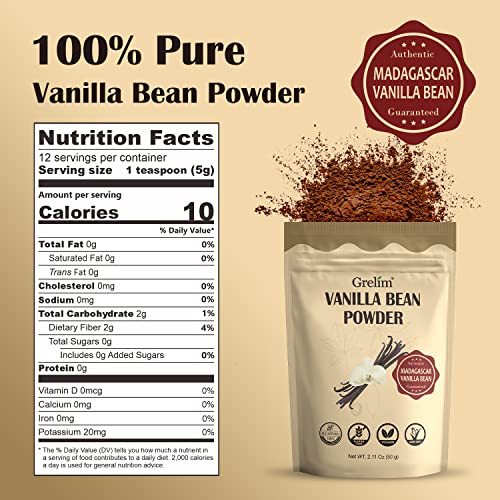
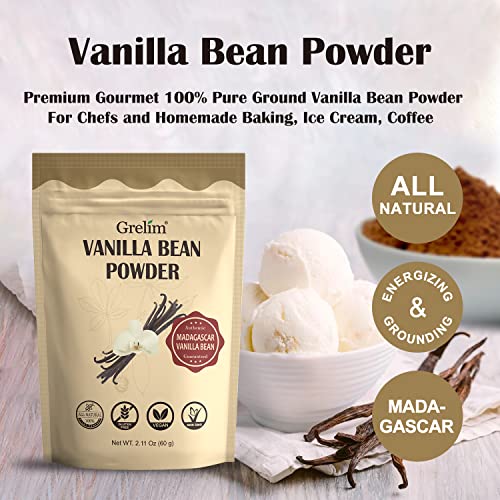
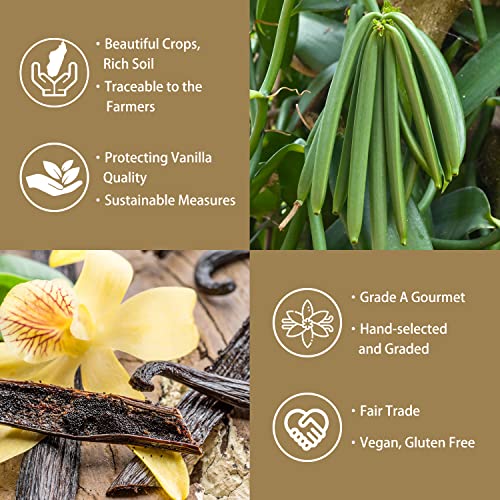
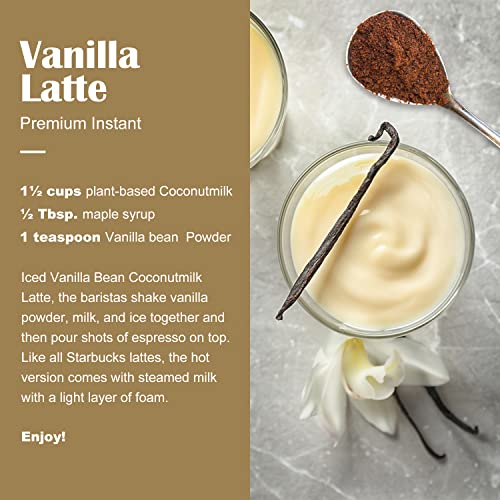
This powder stands out for its clean, intense vanilla character, and owners consistently report that it delivers a more aromatic hit than many extract-based alternatives. The use of Grade A Madagascar beans on paper means richer moisture and flavor compounds, which translates into a deeper profile when stirred into coffee or folded into batters. I appreciate that it’s packaged in a resealable bag, practical for preserving that volatile aroma that ground vanilla is prone to losing.
Still, because it’s a true whole-bean grind, you may notice fine specks don’t fully dissolve, especially in cold brew. That’s not a flaw, just physics. For those avoiding alcohol or seeking a concentrated flavor boost without liquid dilution, this is a strong contender. Compared to blends with fillers, this one earns its place on the shelf.
Product photos
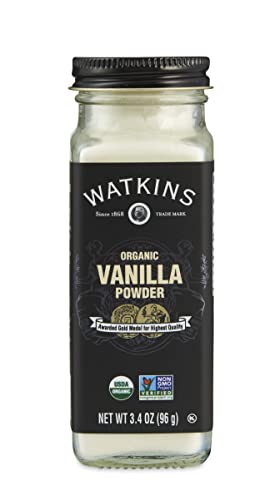
Watkins Organic Vanilla Powder
Strengths
- USDA organic
- Non-GMO verified
- Eco-friendly bottle
Trade-offs
- Milder flavor
- Less aromatic punch
Watkins brings its reputation for clean, dependable flavorings to this organic powder. USDA certified and Non-GMO verified, it checks the boxes for health-conscious users. The recyclable bottle is a nice touch, though it’s not as airtight as resealable bags. Still, owners report good shelf life and consistent flavor in both sweet and savory dishes.
Where it falls short is intensity. Compared to Madagascar-specific powders, this one tastes a bit more neutral, fine for general use, but not for when you want vanilla to shine. I’d call it a reliable background player, not a lead. If you want certified organic without paying for artisanal depth, this fits.
Product photos



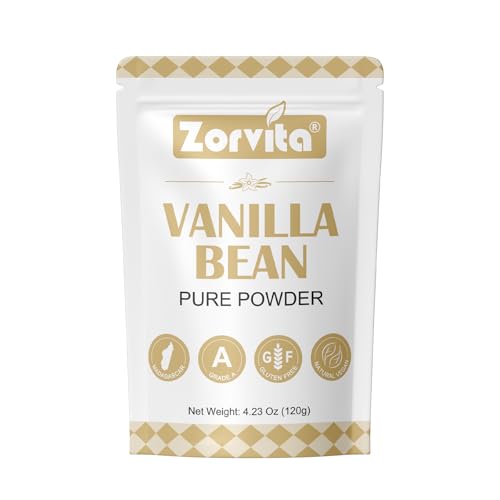
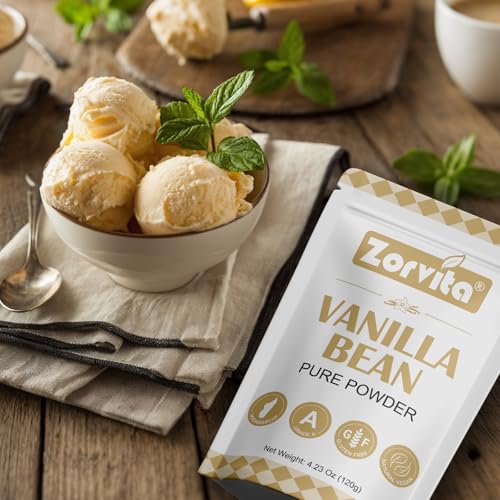
Zorvita Madagascar Vanilla Bean Powder
Strengths
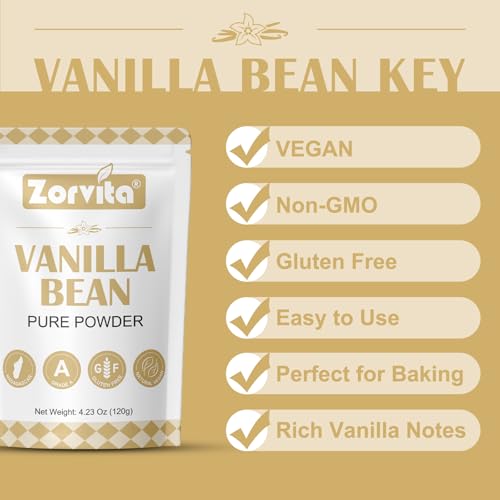
- Fine consistent grind
- No sugar or additives
- Larger quantity
Trade-offs
- Packaging not resealable
- Slight variability in grind
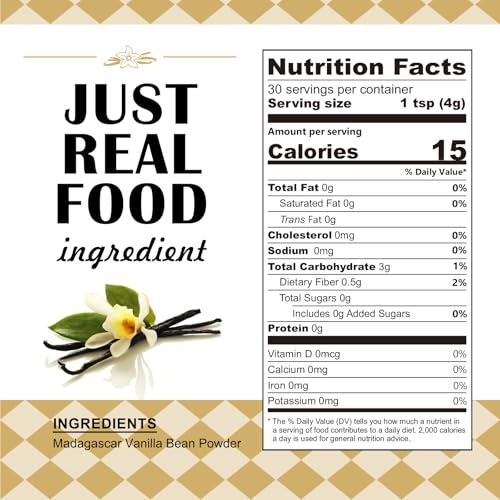
If you’re looking for a powder that behaves like a whole vanilla bean but with the convenience of a shelf-stable spice, this is about as close as it gets. The cold-grinding process is designed to protect volatile oils, and reviewers often note its balanced, creamy sweetness, ideal for both coffee and custards. At over 4 ounces, it offers better value than smaller jars, and the fact that it’s free of sugar and anti-caking agents makes it a clean choice for strict bakers and keto dieters alike.
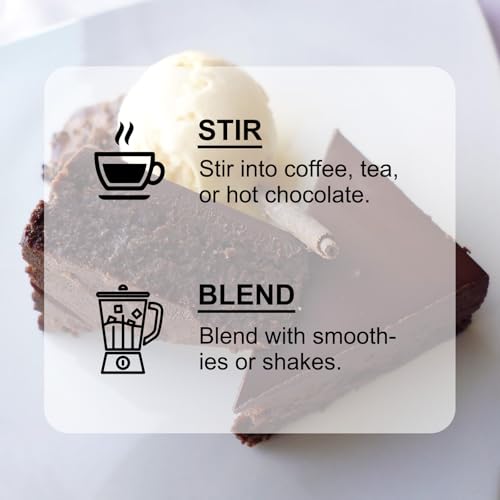
What really sets it apart is how smoothly it integrates into hot liquids. Compared to coarser grinds, this one disperses well in lattes and overnight oats. I’d pick this over alcohol-based extracts if you’re sensitive to ethanol taste or want longer shelf life. It’s not the most premium-priced, but it performs like it is.
Product photos

How We Picked These vanilla powder for coffee
As the founder of Bean Thusiast, I approach coffee flavorings with a critical eye – real vanilla can elevate a cup, but many powders fall flat. Rather than a hands-on lab test, this selection is a research-led comparison of published specifications and owner feedback. I focused on identifying powders that deliver a genuine vanilla experience, considering factors like origin, processing, and ingredient lists. We ranked options based on these criteria, aiming to find the best choices for enhancing your coffee.
For vanilla powder, three characteristics stood out as most important. First, a clear indication of single-origin sourcing (especially Madagascar vanilla) often signals better flavor complexity. Second, the absence of additives like sugars or fillers is crucial for a pure vanilla taste. Finally, positive owner reviews consistently mentioning a strong, authentic aroma were heavily weighted. These factors directly impact the final flavor in your cup.
Product specifications reliably reveal ingredient lists and origin claims. However, discerning the quality of the vanilla – the intensity and nuance of the aroma and flavor – required careful attention to owner feedback. Reviews helped me gauge whether a powder truly delivered on its promise of a rich, authentic vanilla experience, or if it tasted artificial or weak. You’ll find many people exploring adding vanilla extract to coffee as a starting point, but a good powder offers convenience and a concentrated flavor.
Choosing The Right vanilla powder for coffee
I’ve spent years exploring vanilla – its origins, its nuances, and how best to get that incredible flavor into your daily cup. Choosing a vanilla powder can seem simple, but there’s a lot of variation in quality and sourcing.
High-quality vanilla powder delivers intense flavor from Vanilla planifolia beans. Look for products listing Madagascar as the origin, specifying Grade A beans, and confirming the absence of additives like sugar or maltodextrin. Particle size matters too; a finely ground powder will blend more easily. Finally, consider ethical sourcing practices – vanilla farming can be complex.
Bean Origin & Grading
The vast majority of exceptional vanilla comes from Madagascar, and for good reason. The climate and soil conditions there are uniquely suited to cultivating Vanilla planifolia, the most common (and often considered the highest quality) variety. Don’t automatically dismiss vanilla from other regions, like Papua New Guinea (as Native Vanilla demonstrates), but understand Madagascar is the gold standard. Grade A beans are crucial. Lower grades indicate more blemishes or splits, impacting flavor. You’ll pay a premium for Grade A, but the difference in aroma and depth is noticeable. If you’re also looking for ways to enhance your coffee, check out our guide to the best vanilla extract for coffee.
Purity & Additives
This is where things get tricky. Many commercially available “vanilla powders” aren’t actually pure vanilla. They’re cut with fillers like dextrose, maltodextrin, or even sugar. Read the ingredient list carefully. You want a product that lists only “vanilla bean powder” or “ground vanilla beans.” A truly pure powder will have a stronger, more complex aroma. I also suggest avoiding powders with added ingredients if you’re aiming for a clean flavor profile, especially if you’re going to be using it in delicate applications like custard or a simple cup of coffee.
- Cost: Pure vanilla is expensive. Be skeptical of unusually low prices.
- Color: A deep, dark brown color usually indicates a higher concentration of vanilla compounds. Pale or off-white powders might be diluted.
- Bloom: A “bloom” refers to tiny vanilla seeds visible in the powder. While not strictly necessary, they’re a sign of whole beans being used and contribute to the overall visual appeal.
Usability & Ethical Sourcing
Beyond flavor, consider how you’ll use the powder. Some brands, like Zorvita, specifically highlight their suitability for coffee and baking, emphasizing ease of blending. This is important; a coarser grind can be difficult to incorporate smoothly. Finally, and increasingly important to many consumers, is ethical sourcing. Native Vanilla actively supports micro-farmers in Papua New Guinea with fair trade practices. Supporting companies that prioritize sustainability and fair treatment of farmers is something I believe we should all consider. For a refreshing take, you might also enjoy learning how to make easy vanilla iced coffee with your new powder.
A little vanilla powder goes a long way. Start with 1/2 teaspoon per recipe (or per cup of coffee) and adjust to taste. You can always add more, but you can’t take it away.
Vanilla Powder for Coffee Compared
Here’s a comparison of key specifications for different vanilla powders to help you choose the best option for your coffee and baking needs.
| Product Name | Origin | Organic | Additives | Container Type | Weight (oz) |
|---|---|---|---|---|---|
| ORGFUN Madagascar Vanilla Bean Powder | Madagascar | No | None | N/A | N/A |
| Beyond Good Madagascar Vanilla Powder | Madagascar | Yes | None | N/A | N/A |
| Native Vanilla Powder | Papua New Guinea | No | None | N/A | 1 |
| Cook’s Organic Vanilla Powder | N/A | Yes | None | Jar | 4.5 |
| GRELIM Madagascar Vanilla Bean Powder | Madagascar | No | None | Bag | N/A |
| Watkins Organic Vanilla Powder | N/A | Yes | None | Bottle | N/A |
| Zorvita Madagascar Vanilla Bean Powder | Madagascar | No | None | N/A | N/A |
Frequently Asked Questions
What’s the difference between vanilla powder and vanilla extract?
Vanilla powder is made from whole vanilla beans that have been ground, offering a more concentrated vanilla flavor and visible specks. Extract is vanilla flavor infused into alcohol and water, providing convenience but potentially a less intense, and sometimes different, flavor profile.
Is Madagascar vanilla really better?
Generally, yes. Madagascar vanilla (specifically Vanilla planifolia) is widely regarded as having a richer, more complex flavor profile due to the region’s unique climate and soil. However, high-quality vanilla from Papua New Guinea, like that offered by Native Vanilla, can be excellent too.
How much vanilla powder should I add to my coffee?
Start with 1/2 teaspoon per cup of coffee and adjust to taste. Because the flavor is potent, it’s easier to add more than to try and dilute an overly strong brew.
Can I use vanilla powder in other recipes besides coffee?
Absolutely. Vanilla powder is incredibly versatile and can be used in baking, smoothies, desserts, or anywhere you’d typically use vanilla extract. It’s a great addition to recipes where you want both flavor and the visual appeal of vanilla bean specks.
Where can I find vanilla powder companies with ethical sourcing practices?
Native Vanilla is a brand committed to supporting micro-farmers in Papua New Guinea through fair trade practices. If you are looking for additional options, exploring flavored coffee syrups can sometimes lead you to companies with similar commitments.
The Bottom Line
Choosing a vanilla powder often comes down to balancing control over ingredients with convenience. While many options exist, I consistently find Beyond Good Madagascar Vanilla Powder offers the best combination of purity, sourcing, and overall flavor intensity for most coffee drinkers. It delivers a true vanilla experience without any unwanted additives.
For those on a tighter budget, Cook’s Organic Vanilla Powder presents a solid alternative. And if you’re seeking a brand that prioritizes ethical sourcing alongside quality, Native Vanilla Powder is an excellent choice, directly supporting farmers in Papua New Guinea. You can also explore making your own additions to coffee with a homemade French vanilla creamer if you want to experiment.
Ultimately, the best vanilla powder isn’t about chasing a specific specification; it’s about finding a product with a clear origin, a pure ingredient list, and positive feedback from other coffee lovers. Focus on those fundamentals, and you’ll be well on your way to elevating your daily cup.
