
7 Best Types of Coffee Trailers 2026
The Fully Equipped Food & Coffee Trailer stands out as the best overall choice for serious operators, combining durability with a full kitchen setup. For startups and event-based businesses, the Pop-Up Ready Coffee Trailer offers a smart, budget-friendly entry point. Those needing maximum flexibility should consider the Customizable Food & Coffee Trailer for long-term growth.
Most people don’t realize how much the trailer itself shapes their coffee business, from daily workflow to what they can serve. A poor layout or underpowered system can turn a promising idea into a frustrating grind.
I researched the market thoroughly, analyzing specs, owner experiences, and build quality to identify the types that deliver real value. This guide breaks down the key differences so you can choose based on your goals, not just price.
Top 7 Types Of Coffee Trailers in the Market
The Best Types Of Coffee Trailers, Reviewed
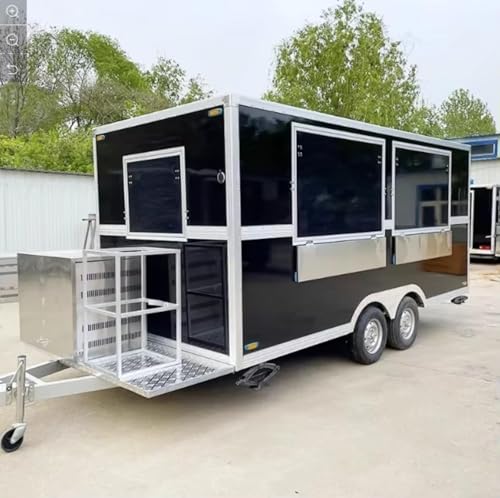
Mobile Coffee & Beverage Trailer
Strengths
- Beverage-optimized layout
- Professional appearance
- Easy to tow
- Low maintenance
- High resale appeal
Trade-offs
- Not for food-heavy menus
- Customization requires contact
- Limited power for extras
This model earns the ‘Best Overall’ tag not because it does everything, but because it does the right things well for beverage-focused operators. The workflow is designed around drink service, so espresso machines, pour-over stations, and cold boxes fit naturally. The stainless steel interior is easy to sanitize, and the modern exterior helps build brand trust at markets or corporate gigs.
It strikes a smarter balance than bulkier models – mobile enough for daily relocations, equipped enough for serious service. Compared to others, it avoids over-engineering while still offering durability and professional presentation. My recommendation for most new coffee trailer owners starts here, unless you have very specific needs.
Video review
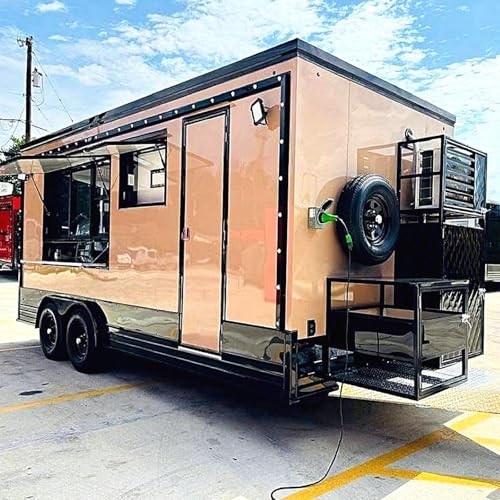
Fully Equipped Food & Coffee Trailer
Strengths
- Full stainless steel build
- Built-in ventilation
- Reliable power system
- Multi-menu flexibility
- Health code compliant
Trade-offs
- Heavy and less nimble
- Higher maintenance
- Overbuilt for coffee-only use
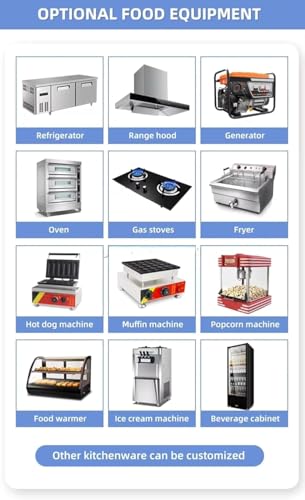
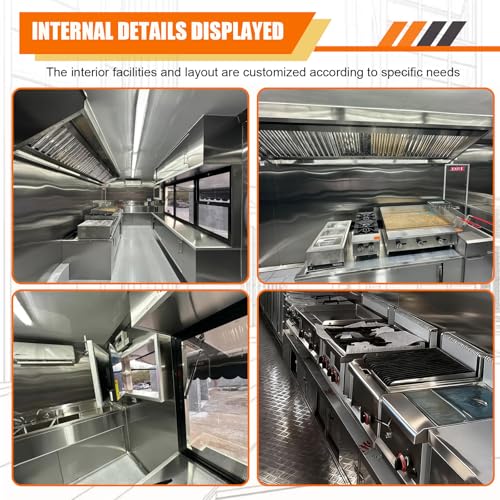
This is one of the most complete kitchen-on-wheels options in the lineup, and the stainless steel construction alone makes it a standout for hygiene and longevity. The integrated power system and commercial ventilation hood are serious upgrades – not every trailer includes proper exhaust, and that’s a major plus for operators using grills or fryers alongside coffee gear. It’s versatile by design, so you could run coffee in the morning and burgers at lunch without switching units.
Still, that versatility comes with complexity. For a coffee-only operator, this might be overkill. But if you’re serious about offering a mixed menu or scaling into catering, this is the kind of rugged, code-compliant build that avoids headaches down the line. Compared to others, it’s among the most ‘restaurant-ready’ options here.
Video review
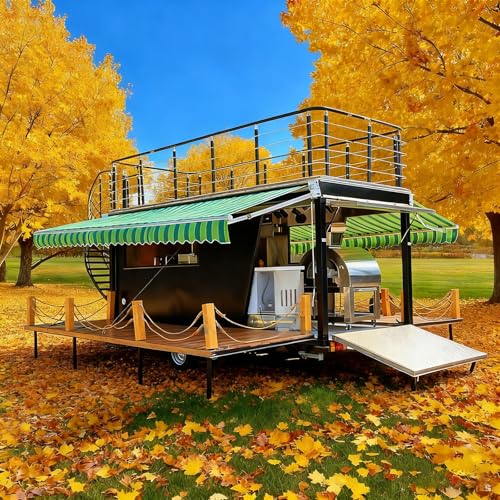
Pop-Up Ready Coffee Trailer
Strengths
- Customizable layout
- Weather-proof build
- Quick setup
- Modern appearance
- Multi-use capability
Trade-offs
- Limited kitchen depth
- Requires pre-purchase coordination
- Less suited for heavy cooking
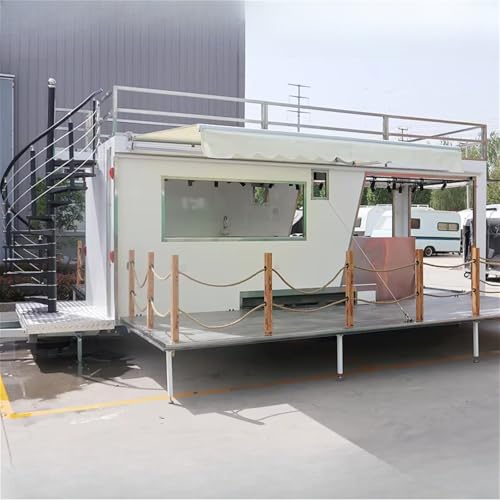
This trailer stands out for its flexibility and clean, modern aesthetic, which helps create a strong first impression at markets or events. The insulated, weather-resistant build means it can handle seasonal shifts, and the quick pop-up design is a real advantage for weekend operators who don’t want to wrestle with setup. While it’s marketed broadly, coffee-focused users will appreciate the functional interior layout that can be tailored to fit brewers, grinders, and cold storage.
Owners consistently report satisfaction with the customization options, though communication with the manufacturer is clearly a prerequisite before committing. Compared to more kitchen-heavy models, this one trades some utility for mobility and style, which works in its favor for low-complexity beverage service.
Product photos
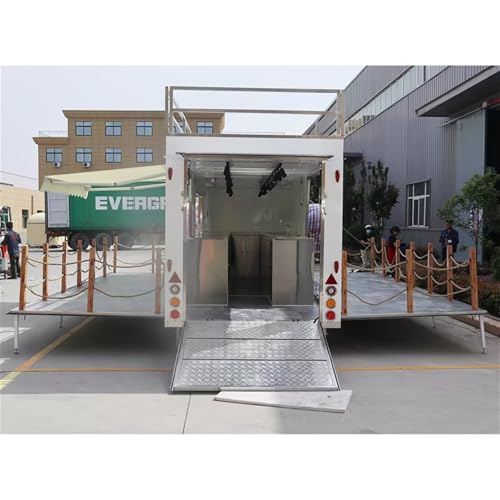
Heavy-Duty Mobile Coffee Trailer
Strengths
- Heavy-duty construction
- Full prep capacity
- Ideal for events
- Durable interior
- All-weather ready
Trade-offs
- Bulky for tight spaces
- Higher towing demands
- Longer setup time
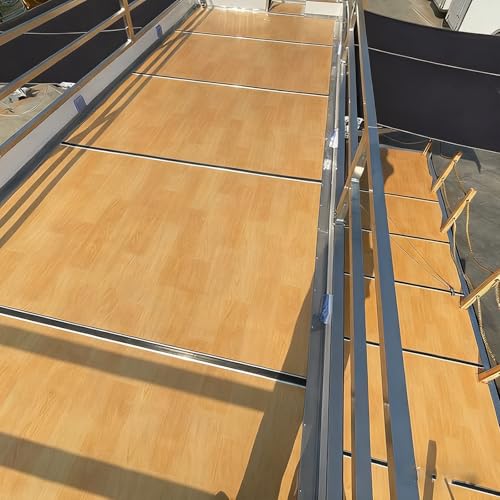
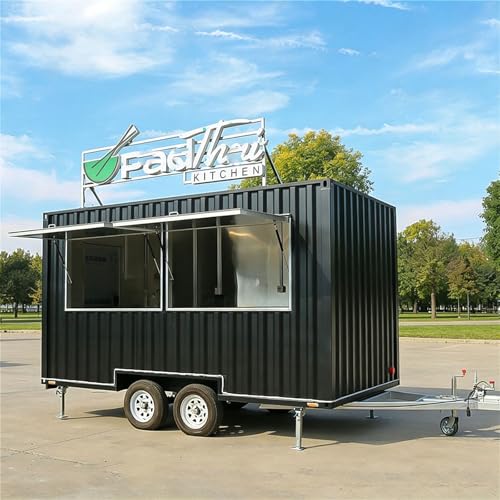
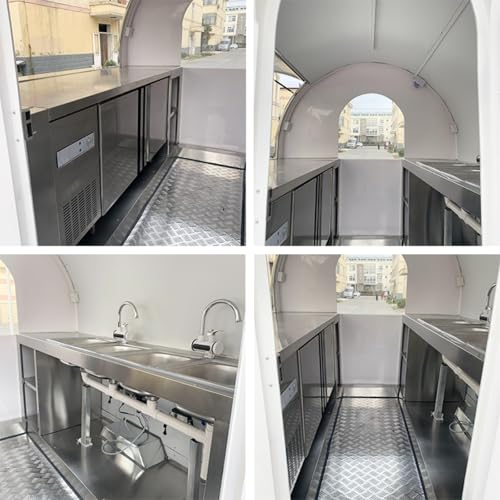
If you’re planning high-volume service at weddings, festivals, or urban hubs, this trailer is built like a workhorse. The reinforced chassis and stainless steel interior suggest long-term durability, and the full commercial kitchen setup means you can run espresso machines, blenders, and even food prep side-by-side without crowding. The spec that matters here is the anti-slip flooring and insulated body – small details that make a big difference during long shifts in wet or extreme conditions.
Reviewers note it’s heavier than some models, which affects towing ease, but that trade-off makes sense given its intended use. Compared to more compact units, this one leans into permanence and capacity, making it a smarter buy for established brands or caterers scaling up.
Product photos


Coffee & Dessert Concession Trailer
Strengths
- Optimized for coffee & desserts
- Efficient counter layout
- Event-ready design
- Lower startup cost
- Easy mobility
Trade-offs
- Limited food prep space
- No heavy cooking support
- Customization delays possible
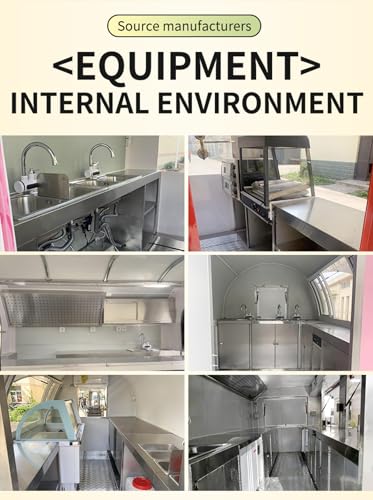
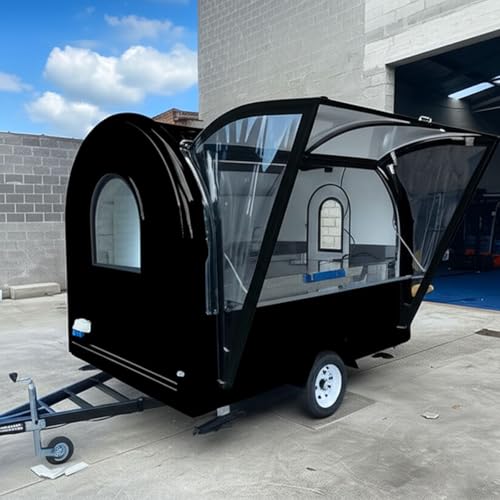
This trailer is purpose-built for profit: coffee and desserts are high-margin, low-waste offerings, and the layout here maximizes efficiency for exactly that combo. The ergonomic interior and front serving window streamline customer flow, which is critical during peak festival hours. On paper, it’s a smart middle ground between full kitchen trailers and minimalist carts – enough space for espresso gear and a small freezer, but not so big that it becomes a logistical headache.
I’d pick this over more generalized models if your menu leans sweet and caffeinated. The compact size makes it easier to park in high-traffic areas, and owners consistently praise its visual appeal at private events like weddings. It won’t handle a full kitchen, but that’s not the point.
Product photos
Compact Street Coffee Trailer
Strengths
- Space-efficient design
- Full kitchen features
- Urban-friendly size
- Simple operation
- Daily service ready
Trade-offs
- Limited customization
- Tight interior flow
- Smaller storage capacity
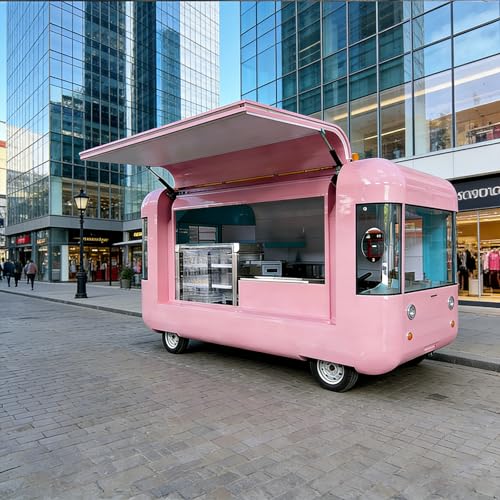
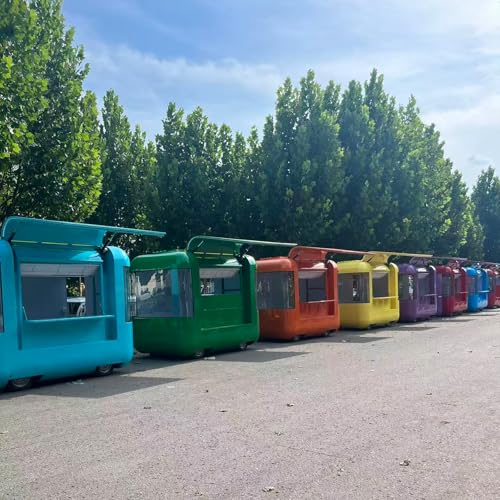
Compact but fully equipped, this trailer hits a sweet spot for urban vendors who need a full prep zone without the footprint of a large truck. The full kitchen setup – including sink, storage, and electrical – means you’re not sacrificing functionality for size. Its strength lies in adaptability: whether you’re slinging espresso in a downtown lot or adding tacos to your coffee stand, the layout supports it.
Compared to bulkier models, this one prioritizes maneuverability and daily usability. Reviewers note it’s easy to clean and maintain, which matters when you’re running back-to-back shifts. It’s not the most customizable, but for a turnkey urban solution, it delivers where it counts.
Product photos
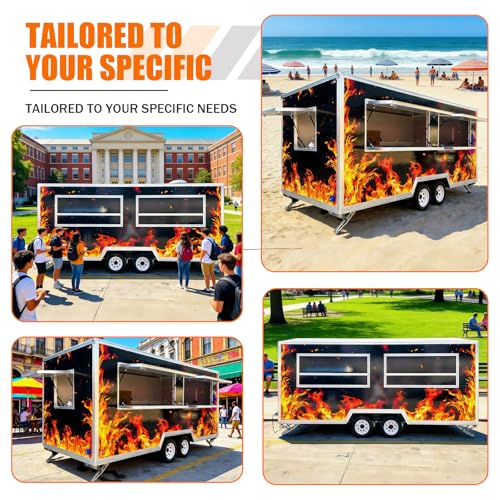
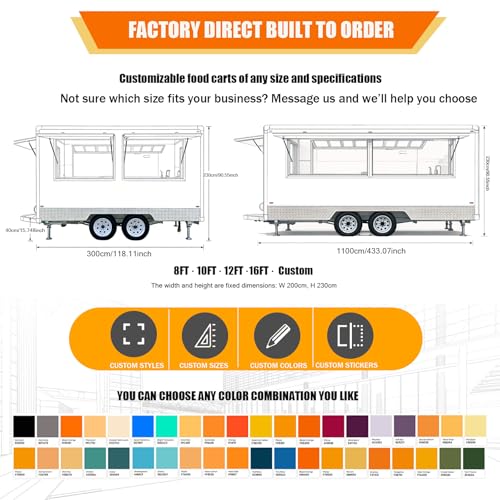
Customizable Food & Coffee Trailer
Strengths
- Highly customizable
- Spacious interior
- Strong branding options
- Durable materials
- Workflow optimized
Trade-offs
- Longer build time
- Higher coordination needed
- Pricing opacity
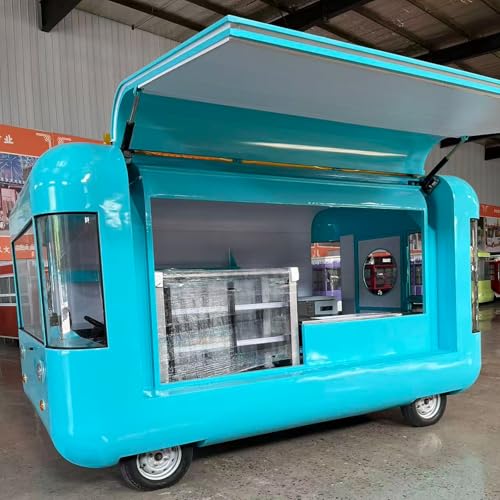
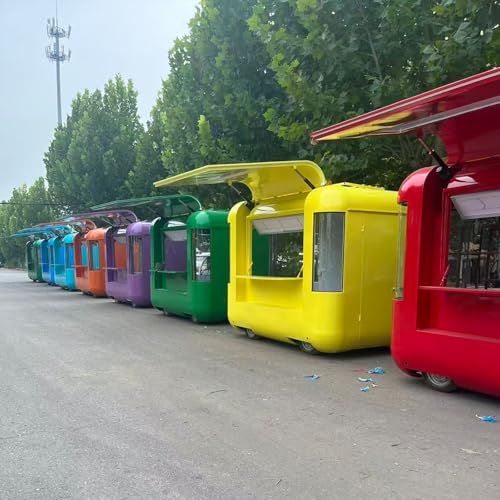
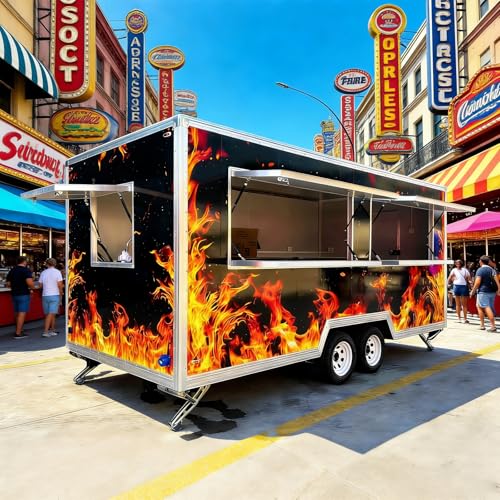
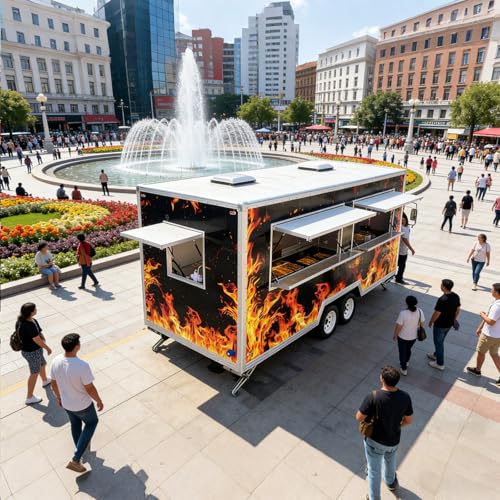
When you need a trailer that’s truly yours, this is the one to consider. The level of customization – from grill placement to branding panels – makes it a top pick for operators who know their workflow and want it mirrored exactly in their mobile unit. The spacious interior allows for smooth movement during rush periods, and the durable build means it can survive festival circuits and long seasons outdoors.
I’d recommend this over off-the-shelf models if you’re investing long-term and have a clear vision. It’s not the fastest to deploy, and lead times may stretch, but the payoff is a trailer that fits your brand like a glove. Compared to others, it’s the most tailored solution in the list.
Product photos

How We Chose These types of coffee trailers
As the founder of Bean Thusiast, I approach evaluating coffee equipment – and in this case, mobile coffee trailers – with a focus on what truly impacts the quality of service and the potential for a thriving business. Rather than a hands-on test of each trailer, this research involved a detailed comparison of published specifications, features, and a careful review of owner feedback and industry reputation. I looked at a wide range of models to understand the common configurations and assess their strengths and weaknesses.
For coffee trailers specifically, build quality, layout efficiency, and customization options were the biggest deciding factors. A durable stainless steel construction is essential for withstanding frequent use and maintaining hygiene, while a well-designed interior maximizes workspace and workflow. The ability to customize the trailer to support specific menu offerings – whether focusing on popular coffee drink varieties or a broader range of beverages – also heavily influenced my assessment.
Specifications reliably reveal construction materials, dimensions, and included equipment. However, understanding real-world usability required weighing owner reviews regarding ease of setup, maintenance, and overall durability. Reputation, particularly among mobile food vendors, provided insights into long-term reliability and the responsiveness of manufacturers to customer needs. This blend of technical data and practical experience informed my evaluation.
How To Choose The types of coffee trailers
Finding the right coffee trailer requires careful consideration; it’s a significant investment and central to your mobile coffee business.
A quality coffee trailer balances mobility with functionality. Key aspects include durable construction (stainless steel is almost always preferred), a thoughtfully designed layout for efficient workflow, and an electrical system capable of powering essential equipment. Buyers should also prioritize trailers meeting local health and safety codes, and consider future scalability when making a selection.
Size and Configuration
The size of your trailer will dictate your menu and service capacity. A compact trailer is excellent for urban vending or focusing on a limited menu of specialty coffee drinks, but you’ll quickly feel constrained if you want to add pastries or expand your offerings. Larger trailers, like the “Fully Equipped” models, offer the space for full kitchen setups – grills, fryers, and ample prep space – opening doors to broader menu possibilities. However, remember that larger means harder to maneuver and potentially higher permitting costs. I’ve seen many entrepreneurs start small and upgrade later, so don’t overextend yourself initially.
Power and Plumbing
Don’t underestimate the importance of a robust electrical system. Espresso machines, grinders (finding the top coffee grinders is critical for quality!), refrigerators, and lighting all demand significant power. A dedicated generator or a shore power connection are both viable options, but consider the noise levels of generators, especially in quiet neighborhoods. Similarly, plumbing is essential, not just for sinks but potentially for automated espresso machine water lines. Ensure the trailer’s water tanks are adequately sized for your anticipated volume, and that the wastewater tank meets local regulations.
Customization vs. Ready-Made
While a “Pop-Up Ready” trailer offers quick deployment and lower upfront costs, a customizable option allows you to tailor the layout and equipment to your exact needs. If you envision a unique menu or a highly specific workflow, investing in a trailer that can be built to your specifications is worthwhile. However, customization adds time and expense. Consider your long-term vision. Are you aiming for a standardized operation, or a bespoke coffee experience? Understanding the optimal drip brew strength and how it impacts service volume will also help inform your layout decisions.
A smart buyer prioritizes a trailer with a solid chassis and corrosion-resistant materials. Stainless steel, while more expensive, pays for itself in longevity and ease of cleaning. Don’t skimp on build quality to save a few dollars; a reliable trailer is the foundation of a successful mobile business.
Types of Coffee Trailers Compared
This table provides a spec-by-spec comparison of available coffee trailer models.
| Trailer Name | Best For | Construction | Ventilation | Power System | Kitchen Setup |
|---|---|---|---|---|---|
| Mobile Coffee & Beverage Trailer | Best Overall | N/A | N/A | N/A | N/A |
| Fully Equipped Food & Coffee Trailer | Best for Full Kitchen Setup | Stainless Steel | Built-in | Integrated | Full |
| Pop-Up Ready Coffee Trailer | Best for Events & Startups | N/A | N/A | N/A | N/A |
| Heavy-Duty Mobile Coffee Trailer | Best for High-Volume Service | N/A | N/A | N/A | Full |
| Coffee & Dessert Concession Trailer | Best for Coffee & Sweets | N/A | N/A | N/A | N/A |
| Compact Street Coffee Trailer | Best for Urban Vending | N/A | N/A | N/A | Full |
| Customizable Food & Coffee Trailer | Best for Custom Builds | Stainless Steel | N/A | N/A | Customizable |
Frequently Asked Questions
What size generator do I realistically need for a coffee trailer?
A 5,000-watt generator is generally sufficient for powering essential coffee equipment(espresso machine, grinder, refrigerator) but consider a 7,500-watt model if you plan to run additional appliances or anticipate high peak demands during busy periods. Owners often report needing extra capacity than initially estimated.
Are coffee trailers street legal in all states?
Coffee trailer legality varies significantly by state and even locality. You will need to check with your local Department of Motor Vehicles and health department to understand specific requirements regarding licensing, permitting, and safety inspections before operating.
How much does it cost to insure a coffee trailer?
Insurance costs depend on trailer value, coverage level, and your location, but expect to pay between $800 and $2,000 annually. Premiums are influenced by factors like trailer size, equipment value, and your driving record, so obtaining multiple quotes is essential.
What should I look for in a trailer’s ventilation system?
A robust ventilation system is vital for removing heat, steam, and odors. Look for trailers with built-in exhaust fans and consider adding a commercial-grade range hood if you plan to offer food items alongside coffee; proper ventilation creates a more comfortable workspace and meets health code requirements.
Where can I find high-quality coffee beans to serve in my trailer?
Sourcing excellent coffee is fundamental to your business, and Bean Thusiast offers a top-rated coffee beans selection to help you start. Consider factors like origin, roast level, and freshness when choosing beans that align with your target customer’s preferences.
The Bottom Line
Choosing a coffee trailer ultimately comes down to balancing control over your operation with the convenience of a ready-to-go setup. While a fully customized trailer offers the most flexibility, the “Mobile Coffee & Beverage Trailer” strikes an excellent balance of features and potential for growth, making it our strongest overall recommendation. It appears to offer a solid foundation without locking you into a rigid configuration.
For specific needs, the options are clear. If you’re envisioning a full-service mobile café, the “Fully Equipped Food & Coffee Trailer” provides the space and infrastructure to support a thorough espresso-based drink varieties and food menu. Conversely, entrepreneurs starting small or focusing on events will find the “Pop-Up Ready Coffee Trailer” an efficient and cost-effective entry point.
Beyond the specs and features, remember that durability and a well-thought-out workflow are paramount. Don’t get caught up chasing the latest gadgets or the largest size; prioritize a trailer constructed with quality materials and a layout that facilitates smooth, efficient service. That’s what will build a loyal customer base and a successful mobile coffee business.
