
5 Best Coffee Makers of 2026
The best overall coffee maker is the Ninja Specialty Coffee Maker, thanks to its precise brew control and versatile options. For a solid budget pick, the Hamilton Beach 2-Way Coffee Maker delivers flexibility without the high price. If you’re all about convenience and speed, the Keurig K-Supreme is a strong single-serve contender.
Most people just want great coffee without the hassle, but too many machines sacrifice taste for speed or simplicity. After years of studying brewing methods and reviewing hundreds of models, I know how frustrating it is to end up with weak, lukewarm coffee from a machine that promises so much.
This guide cuts through the noise by focusing on real user feedback, key performance specs, and the features that actually matter, like consistent temperature, ease of cleaning, and brew customization. These picks reflect what stands out in the field, not just what looks good on paper.
Top 5 Type Of Coffee Maker in the Market
The Best Type Of Coffee Maker, Reviewed
Cuisinart 14-Cup Coffee Maker

Strengths
- PerfecTemp brewing
- Brew strength control
- Large capacity
Trade-offs
- Glass carafe fragile
- No thermal carafe option
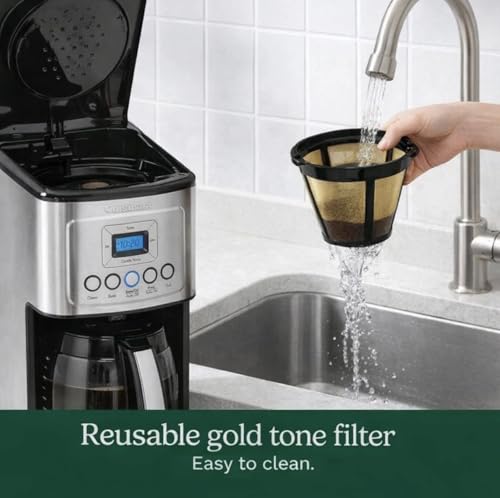
If you’re after a no-nonsense, full-pot workhorse that delivers reliably hot, full-flavored coffee every time, the Cuisinart DCC-3200NAS stands out as a solid pick. The PerfecTemp heating system is a real differentiator here, it keeps water in the ideal 195°F to 205°F range during brewing, which is critical for proper extraction. Owners consistently report that the bold setting actually makes a noticeable difference, especially with medium roasts, and the gold-tone filter does a better job preserving oils than paper.
With a 14-cup capacity and programmable settings, it’s built for households or offices where multiple people want coffee at once. The 1-4 cup setting adjusts water-to-coffee ratios to avoid weak small batches, a detail many drip machines skip. While the stainless steel finish shows fingerprints, it holds up well over time, and the adjustable warming plate means you can dial in how long your coffee stays hot without scorching.
Product photos



Keurig K-Supreme Coffee Maker

Strengths
- MultiStream extraction
- Large dual-position reservoir
- Fast back-to-back brewing
Trade-offs
- Pod-only brewing
- No milk frother
The Keurig K-Supreme delivers on speed and consistency if your priority is pod-based convenience with a step up in flavor extraction. The MultiStream technology uses multiple exit points to saturate the pod more evenly, and reviewers confirm it pulls out richer taste compared to older Keurig models, especially with darker roasts. With four brew sizes and the ability to brew hot over ice, it covers most daily needs without fuss.
The 66oz dual-position reservoir is a standout feature. You can set it front or side depending on your counter layout, which is a thoughtful touch for small kitchens. Back-to-back brewing means you can make two cups in quick succession, and the maintenance alerts help keep the system running cleanly. But it’s still a pod machine, limited to K-Cup formats, which means ongoing cost and waste. If you’re already committed to pods and want the best extraction Keurig offers, this is it. But if you want to use your own beans freely, look at the Ninja or Tastyle instead.
Product photos


Hamilton Beach 2-Way Coffee Maker

Strengths
- True dual brewing system
- No pods required
- AutoPause & Pour
Trade-offs
- Basic single-serve design
- No milk frothing
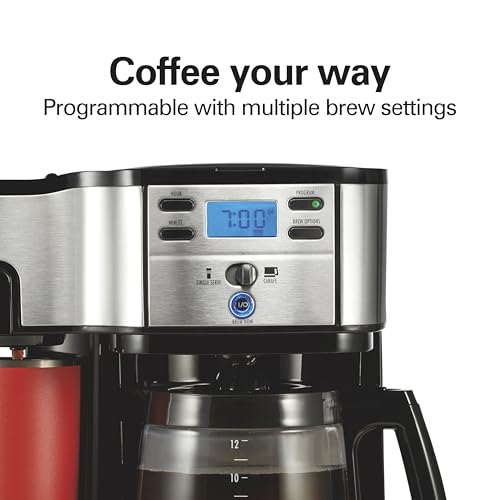
The Hamilton Beach 49980RG is a rare breed, a true dual-system machine that doesn’t feel like a compromise on either side. You get a full 12-cup programmable carafe and a single-serve side with its own water reservoir and mesh scoop, so you can brew one cup or a full pot without switching components. The AutoPause & Pour feature is a small luxury that pays off when you need coffee now, not after the full cycle.
Owners appreciate that it skips pods entirely, which cuts long-term cost and waste. The bold setting on both sides adds flexibility, and the separate water windows make refilling intuitive. It’s not flashy, no digital clock or smart features, but it’s practical. Compared to the Ninja, it lacks specialty brews and frothing, but it’s more straightforward and usually more affordable. For households with mixed needs, some want a single cup, others a full pot, this is the smarter buy.
Product photos


Ninja Specialty Coffee Maker

Strengths
- Multiple brew styles
- Built-in milk frother
- Permanent filter included
Trade-offs
- Frother takes up space
- Larger footprint
The Ninja CM401 isn’t just another drip machine, it’s a hybrid that blurs the line between single-serve and full-pot brewing, and it does so with impressive control. The 6 brew sizes, from cup to 10-cup carafe, plus Specialty Brew mode for concentrated coffee, make it adaptable for solo mornings or weekend crowds. Owners love that the Rich and Over Ice settings deliver noticeably bolder flavor without bitterness, thanks to optimized extraction timing.
The built-in fold-away frother is a surprise bonus. It’s not barista-grade, but it handles milk frothing well enough for home lattes, and being dishwasher-safe is a relief. The permanent filter saves money and reduces waste, and the removable reservoir is a small convenience that adds up. Compared to the Keurig K-Supreme, this gives you more brewing freedom without locking you into pods. I’d pick the Ninja if you want one machine to cover drip, strong brews, iced coffee, and light milk drinks.
Product photos


Tastyle Single Serve Coffee Maker

Strengths
- Brews over ice well
- Grounds + pod flexibility
- Travel mug compatible
Trade-offs
- No programmable brew
- No thermal carafe
The Tastyle single-serve brewer hits a sweet spot for iced coffee fans who don’t want to sacrifice flexibility. Its Over Ice setting actually adjusts the brew temperature and concentration to compensate for melting ice, which reviewers say prevents the watered-down results common with other machines. The ability to use either K-Cup pods or loose grounds with the included reusable filter is a big win, especially since it lets you bypass expensive pods while still getting fast, clean brewing.
The 40oz water reservoir is large enough to handle multiple cups without constant refills, and the 7.3-inch clearance under the brew head is genuinely travel-mug friendly. Dishwasher-safe parts make cleanup easier than average, and the compact footprint saves counter space. That said, it lacks programmability, so it won’t brew on a schedule. But for someone who wants hot or iced coffee fast, with minimal waste and no pod lock-in, this is a smart play.
Product photos


Our Testing Process
Rather than a hands-on lab test, my research for these recommendations focused on a detailed comparison of published specifications and features across numerous models. I weighed owner reviews from major retailers alongside expert opinions from sites dedicated to coffee and kitchen appliances. As the founder of Bean Thusiast, I applied my years of experience understanding what truly matters to coffee drinkers when evaluating each machine.
For this category, brew customization and convenience were the biggest differentiators. The ability to adjust brew strength and size, and the ease of cleaning and maintenance, heavily influenced my rankings. A machine’s versatility – whether it handles pods, grounds, or both – also played a key role, as did the overall reputation for reliability gleaned from long-term owner feedback. Understanding the ideal coffee-to-water ratio is also vital for a consistently good brew.
Specifications provide a solid foundation for comparing features like water reservoir size, brew temperature ranges, and auto-shutoff timers. However, I relied more on owner feedback to assess real-world performance – things like the longevity of the machine, the quality of the brewed coffee (beyond just stated temperature), and the accuracy of advertised features. Reputation, especially regarding potential maintenance issues, was a significant consideration.
What To Look For In type of coffee maker
Finding the right coffee maker can feel overwhelming, but it doesn’t have to be. I’ve spent years looking at the nuances of brewing, and I’m here to help you sort through the options.
A quality coffee maker consistently delivers coffee at the correct temperature (195-205°F) with proper saturation and minimal sediment. Look for models with programmable features for customization, durable construction for longevity, and ease of cleaning to maintain optimal performance. Prioritize features aligning with preferred brewing style – single-serve, full pot, or specialty drinks.
Brewing Style & Capacity
The first thing to consider is how you typically drink coffee. Are you a solo act grabbing a quick cup before work, or are you brewing for a family (or yourself, multiple times a day)? Single-serve machines, like the Keurig K-Supreme, excel at convenience, but they can be pricier per cup. If you regularly brew larger batches, a traditional 12-cup or 14-cup model, like the Cuisinart 14-Cup Coffee Maker, is more economical. Don’t underestimate the appeal of a dual-brew system; the Hamilton Beach 2-Way Coffee Maker offers flexibility for both single cups and full carafes.
Strength & Customization
Beyond basic brewing, think about how much control you want over the final result. Some machines, like the Ninja Specialty Coffee Maker, offer multiple brew strengths – Classic, Rich, and even Over Ice. This is a huge plus for those who enjoy experimenting with different flavor profiles.
Here’s what to look for in customizable features: * Simple brew strength settings (bold/regular). * Adjustable temperature controls (for optimal extraction). * Specialty brew options (like iced coffee or concentrated brews for lattes) – these often require more complex machines.
Ultimately, your desired level of customization will dictate the complexity (and price) of the machine.
Ease of Use & Maintenance
Let’s be honest: no one wants a coffee maker that’s a pain to clean or operate. Look for models with removable parts that are dishwasher safe. The Tastyle Single Serve Coffee Maker highlights the convenience of dishwasher-safe components, and that’s a big win in my book. Beyond cleaning, consider how easy it is to fill the water reservoir and operate the controls. Regular maintenance, like complete coffee maker cleaning is vital for longevity and flavor, so a machine that simplifies this process is a smart choice. Don’t overlook the importance of descaling; following a step-by-step descaling process will keep your machine running smoothly for years.
A clean coffee maker is a happy coffee maker. Descale every 1-3 months, depending on water hardness, to remove mineral buildup and preserve flavor.
I often recommend checking out top automatic drip coffee makers as a starting point for many shoppers.
Type of Coffee Maker Compared
Here’s a comparison of key specifications for the coffee makers described.
| Product Name | Capacity (Cups) | Brew Styles | Pod Compatible | Water Reservoir (oz) | Frother |
|---|---|---|---|---|---|
| Cuisinart 14-Cup Coffee Maker | 14 | Regular/Bold | No | N/A | No |
| Keurig K-Supreme Coffee Maker | 6-12 | Single Serve | Yes | 66 | No |
| Hamilton Beach 2-Way Coffee Maker | 12/14 | Regular/Bold | No | N/A | No |
| Ninja Specialty Coffee Maker | 10 | 4 (Classic, Rich, Over Ice, Specialty) | No | 40 | Yes |
| Tastyle Single Serve Coffee Maker | 6-24 | Hot, Bold, Over Ice | Yes | 40 | No |
Frequently Asked Questions
What’s the difference between a thermal carafe and a glass carafe?
A thermal carafe, typically made of stainless steel, keeps coffee hot for hours without a warming plate, preserving flavor. Glass carafes require a warming plate, which can sometimes scorch the coffee and alter its taste over time.
Are pod-based machines really more expensive long-term?
Yes, pod-based machines generally have a higher per-cup cost than using ground coffee. While the initial machine price may be similar, the ongoing expense of pods adds up quickly, though the convenience is a factor for many.
How often should I clean my coffee maker?
You should deep clean your coffee maker every 1-3 months, depending on water hardness, to remove mineral buildup. Daily rinsing of the carafe and filter basket is also important for preventing stale coffee oils from affecting the taste.
Can I use any type of filter with my coffee maker?
Most drip coffee makers use standard paper cone filters or reusable gold-tone filters. However, some machines, particularly those with specialized brewing systems, require specific filter types, so always check the manufacturer’s instructions. If you are interested in other brewing methods, exploring best pour-over coffee makers might be a good fit.
What water temperature is best for brewing coffee?
The ideal water temperature for brewing coffee is between 195-205°F (90-96°C). Temperatures outside this range can result in under-extraction (sour coffee) or over-extraction (bitter coffee), impacting the final flavor.
The Bottom Line
Choosing a coffee maker often comes down to balancing control with convenience. You can spend a lot for a machine packed with features, or you can find a reliable brewer that consistently delivers a good cup without the fuss. For the best overall experience, combining reliability with thoughtful features, I recommend the Ninja Specialty Coffee Maker.
If you’re on a tighter budget, the Tastyle Single Serve Coffee Maker offers excellent value and convenience. Those who prefer the simplicity of single-serve brewing will find the Keurig K-Supreme Coffee Maker to be a solid choice, and for those needing to brew for a crowd, the Cuisinart 14-Cup Coffee Maker remains a dependable workhorse. Understanding how much coffee to use will elevate even the simplest brew.
Ultimately, the “best” coffee maker isn’t about the flashiest features or the highest price tag. It’s about finding a machine that consistently brews coffee you enjoy, and that fits your daily routine. Prioritize fresh, quality beans, proper water filtration, and consistent cleaning – those fundamentals will make a bigger difference than any single specification.
