
6 Best Tasting Sweeteners for Coffee 2026
This post contains affiliate links. As an Amazon Associate, we earn from qualifying purchases.
The best tasting sweetener for coffee is Pyure Organic Liquid Stevia, hands down. It delivers clean sweetness without the bitter aftertaste that plagues many stevia products. For those on a budget, Stevia In The Raw Packets offer solid performance at a lower cost, and if you want a touch of depth, Pyure Organic Vanilla Stevia Drops add subtle flavor without overpowering your brew.
Most coffee lovers want sweetness without wrecking the bean’s character or their health goals. Too many sweeteners leave a chemical aftertaste or dissolve poorly, turning a good cup into a disappointment.
After comparing the field and weighing ingredient lists, concentration, and consistent owner feedback, I focused on options that enhance rather than mask coffee. These picks reflect what stands out in real-world use, backed by specs, reviews, and the kind of attention to detail I’ve honed through years of exploring coffee’s finer points at Bean Thusiast.
Top 6 Tasting Sweetener For Coffee in the Market
The Best Tasting Sweetener For Coffee, Reviewed
Pyure Organic Liquid Stevia

Strengths
- No aftertaste
- Highly concentrated
- Organic and vegan
Trade-offs
- Dropper can be messy
- Over-sweetens if overused
This is my pick for the best overall sweetener, not just because of the specs, but because owners consistently praise its clean taste and lack of bitterness. With up to 200 servings per bottle, it’s highly concentrated, making it economical over time. The formula skips erythritol and fillers, which sets it apart from many blended stevia products that leave a cooling aftertaste.
It’s versatile: works in coffee, tea, and baking, and the small bottle is travel-friendly. Compared to the vanilla version, this one is neutral, so it won’t alter your coffee’s profile. For people serious about cutting sugar without compromising taste, this hits the sweet spot, literally and figuratively.
Video review
Pyure Organic Vanilla Stevia Drops

Strengths
- Vanilla flavor included
- No erythritol
- USDA Organic
Trade-offs
- Dose-sensitive
- Not for black coffee purists
If you’re looking to add a subtle flavor twist along with sweetness, this vanilla stevia drops from Pyure stand out in a crowded field. The vanilla infusion is smooth and not overly artificial, which owners consistently say blends well into morning coffee without dominating the bean’s natural profile. On paper, the zero sugar, zero carb, and USDA Organic certifications make it a strong contender for keto and diabetic diets.
I appreciate that it avoids erythritol, which can cause digestive issues for some and often brings a cooling aftertaste. Reviewers note it’s less bitter than many stevia products, though a few mention you need to dose carefully, too many drops and the vanilla can overwhelm lighter roasts. Compared to plain stevia, this is better suited for those who enjoy flavored coffee rather than purists.
Video review
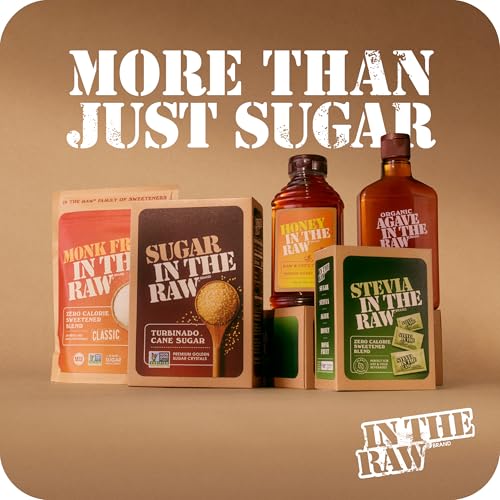
Sugar In The Raw Packets

Strengths
- All-natural
- Rich molasses flavor
- Non-GMO verified
Trade-offs
- Still high in calories
- Dissolves slowly
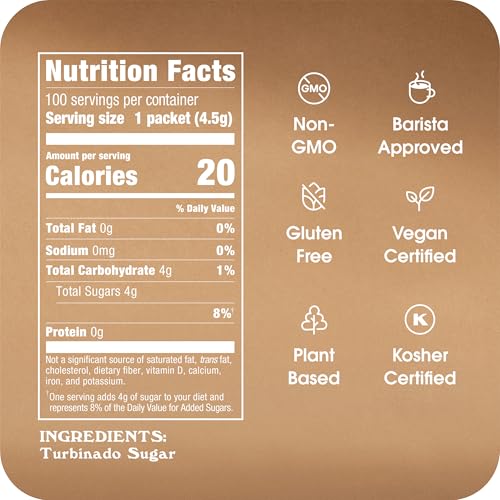
This is the go-to for anyone who wants real sugar with a slightly more natural story. Turbinado sugar is less refined than white sugar, and that shows in the rich molasses notes owners report in their coffee. It’s not sugar-free or low-calorie, but if you’re not trying to cut sugar and just want a cleaner, more flavorful alternative, this fits the bill.
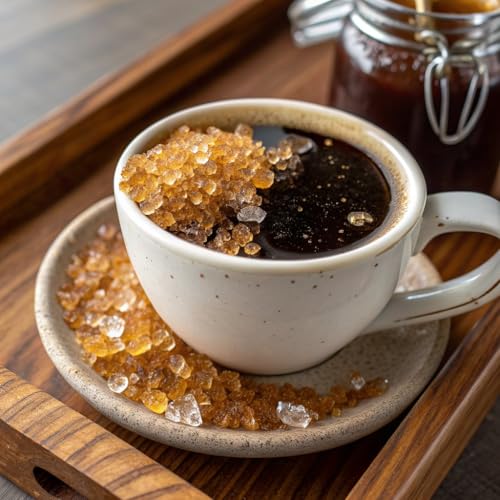
The crunchy golden crystals dissolve slower than granulated sugar, especially in iced coffee, which some find charming and others annoying. Compared to artificial options, it lacks any chemical aftertaste, which is a win. But let’s be clear, this is still sugar, just with a better backstory. I’d pick it for weekend lattes, not daily health tracking.
Product photos

Torani Cane Sugar Syrup

Strengths
- Easy pump dispenser
- Dissolves instantly
- Café-quality sweetness
Trade-offs
- High in sugar
- Large bottle size
Torani’s cane sugar syrup delivers a clean, consistent sweetness that mimics what you’d get at a café. The pump dispenser is a game-winner for precision and convenience, and owners love how easily it blends into both hot and cold brews. Unlike granulated sugar, this dissolves instantly, making it ideal for iced coffee or cold brew where texture matters.
The ingredient list is simple, cane sugar, natural flavors, and filtered water, and it shows in the taste. However, it’s sugar, so it brings calories and carbs. If you’re making flavored lattes at home, this is hard to beat. Compared to flavored stevia drops, it’s less health-conscious but more authentic in mouthfeel and sweetness delivery.
Product photos


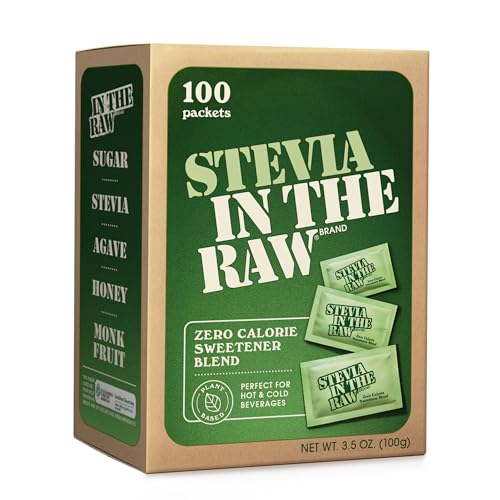
Stevia In The Raw Packets
Strengths
- Low cost
- Easy to store
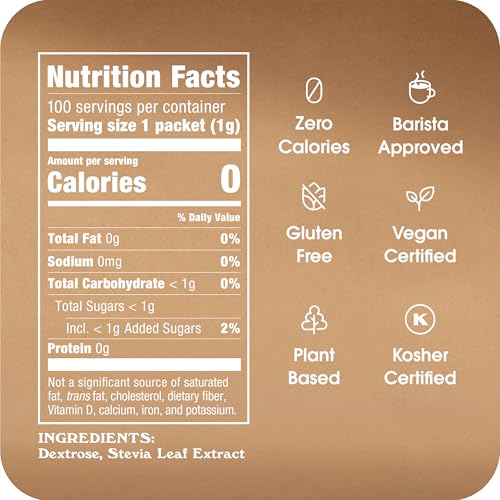
- Zero calorie
Trade-offs
- Noticeable aftertaste
- Not organic
This is the budget pick that doesn’t completely sacrifice credibility. Made with stevia extract and a small amount of dextrose, it delivers zero-calorie sweetness in a familiar packet form. It’s not USDA Organic like Pyure, but it’s widely available and affordable, which explains why so many offices and diners stock it.
Owners report it works fine in hot coffee, though some detect a slight aftertaste, more so than Pyure’s liquid versions. It’s less concentrated than liquid stevia, so you might use more per cup. For someone just dipping into sugar alternatives without wanting to invest in bottles or pumps, this is a no-frills entry point.
Product photos

WorkBrew Sweetener Variety Pack
Strengths
- Multiple options
- Includes stirrers
- Portion-controlled
Trade-offs
- Mixed quality levels
- Some artificial sweeteners
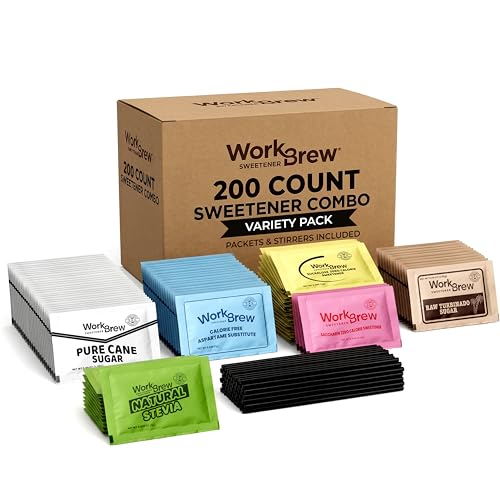
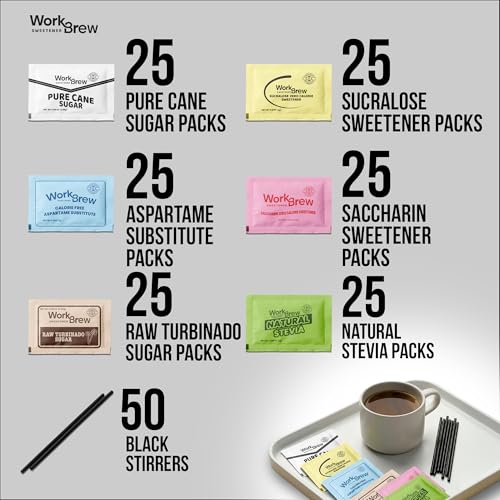
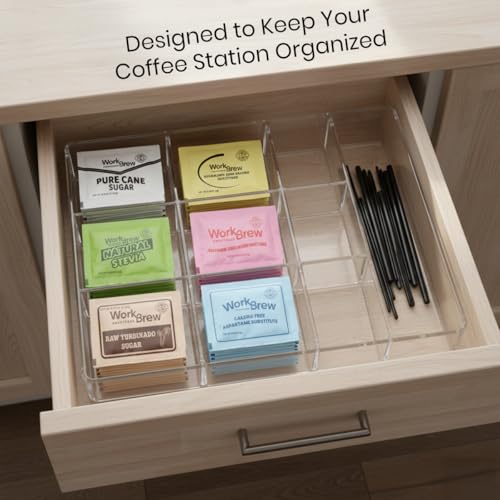
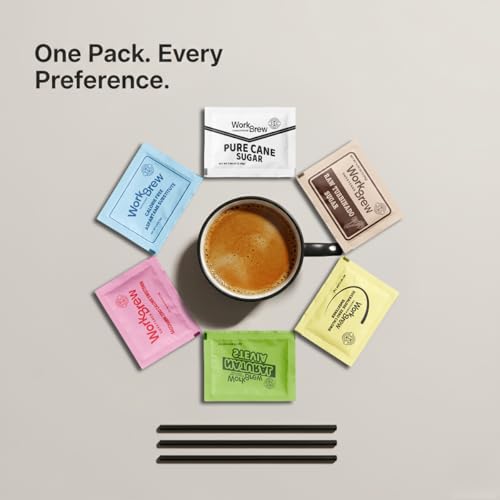
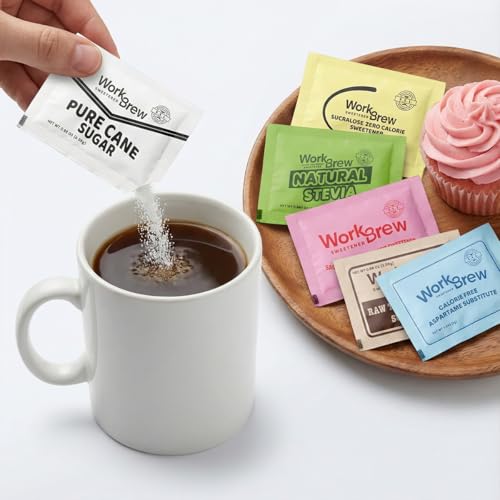
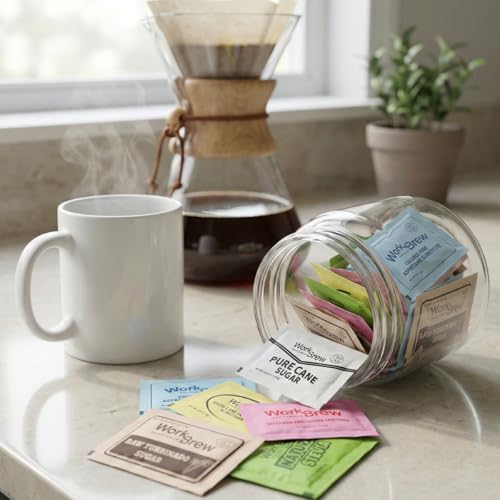
If you’re serving others, whether in an office, café, or home with diverse tastes, this variety pack is a no-brainer. It includes six different sweeteners, from cane sugar to aspartame, giving everyone their preferred option. The inclusion of stirrers is a small but smart touch for coffee stations.
Owners appreciate the flexibility, especially in shared spaces where dietary needs vary. While no single packet stands out in quality, the range covers all bases. Compared to buying multiple single-type packs, this is more cost-effective and space-efficient. It’s not for the committed keto dieter, but it’s perfect for crowd-pleasing.
Product photos
How We Chose These tasting sweetener for coffee
Rather than a hands-on lab test, my research for these recommendations centered on a detailed comparison of published product specifications and features. I weighed owner reviews from across multiple retailers alongside expert opinions found in coffee-focused publications. As the founder of Bean Thusiast, I applied my years of experience exploring different sweeteners to establish clear ranking criteria. This involved assessing ingredients, concentration, and reported taste profiles.
For tasting sweeteners, I heavily weighted the presence of aftertaste and the ingredient list. A bitter aftertaste is a common complaint with some stevia products, so owner feedback on this was crucial. Clean ingredients – avoiding artificial additives and unnecessary fillers – also ranked high, as many coffee drinkers prefer a more natural approach to sweetening. Finally, concentration mattered; a little goes a long way with many liquid options, impacting value.
Product specifications reliably indicate concentration levels and ingredient lists. However, judging taste – particularly the presence or absence of aftertaste – relied heavily on owner feedback. Reputation also played a role, especially for established brands. I looked for consistency in reviews, noting patterns of praise or criticism regarding flavor and how well the sweetener dissolved. You might also consider natural coffee sweetener options if you’re looking for a more holistic approach to flavor.
How To Choose The tasting sweetener for coffee
Finding the right sweetener is surprisingly personal. It’s about more than just cutting sugar; it’s about enhancing the coffee’s flavor profile and aligning with your dietary needs.
A quality coffee sweetener delivers consistent sweetness without overpowering the bean’s nuances. Key considerations include ingredient sourcing, potential aftertaste, concentration levels for dosage control, and how well it dissolves in hot and cold beverages. Look for options certified by reputable organizations like the USDA Organic and Non-GMO Project.
Understanding Sweetener Types
The world of coffee sweeteners extends far beyond white sugar. You’ll encounter everything from natural options like turbinado sugar and stevia to artificial alternatives and concentrated syrups. I often advise people to consider why they’re switching from sugar. Is it for health reasons (keto, diabetes)? Flavor preference? Or simply convenience? The answer will heavily influence the best choice. For example, if you’re looking for a minimal impact on blood sugar, stevia-based options are a strong starting point, but be prepared to experiment with brands to avoid potential aftertastes.
Considering Concentration & Format
Concentration is crucial, especially with liquid sweeteners. A little goes a long way, and a highly concentrated product offers better value. The format also matters. Packets are convenient for travel and portion control, while syrups offer flexibility for crafting specialty drinks. Here’s how different formats stack up:
- Packets: Great for portability and pre-measured doses.
- Syrups: Ideal for lattes and larger volumes, allowing precise adjustments.
- Liquid Drops: Extremely concentrated, offering maximum control and a long shelf life. They’re also easier to travel with than syrups.
Evaluating Aftertaste & Flavor Profile
Many sugar substitutes, particularly those derived from stevia or artificial sources, can leave a lingering aftertaste. This is a major complaint, and it varies significantly between brands. Reading reviews is essential here, but remember that taste is subjective. I’ve found that combining different sweeteners – for example, a touch of erythritol with stevia – can sometimes mask unwanted flavors. If you’re interested in exploring more about sugar alternatives, check out our coffee sweetener comparison.
A good rule of thumb: start with the smallest recommended dose and add more gradually. You can always add sweetness, but you can’t easily take it away.
Finally, don’t overlook flavored sweeteners like vanilla or caramel. They can introduce a whole new dimension to your cup, but make sure the flavoring complements, rather than clashes with, your coffee’s origin notes. If you’re curious about using a finer sugar, you can read more about instantly dissolving sugar.
Tasting Sweetener for Coffee Compared
Here’s a comparison of the specs for various tasting sweeteners used for coffee.
| Product Name | Type | Organic | Calories | Zero-Sugar | Flavored |
|---|---|---|---|---|---|
| Pyure Organic Liquid Stevia | Liquid Stevia | Yes | 0 | Yes | No |
| Pyure Organic Vanilla Stevia Drops | Liquid Stevia | Yes | 0 | Yes | Yes |
| Sugar In The Raw Packets | Cane Sugar | No | ~16 | No | No |
| Torani Cane Sugar Syrup | Cane Syrup | No | ~20/tbsp | No | No |
| Stevia In The Raw Packets | Stevia | Yes | 0 | Yes | No |
| WorkBrew Sweetener Variety Pack | Variety | N/A | Varies | Some | No |
Frequently Asked Questions
What sweetener has the least impact on blood sugar?
Stevia-based sweeteners are generally considered to have the least impact on blood sugar levels, as they contain zero calories and don’t cause the same insulin spikes as sugar. However, some brands blend stevia with other ingredients like erythritol, which can have a minor effect.
Is liquid sweetener more economical than packets?
Yes, liquid sweeteners are often more economical because of their high concentration. A smaller amount is needed to achieve the same level of sweetness as packets, making the product last longer.
Can flavored sweeteners replace other coffee additions?
Absolutely, flavored sweeteners like vanilla or caramel can sometimes reduce or eliminate the need for additional syrups or creamers. This can be a good option if you’re trying to reduce calories or simplify your coffee routine.
What should I do if a stevia sweetener has a bitter aftertaste?
Try a different brand of stevia, as aftertaste varies significantly between manufacturers. You can also experiment with combining stevia with another sweetener, like erythritol, to mask the bitterness. Considering best natural coffee sweetener options might also lead to a more palatable experience.
Are there sweeteners that dissolve easily in iced coffee?
Liquid sweeteners and drops generally dissolve more easily in iced coffee than granulated or packeted sweeteners. If using a powdered sweetener, stir vigorously or dissolve it in a small amount of hot water first to prevent it from settling at the bottom.
The Bottom Line
Choosing a sweetener really comes down to balancing how much control you want over the sweetness level with how much effort you’re willing to put into it. For the best overall experience, balancing taste, ingredients, and usability, I recommend Pyure Organic Liquid Stevia. It offers a clean sweetness without the common stevia aftertaste that many people dislike.
If you’re specifically watching your sugar intake, Stevia In The Raw Packets are a reliable, organic choice. For those who enjoy flavored coffee and want a versatile option for lattes or iced drinks, Torani Cane Sugar Syrup provides a classic sweetness and a range of flavor possibilities. And for a little variety, the WorkBrew Sweetener Variety Pack is a great way to sample different options and discover what suits your palate.
Ultimately, the “best” sweetener is the one you enjoy the most. Don’t get too caught up in the details of calorie counts or ingredient lists if the flavor isn’t right for you. Prioritize a clean taste, a level of sweetness that complements your coffee, and a format that fits your brewing routine – perhaps even considering honey as a sweetener if you’re looking for a natural alternative.
