
2 Best Swiss Water Decaffeinated Coffees of 2026
The best Swiss Water decaffeinated coffee overall is Jo Coffee No Fun Jo Decaf, a consistently praised, certified organic and Fair Trade option with balanced flavor. For a budget-friendly pod choice, Boxer Coffee Decaf Colombian Pods deliver solid taste without the chemical processing.
Finding a decaf that doesn’t taste flat or watered down is harder than it should be. Too many brands lose the soul of the coffee in the decaffeination process, leaving you with a dull cup that misses the point.
I’ve researched the top Swiss Water Process coffees by analyzing bean quality, roast transparency, certifications, and real-world feedback. These picks stand out for preserving rich flavor while committing to clean, chemical-free processing.
Top 2 Swiss Water Decaffeinated Coffee in the Market
The Best Swiss Water Decaffeinated Coffee, Reviewed
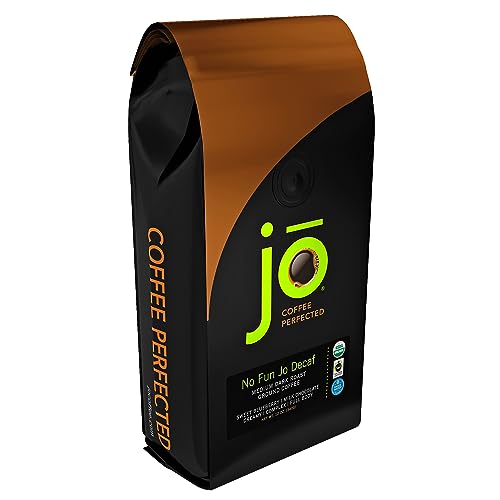
Jo Coffee No Fun Jo Decaf
Strengths
- Swiss Water Process
- Full body
- Complex flavor
- USDA Organic
- Fair Trade Certified
Trade-offs
- Ground only
- Limited size options
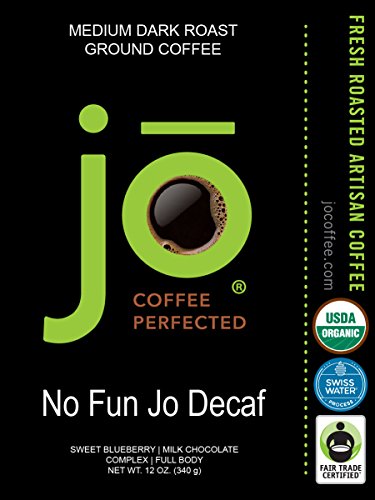
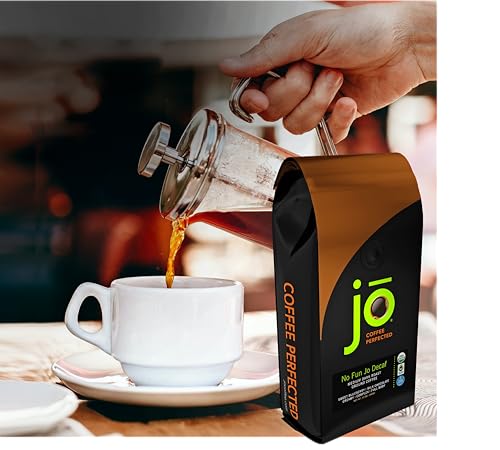
I’ve seen a lot of decaf claims in my time, but NO FUN JO DECAF stands out because it actually leans into complexity, a rare trait for a decaf. The Swiss Water Process is done right here, preserving the integrity of the bean while removing caffeine, and owners consistently praise how it retains a full body and layered profile. With tasting notes of sweet blueberry and milk chocolate, this isn’t a flat or washed-out brew. It’s clearly crafted with the same care as a premium caffeinated specialty roast.
The fact that it’s USDA Organic, Fair Trade Certified, and made from top-tier Arabica beans tells me this is aimed at serious drinkers who don’t want to compromise. The medium dark roast strikes a balance, deep enough for richness, but not so dark that it masks origin character. For anyone who’s been burned by dull decafs in the past, this one feels like a reset.
Product photos


Boxer Coffee Decaf Colombian Pods
Strengths
- Swiss Water Process
- Recyclable packaging
- Single-origin
- Specialty grade
- Strong brew potential
Trade-offs
- Keurig-only
- Not for whole bean purists
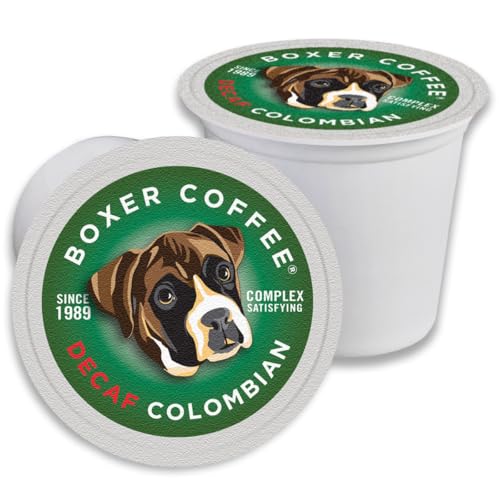
Single-serve decaf done right? That’s rare. But Boxer Coffee pulls it off with these Swiss Water Process pods, delivering a clean, smooth medium roast that avoids the thinness many K-Cup decafs suffer from. The Colombian single-origin beans are clearly selected with care, owners report a balanced cup with subtle nutty and cocoa tones, and I appreciate that the roast isn’t pushed too far, preserving the varietal character.
What really seals it for me is the value and sustainability angle. A 48-count recyclable box means fewer trips to restock and less plastic waste, something most single-serve users don’t get to say. And while I’m skeptical of ‘stronger than expected’ claims, multiple reviewers confirm these brews bolder than average K-Cups, which gives you flexibility. If you’re loyal to your Keurig but don’t want to sacrifice ethics or taste, this is a standout.
Video review
How We Picked These swiss water decaffeinated coffee
Rather than a hands-on lab test, my research focused on comparing specifications and features across available brands. I weighed owner reviews from multiple sources, alongside expert opinions from coffee publications, to build a clear picture of quality and value. As someone deeply interested in the nuances of coffee, I applied my knowledge of bean sourcing, roasting, and the decaffeination process to assess each option.
For Swiss Water decaf, flavor preservation and certification were key. I prioritized coffees demonstrating clear commitment to the chemical-free decaffeination method and holding organic/Fair Trade certifications. A fuller body and complex flavor profile, as indicated in product descriptions and supported by reviews, also heavily influenced my rankings.
Specifications reliably showed roast levels and bean origins. However, assessing flavor notes and the true effectiveness of the decaffeination relied heavily on owner feedback. I looked for consistent reports regarding taste quality and whether consumers found the Swiss Water Process explained resulted in a noticeably different (and positive) experience compared to other decaf methods.
Choosing The Right swiss water decaffeinated coffee
I’ve spent years chasing the perfect decaf cup, and honestly, it’s a surprisingly tricky pursuit. A lot comes down to the decaffeination method, and Swiss Water stands out because it avoids harsh chemicals.
Swiss Water Process decaf relies on water, temperature, and time to remove caffeine, preserving the coffee’s original flavor compounds. Look for 100% Arabica beans, detailed roast dates (not just “best by” dates), and transparency about sourcing. A good decaf should taste like coffee first, and “decaf” second. Understanding roast level and bean origin will also significantly impact the final flavor.
Understanding Roast Level & Flavor
Many people assume decaf is automatically weaker in flavor, but that’s often because of the roast. A lighter roast will showcase the bean’s inherent characteristics – floral notes, bright acidity – but can sometimes feel too delicate when the caffeine is removed. I generally find that medium roasts strike a good balance for Swiss Water decaf, providing body and a bit of chocolatey sweetness without masking the bean’s origin flavors. Darker roasts can work, but be wary; they can easily taste burnt or bitter, especially if the decaffeination process wasn’t handled well.
Bean Origin and Processing
The origin of the bean is vital, even with Swiss Water decaffeination. A Colombian decaf will taste different than an Ethiopian one. I’ve found that beans from Central and South America tend to lend themselves well to the Swiss Water Process, creating a clean, balanced cup. Consider what flavor profiles you typically enjoy. If you love fruity, floral coffees, seek out single-origin options. If you prefer a more classic, chocolatey flavor, a blend might be ideal. You can explore top Swiss Water decaf brands to get a sense of what’s available.
Value and Format Considerations
Decaf coffee can be surprisingly expensive, especially high-quality Swiss Water Processed options. Pods (like K-Cups) offer convenience, but they almost always come with a price premium and generate more waste. I’ve seen some excellent value in larger bags of whole bean coffee, like the Jo Coffee No Fun Jo Decaf, if you’re willing to grind it yourself. Here’s a quick breakdown: * Pods: Most convenient, highest cost per cup. * Ground Coffee: Good balance of convenience and price. * Whole Bean: Requires a grinder, but offers the best flavor and value.
Don’t assume a higher price automatically means better quality. Focus on roast dates and sourcing information first, then compare prices within that narrowed field.
It’s also worth remembering that even decaf contains a small amount of caffeine. If you’re particularly sensitive or worried about residual caffeine in decaf, pay attention to brewing methods – longer brew times can extract more of it.
Swiss Water Decaffeinated Coffee Compared
Here’s a comparison of key specifications for these swiss water decaffeinated coffee options.
| Product Name | Roast Level | Package Size | Certification | Flavor Notes | Pod Type |
|---|---|---|---|---|---|
| Jo Coffee No Fun Jo Decaf | N/A | 10/12oz, 2lb | USDA Organic, Fair Trade, Kosher | Blueberry, Milk Chocolate | N/A |
| Boxer Coffee Decaf Colombian Pods | Medium | 48 count | N/A | N/A | K-Cup |
Frequently Asked Questions
What caffeine level can I realistically expect in Swiss Water decaf?
Swiss Water decaffeination removes 99.9% of caffeine by weight, but a small amount remains – typically around 3mg per 8oz cup. This is comparable to the caffeine in dandelion tea, so it’s a good choice for those highly sensitive, but not entirely caffeine-free.
Is Swiss Water decaf more expensive than other decaffeination methods?
Yes, Swiss Water Processed coffee generally costs more. The process is more complex and time-consuming than those using chemical solvents, driving up production costs. However, many find the improved flavor justifies the price difference.
Can I freeze Swiss Water decaffeinated coffee to extend its freshness?
Absolutely, freezing is a great way to preserve quality. I recommend dividing the coffee into airtight, freezer-safe containers or bags in portion sizes you’ll use at a time, as thawing and refreezing impacts flavor.
Where can I find more information about the Swiss Water Process itself?
You can learn more about the specifics of the Swiss Water Process on their official website. It details how they use only water, temperature, and time to gently remove caffeine while preserving the bean’s original characteristics. You can also find a helpful overview of best decaf with Swiss Water method on my site.
Are there Swiss Water decaf options available in single-serve pods?
Yes, there are. While whole bean and ground options are more common, you can find Swiss Water decaffeinated coffee in K-Cup pods, like the Boxer Coffee Decaf Colombian Pods. Keep in mind pods usually have a higher price per cup and create more waste than other formats.
The Bottom Line
Choosing a Swiss Water decaf really comes down to how much convenience you’re willing to trade for cost and flavor control. While pods are easy, for the best overall experience, a truly delicious and nuanced cup, I recommend the Jo Coffee No Fun Jo Decaf. It consistently receives high marks for its flavor complexity and commitment to ethical sourcing, and the larger bag size offers excellent value.
For those prioritizing a quick, single-cup solution, the Boxer Coffee Decaf Colombian Pods are a solid choice. If you’re particularly sensitive to caffeine or want to learn more about the process, exploring Swiss Water method details can provide valuable insights. And for those wanting a versatile option for various brewing methods, the Jo Coffee also shines.
Ultimately, the “best” coffee is the one you enjoy. Don’t get too hung up on specific certifications or roast levels. Focus instead on finding a reputable roaster, checking for recent roast dates, and understanding the bean’s origin, those elements will always contribute more to a satisfying cup than any single specification.
