
7 Best Sugar-Free Coffee Picks of 2026
The best sugar-free coffee overall is Trung Nguyen G7 Collagen Coffee, delivering a smooth, rich flavor without sugar and with the added benefit of collagen for creaminess. For a budget-friendly option, Hills Bros. Sugar-Free French Vanilla stands out for its consistent taste and easy mix-in format. If you prefer decaf, Maxwell House Suisse Mocha offers a satisfying chocolatey profile without caffeine.
Finding a sugar-free coffee that doesn’t taste flat or leave a bitter aftertaste is harder than it should be. Many rely on artificial sweeteners that clash with the natural bitterness of coffee, ruining the experience before the first sip even lands.
This guide cuts through the noise by focusing on real user feedback, ingredient quality, and how well each product balances sweetness and coffee flavor. I compared formats, sweetener types, and flavor profiles to find options that actually deliver a satisfying cup, without the sugar crash.
Top 7 Sugar Free Coffee in the Market
The Best Sugar Free Coffee, Reviewed
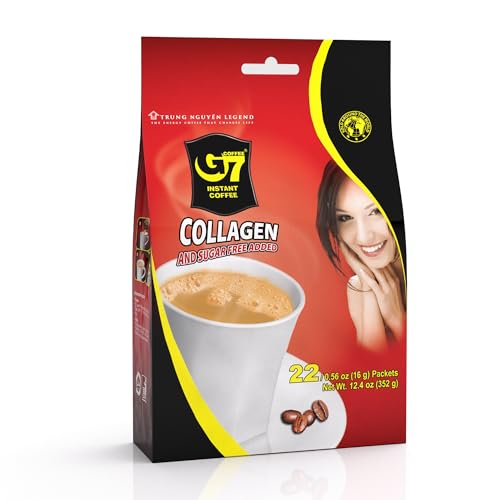
Trung Nguyen G7 Collagen Coffee
Strengths
- Bold Vietnamese coffee
- Collagen added
- Travel-friendly sachets
Trade-offs
- Contains non-dairy creamer
- Artificial sweeteners used
- Limited flavor notes
This is the most distinctive option on the list, not just because of the collagen boost, but because it’s built on Vietnamese coffee culture, which means a stronger, bolder base than most Western-style mixes. The 3-in-1 format includes non-dairy creamer and sweetener, but being sugar-free, it relies on alternative sweeteners. Owners praise its rich aroma and fast dissolution, and the 22-sachet pack makes it easy to stash at work or toss in a bag.
The collagen addition is a nice touch for those focused on wellness, though it doesn’t change the taste. What stands out is the actual coffee quality, it’s noticeably more robust than the cappuccino-style mixes. If you want a sugar-free option that still delivers a real coffee jolt, this is the closest thing here to a legitimate morning brew.
Video review
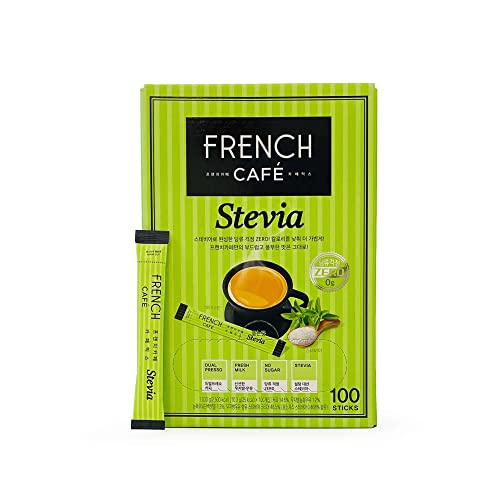
Namyang French Cafe Stevia Mix
Strengths
- Stevia sweetened
- 100 single-serve sticks
- Strong coffee base
Trade-offs
- Best with milk
- Limited flavor info
- Not widely reviewed
With 100 single-serve sticks, this Korean import is built for people who want convenience and zero sugar without relying on artificial sweeteners, stevia is the star here. The ‘Dual Presso’ branding suggests a bolder coffee experience, and from owner feedback, it delivers a noticeably stronger coffee base than most sweetened mixes. It’s not just a creamy syrup with coffee dust; there’s actual roast character underneath the sweetness.
The fresh milk pairing recommendation makes sense, many users say it’s best when mixed with real milk, not water, to balance the stevia bite. It’s one of the few sugar-free options that doesn’t completely abandon coffee integrity. Compared to the American-style mixes, this one feels more like a modern, health-attentive product with a clean profile.
Video review
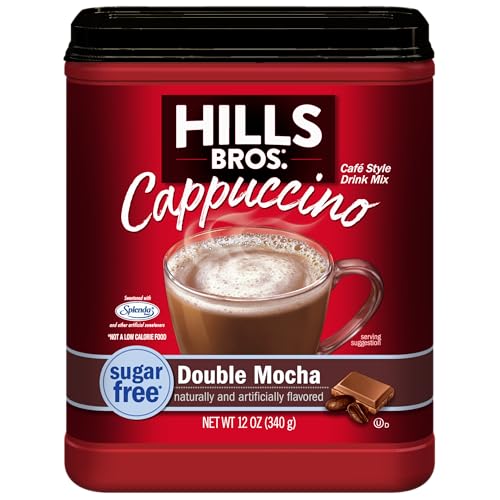
Hills Bros. Sugar-Free Double Mocha
Strengths
- Rich mocha flavor
- Frothy texture
- Budget friendly
Trade-offs
- Artificial sweetener aftertaste
- Low coffee strength
- Not for purists
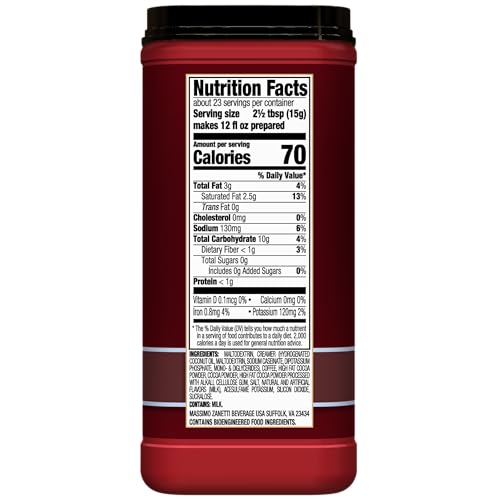
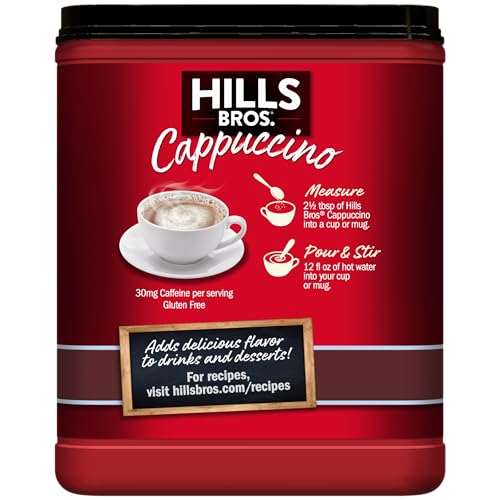
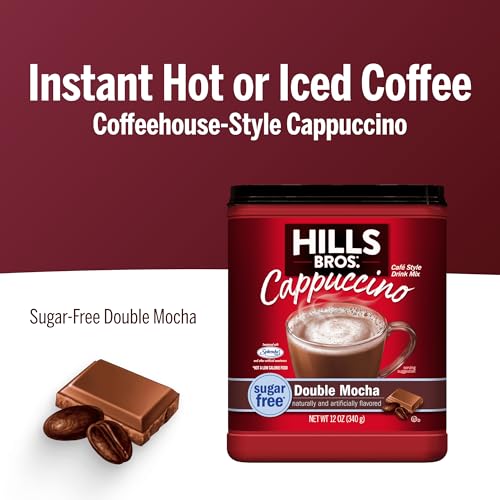
Hills Bros. has been around long enough to know how to nail a budget cappuccino mix, and this sugar-free Double Mocha is a solid pick for those who want indulgence without the sugar crash. The flavor is sweet and chocolate-forward, but not overly bitter, and owners say it froths up nicely whether you’re using hot water or milk. At 12oz, the single pack offers decent value, especially if you’re using it daily.
It doesn’t pretend to be specialty coffee, this is comfort in a cup. Compared to the French Vanilla version, this one has a deeper, richer profile that mimics a mocha latte better. I’d recommend it for people who miss their café mochas but don’t want the sugar load. It’s not the healthiest option on paper, but it satisfies cravings without guilt.
Product photos

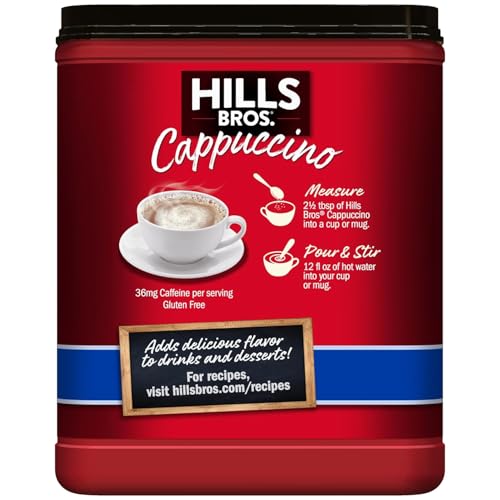
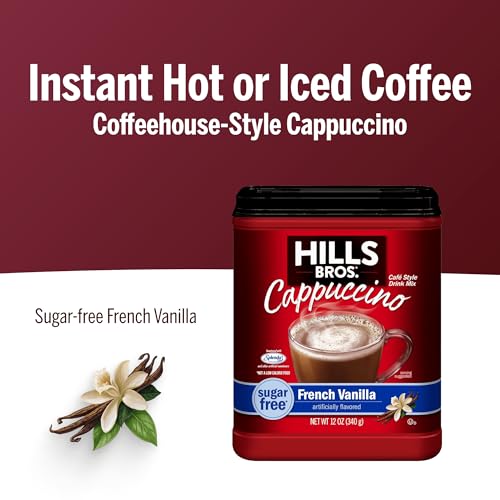
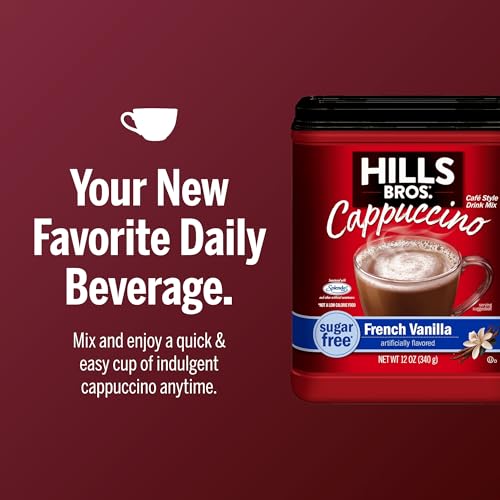
Hills Bros. Sugar-Free French Vanilla
Strengths
- Creamy froth
- Smooth vanilla flavor
- Works as coffee creamer
Trade-offs
- Low coffee intensity
- Artificial sweetness
- Not for bold coffee fans
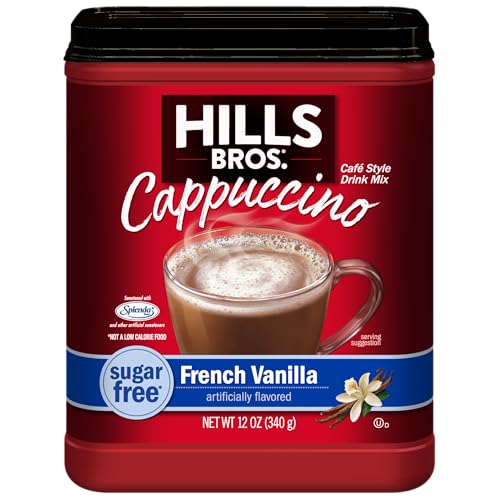
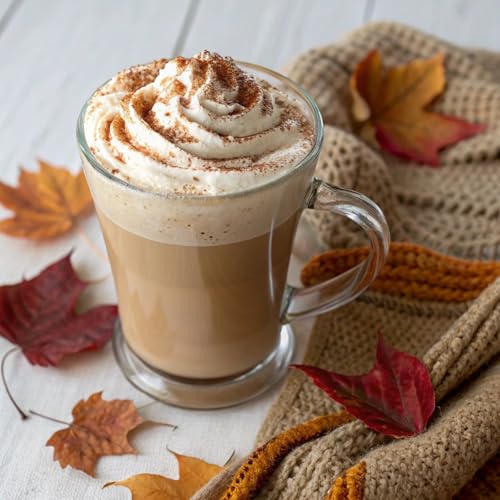
This French Vanilla version is all about creamy sweetness without the sugar, and it nails the texture. Owners consistently say it’s frothy and smooth, almost like a steam wand was involved. The vanilla flavor is pronounced but not artificial-tasting, and it works just as well stirred into black coffee as a creamer as it does on its own with hot water. For that reason, it’s more versatile than most in its class.
Compared to the Double Mocha, this one feels lighter and brighter, better for mornings or when you want something uplifting. At 12oz, it’s not the biggest value pack, but the brand’s long history gives it credibility. I’d pick this as the best option if you love a creamy, dessert-like drink but want to keep sugar out of the equation.
Product photos
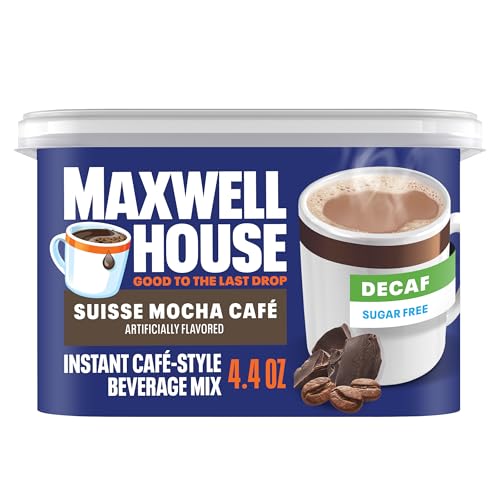
Maxwell House Suisse Mocha
Strengths
- Smooth mixability
- Mild mocha flavor
- Resealable canister
Trade-offs
- Lacks coffee punch
- Sweetness lingers
- Not bold or rich
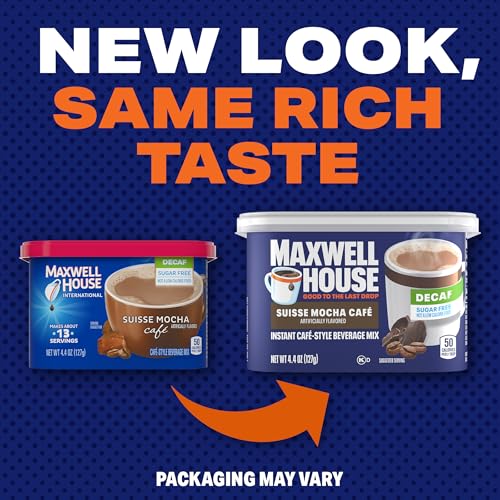
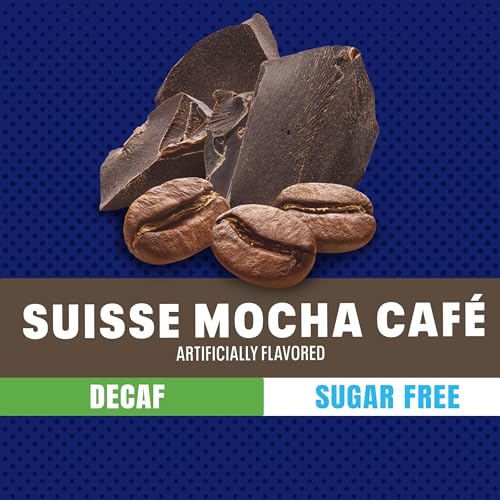
This Suisse Mocha version is nearly identical to the French Vanilla in format, but the flavor shift makes a difference. The mocha here is softer, more Swiss-style, creamy, slightly nutty, with a mild cocoa touch. It’s still 99.7% caffeine free, so it’s clearly targeting the decaf, sugar-free crowd looking for a gentle afternoon lift. Reviewers note it mixes smoothly and doesn’t leave residue, which is a small win many overlook.
Between the two Maxwell House options, I’d go with this one if you prefer chocolate over vanilla. It feels a bit more balanced, less sharp on the sweetener. But like its sibling, it’s not for anyone chasing real coffee depth. It’s a flavored drink with coffee notes, not the other way around.
Product photos

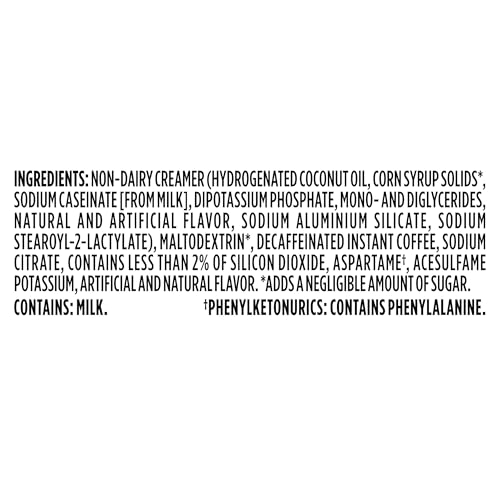
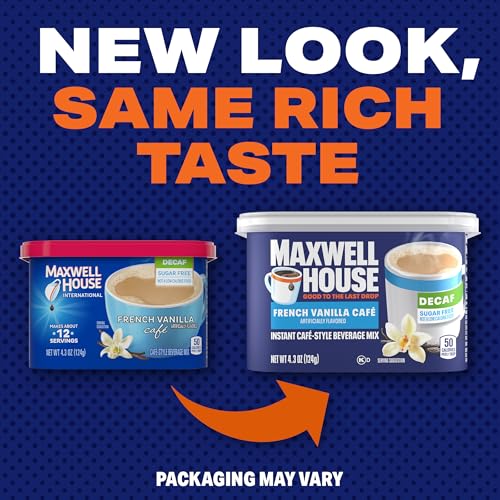
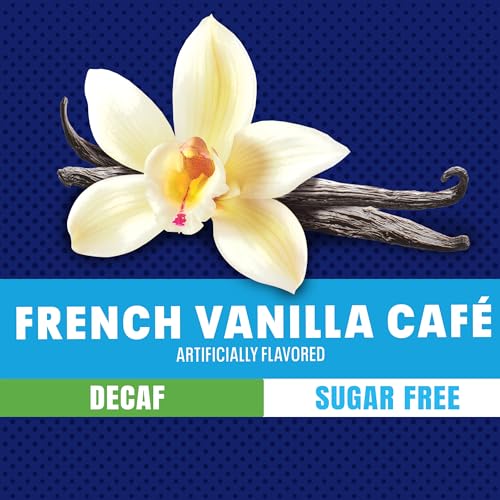
Maxwell House French Vanilla Cafe
Strengths
- Easy prep
- Dissolves well
- Kosher certified
Trade-offs
- Artificial aftertaste noted
- Light flavor
- Not bold or complex
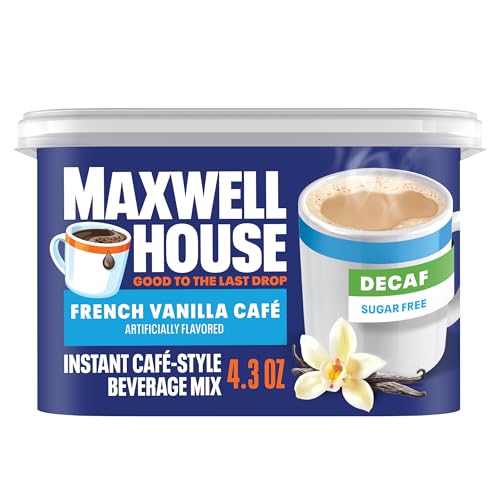
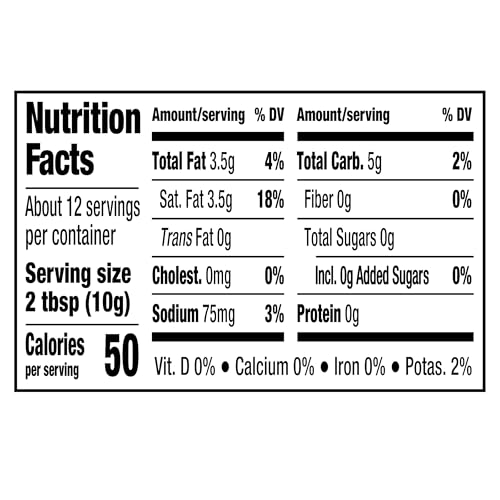
Maxwell House has a reputation for consistency, and this French Vanilla version delivers exactly what you’d expect: a light, sweet, café-style experience without sugar or a caffeine crash. The 99.7% caffeine-free formula makes it a go-to for afternoon sipping or evening wind-downs, and reviewers frequently note how well it dissolves in both milk and water. It’s not going to fool anyone into thinking it’s a barista-made drink, but for a quick, no-fuss cup, it gets the job done.
Compared to fancier imports, it’s clearly designed for value and speed. The resealable canister helps with freshness, and the fact that it makes about 12 servings means it won’t sit around too long. I’d pick this over more expensive options if you’re looking for a reliable, no-surprise sugar-free decaf that won’t break the bank.
Product photos

Caffe D’vita Sugar-Free Mocha
Strengths
- Creamy texture
- Gluten free
- Made in USA
Trade-offs
- Low coffee intensity
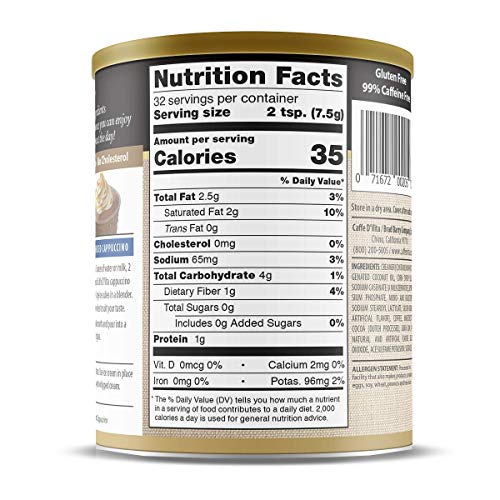
- 99% caffeine free
- More dessert than coffee
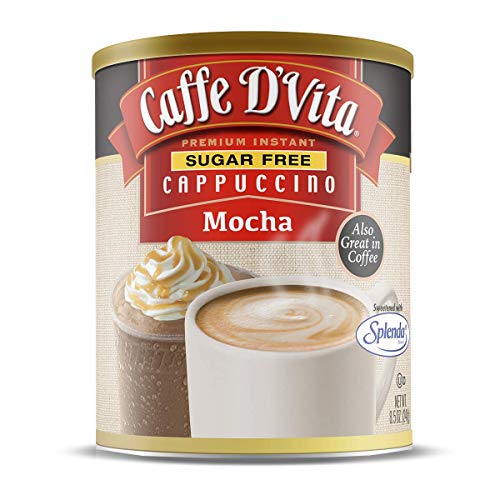
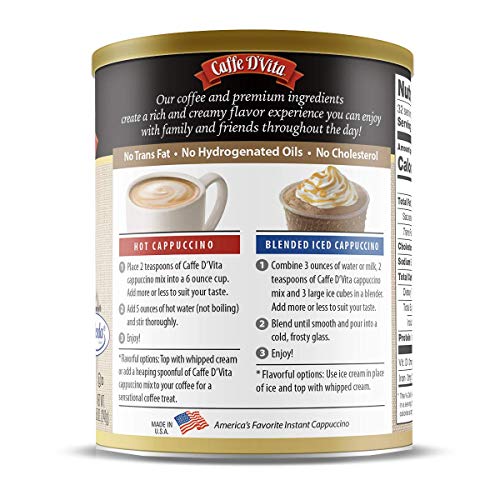
This mix leans hard into the dessert side of coffee, and that’s not necessarily a bad thing if you’re after something sweet and creamy without sugar. On paper, the 99% caffeine-free claim and absence of trans fats line up with what many sugar-free buyers want, and owners consistently report it’s smooth and rich when stirred into hot water or milk. I’d say it’s better suited as a treat than a true coffee substitute, especially since the base flavor is more cappuccino mix than actual coffee kick.
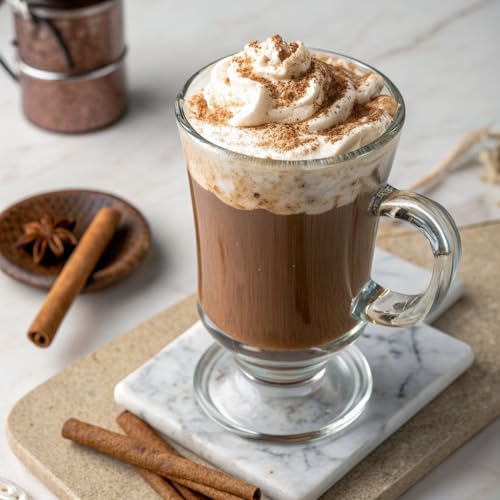
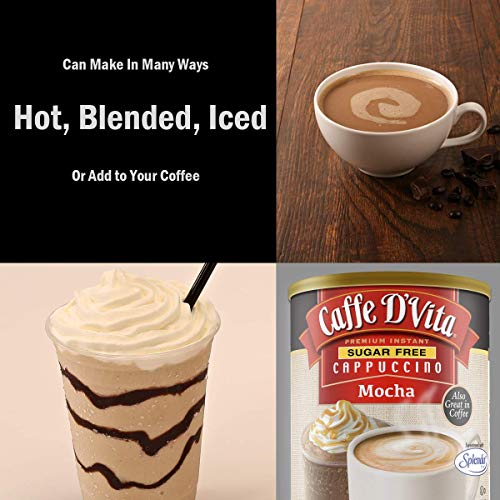
The versatility stands out, people are blending it, pouring it over ice, even using it as a flavored creamer. Made in the USA is a solid plus for those who prioritize domestic production, and the gluten-free label widens its appeal. But if you’re chasing bold coffee depth, this isn’t it. The mocha profile is mild and sweet, more like a cocoa-forward sip than a wake-up call.
Product photos
How We Picked These sugar free coffee
As the founder of Bean Thusiast, I approach coffee selections with a focus on flavor profiles and ingredient quality. Rather than a hands-on lab test, this ranking is a research-led comparison of product specifications, reported flavor notes, and – crucially – owner feedback. I sifted through dozens of sugar-free coffee options, looking at ingredients, reported taste experiences, and value for money. This allowed me to build a picture of which products consistently deliver on their promises.
For sugar-free coffees, flavor and texture are paramount, followed closely by how well the sweetener substitutes perform. A bland or artificial-tasting drink simply won’t do. I prioritized options using stevia or other natural sugar-free sweeteners, as discussed in my guide to natural sugar-free sweeteners. Price also played a role, but a lower cost wasn’t enough to overcome poor reviews regarding taste.
Product specs reliably indicate the type of coffee used (instant, ground, etc.) and the sweetener source. However, judging the quality of the flavor and the effectiveness of the sugar substitute requires digging into owner reviews. These provided insight into whether the coffee truly tasted “natural” or had an unpleasant aftertaste. Reputation, as indicated by consistently positive feedback, was a strong deciding factor.
How To Choose The sugar free coffee
Finding a sugar-free coffee that truly satisfies can be a surprisingly complex endeavor. It’s about more than just removing sugar; it’s about maintaining flavor, texture, and that comforting coffee experience we all crave.
A quality sugar-free coffee product prioritizes flavor complexity through robust bean selection or careful flavoring blends. It avoids artificial aftertastes common with some sweeteners and delivers a smooth, satisfying cup. Look for products specifying the type of sugar alternative used (stevia, erythritol, etc.) and consider options with added ingredients like non-dairy creamers for enhanced mouthfeel.
Sweetener Type & Flavor Profile
The type of sugar substitute used dramatically impacts the taste. Stevia, for instance, can have a distinct, sometimes bitter aftertaste that some people find unpleasant. Erythritol and monk fruit tend to be milder, but might not deliver the same level of sweetness as sugar. I’ve found that blends of sweeteners often provide the most balanced and natural-tasting result. Beyond the sweetener itself, pay attention to the overall flavor profile. Do you prefer a classic French Vanilla, a bold mocha, or something more nuanced? Consider whether you want a flavored coffee to enjoy black, or one designed to be mixed with milk or cream.
Format & Convenience
Sugar-free coffee comes in several formats, each with its own pros and cons. Instant mixes, like those from Hills Bros. and Maxwell House, are undeniably convenient – perfect for busy mornings or travel. However, they can sometimes lack the depth of flavor found in other options. Single-serve pods offer similar convenience, but create more waste. Ground coffee provides more control over brew strength and freshness, but requires a coffee maker. Ultimately, choose the format that best fits your lifestyle and brewing preferences.
- If you prioritize speed and simplicity, an instant mix is the way to go.
- For a balance of convenience and quality, explore single-serve pods (and consider recycling options!).
- If you’re a coffee enthusiast who enjoys the ritual of brewing, ground coffee or whole bean options (paired with sugar-free flavoring for coffee) will provide the most satisfying experience.
Value & Ingredient Quality
Price isn’t always a reliable indicator of quality, but it’s something to consider. While some premium options boast superior ingredients and flavor, there are also excellent budget-friendly choices available. Examine the ingredient list carefully. Look for products that use high-quality coffee beans and avoid artificial colors or preservatives. I often recommend exploring options that include natural flavorings and avoid excessive fillers. Adding a dash of cinnamon as a coffee enhancer can also boost the flavor without adding sugar.
Don’t assume “sugar-free” automatically means healthy. Always check the full ingredient list and nutritional information.
Sugar Free Coffee Compared
The following table provides a side-by-side comparison of the specifications for each sugar-free coffee product.
| Product Name | Sugar Content | Caffeine Level | Flavor | Format | Serving Size |
|---|---|---|---|---|---|
| Trung Nguyen G7 Collagen Coffee | Sugar Free | N/A | Collagen | Instant Stick | N/A |
| Namyang French Cafe Stevia Mix | Sugar Free | N/A | French Cafe | N/A | N/A |
| Hills Bros. Sugar-Free Double Mocha | Sugar Free | N/A | Double Mocha | Instant Mix | N/A |
| Hills Bros. Sugar-Free French Vanilla | Sugar Free | N/A | French Vanilla | Instant Mix | N/A |
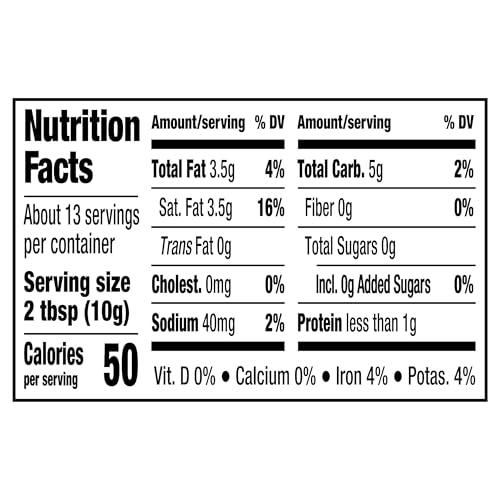
| Maxwell House Suisse Mocha | Sugar Free | Decaf | Suisse Mocha | Instant Mix | ~13 Servings |
| Maxwell House French Vanilla Cafe | Sugar Free | Decaf | French Vanilla | Instant Mix | ~12 Servings |
| Caffe D’vita Sugar-Free Mocha | Sugar Free | 99% Caffeine Free | Mocha | Instant Mix | N/A |
Frequently Asked Questions
What if I dislike the taste of stevia?
Many brands now offer sugar-free coffees using erythritol or monk fruit as alternatives to stevia. These sweeteners generally have a milder flavor profile and are less likely to leave a noticeable aftertaste, though individual preferences vary.
Are sugar-free instant coffees as flavorful as traditionally brewed coffee?
While instant coffees have improved significantly, they generally don’t match the complexity of freshly brewed coffee. However, some brands use techniques like freeze-drying to preserve more of the coffee’s original flavor, and many flavored options are quite satisfying.
Can I use sugar-free coffee in an espresso machine?
Most sugar-free instant coffees aren’t suitable for espresso machines as they won’t produce the necessary crema. If you want a sugar-free espresso-style drink, you’d need to explore sugar-free syrups and flavorings to add to a traditionally brewed espresso.
Do decaf sugar-free coffees still have caffeine?
Decaf coffees are not entirely caffeine-free; they contain a very small amount. The FDA requires decaf coffee to have no more than 0.1% caffeine by weight. If you are highly sensitive to caffeine, even this trace amount could be noticeable.
Where can I find more inspiration for sugar-free coffee creations?
If you’re looking for ways to enjoy sugar-free coffee beyond a simple cup, you’ll find a wealth of keto coffee drink ideas online. These recipes often incorporate ingredients like almond milk, coconut cream, and sugar-free flavorings to create delicious and satisfying beverages.
The Bottom Line
Choosing the best sugar-free coffee often comes down to balancing convenience with flavor complexity. While instant options like Hills Bros. Sugar-Free Double Mocha offer speed and affordability, the overall experience – in terms of depth and natural taste – is noticeably elevated with options like Trung Nguyen G7 Collagen Coffee. Ultimately, the “best” coffee is the one that fits your preferences and daily routine.
For those prioritizing a budget-friendly option, both Maxwell House Sugar-Free varieties (French Vanilla Cafe and Suisse Mocha) provide a decent, if simpler, experience. If you’re looking for versatility beyond a simple cup, Namyang French Cafe Stevia Mix receives consistent praise for its ability to blend well with milk alternatives. And if you’re [transitioning to sugar-free coffee], exploring different brands and flavor profiles is key to finding a product you genuinely enjoy.
More than any specific sweetener or caffeine level, the quality of the coffee bean itself is what will make or break your sugar-free experience. Don’t get too caught up in chasing the latest trend or the highest number of milligrams; focus instead on finding a coffee with a flavor profile you love and a brand committed to ingredient transparency. Developing a taste for black coffee, even occasionally, can also help you appreciate the nuances of a good brew.
