
9 Best Sugar-Free Coffee Drinks 2026
The Super Coffee XXTRA Mocha is the best overall sugar free coffee drink for its strong coffee flavor and balanced sweetener profile, while the EVERYDAZE Espresso Escape stands out as a versatile, portable powder mix. For a budget-friendly option, Hills Bros. delivers solid taste without the premium price.
Finding a sugar free coffee drink that doesn’t taste like a compromise is harder than it should be. Too many rely on harsh sweeteners or weak coffee flavor, leaving you stuck between health goals and actual enjoyment.
As the founder of Bean Thusiast, I’ve spent years studying coffee formulation and consumer feedback to cut through the hype. This guide is based on a deep comparison of specs and real user experiences, focusing on what actually matters: clean taste, smart sweetener choices, protein content, and ingredient quality. These picks reflect the most consistently praised options across forums, reviews, and nutritional analysis.
Top 7 Sugar Free Coffee Drinks in the Market
The Best Sugar Free Coffee Drinks, Reviewed
Super Coffee XXTRA Mocha

Strengths
- High caffeine
- Clean mocha flavor
- MCT oil included
Trade-offs
- Slightly lower protein
- Larger can may be excess
- Not ultra-low calorie
This is the most balanced all-rounder in the lineup. At 200mg of caffeine and 7g of protein in a 15 oz can, it delivers strong energy without leaning too hard on sugar substitutes or artificial aftertastes. Reviewers note the mocha flavor is rich but clean, chocolate without the cloying sweetness, and the inclusion of MCT oil and B vitamins gives it that ‘smart coffee’ edge for sustained focus.
It beats out the original Super Coffee Espresso option in volume and protein, and it’s more coffee-forward than the Premier Protein shake. The real milk base adds creaminess without lactose (it’s labeled gluten-free and soy-free), and owners praise how it doesn’t crash your energy later. For those wanting a full-flavored, functional coffee drink that still tastes like coffee, this is the smarter buy.
Video review
Premier Protein Caramel Macchiato
Strengths
- High protein
- No added sugar
- Gluten-free
Trade-offs
- Thick texture
- Less coffee-forward
- Not for purists
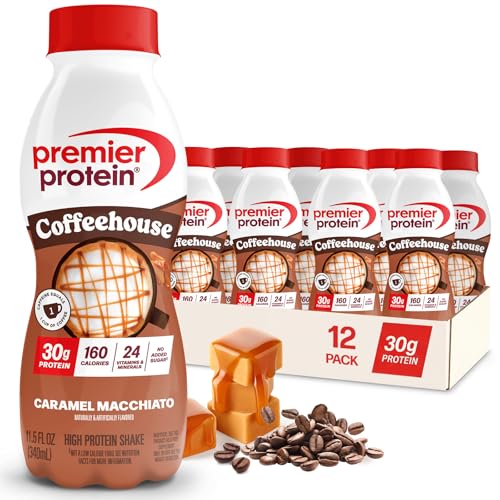
This isn’t your average coffee drink, it’s a full-on nutritional shake with a caffeine kick. The 30g of protein per 11.5 oz bottle stands out immediately, and on paper, that’s a serious draw for anyone using coffee as post-workout fuel or a meal substitute. Owners consistently report it’s surprisingly smooth for a high-protein formula, with the caramel macchiato flavor landing closer to dessert than medicine.
Still, it’s not really competing with your barista’s latte. The texture leans thick, and while the caffeine level matches a standard cup of coffee, it doesn’t deliver that bright, clean roast character some crave. Compared to Super Coffee or Slate, it’s less about coffee craft and more about macro support. If you’re prioritizing protein over nuanced flavor, this one makes sense.
Video review
Slate Caramel Latte

Strengths
- Very low net carbs
- Clean ingredient profile
- Shelf stable
Trade-offs
- Lower caffeine
- Smaller can size
- Higher price per ounce
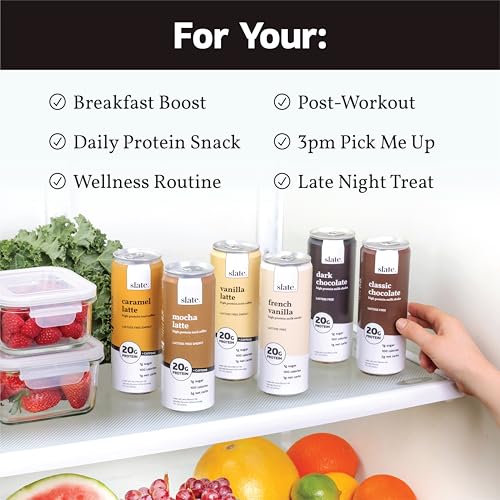
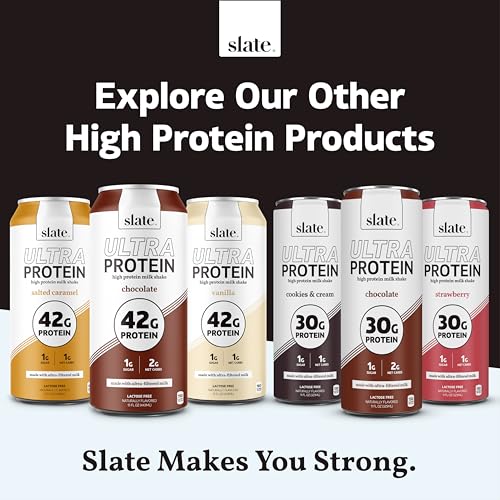
Slate hits hard on the low-carb front, 1g sugar, 1g net carbs, 100 calories, and 20g of protein in an 11 oz can. That’s elite-level nutrition for a ready-to-drink coffee. The use of ultrafiltered milk explains the high protein and low sugar without needing aggressive sweeteners, and owners say it tastes creamy without being heavy. The caramel latte flavor gets called out for being sweet but not artificial, likely thanks to stevia and monk fruit.
It’s not as caffeinated as Super Coffee XXTRA (175mg vs 200mg), but it’s more dialed in for strict keto or low-carb dieters. Compared to Premier Protein, it tastes more like coffee and less like a supplement. The shelf-stable format is a plus for stocking up or travel, though it’s best served cold. If net carbs are your top metric, this is the pick.
Product photos



Super Coffee Espresso Vanilla

Strengths
- Affordable
- Creamy taste
- No added sugar
Trade-offs
- No protein boost
- Smaller can
- Fewer functional ingredients
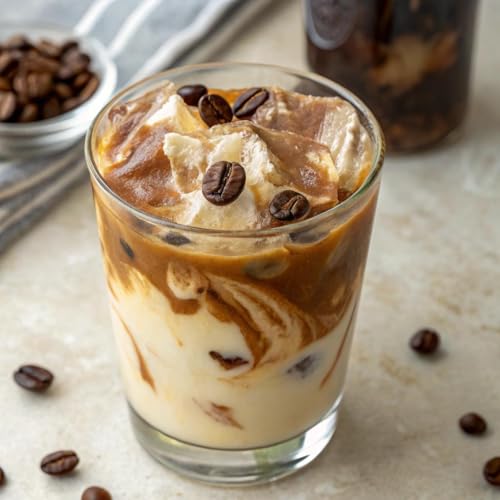
This is the budget pick, and it shows in the specs. At 90 calories and 0g added sugar, it’s clean, but with no protein listed beyond milk content, it’s more about flavor and function than fuel. The 150mg caffeine in an 11 oz can is solid, and the espresso & cream profile gets praise for being creamy and balanced, like a canned version of a diner-style latte.
It’s cheaper and smaller than the XXTRA line, making it a good entry point. Owners say it’s a reliable grab-and-go option when you don’t want to spend more. But compared to Slate or Super Coffee XXTRA, it lacks the functional extras like MCT oil or higher protein. If you just want a no-sugar, creamy espresso drink without paying premium prices, this gets the job done.
Product photos



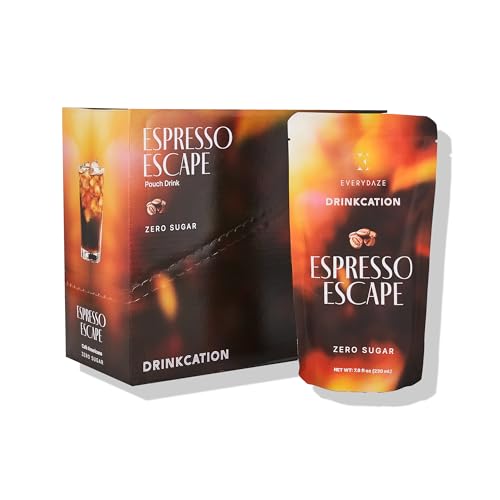
EVERYDAZE Espresso Escape
Strengths
- Ultra-portable
- Light and convenient
- Zero sugar
Trade-offs
- Very small serving
- Low caffeine
- Limited availability
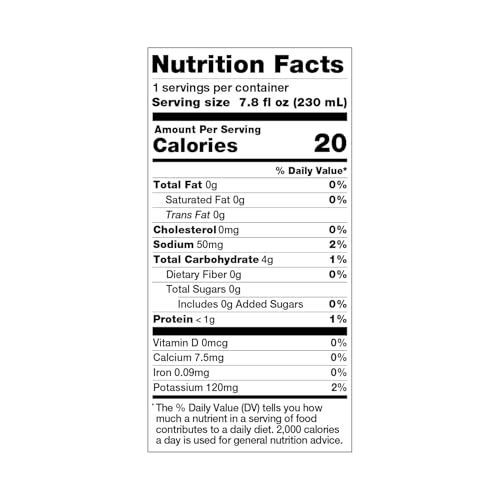
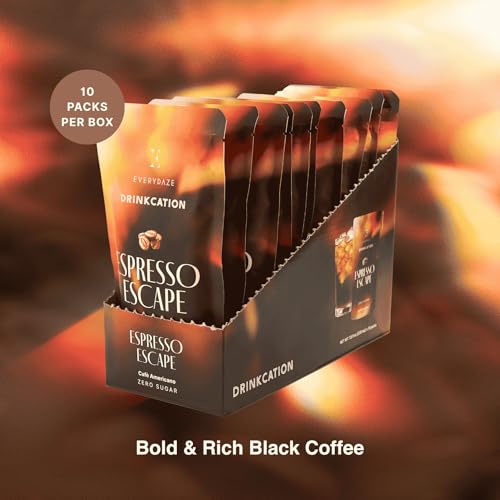
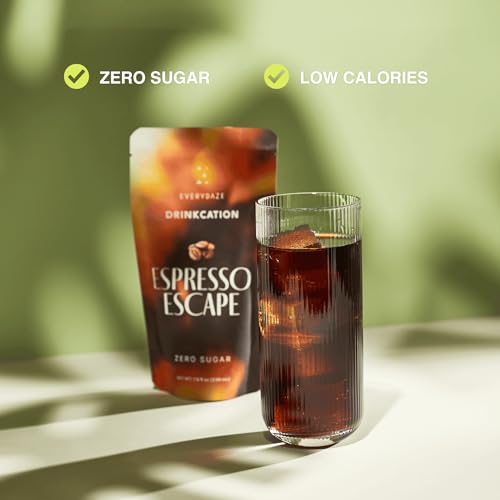
These 7.8 oz pouches are built for portability, light, compact, and easy to toss in a bag. The zero sugar, low-calorie profile fits the brief, and the medium roast Colombian espresso is described by owners as smooth and slightly sweet, even without added sugar. It’s not as strong as other options, but it’s meant to be a quick refreshment, not a caffeine bomb.
The Korean convenience store inspiration shows, this is about light indulgence, not performance. It’s smaller and less potent than Super Coffee or Slate, but the tear-and-pour format makes it unique. If you’re tired of cans and want something novel and easy to pack, this delivers. But it won’t satisfy someone needing protein or serious energy.
Product photos
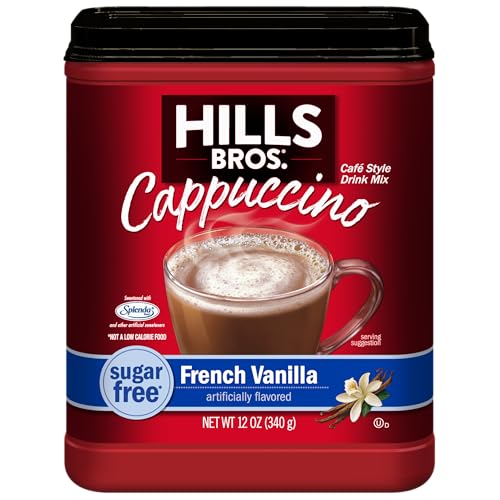
Hills Bros. French Vanilla Cappuccino
Strengths
- Affordable
- Easy to use
- Dissolves well
Trade-offs
- Artificial sweeteners
- Not real coffee
- Limited depth
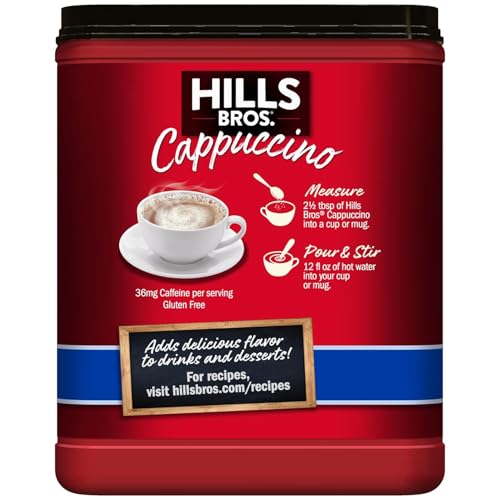
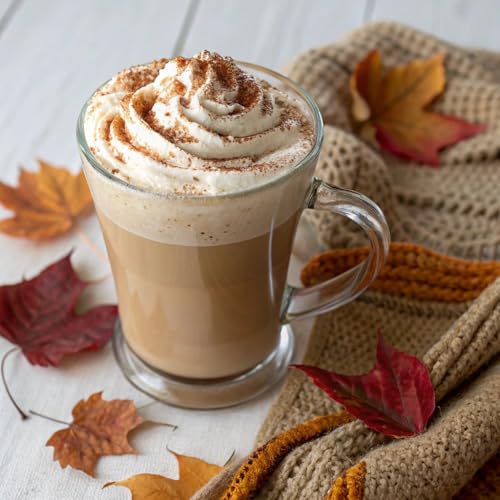
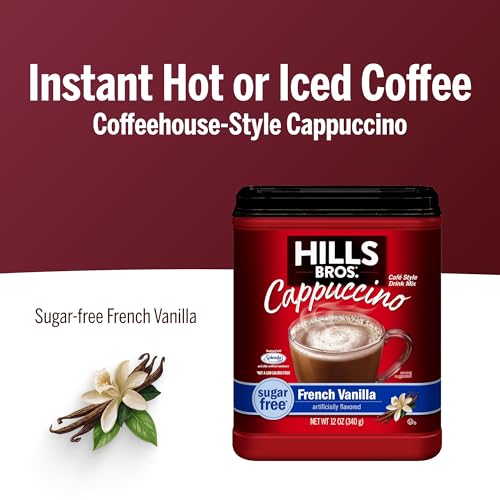
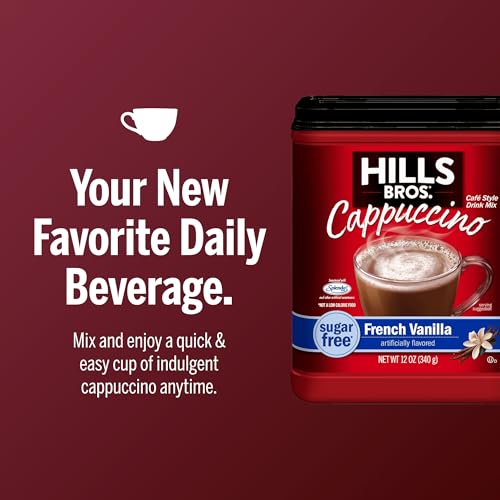
This instant mix is a nostalgia play with a modern twist, sugar-free but still frothy and sweet-tasting, thanks to artificial sweeteners. At 12 oz per jar, it’s built for repeated use, and the French vanilla flavor is consistently described as smooth, not overly chemical. It dissolves well in both hot and iced coffee, and many owners use it more as a creamer booster than a standalone drink.
Compared to the Double Mocha version, this one’s lighter and better for daily use if you’re not into bold chocolate. It won’t match the depth of a real espresso-based drink, but for a quick fix at home or the office, it’s hard to beat the convenience. The brand’s long history helps, this isn’t some trendy newcomer, but a budget staple with staying power.
Product photos
Hills Bros. Double Mocha Cappuccino
Strengths
- Strong mocha flavor
- Customizable strength
- Low cost per serving
Trade-offs
- Artificial aftertaste
- No protein or caffeine boost
- Not dairy-free
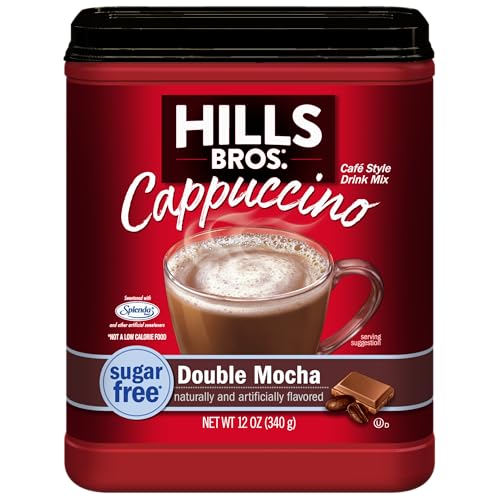
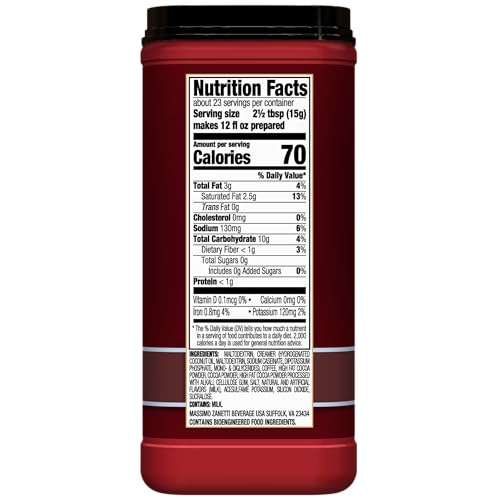
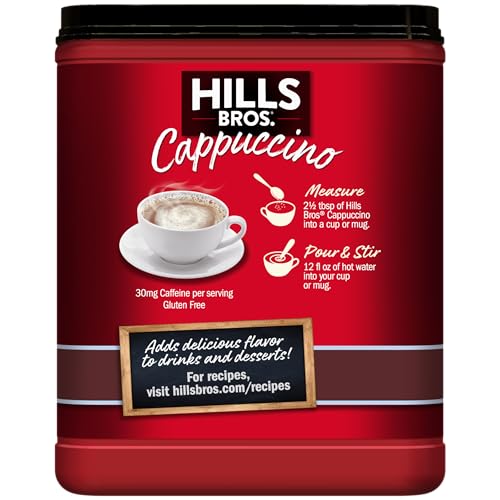
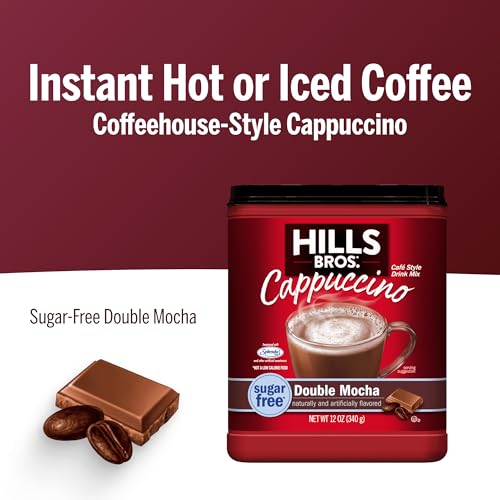
If you crave chocolate in your coffee, this is the better pick over the French vanilla. The double mocha flavor is noticeably richer, with a deeper cocoa note that reviewers say feels more indulgent, like a sugar-free version of a mocha Frappuccino. It still uses artificial sweeteners, so the aftertaste can be a hit or miss depending on your sensitivity, but most owners find it acceptable for the price.
It’s the same format and convenience as the French vanilla, but with more personality. For someone using it as a coffee topper, this adds a dessert-like flair. It doesn’t compete with cold brew mochas like Super Coffee XXTRA in terms of caffeine or protein, but it wins on cost and customization. You control the strength.
Product photos

Our Testing Process
As the founder of Bean Thusiast, I approach coffee with a focus on flavor and ingredient quality. Rather than a hands-on lab test, this selection is a research-led comparison of published specs and owner feedback across a range of sugar-free coffee drinks. I compared caffeine content, protein levels, reported taste profiles, and ingredient lists, then weighed this against what actual consumers are saying about these products. This allowed me to build a ranking based on real-world satisfaction.
For this category, I prioritized protein content and the quality of sugar substitutes. Many people seeking sugar-free options are also mindful of their protein intake, so a boost in that area is a significant benefit. Equally important is avoiding artificial aftertastes from sweeteners; owner reviews consistently highlighted this as a dealbreaker. Flavor variety and caffeine levels were also key considerations, but ranked slightly lower.
Specs reliably reveal caffeine and protein amounts, giving a solid base for comparison. However, taste is subjective, so I heavily relied on owner feedback to gauge flavor accuracy and the presence of any unwanted artificial sweetener notes. Reputation also played a role – brands with a long history of quality, like Starbucks and Hills Bros., received extra consideration. I also considered how easily people could find natural coffee sweeteners if they desired more control over their sweetness.
How To Pick The Right sugar free coffee drinks
Finding a sugar-free coffee drink that actually tastes good can be a challenge. We’ve seen a lot of options come and go, and the market is still evolving.
A truly satisfying sugar-free coffee drink balances a robust coffee flavor with effective sweeteners and palatable additives. Key considerations include the type of sweetener used (stevia, monk fruit, erythritol), protein content for satiety, caffeine levels for an energy boost, and overall ingredient quality to avoid artificial aftertastes. Thoroughly reviewing nutritional information and user reviews is essential.
Sweetener Systems Matter
The biggest pitfall with sugar-free drinks is, unsurprisingly, the sweetener. Many rely on artificial sweeteners like sucralose, which some people find leave a chemical aftertaste. Look for drinks sweetened with stevia or monk fruit – these tend to be more naturally palatable, though even within those categories, quality varies. Some brands blend sweeteners to mask off-flavors. Premier Protein, for example, uses a blend that seems to appeal to a wider audience. If you’re sensitive to specific sweeteners, checking the ingredient list is absolutely critical. I’ve found that some people prefer the taste profile of erythritol, but it can sometimes cause digestive upset in larger quantities.
Protein & Additives: Beyond Just Coffee
Many sugar-free coffee drinks aren’t just coffee. They’re often formulated with protein, vitamins, and other additives aimed at boosting energy or providing a more substantial beverage. This can be a good thing, but it’s important to understand what you’re getting. Super Coffee, for instance, adds protein and MCT oil. While these can be beneficial, they also impact the flavor and texture. Consider your personal needs and preferences here.
Here’s a quick guide to thinking about additives: * Minimalist: If you want just coffee flavor, stick to options like Starbucks Doubleshot Zero Sugar, which focus primarily on coffee with zero sugar and a few functional additives like B vitamins. * Satiety Focus: If you’re using the drink as a meal replacement or to curb appetite, look for higher protein content (20g or more) like Slate Caramel Latte offers. * Energy & Functionality: Beyond caffeine, some drinks include ingredients like ginseng or guarana, but these can increase jitteriness for some people.
Don’t settle for a sugar-free drink that tastes like a compromise. Prioritize options where the coffee flavor shines through, and the sweetener enhances, rather than overwhelms, the experience.
Convenience vs. Customization
The convenience of a pre-made sugar-free coffee drink is undeniable. However, if you’re a coffee purist or have very specific sweetener preferences, you might be better off making your own. You can easily control the ingredients and sweetness level using flavor-ranked sugar-free creamers and a sugar substitute of your choice. Pre-made options like EVERYDAZE Espresso Escape are great for portability, but might not deliver the same level of flavor nuance as a carefully crafted home brew. Another option to consider is using honey as coffee sweetener if you’re looking for a natural alternative.
Sugar Free Coffee Drinks Compared
Here’s a comparison of key specifications for various sugar-free coffee drinks, to help you choose the best option for your needs.
| Product Name | Caffeine (mg) | Protein (g) | Sugar (g) | Calories | Format | Volume (oz) |
|---|---|---|---|---|---|---|
| Super Coffee XXTRA Mocha | 200 | 7 | 0 | N/A | Ready-to-Drink | 15 |
| Premier Protein Caramel Macchiato | N/A | 30 | 0 | N/A | Ready-to-Drink | N/A |
| Slate Caramel Latte | 175 | 20 | 1 | N/A | Ready-to-Drink | N/A |
| Super Coffee Espresso Vanilla | 150 | N/A | 0 | 90 | Ready-to-Drink | 11 |
| Starbucks Doubleshot Zero Sugar Dark Chocolate | N/A | N/A | 0 | N/A | Ready-to-Drink | 15 |
| Starbucks Doubleshot Zero Sugar French Vanilla | N/A | N/A | 0 | N/A | Ready-to-Drink | 15 |
| EVERYDAZE Espresso Escape | N/A | N/A | 0 | N/A | Powder Mix | N/A |
| Hills Bros. French Vanilla Cappuccino | N/A | N/A | 0 | N/A | Instant Mix | N/A |
| Hills Bros. Double Mocha Cappuccino | N/A | N/A | 0 | N/A | Instant Mix | N/A |
Frequently Asked Questions
What if I’m sensitive to artificial sweeteners?
Focus on drinks using stevia or monk fruit as the primary sweetener, as these generally have fewer reported aftertaste issues. Checking the ingredient list is key, and exploring zero-sugar coffee creamer brands for a customized approach can also help.
How much caffeine can I expect in these drinks?
Caffeine content varies widely, from around 150mg in Super Coffee Espresso Vanilla to 200mg in Super Coffee XXTRA Mocha. Unfortunately, several products on the market do not disclose caffeine levels, which is a drawback for those monitoring their intake.
Do any of these sugar-free drinks offer a significant protein boost?
Premier Protein Caramel Macchiato stands out with 30 grams of protein per serving, making it a good option for satiety. Slate Caramel Latte also offers a substantial 20 grams, while others contain lower amounts or none at all.
Are instant sugar-free coffee mixes as good as ready-to-drink options?
Taste is subjective, but many find instant mixes like Hills Bros. to be less flavorful and slightly artificial-tasting compared to ready-to-drink varieties. However, they are convenient and often more affordable.
What should I do if I don’t like the taste of a particular sugar-free sweetener?
If you dislike the taste of a specific sweetener, explore drinks using different ones, or consider making your own sugar-free coffee at home. You can then experiment with completely sugar-free creamers to find a flavor profile you enjoy.
The Bottom Line
Ultimately, choosing the “best” sugar-free coffee drink comes down to what you’re willing to trade. Do you prioritize ultimate convenience and a decent flavor, or are you prepared to be a little more selective to avoid artificial aftertastes and maximize protein content? For the best overall balance of taste, convenience, and ingredient quality, I recommend Premier Protein Caramel Macchiato. It consistently receives positive feedback regarding its flavor and the substantial protein boost it provides.
If you’re specifically looking for a high-protein option to replace a meal, Slate Caramel Latte stands out. For those who prefer a minimalist approach and want a straightforward sugar-free coffee experience, Starbucks Doubleshot Zero Sugar Dark Chocolate is a solid choice. And if you’re seeking a powdered mix for portability and customization, EVERYDAZE Espresso Escape offers a convenient solution.
At the end of the day, the numbers on the label – caffeine, protein, even sugar content – matter less than how the drink tastes to you. Don’t be afraid to experiment and, if you’re struggling to enjoy coffee without sugar, consider following these unsweetened coffee tips to gradually adjust your palate and rediscover the inherent flavors of a good brew.
