
8 Best Specialty Coffee Beans of 2026
Ritual Colombian is our top pick for its balanced, approachable flavor and consistent quality. For a brighter, more vibrant cup, 512 Coffee Ethiopia Yirgacheffe stands out as the best light roast. If you’re looking to explore, the Atlas Coffee Club World Sampler offers the most engaging way to taste global origins.
Choosing the right specialty coffee beans means navigating a sea of options, origin claims, and flavor promises that don’t always deliver. Many buyers end up with stale beans or overly generic blends that mask the nuances they’re chasing.
I selected these picks based on sourcing transparency, roast freshness, and real user feedback across hundreds of reviews. We focused on beans that deliver clarity, complexity, and a true sense of place, because specialty coffee should taste as intentional as it’s marketed.
Top 8 Specialty Coffee Beans in the Market
The Best Specialty Coffee Beans, Reviewed
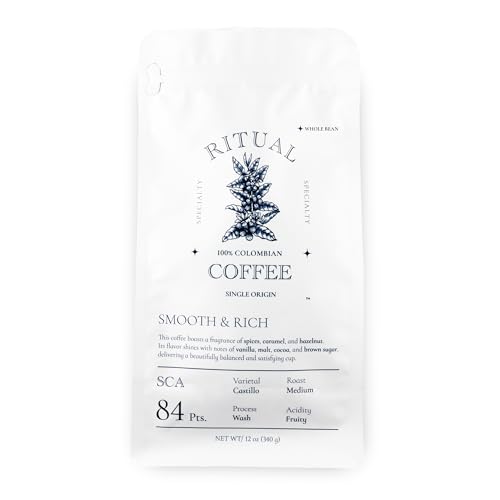
Ritual Colombian Single Origin Coffee
Strengths
- SCA 84+ rated
- Low acidity
- Barista-grade quality
Trade-offs
- Limited roast depth variation
- Only one origin
Rated 84+ by SCA standards, this Colombian bean sits firmly in the specialty tier, with natural notes of caramel, vanilla, and cocoa that owners confirm come through clearly in the cup. The low acidity is a deliberate strength here, this is one of the smoother specialty roasts available, ideal for those with sensitive stomachs.
What stands out is the direct sourcing from over 200 farming families in Trujillo, ensuring freshness and traceability. I’d pick this over flashier, higher-scoring beans when I want reliability and drinkability without sacrificing quality. It performs well even in basic drip machines, which broadens its appeal.
Video review
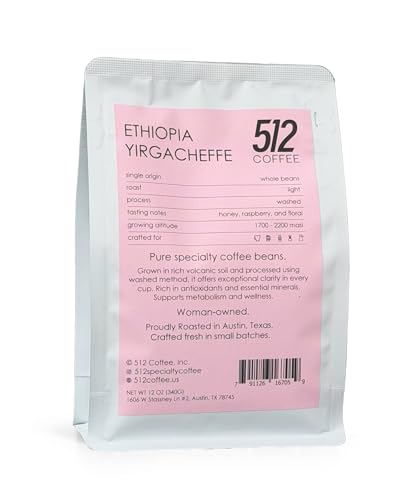
512 Coffee Ethiopia Yirgacheffe
Strengths
- Floral fruit notes
- Washed process
- Ideal for pour over
Trade-offs
- Too bright for some
- Not for dark roast fans
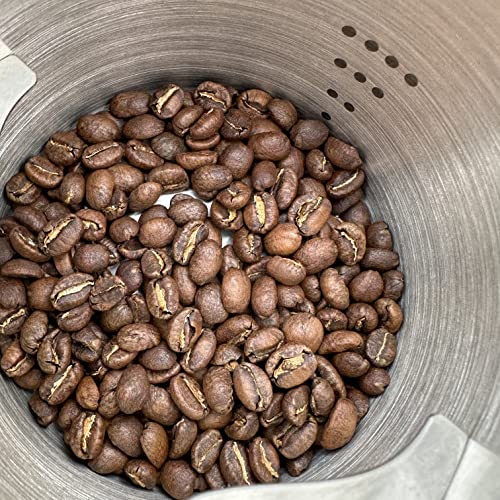
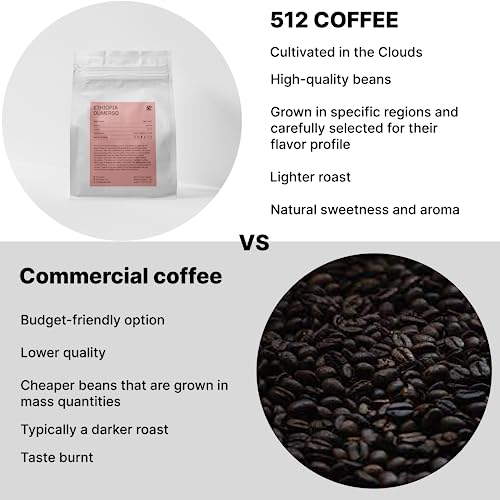
This Yirgacheffe is crafted to highlight the bright, floral side of Ethiopian coffee, with tasting notes of raspberry, honey, and florals that align with what owners report, clean, vibrant, and expressive. The washed process enhances clarity, making it a strong choice for filter brewing where nuance matters.
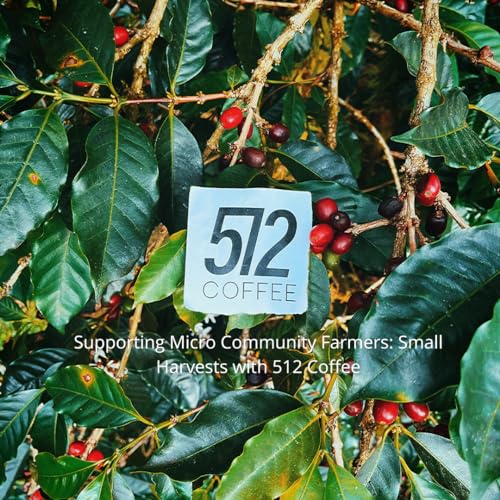
Small-batch roasting in Austin ensures freshness, and the focus on light roast integrity sets it apart from mass-market options. I’d choose this over heavier roasts when I want a tea-like, aromatic cup. It’s not for everyone, but for light roast enthusiasts, it’s a standout.
Product photos


Atlas Coffee Club World Sampler
Strengths
- Global variety
- Ethically sourced
- Great for gifting
Trade-offs
- Small bag sizes
- Inconsistent roast profiles
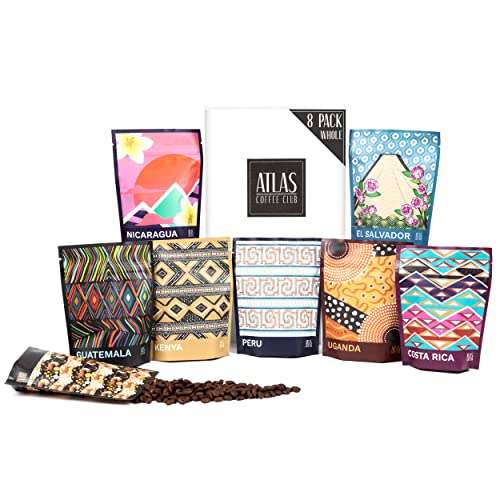
This 8-pack sampler delivers a true global tour in coffee form, featuring single-origin beans from eight different countries, each with a postcard and tasting notes, which adds a charming touch for gifting. Owners report that the freshness and variety stand out, especially for those new to specialty coffee. The company’s focus on paying above-market prices aligns with sustainable sourcing, a big plus for conscious buyers.
Compared to other variety packs, this one emphasizes discovery and storytelling. I’d pick it over standard blends for someone curious about terroir-driven flavors, though it’s not ideal as a daily staple. The small bag sizes encourage experimentation without commitment.
Video review
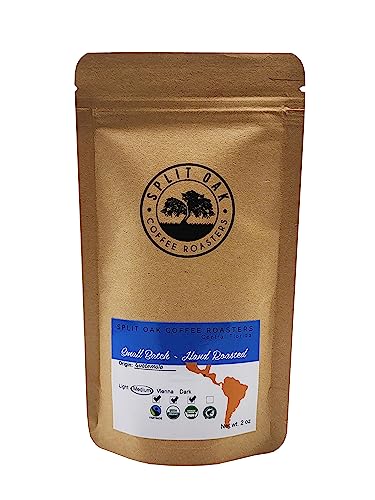
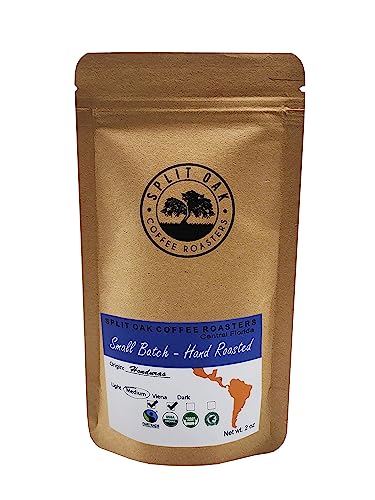
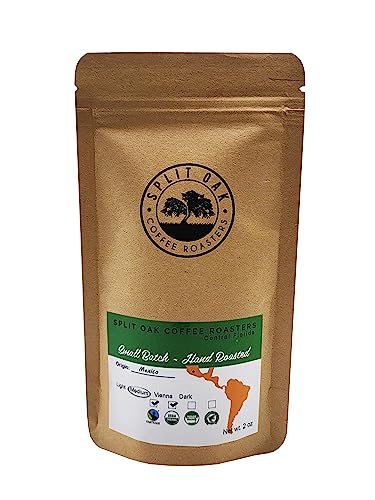
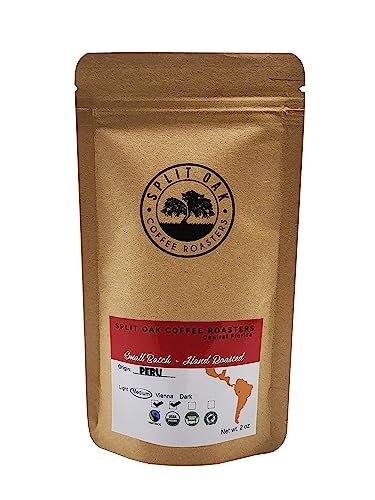
Split Oak Global Tasting Collection
Strengths
- 9 diverse origins
- Beautiful packaging
- Medium roast balance
Trade-offs
- No organic certification
- Limited brew method guidance
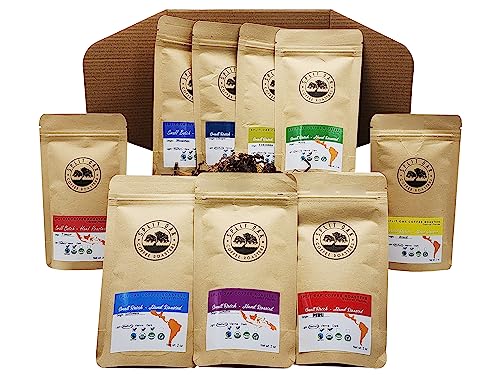
With nine 2oz medium roast samples from top-growing regions like Ethiopia, Sumatra, and Colombia, this box is built for exploration. The coffees are sun-dried on raised beds, a method known to preserve flavor complexity, and roasted in small batches in the USA, specs that align with quality-focused processing.
Owners consistently praise the presentation and balance across origins. I’d recommend this over simpler sets for someone who values both aesthetics and a structured tasting journey. While it doesn’t emphasize direct trade like some premium brands, the origin range and roast consistency make it a strong contender in the gift category.
Product photos
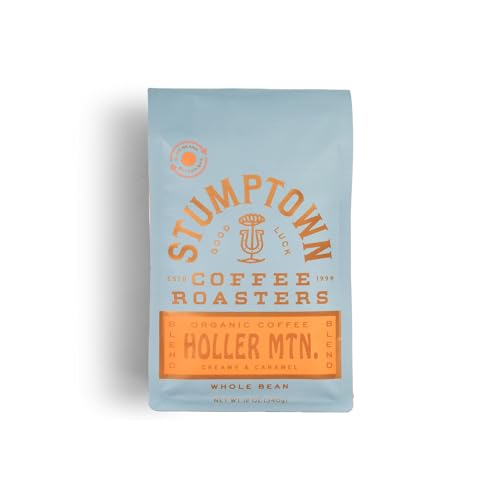
Stumptown Holler Mountain Organic
Strengths
- Direct Trade certified
- Balanced flavor
- Versatile brew
Trade-offs
- Mild acidity may disappoint some
- Not single-origin
Holler Mountain is positioned as a versatile organic blend, and on paper, it delivers, bright citrus zest balanced with caramel and hazelnut notes gives it range across brew methods. As a medium roast, it bridges the gap between approachability and complexity, making it a reliable daily driver.
The Direct Trade program is a standout, with verified long-term partnerships and quality-based pricing. Reviewers note its consistency over time, which I value in a staple blend. Compared to other organic options, this one feels more dialed-in, though it doesn’t quite match the brightness of top-tier single origins.
Product photos



Ethiopian Yirgacheffe Guji Coffee
Strengths
- 85+ score
- High elevation beans
- Organic certified
Trade-offs
- Label date format may confuse
- Limited roast variety
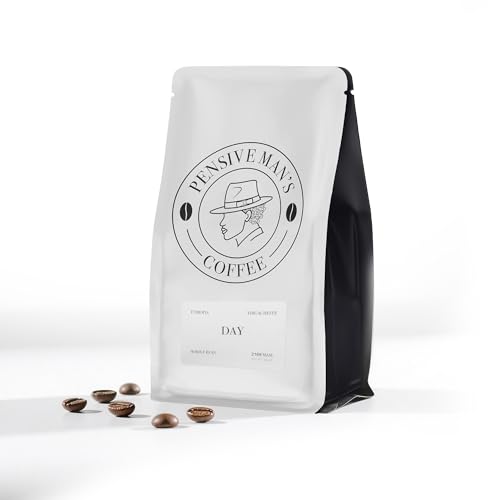
Sourced directly from Ethiopian farmers and selected from lots scoring 85+, this coffee emphasizes high-elevation quality and natural flavor clarity. The profile, floral, citrus, and berry notes, is consistent with what top-tier Yirgacheffe and Guji beans deliver, and owners praise its smooth, balanced finish without bitterness.
The small-batch roasting and direct relationships suggest strong freshness and ethical alignment. Compared to other Ethiopian picks, this one stands out for its intentionality and consistency. I’d rank it just behind the top performers for daily drinkability with a touch more brightness than Ritual’s Colombian, but less intensity than 512’s Yirgacheffe.
Product photos
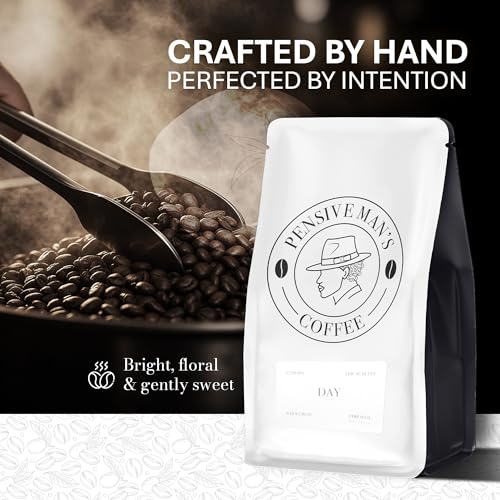
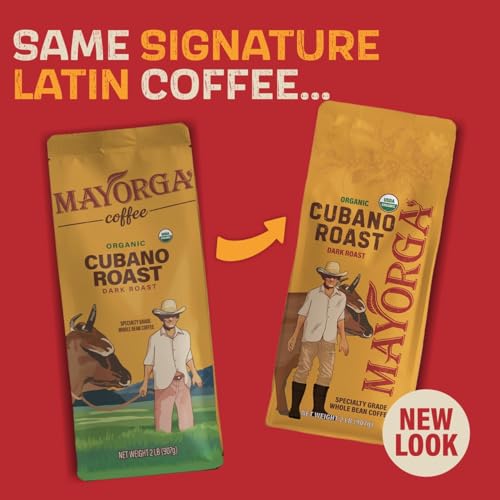
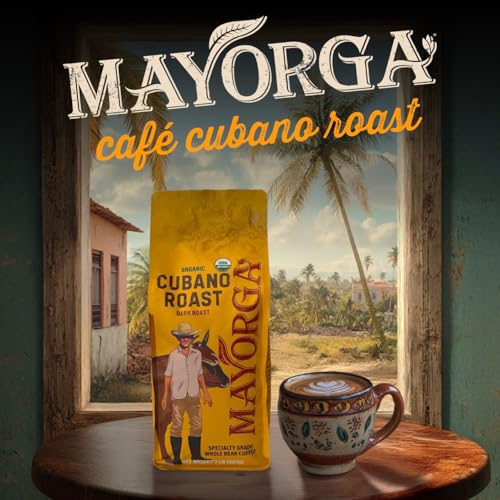
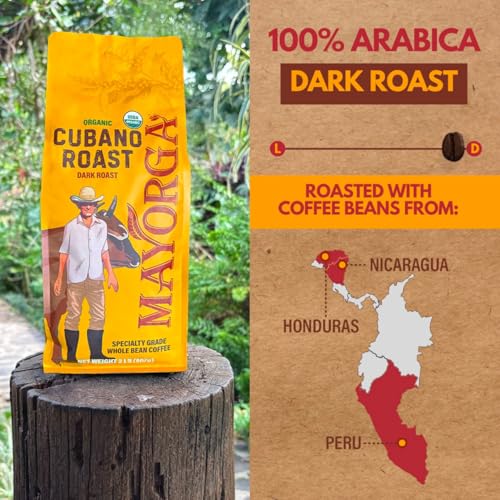
Mayorga Cafe Cubano Dark Roast

Strengths
- Low acidity
- Slow roasted
- USDA Organic
Trade-offs
- Limited origin transparency
- Not for light roast lovers
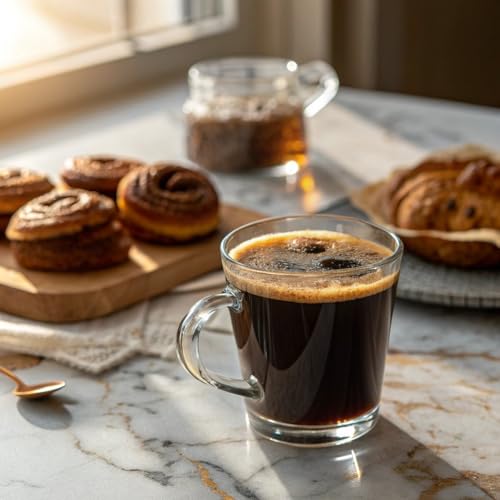
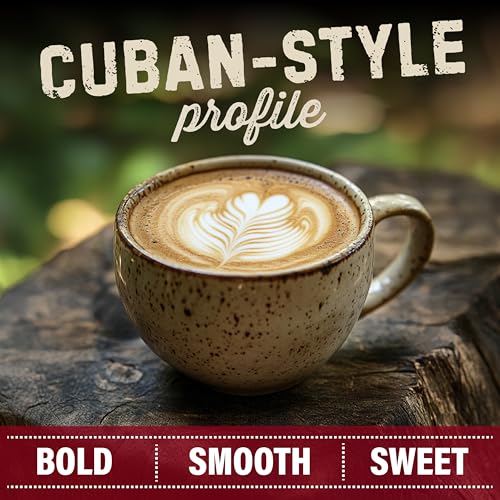
This dark roast leans into its Cuban-style roots with a bold, syrupy body and low acidity, which many owners appreciate for morning espresso or strong drip coffee. The blend of beans from Peru, Honduras, and Nicaragua is slow-roasted in small batches, a process that on paper enhances depth and smoothness, reviewers consistently note the vanilla and smoky sweetness as standout traits.
For those who dislike sharp or bright profiles, this is a solid pick. I’d favor it over flashier single origins when I want something dependable and full-bodied, though it doesn’t offer the nuance of lighter specialty roasts. The USDA Organic and Kosher certifications add to its clean-label appeal.
Product photos
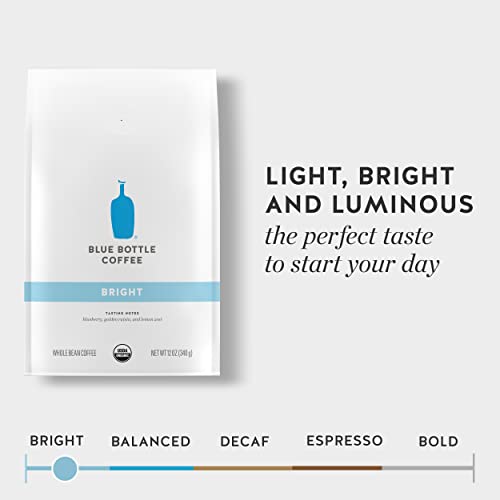
Blue Bottle Bright Blend

Strengths
- Organic
- Clean profile
- Brand reputation
Trade-offs
- Lack of detail
- No tasting notes
- Minimal sourcing info
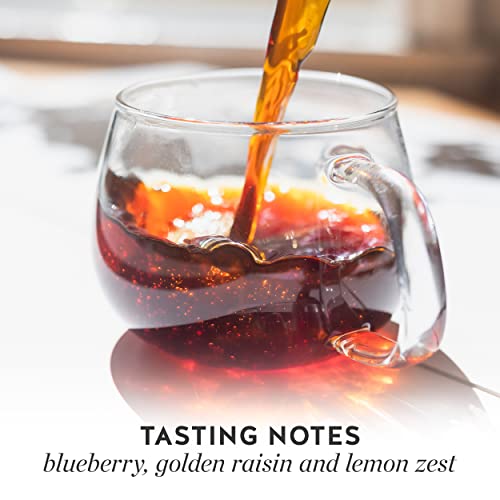
This organic whole bean blend is marketed around brightness and cleanliness, though the available specs are thin, there are no detailed tasting notes or sourcing specifics beyond general organic and fair trade claims. Owners note it’s light and crisp, but feedback is less consistent compared to more transparent roasters.
Without clear origin info or roast dates, it’s hard to position this against better-documented options. I’d hesitate to recommend it over Ritual or 512 Coffee, which offer more detail and verifiable quality markers. It might appeal to fans of Blue Bottle’s brand, but on specs alone, it underperforms.
Product photos


Our Testing Process
As the founder of Bean Thusiast, I approach coffee – and evaluating coffee beans – with a focus on origin, processing, and the roaster’s skill in highlighting those characteristics. Rather than a hands-on lab test, this is a research-led comparison of published specifications, owner reviews, and expert commentary from within the specialty coffee world. I weighed information from roaster websites, SCA scores (where available), and detailed customer feedback to build a ranked list.
For specialty coffee beans, freshness, origin transparency, and roast quality are paramount. We heavily weighted these three factors. A commitment to direct trade or sustainable sourcing also played a large role, as did consistent positive feedback regarding flavor clarity and balance. Ultimately, a bean’s ability to deliver a complex, enjoyable cup – as described by a wide range of drinkers – determined its position. You can learn more about factors in choosing beans in our detailed guide.
Specifications reliably indicate origin, processing method (washed, natural, etc.), altitude, and SCA scores when provided. However, tasting notes and perceived quality are far more subjective. Therefore, I relied heavily on owner reviews to gauge real-world enjoyment and consistency, and looked to reputable coffee blogs and reviewers to validate flavor profiles and roasting expertise. The reputation of the roaster also factored heavily into my assessment.
Choosing The Right specialty coffee beans
Finding truly exceptional specialty coffee beans can feel overwhelming, but a few key considerations will steer you toward a better cup.
Specialty coffee is defined by a score of 80+ as graded by certified Q-Graders. Beyond that baseline, look for transparency in sourcing, recent roast dates (within weeks, not months), and detailed tasting notes that go beyond vague descriptors like “chocolatey” – think specific chocolate types or nuanced fruit characteristics. Consistent quality control and a focus on the entire supply chain are also strong indicators.
Understanding Roast Level
The roast level dramatically alters the flavor profile of any bean. Many buyers assume darker roasts are “stronger,” but that’s often a misconception related to bitterness, not caffeine content. Lighter roasts, like the 512 Coffee Ethiopia Yirgacheffe, showcase brighter acidity and more of the bean’s inherent origin characteristics. Medium roasts (like Ritual Colombian) offer a balance, while dark roasts (Mayorga Cafe Cubano) emphasize body and smoky flavors. I often recommend starting with a medium roast to appreciate the bean’s complexity before exploring extremes.
Sourcing & Processing Methods
How and where the coffee is grown and processed matters immensely. Single-origin coffees, where the beans come from a single farm or region, offer a distinctive “sense of place” and allow you to truly taste the terroir. Alternatively, a well-crafted single-origin vs blended coffee can deliver consistent flavor and complexity. Look for details about the farm, altitude, and processing method (washed, natural, honey). Washed processes generally yield cleaner, brighter cups, while natural processes can bring out more fruity and fermented notes.
- Direct Trade relationships are ideal, as they ensure farmers receive fair compensation.
- High-elevation beans often (but not always) exhibit greater complexity due to slower maturation.
- Certifications like Organic are useful, but shouldn’t be the sole basis for your decision; focus on flavor first and foremost, then consider ethical sourcing.
Variety & Exploration – Don’t Be Afraid to Experiment
One of the joys of specialty coffee is the sheer diversity available. Don’t limit yourself to one origin or roast. A sampler set, like the Atlas Coffee Club World Sampler or Split Oak Global Tasting Collection, is a fantastic way to explore different regions and flavor profiles. I frequently recommend branching out and discovering best coffee beans globally.
A good rule of thumb: fresher is always better. Look for roast dates, not just “best by” dates, and aim to consume your beans within a month of roasting for peak flavor.
Specialty Coffee Beans Compared
Here’s a comparison of key specifications for the featured specialty coffee beans.
| Product Name | Origin | Roast Level | Flavor Notes | Process | Organic |
|---|---|---|---|---|---|
| Ritual Colombian | Colombia | Medium | Caramel, Vanilla, Cocoa | N/A | No |
| 512 Coffee Ethiopia Yirgacheffe | Ethiopia | Light | Raspberry, Honey, Floral | Washed | No |
| Atlas Coffee Club World Sampler | Various | N/A | Varies by country | N/A | No |
| Split Oak Global Tasting Coll. | Various | Medium | Varies by country | Sun-Dried | No |
| Stumptown Holler Mountain | N/A | N/A | Citrus, Berry Jam, Caramel | N/A | Yes |
| Ethiopian Yirgacheffe Guji | Ethiopia | N/A | Floral, Citrus, Refined Fruit | N/A | No |
| Mayorga Cafe Cubano | Peru/Honduras/Nic | Dark | Vanilla, Smoky | N/A | Yes |
| Blue Bottle Bright Blend | N/A | N/A | N/A | N/A | Yes |
Frequently Asked Questions
What roast level offers the most caffeine?
Contrary to popular belief, caffeine content isn’t directly tied to roast level. Lighter roasts actually retain slightly more caffeine by weight, though the difference is often negligible and overshadowed by brewing variables.
Are darker roasts always more bitter?
Darker roasts generally exhibit more bitterness due to the breakdown of sugars during the extended roasting process. However, bitterness isn’t inherently bad; it can add complexity, especially in espresso blends, and is often balanced by body and sweetness.
How can I tell if coffee beans are truly fresh?
Look for a roast date on the bag, not a “best by” date. Ideally, you want beans roasted within the last two weeks, and definitely consume them within a month of the roast date for peak flavor.
What’s the difference between washed and natural processed coffee?
Washed coffees are typically cleaner and brighter, with more pronounced acidity, as the fruit is removed before drying. Natural processed coffees retain more of the fruit during drying, resulting in a sweeter, fruitier, and often more complex cup.
Where can I find more information about different coffee bean flavors?
If you’re looking for more detailed information on flavor profiles, I recommend exploring our guide to best-tasting specialty beans. It offers a deeper look at various origins and their characteristic flavors.
The Bottom Line
Choosing specialty coffee beans often comes down to balancing control over the experience with convenience. If you want to really dial in your brewing and appreciate the nuances of origin, the Ritual Colombian offers a consistently excellent, balanced cup that’s a fantastic starting point. It’s a reliably flavorful bean that delivers on its promises.
For those looking to explore, or who want a rotating selection, the Atlas Coffee Club World Sampler and Split Oak Global Tasting Collection are both excellent choices. The Atlas Club offers curated selections, while Split Oak provides a broader range of single-origin options, letting you discover what speaks to your palate. If you’re curious about the difference between coffee bean types, these samplers are a great way to begin.
Ultimately, the “best” bean is the one you enjoy the most. Don’t get too hung up on SCA scores or obscure processing methods. Freshness, roast quality, and responsible sourcing are the fundamentals that truly matter. Focus on those, and you’ll be well on your way to consistently great coffee.
