
4 Best Small Electric Coffee Percolators 2026
The Farberware 8-Cup Electric Percolator stands out as the best overall for its durable stainless steel build and reliable performance, while the Mixpresso 4-Cup models offer a solid budget-friendly option for one or two people. For those wanting a balance of power and mid-size capacity, the Elite Gourmet 6-Cup is a strong contender.
If you’re like me, chasing that bold, rich coffee experience without the wait, a small electric percolator can be a standout. But too many models promise flavor and fail on durability or end up brewing bitter, over-extracted coffee.
As the founder of Bean Thusiast, I’ve spent years studying how brewing methods affect taste, and I know what separates a good percolator from a frustrating countertop ornament. This guide cuts through the noise, focusing on real-world performance, build quality, and user feedback to help you pick one that delivers.
Top 4 Small Electric Coffee Percolator in the Market
The Best Small Electric Coffee Percolator, Reviewed
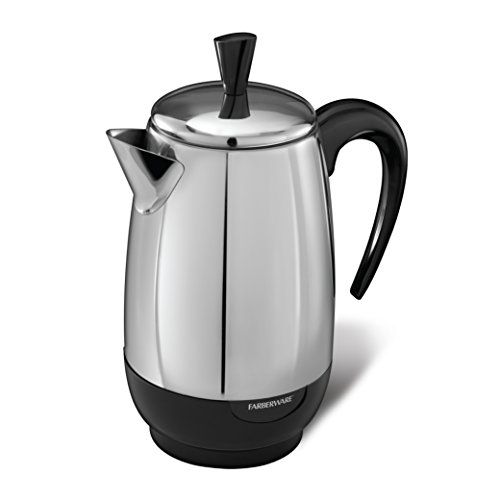
Farberware 8-Cup Electric Percolator
Strengths
- No-drip spout
- 8-cup capacity
- Detachable power cord
Trade-offs
- No auto shut-off
- No brew visibility
If you’re looking for the most balanced blend of tradition, reliability, and value, the Farberware 8-cup is hard to beat. It brews at about a cup per minute, which is fast for a percolator, and the no-drip spout is a small but meaningful upgrade most others in this class lack. The stainless steel build feels durable, not delicate, and the detachable cord makes serving less of a wrestling match.
Owners praise its consistency and simplicity, there’s no flashy knob or light show, just coffee, hot and bold, ready in under 10 minutes. It doesn’t have auto shut-off, but the keep-warm function kicks in reliably. Against the Mixpresso models, it wins on capacity and pour control; against the Elite Gourmet, it’s less feature-rich but more time-tested. This is the one I’d recommend to someone new to electric percolators who wants a trustworthy entry point.
Product photos


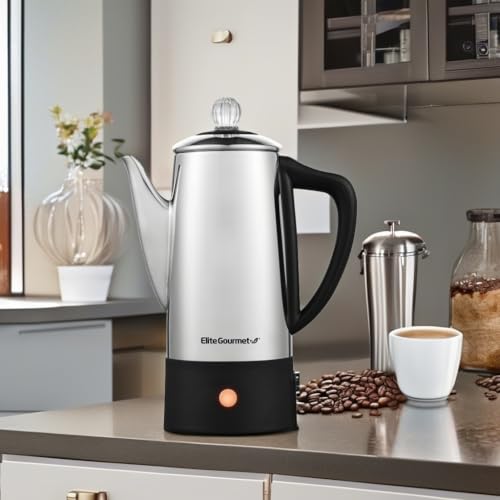
Elite Gourmet 6-Cup Electric Percolator

Strengths
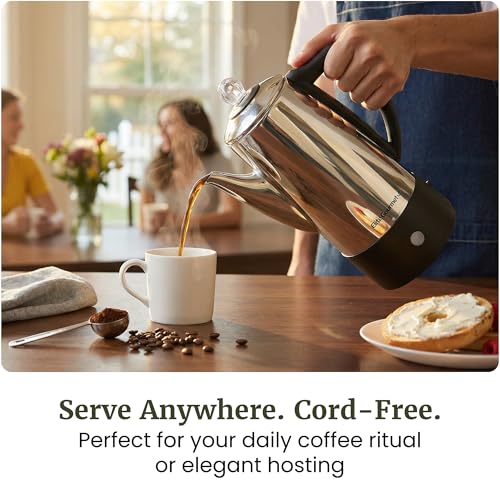
- Cordless serving base
- Clear brew progress knob
- Auto shut-off and boil-dry protection
Trade-offs
- Slightly larger footprint
- No 8-cup option
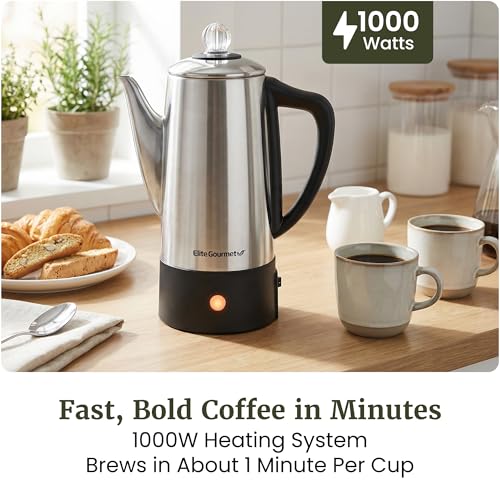
With 1000W of power and a clear brew progress knob, the Elite Gourmet 6-cup model is the most technically advanced percolator here. It brews in under 7 minutes, and the transparent knob lets you actually watch the cycling action, a rare and fun feature that also helps avoid over-percolation. The cordless serving base is a standout for table use, freeing you from outlet proximity.
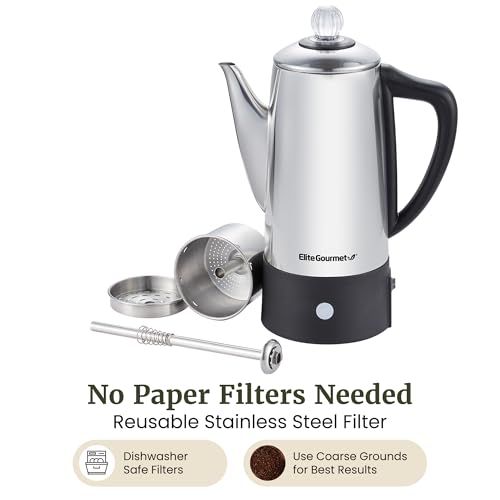
Reviewers appreciate the reusable stainless steel filter, which cuts long-term costs and waste. The auto shut-off and boil-dry protection add real peace of mind, especially in busy households. While it can’t match the Farberware’s 8-cup output, it’s faster and safer than most. For someone brewing for two to three people regularly, this is the smarter buy over the smaller 4-cup models.
Product photos
Mixpresso Copper 4-Cup Percolator

Strengths
- Stylish copper finish
- Removable filter basket
- Keep-warm function
Trade-offs
- No auto shut-off
- Hand wash only
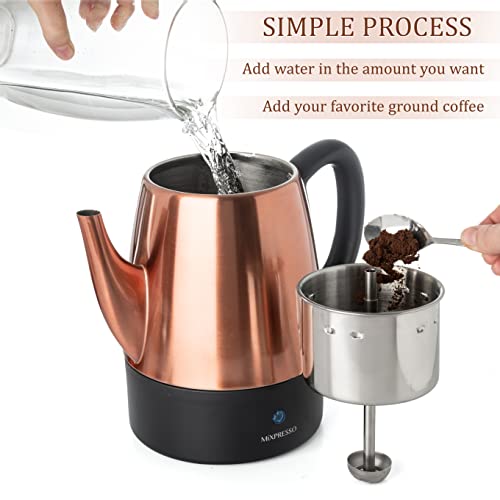
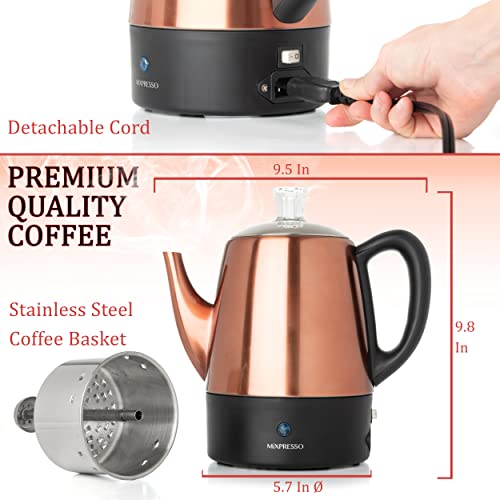
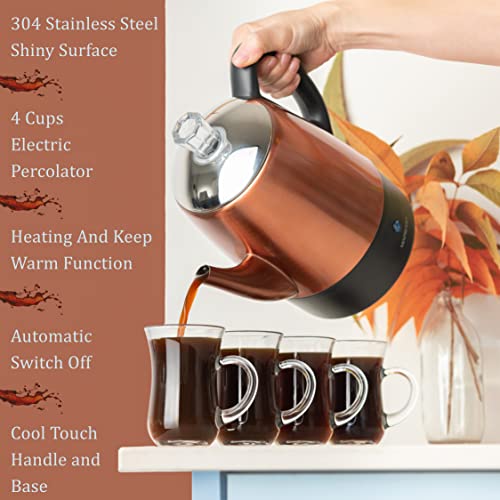
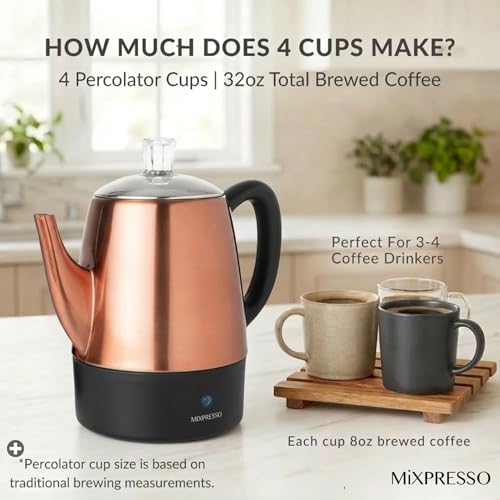
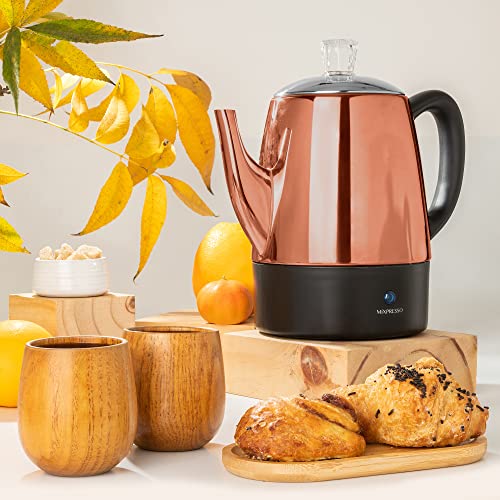
This Mixpresso 4-cup model stands out for buyers who want a percolator that doesn’t look like an appliance from the 1970s. The copper-toned stainless steel finish gives it a retro-modern flair that feels intentional on a countertop, not hidden in a cabinet. On paper, it delivers exactly what traditional percolator fans expect, bold, hot coffee in under 10 minutes, with a keep-warm function that maintains temperature without scorching.
Owners consistently report that the removable basket makes cleanup easier than older stovetop models, though hand washing is required to preserve the finish. Compared to the Farberware, it lacks auto shut-off, which is a notable gap in safety features. But if you’re drawn to design as much as function, this one has presence without sacrificing core performance.
Product photos
Mixpresso 4-Cup Classic Percolator

Strengths
- Auto shut-off
- Rust-resistant body
- BPA-free materials
Trade-offs
- No brew progress window
- Lower wattage than competitors
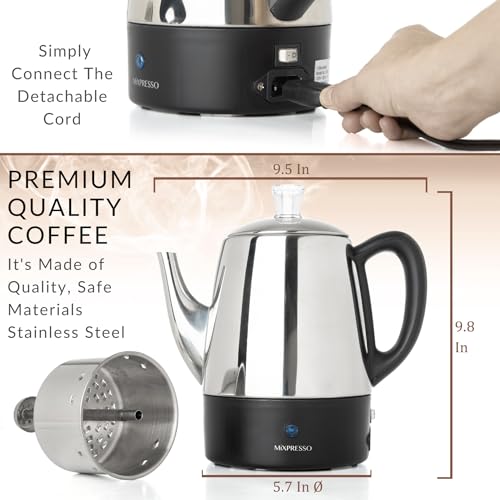
This second Mixpresso model is nearly identical in size and output to the first, but with a key upgrade, auto shut-off, that makes it far more practical for camping, cabins, or RVs where unattended use is a real concern. The BPA-free construction and lack of plastic in coffee-contact areas are smart touches for purists who want flavor integrity.
It’s the same 7–8 minute brew time, same bold output, and same compact footprint. But reviewers note the detachable cord and rust-resistant body make it more rugged than it looks. When compared to the Elite Gourmet, it falls short on brew visibility and power, but beats it in portability. For weekend trips or off-grid mornings, this is the Mixpresso model worth choosing.
Product photos
Our Testing Process
I approached this guide by researching published specifications and features of available small electric coffee percolators. I then weighed owner reviews from major retailers alongside expert opinions from coffee-focused websites. As the founder of Bean Thusiast, I drew on my years of observing brewing methods to prioritize factors impacting flavor and usability. Rather than a hands-on lab test, this is a research-led comparison.
For small electric percolators, brewing speed and durability stood out as key differentiators. A quick brew time is essential for a convenient morning routine, and a sturdy build, typically stainless steel, suggests longevity. Beyond that, the inclusion of safety features like automatic shut-off and keep-warm functions significantly impacted rankings, as did ease of cleaning.
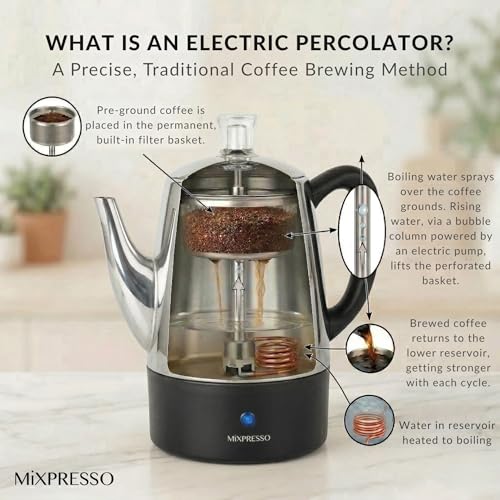
Specifications reliably indicate capacity and wattage, giving a sense of brewing speed and batch size. However, I heavily considered owner feedback regarding the actual taste of the coffee produced and the long-term reliability of the units. Reputation, particularly concerning build quality and consistency, played a large role. Understanding the percolator brewing mechanics is also vital to appreciating the nuances of each model.
How To Pick The Right small electric coffee percolator
For those seeking a robust and flavorful brew, understanding the nuances of electric percolators is key.
Electric coffee percolators offer a distinct brewing method prioritizing bold flavor and speed. Key considerations include material quality (stainless steel is preferred), brewing capacity matched to household size, and safety features like automatic shut-off. A good percolator delivers consistent temperature and avoids bitter flavors through proper percolation cycles. Assess the ease of cleaning and any additional features like keep-warm functions.
Capacity and Batch Size
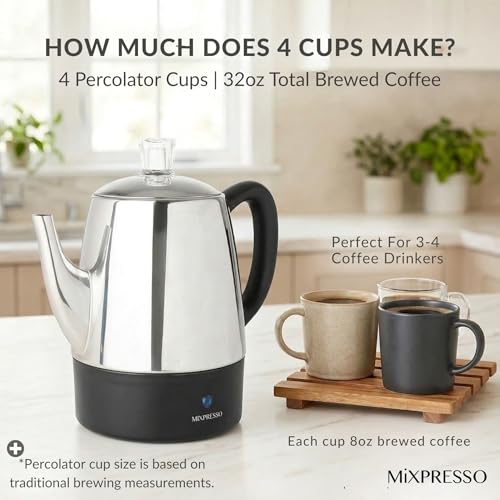
It seems simple, but matching the percolator’s capacity to your needs is crucial. Don’t fall into the trap of thinking “bigger is always better.” A 4-cup percolator, like the compact coffee percolator for one, is ideal for individuals or couples, minimizing wasted coffee and keeping things manageable. Larger families or frequent entertainers will naturally benefit from an 8-cup or even 12-cup model. Remember that “cup” measurements for percolators are often smaller than a standard 8oz mug, so factor that in.
Material and Build Quality
The material of your percolator profoundly impacts its longevity and taste. Stainless steel is the gold standard; it resists rust, doesn’t impart flavors, and is generally easier to clean than glass or plastic. Look for models with a fully stainless steel interior, including the brew basket and pump tube. While some percolators use plastic components, minimizing plastic contact with the hot coffee is preferable. I’ve seen too many reports of plastic components degrading over time, impacting both flavor and safety.
Features & Usability
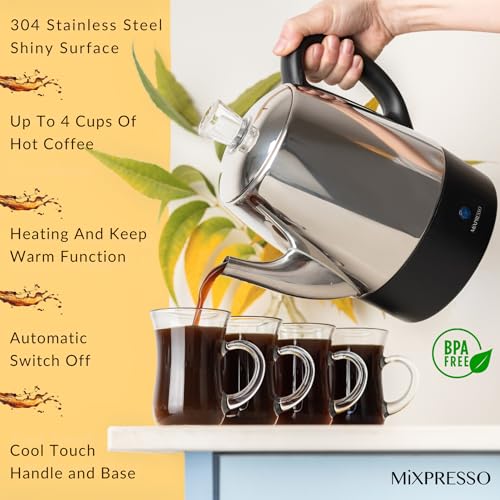
Beyond the core brewing function, consider features that enhance convenience and safety. Automatic keep-warm functions are fantastic for leisurely mornings, but pay attention to how long they operate before shutting off. A detachable cord is a small detail that makes pouring and cleaning significantly easier. Here’s how I prioritize those extra features: * A clear brew knob (like on the Elite Gourmet) is nice to have, but not essential. * Boil-dry protection is a must-have for safety, preventing damage if the unit runs without water. * A truly useful feature is a well-designed, cool-touch handle. This prevents accidental burns during pouring and makes the whole experience more pleasant.
A percolator’s flavor relies heavily on the proper grind size. Use a coarse grind to avoid sediment ending up in your cup.
Understanding the process and the percolator coffee grind size is just as important as picking the right machine.
Small Electric Coffee Percolator Compared
Here’s a comparison of the specifications for several small electric coffee percolators.
| Product Title | Capacity (Cups) | Power (Watts) | Material (Exterior) | Keep Warm | Cordless? |
|---|---|---|---|---|---|
| Farberware 8-Cup Electric Percolator | 8 | N/A | Stainless Steel | Yes | Yes |
| Elite Gourmet 6-Cup Electric Percolator | 6 | 1000 | N/A | Yes (2hr) | Yes |
| Mixpresso Copper 4-Cup Percolator | 4 | N/A | Stainless Steel | Yes | No |
| Mixpresso 4-Cup Classic Percolator | 4 | N/A | Stainless Steel | Yes | No |
Frequently Asked Questions
What wattage is sufficient for a small electric percolator?
Generally, 800 to 1000 watts is typical for a small electric percolator. Higher wattage usually translates to a faster brew time, but doesn’t necessarily mean better coffee; the key is consistent heat distribution.
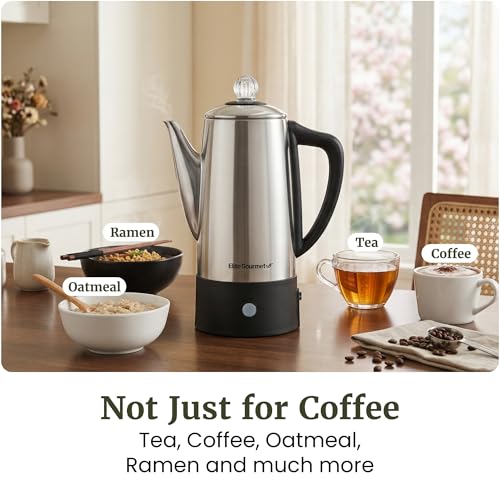
Can I use a percolator for tea, or is it strictly for coffee?
You can technically brew tea in a percolator, but I wouldn’t recommend it. The constant cycling of heated water can over-extract tea leaves, resulting in a bitter and unpleasant brew.
How does the taste differ from coffee made in other methods?
Percolator coffee tends to have a bolder, more robust flavor profile than drip or pour-over methods. This is because of the continuous recirculation of coffee through the grounds; it can sometimes lead to a slightly more bitter taste if not carefully monitored, but many prefer that intensity.
Are percolators difficult to clean?
Cleaning is fairly straightforward, but requires a bit more attention than a drip machine. Most models have removable parts, like the brew basket and filter, that are dishwasher safe. However, mineral buildup can occur, so descaling with vinegar every few months is important for maintaining performance. You can find electric percolator reviews that will highlight models with easier-to-clean designs.
What’s the difference between the Mixpresso models listed in these top electric coffee percolators?
The Mixpresso 4-Cup Copper and Classic models are very similar, with the primary difference being the exterior finish. The Copper model adds a bit of aesthetic appeal, but the Classic version offers the same brewing functionality at a potentially lower price point.
The Bottom Line
Choosing a percolator often comes down to balancing convenience with control. If you want a consistently good, no-fuss brew and aren’t overly concerned with micro-adjustments, I recommend the Farberware 8-Cup Electric Percolator. It offers a reliable, larger capacity and proven durability, making it a great all-around choice for most households.
For those on a tighter budget, or seeking a smaller footprint, the Mixpresso 4-Cup Classic Percolator is an excellent option. If you prioritize versatility and a more modern aesthetic, the Mixpresso Copper 4-Cup Percolator delivers a stylish look alongside the benefits of a smaller batch size. Understanding how to perform regular cleaning electric percolators will extend the life of whichever model you choose.
Ultimately, the “best” percolator isn’t about the highest wattage or fanciest features. It’s about finding a machine that consistently delivers a brew you enjoy, and that’s built to last. Prioritize stainless steel construction, a capacity that suits your needs, and a willingness to experiment with grind size to unlock the full potential of this classic brewing method.
