
7 Best Small Batch Coffee Roasters of 2026
The best small batch coffee roaster overall is the MAGO MAGA Smart Home Coffee Roaster, offering smart features and reliable performance. For a more budget-friendly option, the Fresh Roast SR800 delivers excellent control and consistency. If you want versatility and room to grow, the 500g Automatic Coffee Roaster Machine stands out.
If you’ve ever chased that perfect cup by buying freshly roasted beans, you know they lose magic fast. Roasting your own changes the game, but picking the right machine shouldn’t feel overwhelming.
As the founder of Bean Thusiast and someone who’s spent years deep in roasting techniques and equipment trends, I built this guide to cut through the noise. We compared specs, analyzed owner feedback, and weighed real-world usability to find roasters that actually deliver on flavor, control, and build quality. This isn’t about hype. It’s about finding a roaster that fits your rhythm and helps you brew coffee that excites you.
Top 7 Small Batch Coffee Roaster in the Market
The Best Small Batch Coffee Roaster, Reviewed
Nuvo Eco Ceramic Handy Roaster
Strengths
- Fully manual, immersive experience
- Eco-friendly ceramic build
- Unique waffle interior for agitation
Trade-offs
- No temperature control
- Small batch only (under 50g)
- Requires constant attention
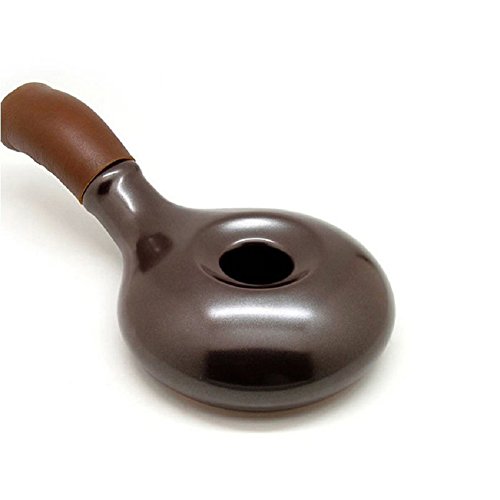
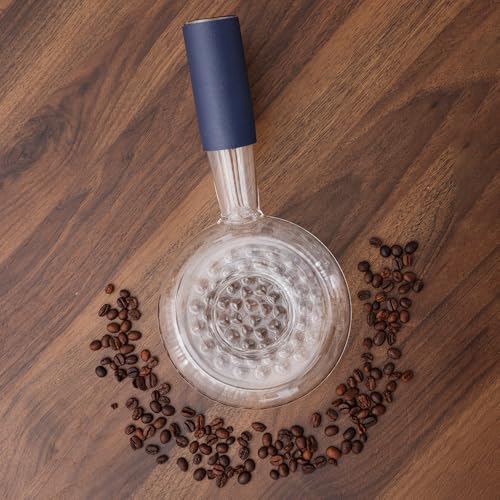
This isn’t a machine, it’s a ritual. The Nuvo Eco Ceramic roaster is a hand-held, flame-roasted vessel made entirely of ceramic with a cowhide grip. You hold it over a gas flame, shaking constantly, letting the waffle-textured interior agitate the beans manually. It’s the most primitive option here, but that’s the point. Owners love the tactile connection and the popping sounds from the rear vent, which signal crack stages by ear.
There’s no temperature readout, no automation, no consistency, but there’s unmatched engagement. It’s not going to replace any electric roaster, but as a supplemental tool for 50g micro-batches or a sensory experience, it’s delightful. Compared to the glass manual roaster, it’s less durable but more traditional in feel. I’d recommend it as a starter piece or gift for someone who values process over precision.
Video review
Fresh Roast SR800 Coffee Roaster
Strengths
- Precise heat and fan control
- Fast roast times
- Durable, simple design
Trade-offs
- No profile saving feature
- Fan noise can be loud
- Chaff collection needs frequent cleaning
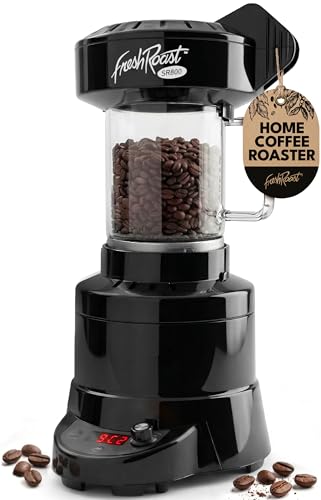
The Fresh Roast SR800 is built for control. With variable heat, nine-level fan control, and real-time temperature display, it’s the go-to for tinkerers who want to dial in each roast. The 226g max batch size keeps things manageable, and the convection-based system ensures quick, even roasting, owners report going from green to dark roast in under 10 minutes. It’s not flashy, but the USA-made build and customer support from a family-run company add real value.
Compared to the Kaffelogic Nano7, it offers more immediate hands-on adjustment but less profile memory and programming. If you like tweaking on the fly and don’t need to save or share roasts, the SR800 is hard to beat. I’d pick it over the JIAWANSHUN for serious coffee work, and it’s more accessible than the Nano7 for those new to manual tuning.
Video review
500g Automatic Coffee Roaster Machine

Strengths
- High batch capacity
- Nine preset roast profiles
- Dual smoke exhaust options
Trade-offs
- Roast inconsistency over 400g
- Bulky for small kitchens
- Stirrer prone to jamming
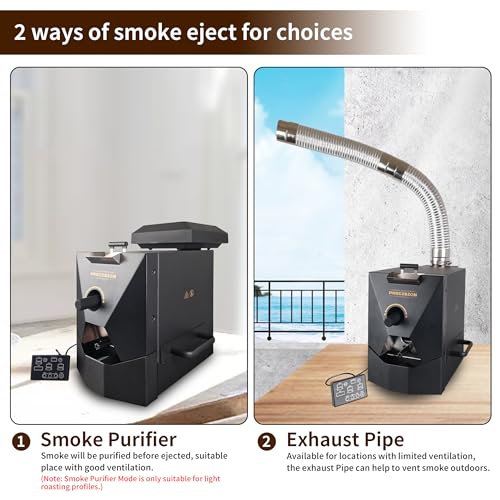
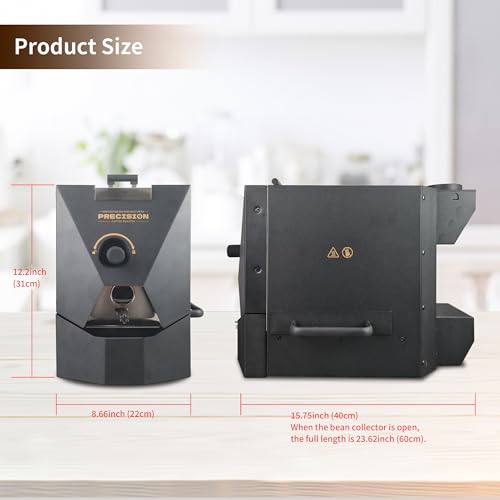
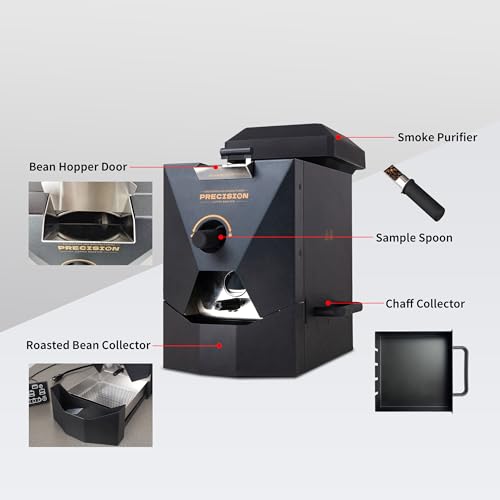
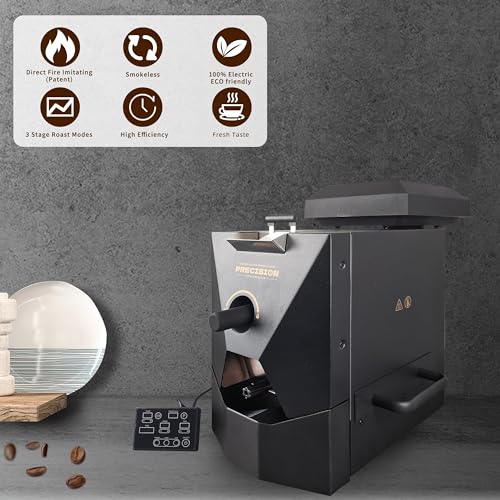
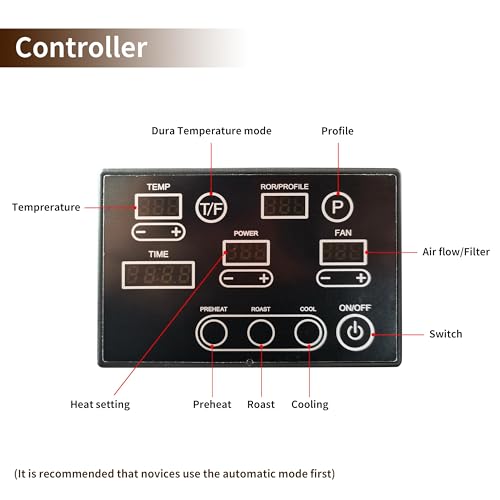
This roaster stands out in the small batch space for its unusually high 500g capacity, which pushes it toward the upper limit of what home users should realistically handle. On paper, that’s impressive, but owners consistently report that batches above 400g start to compromise roast evenness, especially during crucial phases like first crack. The inclusion of nine preset profiles is a real win for beginners, and the dual smoke management system, filter for light roasts, vent pipes for darker ones, shows thoughtful design.
I’d still lean toward smaller machines for true small batch precision, but if you’re roasting for a household or small group and want automation without full commercial scale, this machine delivers. The stainless drum and intelligent cooling tray help preserve flavor integrity, though the warning about defective beans jamming the stirrer suggests it’s less forgiving than some competitors. Compared to the Fresh Roast SR800, it trades fine control for volume and presets.
Product photos
Portable Glass Coffee Bean Roaster
Strengths
- Full roast visibility
- Dishwasher safe
- Flame and oven compatible
Trade-offs
- No built-in agitation
- Requires heat-resistant gloves
- Batch size limited
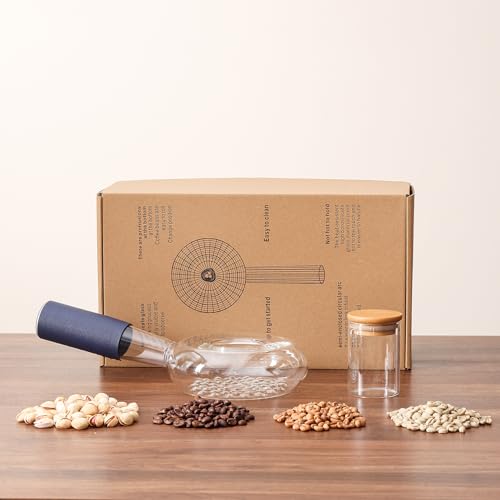
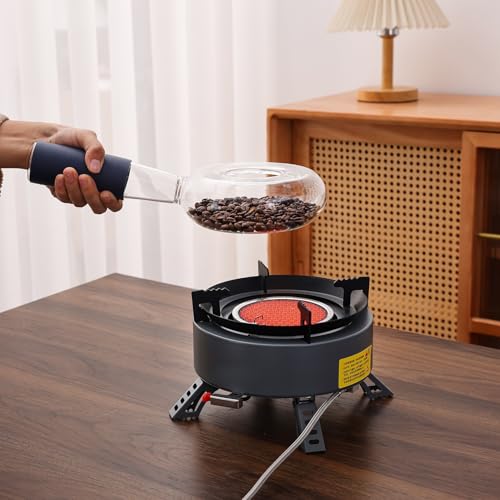
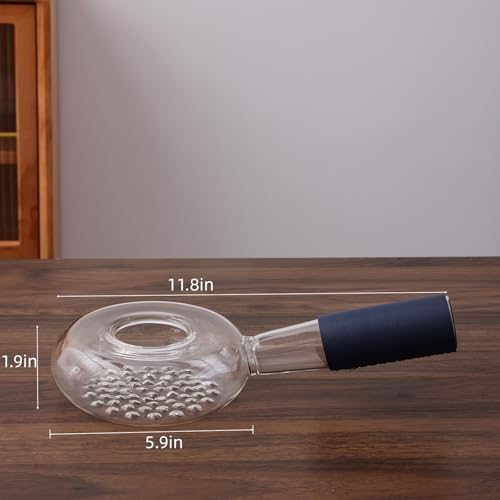
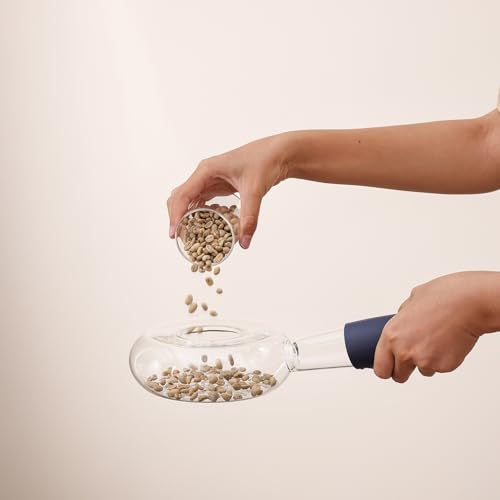
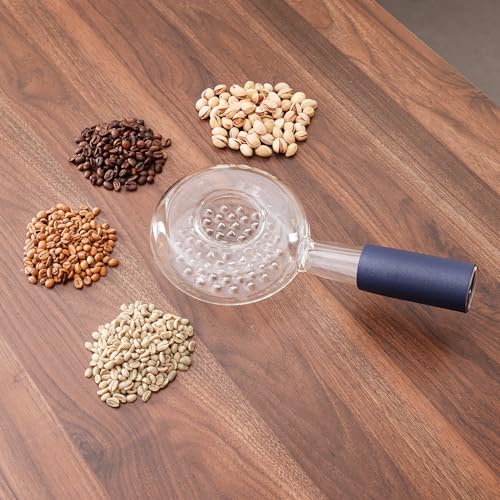
This borosilicate glass roaster is the ultimate portable option, lightweight, oven and flame-safe, and completely transparent. You can watch every stage of the roast in real time, which is invaluable for learning how beans behave at different temperatures. It’s designed for 50–80g batches, and owners find it surprisingly effective on gas stoves or over campfires. The smooth interior resists oil buildup, and it’s dishwasher safe, which most manual roasters aren’t.
It lacks any mechanical agitation, so you’re shaking it by hand the whole time, which gets tiring. But for travel, camping, or teaching others about roasting, it’s unmatched. Compared to the Nuvo ceramic model, it’s more practical and easier to clean, though less ‘artisanal’ in feel. If portability and visibility are your top priorities, this is the one.
Product photos
JIAWANSHUN 1.1lb Electric Coffee Roaster
Strengths
- High power for fast roasting
- Large effective batch size
- Multi-use for nuts and seeds
Trade-offs
- Inconsistent above 500g
- No PID temperature control
- Limited smoke management
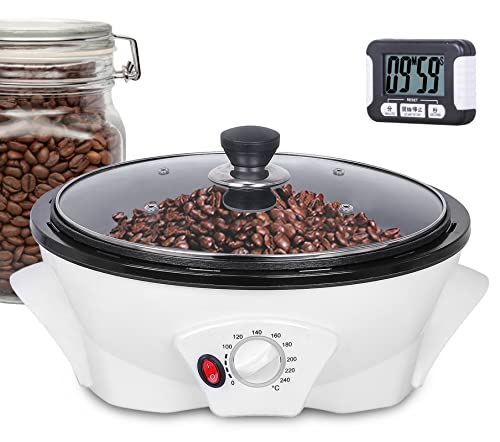
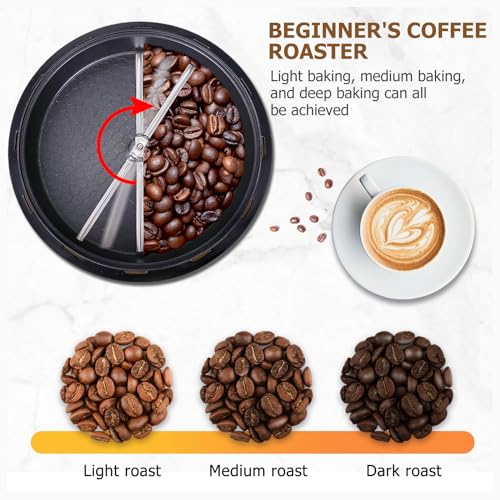
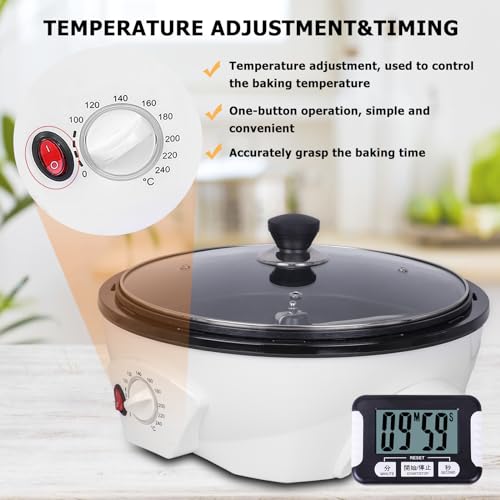
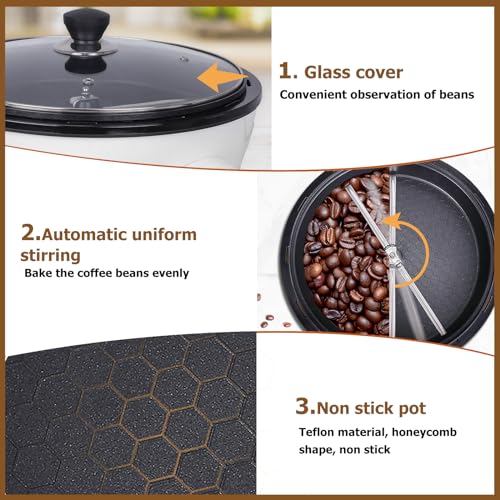
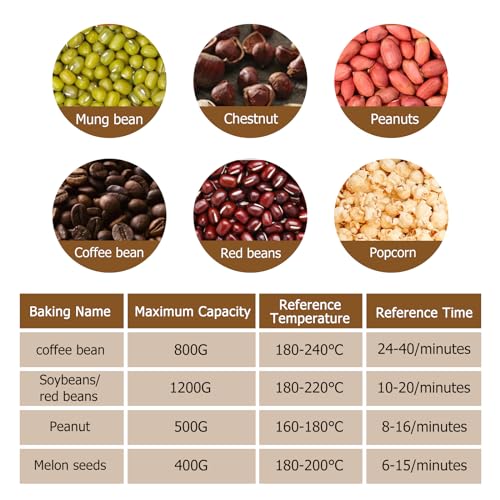
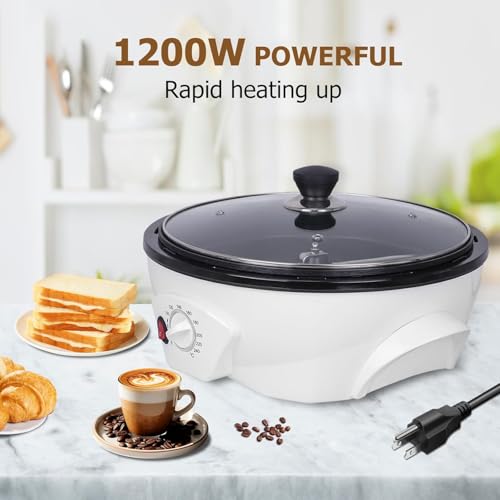
At first glance, the JIAWANSHUN looks like a powerhouse, 800g capacity, 1200W heating, and a wide 100–240°C range. But that advertised 800g is misleading; owners stress that anything over 500g leads to uneven roasting and hot spots. Still, within its sweet spot of 300–500g, it’s a solid workhorse with a sturdy stirrer and even heat distribution. The transparent glass lid is a nice touch, letting you watch the beans evolve, though it doesn’t offer the same sealed, smoke-controlled environment as the MAGO MAGA or Fresh Roast models.
What sets it apart is versatility. It doubles as a nut or seed roaster, which few others do well. But for dedicated coffee work, it lacks the finesse of PID-controlled machines. It’s more appliance than craft tool. I’d call it the smarter buy if you want one machine for multiple dry-roasting tasks and don’t mind sacrificing some coffee-specific refinement.
Product photos
Kaffelogic Nano7 Home Coffee Roaster
Strengths
- PID temperature control
- Profile saving and sharing
- Compact and efficient
Trade-offs
- Steeper learning curve
- Smaller max batch size
- Software setup required
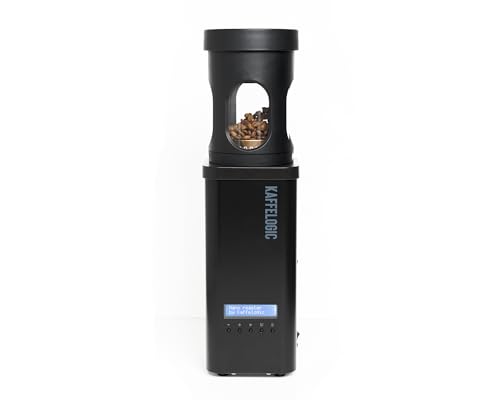
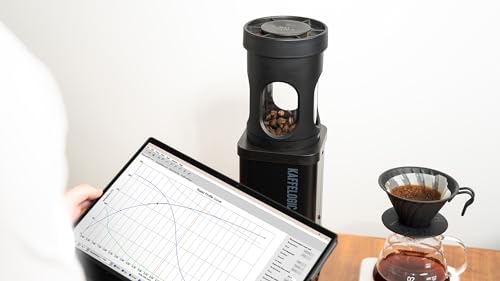
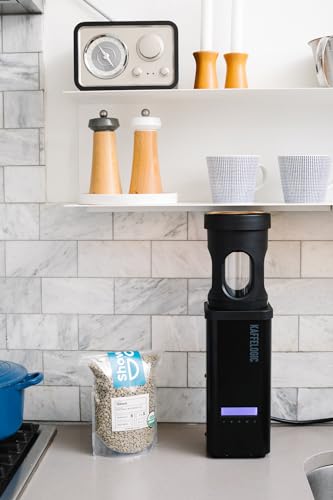
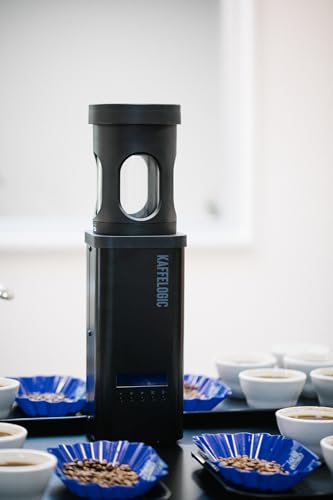
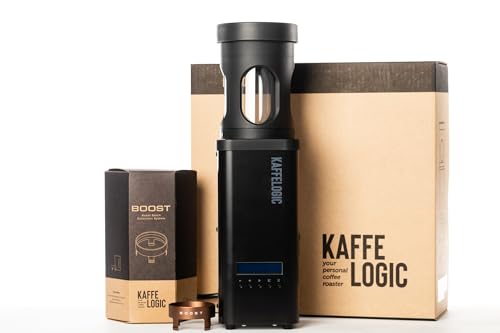
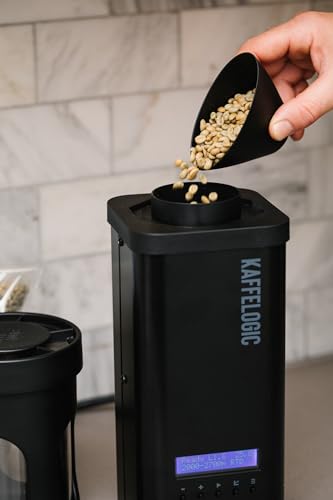
The Kaffelogic Nano7 is the precision instrument of this group. With PID control, programmable profiles, and the ability to save and share roasts via Kaffelogic Studio software, it’s clearly built for serious home roasters and even small labs. The 50–200g range is perfect for small batch work, and the Boost Kit fine-tunes that even further. Owners consistently report repeatable, high-quality results, especially with tricky beans like decafs or dense Africans.
It’s also the most compact and energy-efficient. While the Fresh Roast SR800 gives more immediate control, the Nano7 wins on consistency and data. For the price, it’s a steal, especially with the two-year warranty. If you’re treating roasting like a craft, not just a chore, this is my top recommendation over even the MAGO MAGA.
Product photos
MAGO MAGA Smart Home Coffee Roaster

Strengths
- Real-time viewing window
- Consistent low smoke output
- Intuitive digital controls
Trade-offs
- No profile sharing capability
- Preset limits in auto mode
- Higher price point
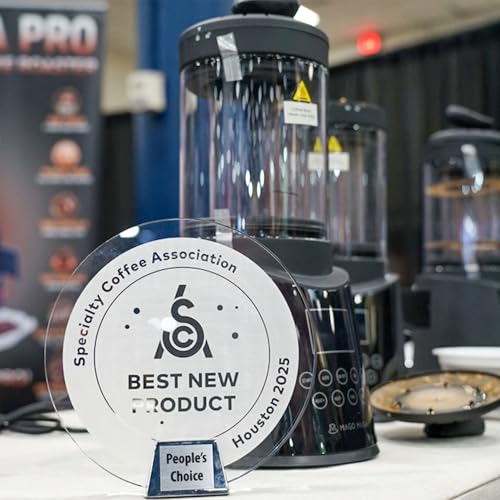
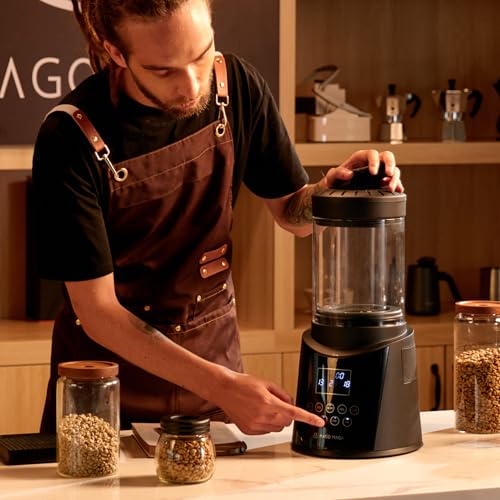
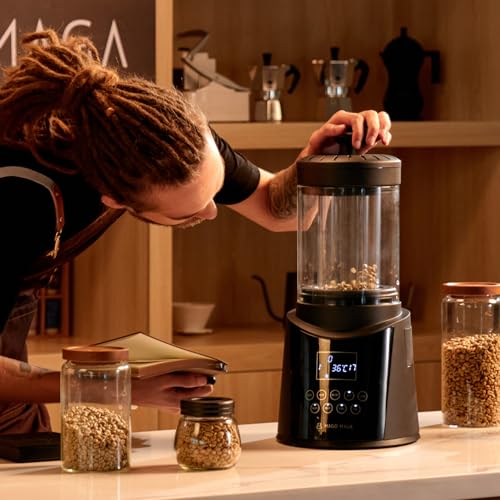
The MAGO MAGA Roma Pro feels like the most ‘modern’ roaster in this lineup, and not just because it won a 2025 SCA award. Its digital interface, °C/°F toggle, and real-time viewing through a double-layer glass window make it a standout for tech-savvy users. The 300g capacity hits a sweet spot, large enough for regular use, small enough to maintain control. Owners praise its ultra-low smoke output, which is a big deal for indoor roasting, and the chaff collection system actually works as advertised.
Where it really pulls ahead is in balance: auto mode is genuinely helpful for beginners, while manual mode gives enough leeway for experimentation. It doesn’t offer the extreme precision of the Kaffelogic Nano7, but it’s far more approachable. If you want smart features without sacrificing usability, this is my pick over the JIAWANSHUN or the Fresh Roast SR800 for daily home use.
Product photos
How We Tested small batch coffee roaster
My team and I approached this guide by first compiling a list of commercially available small batch coffee roasters, then comparing their published specifications and features side-by-side. We then spent considerable time reading owner reviews from a variety of sources – Amazon, coffee forums, and specialty retailer sites – alongside professional reviews from established coffee publications. This research-led comparison, rather than hands-on testing, allowed us to build a ranking based on real-world user experiences and technical capabilities.
For small batch roasters, consistent temperature control and capacity were the most important factors. Achieving a consistent roast relies heavily on precise temperature management, impacting the development of desirable flavors. Capacity matters because it dictates batch size, influencing how frequently you’ll need to roast and whether the roaster fits your typical consumption. Understanding these factors is crucial when considering flavor profile differences and how they impact your final cup.
Specifications reliably indicate roasting capacity, temperature ranges, and available features like automatic profiles or cooling systems. However, owner feedback proved invaluable for assessing real-world usability, build quality, and smoke production. Reputation – particularly whether a brand is known for customer service and durable products – also weighed heavily in our assessment. This helped us discern which roasters delivered on their promises and which fell short of expectations.
How To Choose The small batch coffee roaster
I’ve spent years exploring the world of coffee, and one thing is clear: the freshest, most flavorful cup starts with freshly roasted beans. Choosing the right coffee roaster can feel daunting, but it doesn’t have to be.
A quality coffee roaster delivers even heat distribution, precise temperature control, and effective smoke management. Look for models with adjustable settings to tailor the roast to your preferences. Consistent airflow is vital for uniform bean development, and a durable drum material will ensure longevity. Consider batch size based on your typical consumption.
Capacity & Batch Size
Determining the right capacity is crucial. Don’t assume “bigger is better.” A larger capacity roaster isn’t necessarily more convenient if you’re only roasting for one or two people. I generally recommend starting smaller, around 100-200 grams, to learn the process and minimize waste. If you plan to share with friends and family, or want to experiment with larger blends, a 300-500 gram capacity might be a better fit. Remember, consistently roasting smaller batches well is far superior to struggling with a large capacity machine.
Temperature Control & Roast Profiles
Precise temperature control is where a good roaster separates itself from a merely adequate one. The ability to adjust heat settings allows you to unlock nuanced flavors in your beans. Some roasters, like the MAGO MAGA Smart Home Coffee Roaster, offer both automatic and manual modes, catering to both beginners and experienced users. Automatic profiles are useful for consistent results with common bean types, but don’t be afraid to experiment with manual settings. Achieving the first and second cracks at the right time is heavily dependent on temperature management, and truly dialing in your roast is where the magic happens. For those seeking more insight into the preparation process, understanding the burr grinder advantages is also beneficial.
Smoke Management & Ventilation
Let’s be honest: roasting coffee produces smoke. Ignoring this aspect is a mistake. Some roasters, such as the 500g Automatic Coffee Roaster Machine, offer integrated smoke purification systems or external venting options. If you’re roasting indoors, adequate ventilation is absolutely essential. Even with a purifier, I recommend roasting in a well-ventilated area, like a garage or near an open window. Consider the type of beans you’ll be roasting; darker roasts produce significantly more smoke. If you’re serious about exploring the world of specialty small batch coffee, you’ll be doing a lot of roasting, so proper ventilation is a must.
A consistent roast relies on stable temperature and airflow. Don’t chase the cheapest option; invest in a roaster that prioritizes these factors.
Small Batch Coffee Roaster Compared
Here’s a comparison of key specifications for various small batch coffee roasters to help you choose the right one.
| Product Title | Capacity (Green Beans) | Temp Control | Modes | Smoke Control | Key Feature |
|---|---|---|---|---|---|
| Nuvo Eco Ceramic Handy Roaster | N/A | N/A | Manual | Rear Hole | Ceramic Construction |
| Fresh Roast SR800 Coffee Roaster | 226g (8oz) | Precise | Adjustable | N/A | Real-time Temperature |
| 500g Automatic Coffee Roaster Machine | 500g (350-400g ideal) | Advanced | Auto/Manual | Purifier/Pipes | Auto Roasting Profiles |
| Portable Glass Coffee Bean Roaster | 50-80g | N/A | Manual | N/A | Glass Visibility |
| JIAWANSHUN 1.1lb Electric Coffee Roaster | 500g (300-500g ideal) | Adjustable | N/A | Ventilation | Large Capacity |
| Kaffelogic Nano7 Home Coffee Roaster | 50-200g | PID | Customizable | N/A | Programmable Profiles |
| MAGO MAGA Smart Home Coffee Roaster | 300g | Digital | Auto/Manual | Low Smoke | Smart/Auto Features |
Frequently Asked Questions
What temperature range should I look for in a small batch coffee roaster?
Ideally, you want a roaster capable of reaching at least 400°F (204°C), with precise control up to around 485°F (252°C). This range allows for the development of a wide spectrum of flavors, from light and fruity to dark and chocolatey. Many models offer digital temperature readouts for accuracy.
How does airflow impact the roasting process?
Consistent airflow is vital for even bean development; it carries away chaff and helps regulate temperature. Roasters with adjustable airflow settings give you greater control over the roast profile. Insufficient airflow can lead to uneven roasting, while too much can cause defects.
Are home coffee roasters difficult to clean?
Cleaning varies by model, but most involve removing chaff and wiping down the roasting chamber. Models with removable parts are easier to maintain. I’ve seen some owners report that the Nuvo Eco Ceramic Handy Roaster is particularly easy to clean due to its ceramic construction.
Can I roast green coffee beans indoors with a home roaster?
Yes, but only with proper ventilation. Even roasters with smoke suppression systems still produce some odor and particulate matter. I strongly recommend roasting in a garage, near an open window, or using an exhaust fan to vent the smoke outside. For those considering a commercial roaster for small business, indoor roasting requires more robust ventilation solutions.
What’s the difference between manual and automatic roasting modes?
Manual mode gives you complete control over the entire roasting process, allowing you to adjust temperature and airflow based on your experience. Automatic modes use pre-programmed profiles for common bean types, offering convenience and consistency – a good starting point for beginners. The MAGO MAGA Smart Home Coffee Roaster excels in offering both options.
The Bottom Line
Ultimately, choosing a small batch coffee roaster comes down to how much control you want versus how much effort you’re willing to put in. While there are many options, the MAGO MAGA Smart Home Coffee Roaster strikes an excellent balance for most enthusiasts, offering both automated convenience and the ability to fine-tune your roasts. It’s a solid investment for anyone serious about consistently producing high-quality, freshly roasted coffee.
For those on a tighter budget, or just starting out, the Fresh Roast SR800 Coffee Roaster is an outstanding entry point. If you prioritize versatility and enjoy experimenting, the Kaffelogic Nano7 Home Coffee Roaster’s programmable profiles and precise PID temperature control allow you to really dial in your preferences. Understanding light roast brewing methods is especially important when roasting your own light-colored beans.
More than any specific feature, remember that consistent roasting relies on understanding your beans and developing a feel for the process. Don’t get too hung up on advanced settings or automation if you aren’t willing to learn the fundamentals of heat transfer and bean development. A simple roaster, used skillfully, will always yield better results than a complex machine operated without understanding.
