
8 Best Small Batch Coffee Picks of 2026
Stumptown Founder’s Blend stands out as the overall best small batch coffee for its consistent balance and rich flavor, while Ethiopia Heirloom is my top pick for those who love bright, complex notes. If you’re watching your budget, Mt. Comfort Organic Peru delivers solid quality at a lower price.
Most coffee lovers don’t realize how much freshness and sourcing affect their morning cup. A bag labeled “small batch” doesn’t guarantee quality, but transparency, roast date, and ethical practices do.
In this guide, I’ll walk you through what actually matters when choosing small batch coffee, based on my years exploring roasteries and analyzing feedback from real drinkers. These picks reflect a deep explore sourcing, flavor consistency, and roast integrity, not hype.
Top 8 Small Batch Coffee in the Market
The Best Small Batch Coffee, Reviewed
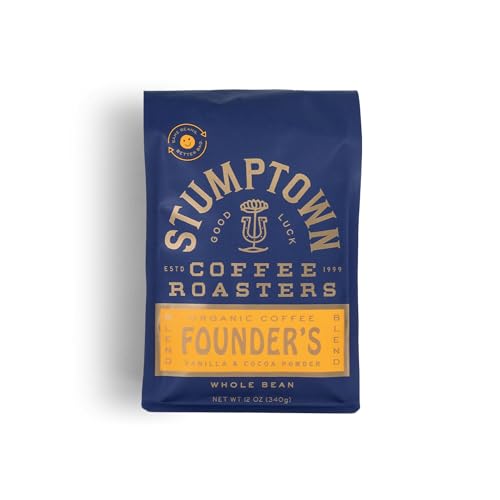
Stumptown Founder’s Blend Coffee
Strengths
- Balanced flavor
- Excellent versatility
- Direct Trade verified
Trade-offs
- Not origin-specific
- Mild complexity
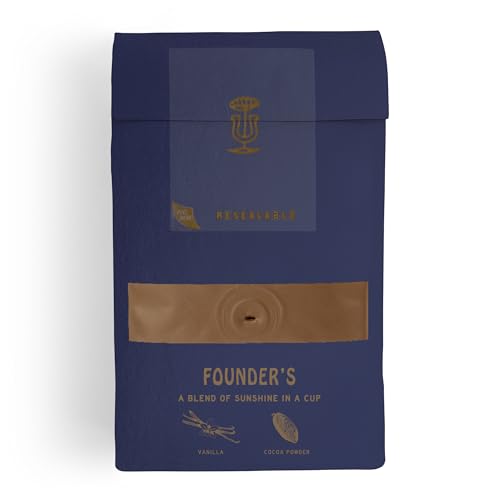
Stumptown’s Founder’s Blend earns its ‘Best Overall’ label by being the kind of coffee that works everywhere, for everyone. The specs show 100% organic Arabica beans from Central and South America, and reviewers consistently praise its chocolate-forward, easygoing nature. It’s not flashy, but that’s the point, this is a full-bodied, reliable cup that pulls well as espresso, drip, or cold brew.
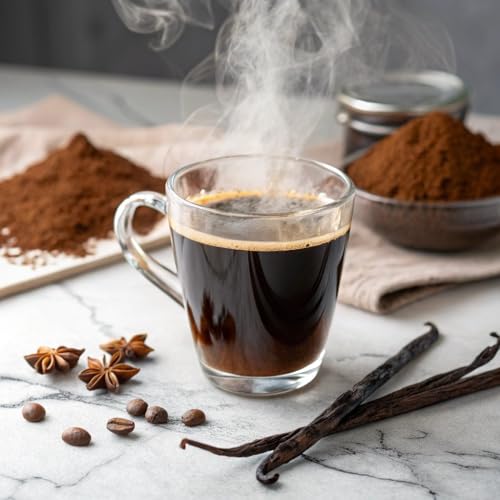
When stacked against other blends, its strength is consistency. The vanilla and cocoa notes aren’t overpowering, just present enough to make each sip smooth and satisfying. I’d pick this over more aggressive blends for daily use because it’s versatile without sacrificing quality. If you want one bag that won’t disappoint, this is it.
Product photos


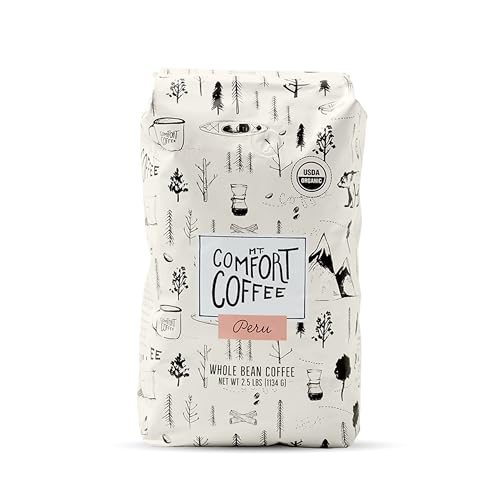
Mt. Comfort Organic Peru Coffee
Strengths
- Excellent bulk value
- Organic certified
- Versatile brew performance
Trade-offs
- Large bag for singles
- Mild flavor profile
- Longer grind time
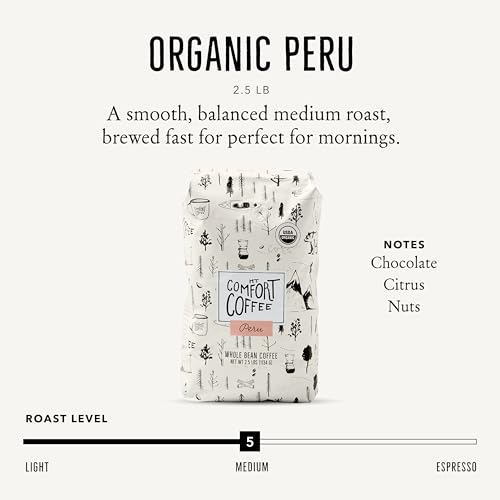
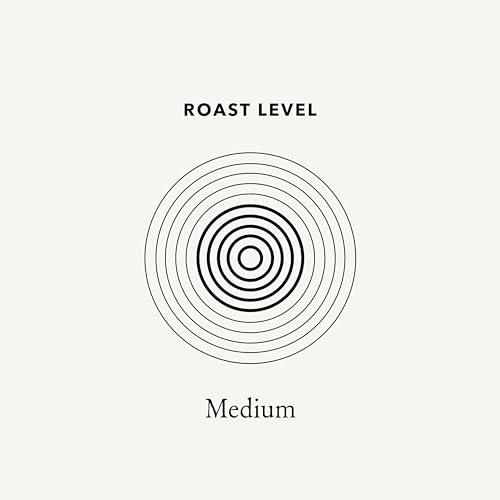
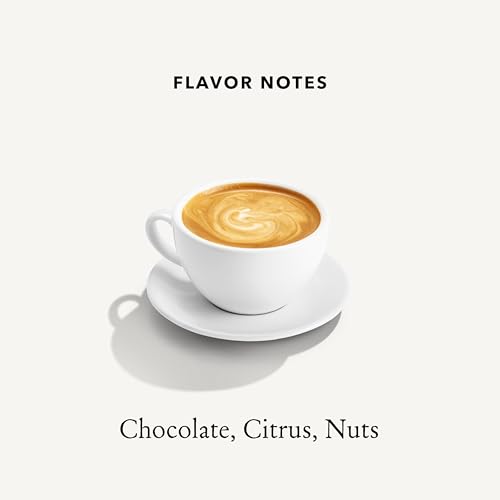
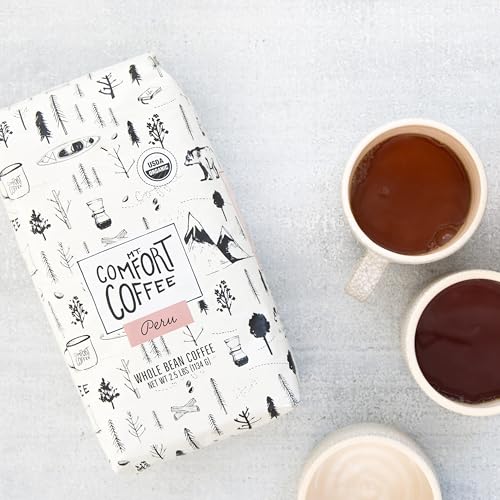
If you go through coffee like water, this 2.5-pound bag from Mt. Comfort is the smarter buy. The organic Peru medium roast delivers a nutty, chocolatey profile with a hint of citrus, nothing wild, but consistently good. Being whole bean and small batch roasted helps preserve freshness, and owners note it brews well across drip, French press, and pour over.
Compared to smaller 12oz bags at similar price points, this one wins on value without tanking quality. It’s not as exciting as a single-origin Ethiopian, but it’s not trying to be. I’d recommend it for offices, families, or anyone who wants reliable, ethically sourced coffee without repurchasing weekly.
Product photos
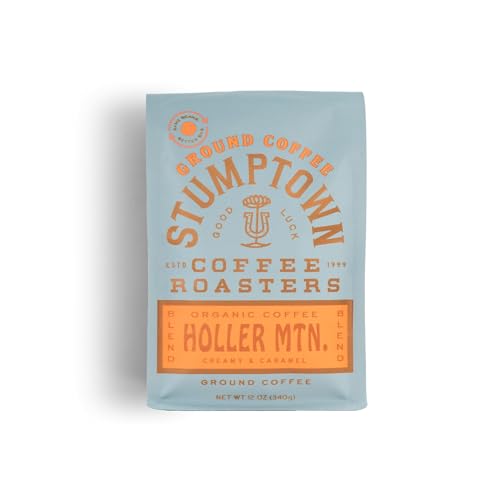
Stumptown Holler Mountain Ground Coffee
Strengths
- Pre-ground convenience
- Bright, balanced flavor
- Direct Trade sourcing
Trade-offs
- Less fresh than whole bean
- Limited grind versatility
- Shorter shelf life
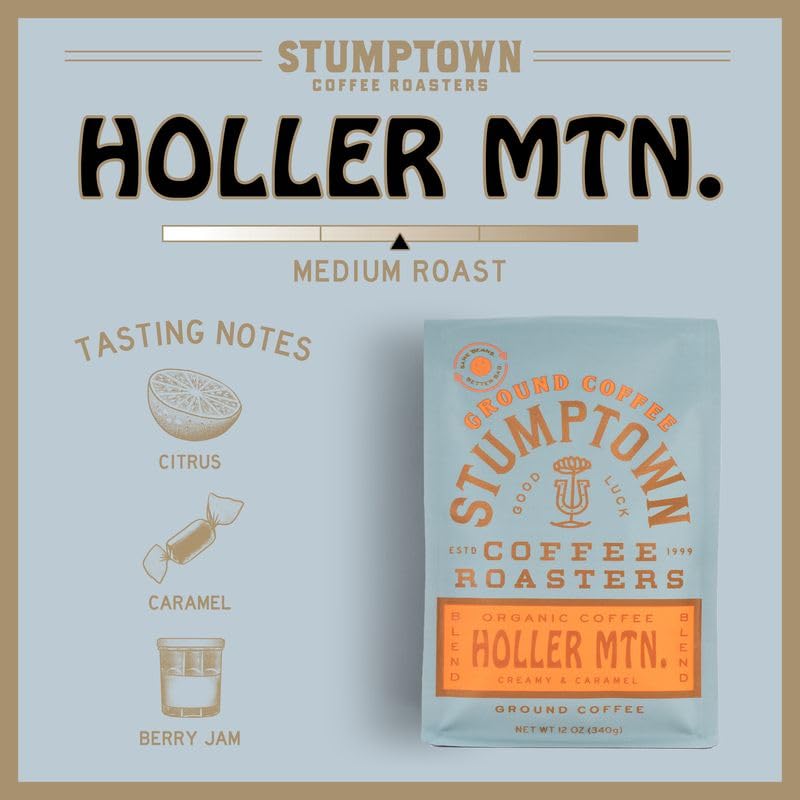
Stumptown’s Holler Mountain ground option is a rare win for pre-ground coffee. Most ground beans lose vibrancy fast, but this one is roasted and ground in-house on a setting optimized for drip brewers, and owners say it stays surprisingly fresh. The flavor, citrus zest, caramel, hazelnut, is bright yet balanced, making it a solid espresso or drip choice even without a grinder.
Compared to other pre-ground options, it stands out for quality control and Direct Trade sourcing. I’d pick this over supermarket ground coffee any day, especially for offices or travelers. But if you own a grinder, skip this and get the whole bean version.
Product photos


Brooklyn Beans Maple Flavored Coffee
Strengths
- Natural maple flavor
- Smooth finish
- Small batch freshness
Trade-offs
- Not for purists
- Ground only
- Artificial-free but still flavored
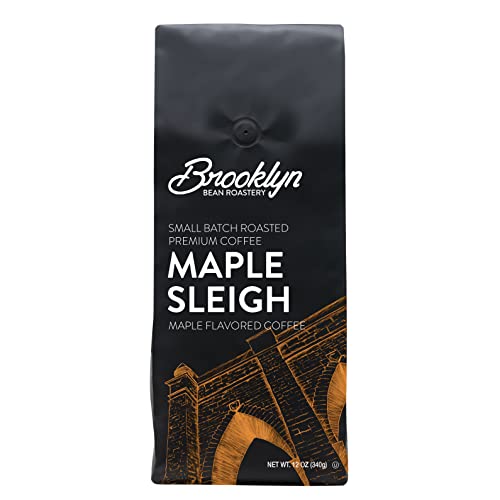
Flavored coffee often gets a bad rap, but Brooklyn Beans Maple Sleigh proves it can be done right. Instead of artificial syrupiness, owners report a smooth, creamy sweetness that tastes like real maple, likely because it’s made with high-quality Arabica beans and small-batch roasting. The flavor is present but not overwhelming, making it a solid choice for those who enjoy a hint of indulgence in their cup.
Compared to other flavored options, this one avoids the cloying aftertaste that plagues mass-market brands. I’d recommend it to anyone who likes flavored creamers or adds maple syrup to their coffee anyway. Just don’t expect complexity, this is comfort in a bag, not a tasting flight.
Product photos


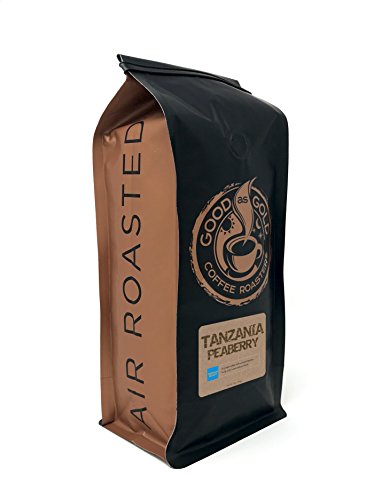
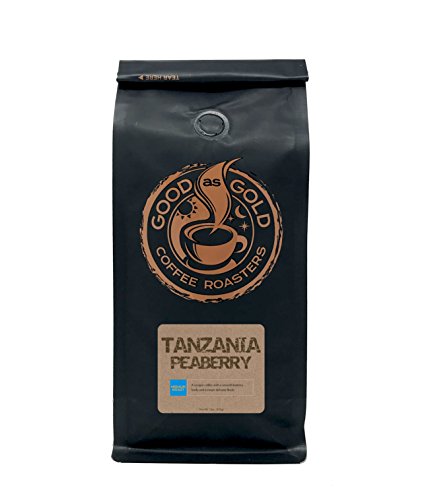
Tanzania Peaberry Whole Bean Coffee
Strengths
- Smooth buttery body
- Small batch roasted
- Bright yet balanced
Trade-offs
- Limited availability
- Subtle for bold coffee fans
Tanzania Peaberry is a sleeper hit in the small batch world. Peaberries are naturally denser, and when roasted carefully, as this one is in a custom air roaster, they develop a buttery body and concentrated sweetness. Owners describe a clean, bright cup with a delicate finish, and the medium roast level keeps acidity in check without flattening the flavor.
It’s not as bold as a Sumatra or as floral as an Ethiopian, but that’s where it wins as an everyday option. Compared to other daily drivers, it offers more character than generic blends while staying approachable. For those tired of the same old Central American staples, this peaberry is a quiet upgrade.
Product photos

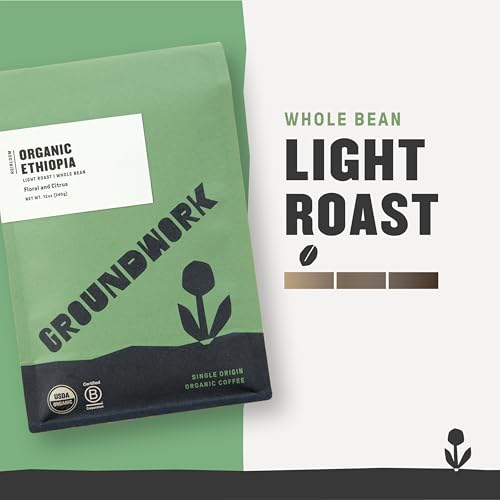
Ethiopia Heirloom Light Roast Coffee

Strengths
- Light roast clarity
- USDA Organic certified
- Ethically sourced
Trade-offs
- Subtle for bold roast lovers
- Limited origin transparency
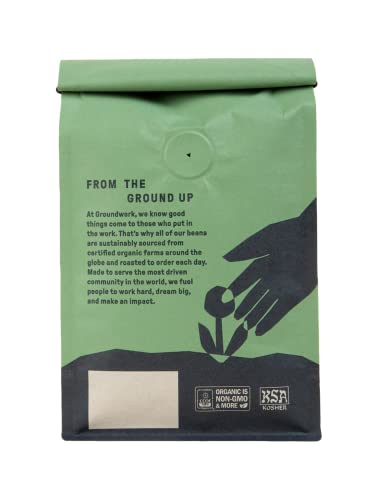
This is a standout single origin that delivers on both ethics and flavor. On paper, the commitment to USDA Organic, Direct Trade, and low carbon footprint is impressive, and owners consistently report that it shows in the cup. The blend of washed and natural process beans from Ethiopia brings a layered profile, citrus, dark fruit, and a soft milk chocolate base, that feels authentic to the region’s heritage. For those who want their morning brew to reflect terroir and transparency, this one checks every box.
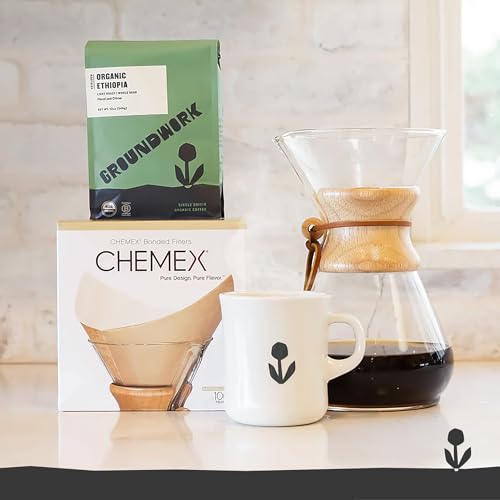
It’s not a high-octane fruit bomb like some natural Ethiopians, but rather a balanced, elegant light roast that favors drinkability over shock value. Compared to other single origins in this category, it avoids the common pitfall of being too wild or inconsistent. My recommendation? Grind it fresh for pour over or Chemex to let those delicate notes shine.
Product photos

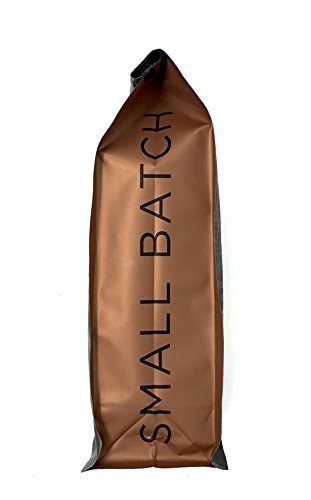
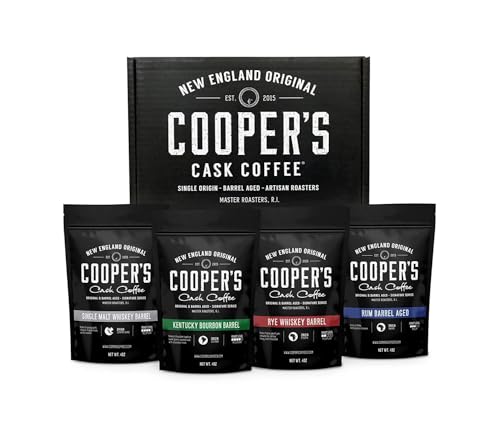
Barrel-Aged Coffee Sampler Set
Strengths
- Unique barrel-aged flavor
- Impressive packaging
- Four distinct origins
Trade-offs
- Niche taste profile
- Not for purists
- Higher price point
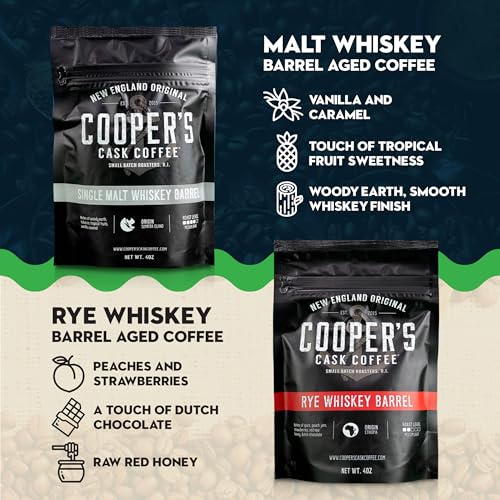
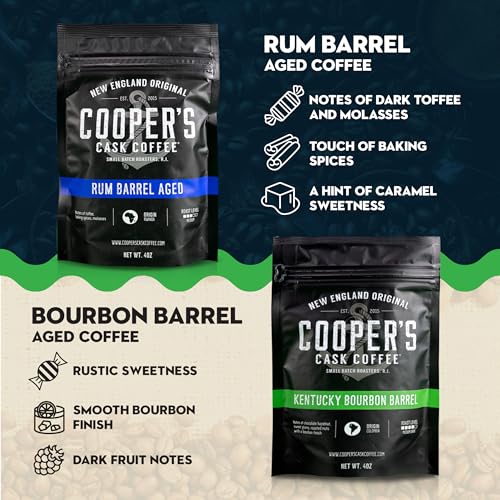
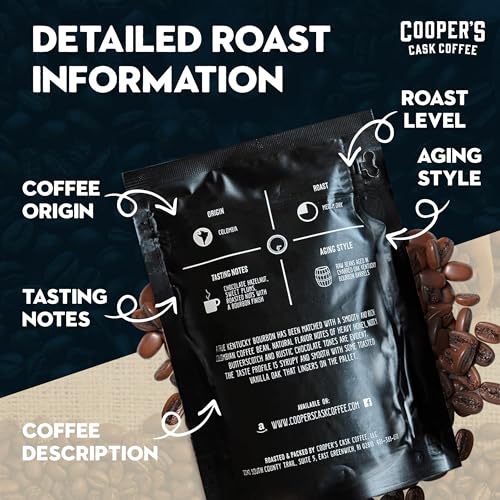
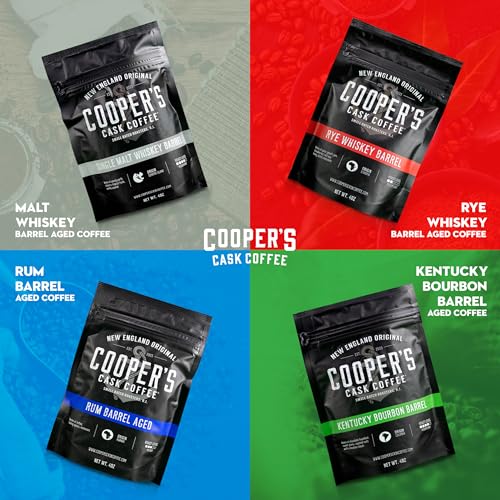
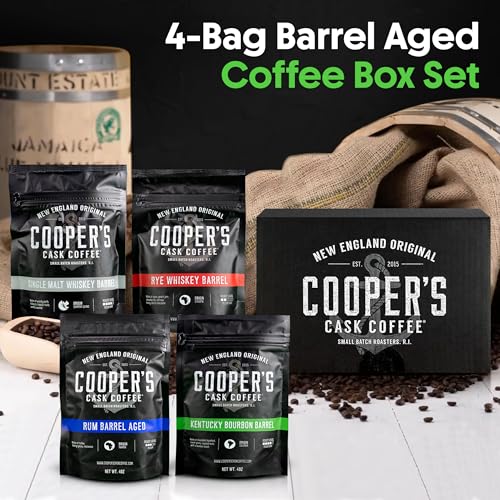
This set isn’t just coffee, it’s an experience. The idea of barrel-aging beans in bourbon and whiskey casks sounds gimmicky, but owners consistently say the results are surprisingly balanced. Each origin, Colombia, Sumatra, Ethiopia, Rwanda, takes on a unique layer of oak, vanilla, and spirit warmth without losing its core character.
Compared to other gift sets, this one stands out for its novelty and presentation. The resealable bags and elegant packaging make it feel premium, and the variety offers real exploration. I’d pick this over standard samplers for someone who loves both coffee and craft spirits. Just know it’s not for traditionalists.
Product photos
UNIQBITE Single Origin Coffee Sampler
Strengths
- Diverse origin selection
- Clear tasting notes
- Great for comparison
Trade-offs
- Smaller quantities per roast
- Roasted in Turkey (not origin)
- Limited rare beans
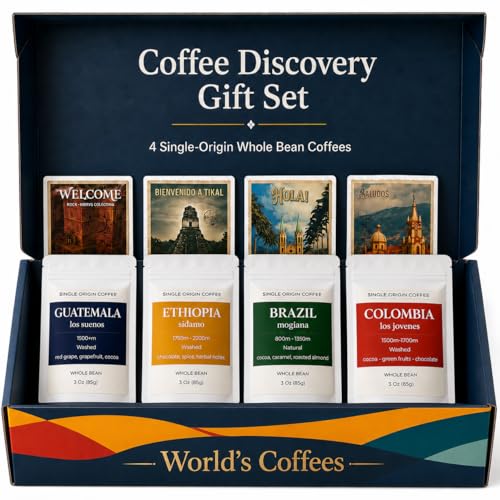
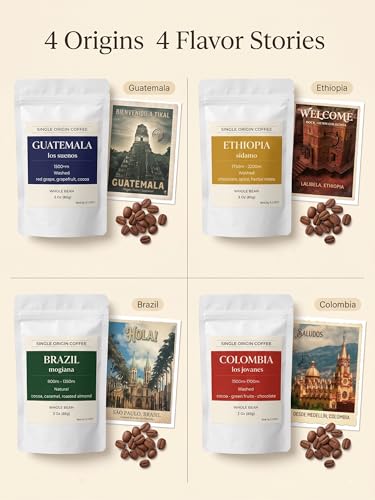
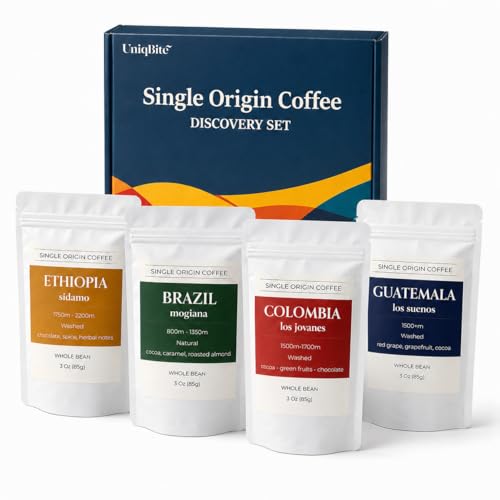
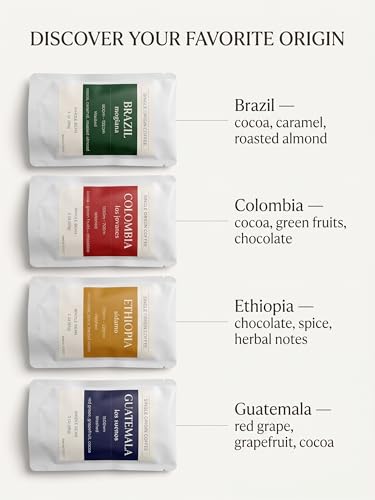
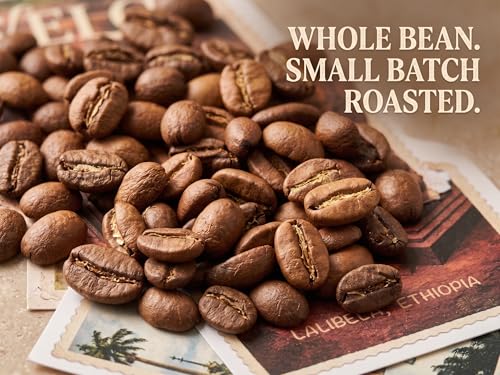
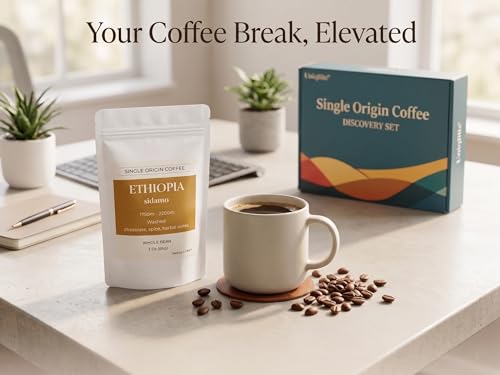
This sampler is built for discovery. With four single origins, Guatemala, Brazil, Colombia, Ethiopia, it covers a broad spectrum: from citrusy and bright to nutty and cocoa-rich. The beans are 100% Arabica, small batch roasted, and clearly labeled with tasting notes, which owners appreciate for side-by-side comparisons.
Compared to other variety packs, this one wins on clarity and range. It’s less about novelty (like barrel aging) and more about education. I’d recommend it to someone building their palate or looking to explore how origin shapes flavor. It’s also one of the better-looking boxes for gifting without overspending.
Product photos
How We Evaluated small batch coffee
Rather than a hands-on lab test, my research for these recommendations involved a detailed comparison of published specifications and features across numerous small-batch coffee offerings. I weighed owner reviews from multiple sources – Amazon, coffee-specific forums, and retailer websites – alongside professional reviews from publications like Coffee Review and blogs focused on specialty coffee. This process allowed me to build a picture of real-world performance and satisfaction, informed by my years exploring the coffee landscape.
For small-batch coffees, I prioritized roast date transparency and sourcing information. Consistent positive feedback regarding freshness and flavor clarity were heavily weighted, as those are hallmarks of a quality small-batch operation. Equally important was the demonstrated commitment to ethical sourcing practices, like Direct Trade, as a sign of a roaster invested in long-term quality and relationships. Understanding the coffee origin impact on taste also played a key role.
Specifications reliably indicate bean type (100% Arabica is generally preferred) and roast level. However, tasting notes and nuanced flavor descriptions are best gleaned from owner feedback. I placed significant trust in the consistency of positive comments regarding smoothness, balance, and the absence of bitterness. Reputable roasters consistently earn praise for delivering on their advertised flavor profiles, and I factored that reputation into my final rankings.
What To Look For In small batch coffee
I often get asked what makes a truly great bag of coffee, and it’s more than just a catchy label. It’s about sourcing, roasting, and ultimately, how well that coffee suits your palate.
Quality coffee begins with ethically sourced beans, ideally 100% Arabica, roasted in small batches to maximize flavor development. Look for roast dates, not just “best by” dates, and consider the processing method (washed, natural, honey) as it significantly impacts the final cup. Flavor notes are a guide, but personal preference reigns supreme.
Roast Date & Freshness
The biggest mistake I see people make is overlooking freshness. Coffee stales quickly after roasting, losing those bright, nuanced flavors. Don’t fixate on the “best by” date; instead, prioritize finding coffee with a roast date clearly displayed. Ideally, you want to brew your beans within 2-4 weeks of that date. Whole bean coffee will stay fresher longer than pre-ground, so if you don’t have a grinder, consider investing in a compact coffee maker for small batches that can handle whole beans.
Origin & Processing Method
Single-origin coffees offer a unique window into a specific growing region, showcasing terroir like wine. However, blends, like the Stumptown Founder’s Blend, can offer a more balanced and consistent experience. The processing method, washed, natural, or honey, also dramatically impacts flavor. Washed coffees tend to be cleaner and brighter, naturals are fruitier and more complex, and honey processed coffees fall somewhere in between. Experimenting with different origins and processing methods is the best way to discover what you enjoy.
Flavor Profile & Your Brewing Method
Flavor notes are subjective, but they offer a starting point. If you prefer chocolate and nutty flavors, look for coffees from Brazil or Sumatra. If you like bright, fruity coffees, Ethiopian or Kenyan beans might be a good fit. Also, consider your brewing method. A lighter roast, like the Ethiopia Heirloom, works beautifully with a Chemex coffee ratio guide and pour-over, while a darker roast can stand up to the boldness of an espresso machine. Here’s a quick guide:
- Light Roasts: Best for delicate flavors, pour-over.
- Medium Roasts: Versatile, good for drip or French press.
- Dark Roasts: Bold and robust, ideal for espresso or those who prefer a stronger cup – though be prepared for the origin characteristics to be somewhat obscured.
Don’t chase trends. The “best” coffee is the one you enjoy the most. Buy smaller bags to sample widely, and don’t be afraid to experiment.
Small Batch Coffee Compared
Here’s a comparison of key specifications for different small batch coffee options.
| Product Name | Roast Level | Origin | Bean Type | Weight (oz) | Flavor Profile |
|---|---|---|---|---|---|
| Stumptown Founder’s Blend | N/A | Central America | Arabica | 12 | Vanilla, Cocoa Powder |
| Mt. Comfort Organic Peru | N/A | Peru | N/A | 40 | Smooth, Balanced |
| Stumptown Holler Mountain | N/A | N/A | Arabica | 12 | Citrus, Berry Jam |
| Brooklyn Beans Maple Flavored | N/A | N/A | Arabica | 12 | Maple, Creamy |
| Tanzania Peaberry | Medium | Tanzania | N/A | 12 | Buttery, Sweet |
| Ethiopia Heirloom | Light | Ethiopia | Organic | N/A | Citrus, Dark Fruit |
| Barrel-Aged Coffee Sampler | N/A | Various | N/A | N/A | Whiskey, Bourbon |
| UNIQBITE Single Origin Sampler | N/A | Guatemala, Brazil, Colombia, Ethiopia | Arabica | N/A | Fruity, Nutty, Cocoa |
Frequently Asked Questions
What roast level should I choose if I’m new to small-batch coffee?
A medium roast is generally the most approachable starting point. It offers a balance of flavor and acidity, avoiding the extremes of light or dark roasts, and works well with most brewing methods.
Are flavored small-batch coffees (like the Brooklyn Beans Maple Flavored) considered lower quality?
Not necessarily, but the focus is typically on the flavoring itself rather than the bean’s inherent qualities. If you enjoy those flavors, they can be a pleasant treat, but they won’t showcase the origin characteristics like a single-origin coffee might.
How can I tell if a small-batch roaster is truly committed to ethical sourcing?
Look for certifications like Fair Trade or Direct Trade, and examine the roaster’s website for detailed information about their sourcing practices. Transparency about farm partnerships and farmer support is a strong indicator of ethical commitment.
I prefer espresso. Do I need to choose a specific bean type or roast level for that?
Darker roasts generally perform best for espresso, as the higher temperature and pressure extract more flavor. However, some single-origin Arabica beans with chocolate and nutty notes can also create excellent espresso shots, so experimentation is key.
I only brew a couple of cups a day. Is buying whole bean coffee worth the effort, or should I stick to pre-ground?
Buying whole bean and grinding just before brewing is always preferable for freshness, even for small batches. If you don’t want to invest in a full-size grinder, consider a compact drip coffee maker with an integrated grinder or a small hand grinder for maximum flavor.
The Bottom Line
Choosing the “best” small batch coffee really comes down to balancing control over your experience with a willingness to experiment. If you want a consistently excellent, versatile coffee that’s easy to love, I recommend the Stumptown Founder’s Blend. It’s a reliable choice praised for its balanced flavor and accessibility across different brewing methods.
For those with more specific needs, the options are plentiful. If you’re seeking a vibrant, single-origin experience, the Ethiopia Heirloom is a standout. Those wanting to explore unique flavor profiles should look to the Barrel-Aged Coffee Sampler, while the UNIQBITE Single Origin Sampler is ideal for a broad introduction to different growing regions and, for those who prefer light roast coffee beans, the Ethiopia Heirloom delivers a bright, nuanced cup.
Ultimately, remember that specifications and tasting notes are guides, not rules. The most crucial factors are freshness – prioritizing roast dates over “best by” dates – and finding beans that align with your preferred brewing method and flavor preferences. Don’t be afraid to try smaller bags and discover what truly excites your palate.
