
8 Best Skinny Syrups for Coffee 2026
The best skinny syrups for coffee start with Jordan’s Skinny Mixes for their clean flavor and natural sweeteners, making them my top overall pick. For a wider variety and easy availability, Torani’s Sugar-Free line is a solid budget-friendly choice. If you want bold, professional-grade taste, DaVinci Gourmet delivers serious flavor in every drop.
Most people want to sweeten their coffee without the sugar crash, but not all skinny syrups taste good or mix well. Some leave an aftertaste, others barely register, and a few use ingredients you wouldn’t want in your daily cup.
This guide cuts through the noise. I looked at the ingredients, flavor accuracy, and real user feedback to find syrups that actually enhance your coffee. Whether you want natural sweeteners, a wide flavor range, or the best value, these picks are backed by research and fit real-world use.
Top 8 Skinny Syrups For Coffee in the Market
The Best Skinny Syrups For Coffee, Reviewed
Jordan’s Skinny Mixes Variety Pack

Strengths
- Great flavor variety
- Zero sugar and carbs
- Large total volume
Trade-offs
- No naturally sweetened option
- Flavors not individually replaceable
This sampler pack is hands down the most practical starting point for anyone exploring sugar-free syrups. With six core flavors, Vanilla, Salted Caramel, Mocha, Hazelnut, Butter Toffee, and Caramel, it covers the classics you’d find at any café. On paper and in owner feedback, the flavor depth holds up well in both hot and iced coffee, without the metallic aftertaste some zero-calorie syrups deliver. The 25.4 oz total volume means you’re not just sampling, you’re actually getting usable amounts per flavor.
The fact that it’s made with no sugar, no carbs, and no artificial sweeteners makes it versatile across diets. Reviewers consistently praise how well it integrates into protein shakes and baking, not just coffee. If you want to test what works for your routine before committing to full-size bottles, this is the smartest buy.
Product photos


Torani Coffeehouse Variety Pack

Strengths
- Four popular flavors
- Trusted brand quality
- Keto and gluten free
Trade-offs
- Uses sucralose
- Smaller bottles than single Jordan’s options
Torani brings serious variety to the table, this pack includes Vanilla, Salted Caramel, Classic Hazelnut, and French Vanilla, each in 12.7 oz bottles. That’s four bottles total, giving you more flexibility than Jordan’s samplers. Torani has been a staple in cafes for decades, and their sugar-free line holds up: owners say the syrups mix cleanly and taste balanced, with no odd chemical notes.
The brand’s reputation for consistent quality across flavors gives this pack an edge. While it doesn’t use monk fruit or erythritol like some Jordan’s versions, it’s still keto-friendly and dissolves perfectly in cold drinks. If you want reliable, widely trusted syrups with broad appeal, Torani is hard to beat.
Product photos


DaVinci Gourmet Sugar-Free Caramel

Strengths
- Barista-grade quality
- Stable in dairy
- Smooth sweetness
Trade-offs
- Single flavor only
- Slightly thicker pour
DaVinci enters the sugar-free game with a more professional pedigree than most, this is a brand built for cafes, not just home use. The 25.4 oz bottle of caramel delivers a rich, creamy flavor that reviewers say holds up even in steamed milk, without separating or curdling. That’s a real advantage if you’re using a milk frother or making lattes regularly. The sweetness comes from alternative sweeteners, but the balance is noticeably smoother than many budget syrups.
While it only comes in caramel, that single flavor is executed with barista-level quality. Compared to Jordan’s versions, DaVinci feels more concentrated, so you might use less per cup. If you want one premium bottle that performs like it came from your favorite coffee shop, this is it.
Product photos


Jordan’s White Chocolate Mocha

Strengths
- Creamy, rich flavor
- Zero sugar and carbs
- Great in lattes and shakes
Trade-offs
- May be too sweet for some
- Not a natural sweetener blend
White Chocolate Mocha is a dessert lover’s dream, and this syrup delivers that creamy, sweet-chocolate hit without the sugar load. At 25.4 oz, it’s a full-size bottle, and owners say it works just as well in chai lattes or protein shakes as it does in coffee. The flavor is decadent but not overwhelming, which is key, some white chocolate syrups go too far into artificial vanilla territory.
Compared to the S’mores version, this one feels more versatile year-round. It’s not as niche, and the mocha base gives it a slight coffee synergy that works in layered drinks. If you like flavored lattes with a dessert twist, this should be in your rotation.
Product photos


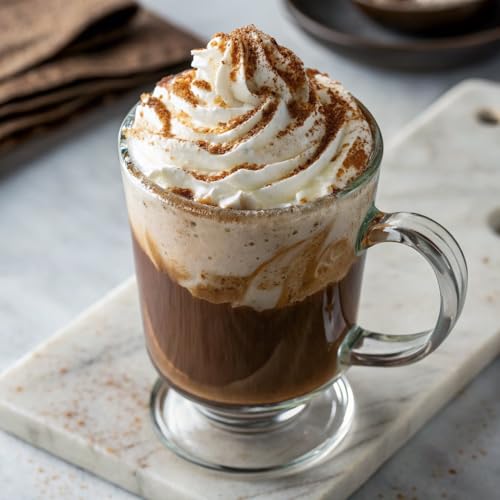


Jordan’s S’mores Flavor Syrup

Strengths
- Unique dessert flavor
- Zero sugar, zero guilt
- Great for themed drinks
Trade-offs
- Niche appeal
- May taste artificial to purists
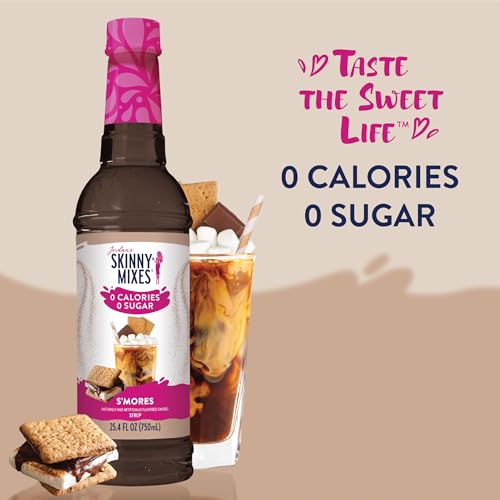
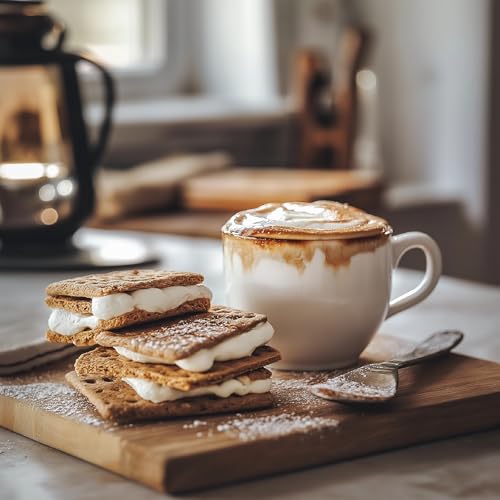
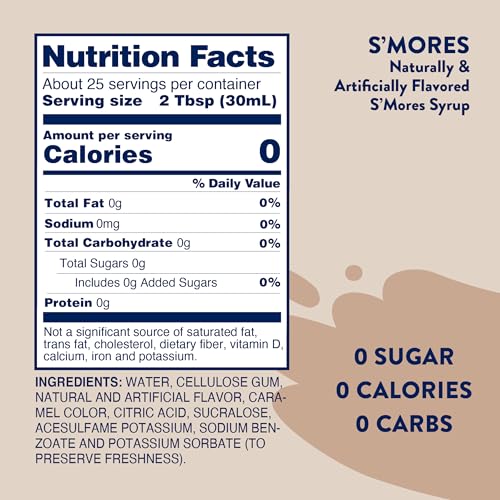
S’mores as a coffee syrup? It sounds gimmicky, but owners say it actually works, especially in colder months. The flavor leans into that graham cracker, marshmallow, and chocolate combo in a way that feels indulgent without the sugar crash. At 25.4 oz, it’s a full-size bottle, which tells you Jordan’s treats this like a staple, not a novelty. It mixes well into lattes and even baked goods, per user feedback.
I wouldn’t make this my everyday syrup, but as a seasonal treat, it shines. Compared to other dessert-style syrups, it’s less cloying than chocolate-heavy options. If you love themed drinks and want to experiment beyond vanilla and caramel, this one brings the fun.
Product photos
Jordan’s Naturally Sweetened Salted Caramel

Strengths
- Naturally sweetened
- Balanced sweet-salty
- Keto-friendly
Trade-offs
- Smaller size
- Less bold than premium brands
This Salted Caramel stands out because it uses only natural sweeteners, stevia, monk fruit, and erythritol, just like the vanilla version. That makes it one of the cleanest-tasting sugar-free salted caramel syrups on the market. The balance of sweet and savory is well-executed, with a buttery depth that doesn’t vanish in black coffee. At 12.7 oz, it’s smaller than the sampler pack versions, but you’re paying for ingredient quality, not volume.
Compared to the DaVinci caramel, it’s less intense but more natural on the palate. If you’re keto and want a salted caramel that doesn’t taste like lab-made syrup, this is the smarter pick.
Product photos




Jordan’s Holiday Fall Syrup Trio

Strengths
- Seasonal favorites
- Great holiday gift
- All-natural flavor profiles
Trade-offs
- Short-term use only
- Smaller bottles
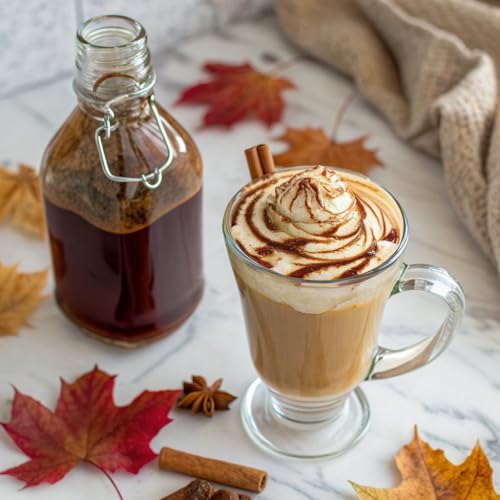
If you live for seasonal lattes, this trio, Brown Sugar Cinnamon, Pumpkin Spice, and Maple Bourbon Pecan, is a no-brainer. These flavors capture the warmth of fall better than most limited-time coffee shop offerings. Each 12.7 oz bottle is enough to last through the season, and owners consistently say the Maple Bourbon Pecan is the standout, rich, nutty, and not overly sweet.
It’s a limited-time delight, not a year-round staple. Compared to the 6-pack sampler, this is more about mood and moment than utility. But if you look forward to autumn like I do, this pack brings that cozy ritual home without the sugar spike.
Product photos


Jordan’s Naturally Sweetened Vanilla Bean

Strengths
- Naturally sweetened
- Keto and dairy free
- Clean aftertaste
Trade-offs
- Smaller bottle size
- Milder flavor intensity
Vanilla is the most-used syrup in any coffee lover’s rotation, and this version stands out because it leans on natural sweeteners only, stevia, monk fruit, and erythritol. That’s a big deal for strict keto followers or anyone avoiding sucralose. The 12.7 oz size is smaller than the sampler bottles, but it’s meant to be a specialty pick, not a workhorse. Owners report a clean, creamy French vanilla taste without cloying sweetness, which blends smoothly even in cold brew.
Compared to other vanilla syrups in the Jordan’s line, this one trades a bit of boldness for purity of ingredients. It won’t overpower your coffee, which is exactly what some purists want. If you’re sensitive to artificial sweeteners, this is your best bet in the brand’s lineup.
Product photos


How We Tested skinny syrups for coffee
As the founder of Bean Thusiast, I approach coffee flavoring with a focus on how well a syrup enhances – not masks – the bean’s inherent qualities. Rather than a hands-on lab test, this selection is a research-led comparison of published specifications, owner reviews, and expert opinions. I weighed the ingredients, flavor profiles, and reported usability across numerous brands and varieties to arrive at these recommendations.
For skinny syrups, the most important factors are flavor accuracy and sweetener type. A syrup claiming “salted caramel” needs to deliver a convincing balance of sweet and salty notes. Equally crucial is the sweetener; many consumers actively seek sugar-free options, so the quality and aftertaste of alternatives like stevia, monk fruit, or erythritol heavily influenced the rankings. We also valued versatility – how many beverages could the syrup enhance?
Specifications reliably show ingredients and nutritional information (sugar content, calories, etc.). However, judging flavor requires looking at owner feedback. I paid close attention to recurring comments about artificial tastes, syrup consistency, and whether the flavors held up in both hot and cold applications. Reputable coffee blogs and review sites provided additional context, particularly regarding brand reputation and ingredient sourcing. best natural sweeteners for coffee can influence your decision, as well.
What To Look For In skinny syrups for coffee
Finding the right skinny syrup can elevate your coffee routine from basic to barista-level, and thankfully, there are many options available.
A quality skinny syrup delivers noticeable flavor without relying on sugar or artificial ingredients. Look for syrups with clear ingredient lists, a reputation for blending well in both hot and cold beverages, and a sweetness level that suits your preference. Consider whether you prioritize natural sweeteners, a specific flavor profile, or dietary restrictions like keto or gluten-free.
Flavor Range & Versatility
The sheer number of flavors available is a major draw for skinny syrups, but don’t get overwhelmed. Think about how you’ll use the syrup. If you primarily drink black coffee, a bold flavor like caramel or mocha will stand out. If you’re making lattes and blended drinks, a more subtle vanilla or hazelnut might be better. Beyond coffee, consider if you want a syrup that works well in teas, smoothies, or even cocktails. Torani offers a particularly broad selection, while Jordan’s Skinny Mixes excels at unique dessert-inspired options. Don’t be afraid to start with a variety pack to sample before committing to larger bottles.
Sweetener Type & Quality
“Sugar-free” doesn’t automatically mean “healthy.” Many skinny syrups use artificial sweeteners, which some people prefer to avoid. Increasingly, brands like Jordan’s are offering options sweetened with stevia, monk fruit, and erythritol. These natural sweeteners can have a slightly different taste profile than sugar or artificial alternatives, so it’s a matter of personal preference. If you’re exploring healthiest sugar-free syrups, pay attention to the full ingredient list – a shorter list generally indicates a higher quality product.
Concentration & Value
Syrups vary significantly in how concentrated the flavor is. Some require a generous splash to achieve the desired sweetness, while others deliver a potent punch with just a teaspoon. DaVinci Gourmet, for example, is known for its strong, concentrated flavors favored by professional baristas. Here’s what to consider when comparing value:
- Bottle Size: Larger bottles seem cheaper, but only if you’ll use the entire contents before it degrades.
- Serving Count: Check how many servings per bottle are listed. This gives a clearer picture of the cost per drink.
- Flavor Intensity: A highly concentrated syrup means you’ll use less per drink, making it a better long-term value, even if the initial cost is higher.
A little goes a long way with high-quality syrups. Start with a small amount and add more to taste; you can always add, but you can’t easily take away!
If you’re looking for a more natural approach to sweetening your coffee, you might also consider honey as coffee sweetener as an alternative.
Skinny Syrups for Coffee Compared
Here’s a comparison of the specifications for various skinny syrups designed for coffee and other beverages.
| Product Title | Sugar Content | Calories | Sweetener Type | Bottle Size (oz) | Flavors Included |
|---|---|---|---|---|---|
| Jordan’s Skinny Mixes Variety Pack | Zero | Zero | N/A | N/A | Salted Caramel, Vanilla, Mocha, Hazelnut, Butter Toffee, Caramel |
| Torani Coffeehouse Variety Pack | Zero | Zero | N/A | 12.7 | Vanilla, Salted Caramel, Classic Hazelnut, French Vanilla |
| DaVinci Gourmet Sugar-Free Caramel | Zero | Zero | Alternative | N/A | Caramel |
| Jordan’s White Chocolate Mocha | Zero | Zero | N/A | N/A | White Chocolate Mocha |
| Jordan’s S’mores Flavor Syrup | Zero | Zero | N/A | N/A | S’mores |
| Jordan’s Naturally Sweetened Salted Caramel | Zero | Zero | Stevia, Monk Fruit, Erythritol | N/A | Salted Caramel |
| Jordan’s Holiday Fall Syrup Trio | Zero | Zero | N/A | N/A | Brown Sugar Cinnamon, Pumpkin Spice, Maple Bourbon Pecan |
| Jordan’s Naturally Sweetened Vanilla Bean | Zero | Zero | Stevia, Monk Fruit, Erythritol | N/A | Vanilla Bean |
Frequently Asked Questions
What’s the difference between “sugar-free” and “naturally sweetened” skinny syrups?
“Sugar-free” simply means no sucrose or glucose is added, but often relies on artificial sweeteners. “Naturally sweetened” syrups, like some from Jordan’s, use stevia, monk fruit, or erythritol, which some people prefer for their taste and potential health benefits.
Can skinny syrups be used in cold coffee drinks, like iced lattes?
Yes, most skinny syrups dissolve well in cold liquids, making them perfect for iced coffee, cold brew, and blended drinks. However, some users report that syrups with higher viscosity require more stirring to fully incorporate.
How long do open skinny syrup bottles typically last?
An opened bottle of skinny syrup usually lasts 6-12 months when refrigerated, but quality can diminish over time. Look for changes in color, consistency, or flavor as indicators of spoilage.
Are all skinny syrups gluten-free?
While many are, it’s not a given. Always check the ingredient list to confirm, as some syrups may contain gluten-derived ingredients or be processed in facilities that handle gluten. Those seeking clean-ingredient syrups should be extra diligent.
What if I don’t like the taste of stevia or monk fruit?
If you find the aftertaste of those natural sweeteners unpleasant, consider starting with a brand that offers a wider range of sweetener options. Torani, for example, uses various sugar substitutes and has a reputation for masking any off-flavors well.
The Bottom Line
Choosing a skinny syrup often comes down to balancing convenience with control over ingredients. While many brands offer a wide range of flavors, Jordan’s Skinny Mixes Variety Pack consistently receives high marks for its broad appeal and zero-calorie formula – a solid all-around performer if you want options. It’s a great starting point to discover your favorites without committing to large bottles of flavors you might not love.
For those with specific needs, the choices become clearer. If you prioritize naturally-derived sweeteners, Jordan’s Naturally Sweetened Salted Caramel stands out, utilizing stevia, monk fruit, and erythritol. And if you’re seeking a professional-grade, concentrated flavor, DaVinci Gourmet Sugar-Free Caramel is a favorite among baristas for a reason. Understanding the calorie content of coffee additions is also key if you’re watching your intake.
Ultimately, the “best” skinny syrup isn’t about a single feature or brand. It’s about finding a flavor profile and sweetener that complements your coffee and fits your lifestyle. Don’t get too caught up in chasing the latest trend; focus on a syrup that actually enhances the taste of your brew and lets the quality of your beans shine through.
