
6 Best Single Source Coffees of 2026
After comparing the field and weighing origin transparency, flavor accuracy, and ethical sourcing, the best overall single source coffee is Fresh Roasted Organic Guatemala Coffee. For a budget-friendly option, Amazon Fresh Organic Peru Coffee delivers solid quality, while Peet’s Single Origin Brazil Coffee offers a more accessible, everyday sip.
Most coffee drinkers don’t realize how much the origin, roast, and processing method shape what’s in their cup. A truly great single source coffee should tell you exactly where it came from and deliver on its promised flavor profile, without sacrificing ethics.
In this guide, I break down what matters most when choosing a single origin coffee, based on specs, owner feedback, and my experience with sourcing and flavor evaluation. These picks reflect a balance of quality, transparency, and value from roasters who take traceability seriously.
Top 6 Single Source Coffee in the Market
The Best Single Source Coffee, Reviewed
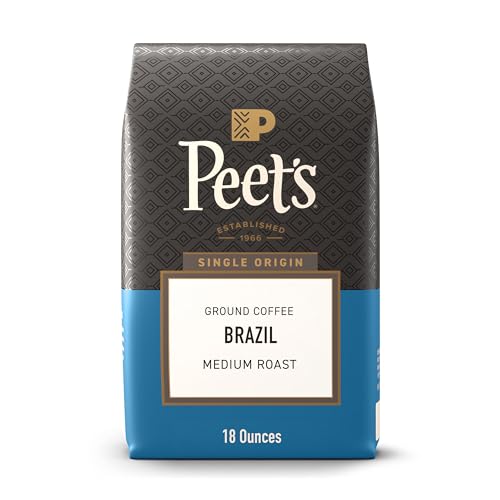
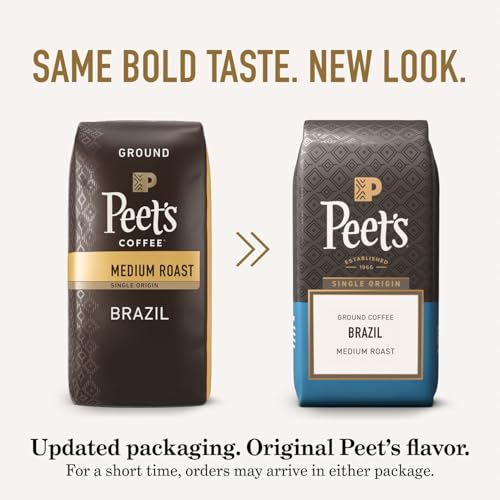
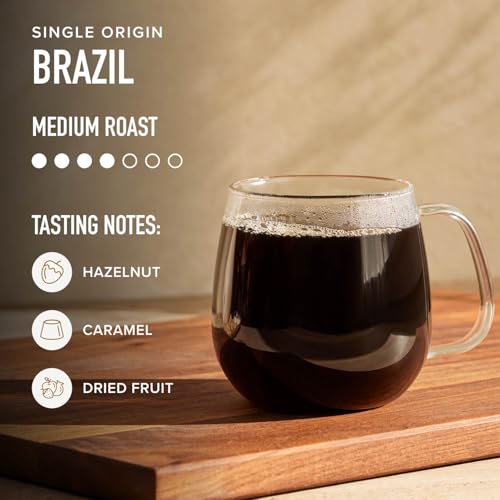
Peet’s Single Origin Brazil Coffee
Strengths
- Hazelnut and dried fruit notes
- Full, balanced body
- Larger 18 oz bag
Trade-offs
- Not organic
- Pre-ground limits use
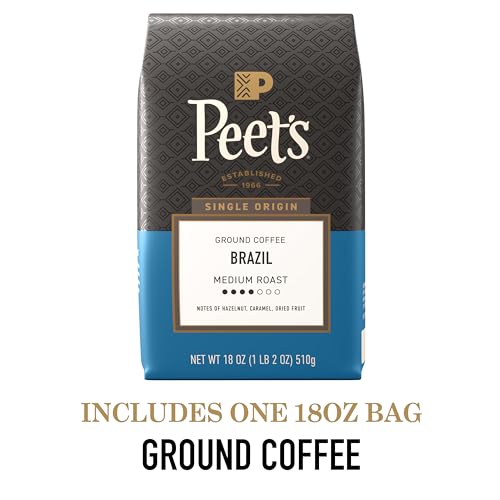
This Brazil medium roast is, in my opinion, the most complete package here. It’s labeled as the ‘Best Overall’ for good reason, ripe fruit and hazelnut notes come through with clarity, the body is smooth but substantial, and the 18-ounce bag gives better value than most. Peet’s long reputation for quality roasting shows: the beans are carefully sourced from Minas Gerais, a region known for consistent sweetness, and the medium roast enhances rather than masks the origin character.
Owners find it versatile, excellent in drip and Chemex, though the pre-ground version limits options for espresso or French press enthusiasts who prefer fresh grinding. Compared to the Amazon Fresh Peru or the Nicaragua, this one has more nuance and depth, and unlike the Starbucks Sumatra, it doesn’t rely on roast darkness for impact. It’s not certified organic, which might deter some, but the sourcing ethics and taste profile make it a strong daily driver.
Product photos
Starbucks Sumatra Dark Roast Coffee
Strengths
- Rich, full-bodied
- Earthy herbal notes
- Works across brew methods
Trade-offs
- Overpowering for some
- Less origin clarity
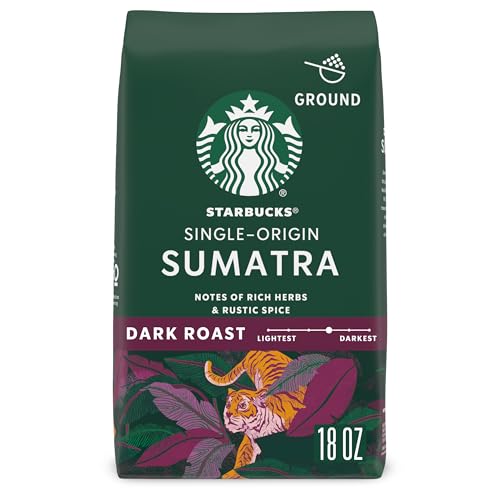
When you want a true dark roast with presence, the Sumatra delivers. It’s bold, earthy, and unmistakably rustic, think deep herbal notes and a slightly wild, almost musky character that fans of traditional Sumatran profiles will recognize immediately. Starbucks markets it as café-quality, and on that front, it’s consistent. The 100% Arabica beans are ethically sourced, and the grind works well in drip, French press, or moka pot without turning ashy or flat.
That said, it’s not subtle. Compared to the cleaner, brighter single origins here, this one dominates the palate. Some owners report it can taste a bit one-dimensional if over-extracted, and the roast style doesn’t highlight origin nuance as much as modern micro-roasts do. But if you like your coffee strong, full-bodied, and with that signature Sumatra punch, this is one of the most accessible options available.
Video review
Amazon Fresh Organic Peru Coffee
Strengths
- Organic and Fair Trade
- 3-pack value
- Smooth, clean finish
Trade-offs
- Mild flavor profile
- Less aromatic
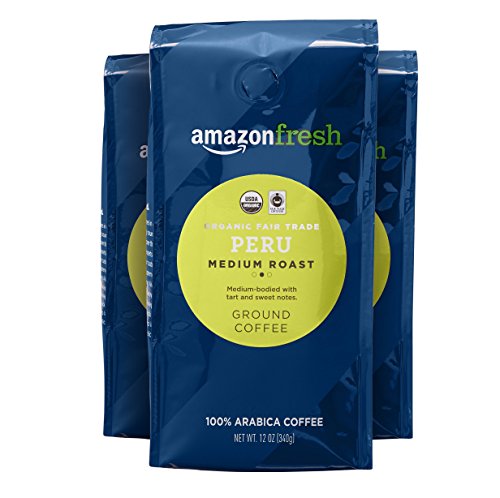
For budget-minded buyers who still want certified quality, this 3-pack of Peru ground coffee is a smart play. You get nine pounds of coffee over three 12-ounce bags, all USDA Organic and Fair Trade Certified, rare at this price point. The roast is fragrant and smooth, with a clean finish that suggests careful processing. It’s not the most expressive Peru I’ve seen, but owners report it brews evenly and tastes consistently clean, making it ideal for offices or households that go through coffee fast.
Compared to the single-bag competitors, the value is obvious. But it doesn’t have the standout flavor notes of the Nicaragua or the body of the Brazil. It’s a background player, competent, ethical, and affordable, but not one to savor slowly. If you’re stocking up for daily use and want peace of mind on sourcing, it’s hard to beat.
Video review
Lifeboost Medium Roast Ground Coffee

Strengths
- Low acid
- Third-party tested
- Organic certified
Trade-offs
- Mild flavor
- Smaller bag size
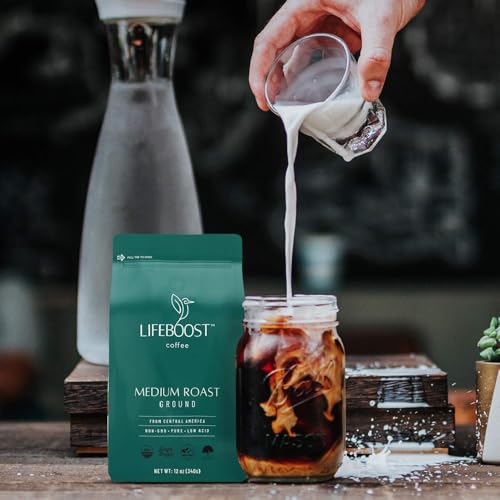
Lifeboost markets heavily to the health-conscious, and for good reason, its low-acid, third-party tested profile makes it a standout for sensitive stomachs. The beans are USDA Organic, shade-grown in Central America, and tested for 400+ toxins, which gives it serious credibility in the wellness-focused coffee space. Flavor-wise, it’s a gentle medium roast, smooth, mildly sweet, with a balanced body and just enough brightness to avoid being flat.
It doesn’t have the complexity of a high-elevation Guatemalan or the depth of a Brazilian, but owners consistently praise how easy it is to drink daily without acid reflux or jitters. Compared to Fresh Roasted Coffee, it’s similar in purity focus but leans more into low-acid comfort than flavor adventure. The 12-ounce bag is on the smaller side, but the grind is consistent and works well in drip and pour over setups.
Product photos



Amazon Fresh Nicaragua Ground Coffee
Strengths
- Chocolate-forward flavor
- Smooth finish
- Budget-friendly
Trade-offs
- No organic certification
- Limited origin transparency
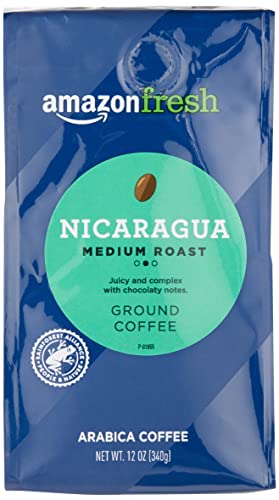
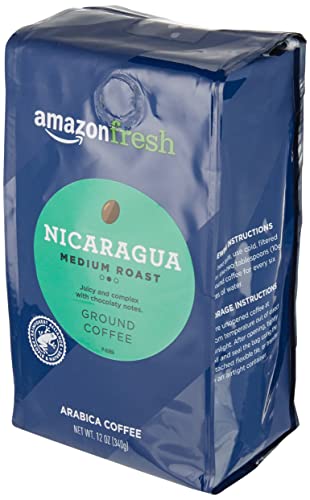
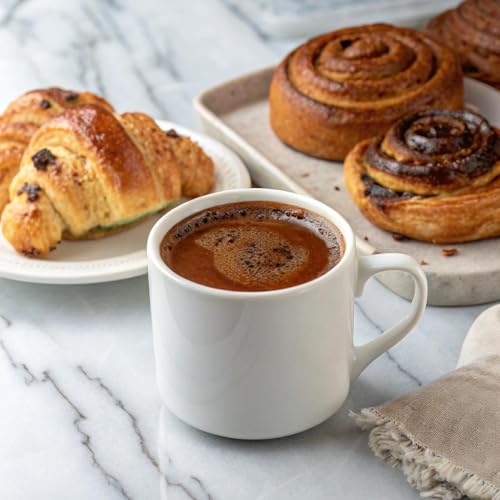
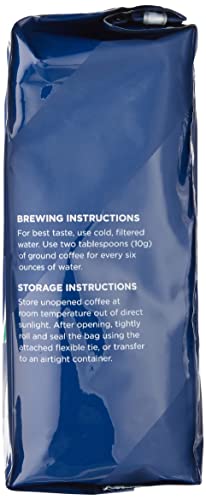
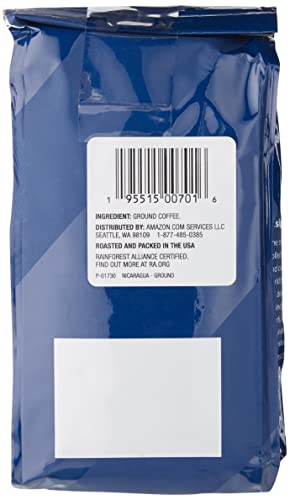
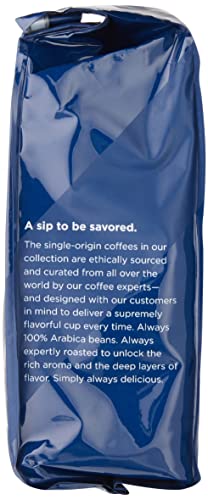
If you love chocolatey depth in a medium-light roast, this Nicaragua single-origin from Amazon Fresh is quietly excellent. For an in-house brand, it punches above its weight, 100% Arabica beans from Nicaragua deliver a subtly complex cup with a round, cocoa-like sweetness that lingers without bitterness. It’s not flashy, but owners note it brews smoothly across methods, from drip to pour over, with a consistency that makes it a reliable weekday workhorse.
Compared to the bolder Sumatra or the more delicate Lifeboost, this one sits in the middle, more character than a basic grocery roast, but less intensity than a third-wave specialty pick. It doesn’t have certifications like Organic or Fair Trade, which keeps the price down but may matter to some. Still, for what it is, the balance and drinkability are hard to beat at this level.
Product photos
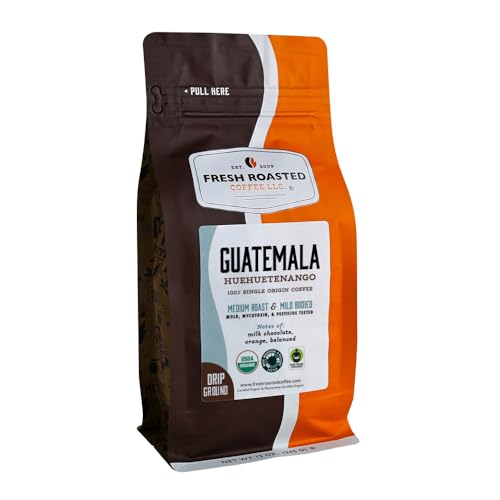
Fresh Roasted Organic Guatemala Coffee
Strengths
- Clean tested
- Balanced citrus-chocolate profile
- Sustainably roasted
Trade-offs
- Mild body
- Not for dark roast lovers
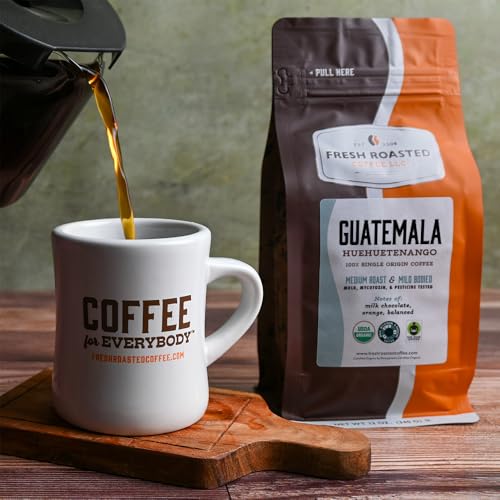
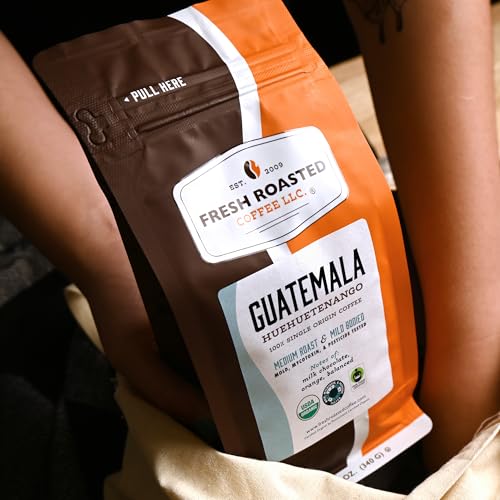
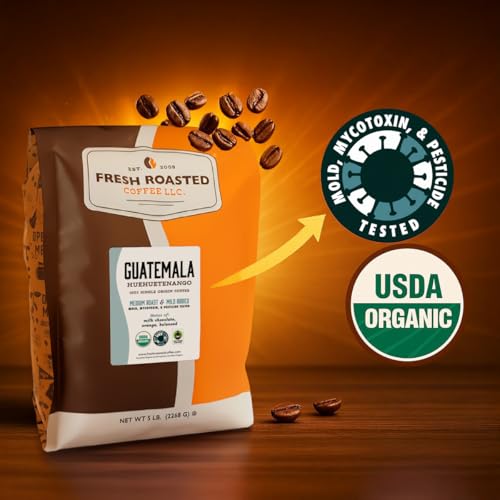
This Guatemalan single-origin stands out in a crowded field because of how seriously it takes purity. On paper, the specs are impressive, USDA Organic, Fair Trade Certified, and third-party tested for mold, mycotoxins, and pesticides. That kind of transparency is still rare, and for buyers sensitive to contaminants or with digestive concerns, that rigor makes a real difference. The Bourbon and Caturra varietals, grown above 1,650 meters, deliver a clean, balanced cup with citrus brightness and milk chocolate notes that don’t get overshadowed by processing flaws.
Owners consistently report it’s smooth and easy on the stomach, which lines up with the clean test results. The nitrogen-flushed, resealable bag helps preserve freshness, and the fact that it’s roasted on Loring SmartRoasters shows a commitment to both flavor and sustainability. Compared to other medium roasts in this list, it’s less about boldness and more about clarity and trust in what you’re drinking.
Product photos

How We Picked These single source coffee
Rather than a hands-on lab test, my research for these recommendations involved a detailed comparison of published specifications and features across numerous single origin coffees. I weighed owner reviews from major retailers alongside expert opinions found in coffee publications and blogs. As the founder of Bean Thusiast, I applied my years of experience with coffee sourcing and flavor profiles to rank these options based on what truly matters to the discerning coffee drinker.
For single source coffees, I placed the greatest emphasis on origin transparency and flavor description accuracy. Knowing precisely where the beans come from, and verifying that the stated flavor notes align with common tasting experiences for that region, is crucial. I also heavily considered third-party certifications like Fair Trade and USDA Organic, as these indicate a commitment to ethical sourcing and quality. single origin coffee definition is a good starting point for understanding why origin matters.
Specifications reliably indicate roast level and processing method (washed, natural, etc.). However, I judged nuanced qualities like body and complexity primarily from owner feedback. Reputable sources often highlighted consistent positive or negative experiences, helping me assess how well a coffee delivers on its promises. Brand reputation also played a role; established roasters generally maintain higher quality control.
How To Choose The single source coffee
As someone who’s spent years chasing the perfect cup, I know that single-source coffee offers a level of nuance and character you simply don’t get with blends. But finding the right single source for you requires a little bit of understanding.
A truly excellent single-origin coffee boasts clear traceability, showcasing distinct flavor profiles tied to its specific growing region. Key indicators include detailed sourcing information (farm, cooperative, or estate), recent roast dates, and a description of the coffee’s processing method (washed, natural, honey). Buyers should also consider altitude, varietal, and roast level when making a selection.
Understanding Roast Level
The roast level dramatically alters the final flavor. A lighter roast, like you’ll find in some of the best single-region coffee beans, will highlight the coffee’s origin characteristics – floral aromas, bright acidity, and delicate flavors. Darker roasts, on the other hand, minimize those origin nuances, emphasizing body and developing flavors of chocolate or spice. I often recommend starting with a medium roast to get a balanced experience, then experimenting from there. Don’t be afraid to try different roasts with the same origin to see how it changes the profile.
Sourcing and Certification
Beyond the flavor, it’s crucial to think about where your coffee comes from and how it’s produced. Look for coffees with clear information about the farm or cooperative. Transparency is a good sign. Many coffee lovers prioritize ethically sourced beans, and for good reason. Consider certifications like Fair Trade and USDA Organic. Speaking of organic, if you’re looking for more options, check out my guide to the best organic single-origin coffee.
Here’s what to look for in ethical sourcing:
- Direct Trade relationships (often highlighted by smaller roasters).
- Fair Trade certification (a baseline for fair pricing and worker conditions).
- Detailed farm/cooperative information (showing a commitment to traceability).
A coffee’s story is just as important as its flavor. A well-sourced bean shows respect for the farmers, the land, and the entire coffee-making process.
Processing Method & Flavor Impact
The way coffee cherries are processed after harvest profoundly impacts the final cup. Washed coffees tend to be cleaner and brighter, showcasing the bean’s inherent flavors. Natural processed coffees (where the cherries are dried with the bean inside) often exhibit more fruity and funky notes. Honey processed coffees fall somewhere in between, offering a balance of sweetness and clarity. If you enjoy a more traditional profile, you might gravitate towards Colombian single origin coffee, which is often washed. Understanding the processing method is a great way to predict the flavor profile and find coffees you’ll truly enjoy.
Single Source Coffee Compared
Here’s a comparison of key specifications for these single source coffees.
| Product Name | Roast Level | Origin | Size (oz) | Certification | Flavor Notes |
|---|---|---|---|---|---|
| Peet’s Single Origin Brazil Coffee | Medium | Brazil | 18 | N/A | Dried fruit, hazelnut |
| Starbucks Sumatra Dark Roast Coffee | Dark | Sumatra | 18 | N/A | Herbs, rustic spice |
| Amazon Fresh Organic Peru Coffee | Medium | Peru | 36 (3×12) | Fair Trade, USDA Organic | Smooth finish |
| Lifeboost Medium Roast Ground Coffee | Medium | Central America | N/A | USDA Organic | N/A |
| Amazon Fresh Nicaragua Ground Coffee | Medium-Light | Nicaragua | 12 | N/A | Chocolatey |
| Fresh Roasted Organic Guatemala Coffee | Medium | Guatemala | N/A | Fair Trade, USDA Organic | Citrusy, milk chocolate |
Frequently Asked Questions
What roast level best showcases a single-origin coffee’s unique flavors?
A lighter roast is generally best, as it allows the inherent characteristics of the bean, floral aromas, bright acidity, to shine through without being masked by darker roast flavors. However, personal preference is key; experimenting with different roasts of the same origin is a great way to explore.
Are Fair Trade and USDA Organic certifications always reliable indicators of quality?
While not direct measures of taste, these certifications signal a commitment to ethical sourcing and sustainable farming practices. They’re a good starting point, but also consider detailed farm information and roast dates for a more complete assessment.
How does the processing method impact the final flavor profile?
Washed coffees typically offer a cleaner, brighter cup, while natural processed coffees tend to be fruitier and more complex. Honey processed coffees provide a balance between the two, offering sweetness and clarity; understanding this helps predict your enjoyment.
Can single-origin coffee be used in espresso machines, or are they better suited for drip brewing?
Many single-origin coffees work beautifully in espresso, but you may need to adjust your grind size and tamping pressure. Those seeking convenience may also want to check out the best single-serve coffee pods for quick espresso-style brews.
How important is the roast date on a bag of single-origin coffee?
The roast date is incredibly important; coffee begins to stale soon after roasting. I recommend looking for beans roasted within the last two weeks for optimal freshness and flavor, as this ensures you’re experiencing the coffee at its peak.
The Bottom Line
Choosing a single-source coffee often comes down to a trade-off between control over your brewing experience and the convenience of a pre-ground option. For those who value the ability to dial in their grind and maximize flavor, I recommend Fresh Roasted Organic Guatemala Coffee; its consistently positive reviews suggest a reliable, flavorful experience.
If you’re on a budget or prefer the ease of bulk buying, Amazon Fresh Organic Peru Coffee delivers a certified organic and Fair Trade option at a very competitive price. For those prioritizing a darker, bolder experience, Starbucks Sumatra Dark Roast Coffee stands out for its distinctive herbaceous and spicy notes.
Ultimately, the best single-source coffee isn’t about hitting a specific roast level or origin. It’s about understanding your own palate and seeking out coffees that prioritize transparency, ethical sourcing, and accurate flavor descriptions – qualities that will lead you to a truly rewarding cup. You can learn more about single origin coffee differences to help refine your search.
