
2 Best Organic Single Origin Coffees of 2026
Java Planet Guatemalan is our top pick for the best organic single origin coffee, delivering consistent flavor and strong ethical credentials. For a budget-friendly option, Lifeboost Medium Roast stands out with its low acidity and rigorous safety testing. Both are backed by solid certifications and positive owner feedback.
Finding great organic single origin coffee means balancing flavor, ethics, and how it feels in your stomach. Too many options either lack transparency or promise smoothness but deliver bitterness.
After researching the field and drawing on years of exploring roasteries and sourcing practices, I focused on beans with clear origin stories, legitimate certifications, and feedback that confirms smoothness and flavor clarity. This guide cuts through the noise to highlight coffees that earn their reputation.
Top 2 Organic Single Origin Coffee in the Market
The Best Organic Single Origin Coffee, Reviewed
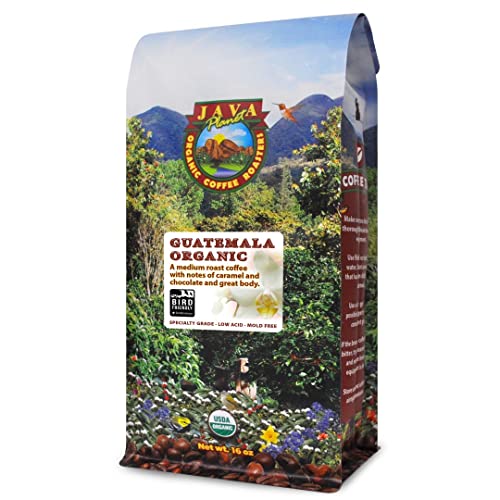
Java Planet Guatemalan Low Acid Coffee
Strengths
- Rich flavor profile
- Bird Friendly certified
- Whole bean freshness
Trade-offs
- Not pre-ground
- Slightly pricier
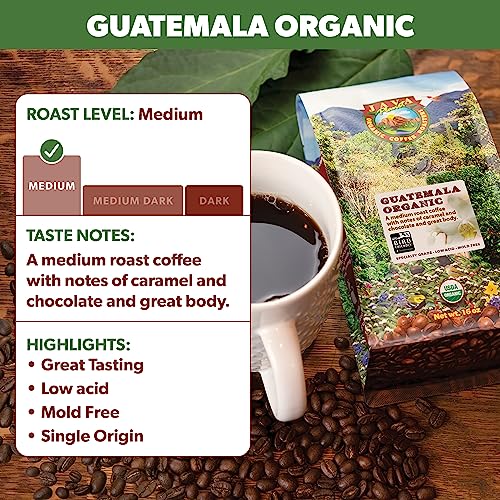
Java Planet’s Guatemalan single origin stands out in the low-acid space not just for comfort, but for flavor depth. The beans come from Huehuetenango, a region known for high-altitude, shade-grown arabica, and that terroir shows in the cup, owners describe distinct notes of caramel, chocolate, and a hint of fruit, all preserved by a careful medium roast. Unlike some low-acid coffees that taste watered down, this one retains richness without irritation.
What seals the deal is the Smithsonian Bird Friendly certification, a rare, rigorous standard that goes beyond basic organic labeling. Paired with independent testing for mold and heavy metals, it’s a trust signal that resonates with health-conscious and environmentally aware buyers. I’d pick this over Lifeboost if you want more complexity in the cup and don’t mind grinding your own beans.
Product photos



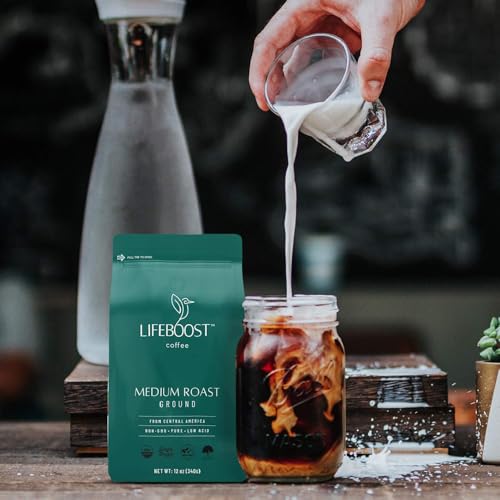
Lifeboost Medium Roast Low Acid Coffee

Strengths
- Low acid
- Third-party tested
- USDA organic
Trade-offs
- Mild flavor
- Pre-ground only
For anyone prone to acid reflux or stomach sensitivity, Lifeboost’s low acid profile isn’t just marketing, it’s the core of their identity. On paper, the specs back it up: USDA organic, third-party tested for mycotoxins and pesticides, and grown at high elevation in Central America under bird-friendly conditions. That combination of cleanliness and ethical sourcing stands out, especially for buyers who prioritize purity as much as flavor.
Owners consistently report smoothness and zero gastric discomfort, which aligns with the brand’s focus on low acidity. The medium roast is balanced, with subtle sweetness and a clean finish, though some reviewers note it leans mild compared to bolder single origins. If you’re after a gentle, worry-free cup that doesn’t sacrifice organic integrity, this one delivers on its promises.
Product photos



How We Picked These organic single origin coffee
As the founder of Bean Thusiast, I approached researching organic single origin coffees by comparing published specifications – roast levels, altitude grown, processing methods – alongside extensive owner and expert reviews. Rather than a hands-on lab test, this is a research-led comparison focused on identifying consistent themes in feedback and matching those to qualities I know matter in a great cup. My goal was to pinpoint coffees delivering both quality and the benefits of organic, single-origin sourcing.
For this category, I weighted factors like acidity levels and sourcing transparency most heavily. Many seek organic coffee specifically for health reasons, so low acidity is key. Equally important is knowing where your coffee comes from; understanding the coffee from one region allows you to appreciate the nuances and support sustainable farming practices.
Specifications reliably indicate roast level and processing method, impacting flavor profiles. However, judging the experience – smoothness, flavor clarity, potential stomach upset – required careful review of owner feedback. Reputation matters too; brands consistently praised for quality and ethical sourcing earned higher rankings. I looked for certifications like Smithsonian Bird Friendly as indicators of responsible practices.
How To Choose The organic single origin coffee
As someone who’s dedicated years to understanding the nuances of coffee, I know finding the right single-origin bean can be transformative. It’s not just about a caffeine boost; it’s about experiencing a unique story in every cup.
A truly excellent organic single-origin coffee showcases distinct flavor profiles tied to its specific terroir. Look for beans that are specialty grade Arabica, clearly labeled with origin details (region, farm if possible), and roasted to highlight those inherent characteristics. Transparency in sourcing and testing for contaminants are also crucial indicators of quality.
Understanding Origin & Flavor
The origin of your coffee dramatically influences its taste. Guatemalan coffees, like the premium single-origin picks often boast chocolate and caramel notes, while Ethiopian Yirgacheffe is known for its floral and citrusy brightness. Don’t shy away from exploring different regions; that’s where the real fun begins. Consider what you generally enjoy – fruit-forward, nutty, or chocolatey – and then seek out origins known for those profiles. It’s a journey of discovery, and your palate is the best guide.
Low Acidity & Your Stomach
Low-acid coffee isn’t just a marketing buzzword. For those with sensitive stomachs, acid reflux, or other digestive issues, it can make a huge difference. However, “low acid” isn’t a regulated term. Look for coffees grown at higher altitudes, generally, higher elevation = lower acidity, and those roasted to a medium level. Over-roasting can increase acidity, surprisingly.
Here’s what I suggest when prioritizing stomach comfort: * Look for Shade-Grown: Shade-grown beans develop more slowly, resulting in lower acidity. * Consider Processing Methods: Washed coffees tend to be brighter and more acidic than natural or honey processed coffees. * Roast Date Matters: Fresher coffee generally has a smoother, less acidic profile. Avoid beans without a clear roast date.
Certifications & Ethical Sourcing
Organic certification is a good starting point, but it’s not the whole story. Seek out coffees with additional certifications like Smithsonian Bird Friendly (as seen with Java Planet) which demonstrates commitment to habitat preservation. Beyond that, look for evidence of fair labor practices and direct trade relationships. The more information a roaster provides about their sourcing, the more confident you can be in the product’s ethical standing. You can also learn more about Arabica bean origins to understand the broader context of where your coffee comes from and the challenges faced by farmers.
A coffee’s story shouldn’t end with its flavor. Prioritize roasters who are transparent about their sourcing practices and actively support the communities where their beans are grown.
Organic Single Origin Coffee Compared
Here’s a spec-by-spec comparison of the organic single origin coffees featured in this guide.
| Product | Origin | Roast | Acid Level | Certification | Form |
|---|---|---|---|---|---|
| Java Planet Guatemalan | Guatemala | Medium | Low | Smithsonian Bird Friendly, Organic | Whole Bean |
| Lifeboost Medium Roast | Central America | Medium | Low | USDA Organic, 3rd Party Tested | Ground |
Frequently Asked Questions
What roast level is best for highlighting a single-origin coffee’s unique flavors?
A medium roast generally showcases the most nuanced flavors of a single-origin bean. Lighter roasts can emphasize acidity, while darker roasts tend to mask the origin characteristics with the roast flavor itself.
Can organic coffee really have fewer health drawbacks, like causing acid reflux?
Yes, organic single-origin coffees grown at higher altitudes often have lower acidity, which can be easier on the stomach. Plus, choosing best certified organic coffee minimizes exposure to synthetic pesticides and fertilizers.
How can I be sure a coffee company is truly committed to ethical sourcing?
Look beyond just “organic” certification and seek out companies with direct trade relationships or certifications like Smithsonian Bird Friendly. Transparency about farm partnerships and fair labor practices, as highlighted by top organic coffee brands, is a strong indicator.
What’s the difference between washed, natural, and honey processed coffee, and how does it affect the taste?
Washed coffees are typically cleaner and brighter, while natural processed coffees are fruitier and more complex. Honey processed coffees fall somewhere in between, offering a balance of sweetness and acidity, all impacting the flavor profile of your USDA organic coffee guide.
Is ground coffee as good as whole bean, especially for single-origin varieties?
Whole bean coffee is always preferable for optimal freshness and flavor. However, if you lack a grinder, choosing a reputable brand that grinds to order and packages immediately is the next best option, particularly when exploring the organic coffee health benefits.
The Bottom Line
Choosing an organic single-origin coffee often comes down to balancing control over your brew with convenience. While grinding your own beans from a whole bean option like Java Planet Guatemalan gives you the freshest flavor and the most control, pre-ground options like Lifeboost Medium Roast are perfectly suitable for those prioritizing ease of use. Ultimately, the best coffee is the one you’ll enjoy consistently, and that often means finding a balance that fits your lifestyle.
For readers prioritizing ethical sourcing and a truly exceptional cup, I recommend Java Planet Guatemalan. If you’re seeking a convenient, reliably smooth, and certified organic option, Lifeboost Medium Roast is a great choice. And for those new to exploring the world of single-origin coffees, understanding the single origin coffee advantages can help you appreciate the unique qualities of each bean.
Beyond certifications and roast levels, remember that freshness, grind size (if you’re grinding yourself), and water quality are just as crucial. Don’t get lost in the details of acidity scores or processing methods if you’re not enjoying the fundamental aspects of your brewing process. A truly great cup starts with a mindful approach and a willingness to experiment!
