
4 Best Single Serve Coffee Bags of 2026
The best single serve coffee bags deliver rich flavor and real convenience, and after researching the field, the Folgers Classic Decaf stands out as the top pick for its consistent taste and ease of use. For a more sustainable option, the Ayevision Portable Drip Coffee Bags are the best reusable choice, while the Mondo Organic bags offer the cleanest, most vibrant flavor for those willing to pay a bit more.
Most coffee drinkers turn to single-serve bags for speed and simplicity, especially on busy mornings or when traveling. But too many options deliver weak, papery coffee or come wrapped in plastic that won’t break down.
I compared specs and read owner feedback to find bags that actually brew a satisfying cup without wasting time or trashing the planet. These picks balance bean quality, brew performance, and practicality, so you’re not just settling for convenience.
Top 4 Single Serve Coffee Bags in the Market
The Best Single Serve Coffee Bags, Reviewed
Folgers Classic Decaf Single Serve Bags

Strengths
- Affordable
- Easy to use
- Low caffeine
Trade-offs
- Basic flavor
- Not for gourmet seekers
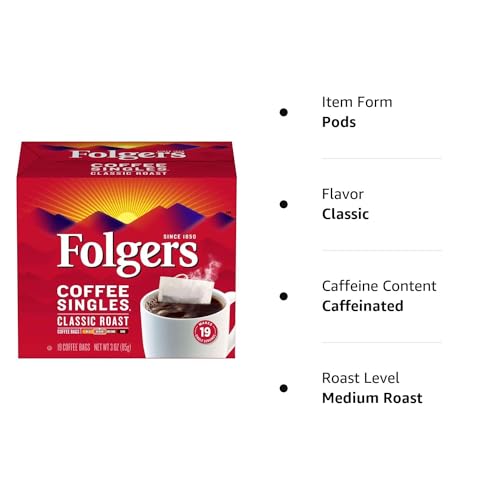
If you’re after a no-fuss decaf that still delivers that familiar, comforting coffee aroma, these Folgers Singles hold up better than most would expect. On paper, 99.7% caffeine free is standard for decaf, but what stands out is how closely it mirrors the flavor profile of the regular roast, owners consistently report it doesn’t taste ‘watered down’ or flat, which is rare in this segment. For a mass-market option, that’s a win.
Still, it’s Folgers, so don’t expect nuanced notes or bright acidity. This is smooth, mild, and built for drinkers who want reliability over complexity. Compared to specialty decaf bags, it lacks depth, but for office drawers or late-night sipping where caffeine is the enemy, it’s a dependable middle ground.
Product photos


Mondo Organic Single Serve Coffee Bags

Strengths
- Organic and fair trade
- Single-origin variety
- Eco-friendly filters
Trade-offs
- Pricier than mainstream
- Shorter shelf life
This is the pick if you actually care about what’s in your cup. Organic, 100% Arabica, small-batch roasted, these aren’t marketing fluff words here, they’re backed by real sourcing details that most single-serve bags ignore. The variety pack gives you four single-origin options across five countries, and owners love the sampler aspect for discovering new profiles without commitment.
Brewing is straightforward, and the biodegradable pouches are a standout in a category full of plastic waste. Reviewers highlight the low acidity and clean finish, especially compared to Folgers or other supermarket brands. It’s also one of the few that explicitly supports cold brew, which adds versatility. At a higher price point, it’s not for everyone, but for those stepping up from instant or pods, this feels like a real upgrade.
Product photos


Folgers Classic Roast 228 Coffee Bags

Strengths
- High quantity
- Long shelf life
- Consistent flavor
Trade-offs
- Generic taste
- Low origin transparency
This massive pack is the go-to if you’re stocking a break room or just hate running out of coffee. With 228 bags across 12 boxes, it’s clearly built for volume, and the individually wrapped pouches do help preserve freshness, reviewers note they still taste clean even months in. The ‘Pure Mountain Grown’ claim sounds lofty, but in practice, it’s the same consistent, crowd-pleasing medium roast Folgers is known for: smooth, mild, and never challenging.
It won’t impress purists, but that’s not the goal. Compared to the decaf version, it has a bit more body and warmth. For offices or households where coffee is a utility, not a ritual, this is the smarter buy. The bulk format also means less frequent reordering, which is a quiet win for busy households.
Product photos



Ayevision Portable Drip Coffee Filter Bags

Strengths
- Chemical-free material
- Great for travel
- Reusable fill option
Trade-offs
- No pre-measured coffee
- Extra step required
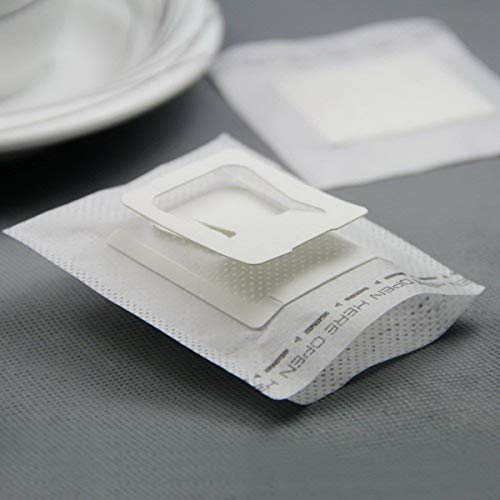
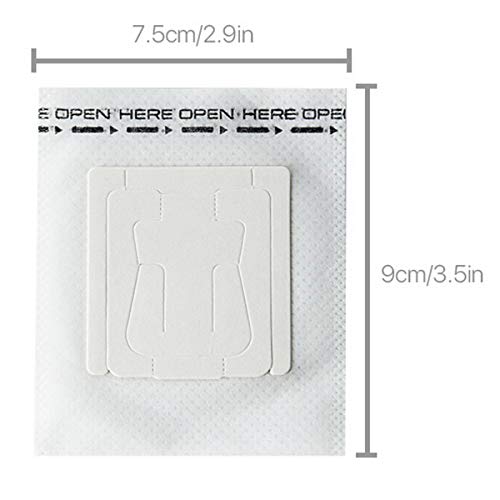
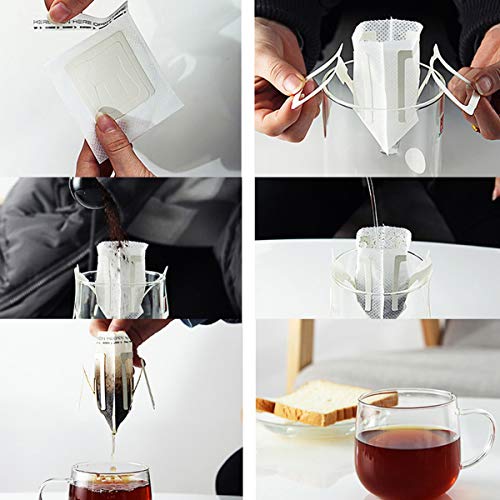
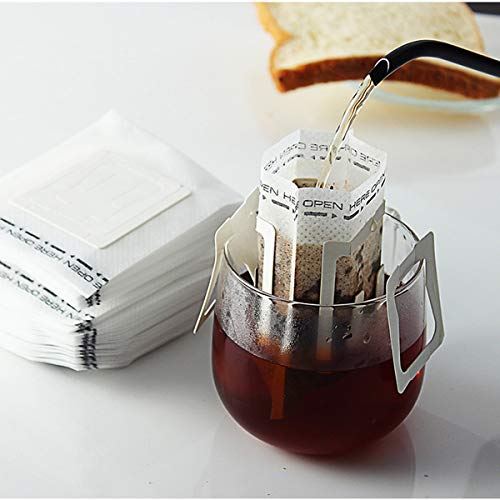
These aren’t pre-filled, and that’s the whole point. If you’re someone who likes control over your beans and grind size, this DIY option is a sleeper hit. The Japanese-made PP and PET material stands out, it’s chemical-free and sturdy enough to hang from a mug without tearing, which reviewers consistently praise after real-world use in camping trips and hotel rooms.
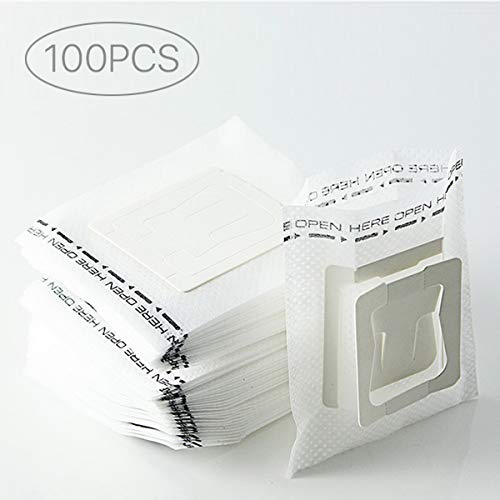
What makes these shine is the flexibility. You can fill them with your favorite medium roast, a dark French blend, or even ground tea. At 100 bags, it’s a high-value starter kit for travelers or minimalists. Compared to pre-filled bags, you’ll trade convenience for customization, but for many, that’s a fair deal.
Product photos
How We Chose These single serve coffee bags
My team and I approached researching single serve coffee bags by first compiling a detailed list of available options and their published specifications. We compared factors like coffee origin, grind size (where specified), bag material, and quantity per package. Then, we moved beyond the basics, carefully reading through hundreds of owner reviews and expert opinions from trusted coffee publications to understand real-world experiences with these products. This research-led comparison, rather than a hands-on lab test, allowed us to build a balanced view.
For this category, the most important factors were convenience and flavor quality. A truly good single serve bag needs to be incredibly easy to use – especially for travel or quick mornings – but not at the expense of a satisfying cup. We also heavily weighted sustainability, looking for options that minimized waste compared to pod-based systems. The “best” option balances all three, and offers a good value for the price.
Specifications reliably tell you about bag construction and coffee quantity, but owner feedback proved essential for judging actual taste and ease of use. We paid close attention to comments about bitterness, strength, and whether the bags truly delivered on promises of a full-bodied brew. You’ll find a lot of options resembling tea bag-style coffee brew, and understanding the nuances reported by other coffee drinkers was key to our recommendations.
Choosing The Right single serve coffee bags
I get a lot of questions about the best way to enjoy coffee quickly and easily, and single-serve bags are a fantastic solution. But with so many options, it’s easy to get lost.
A quality single-serve coffee bag prioritizes fresh-roasted beans, ideally Arabica, and offers a convenient brewing experience. Look for individually sealed bags to maintain aroma and flavor. Consider the bag material – biodegradable options are a plus. Assess the grind size; it should be appropriate for immersion brewing, not too fine (like espresso) or too coarse (like French press).
Grind Size and Bean Quality
The biggest pitfall I see people make is overlooking the actual coffee inside the bag. These aren’t all created equal. A truly good single-serve bag starts with high-quality beans, and that shines through in the taste. Don’t assume every bag is 100% Arabica; some use Robusta blends to cut costs. If you’re exploring options, understanding the differences between [blended vs single origin] coffees can really help you pinpoint what you enjoy. Beyond the bean type, pay attention to roast date – fresher is always better, and individually sealed bags help preserve that freshness.
Convenience vs. Sustainability
Single-serve bags are all about convenience, but that often comes with environmental trade-offs. Many are made with materials that aren’t readily biodegradable. If sustainability is important to you (and it should be!), explore reusable options like the Ayevision filters or look for brands that actively use compostable or biodegradable materials. This is where you might also consider [single-serve pour-over packets] as an alternative.
Here’s what to keep in mind when weighing convenience against sustainability:
- Material: Basic disposable filters are rarely eco-friendly.
- Reusable Options: Reusable filters require cleaning but eliminate waste.
- Biodegradable Claims: Verify certifications (like BPI) to ensure the bag truly breaks down. A “biodegradable” claim without certification is often greenwashing.
Don’t sacrifice flavor for convenience. A well-made bag, even a disposable one, should deliver a noticeably better cup than instant coffee.
Price and Quantity
Cost per cup is a critical factor, especially if you’re a daily coffee drinker. While a bulk pack like the Folgers 228 bags might seem appealing upfront, consider whether you’ll actually use all those bags before the coffee loses its freshness. Sometimes, smaller, more frequent purchases are better. If you’re looking to experiment with different origins, a sampler pack like the Mondo Organic bags is a great way to explore various [flavor profile comparison coffee] without committing to a large quantity of any single variety.
Single Serve Coffee Bags Compared
Here’s a comparison of key specifications for different single serve coffee bag options.
| Product Name | Count | Roast | Organic | Reusable | Best For |
|---|---|---|---|---|---|
| Folgers Classic Decaf | 19 | Decaf | No | No | Best Overall |
| Mondo Organic | 20 | Various | Yes | No | Best Decaf Option |
| Folgers Classic Roast 228 | 228 | Medium | No | No | Best Value Bulk |
| Ayevision Portable Drip Coffee Bags | 100 | N/A | No | Yes | Best DIY Reusable |
Frequently Asked Questions
What’s the shelf life of an unopened package of single-serve coffee bags?
Generally, unopened packages maintain peak freshness for 6-12 months, but always check the “best by” date printed on the package. After that date, the coffee won’t necessarily spoil, but flavor quality will diminish noticeably.
Are single-serve coffee bags truly more sustainable than traditional coffee pods?
Yes, they are often more sustainable. Most single-serve bags use less material than pods, and many brands now offer biodegradable or compostable options, unlike the plastic often found in pods. However, consider reusable filters for the lowest impact.
Can I reuse a single-serve coffee bag?
No, I don’t recommend reusing a single-serve coffee bag. The paper material is designed for a single steep and won’t hold up well to repeated use, potentially releasing papery flavors into your coffee. Reusable filters are a better option if you want to reduce waste.
What grind size should the coffee inside the bag be?
The coffee should have a medium-fine grind, similar to what you’d find in a pour-over coffee. A grind that’s too fine will create a bitter brew, while one that’s too coarse will result in weak, under-extracted coffee.
I enjoy iced coffee; can I use these bags to make cold brew?
Absolutely. Many people enjoy using single-serve bags to make a quick, convenient cold brew. For a stronger concentrate, use a smaller amount of water and a longer steep time (12-24 hours) – you can find details on making best cold brew coffee bags on my site.
The Bottom Line
Choosing the right single serve coffee bag often comes down to balancing convenience with quality. While there are many options, for a consistently good cup with minimal fuss, I recommend the Folgers Classic Decaf. It strikes a smart balance between price, availability, and – crucially – a flavor profile that most coffee drinkers will enjoy.
For those prioritizing specific needs, the options are plentiful. If you’re seeking an organic choice with variety, the Mondo Organic bags are an excellent pick, letting you explore different flavor profiles. And if you’re committed to reducing waste, the Ayevision Portable Drip Coffee Bags offer a reusable solution, though it requires a bit more effort on your part. Don’t forget that understanding the nuances of single origin coffee definition can elevate your experience.
Ultimately, the best single serve coffee bag is the one you’ll actually enjoy drinking. Don’t get too caught up in specs like bag material or quantity; focus instead on bean quality, roast date, and whether the coffee delivers a satisfying flavor. A fresh, well-roasted bean will always trump a clever convenience feature.
