
6 Best Single Dose Coffee Grinders of 2026
The MiiCoffee DF64 II is the best single dose coffee grinder for serious espresso lovers, thanks to its flat burrs and near-zero retention. For a more budget-friendly option, the AMZCHEF delivers solid performance with its 6-star forged burr, while the Wirsh Geimori GU38 stands out for ultra-low retention and conical precision.
Most home grinders leave you choosing between inconsistency, high retention, or a huge price tag. If you’re chasing true flavor clarity, especially for espresso, those trade-offs ruin the experience. After reviewing specs, expert opinions, and owner feedback, I focused on grinders that deliver consistent particle size, minimal waste, and long-term reliability. This guide cuts through the noise to highlight the models that actually perform where it matters.
Top 6 Single Dose Coffee Grinder in the Market
The Best Single Dose Coffee Grinder, Reviewed
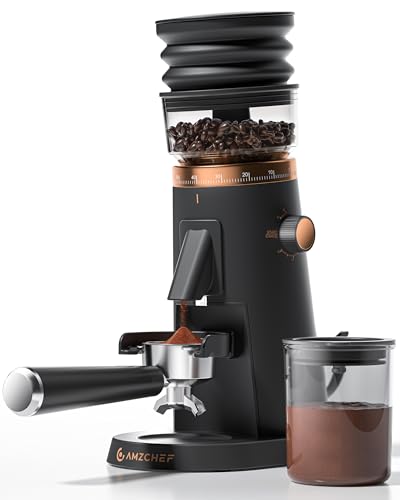
AMZCHEF Single Dose Grinder
Strengths
- 75 stepless settings
- Magnetic outlet
- Anti-static design
- Quiet motor
- Vacuum dosing cup
Trade-offs
- 40mm burr limits speed
- Plastic accents
- LED not always useful
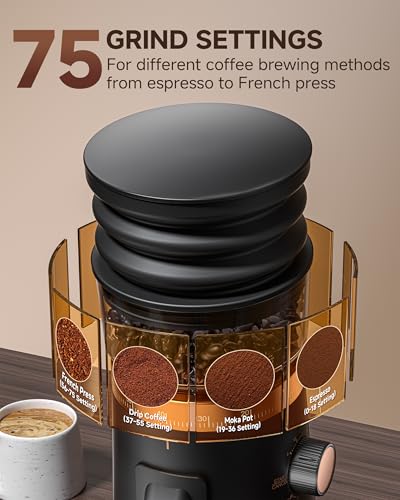
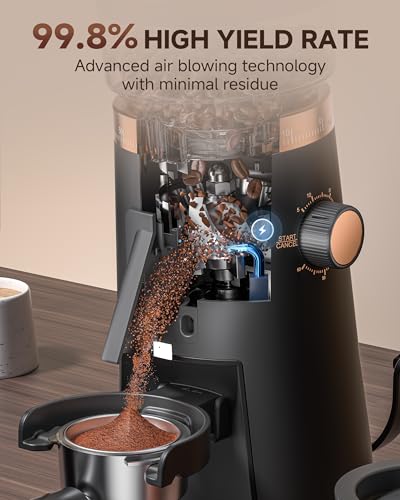
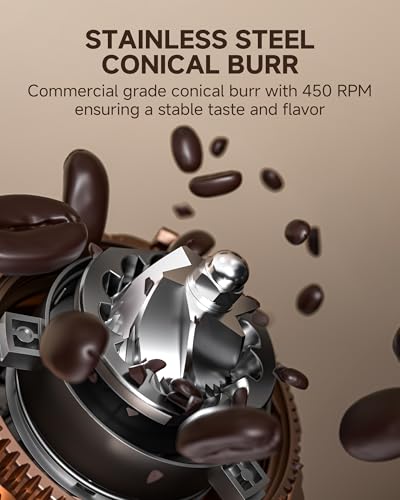
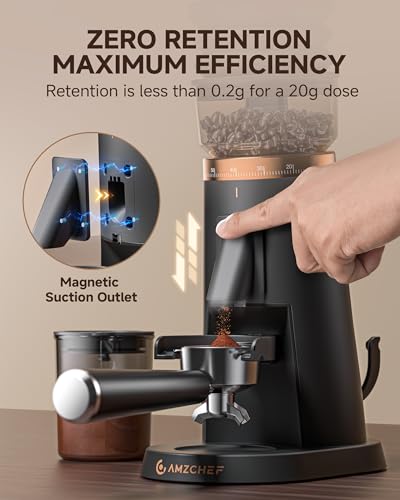
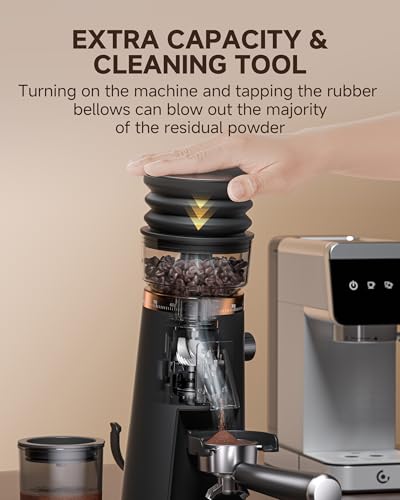
If I had to recommend one grinder that balances performance, features, and value across brewing methods, it’s the AMZCHEF. Its 75 stepless settings and 40mm 6-star burr deliver surprisingly even results from espresso to French press. The magnetic outlet and included vacuum dosing cup make cleanup and storage a breeze, owners consistently praise how little coffee gets wasted.
The quiet DC motor and anti-static design mean less mess and fewer early-morning complaints. The LED illumination is a small luxury, but it actually helps when grinding in dim kitchens. It’s not the fastest or the most refined, but it covers more ground than most. For most buyers, this is the easy pick. My recommendation? Choose this over the SHARDOR or Viesimple if you want real stepless control and lower retention.
Product photos
Viesimple Gen 4 Grinder
Strengths
- Very quiet motor
- Magnetic dosing cup
- Global voltage
- Anti-clogging design
- 2-year warranty
Trade-offs
- Limited micro-adjustment
- Noticeable static in dry air
- Build quality feels budget
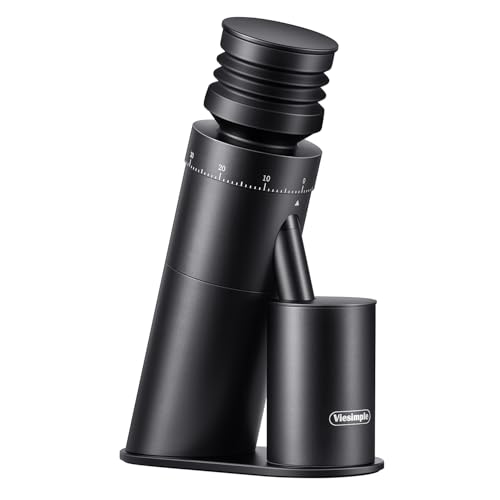
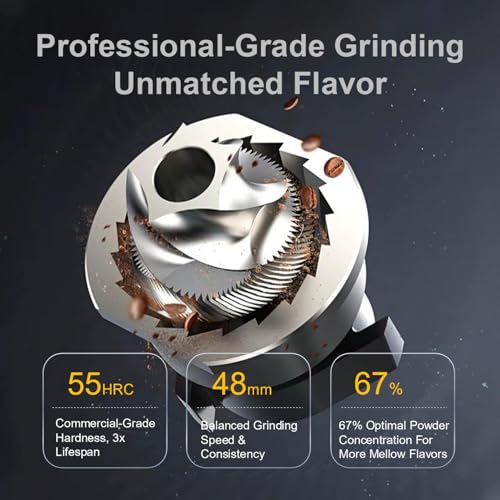
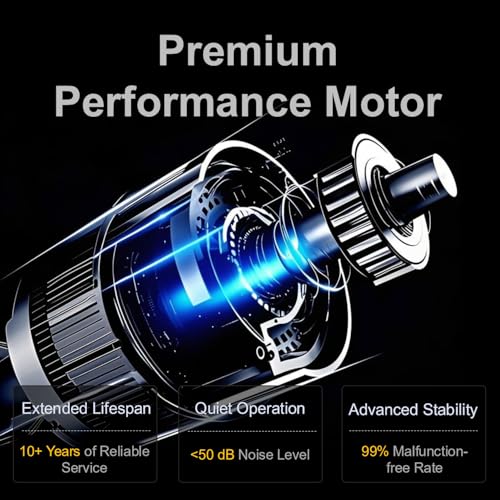
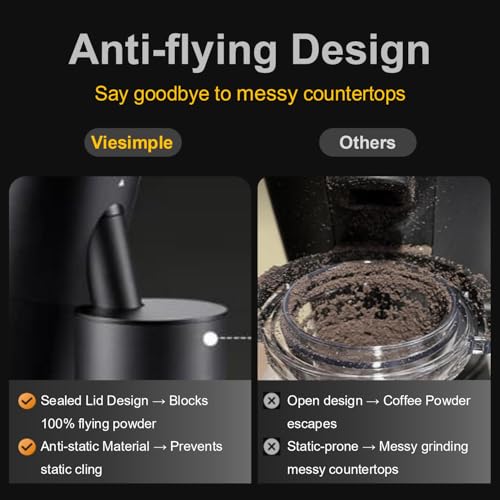
The Viesimple Gen 4 is the budget king, no doubt. For buyers watching their wallet, it delivers solid metal construction, a quiet sub-50dB motor, and a magnetic dosing cup that actually works. The 48mm conical burr handles most brew methods, and the anti-clogging design helps keep retention low. It’s also globally voltage-compatible, which is rare at this price.
But you do sacrifice refinement. The grind settings are numerous but not as finely adjustable, and while it claims anti-static performance, owners still report some clumping in dry environments. It’s best seen as a gateway grinder, great for beginners or second kitchens. I’d pick the AMZCHEF or Wirsh GU38 if you’re serious about single dosing, but for under $150, this is hard to beat.
Product photos
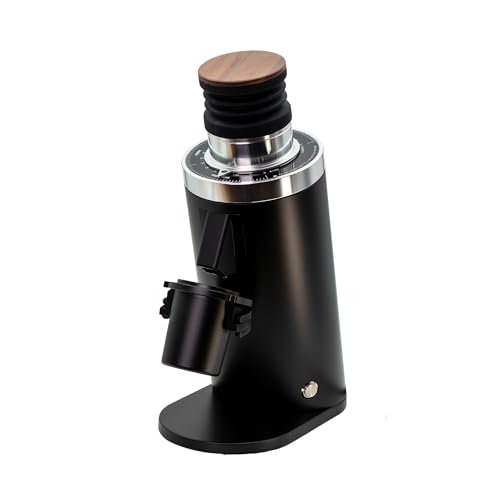
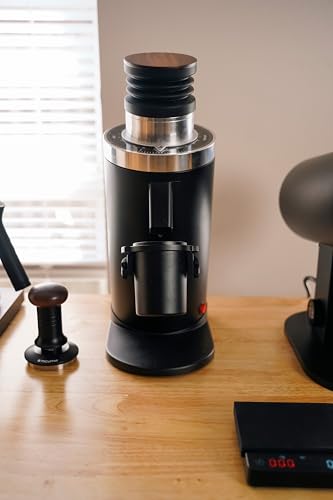
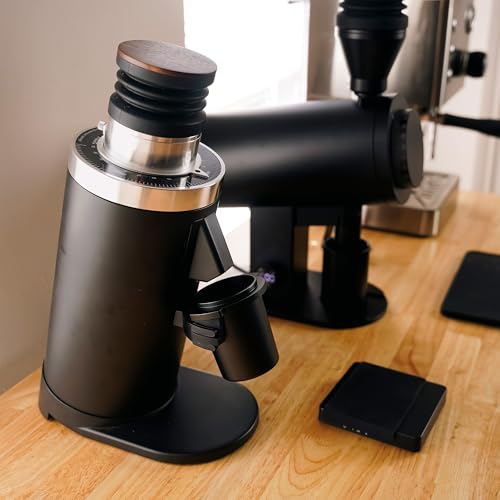
MiiCoffee DF64 II Grinder
Strengths
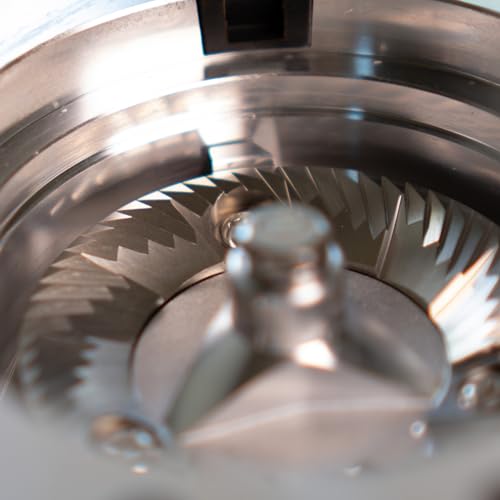
- 64mm flat burrs
- Stepless adjustment
- Zero retention
- Plasma ionizer
- Upgradable burrs
Trade-offs
- No timer
- Basic hopper design
- Limited noise dampening
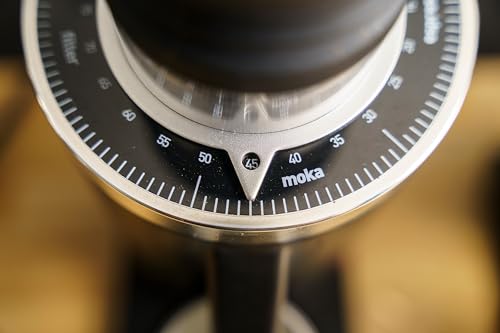
The MiiCoffee DF64 II stands out in the single-dose arena by packing pro-level features into a surprisingly accessible package. With its 64mm flat burrs and true zero retention design, it’s built for espresso lovers who demand precision and freshness. The stepless adjustment is buttery smooth, and the chrome-wrapped dial with a metal indicator makes repeatable settings easy, something many grinders in this range fumble. Owners consistently report clean, clump-free grinds, and the integrated plasma generator actually makes a noticeable difference in reducing static, especially in dry climates.
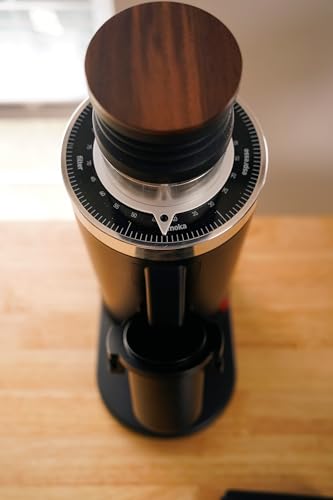
Where it really wins is versatility. You can run it with the dosing cup or directly into a portafilter, and the anti-popcorn disc keeps beans from bouncing around during grinding. The burrs are upgradable to SSP, which is a big plus for tinkerers who want to fine-tune flavor profiles. On paper, it competes with grinders twice the price, and real-world feedback backs that up.
Product photos
SHARDOR All-Metal Grinder
Strengths
- Quiet DC motor
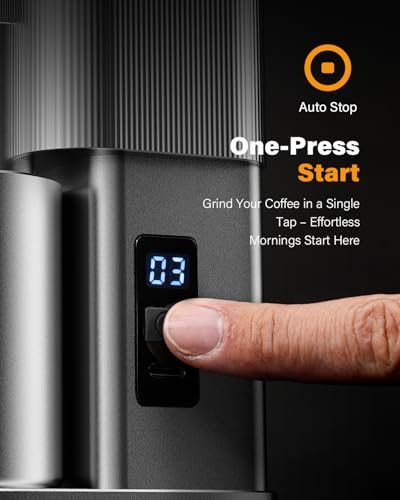
- Simple one-touch operation
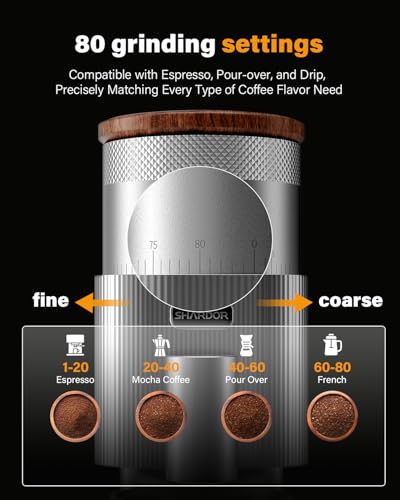
- 80 grind settings
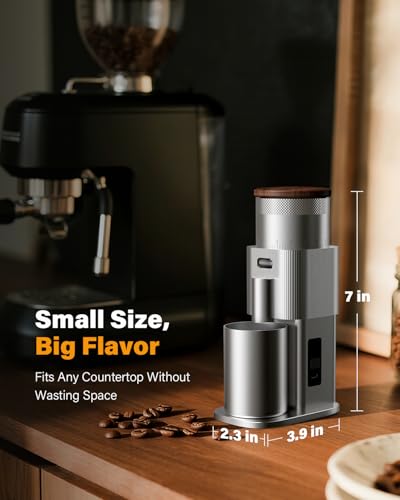
- Compact design
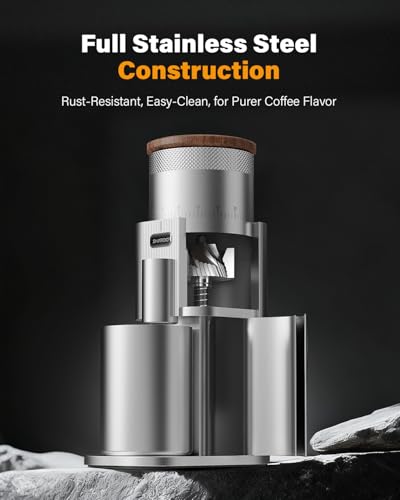
- All-metal build
Trade-offs
- Stepped (not stepless) adjustment
- Noticeable retention
- No anti-static tech
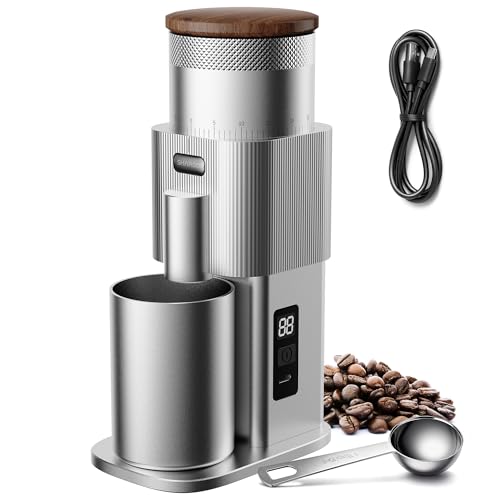
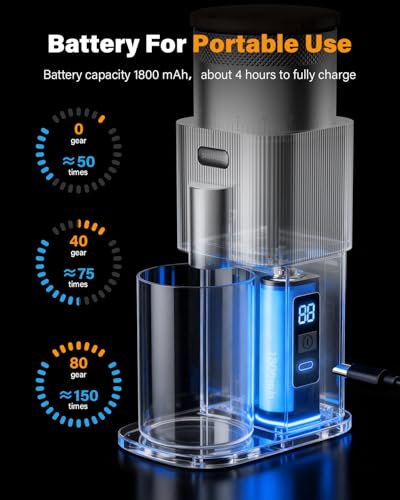
The SHARDOR grinder is the definition of no-frills functionality done right. It’s built for people who want consistent results without complexity, one button, 80 settings, and a quiet DC motor that won’t wake the household. The all-metal body feels more substantial than expected, and the LED power indicator is a small but thoughtful touch for low-light mornings.
Where it falls short is in fine-tuning. The 80 settings are stepped, not stepless, so dialing in espresso can be a game of compromise. Owners report it works well for drip, pour-over, and even cold brew, but precision-focused baristas hit limits when chasing extraction balance. It’s also not marketed as zero retention, so if you’re grinding single doses regularly, expect some carryover. But for beginners or casual drinkers, it’s a reliable, space-saving option.
Product photos
Tuni G3 Flat Burr Grinder
Strengths
- 64mm flat burrs
- Touchscreen timer
- Dual bean hoppers
- Anti-static system
- Stepless adjustment
Trade-offs
- Touchscreen can be finicky
- Heavier footprint
- Slight fines inconsistency
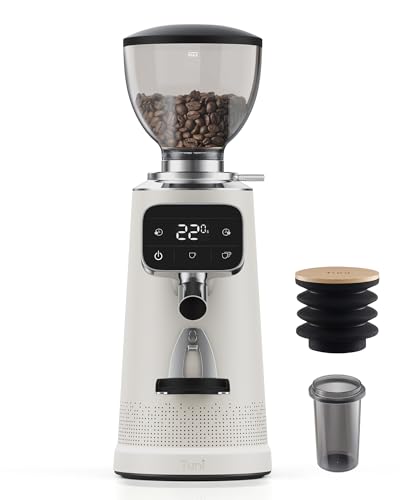
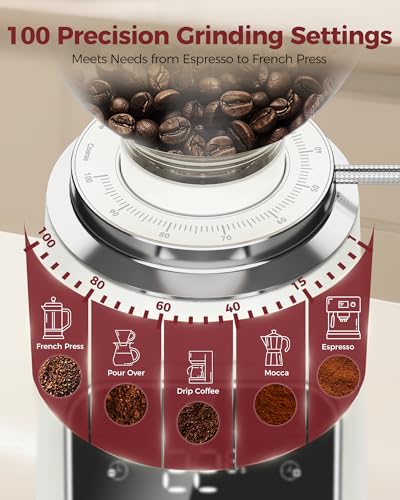
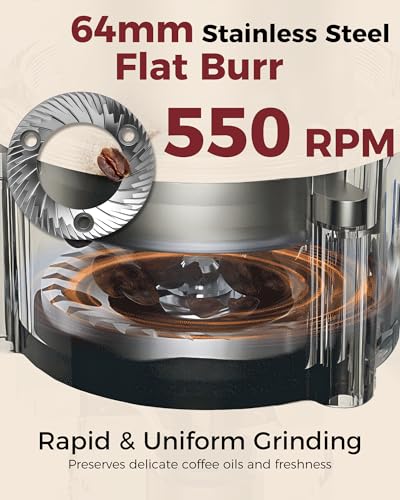
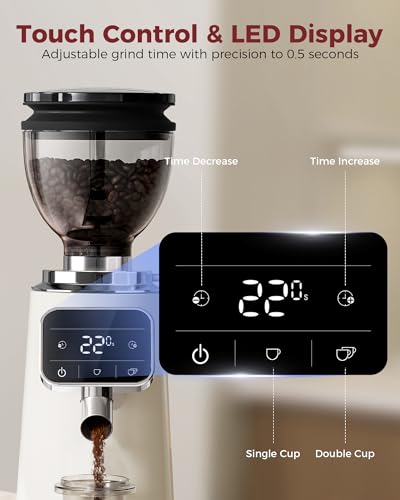
The Tuni G3 feels like a commercial machine adapted for home use, and that’s a good thing. Its 64mm flat burrs and 100-step stepless adjustment give it serious espresso chops, while the touchscreen interface with 0.5-second increments makes dose tuning incredibly precise. The dual hoppers are a standout: use the small one for single dosing rare beans, the large one for daily doubles. Owners love the flexibility.
The anti-static tech works well, and the all-stainless body resists fingerprints and wear. But it’s not without quirks. The screen, while sleek, can feel overly sensitive, and some users report minor inconsistencies at the finest espresso settings. Still, for the buyer who wants a dial-in-and-forget-it grinder with repeatable performance, the Tuni G3 delivers. It’s my pick over the MiiCoffee DF64 II if you value automation and consistency over moddability.
Product photos
Wirsh Geimori GU38 Grinder
Strengths
- Ultra-fine 0.01mm adjustment
- Low noise operation
- 6-core conical burr
- True low retention
- All-metal construction
Trade-offs
- Smaller 38mm burr
- Slower grind speed
- No timed grinding
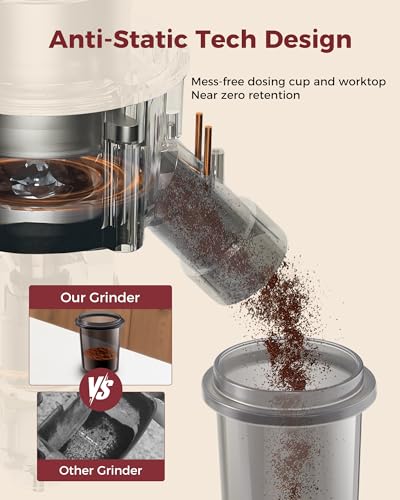
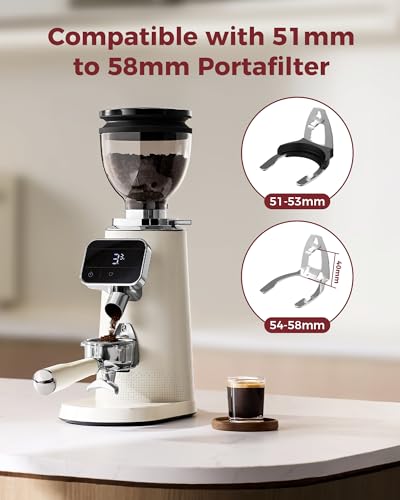
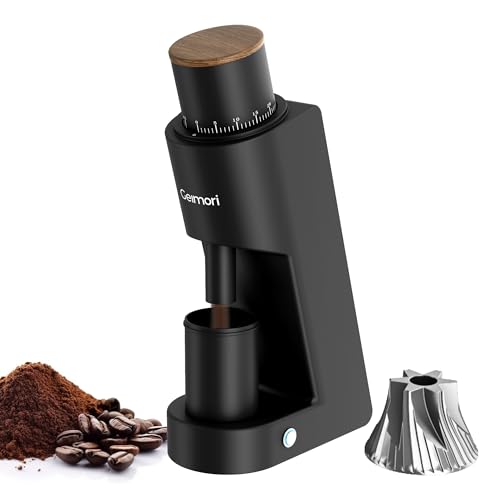
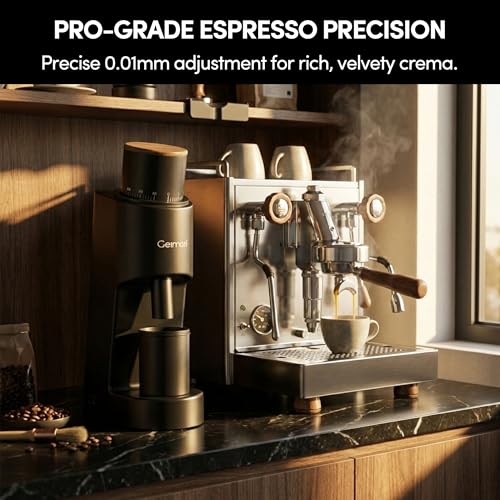
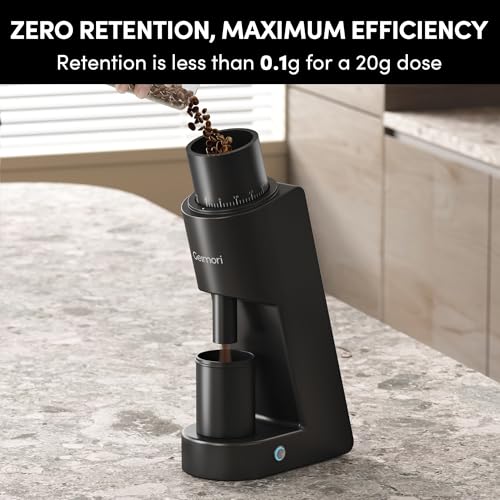
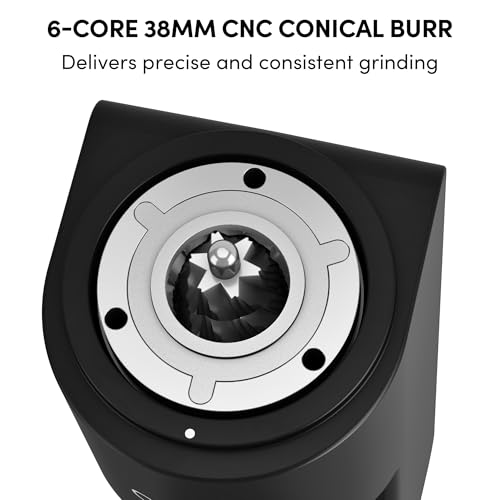
The Wirsh Geimori GU38 is a quiet achiever, literally and figuratively. With a 38mm 6-core conical burr and 0.01mm micro-adjustments, it delivers a level of grind refinement that’s rare at this size. Reviewers note the particle consistency is excellent across all settings, especially in the espresso range, where fines management makes or breaks the shot. The low retention claim (<0.1g with bellows) holds up in owner reports, making it a standout for single-dose purists who hate wasting beans.
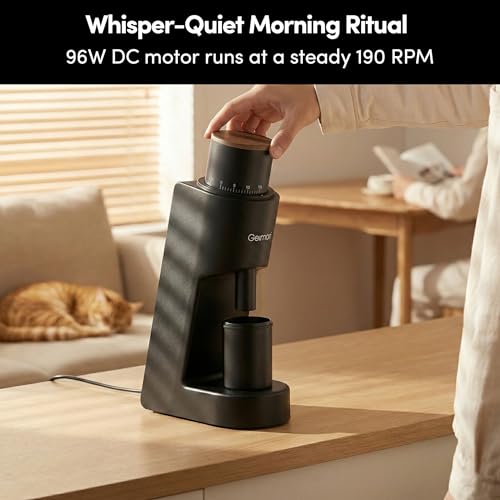
Its 96W DC motor runs at just 190 RPM, which explains why so many users praise its whisper-quiet operation. It’s the kind of grinder you can use at 5:30 AM without guilt. The all-metal build and magnetic dosing cup add to the premium feel, though the smaller burr diameter means it’s not built for high-volume use. Still, for home enthusiasts focused on quality over speed, this is a serious contender.
Product photos

How We Evaluated single dose coffee grinder
As a long-time coffee enthusiast, I know the single dose grinder market is full of options, and choosing the right one can be overwhelming. Rather than a hands-on lab test, this is a research-led comparison of published specifications, features, and, crucially, owner and expert reviews. I weighed the information from multiple sources to rank these grinders based on what truly matters to the home barista. We focused on creating a ranking that reflects real-world performance, not just marketing claims.
For single dose grinders, grind consistency, retention, and the ability to dial in for espresso are paramount. A grinder’s ability to deliver a uniform grind size directly impacts extraction quality, and understanding the coffee flavor and grinder type is essential. Low retention is also vital to ensure every precious bean makes it into your cup, not stuck inside the machine. These factors were weighted most heavily in our assessment.
Specifications reliably tell you about burr size and motor power, but owner feedback reveals the practical realities of static, ease of cleaning, and long-term durability. We looked for patterns in owner reviews regarding consistency and adjustability. Expert reviews helped validate claims around features like anti-static technology and the effectiveness of zero-retention designs. Understanding the price difference burr blade grinders can also help you make the best choice for your budget.
Choosing The Right single dose coffee grinder
I’ve spent years exploring the world of coffee, and one thing remains clear: the grinder is at least as important as the espresso machine or pour-over setup. A consistent grind is fundamental to extraction, and single-dose grinders offer a level of control and freshness that pre-ground coffee or even many traditional grinders simply can’t match.
A truly excellent single-dose grinder prioritizes grind consistency above all else. Look for burr grinders (flat or conical) with a wide range of adjustments, minimal retention, and build quality suggesting long-term durability. Particle size distribution is key – you want a uniform grind with minimal fines for optimal flavor.
Burr Type: Flat vs. Conical
The heart of any grinder is the burr, and you’ll primarily encounter flat or conical burrs in the single-dose world. Flat burrs, like those found in the MiiCoffee DF64 II, generally produce a more uniform grind size distribution, which is prized for espresso. Conical burrs, often seen in more budget-friendly options, tend to be quieter and generate less heat, but can sometimes produce a slightly bimodal particle distribution (more fines and larger particles). I often recommend starting with conical if noise is a major concern, but if you’re serious about espresso, the precision of flat burrs is hard to beat.
Retention and Cleanliness
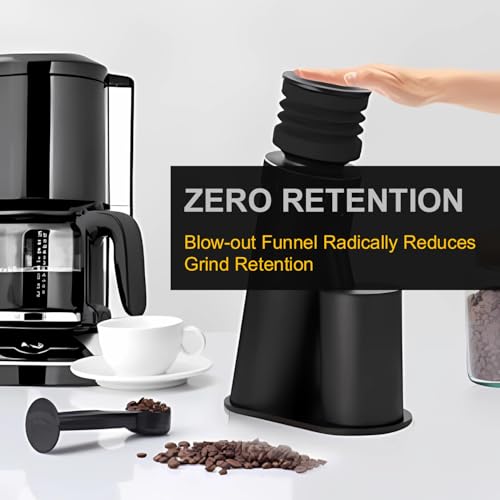
Retention refers to the amount of ground coffee that stays inside the grinder after each dose. High retention means stale coffee mixing with your fresh grounds, impacting flavor. Single-dose grinders aim for near-zero retention, and features like the magnetic spout on the AMZCHEF and the blow-out funnel of the MiiCoffee are designed to minimize this. The Wirsh Geimori GU38 is particularly focused on this aspect, claiming less than 0.1g retention. If you’re switching between different beans frequently, low retention is absolutely crucial.
- A simple bellows can help clear out any remaining grounds.
- Look for grinders with easily removable burrs for thorough cleaning.
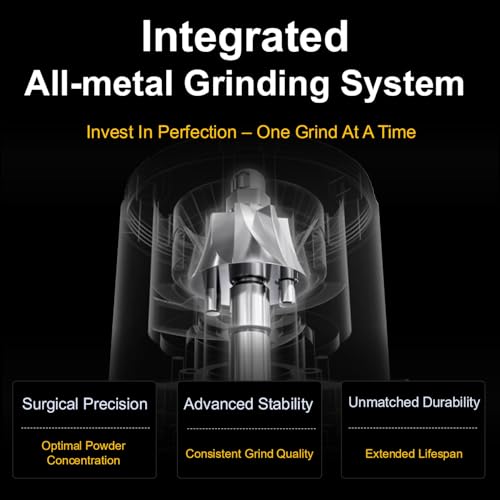
- The design of the grinding chamber plays a huge role; smooth surfaces and minimal dead space are ideal, and this is why many enthusiasts prefer all-metal construction.
Don’t underestimate the impact of a clean grinder. Regularly cleaning your burrs and internal components is essential for maintaining grind consistency and preventing off-flavors.
Adjustability and Usability
A wide range of grind settings is essential, especially if you plan on brewing with multiple methods. The SHARDOR offers 80 adjustable settings, while the AMZCHEF boasts an impressive 75 stepless adjustments. Stepless adjustment is generally preferred for fine-tuning espresso, as it allows for incredibly precise dialing-in. However, even with a wide range, a poorly designed adjustment mechanism can be frustrating. If you’re new to grinding, you might benefit from checking out resources on adjusting grind for brewing to understand how grind size affects your final cup. If you’re looking for a good starting point, explore some top-rated coffee grinders to see what features are available.
Single Dose Coffee Grinder Compared
Here’s a comparison of key specifications for popular single dose coffee grinders.
| Product Name | Burr Type | Burr Size (mm) | Grind Settings | Retention (approx.) | Motor Power (W) |
|---|---|---|---|---|---|
| AMZCHEF Single Dose Grinder | 6-Star Forged | 40 | 75 | 0.1–0.2g | N/A |
| Viesimple Gen 4 Grinder | Conical | 48 | N/A | N/A | N/A |
| MiiCoffee DF64 II Grinder | Flat | 64 | Stepless | <0.1g | N/A |
| SHARDOR All-Metal Grinder | N/A | N/A | 80 | N/A | N/A |
| Tuni G3 Flat Burr Grinder | Flat | 64 | 100 | N/A | N/A |
| Wirsh Geimori GU38 Grinder | 6-Core Conical | 38 | 65 | <0.1g | 96 |
Frequently Asked Questions
What grind consistency should I expect from a single-dose grinder in the $200-$300 price range?
You can generally expect very good consistency, suitable for most brewing methods, from a single-dose grinder in this price bracket. While not quite matching the top-tier models, grinders like the Viesimple Gen 4 offer a uniform grind that will significantly improve your coffee quality compared to blade grinders or cheaper burr grinders.
Is retention really that big of a deal if I only drink one type of coffee?
Yes, even if you consistently use the same beans, retention matters. Stale coffee grounds accumulating inside the grinder will become oxidized and impart off-flavors, subtly impacting the taste of every brew. Grinders with minimal retention, like the Wirsh Geimori GU38, preserve bean freshness.
My grinder is making a lot of static; what can I do?
Static cling is common, especially in dry climates. Try increasing the humidity in the room with a humidifier or using a static brush to neutralize the charge. Some grinders, like the MiiCoffee DF64 II, are designed with anti-static features or can have aftermarket modifications to reduce static build-up.
What burr size is best for both espresso and filter coffee?
A 64mm burr, as found in the MiiCoffee DF64 II and Tuni G3, is a versatile choice for both espresso and filter coffee. This size offers a good balance of grind fineness for espresso and consistent particle size for filter methods. If you primarily brew espresso, a larger flat burr might be preferable.
Where can I find more information about different types of consistent grind burr mill beyond what’s covered here?
For a deeper understanding of burr grinder technology and a wider selection of models, I recommend exploring dedicated coffee resources and reviews. You’ll find detailed comparisons and analyses to help you choose the perfect grinder for your needs.
The Bottom Line
Choosing a single dose grinder often comes down to balancing control with convenience, and ultimately, budget with quality. For the best overall performance and the ability to truly dial in your shots, the MiiCoffee DF64 II stands out. Its flat burrs and near-zero retention make it a favorite among espresso enthusiasts, and the stepless adjustment offers unparalleled precision.
If you’re on a tighter budget, or are primarily brewing for methods other than espresso, the AMZCHEF Single Dose Grinder delivers impressive value. The Wirsh Geimori GU38 is another strong contender for those prioritizing minimal retention, while the SHARDOR All-Metal Grinder offers a wide range of settings for versatile brewing. Remember to explore resources on clean coffee grinder steps to keep your chosen grinder in top shape.
Beyond burr type or specific features, the most important thing is consistent grind size and a grinder you’ll actually use regularly. Don’t get lost in the specs; focus on a machine that fits your brewing habits and produces a uniform grind, because that’s what truly unlocks the full potential of your coffee beans.
