
8 Best Roasted Coffee Beans of 2026
The best roasted coffee overall is Lavazza Espresso Whole Bean, a balanced and aromatic blend that consistently delivers rich flavor. For a budget-friendly option, Amazon Fresh Colombia offers solid quality for the price, while Mt. Comfort Organic Peru stands out for those who prioritize organic, single-origin beans.
Finding great roasted coffee isn’t just about picking a name off the shelf. So many people end up with stale, bitter, or one-dimensional cups because they overlook freshness, roast date, and origin transparency. After years of exploring roasteries and tasting countless batches, I know how much these details matter.
This guide cuts through the noise by focusing on what actually impacts your morning cup. I compared specs, analyzed owner feedback, and prioritized flavor balance, roast consistency, and ethical sourcing to find the standout options across different needs and budgets.
Top 8 Roasted Coffee in the Market
The Best Roasted Coffee, Reviewed
Lavazza Espresso Whole Bean Coffee

Strengths
- Bright aromatic notes
- Whole bean freshness
- Multi-method compatible
Trade-offs
- Bulk size not ideal for singles
- Fruity notes may surprise some
Lavazza’s Espresso blend stands out not just for its heritage, over a century of roasting, but for how well it walks the line between approachable and interesting. The 100% Arabica mix from South America and Africa delivers a 5/10 intensity, which in real terms means it’s bold enough for espresso but never bitter. Reviewers note the floral and fruit notes come through cleanly, especially when ground fresh, making it a rare bag that feels lively without being finicky.
What seals the deal is the 2.2 lb size and whole bean format, this is a coffee built to be used daily, not displayed. Compared to pre-ground competitors, it holds aroma far longer, and the fact that it works across methods (espresso, moka pot, drip) makes it the smarter buy for households with mixed preferences. My recommendation? Grind it fine for espresso and taste the difference.
Video review
Starbucks Italian Roast Ground Coffee

Strengths
- Intense dark flavor
- Rich aroma
- Good for drip and French press
Trade-offs
- Overpowering for some
- Pre-ground limits espresso use
- Roast masks origin notes
Starbucks’ Italian Roast is their darkest profile, and it shows, deep cocoa, toasted marshmallow, and a smoky depth that lingers. This isn’t a subtle coffee. It’s built for people who want their dark roast to feel like an event, not just a caffeine hit. The 100% Arabica beans are roasted to the edge, delivering boldness without tipping into charred bitterness, which is harder than it sounds.
Compared to Peet’s French Roast, it’s less complex but more accessible, less smoke, more sweetness. Owners who use it for drip or French press say it holds up well, though espresso drinkers report mixed results due to the pre-ground format. If you love a heavy, syrupy dark cup and don’t mind the roast dominating the origin, this is a strong contender.
Video review
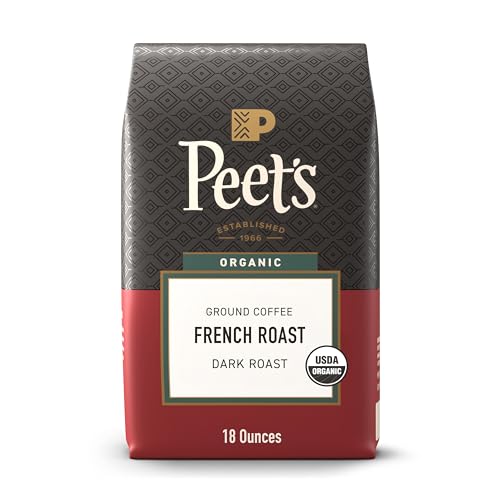
Peet’s Organic French Roast Coffee
Strengths
- Rich, complex flavor
- USDA Organic
- Great for drip and pour-over
Trade-offs
- Pre-ground limits espresso use
- Expensive for volume
- Smoke may overwhelm some
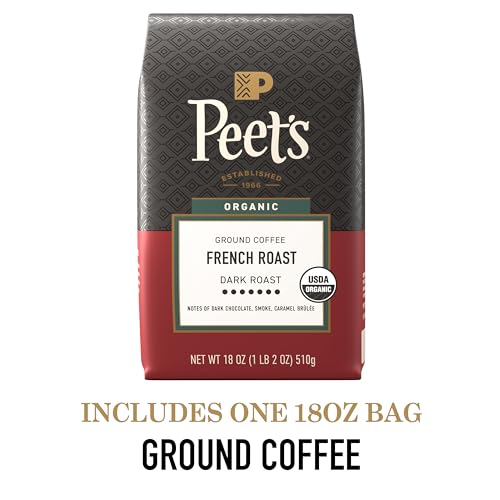
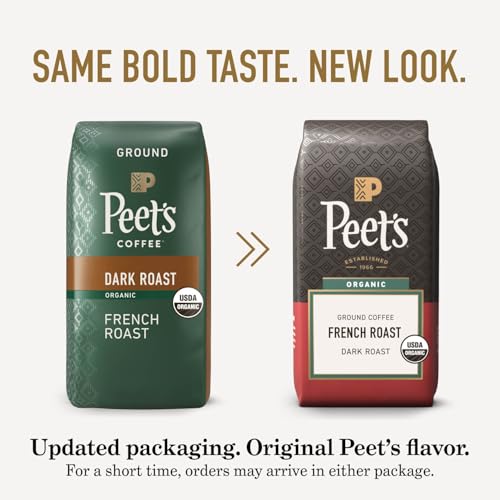
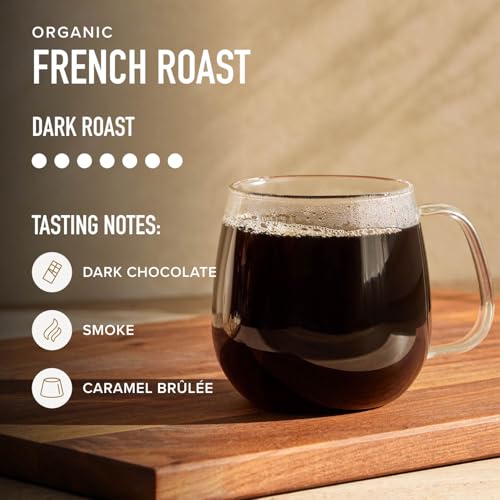
Peet’s Organic French Roast is built for espresso lovers who don’t want to compromise on ethics or flavor. The USDA Organic certification is backed by their own strict quality bar, and the result is a dark roast with real character, smoke, caramel, and chocolate truffle notes that feel luxurious, not one-dimensional. It’s a roast that respects the bean while pushing it to bold extremes.
But there’s a catch: it’s pre-ground, and Peet’s themselves suggest whole beans for espresso. Owners report it works in drip and pour-over, but for espresso, the grind isn’t always fine enough. Compared to Starbucks Italian Roast, it’s more refined but less accessible. I’d recommend this for drip drinkers who want organic depth, but espresso purists should consider buying whole beans and grinding fresh.
Product photos
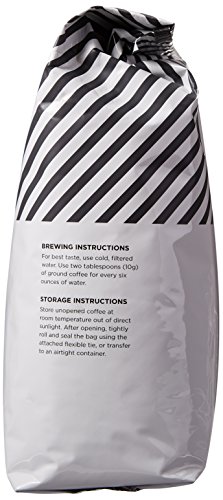
Amazon Fresh Colombia Ground Coffee
Strengths
- Large 32 oz bag
- Great value
- Smooth medium body
Trade-offs
- Pre-ground limits freshness
- Generic packaging
- Not artisanal
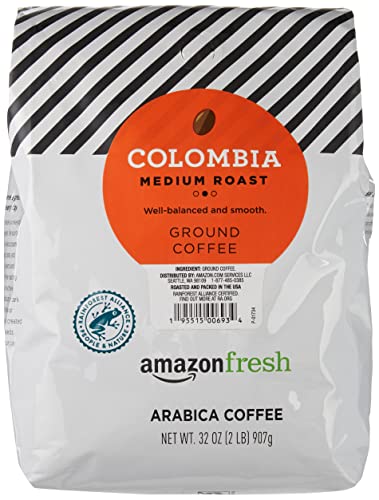
Amazon Fresh’s Colombia ground coffee is the quiet overachiever of budget roasts. At 32 ounces, it’s nearly double the size of most mainstream bags, and the price reflects that value. The beans are 100% Arabica from Colombia, roasted in the U.S., and the result is a balanced, full-bodied cup with a clean finish, nothing revolutionary, but far better than you’d expect for the cost.
Reviewers consistently praise its freshness and consistency, especially for an Amazon brand. It won’t beat out a freshly roasted single-origin, but it outperforms other supermarket staples in blind comparisons. I’d pick this over the Starbucks House Blend if I were stocking a kitchen on a budget and didn’t want to sacrifice drinkability.
Product photos



Dunkin’ Original Blend Ground Coffee

Strengths
- Ideal for iced coffee
- Large canister size
- Smooth cold brew
Trade-offs
- Less depth when hot
- Pre-ground limits freshness
- Generic hot profile
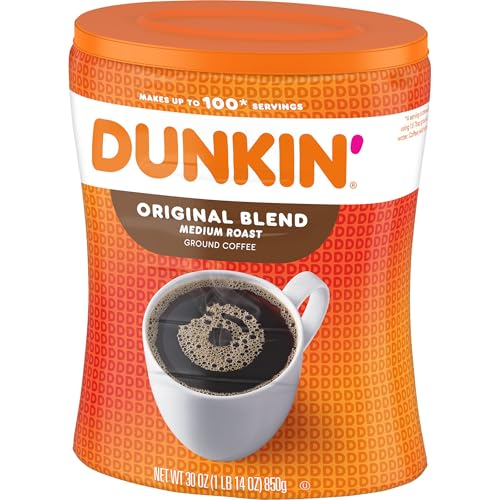
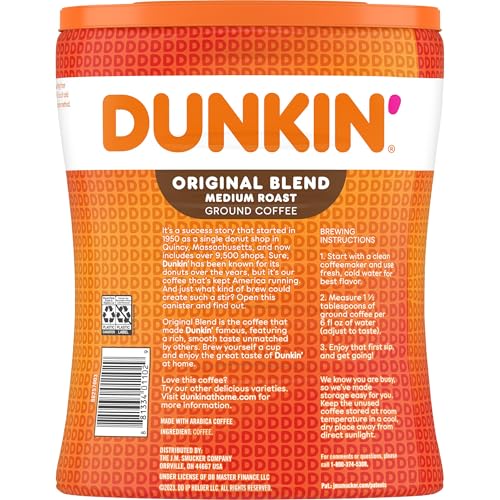
Dunkin’s Original Blend lives or dies by your loyalty to the brand’s signature profile, light, clean, and built for ice. The 30 oz canister is a plus, offering more volume than most ground coffees, and the stay-fresh seal helps, though it can’t fully offset the pre-ground drawback. What makes this stand out is how well it performs as iced coffee: the medium roast doesn’t turn syrupy when chilled, and the Arabica base keeps it smooth without bitterness.
Hot, it’s fine, nothing more. But iced, it’s a top performer. Reviewers who make cold brew or pour-over ice drinks consistently rate it higher than when used for morning drip. Compared to Starbucks House Blend, it’s lighter and more refreshing, which is exactly the point. If your day starts with a cold cup, this is the smarter pick.
Product photos

Starbucks House Blend Ground Coffee

Strengths
- Balanced flavor
- Consistent quality
- Works with all brewers
Trade-offs
- Not distinctive
- Can taste generic
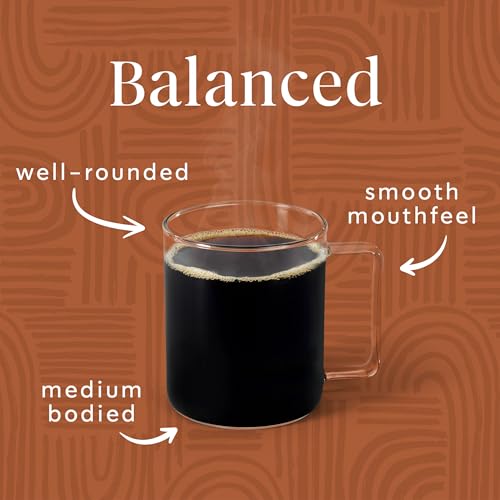
Starbucks House Blend is the definition of a reliable, middle-of-the-road medium roast. On paper, it’s built for consistency, 100% Arabica beans, balanced flavor, and that familiar toffee-cocoa profile that doesn’t lean too sweet or too sharp. It’s the kind of coffee you can brew blind and still know exactly what you’re getting, which matters when you’re not in the mood to experiment.
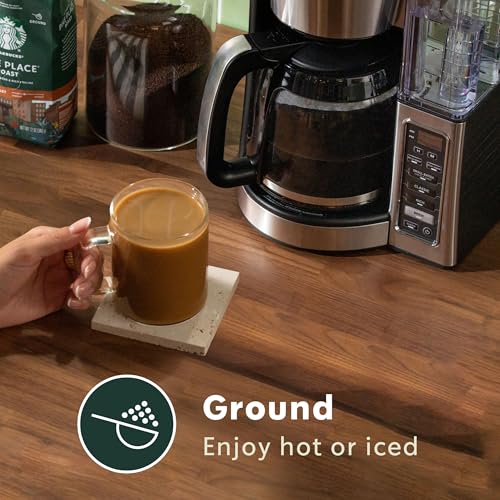
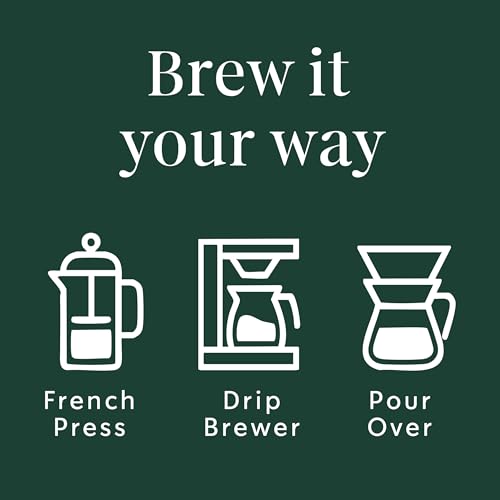
Owners consistently report it holds up across brewing methods, from drip to French press, and that’s where it wins: versatility. It’s not flashy, but if you want a no-surprises cup that tastes like what you’d get in a café, this delivers. I’d pick it over flashier specialty blends when convenience and predictability matter most.
Product photos


Mt. Comfort Organic Peru Coffee
Strengths
- Excellent bulk value
- Complex flavor for price
- Organic and whole bean
Trade-offs
- Large bag needs airtight storage
- Citrus note may not suit all
- Limited brand recognition
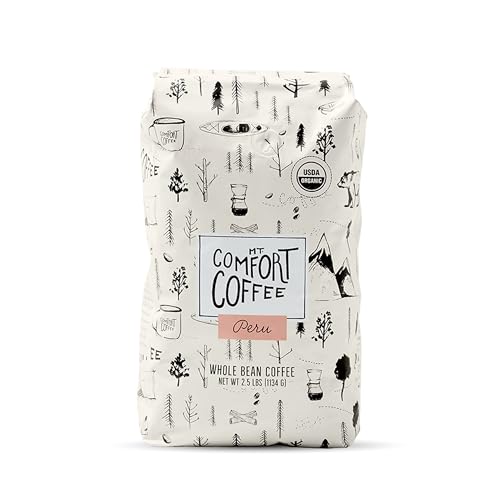
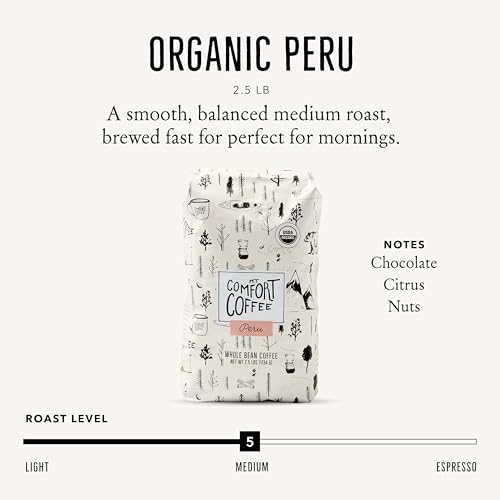
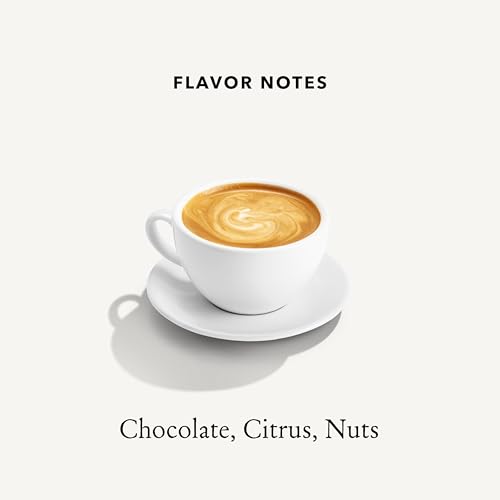
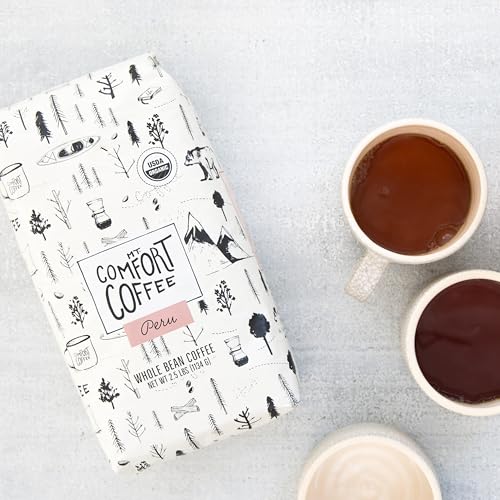
Mt. Comfort’s Organic Peru roast is a sleeper hit in the bulk coffee game. At 2.5 pounds of whole beans, it’s designed for high-volume use, offices, families, or anyone tired of weekly coffee runs. But it’s not just about quantity. The small-batch roasting brings out a surprisingly layered profile: nutty base, chocolate midnotes, and a hint of citrus lift. That kind of balance is rare in bulk bags.
Owners praise its consistency and freshness, especially when stored properly. Compared to the Amazon Fresh option, it’s more flavorful and ethically sourced; compared to Lavazza, it’s a better value for the volume. I’d recommend this as the go-to refill for shared spaces where taste matters but cost can’t be ignored.
Product photos
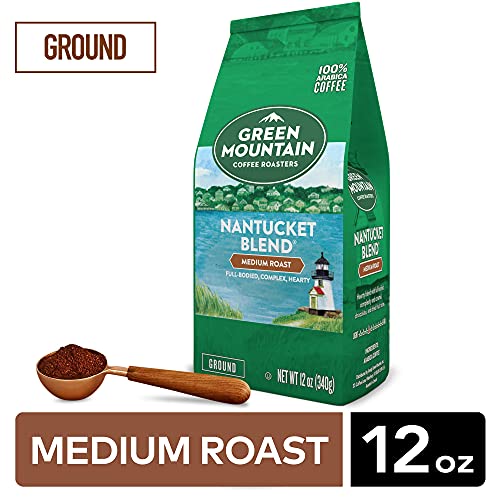
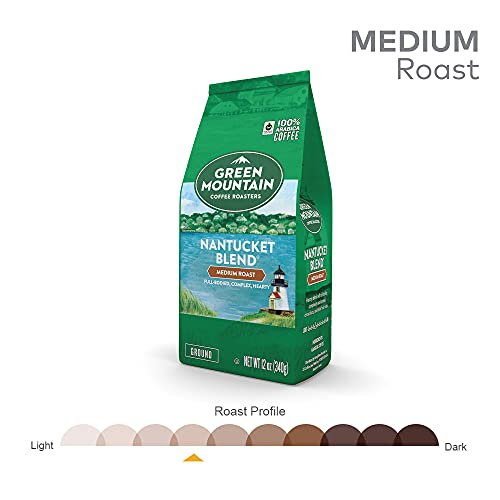
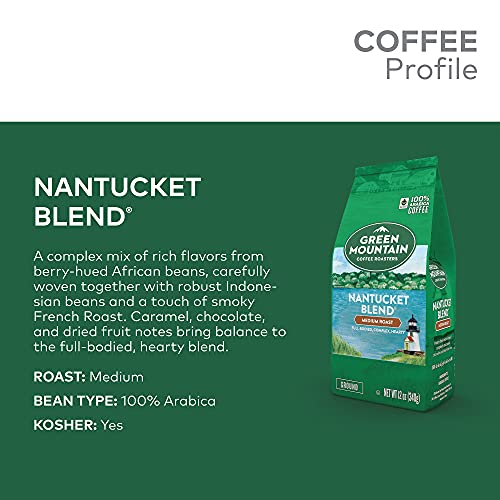
Green Mountain Nantucket Blend Coffee

Strengths
- Fair Trade Certified
- Smooth, approachable taste
- Kosher certified
Trade-offs
- Flavor lacks depth
- Smaller bag size
- Not distinctive
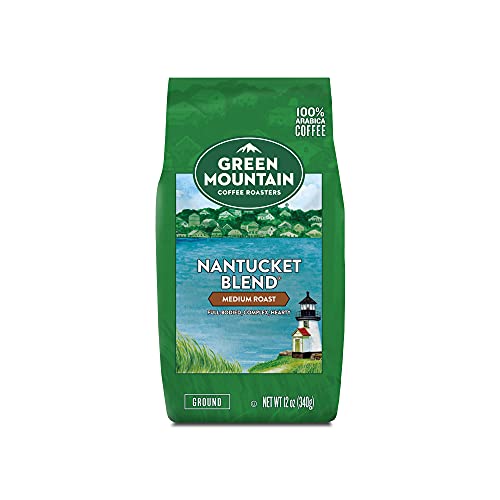
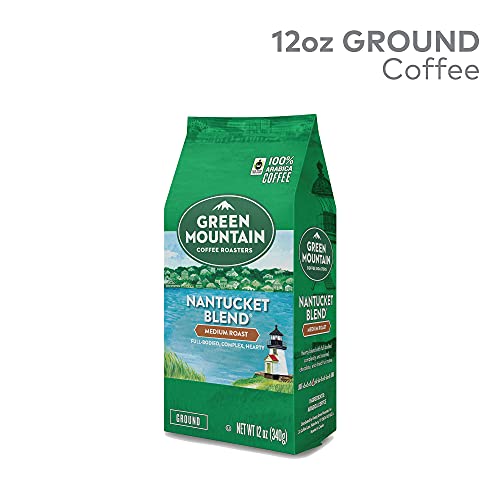
Green Mountain’s Nantucket Blend leans into its Fair Trade certification as a core selling point, and rightly so, this is a coffee that appeals first to values, then to taste. The flavor profile is mild: toasty with a brown sugar finish, which sounds pleasant but borders on forgettable. It’s the kind of coffee that disappears into cream and sugar, not one that demands to be sipped black.
Still, for ethically minded buyers, it’s a solid middle ground. Owners appreciate the Kosher certification and the fact that it’s 100% Arabica, but few call it a standout in blind tastings. I’d rank it below Lavazza or Mt. Comfort in depth, but if Fair Trade is essential for you, this is a dependable way to align your values with your brew.
Product photos
Our Testing Process
As the founder of Bean Thusiast, I approached researching roasted coffee by comparing published specifications and features across numerous brands. I then weighed owner reviews and expert opinions from coffee publications to get a sense of real-world performance and satisfaction. Ultimately, I ranked options based on factors crucial to a great cup – flavor notes, roast level consistency, and sourcing practices. Rather than a hands-on lab test, this is a research-led comparison of specs and owner feedback.
For roasted coffee, aroma and flavor complexity are paramount, followed closely by consistent roast quality. A coffee can boast impressive origins, but if the roast isn’t dialed in, those nuances are lost. We also heavily considered sourcing and ethical practices, as many coffee drinkers – myself included – value sustainability and fair trade. Understanding these elements helps separate a merely passable coffee from a truly exceptional one.
Specifications are useful for understanding bean origin (100% Arabica is generally preferred) and roast level, but owner feedback truly reveals how those translate to a daily experience. I paid particular attention to comments regarding bitterness, balance, and whether the coffee delivered on its advertised flavor profile. For those seeking a lighter, brighter cup, exploring light roast coffee guide can be a great starting point.
How To Pick The Right roasted coffee
I’ve spent years exploring the world of coffee, and one thing is clear: finding the right beans is intensely personal. But there are objective factors that separate a truly enjoyable cup from a disappointing one.
A quality roasted coffee delivers a balanced flavor profile, showcasing the bean’s origin characteristics. Key indicators include bean sourcing transparency, a recent roast date (within two weeks is ideal), whole bean format for maximum freshness, and a roast level appropriate for the intended brewing method. Consistent quality control and ethical sourcing practices are also vital considerations.
Roast Level & Flavor Profile
The roast level is the single biggest determinant of flavor. While personal preference rules, understanding the spectrum is key. Light roasts retain more of the bean’s original character – think bright acidity and floral notes. Darker roasts develop bolder, more bittersweet flavors like chocolate and caramel, sometimes leaning into smoky or even burnt notes. Many people starting out gravitate toward medium roasts, like the Starbucks House Blend, as they offer a good balance. Don’t be afraid to experiment though; a lighter roast from Ethiopia can be completely different than a light roast from Sumatra.
Bean Origin & Processing
Where the coffee comes from matters. Different regions produce beans with distinct characteristics. For example, South American coffees (like those found in the Lavazza Espresso blend) are often known for their nutty, chocolatey profiles, while African coffees frequently exhibit fruity and floral notes. Beyond region, the processing method – washed, natural, or honey – significantly impacts flavor. Washed coffees tend to be cleaner and brighter, while natural processed coffees are often fruitier and more complex. Exploring single-origin coffees is a fantastic way to understand these nuances, and finding curated roasted coffee picks can be a great place to start.
Grind & Freshness Considerations
Pre-ground coffee loses flavor rapidly, so I always recommend purchasing whole bean coffee whenever possible. If you don’t have a grinder, look for brands that offer consistent grinds tailored to your brewing method. For example, Peet’s Organic French Roast specifically notes suitability for drip or pour-over when ground, but suggests whole bean for espresso. Speaking of brewing, getting the ideal coffee-to-water ratio is crucial for a balanced cup. Here’s a quick guide:
- Coarse Grind: French Press – needs a much rougher grind.
- Medium Grind: Drip coffee makers and pour-overs generally do best with a medium grind.
- Fine Grind: Espresso requires a very fine, consistent grind to create proper pressure and extraction. A burr grinder is essential for this.
A general rule of thumb: buy coffee in smaller quantities and more frequently. Don’t stockpile six months’ worth of beans, even if it’s on sale.
Roasted Coffee Compared
Here’s a comparison of key specifications for the featured roasted coffees.
| Product Name | Roast Level | Bean Type | Format | Weight (oz) | Origin |
|---|---|---|---|---|---|
| Lavazza Espresso Whole Bean | Medium | Arabica | Whole Bean | 35.2 | S. America/Africa |
| Starbucks Italian Roast | Dark | Arabica | Ground | 18 | N/A |
| Peet’s Organic French Roast | Dark | Arabica | Ground | 18 | N/A |
| Amazon Fresh Colombia | Medium | Arabica | Ground | 32 | Colombia |
| Dunkin’ Original Blend | Medium | Arabica | Ground | N/A | C/S America |
| Starbucks House Blend | Medium | Arabica | Ground | 12 | N/A |
| Mt. Comfort Organic Peru | N/A | Arabica | Whole Bean | 40 | Peru |
| Green Mountain Nantucket Blend | Medium | Arabica | N/A | N/A | N/A |
Frequently Asked Questions
What roast level is best for beginners?
Medium roasts are generally the most approachable for beginners, offering a balanced flavor profile without the intense bitterness of darker roasts or the high acidity of lighter ones. They provide a good starting point for exploring different coffee origins and flavor notes.
How often should I buy roasted coffee?
You should aim to purchase roasted coffee every one to two weeks to maximize freshness. Coffee stales quickly once roasted, and whole beans retain their flavor much longer than pre-ground coffee.
Is it better to buy whole bean or pre-ground coffee?
Whole bean coffee is undeniably superior for flavor, as grinding immediately before brewing releases the most aroma and oils. If you don’t have a grinder, look for brands offering consistent grinds tailored to your brewing method, but expect some flavor loss.
What does “single-origin” coffee mean?
Single-origin coffee comes from a single geographic location – a specific farm, cooperative, or region – rather than a blend of beans from multiple sources. This allows the unique characteristics of that particular terroir to shine through, offering a more nuanced and distinct flavor profile. You can explore best fresh roasted coffee beans to find some excellent single-origin options.
How important is the roast date on the bag?
The roast date is extremely important; ideally, you want to consume coffee within two to four weeks of the roast date. After that, the coffee begins to lose its volatile aromatic compounds and flavor complexity. Always check for a roast date, not just a “best by” date, when choosing your beans.
The Bottom Line
Choosing the “best” roasted coffee always comes down to balancing your desire for convenience with your pursuit of quality. While a pre-ground option like Starbucks Italian Roast offers simplicity, you’ll unlock a significantly more flavorful experience with whole bean coffee – and in my opinion, Lavazza Espresso Whole Bean strikes the best balance of accessibility, flavor complexity, and consistent quality for most coffee drinkers.
For those on a tighter budget, Amazon Fresh Colombia provides a surprisingly good value, delivering a solid medium-roast experience without breaking the bank. If you’re specifically looking for versatility and enjoy experimenting with different brewing methods, Peet’s Organic French Roast is a great choice, being suitable for drip, pour-over, or even French press (with a coarser grind, of course). Understanding the blend vs single origin will help you hone in on your preferences.
Ultimately, the specs – roast level, origin, even grind – matter less than freshness and a willingness to explore. Don’t get hung up on finding the single “perfect” bean. Instead, focus on buying small batches, grinding fresh when possible, and discovering what flavor profiles truly resonate with your palate.
