
8 Best Peaberry Coffee Beans of 2026
The best peaberry coffee beans come from Tanzania and Hawaii, and after comparing the field, I’d put Blue Horse 100% Kona Peaberry at the top for its smooth, balanced profile, with Tanzania Peaberry Mount Kilimanjaro as a standout value pick and Kahawa 1893 Tanzania Peaberry offering excellent versatility for lighter roast lovers.
Most people buying peaberry coffee expect something special, more flavor, more clarity, a real sense of terroir, but not all brands deliver on that promise. Too often, the “peaberry” label is used as a marketing hook without the sourcing or roasting care to back it up.
This guide cuts through the noise. I looked at origin, roast freshness, and real user feedback to find beans that actually perform. These picks reflect what matters most: clean, expressive flavors, transparent sourcing, and consistency you can count on.
Top 8 Peaberry Coffee Beans in the Market
The Best Peaberry Coffee Beans, Reviewed
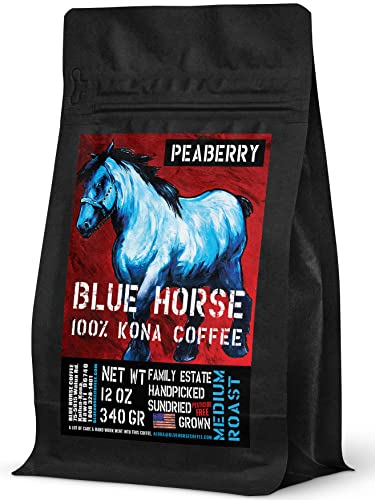
Blue Horse 100% Kona Peaberry
Strengths
- Exceptional flavor complexity
- Full traceability
- Sustainable farming
Trade-offs
- Expensive per ounce
- Limited availability
Let’s address the elephant in the room: true Kona peaberry is rare and expensive, and Blue Horse is positioning this as the best overall, a bold claim. On paper, it backs it up. 100% Kona peaberry from the Big Island, grown in volcanic soil, handpicked and medium roasted to highlight complexity. The flavor notes, chocolate, almonds, orange blossoms, honey, read like a specialty coffee dream. Owners consistently rate it highly for smoothness and depth, especially in pour-over and French press.
What seals the deal is the traceability and pride in origin. Being 100% grown and roasted in the USA adds a layer of trust, and the vacuum-sealed, resealable bag helps preserve freshness. Compared to bulk Tanzanians, this is a luxury play. But if you’re willing to pay for provenance and purity, this is the one I’d serve to impress. My pick for special mornings.
Video review
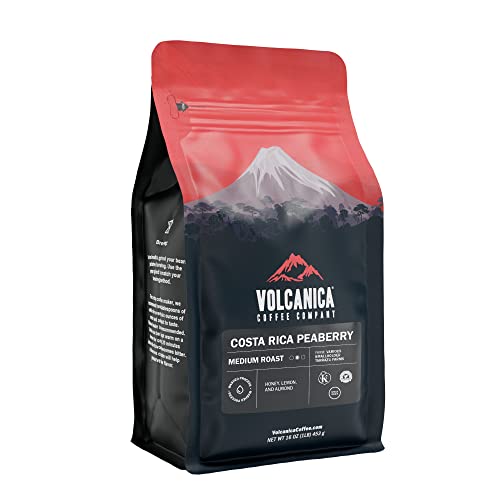
Costa Rica Peaberry Coffee
Strengths
- Bright citrus notes
- Rainforest Certified
- Smooth finish
Trade-offs
- Less body than African peaberries
- No farmer-level traceability
Costa Rican peaberry is a quieter star in the specialty world, but this offering from La Isabela Estate makes a strong case for attention. With a best for bright citrus flavor tag, it delivers exactly that: a sweet, mild, and lively cup with pronounced fruit and citrus notes. The shade-grown, Rainforest Certified sourcing adds environmental credibility, and the medium roast preserves the bean’s natural vibrancy.
Owners highlight its clean finish and ease of brewing, no harsh edges, just balanced brightness. Compared to the Tanzanian options, it’s less chocolate-forward and more zesty. If you love a morning cup that wakes up your palate like a slice of orange on the tongue, this is the pick. It’s not flashy, but it’s refreshingly bright.
Video review
Tanzania Peaberry Mount Kilimanjaro

Strengths
- Rich body
- Fragrant aroma
- Mold tested
Trade-offs
- Flavor profile is safe, not bold
- No sourcing transparency beyond region
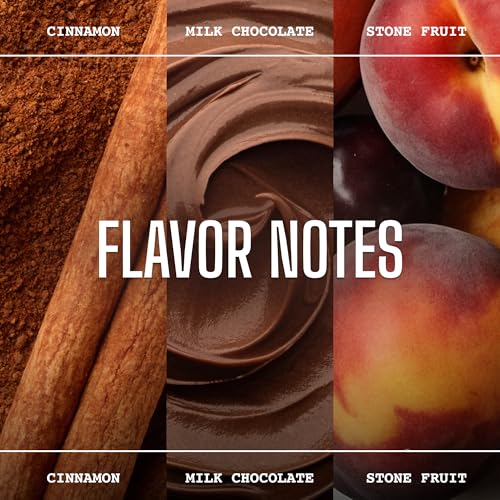
This Tanzanian peaberry offers a classic highland profile that fans of African beans will recognize immediately. On paper, the balance of wonderfully acidic character and rich body stands out, and owners consistently report a clean, vibrant cup with that signature brightness you’d expect from Kilimanjaro-grown beans. The flavor notes of dried fruit, chocolate, and orange suggest a well-structured medium roast, and the emphasis on post-harvest safety testing adds confidence in quality control, something I always look for with imported beans.
Compared to other Tanzanians on this list, this one leans traditional rather than experimental. It won’t wow you with novelty, but it delivers exactly what it promises: a consistent, aromatic, and expressive single-origin experience. For drinkers who want a reliable window into East African terroir without paying Kona-level prices, this is a solid contender.
Product photos
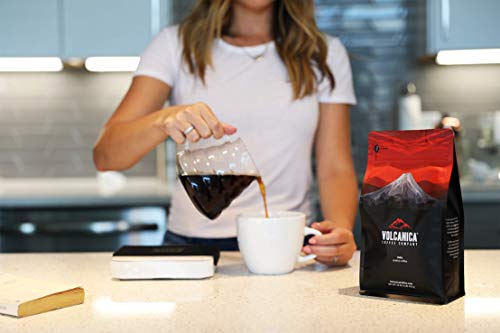
Coffee Bean Direct Tanzanian

Strengths
- Light roast clarity
- Large 5-lb bag
- Balanced flavor
Trade-offs
- Heavy packaging
- Not resealable
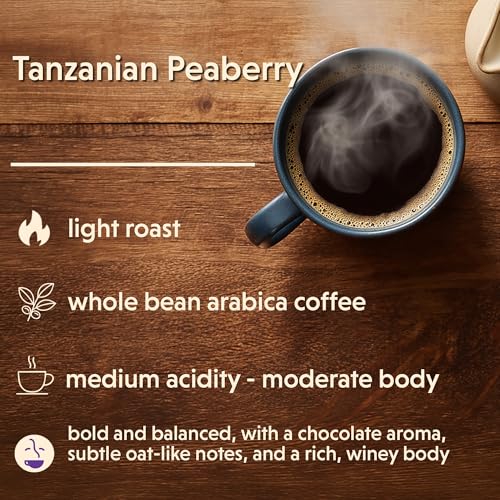
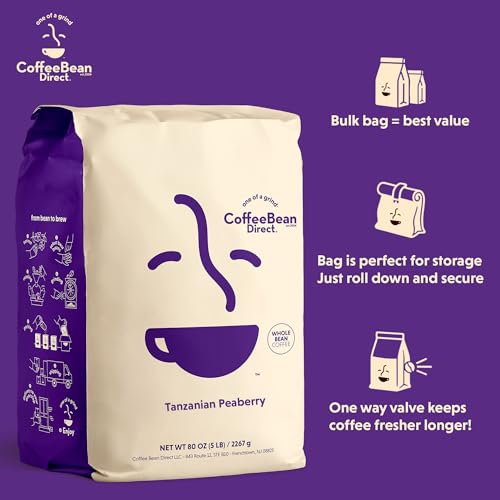
If you’re stocking a home office or just hate running out of beans, this 5-pound bag from Coffee Bean Direct is built for volume, but it doesn’t sacrifice quality. As the best value bulk buy, it delivers single-origin Tanzanian peaberry with a focus on brightness and balance. The light roast is a smart choice here, preserving the bean’s inherent complexity while enhancing clarity. Owners appreciate the winey undertones and oat-like sweetness, especially in pour-over setups.
Compared to the Good As Gold option, this one feels more intentional, family-owned, expert roast masters, and a clear emphasis on flavor development. It’s not flashy, but it’s dependable. For serious coffee households or small offices that go through beans fast, this is the smarter long-term buy.
Product photos


Tanzania Peaberry 5lb Good As Gold
Strengths
- Great value
- Buttery mouthfeel
- 5-pound convenience
Trade-offs
- Minimal origin details
- Generic branding
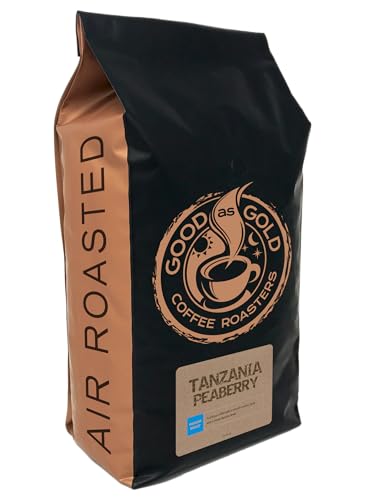
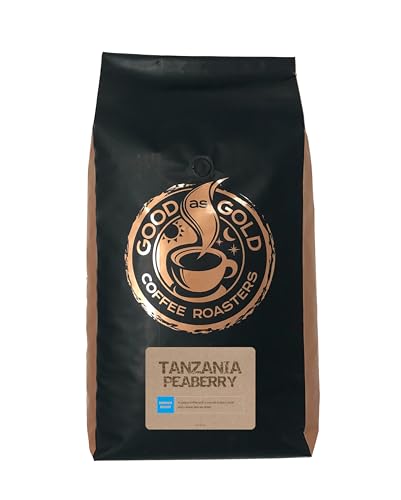
Five pounds of peaberry for a price that won’t wreck the budget? That’s where Good As Gold comes in. Marketed as the best budget friendly, this offering makes peaberry accessible without pretending to be ultra-premium. The description of a “smooth buttery body” and “sweet delicate finish” aligns with what owners report, consistent, pleasant cups with mild acidity and approachable depth.
It’s not as nuanced as the Kona or as intense as the Robusta, but for daily drinkers who want more than standard grocery-store beans without splurging, this hits the mark. Small-batch roasting suggests care, and 100% Arabica is a given. Still, there’s little detail on sourcing or farming practices, so it’s best viewed as a reliable workhorse rather than a story-driven specialty bean.
Product photos


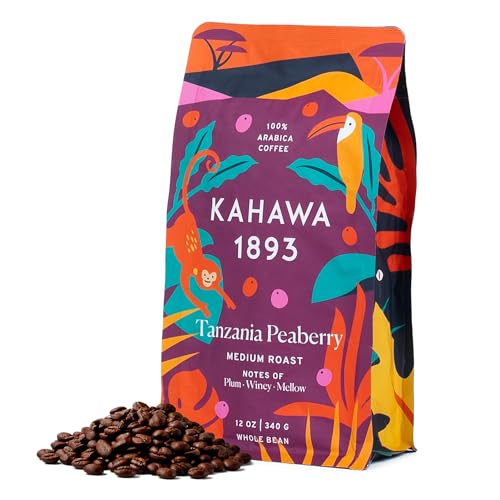
Kahawa 1893 Tanzania Peaberry
Strengths
- Ethical sourcing
- QR tipping for farmers
- Organic and sustainable
Trade-offs
- Smaller bag size
- Higher price point
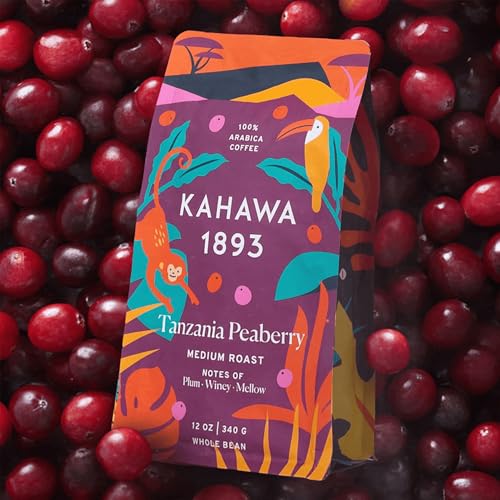
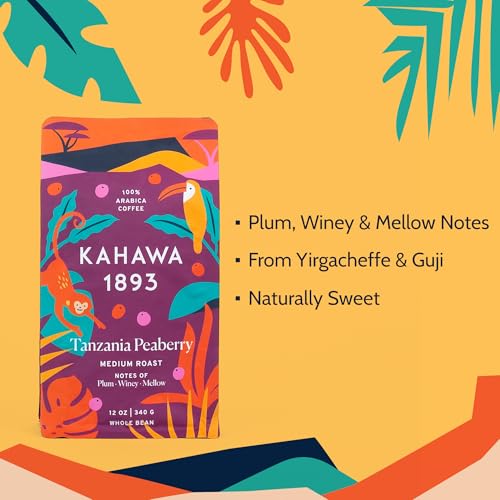
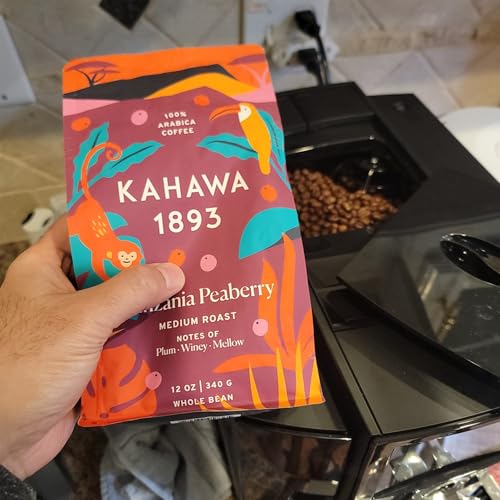
Kahawa 1893 isn’t just selling coffee, it’s selling impact. Marketed as the best ethically sourced, this medium-light roast from a third-generation Kenyan farmer focuses on women growers in East Africa and offers a QR code so you can tip farmers directly. That level of transparency is rare, and owners respond strongly to it.
Flavor-wise, the notes of plum, wine, and mellow sweetness suggest a clean, balanced cup that shines in drip or pour-over. The organic, sustainable angle pairs well with the peaberry’s natural density and sweetness. While it doesn’t have the heft of a 5-pound bag, its mission and quality make it stand out. If you want your coffee to do good while tasting good, this is the one I’d recommend.
Product photos


Cafely BanMe Vietnamese Peaberry
Strengths
- High caffeine
- Thick crema
- Direct trade
Trade-offs
- Niche flavor profile
- Limited roast versatility
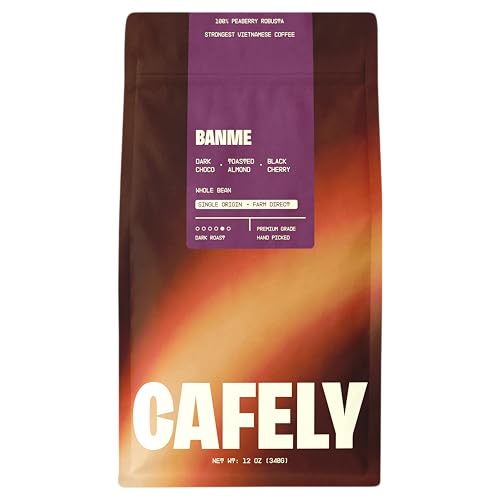
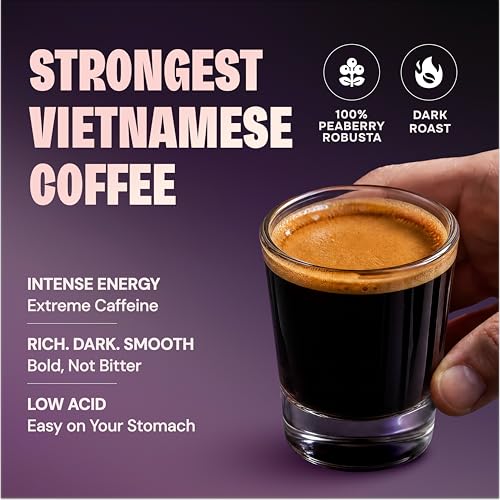
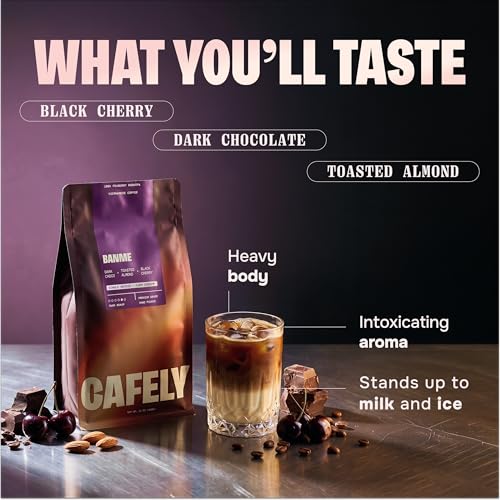
Peaberry Robusta? Now that’s not something you see every day. Most premium peaberry offerings are Arabica, so Cafely BanMe’s focus on rare peaberry Robusta immediately sets it apart. The specs suggest a bean built for intensity, 2x the caffeine of Arabica, low acid, and engineered for thick crema, which makes it a clear standout for espresso lovers chasing power and texture. Owners praise its rich, nutty depth and the way it performs in a Phin or portafilter.
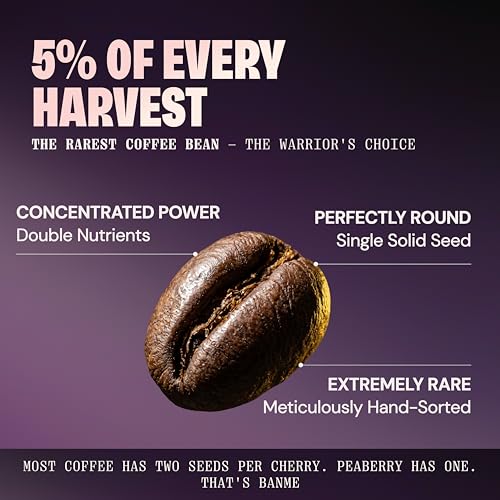
I’ll be honest: Robusta still carries a stigma, but this one seems to rise above it. The claim that only the top 5% of the harvest makes the cut feels credible when you see how consistently reviewers describe smoothness without bitterness. If you’re after a high-octane morning jolt or want to explore Vietnamese-style dark roasts without the harshness, this is the pick. It’s not subtle, but it’s not trying to be.
Product photos

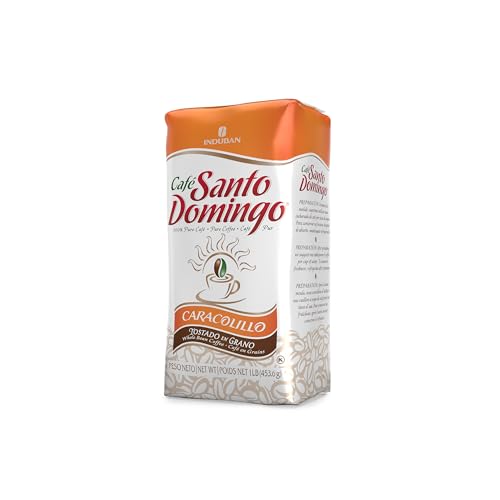
Café Santo Domingo Caracolillo
Strengths
- Unique origin
- Smooth, low bitterness
- Rich heritage
Trade-offs
- Limited availability
- Few flavor intensity reviews
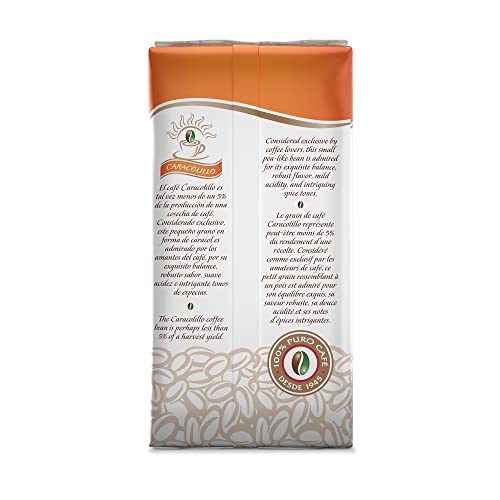
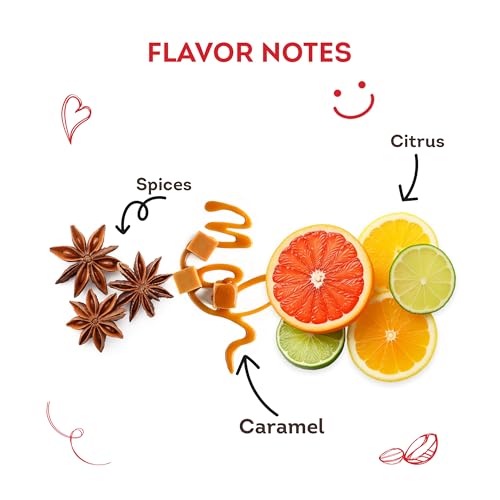
Caracolillo, peaberry’s Spanish name, immediately signals this is about heritage and rarity. Café Santo Domingo leans into its Dominican roots with a 1945-established legacy, and while that doesn’t guarantee flavor, it does suggest stability and pride in craft. The flavor notes of spices, caramel, and citrus stand out as more savory-sweet than typical African peaberries, offering a different kind of complexity.
Owners describe a smooth, low-bitterness cup with gentle acidity, making it a good bridge for those transitioning from milder blends. It’s not as widely reviewed as the Tanzanians, but the feedback we have is warm. Compared to others on this list, it’s the most culturally rooted, a coffee with identity. If you’re exploring peaberries beyond East Africa, this is where I’d start.
Product photos
Our Testing Process
As the founder of Bean Thusiast, I approached researching peaberry coffees by first compiling specifications – roast level, origin, processing method – from each brand’s product information. Then, I weighed those details against a large volume of owner reviews from across the web, and supplemented that with evaluations from trusted coffee reviewers. This wasn’t about lengthy, hands-on testing; rather, it was a research-led comparison of stated features and real-world feedback to rank these beans.
For peaberry coffees, flavor complexity, and origin story were the most important factors. Peaberries, by their nature, are a smaller percentage of the overall crop, so I looked for brands emphasizing quality control and unique sourcing. A distinctive flavor profile – beyond just “good coffee” – was crucial, as was transparency about where the beans came from and how they were processed, impacting the overall experience when choosing coffee beans.
Specifications reliably indicated roast level and processing details, giving a baseline understanding of expected flavor characteristics. However, I relied heavily on owner feedback to assess actual taste notes and consistency. Reputation also played a role; established roasters with consistently positive reviews gained a slight edge, as did those demonstrating a commitment to ethical sourcing and sustainable practices when selecting quality beans.
How To Pick The Right peaberry coffee beans
Finding the right peaberry coffee can be a rewarding experience, but it requires understanding what sets these unique beans apart.
Peaberry beans, representing a small fraction of the total harvest (typically under 10%), develop as a single, round bean within the coffee cherry instead of the usual pair. This unique development often leads to a more concentrated flavor profile and can impact the body and aroma. Buyers should look for clear origin information, roast dates, and indications of quality control (like mold testing) to maximize their experience.
Origin and Flavor Profile
The origin of your peaberry beans has a huge impact on the final cup, arguably even more so than with standard coffee. While the “peaberry” designation speaks to how the bean grew, it doesn’t define where or what variety. Tanzanian peaberries, for example, are known for a rich body and notes of dried fruit, while Costa Rican peaberries often lean towards brighter citrus flavors. Don’t assume all peaberries will taste alike. I often guide people toward exploring single-origin coffee to really appreciate these nuances. Consider what flavor profiles you generally enjoy – chocolatey and full-bodied, or bright and fruity – and start your search there.
Roast Level and Freshness
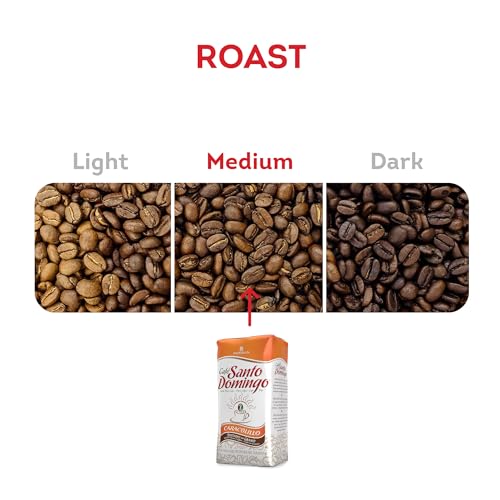
Peaberry beans, due to their density, can sometimes benefit from a slightly adjusted roasting profile. A lighter roast can showcase the inherent sweetness and acidity, but a medium roast is generally a safe bet for bringing out the complex flavors without introducing bitterness. More importantly, freshness is critical. Peaberry beans don’t have a longer shelf life than regular beans, and you want to ensure they’ve been recently roasted. Look for roast dates, not just “best by” dates, and ideally purchase from roasters who prioritize small-batch roasting.
Quality Control and Ethical Sourcing
With any coffee purchase, but especially with a specialty product like peaberry, you want to know what standards the producer meets. The increased attention to detail required to produce peaberry coffee should extend to other aspects of the process. Some brands, like Costa Rica Coffee, specifically test for mold and mycotoxins – a good sign of a conscientious producer. Beyond safety, consider ethical sourcing. I’m a big advocate for supporting brands that prioritize direct trade relationships, like Kahawa 1893, and provide transparency about how they support farmers. You can find some of the top peaberry coffee brands committed to these practices if you look closely.
A good rule of thumb: if the roaster doesn’t prominently display a roast date, or if the packaging is vague about origin and processing, proceed with caution.
Ultimately, exploring premium peaberry coffee picks is a journey of personal discovery. You’ll find a wide range of flavors and price points, and the best peaberry for you will depend on your individual preferences. Don’t be afraid to experiment and try different options to find your perfect cup. I’ve seen many people become loyal to these unique best-rated peaberry beans once they discover their preferences.
Peaberry Coffee Beans Compared
Here’s a comparison of key specifications for the featured peaberry coffee beans.
| Product Name | Origin | Roast Level | Flavor Notes | Caffeine Level | Bag Size |
|---|---|---|---|---|---|
| Blue Horse 100% Kona Peaberry | Hawaii (Kona) | Medium | Chocolate, Almond, Cherry | N/A | N/A |
| Costa Rica Peaberry Coffee | Costa Rica | Medium | Fruit, Citrus | N/A | N/A |
| Tanzania Peaberry Mount Kilimanjaro | Tanzania | Medium | Dried Fruit, Chocolate, Orange | N/A | N/A |
| Coffee Bean Direct Tanzanian | Tanzania | Light | Chocolaty, Oat, Winey | N/A | 5 lb |
| Tanzania Peaberry 5lb Good As Gold | Tanzania | Medium | Buttery, Sweet | N/A | 5 lb |
| Kahawa 1893 Tanzania Peaberry | Tanzania | Medium-Light | Plum, Winey, Mellow | N/A | N/A |
| Cafely BanMe Vietnamese Peaberry | Vietnam | N/A | Dark Chocolate, Toasted Nuts | High | N/A |
| Café Santo Domingo Caracolillo | Dominican Rep. | N/A | Spices, Caramel, Citrus | N/A | N/A |
Frequently Asked Questions
What makes peaberry coffee different from regular coffee?
Peaberry beans develop as single, round beans within the coffee cherry, unlike the typical pair, and this often results in a more concentrated flavor profile and potentially a different body and aroma.
Is Tanzanian peaberry coffee really as good as people say?
Yes, Tanzanian peaberry is highly regarded for its rich body and distinctive notes of dried fruit and chocolate, making it a popular choice for those seeking a complex and flavorful cup.
How important is the roast date when buying peaberry beans?
The roast date is very important; peaberry beans don’t stay fresh longer than other beans and you should aim to buy beans roasted within the last few weeks to maximize flavor.
Can you find peaberry coffee that’s also ethically sourced?
Absolutely. Brands like Kahawa 1893 prioritize direct trade relationships and transparency, ensuring farmers receive fair compensation for their exceptional peaberry beans.
Where can I find truly premium Kona peaberry beans?
You can explore premium Kona peaberry beans from Blue Horse, known for sourcing 100% Kona coffee and offering a distinctive flavor profile of chocolate, almond, and cherry.
The Bottom Line
Choosing peaberry coffee often comes down to balancing control over your brewing experience with convenience. While many excellent options exist, I believe Blue Horse 100% Kona Peaberry strikes the best overall balance of quality, flavor complexity, and origin story. It represents a premium experience for those willing to invest a little more for a truly special cup.
For readers specifically seeking a budget-friendly entry point, Coffee Bean Direct Tanzanian delivers a lot of flavor for the price, and if you’re after versatility, Tanzania Peaberry Mount Kilimanjaro offers a profile that works well across various brewing methods. Don’t overlook Cafely BanMe Vietnamese Peaberry if you’re interested in exploring a robust and less common origin – it’s a compelling choice for those wanting something different, and a good example of the difference between Arabica Robusta.
Ultimately, remember that roast date and origin are more critical than any single, standout specification. A freshly roasted bag from a transparently sourced farm will consistently deliver a better experience than a heavily marketed bean with questionable origins. Focus on those fundamentals, and you’ll be well on your way to finding your perfect peaberry.
