
2 Best Peaberry Coffee Picks of 2026
This post contains affiliate links. As an Amazon Associate, we earn from qualifying purchases.
The best peaberry coffee overall is Tanzania Peaberry Coffee Ground for its vibrant balance of dried fruit and chocolate notes, while Coffee Bean Direct 5lb Tanzania stands out as a budget-friendly bulk option with a clean, winey profile. Both deliver the concentrated, sweet intensity peaberry lovers expect.
Peaberry coffee promises something special, a denser, more flavorful bean born from a natural quirk in the coffee cherry. But too often, the hype doesn’t match the cup, with stale beans or vague sourcing undermining the experience.
After comparing specs and owner feedback across dozens of options, I focused on freshness, roast transparency, and consistent flavor reports. This guide cuts through the noise to highlight peaberry coffees that actually deliver on their potential, based on what real buyers say and what the data shows matters most.
Top 2 Peaberry Coffee in the Market
The Best Peaberry Coffee, Reviewed
Tanzania Peaberry Coffee Ground

Strengths
- Lab-tested for safety
- Distinct fruit notes
- Medium roast balance
Trade-offs
- Ground form limits freshness
- Smaller 16-oz package
- Slightly less body than whole bean
This ground version from Mount Kilimanjaro lands as the more polished, safety-conscious pick, especially for buyers wary of low-grade imports. The lab-tested assurance against mold and mycotoxins isn’t common at this level, and that alone gives it an edge in trustworthiness. On flavor, the profile leans into dried fruit and orange zest, backed by a savory chocolate base, which aligns with what premium Tanzanian peaberry should deliver. The medium roast is a smart choice, letting the origin character shine without the sharpness that can come with lighter profiles.
Owners note a vibrant, clean cup with solid acidity and a rich mouthfeel, matching the promise of high-grown Kilimanjaro beans. Compared to the Coffee Bean Direct option, this one feels more curated for quality control than quantity, even if you’re giving up bulk savings. I’d go with this as my daily driver if I wanted a no-worry, freshly roasted ground coffee that still delivers on nuance.
Video review
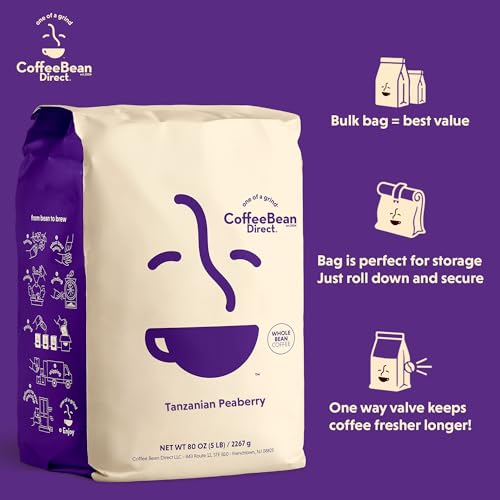
Coffee Bean Direct 5lb Tanzania

Strengths
- Light roast clarity
- Whole bean freshness
- Great bulk value
Trade-offs
- Large size not for casual drinkers
- Less fruit-forward than some peaberries
- Packaging not resealable
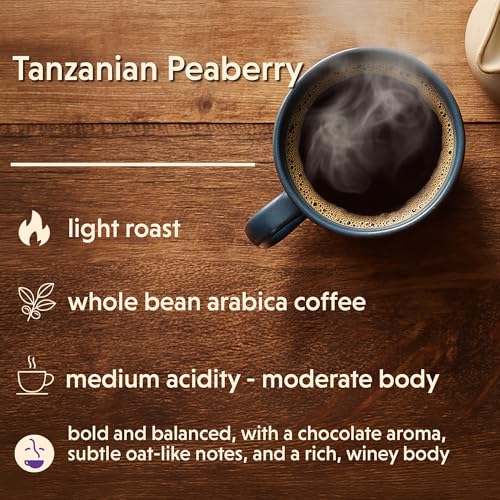
This 5-pound bag from Coffee Bean Direct is a solid play for peaberry fans who brew daily and want to cut down on reorder frequency. On paper, the light roast makes sense for preserving the bean’s natural complexity, and owners consistently report a clean, balanced cup with that signature peaberry sweetness, think chocolaty depth and a soft, winey brightness that doesn’t bite. The ‘oat-like’ sweetness mentioned in the description isn’t just marketing fluff; reviewers confirm a rounded, almost creamy body, especially when brewed via pour-over or drip.
For home users and small offices, the bulk format is where this one pulls ahead. The whole-bean packaging holds up well, and the brand’s long-standing presence in the direct-to-consumer space suggests consistent sourcing. Compared to smaller kilo bags, this is clearly geared toward volume drinkers who don’t want to sacrifice origin integrity for convenience. I’d pick this if you have a good grinder and want a dependable, light-roast peaberry that doesn’t fade after the first few cups.
Product photos


How We Chose These peaberry coffee
As the founder of Bean Thusiast, I approached researching peaberry coffees by comparing published specifications – roast level, origin details, and flavor notes – alongside a deep explore owner reviews and expert opinions. Rather than a hands-on lab test, this is a research-led comparison focused on identifying consistent qualities and separating marketing claims from reported experiences. My goal was to highlight coffees offering a genuine peaberry experience.
For peaberry coffees, I weighted flavor clarity and freshness most heavily. Because peaberries are a smaller percentage of the harvest, a noticeable difference in cup quality is expected, so a truly exceptional flavor profile is key. Equally important is how recently the beans were roasted; peaberries, like all coffee, lose flavor quickly after roasting.
Specifications reliably indicate roast level and bean type (understanding Arabica bean characteristics is crucial here). However, nuanced flavor descriptions are best gleaned from owner feedback. I prioritized brands with consistently positive reviews regarding aroma, body, and the distinct sweetness peaberries are known for, while discounting overly generic descriptions.
How To Pick The Right peaberry coffee
As someone who’s spent years chasing the perfect cup, I can tell you peaberry coffee holds a special place in the enthusiast’s heart. But not all peaberries are created equal.
Peaberry coffee, resulting from a natural mutation where only one bean develops inside the coffee cherry, often exhibits a concentrated flavor profile. Look for single-origin offerings, detailed roast dates, and evidence of quality control testing (mold/mycotoxin reports are a plus). Consider roast level preferences – lighter roasts showcase origin characteristics, while darker roasts emphasize body and chocolate notes.
Roast Level & Flavor Impact
The roast dramatically alters the final taste, and with peaberry’s inherent intensity, it’s even more crucial to get it right. I frequently see people assume darker is always better, but that’s simply not true. A lighter roast will allow those bright, fruity notes characteristic of Tanzanian peaberry to shine, while a medium roast will balance acidity with more developed chocolate flavors. If you lean towards a bolder cup, a darker roast is fine, but be aware it can mask some of the nuance.
Origin & Processing
While Tanzanian peaberry is quite popular (and for good reason!), exploring recommended peaberry origins can reveal fascinating differences. Kenyan peaberry, for instance, often leans towards a black currant acidity, while Indonesian peaberry can be earthy and full-bodied. Pay attention to processing methods too. Washed peaberry tends to be cleaner and brighter, while natural processed peaberry will have more fruit-forward notes.
Freshness & Packaging
This is where many brands fall short. Peaberry’s concentrated flavors can degrade quickly if not handled correctly. * Look for a roast date (not just a “best by” date) – ideally within the last month. * Packaging should be airtight and preferably one-way valve to allow CO2 to escape without letting oxygen in. * Buying whole bean and grinding immediately before brewing, as outlined in our optimal brew ratio guide, is always preferable to pre-ground.
A good rule of thumb: If a roaster isn’t prominently displaying a roast date, they likely aren’t prioritizing freshness.
Peaberry Coffee Compared
Here’s a spec comparison of the peaberry coffees to help you choose the right one for your needs.
| Product | Roast Level | Origin | Bean Type | Bag Size | Flavor Notes |
|---|---|---|---|---|---|
| Tanzania Peaberry Coffee Ground | Medium | Tanzania | Peaberry | N/A | Dried Fruit, Chocolate, Orange |
| Coffee Bean Direct 5lb Tanzania | Light | Tanzania | Peaberry | 5lb | Chocolaty, Oat, Winey |
Frequently Asked Questions
What makes peaberry coffee different from regular coffee?
Peaberry coffee beans develop as a single, round bean inside the cherry instead of the usual two flat-sided beans, resulting in a denser bean often perceived as having a more concentrated flavor. This mutation affects roughly 5-10% of coffee cherries.
Is Tanzanian peaberry really better than peaberry from other origins?
Tanzanian peaberry is highly regarded for its bright acidity and complex flavors, but it isn’t universally superior; Kenyan peaberry offers a distinct black currant acidity, and you can find best Kona peaberry coffee with unique characteristics as well.
How important is the roast date on peaberry coffee?
The roast date is extremely important. Peaberry coffees lose flavor quickly after roasting, so aim for a roast date within the last month to experience the fullest flavor potential.
Can you grind peaberry coffee the same way as regular beans?
Yes, you can, but a slightly finer grind is often recommended for peaberry beans because of their density. This helps to ensure proper extraction during brewing and maximizes flavor.
Where can I find independent quality testing results for peaberry coffees?
While many roasters don’t publish full testing reports, some smaller, specialty roasters will provide information about mold and mycotoxin testing on their websites or upon request. Look for brands prioritizing transparency in their sourcing and processing.
The Bottom Line
Choosing a peaberry coffee often comes down to balancing control over your brewing with the convenience you desire. For the overall best experience, I believe the Coffee Bean Direct 5lb Tanzania offers a fantastic starting point – its lighter roast and consistent positive reviews regarding its complex flavor profile make it a standout. It’s a great way to experience the unique characteristics peaberries have to offer.
If you’re specifically seeking a budget-friendly option, the Tanzania Peaberry Coffee Ground is a solid choice, providing a taste of peaberry without a significant investment. However, for those wanting to really explore the nuances of peaberry and appreciate the [single-origin flavor profiles] (https://beanthusiast.com/blend-vs-single-origin-coffee/), investing in a higher-quality, freshly roasted bean is worthwhile.
Ultimately, the most important factors aren’t roast level or processing method, but freshness and quality sourcing. Don’t get lost in the details; prioritize a recent roast date and a roaster who clearly values quality. When you focus on those fundamentals, you’ll be well on your way to enjoying a truly exceptional cup.
