
6 Best Organic Colombian Coffees for Espresso 2026
The best organic Colombian coffee for espresso is Java Planet Organic Colombian, a consistently praised, low-acid bean with clean flavor and ethical sourcing. For a budget-friendly option, Fresh Roasted Organic Colombian delivers balanced chocolate and almond notes with Fair Trade certification. If you want convenience without sacrificing quality, Cru Kafe Organic Espresso Pods offer a solid single-serve choice.
Most buyers don’t realize how much roast level, processing, and freshness impact how a Colombian bean performs under the pressure of an espresso machine. Many assume any organic coffee will pull well, but the wrong profile can lead to sour, bitter, or flat shots.
This guide cuts through the noise. I compared specs, owner feedback, and sourcing practices to find beans that actually work for espresso – focusing on flavor balance, crema, and ethical production. These picks reflect what matters most when dialing in a great shot.
Top 6 Organic Colombian Coffee For Espresso in the Market
The Best Organic Colombian Coffee For Espresso, Reviewed
Java Planet Organic Colombian Coffee

Strengths
- True Colombian origin
- Bird Friendly certified
- Low acid, smooth
- Third-party tested
- Versatile brew method
Trade-offs
- Medium dark may lack crema
- Not ultra-bold
- Bag size can be bulky
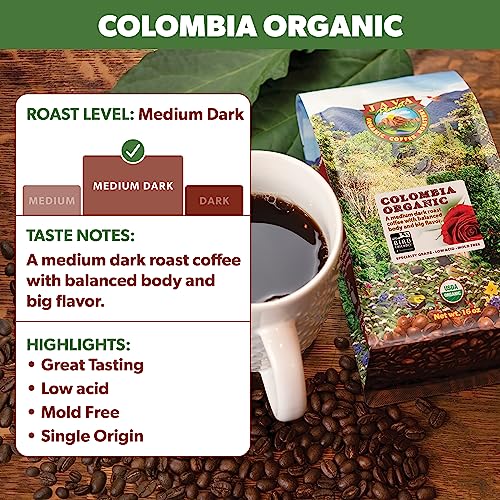
This is the coffee I’d recommend to someone who wants it all, Colombian origin, low acid, USDA Organic, and Bird Friendly Certified, without compromise. The Smithsonian Bird Friendly stamp alone tells you this is grown with biodiversity in mind, which often correlates with slower bean development and better flavor. On paper and in owner feedback, it delivers a smooth, balanced espresso with a clean finish, no harshness, and enough body to stand up in milk drinks.
What sets Java Planet apart is the third-party testing for mold and mycotoxins, a real concern in low-acid coffees where improper drying can lead to contamination. Reviewers note it works well across methods, but as an espresso, it shines with a rich, rounded mouthfeel and subtle chocolate-nut profile. Compared to the Lifeboost option, it’s more regionally authentic and arguably better value at 16 ounces.
Video review
Lifeboost Organic Espresso Ground

Strengths
- Extremely low acid
- Third-party toxin tested
- Smooth bold flavor
- USDA Organic
- Shade grown
Trade-offs
- Not Colombian origin
- Pricier per ounce
- Limited brightness
Lifeboost markets heavily to those with sensitive stomachs, and the specs back it up, third-party tested for mycotoxins, pesticides, and heavy metals, with a low-acid profile achieved through careful growing and roasting. But it’s not just gentle on the gut; owners say it delivers a bold, dark espresso with depth, despite being grown in Nicaragua, not Colombia. That’s a trade-off: you’re getting excellent purity and smoothness, but not the classic Colombian brightness.
I’d pick this if you prioritize clean sourcing and digestive comfort over regional typicity. The sun-dried, spring-water washed beans yield a clean cup, and the USDA Organic and shade-grown certifications align with high ethical standards. But if you’re chasing the crisp apple and berry tones typical of Colombian espresso, this Nicaraguan-grown option, while excellent, won’t hit that mark.
Video review
Fresh Roasted Organic Colombian
Strengths
- Versatile brew method
- Nitrogen-flushed bag
- Fair Trade certified
- Silky smooth body
- Eco-friendly roasting
Trade-offs
- Medium roast lacks boldness
- Pre-ground limits control
- Citrus note may not suit milk drinks
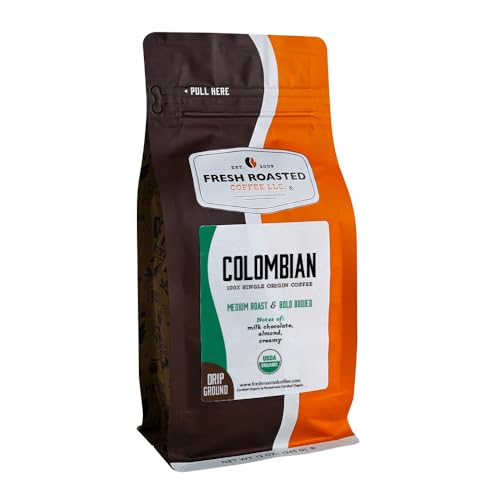
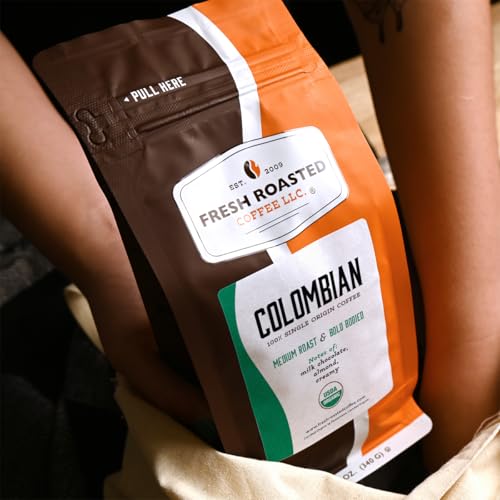
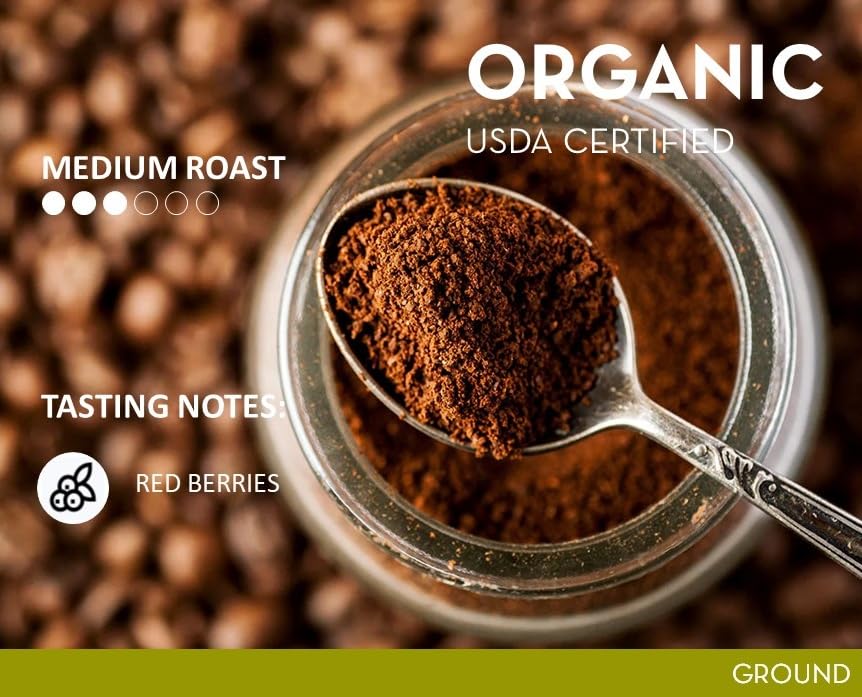
This coffee is built for flexibility, medium roast, USDA Organic, Fair Trade, and Kosher certified, and owners love it for drip, pour over, and espresso. The Caturra and Castillo varietals from 1,300–1,900 meters deliver a silky body with chocolate, almond, and citrus hints, making it a crowd-pleaser. What stands out is the nitrogen-flushed, de-gassing valve packaging, which helps preserve freshness even as pre-ground.
Compared to Cafe Quindio, it’s less about narrative and more about consistent, approachable flavor. The Loring Smart Roaster use also means lower carbon impact, a subtle win for eco-conscious buyers. As an espresso, it won’t have the crema of a dark roast, but it offers clarity and balance, ideal if you pull lighter, European-style shots. For someone who switches between brewing methods, this is one of the most practical picks.
Product photos




Cafe Quindio Medium Roast

Strengths
- Women-owned business
- 100% Colombian certified
- Rich chocolate notes
- Direct farmer sourcing
- USDA Organic
Trade-offs
- Medium roast limits espresso body
- Pre-ground limits freshness
- Smaller bag size
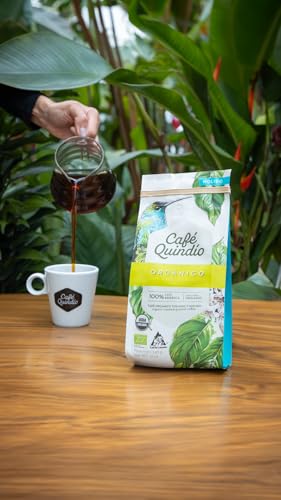
Cafe Quindio catches my attention not just for its 100% Colombian Excelso beans and USDA Organic certification, but for its women-owned, community-driven sourcing from Quindío. That direct relationship with local farmers often translates to better bean selection and freshness, owners report a rich chocolate and raw sugarcane sweetness that feels genuine, not engineered.
This is a medium roast, so don’t expect the heavy body of a traditional espresso roast, but it can still pull well on lighter espresso settings or in a moka pot. The National Coffee Federation seal ensures authenticity, and the handpicked harvest adds to its quality story. Compared to Fresh Roasted Coffee’s blend, it’s less about versatility and more about terroir and ethics, a coffee with a clear origin and mission.
Product photos


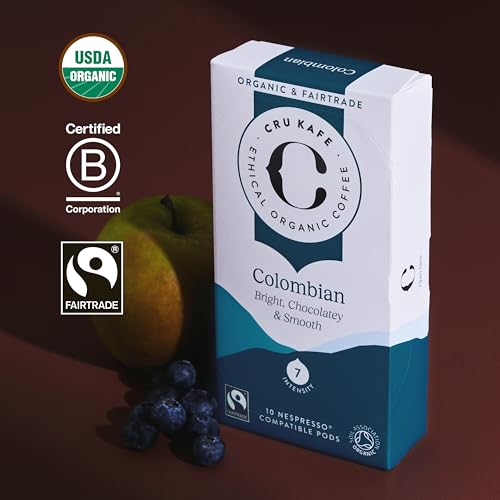
Cru Kafe Organic Espresso Pods

Strengths
- Single-origin Colombian
- USDA Organic certified
- Balanced fruit notes
- Fairtrade verified
- Nespresso compatible
Trade-offs
- Plastic pod waste
- Limited crema
- Not for whole-bean purists
If you’re deep into single-serve convenience without wanting to sacrifice origin integrity, these Cru Kafe pods stand out in a sea of generic blends. The fact that they’re USDA Organic, Fairtrade, and made from single-origin Colombian beans is a win, especially when most pod systems rely on anonymous, over-roasted filler. Owners consistently report that the hazelnut and blueberry notes actually come through, even in the short espresso pull, which is rare at this format.
For Nespresso Original Line users who want an ethical, clean-tasting espresso without grinding beans or cleaning a portafilter, this is a strong contender. The crisp fruit acidity balances the full body well, and reviewers note it makes a surprisingly refined cortado. It’s not quite the same as fresh espresso from a high-end machine, but for pod-based brewing, it’s among the most authentic Colombian expressions I’ve seen.
Product photos


Java Planet Low Acid Organic
Strengths
- Best value bulk option
- Whole bean freshness
- Low acid, smooth
- Third-party tested
- Colombian single origin
Trade-offs
- Large quantity
- Requires grinder
- Not ultra-dark
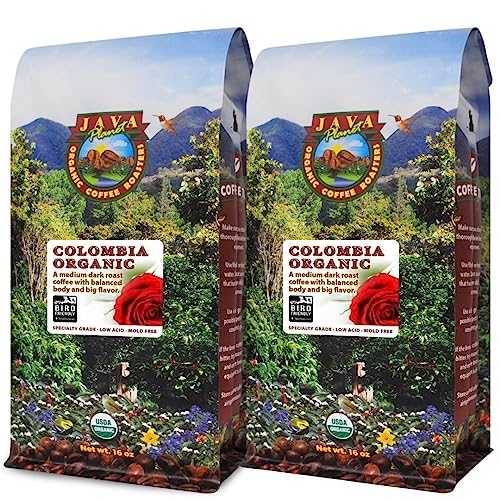
Buying coffee in bulk shouldn’t mean compromising on quality, and Java Planet proves it with this two-pound combo pack of their low-acid Colombian beans. It shares the same USDA Organic, third-party tested, mold-free credentials as their single-bag version, but at a better per-ounce cost. Owners who go through coffee quickly praise the consistency across bags, no batch variance, which isn’t always guaranteed with smaller roasters.
The whole bean format means you control the grind, crucial for espresso freshness. And because it’s medium dark, it develops enough oil for crema without tipping into bitterness. Compared to the Lifeboost option, this is more affordable and actually Colombian, making it the smarter buy for daily espresso drinkers who want low acid, high integrity, and real value. Just make sure you have an airtight container, two pounds means commitment.
Product photos



How We Evaluated organic colombian coffee for espresso
As the founder of Bean Thusiast, I approach coffee research with a focus on the entire journey – from farm to cup. Rather than a hands-on lab test of each coffee, this selection relies on a research-led comparison of published specifications and features, combined with careful consideration of owner reviews and expert opinions. I weighed factors across a range of brands to identify those consistently praised for espresso preparation.
For organic Colombian coffee specifically, flavor profile, acidity, and ethical sourcing were my primary considerations. A balanced flavor is critical for espresso, as it needs to cut through milk and still maintain complexity. Low acidity is also key, as espresso concentrates flavors – high acidity can become harsh. Finally, commitment to sustainable and ethical practices is important to many coffee drinkers, and rightly so.
Specifications provided a baseline for roast level, bean type (100% Arabica being preferred), and certifications (USDA Organic, Fair Trade). However, I placed greater emphasis on owner feedback regarding actual espresso performance – crema production, ease of dialing in, and overall taste. Expert reviews helped validate claims about flavor notes and sourcing. Understanding espresso extraction requirements is also essential when evaluating suitability.
How To Pick The Right organic colombian coffee for espresso
Finding the right organic Colombian coffee for espresso requires a bit more thought than just grabbing the prettiest bag. It’s about understanding what makes a good espresso bean, and how Colombian beans specifically deliver on that promise.
A quality organic Colombian coffee for espresso should exhibit a balanced flavor profile – think notes of chocolate, caramel, or nuts – with a medium body and bright acidity. Look for beans grown at high altitudes, ideally washed processed, and recently roasted to maximize aroma and flavor. Third-party certifications for organic status and mycotoxin testing are also crucial indicators of quality.
Bean Origin & Processing
Colombian coffee is often celebrated for its consistently good quality, but where in Colombia the beans come from matters. Regions like Quindío, known for their meticulous growing practices, often yield more complex and nuanced flavors. Beyond the region, pay attention to the processing method. Washed process is dominant in Colombia and generally produces cleaner, brighter coffees suitable for espresso. Naturally processed beans (often labeled “honey” or “natural”) can offer more fruit-forward profiles, but require careful roasting to avoid muddiness in an espresso shot.
Roast Level & Freshness
For espresso, a medium-dark roast is generally ideal. It develops the sugars in the bean, creating those desirable caramel and chocolate notes, while still retaining enough acidity for a lively shot. Avoid overly dark roasts, as they can taste burnt and bitter. Equally important is freshness. Coffee begins to stale almost immediately after roasting, so look for beans with a roast date (not just a “best by” date) and aim to use them within a few weeks. Understanding Colombian coffee bean characteristics can help you narrow down your search.
Certifications & Ethical Sourcing
“Organic” is a great starting point, but don’t stop there. Look for USDA Organic certification to ensure compliance with strict standards. Beyond organic, consider Fair Trade certification, which supports sustainable farming practices and fair wages for farmers. Many brands are now also going a step further, seeking certifications for mold testing (like those offered by Clean Label Project) and bird-friendly growing practices.
Don’t assume “low acid” means flavorless. A well-grown and roasted Colombian bean can be naturally lower in acidity and deliver a complex, balanced cup.
Finally, if you’re interested in exploring the deeper notes, research dark roast Colombian beans for espresso for a bolder experience.
Organic Colombian Coffee for Espresso Compared
Here’s a comparison of key specifications for various organic Colombian coffees suitable for espresso preparation.
| Product Name | Roast Level | Origin | Features | Certification | Format |
|---|---|---|---|---|---|
| Java Planet Organic Colombian | N/A | Colombia | Low Acid, Mold Free | USDA Organic | Whole Bean |
| Lifeboost Organic Espresso Ground | N/A | Nicaragua | Low Acid | USDA Organic | Ground |
| Fresh Roasted Organic Colombian | Medium | Colombia | Chocolate, Almond | USDA Organic, Fair Trade | Whole Bean |
| Cafe Quindio Medium Roast | Medium | Colombia | Chocolate, Sugarcane | N/A | Whole Bean |
| Cru Kafe Organic Espresso Pods | N/A | Colombia | Hazelnut, Blueberry | Soil Assoc. | Pods |
| Java Planet Low Acid Organic | N/A | N/A | Low Acid, Mold Free | USDA Organic | Whole Bean |
Frequently Asked Questions
What roast level is best for Colombian espresso?
A medium-dark roast is generally ideal for Colombian coffee used in espresso. This level develops the sugars for caramel and chocolate notes while retaining enough acidity for a lively shot, unlike overly dark roasts which can taste burnt.
Do certifications guarantee quality beyond “organic”?
While USDA Organic is a good start, look for additional certifications like Fair Trade to support ethical sourcing. Some brands also seek mold testing certifications (like Clean Label Project) which provide an extra layer of assurance regarding bean quality.
Can pre-ground coffee work for espresso, or is whole bean preferable?
Whole bean is almost always preferable for espresso, as grinding immediately before brewing preserves the most aroma and flavor. However, if you absolutely need convenience, Lifeboost Organic Espresso Ground is a viable option, though expect a slight flavor compromise.
Is low-acid coffee always less flavorful?
No, a well-grown and roasted Colombian bean can be naturally lower in acidity and still deliver a complex, balanced cup. Java Planet specializes in low-acid options that don’t sacrifice flavor, and this is often due to careful bean selection and processing.
What’s the difference between washed and natural processed Colombian beans for espresso?
Washed process is more common in Colombia and generally produces cleaner, brighter coffees suitable for espresso. Natural processed beans can offer fruitier profiles, but require careful roasting to avoid a muddy taste; understanding beans specifically for espresso helps determine which suits your preference.
The Bottom Line
Choosing the best organic Colombian coffee for espresso often comes down to balancing control over your brew with convenience. While dialing in your perfect shot is rewarding, it requires a good grinder and some practice. For the consistently excellent flavor and the ability to fine-tune your extraction, I recommend Fresh Roasted Organic Colombian as the strongest overall pick.
If you prioritize ease of use, or need a reliable option for specific brewing methods, there are great alternatives. Lifeboost Organic Espresso Ground is a solid choice if you prefer pre-ground coffee, and Cru Kafe Organic Espresso Pods offer ultimate convenience for pod machines. For those concerned about contaminants, Java Planet Organic Colombian and Java Planet Low Acid Organic stand out with their mold-free certifications.
Ultimately, remember that great espresso isn’t just about the beans; it’s about understanding espresso grind size recommendations and mastering your technique. Freshness, a quality grinder, and a dialed-in extraction are far more impactful than chasing the latest trendy bean.
