
3 Best Organic Coffee Creamers of 2026
After comparing the field and reviewing owner feedback, the Anthony’s Organic Coconut Creamer stands out as the best overall choice for its clean ingredient list and rich texture. For a dairy-based option, the Organic Valley Sweet Cream Creamer is a top pick, while the Four Sigmatic Focus Vanilla Creamer offers the most in terms of functional benefits like adaptogens and B-12.
Most coffee lovers want a creamer that feels wholesome without sacrificing flavor or performance. Too many organic options either taste chalky, separate in the cup, or load up on hidden sugars.
As the founder of Bean Thusiast, I looked beyond the label to find creamers that actually work in real mornings. This guide cuts through the noise, focusing on ingredient quality, how well they mix, and what users consistently say, so you can choose with confidence.
Top 3 Organic Coffee Creamer in the Market
The Best Organic Coffee Creamer, Reviewed
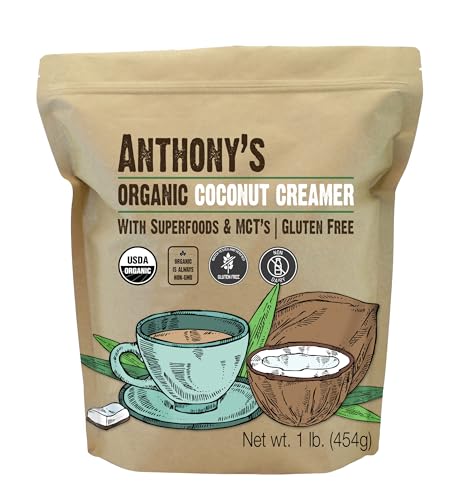
Anthony’s Organic Coconut Creamer
Strengths
- Powder form
- MCTs included
- Keto friendly
- 1 lb value size
- USDA organic
Trade-offs
- Can clump
- No adaptogens
- Requires mixing
This is the most practical all-in-one organic creamer for serious coffee drinkers who want both performance and purity. At 1 pound, it offers serious value and flexibility, owners consistently praise how a little goes a long way, whether stirred into hot coffee or blended into smoothies. The inclusion of MCTs and superfoods makes it a functional choice, and it’s vegan, keto, and paleo-friendly without sacrificing richness. It reconstitutes well with hot liquid, though some note it can clump if not whisked thoroughly.
Compared to Four Sigmatic, it delivers more actual creaminess and utility, and unlike Organic Valley, it’s plant-based with added metabolic benefits. While it lacks lion’s mane or B12, it’s a more complete base creamer for daily use. My recommendation? If you want one product that covers texture, health, and versatility, this is the smarter buy.
Video review
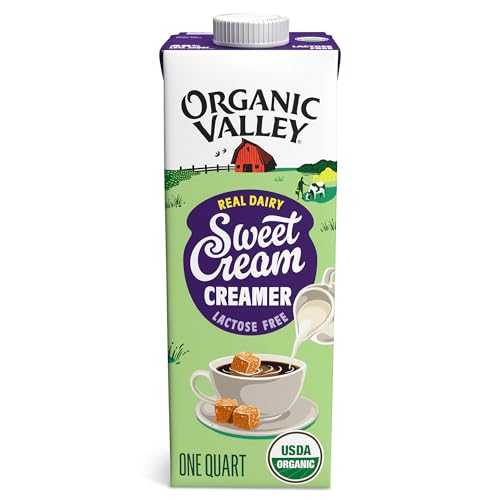
Organic Valley Sweet Cream Creamer
Strengths
- Silky texture
- Lactose free
- Less sugar
- Farmer owned brand
- USDA organic
Trade-offs
- Dairy based
- No functional additives
This is a straightforward organic dairy creamer that delivers exactly what it promises: a rich, subtly sweet addition to coffee without the baggage of artificial additives. I appreciate that it’s made with pure organic cane sugar and comes from a farmer-owned co-op with strong ethical standards, no GMOs, antibiotics, or synthetic pesticides. On paper, the 40% less sugar claim stands out, and owners consistently report it strikes a nice balance between sweetness and creaminess without overwhelming the coffee’s flavor.
It’s also versatile beyond the mug, with reviewers noting success in smoothies and oatmeal. While it won’t give you any functional boosts like adaptogens or MCTs, that’s not its job. For those who want a clean, lactose-free dairy option with integrity in sourcing, this is a solid go-to. Compared to non-dairy options, it brings a more traditional mouthfeel, which some will prefer.
Video review
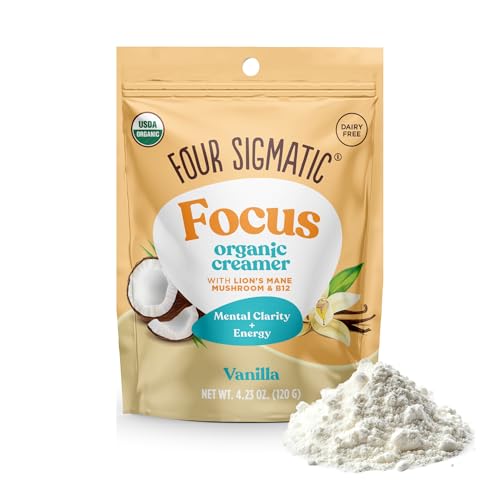
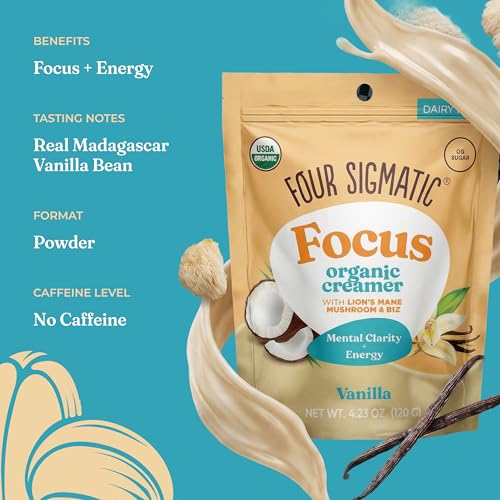
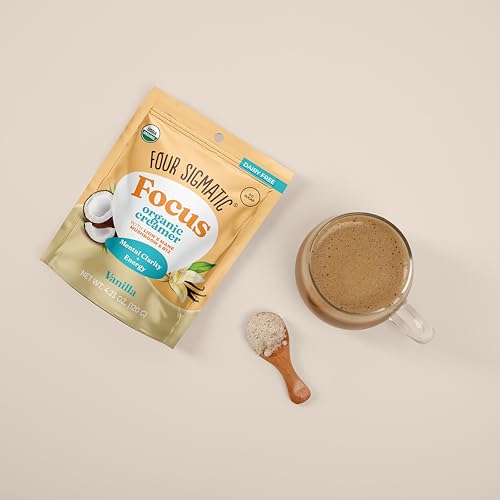
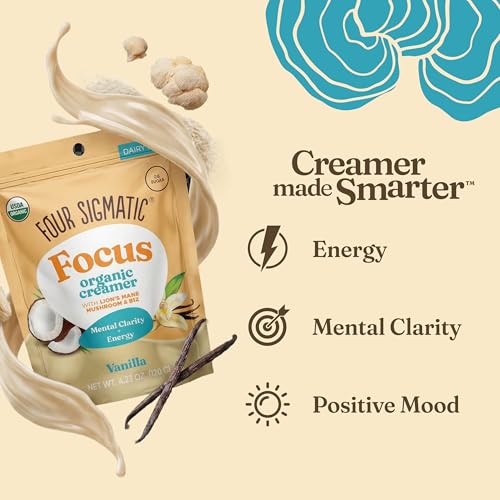
Four Sigmatic Focus Vanilla Creamer
Strengths
- Lion’s mane fruiting body
- B12 included
- USDA organic
- Non dairy
- Real vanilla
Trade-offs
- Very small quantity
- Not creamy alone
- High cost per ounce
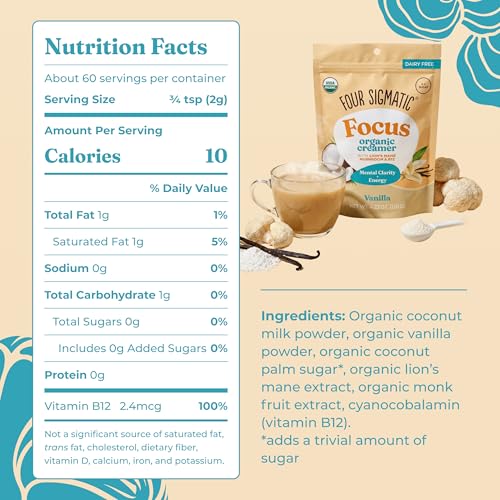
If you’re looking to turn your coffee into a morning nootropic ritual, this is one of the most credible options on the market. The inclusion of 500mg of lion’s mane mushroom fruiting body per tablespoon is significant, many competitors use mycelium, which is far less potent. Reviewers note a subtle vanilla sweetness from real Madagascar beans and monk fruit, with a creamy base from coconut. The B12 addition is a smart touch for energy and cognitive support, and the fact that it’s USDA organic and non-dairy makes it accessible to many diets.
That said, the tiny 4.23 oz size means it’s more of a daily supplement than a primary creamer. Owners report it doesn’t add much volume or richness to coffee, so you’ll likely need to pair it with another creamer if you like a fuller mouthfeel. Compared to Anthony’s or Organic Valley, it’s not about texture or sweetness, it’s about function. I’d recommend it as a booster, not a base.
Product photos

How We Chose These organic coffee creamer
As the founder of Bean Thusiast, I approach coffee additions with a discerning eye. Rather than a hands-on lab test, my assessment of organic coffee creamers relied on a detailed comparison of product specifications – ingredients, certifications, and sugar content – alongside a careful review of owner feedback and expert opinions. I weighed these factors against my understanding of what makes a truly excellent addition to a cup of coffee.
For organic coffee creamers, I prioritized three key areas: ingredient quality, functional benefits, and taste/versatility. A certified organic label is crucial, but beyond that, the source and type of fat (coconut, MCT) matter significantly. Many consumers also seek added benefits like adaptogens or superfoods, influencing how I ranked options. Ultimately, a creamer needs to enhance, not detract from, the coffee itself.
Product specs clearly indicate ingredients and nutritional information. However, I heavily considered owner reviews to gauge real-world taste and texture experiences, and to assess any reported issues with mixing or settling. Understanding organic creamer shelf life based on user reports was also important, as was noting any discussion of signs of spoiled coffee creamer.
How To Pick The Right organic coffee creamer
As someone who’s spent years chasing the perfect cup, I know a great organic coffee creamer can elevate your morning ritual. But with so many options, finding the right one takes a little know-how.
A truly excellent organic coffee creamer balances flavor and functionality. Look for USDA certified organic ingredients, minimal added sugars, and a base that complements – rather than masks – your coffee’s inherent qualities. Consider whether you prioritize a creamy texture, a specific flavor profile (like vanilla or coconut), or added benefits like MCTs and adaptogens. Pay attention to the ingredient list; shorter is often better.
Understanding the Base Ingredients
The foundation of any organic coffee creamer dictates its texture and overall experience. Coconut cream is extremely popular, offering a rich, velvety mouthfeel, but it can impart a noticeable coconut flavor. Almond and cashew creamers are lighter, but sometimes have a watery consistency. For those wanting a classic taste, organic dairy-based creamers (like those from Organic Valley) offer a familiar richness, though they aren’t suitable for all dietary needs. Don’t assume “organic” means neutral; read the ingredient list carefully to understand what you’re getting.
Prioritizing Functionality & Added Boosts
Beyond simply adding creaminess, many organic coffee creamers now include functional ingredients. Adaptogens, like those found in Four Sigmatic’s Focus Vanilla Creamer, are a growing trend, promising benefits like enhanced focus and reduced stress. MCT oil is another common addition, providing healthy fats for sustained energy. If you’re interested in these extras, consider what aligns with your personal wellness goals.
Here’s how to think about those functional additions: * MCT Oil: Great for keto or low-carb diets, providing readily available energy. * Adaptogens (Lion’s Mane, etc.): Worth exploring if you’re looking for cognitive support, but research the specific adaptogen to understand its potential effects. * Superfood blends: Can offer a range of vitamins and antioxidants, but the quantity of those nutrients per serving may be minimal.
A little goes a long way. Start with a teaspoon of creamer and adjust to your taste. Overdoing it can mask the coffee’s flavor and add unnecessary calories or sugar.
Balancing Flavor and Sweetness
Organic cane sugar is a common sweetener in these products, but the amount varies significantly. If you prefer a less sweet experience, look for unsweetened options or those sweetened with monk fruit or stevia. Some creamers, like Anthony’s Organic Coconut Creamer, are naturally sweet enough from the coconut itself. I also recommend considering the flavor profile; vanilla, hazelnut, and chocolate are popular choices, but can sometimes clash with certain coffee origins. If you’re unsure, starting with a plain or lightly flavored creamer allows the coffee’s nuances to shine through. You can also explore best organic powdered creamer for more options. Always be mindful of the health impact of creamers and how they fit into your overall diet.
Organic Coffee Creamer Compared
Here’s a comparison of the key specifications for each organic coffee creamer.
| Product Name | Size | Sweetener | Dairy Free | Organic | Key Features |
|---|---|---|---|---|---|
| Anthony’s Organic Coconut Creamer | N/A | N/A | Yes | Yes | Gluten Free, Keto Friendly |
| Organic Valley Sweet Cream Creamer | 32 oz | Cane Sugar | N/A | Yes | Lactose Free, Low Sugar |
| Four Sigmatic Focus Vanilla Creamer | N/A | Monk Fruit | Yes | Yes | Lion’s Mane, B-12 |
Frequently Asked Questions
What if I have multiple dietary restrictions?
You can absolutely find a suitable creamer; many organic options cater to specific needs. For instance, if you require both dairy-free and sugar-free, look for unsweetened almond or coconut creamers sweetened with monk fruit or stevia.
How does the base ingredient affect the flavor of my coffee?
Coconut cream imparts a distinct coconut flavor, which some enjoy while others prefer to avoid. Almond and cashew creamers are more neutral, but may be thinner in texture, while dairy-based options offer a classic richness.
Are adaptogens in coffee creamers actually effective?
The effectiveness of adaptogens like Lion’s Mane varies by individual and requires consistent intake. While research suggests potential cognitive benefits, it’s not a substitute for a healthy lifestyle and the amount per serving in a creamer may be relatively low.
What’s the difference between organic cane sugar and other sweeteners?
Organic cane sugar is still sugar, and should be used in moderation. Monk fruit and stevia are natural, zero-calorie sweeteners often used as alternatives, and may be preferable if you’re watching your sugar intake.
Where can I find more information about dairy-free creamers?
I’ve compiled a detailed guide to the best dairy-free coffee creamer options available, covering a range of bases and flavors, should you wish to explore alternatives.
The Bottom Line
Choosing an organic coffee creamer often comes down to balancing convenience with control. If you want a simple, versatile option that lets the coffee flavor shine, I recommend Anthony’s Organic Coconut Creamer. It’s a solid base to build from, and its minimal ingredient list appeals to those prioritizing purity.
For readers seeking specific benefits, the options broaden considerably. Those prioritizing focus and a functional boost will find Four Sigmatic Focus Vanilla Creamer an excellent choice, while those wanting a dairy-based option with a classic taste should consider Organic Valley Sweet Cream Creamer. Understanding your shelf life of coffee creamer is also very important.
Ultimately, the “best” organic coffee creamer isn’t about a single perfect ingredient or a flashy label. It’s about finding a product that complements your coffee and your preferences. Prioritize quality ingredients, a reasonable sugar content, and a flavor profile that enhances, rather than overwhelms, your daily brew.
